Japanese Chin Dogs for Adoption in Tucson, AZ

Your guide to finding and caring for a Japanese Chin in Tucson

A Japanese Chin suits Tucson's apartments and bungalows, because it's happy with a short walk and a lap. Whether you live in a Fourth Avenue apartment or a Sam Hughes bungalow with a shady porch, a Chin needs little room and mostly wants to be near you. The one thing to plan for is summer, since that flat face doesn't cope with triple digits. Chins are quiet and tidy, which goes over well in a shared building.

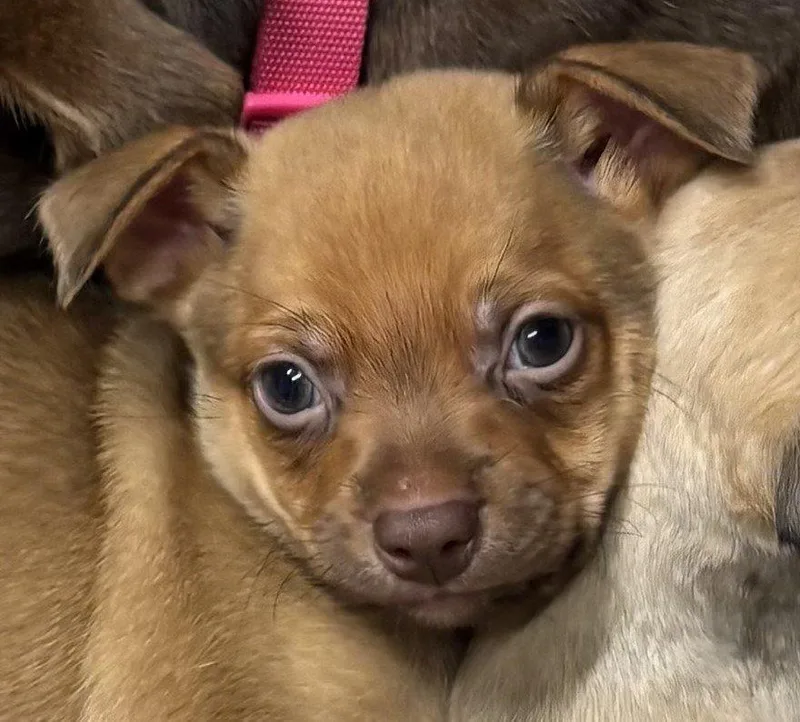
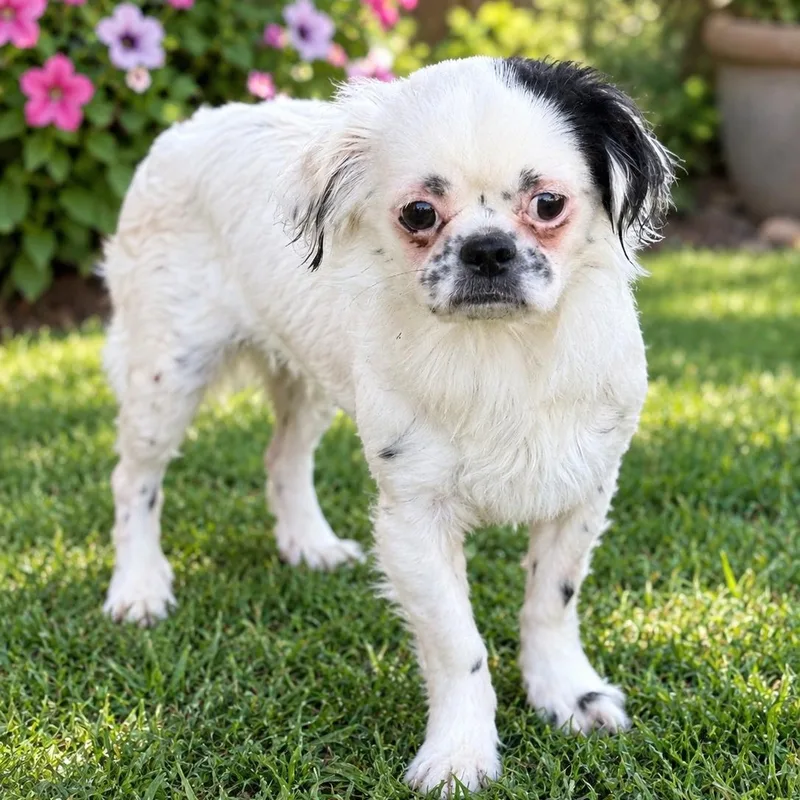
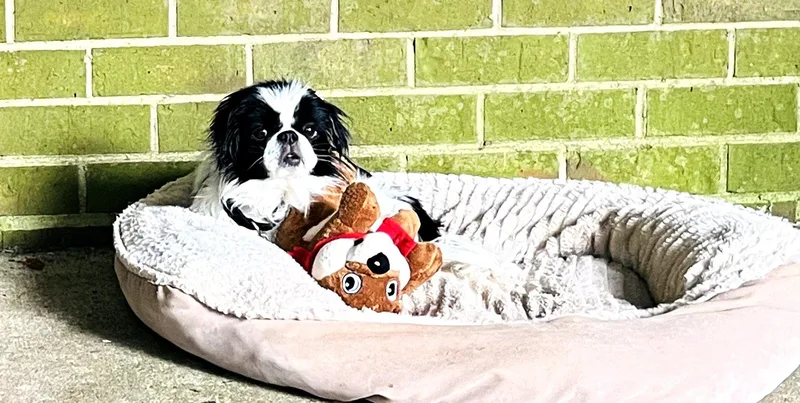
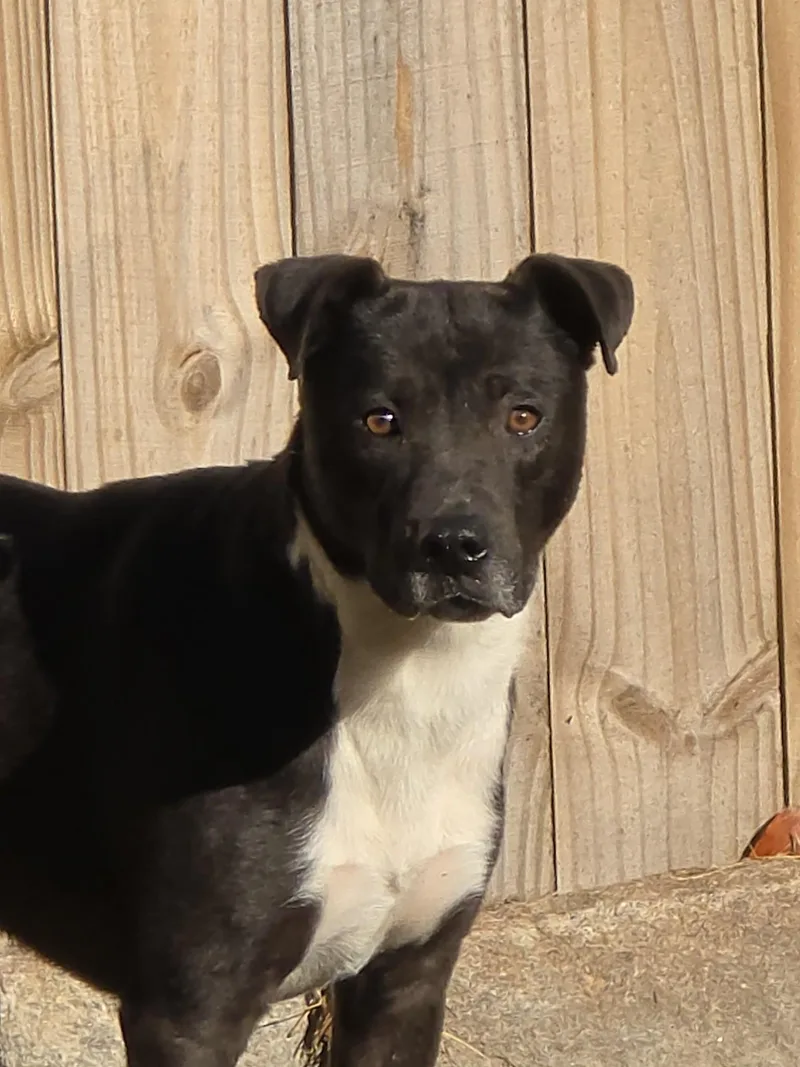
12 Japanese Chins available in Tucson and nationwide

Fall for a Japanese Chin

While we don't have enough dogs near Tucson, keep in mind that many rescues may offer transport.

Japanese Chins Available for Adoption Near Tucson

About the Japanese Chin breed

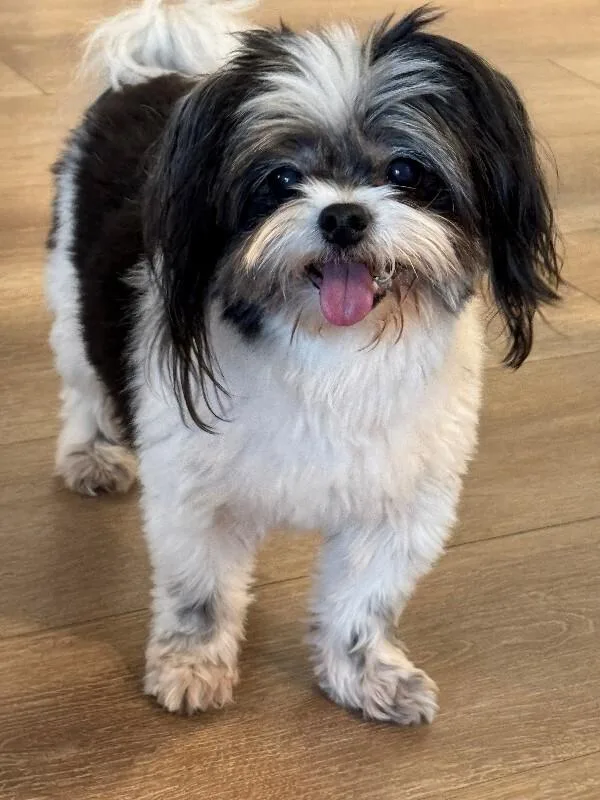
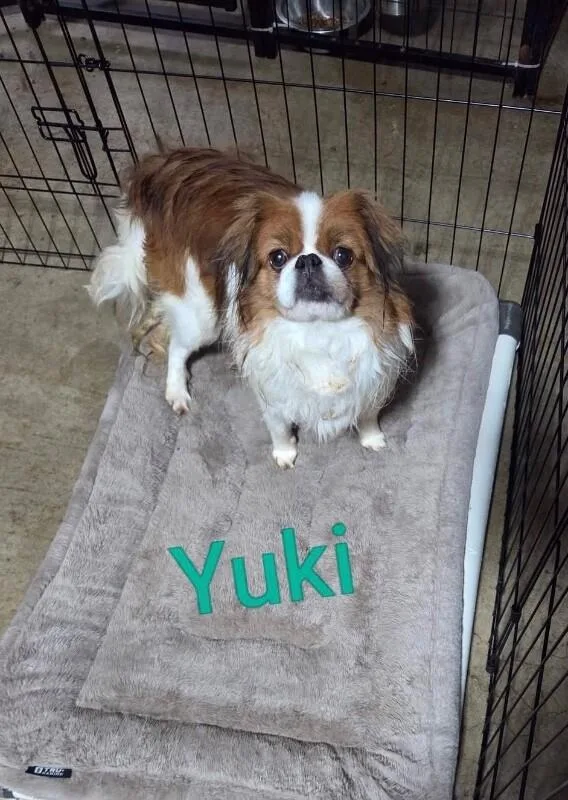
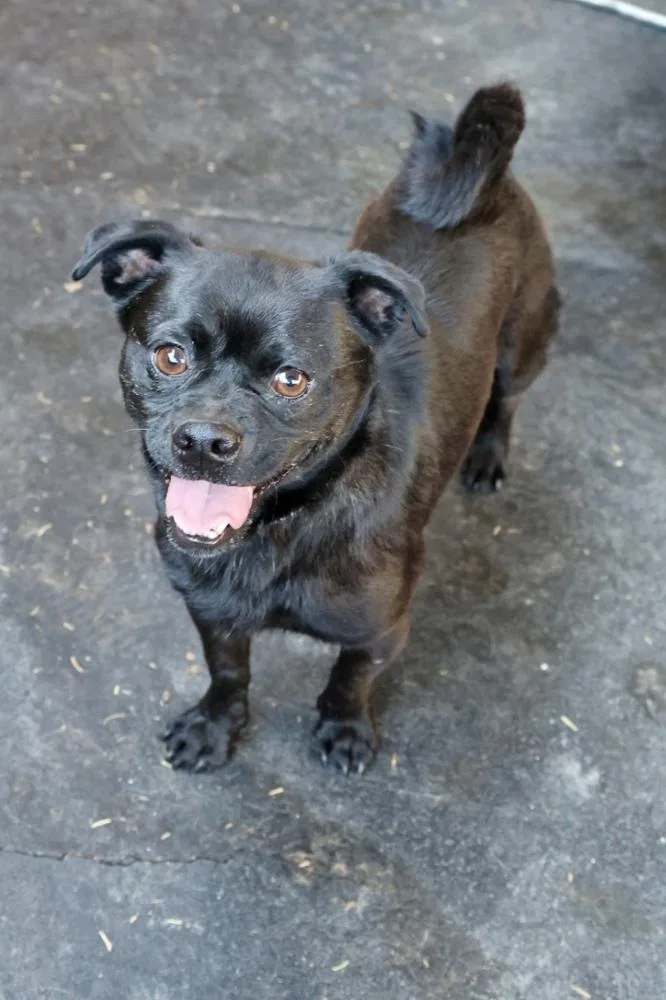
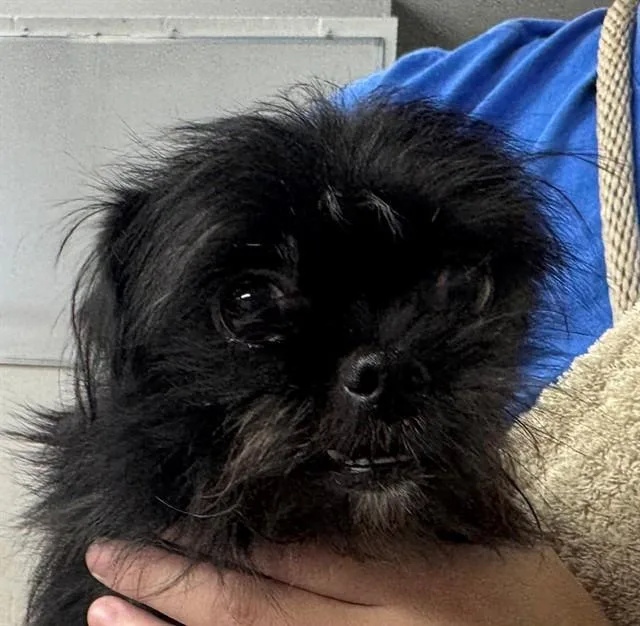
The Japanese Chin is a toy companion dog with roots in China, kept for centuries by Japan's nobility before it traveled to Europe and America. Adults weigh about 7 to 11 pounds and stand 8 to 11 inches tall, with a large round head, a very short muzzle and a silky single coat in black and white, red and white, or tricolor.

The Chin's tidy, cat-like habits fit small homes well. Many perch on the back of a couch, watch before joining in, and stay quiet with family, though some will announce visitors and are reserved with strangers. Brushing once or twice a week usually keeps the coat in shape. Chins vary, so an individual dog's personality matters more than the breed description.

Weight
7–11 lbs
Height
8–11 in
Lifespan
10–14 yrs
Temperament
Charming, Affectionate, Quiet
Group
Toy
Shedding
Moderate

Owning a Japanese Chin in Tucson

Having a Japanese Chin in Tucson

Chins pack plenty of personality into about 7 to 11 pounds and need very little room. Their flat faces, delicate joints and crowded teeth shape daily care more than their size does, and that matters most in Tucson's long, hot summers.

Temperament

Chins are usually affectionate, quiet and attentive, with short bursts of play. Many are reserved with strangers and dislike rough handling, which suits a calm Tucson condo or bungalow better than a lively, noisy household. Some get anxious when left alone. A dog's own behavior tells you more than breed averages do.

Exercise Needs

Short daily walks and indoor play are usually enough. In Tucson's summer, walk at dawn, since evenings stay hot, and pick shaded dirt or grass over asphalt, testing the ground with your hand. The Loop's flat, paved paths work well in cooler months, but carry water and turn around early.

Health Considerations

Chins can develop luxating kneecaps, cataracts, heart murmurs, breathing trouble from the short muzzle, and dental disease from crowded teeth. Heat stroke is a real risk here. Valley fever, a fungus in desert soil, sickens roughly 6 to 10 percent of Pima County dogs each year, so mention a lasting cough or low energy to your vet.

Living Space

A Chin does fine in an apartment, a midtown bungalow or a house, because it needs little room. Reliable air conditioning matters more than square footage, given how long Tucson's hot season runs. Ramps or steps protect small knees on furniture, and a quiet corner keeps this light-framed dog clear of big, boisterous dogs.

What it costs to own a Japanese Chin in Tucson

ExpenseTypical costPer year
Food$15 to $35 per month$180 to $420
Pet insurance$35 to $70 per month$420 to $840
Routine vet care$200 to $400 per year$200 to $400
Other*$495 to $1,220 per year$495 to $1,220
Estimated yearly total (after year one)$1,295 to $2,880

Other costs are estimates and vary with size, age and health.

* The $20 Pima County dog license for a spayed or neutered dog, flea, tick and heartworm prevention, dental cleanings, toys and bedding, and at-home brushing supplies.

Adopt a Japanese Chin in Tucson.

Now that you know more, let’s find you a new best friend. These rescues and shelters below currently have Japanese Chins available.

Frequently Asked Questions

Yes, with care. Tucson sees about 68 days a year at 100°F or more, and a Chin's flat face makes it overheat quickly. Walk at dawn, keep outdoor trips short, run the air conditioning, offer fresh water, and never leave your Chin in a parked car. Bring your dog inside before monsoon storms.

Anza, Kennedy and Wagging Tails dog parks have separate small-dog areas, which is safer for a Chin. Dogs need a licensed collar and must be at least four months old. The paved Desert Discovery and Desert Ecology trails in Saguaro National Park allow leashed dogs, but go early in summer.

Yes, if your Chin fits in a completely enclosed carrier small enough for your lap. That rule covers Sun Tran buses and the Sun Link streetcar, and pets can't sit on the seats. Service animals are the exception. Tucson has no subway, so most Chins ride only as carrier passengers.

Yes, a Chin's small size and quiet nature suit apartment life. The priorities are dependable air conditioning, since summer heat inside is dangerous for a flat-faced dog, and early-morning potty trips on shaded grass instead of hot pavement or balconies. Confirm the building's pet terms in your lease before you commit.

Yes. Tucson has no breed-specific restrictions, and Arizona law forbids them. Your Chin needs a rabies vaccination and a Pima County license. Note that a dog can't be at large even on its owner's private property, so use a leash or a securely fenced area, and keep your Chin leashed on public property.

Only to patios, and only at restaurants that choose to allow dogs, since they need county approval first. Keep your Chin leashed and under control. Pet dogs aren't allowed indoors, only service animals. In summer, pick a shaded patio at a cooler hour and bring water for your Chin.

Yes, Japanese Chins shed, though usually less than double-coated breeds. Their silky single coat drops hair steadily, with heavier shedding seasonally and after hormonal changes, especially in unspayed females. Brushing once or twice a week keeps loose hair from matting behind the ears and on the feathering. A dull or thinning coat is worth mentioning to your veterinarian.

A Japanese Chin is a small toy companion dog with a large round head, wide-set dark eyes, a short muzzle and a silky, feathered coat. The breed was kept for centuries by Japanese nobility as a lap dog. Many Chins are affectionate, quiet and cat-like in their habits, and they suit calm homes that can protect them from heat.

We have 1 rescue with Japanese Chins available: Pima Animal Care Center. You can see every rescue with Japanese Chins available in the list above these questions, or scroll to the top to see the Japanese Chins near Tucson.

Expect roughly $1,300 to $2,900 a year for a Chin in Tucson. Food runs $15 to $35 a month, insurance $35 to $70 a month, routine vet care $200 to $400 a year, and other costs like prevention, dental care, license and supplies $495 to $1,220 a year. Dental work can push costs toward the top of that range.