Saluki Dogs for Adoption in Phoenix, AZ

Your guide to finding and caring for a Saluki in Phoenix

Salukis were bred for open desert, so Phoenix's landscape suits them better than you might expect. The catch is the chase instinct: a Saluki needs a high, secure fence to sprint in, which makes the larger lots in Laveen or the single-family streets of Ahwatukee Foothills a natural match. Indoors, most are quiet and happy to sprawl on a couch, and a calm midrise in Encanto can work too if daily runs are planned. Summer afternoons are for resting, not running.

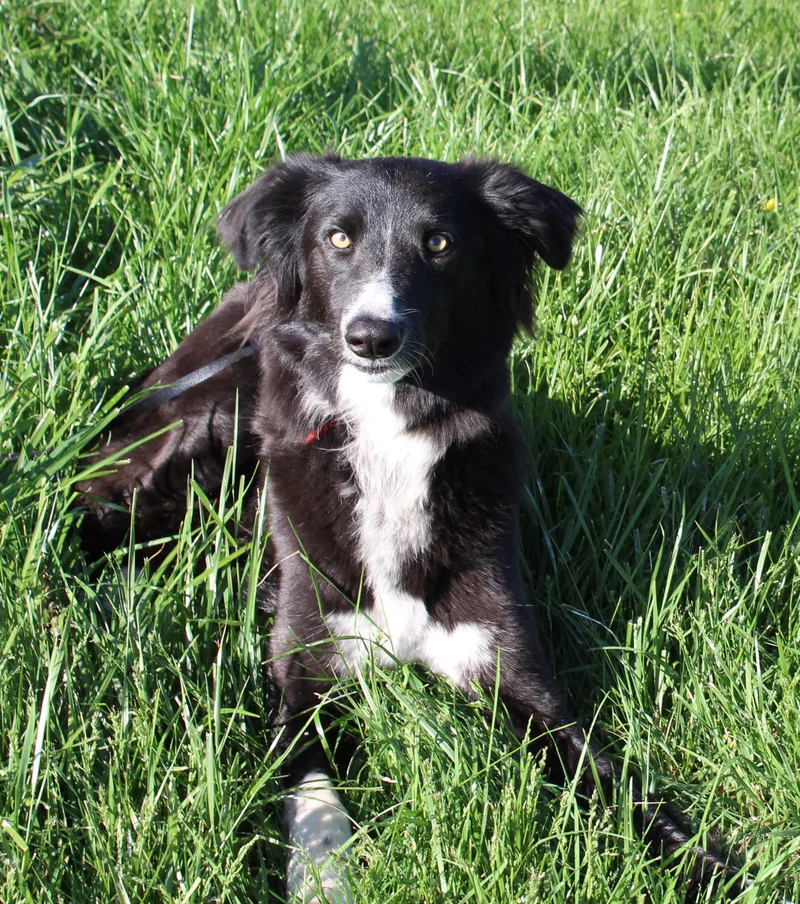
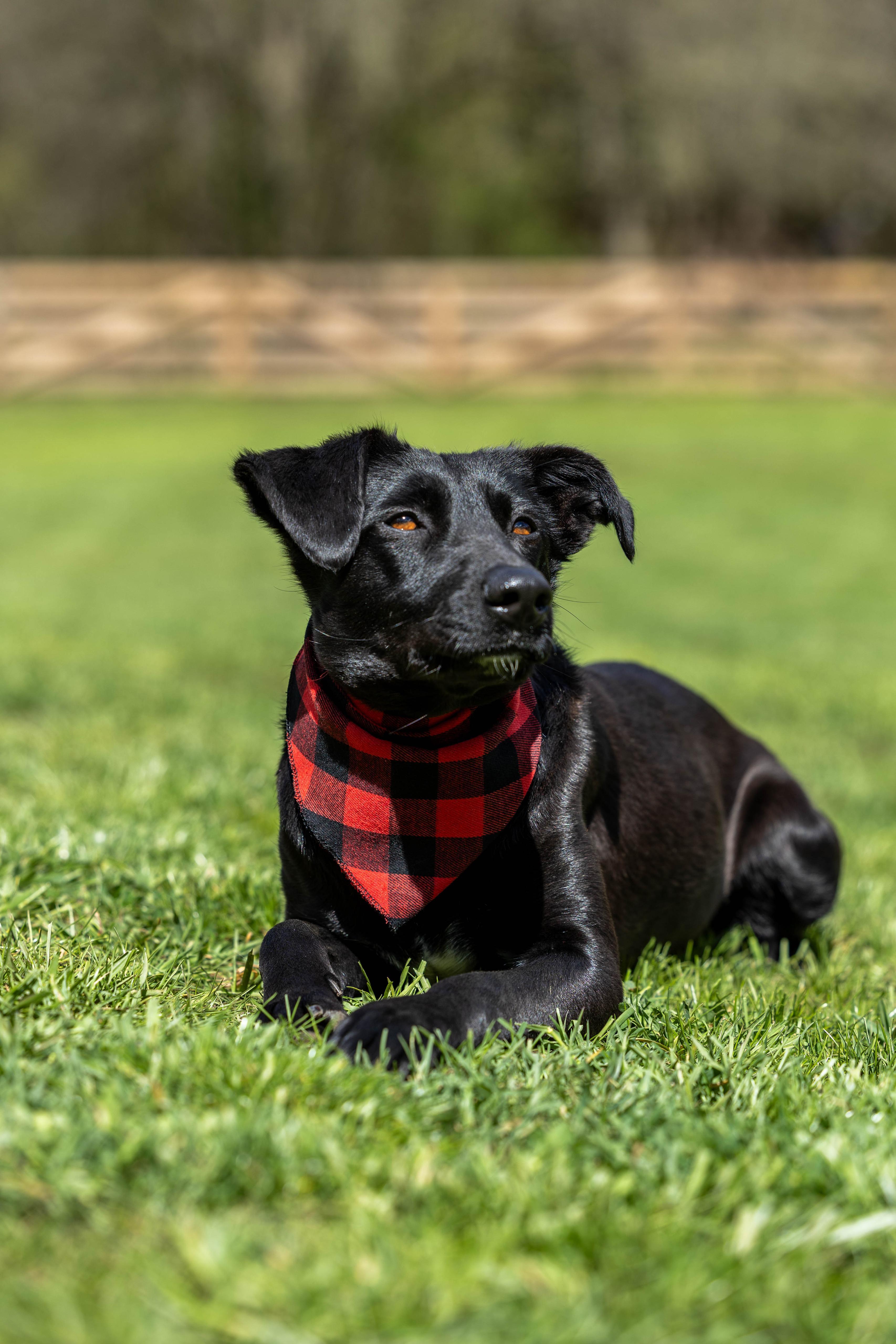
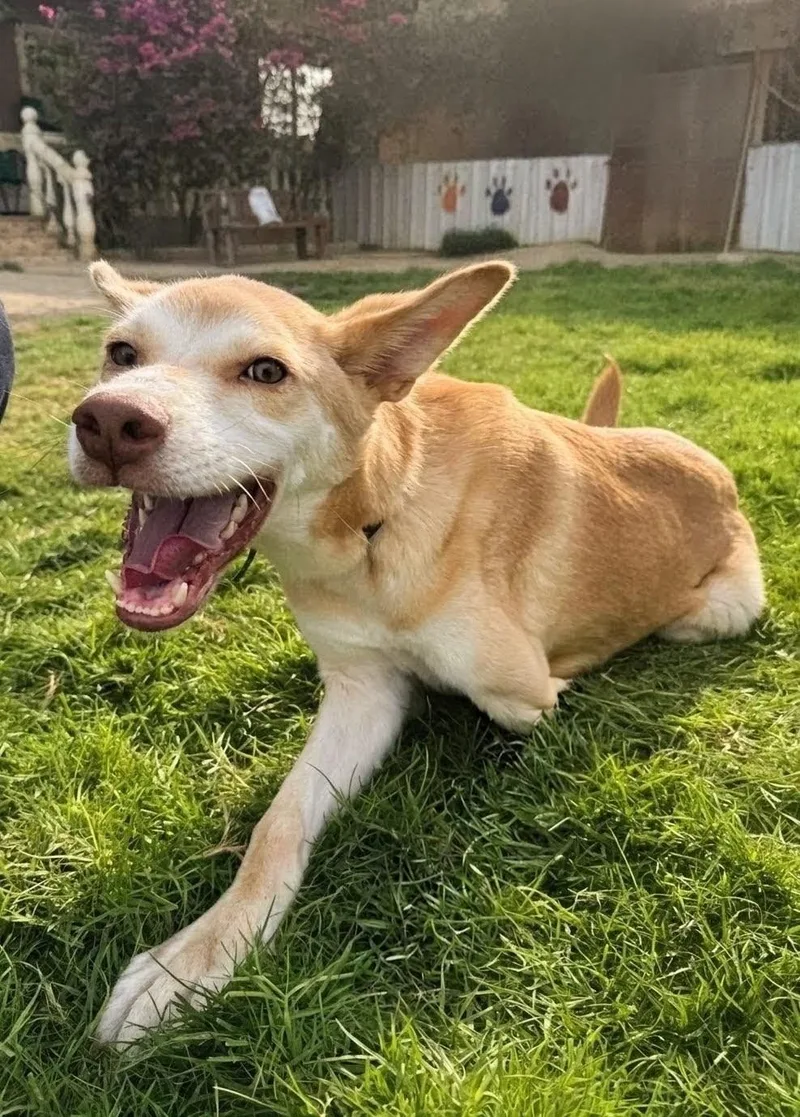
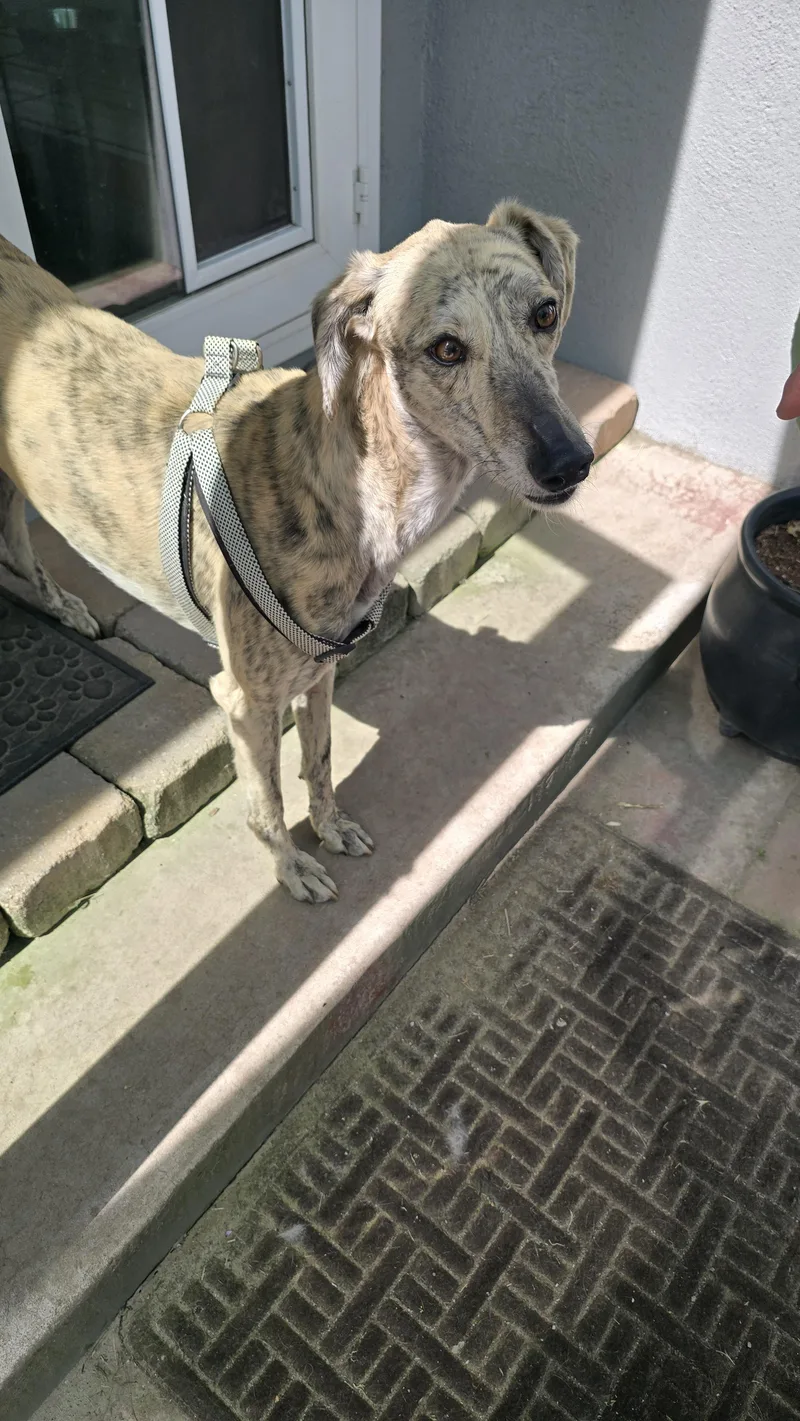
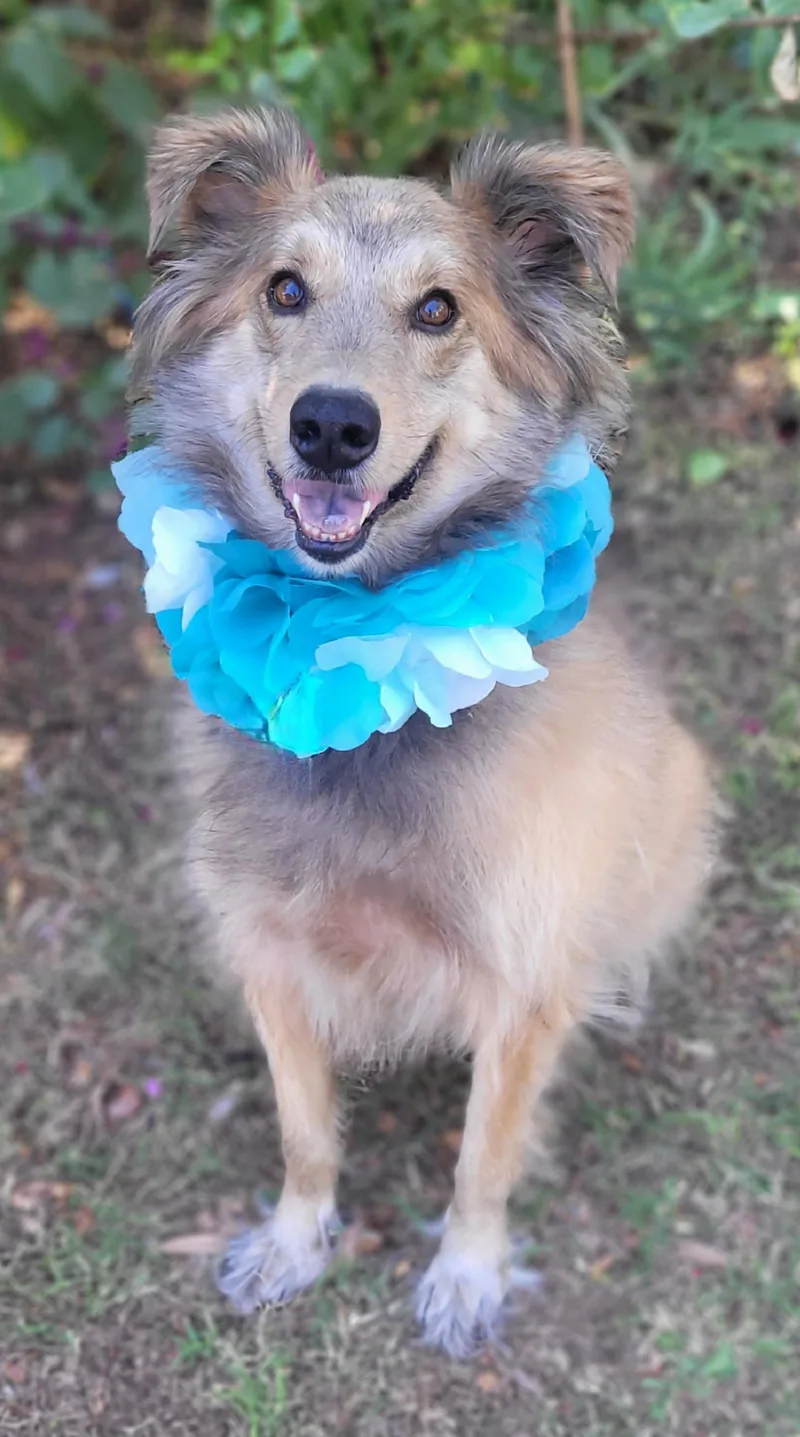
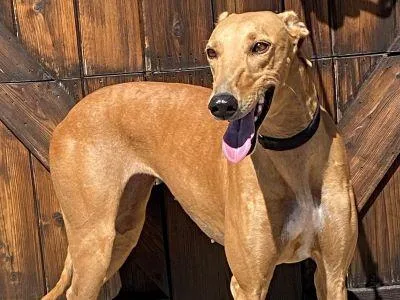
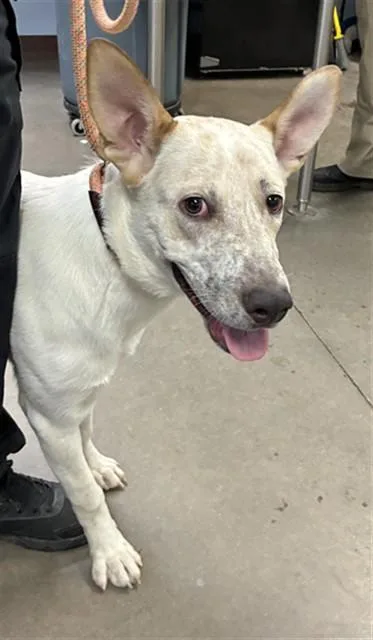
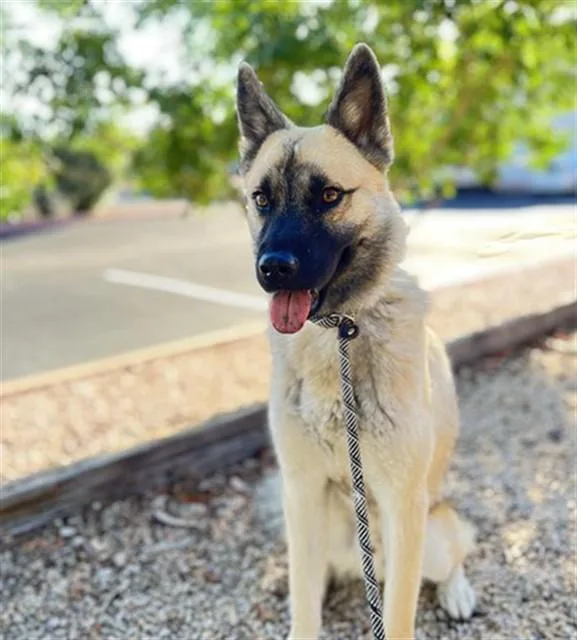
16 Salukis available in Phoenix and nationwide

Give a Saluki a home

While we don't have enough dogs near Phoenix, keep in mind that many rescues may offer transport.

Salukis Available for Adoption Near Phoenix

About the Saluki breed

The Saluki is a lean sighthound from the Fertile Crescent and wider Middle East, where nomadic peoples kept it to course gazelle and hare across open country. It comes in a feathered coat with silky fringes on the ears and tail, or a smooth coat, in colors from cream and red to black and tan. The short, silky coat sheds little and carries little odor, which is handy in a dusty desert city. Adults typically weigh 35 to 65 pounds and stand 23 to 28 inches tall.

Many Salukis are gentle, dignified and reserved with strangers, yet devoted to their own people. Prey drive is intense, so most can't be trusted off leash outside secure fencing and may chase cats or small pets. They suit patient adopters who offer daily exercise, soft bedding and kind, low-pressure training. Each dog differs, so a Saluki's own personality matters more than any breed description.


Weight
35–65 lbs
Height
23–28 in
Lifespan
12–15 yrs
Temperament
Gentle, Independent, Dignified, Athletic
Group
Hound
Shedding
Low

Owning a Saluki in Phoenix

Having a Saluki in Phoenix

A Saluki is built around sight and speed: it spots movement far away and wants to chase it. In Phoenix, that chase instinct, a thin low-fat body and desert heat all shape daily routines, from fenced sprints to coat and bedding choices.

Temperament

Many Salukis are quiet, sensitive and loyal, bonding closely with one or two people while staying aloof with visitors. They tend to dislike rough play and noisy chaos, which suits a calm home. Strong prey drive can make cats and small pets unsafe, and shy dogs benefit from patient, slow introductions. Each Saluki varies.

Exercise Needs

Plan on a long daily walk plus regular chances to sprint in a securely fenced area, since recall usually fails once a Saluki spots prey. Phoenix trails require a leash of six feet or shorter, and dogs aren't allowed on city trails at 100°F or above, so summer exercise belongs at dawn or in a gated dog park.

Health Considerations

Breed clubs highlight heart disease, hemangiosarcoma and other cancers, and hypothyroidism, though healthy Salukis often have low thyroid values. Low body fat means anesthesia needs care, and thin skin tears easily. In Phoenix, valley fever from desert dust affects dogs in Maricopa County, so mention any persistent cough to a vet familiar with sighthounds.

Living Space

A Saluki can live in a Phoenix apartment or a house if daily exercise and safe running room are covered. A high, secure fence matters, since many jump or squeeze through gaps when chasing. Padded bedding protects bony joints, and cool indoor air in summer matters for a lean, short-coated dog.

What it costs to own a Saluki in Phoenix

ExpenseTypical costPer year
Food$55 to $110 per month$660 to $1,320
Pet insurance$55 to $110 per month$660 to $1,320
Routine vet care$250 to $500 per year$250 to $500
Other*$540 to $1,590 per year$540 to $1,590
Estimated yearly total (after year one)$2,110 to $4,730

Other costs are estimates and vary with size, age and health.

* Flea, tick and heartworm prevention, a dental cleaning allowance, the Maricopa County dog license, toys and supplies, minimal home grooming, and a winter coat and padded bedding for a thin-skinned sighthound.

Adopt a Saluki in Phoenix.

Now that you know more, let’s find you a new best friend. These rescues and shelters below have dogs available in and near Phoenix.

Rescues and Shelters in or near Phoenix

Phoenix's shelters and rescues listed below work year-round to place dogs and cats in new homes. Here are the rescues & shelters in the Phoenix area with dogs available for adoption, worth asking whether a Saluki is coming in.

Frequently Asked Questions

Yes, most Salukis can handle Phoenix summers with planning and indoor cooling. Highs reach 105°F and nights stay near 82°F, so walk at dawn, keep trips short and choose shaded grass over asphalt. Dogs aren't allowed on city trails at 100°F or above. A lean, short-coated Saluki should never be left in a car or tethered outside in extreme heat.

Yes. Phoenix has no breed-specific rules, and Arizona law forbids cities from making them. Dogs over three months old need a Maricopa County license, which requires a current rabies vaccination, and must wear the tag off your property. Salukis are uncommon, so watch the listings on this page and save a search to hear about new dogs.

Gated dog parks are the best places for a Saluki to run, since city trails require a leash of six feet or less. Options include Margaret T. Hance Dog Park, Steele Indian School Dog Park and the dog park at Deer Valley Park. For walks, try Papago Park's flat Crosscut Canal Path. Camelback Mountain bans dogs year-round.

Only to outdoor patios. Maricopa County rules generally keep pet dogs out of restaurant interiors and allow them on approved dog-friendly patios with their own entrance, and each restaurant decides whether to offer one. A calm, leashed Saluki must stay off seats and tables. In summer, evening visits are kinder than hot concrete afternoons.

Very little. A Saluki's short, silky coat sheds lightly, and even the feathered type needs mainly regular brushing of its ear and tail fringes. Phoenix's dust and desert plants make a quick wipe-down and a check of paws and skin worthwhile after walks, since thin skin nicks easily. Most grooming happens at home, so it adds little to yearly costs.

Probably not, unless a Saluki is a service animal. Phoenix has Valley Metro buses and light rail but no subway, and pets generally ride in closed carriers, which a 35-to-65-pound Saluki won't fit. Check current fares and pet rules with Valley Metro before planning a trip. For summer errands, a cool car ride is safer, never leaving the dog inside.

A Saluki is a tall, slender sighthound from the Middle East, bred to chase gazelle and hare by sight across open country. It has long legs, a narrow head, a deep chest and either silky feathering or a smooth coat. Many are gentle, quiet and independent at home, with an intense chase instinct outdoors.

A Saluki can run roughly 40 miles per hour at full speed, and the 1996 Guinness Book of Records listed one at about 42.8 mph. Greyhounds may be quicker over a short sprint, but Salukis are known for holding high speed over longer distances. That speed is why secure fencing and leashes matter so much for this breed.

Salukis come from the Middle East and the Fertile Crescent, a region stretching from the eastern Mediterranean through Mesopotamia. Nomadic tribes across Arabia, Persia and North Africa kept them for hunting. The breed reached Britain in the nineteenth century and was recognized there in 1923 and by the American Kennel Club in 1929.

Budget roughly $55 to $110 a month for food and $55 to $110 a month for insurance, plus $250 to $500 a year for routine vet care. Other yearly costs, including parasite prevention, dental care, the license and supplies, run about $540 to $1,590. Summer air conditioning at home comes on top.