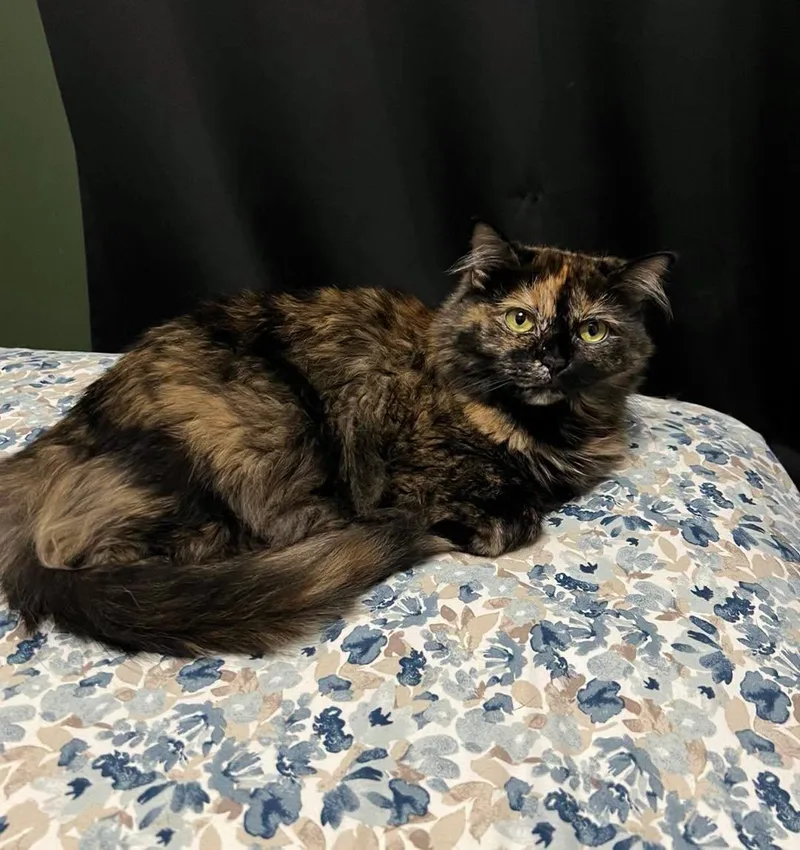
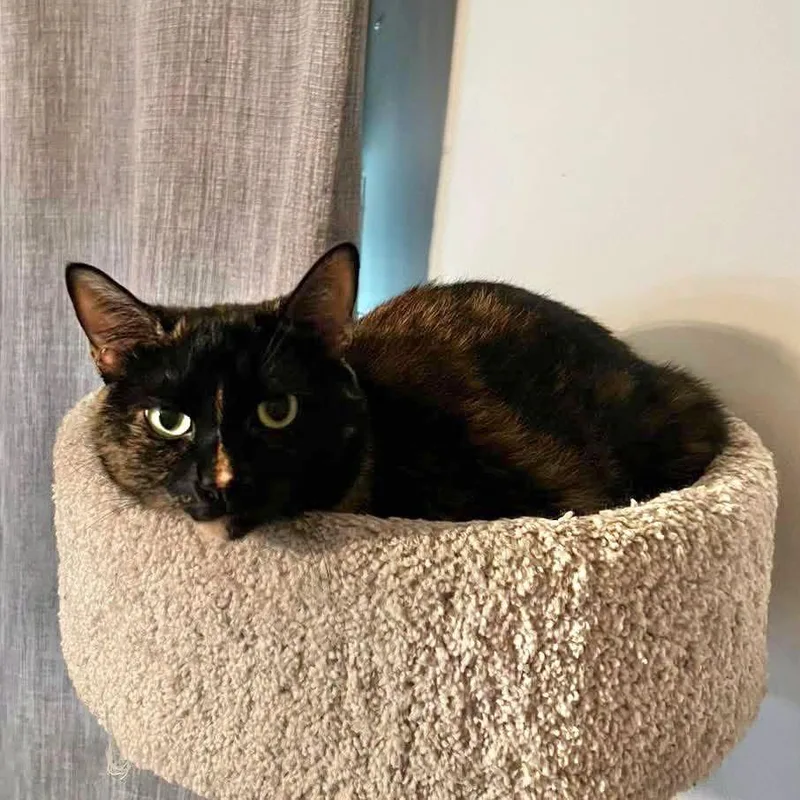
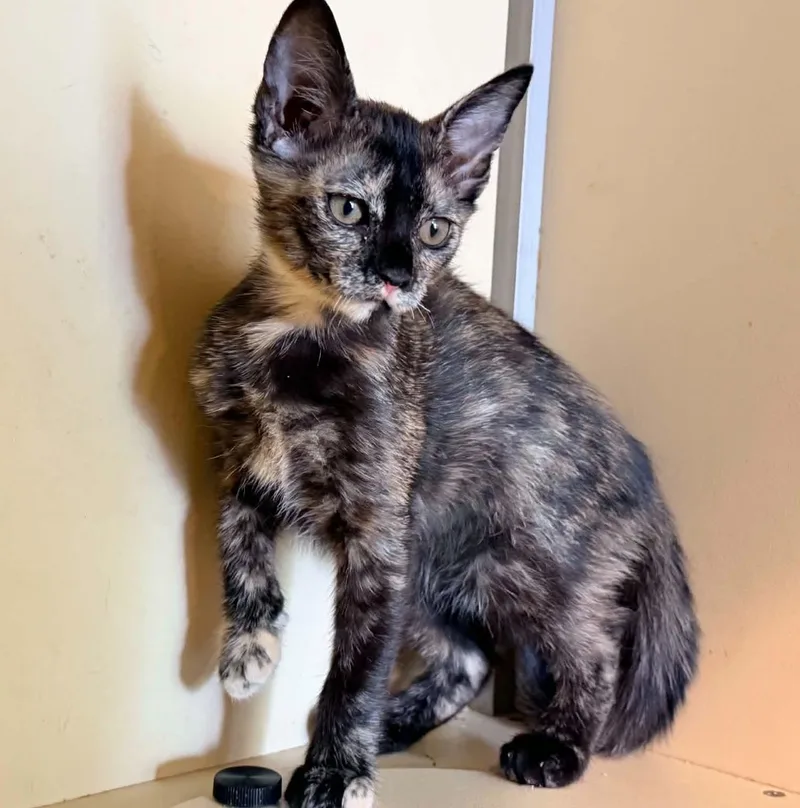
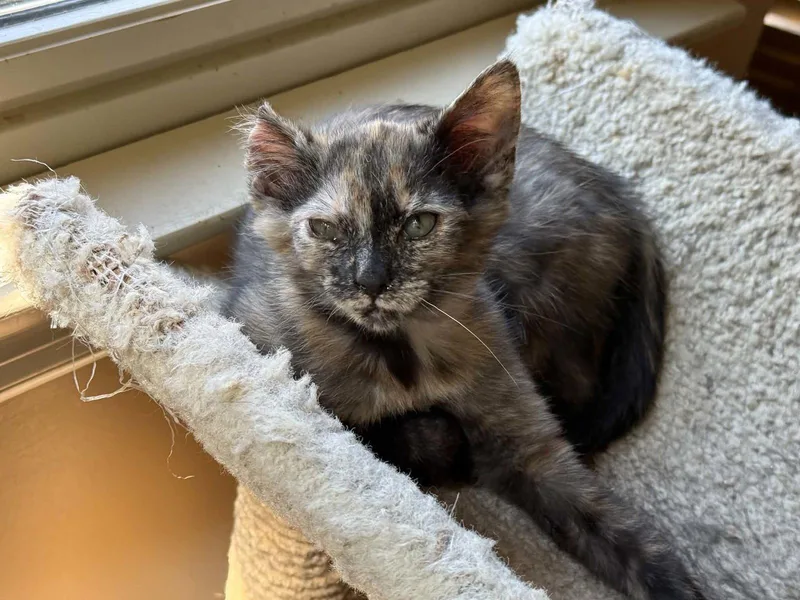
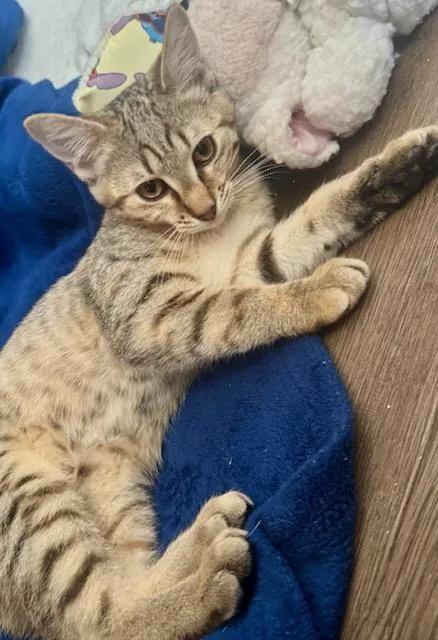
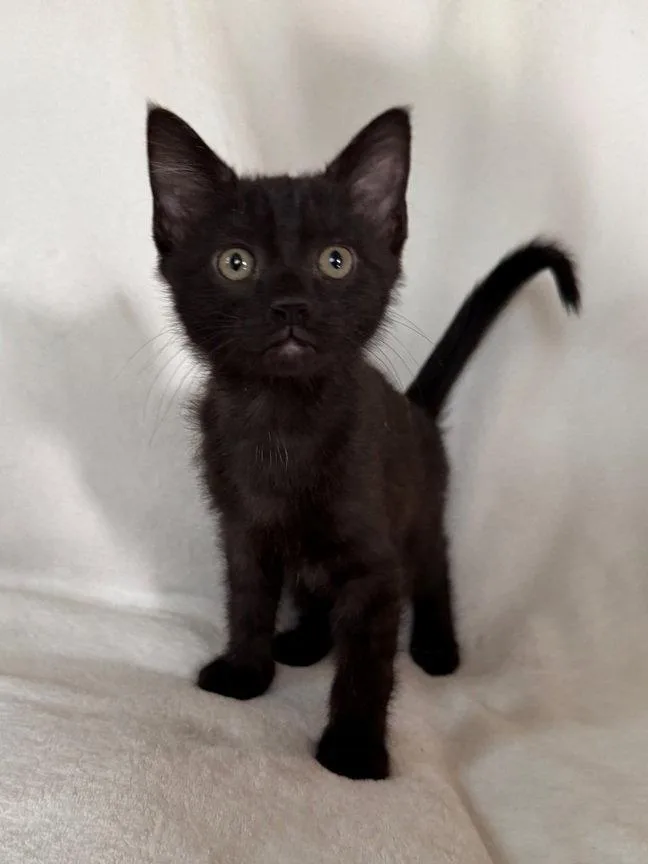
Tortoiseshell Cats for Adoption in Nashville, TN

Your guide to finding and caring for a Tortoiseshell in Nashville

A Tortoiseshell cat fits easily into a Hillsboro Village apartment or a Donelson brick ranch house. Tortoiseshell is a coat pattern, not a breed, so these cats range from shy lap-sitters to bold climbers. Hillsboro Village's older houses have the sunny windowsills most torties claim by afternoon, and a Donelson ranch has room for a cat tree. Most are medium-sized and happy indoors, which keeps them clear of the coyotes that roam Nashville neighborhoods at dusk.

1058 Tortoiseshells available in Nashville and nationwide

Your Tortoiseshell is waiting

Tortoiseshells Available for Adoption Near Nashville

About the Tortoiseshell breed

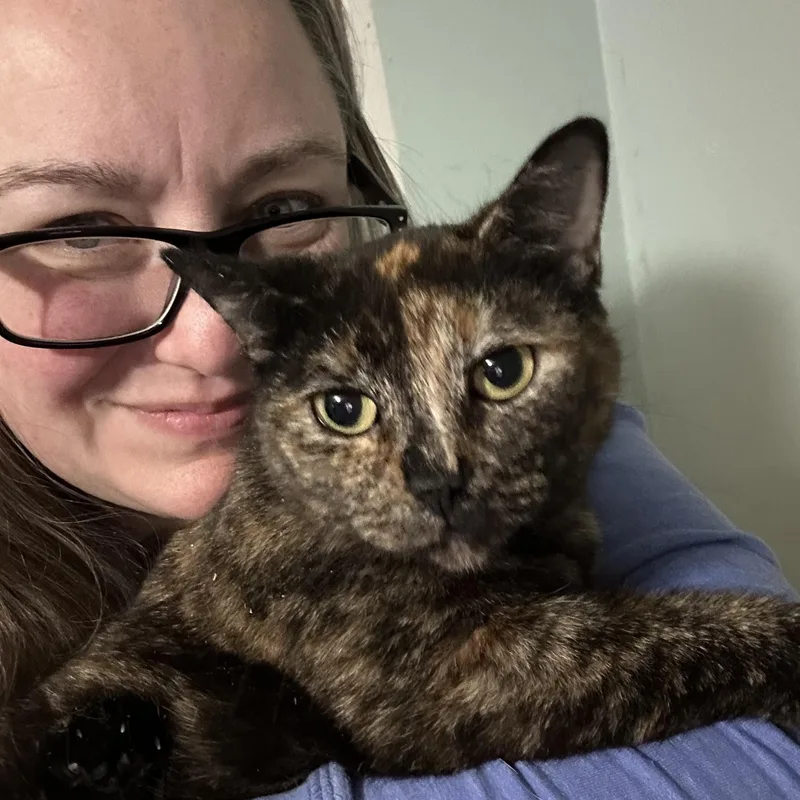
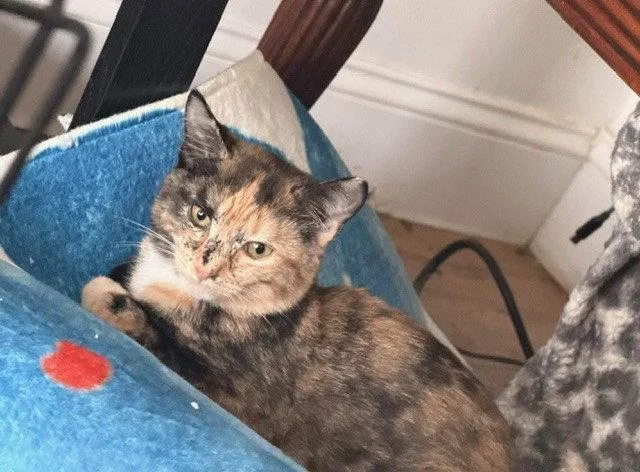
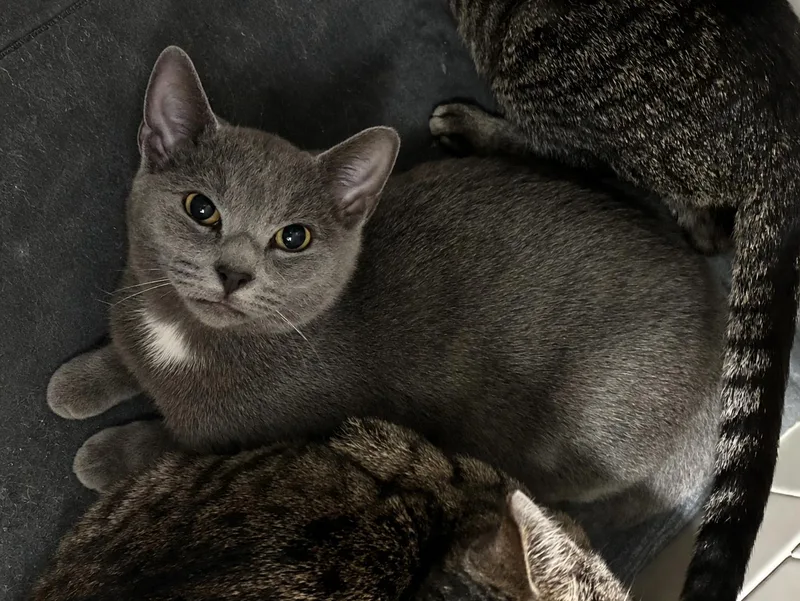
Tortoiseshell describes a coat, not a breed. The coat mixes black-based and orange-based colors in patches or a fine mottled blend, usually with little white. A cat with large white areas is called a calico. Dilute torties look soft gray and cream, and torbies add tabby stripes. Nearly all are female because the orange gene sits on the X chromosome.

Most torties adopters meet are domestic shorthairs, typically 6 to 14 pounds, with moderate shedding and a lifespan of 12 to 18 years. Their "tortitude" reputation rests mostly on owner impressions, so a cat's age, history and socialization say more than color. In a Nashville home, a tortie's needs come down to daily play, a scratching post and a window to watch.

Weight
6–14 lbs
Height
8–10 in
Lifespan
12–18 yrs
Temperament
Independent, Affectionate, Playful
Shedding
Moderate

Owning a Tortoiseshell in Nashville

Having a Tortoiseshell in Nashville

Because tortoiseshell is a coat rather than a breed, these cards describe what holds for most torties, usually domestic shorthairs. Age, background and personality vary widely, so treat them as a starting point and read each cat's listing closely.

Temperament

Torties have a reputation for spirited, opinionated "tortitude," but the evidence rests mostly on owner impressions. In practice they range from shy to bold and from cuddly to independent. In a Nashville apartment, a confident tortie may enjoy a busy household, while a quieter one may prefer calm. Time with the cat shows more than color.

Exercise Needs

Most torties benefit from daily interactive play with wand toys, chase games and puzzle feeders, with kittens needing more and seniors preferring gentler sessions. Nashville's humid summers and icy winter spells make indoor play the dependable option. Cat trees and window perches add climbing. If you try a harness outdoors, greenways require a leash of 6 feet or less.

Health Considerations

The tortoiseshell pattern carries no particular health risks for females. The rare males are usually XXY and often sterile, which can bring extra health issues. Otherwise health follows breed, age and care, so yearly checkups, dental care and a healthy weight matter most. Nashville's warm months bring fleas and ticks, so keep prevention current.

Living Space

Torties do well in apartments and houses alike, since space needs depend on the cat. A cat tree, scratching posts and a few hideaways cover most needs. Keeping a tortie indoors also protects against coyotes, which Metro animal control says are common in Nashville neighborhoods and can threaten small pets and cats.

What it costs to own a Tortoiseshell in Nashville

ExpenseTypical costPer year
Food$25 to $50 per month$300 to $600
Pet insurance$20 to $45 per month$240 to $540
Routine vet care$150 to $350 per year$150 to $350
Other*$458 to $1,158 per year$458 to $1,158
Estimated yearly total (after year one)$1,148 to $2,648

Other costs are estimates and vary with size, age and health.

* The $8 Nashville rabies tag, litter, flea, tick and heartworm prevention, a dental cleaning allowance, toys and supplies, and home grooming.

Adopt a Tortoiseshell in Nashville.

Now that you know more, let’s find you a new best friend. These rescues and shelters below currently have Tortoiseshells available.

Frequently Asked Questions

Yes. Nashville has no breed or color restrictions and no household pet limit. Cats six months or older need a rabies vaccine and a Davidson County rabies tag, which costs $8 for a one-year term. Renters should confirm the landlord's pet policy first, since building rules decide how many cats you can keep.

Yes, most Tortoiseshells adapt well to apartments, since space needs depend on a cat's age and personality more than its coat. Give your cat a tree, scratching posts and a window perch, and get written landlord approval. Because Metro sets no pet-number limit, your lease and building rules are what count.

Often, yes, if you can offer daily play and a safe indoor home. Tortoiseshell is a coat pattern, so personalities run from shy to bold. Hot summers, ice storms and tornado season are manageable indoors, and an indoor cat avoids the coyotes common in local neighborhoods. Read each cat's listing for temperament notes.

Yes, indoor Tortoiseshells handle Nashville summers well with air conditioning. About 54 days a year reach 90°F and nights stay near 70°F, so run fans or AC, offer fresh water and cool rooms, and keep flea and tick prevention current. Never leave a cat in a parked car, where temperatures can top 130°F within 20 minutes.

Yes, but only in a carrier. WeGo's code of conduct allows non-service animals on its buses and the WeGo Star train only in an approved transfer cage, and size details aren't published. Bring a secure, enclosed carrier, keep your cat inside it for the whole ride, and check current WeGo rules before your first trip.

Most Tortoiseshells shed moderately, so brushing once or twice a week is usually enough, a little more for long-haired torties or during heavy shedding. Short-haired torties rarely need professional grooming. Home brushing supplies fall under the Other line in the cost table, so there's no big grooming bill to plan for.

No, plan to leave your cat at home. Nashville's patio rule lets restaurants with a $20 Metro permit welcome leashed pet dogs outdoors, but it covers dogs, not cats, and pets can't go inside dining rooms. A cat is safer and more comfortable at home with water, a cool room and a quiet spot.

A tortoiseshell cat is a cat with a coat pattern of black-based and orange-based colors blended or patched together, usually with little or no white. It is not a breed; the pattern appears in many breeds and most often in domestic shorthairs. Nearly all tortoiseshells are female because the genes for orange and black are carried on the X chromosome.

We have 2 rescues with Tortoiseshells available: The Cat Shoppe Rescue and Proverbs 12:10 Animal Rescue. You can see every rescue with Tortoiseshells available in the list above these questions, or scroll to the top to see the Tortoiseshells near Nashville.

A tortie typically runs about $1,150 to $2,650 a year in Nashville. That covers food at $25 to $50 a month, insurance at $20 to $45 a month, routine vet care at $150 to $350 a year, and other costs of $458 to $1,158 a year, including litter. Emergency care and the adoption fee are extra.