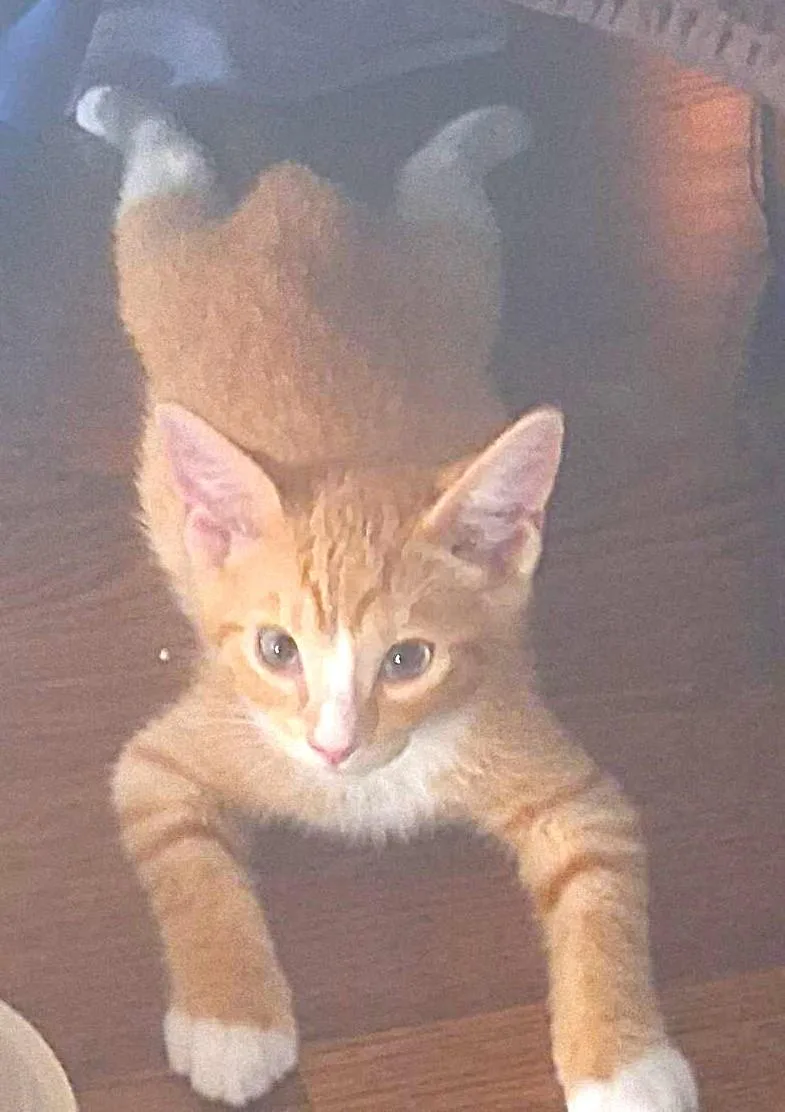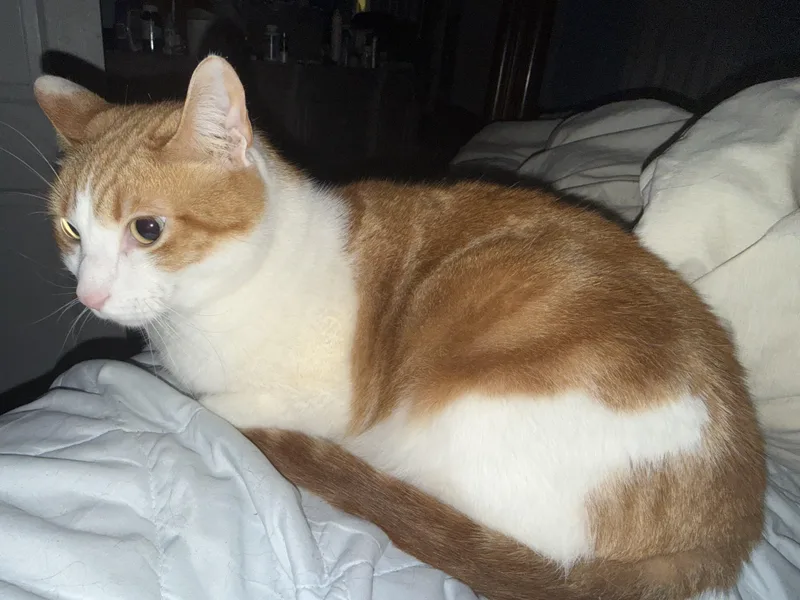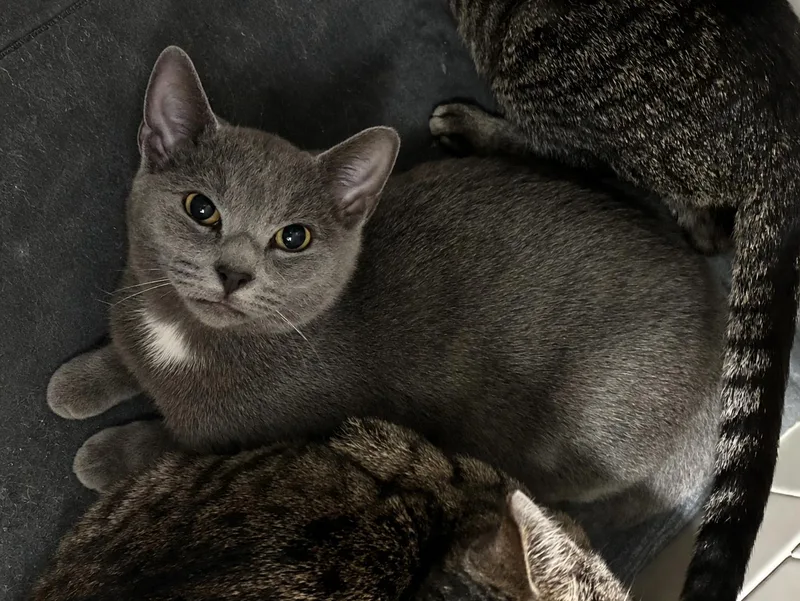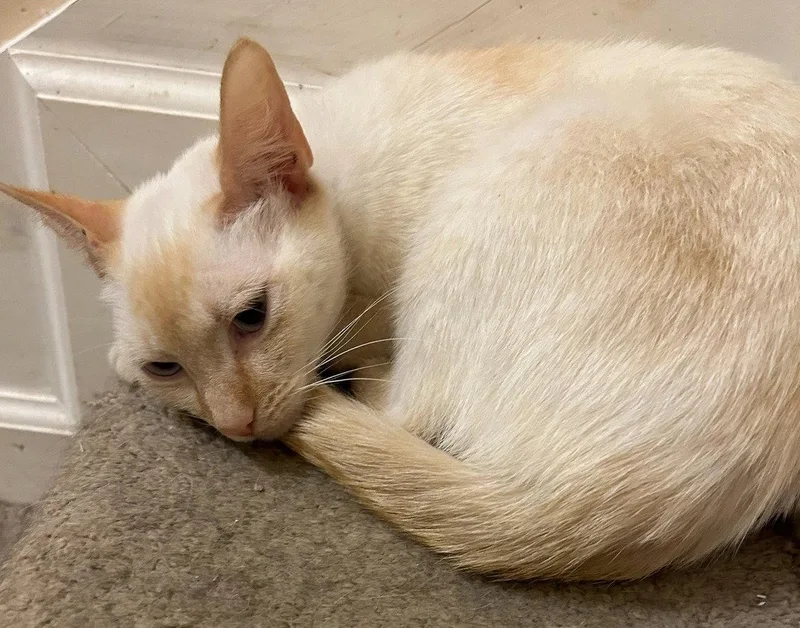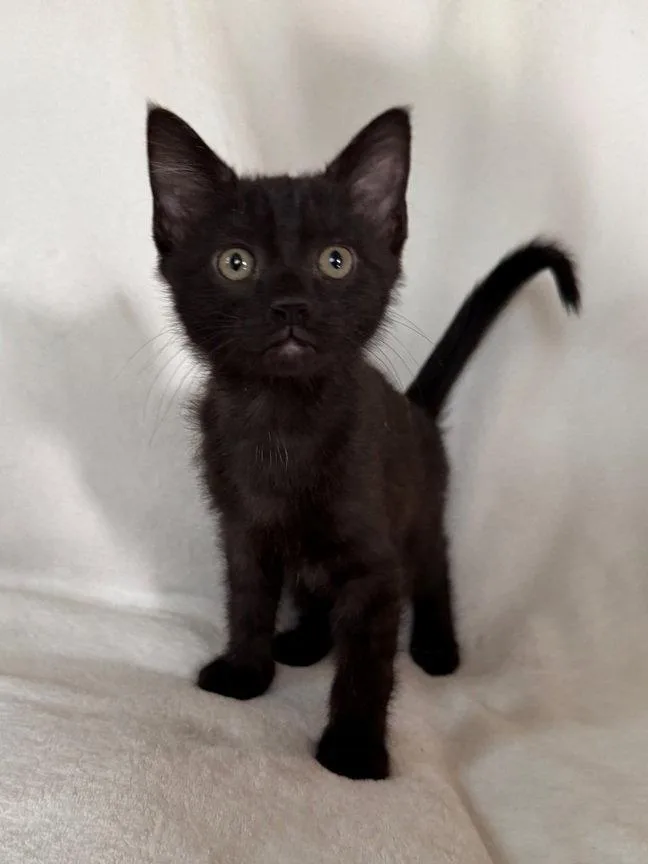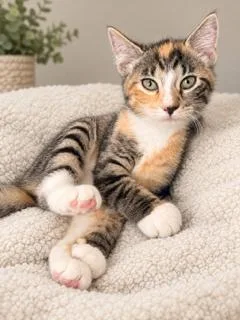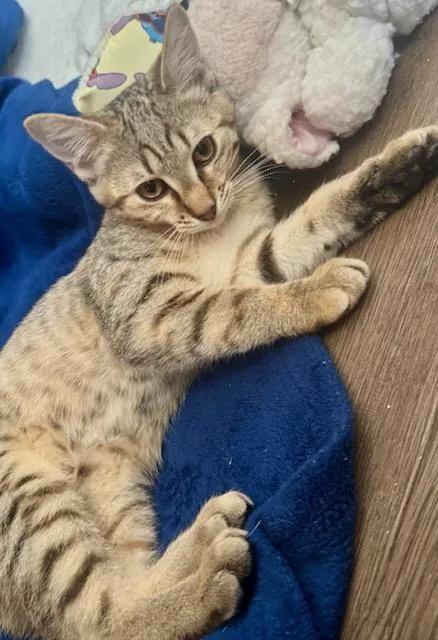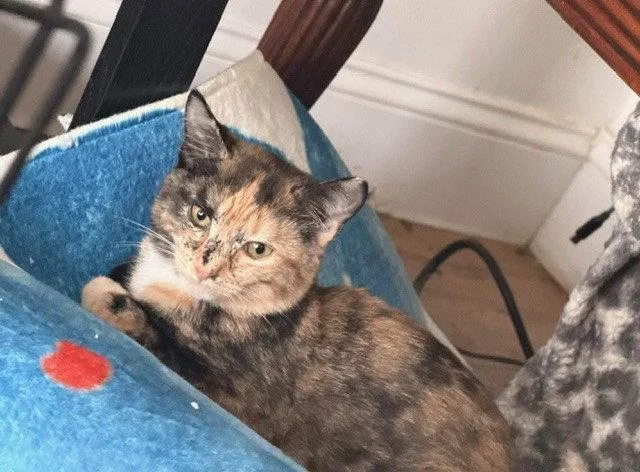
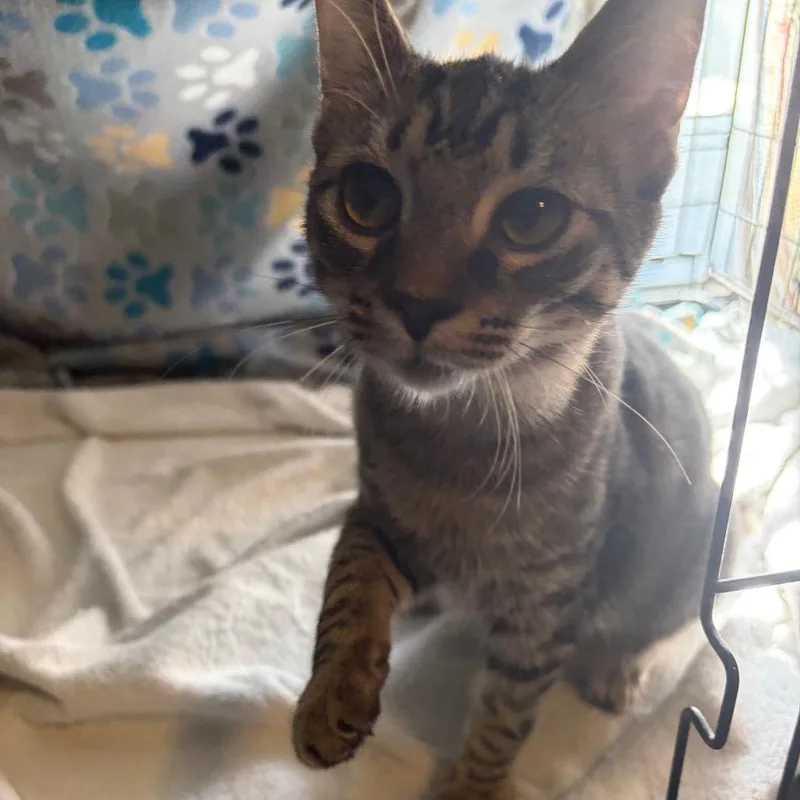
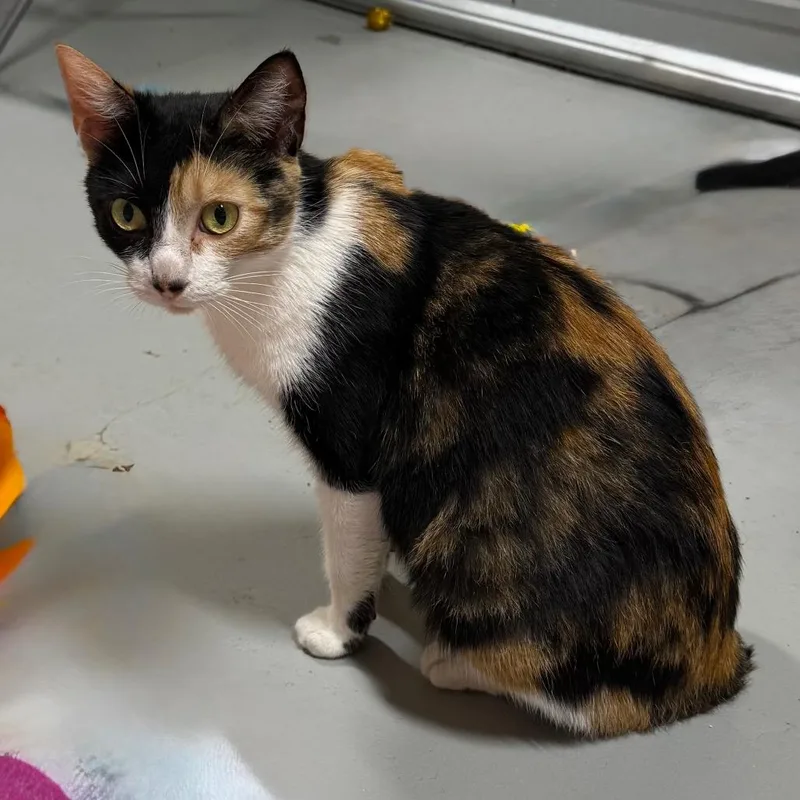
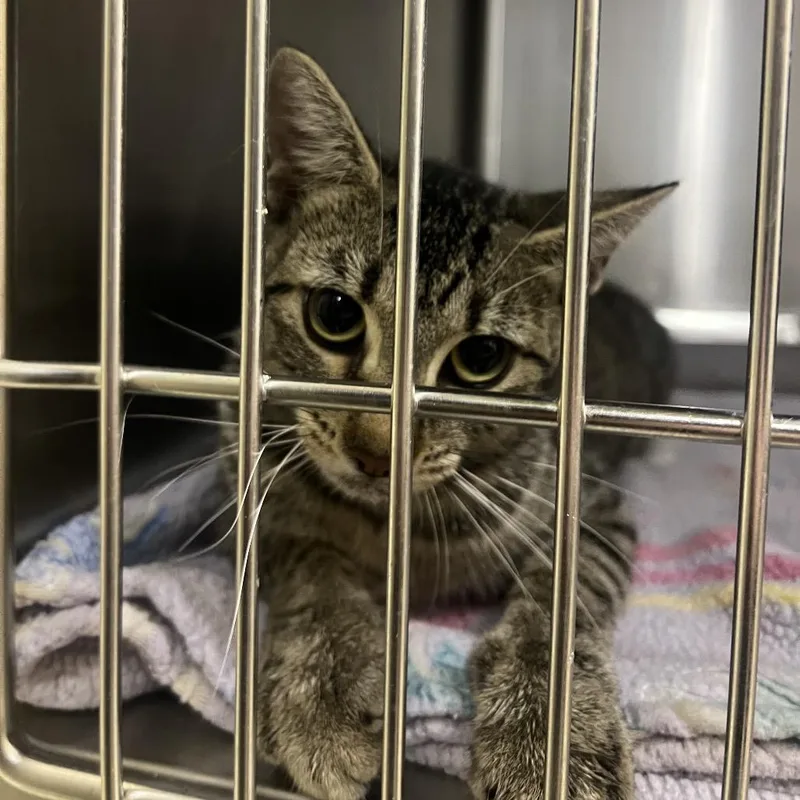
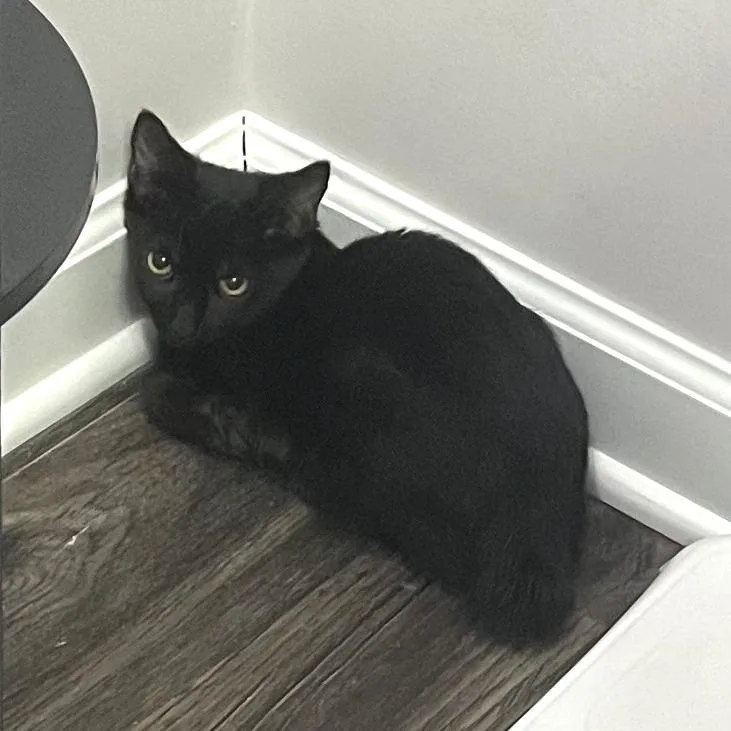
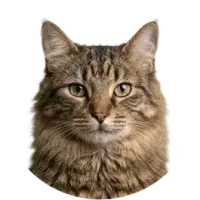
American Bobtail cat

American Bobtail Cats for Adoption in Nashville, TN

Your guide to finding and caring for an American Bobtail in Nashville

American Bobtails suit Nashville's apartment neighborhoods well, as long as they have something to climb and someone to play with. A window perch in a Hillsboro Village apartment or a cat tree in a Germantown flat gives a Bobtail plenty to watch. They're playful and people-oriented, so they like households where somebody's around in the evenings. In a Donelson ranch house, a harness walk in the backyard can burn off extra energy, and fetch down the hallway works almost anywhere.

147 American Bobtails available in Nashville and nationwide

Bring home an American Bobtail

While we don't have enough cats near Nashville, keep in mind that many rescues may offer transport.

American Bobtails Available for Adoption Near Nashville

About the American Bobtail breed

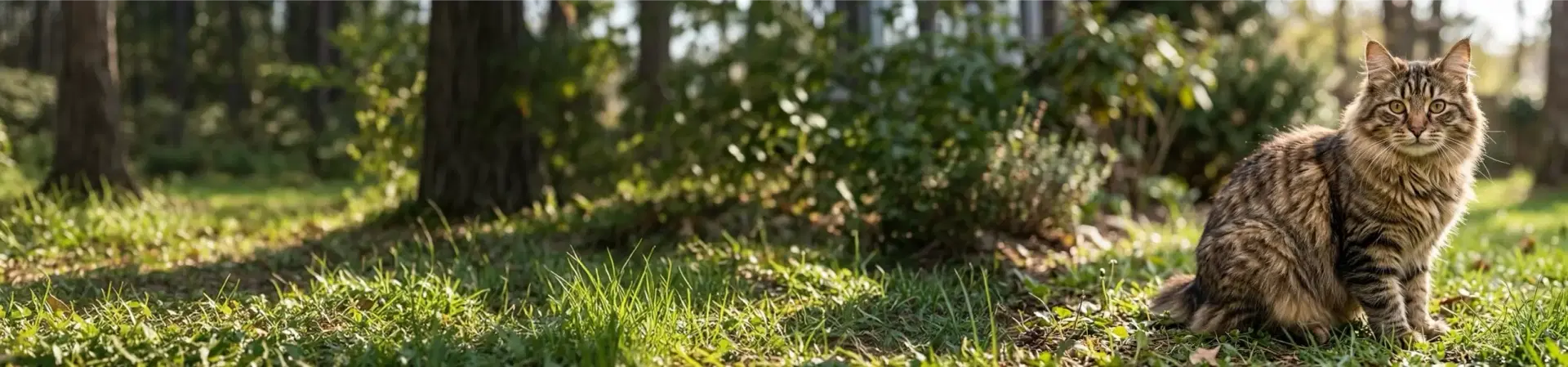
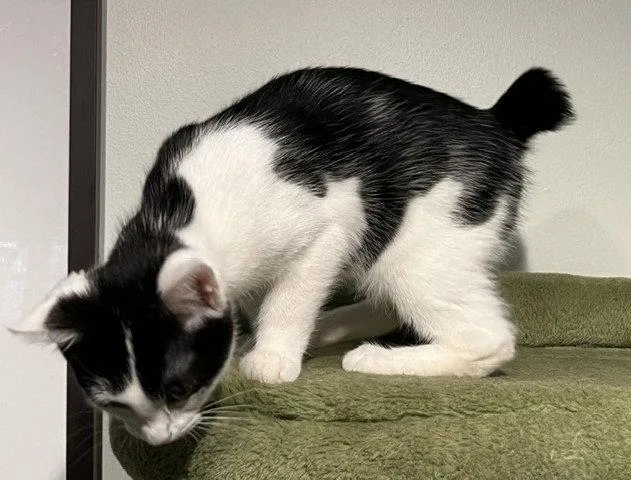
The American Bobtail traces back to Yodie, a short-tailed brown tabby stray found in Arizona in the late 1960s. The tail, usually a third to half of normal length, comes from a dominant gene, and the coat can be short or medium-long in nearly any color. These are muscular, medium-sized cats, typically 7 to 16 pounds, with males larger than females.

Many Bobtails are sociable and clever, and some fetch or learn to walk on a harness. They mature slowly, over two to three years, so a young adult may still play like a kitten. Weekly brushing handles most coats, with a little more for longhairs, and shedding is moderate. Nashville's humid summers make regular brushing especially welcome for a medium-long coat.

Weight
7–16 lbs
Height
9–12 in
Lifespan
11–15 yrs
Temperament
Playful, Affectionate, Adaptable, Intelligent
Shedding
Moderate

Owning an American Bobtail in Nashville

Having an American Bobtail in Nashville

Sturdy and athletic with a sociable streak, the American Bobtail does best where someone plays with it daily. Slow maturity, two possible coat lengths and a short tail that deserves a veterinarian's attention all shape what care looks like in Nashville homes.

Temperament

American Bobtails tend to be affectionate without being clingy, which suits Nashville's mix of remote workers, renters and busy families. Many greet visitors, follow people from room to room and invent games. They're usually quiet, trilling or chirping rather than yowling, a plus with shared walls. Each cat differs, so watch how a Bobtail handles holding and company.
Exercise Needs

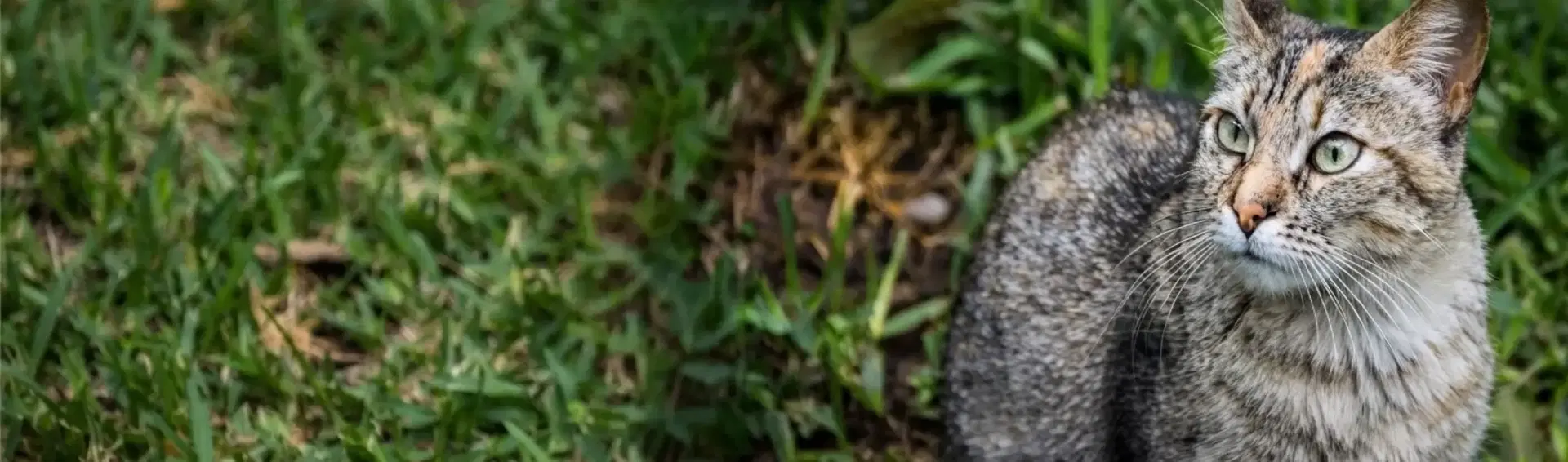
Plan on several short play sessions a day: wand toys, fetch, climbing and food puzzles. Many Bobtails learn harness walking, but keep outings short and supervised, since coyotes are common in Nashville neighborhoods and most active at dusk and dawn. Metro greenways require pets to stay on a leash no longer than six feet.

Health Considerations

Bobtails are generally sturdy, but the short-tail gene can occasionally bring spine or hip trouble. Watch for stiffness, pain near the tail or litter box changes, and have a veterinarian look into them. In Nashville's warm months, keep flea, tick and mosquito prevention current, and schedule yearly exams and dental care.

Living Space

A Bobtail adapts well to apartments and houses alike when it has vertical space, scratching posts and window views. That fits Nashville's range of homes, from Germantown flats to Donelson ranch houses. Keeping the cat indoors protects it from coyotes, traffic and storms, and a catio or harness time adds enrichment.

What it costs to own an American Bobtail in Nashville

ExpenseTypical costPer year
Food$25 to $50 per month$300 to $600
Pet insurance$25 to $50 per month$300 to $600
Routine vet care$150 to $350 per year$150 to $350
Other*$458 to $1,258 per year$458 to $1,258
Estimated yearly total (after year one)$1,208 to $2,808

Other costs are estimates and vary with size, age and health.

* Litter, flea and tick prevention, a dental cleaning allowance, toys and supplies, home brushing (more for longhairs), and the Davidson County rabies tag.

American Bobtail cat

Adopt an American Bobtail in Nashville.

Now that you know more, let’s find you a new best friend. These rescues and shelters below currently have American Bobtails available.

Frequently Asked Questions

Yes, an American Bobtail can be a good fit for Nashville if you can offer daily play and indoor space. They adapt to apartments and houses, enjoy company, and pick up games like fetch. Plan for humid summers with air conditioning and a storm-ready carrier, and expect a Bobtail left alone all day to get bored.

Yes, American Bobtails generally do well in Nashville apartments when they have climbing space, scratching posts and daily play. They're mostly quiet, which helps with shared walls. Get your landlord's consent before adopting, and confirm any pet fee or pet rent in your lease, since each landlord sets those terms.

Yes, as indoor cats. Nashville summers reach about 90°F and feel humid, so keep the air conditioning running, offer fresh water and shade, and brush longhaired Bobtails more often. Never leave a cat in a parked car, where temperatures can pass 130°F within about 20 minutes. Heavy panting or drooling calls for a prompt vet visit.

Weekly brushing is usually enough for a shorthair American Bobtail, while longhairs do better with two or three sessions a week to prevent tangles, especially as coats thicken in fall. Shedding is moderate. Professional grooming is rarely needed, so brushing costs stay within the roughly $458 to $1,258 yearly Other budget.

Mostly indoors, but a confident, harness-trained Bobtail can try greenways such as Shelby Bottoms in East Nashville, where pets must stay on a leash no longer than six feet. Go at midday, since coyotes are active at dusk and dawn. Radnor Lake bans pets on its trails, and Metro's dog parks are meant for dogs.

Only in an approved transfer cage, according to the code of conduct for WeGo buses and the WeGo Star train. Service animals are the exception. A secure, closed carrier is the practical choice for a Bobtail, and keeping it on your lap helps a curious cat stay calm.

A bobbed tail is a short tail, either naturally short from birth or, in some dogs, shortened by docking. In cats, natural bobtails come from several different gene mutations found in breeds like the American Bobtail, Japanese Bobtail and Manx. The tail may be straight, curved or kinked and is usually fully mobile and expressive despite its length.

A bobtail cat is any cat with a naturally short tail, from a stub to roughly half normal length. The term covers several breeds, including the American Bobtail, Japanese Bobtail, Kurilian Bobtail and Pixie-Bob, each with its own gene, as well as domestic cats born with short or kinked tails. Shelters often list these cats simply as bobtails.

We have 1 rescue with American Bobtails available: Proverbs 12:10 Animal Rescue. You can see every rescue with American Bobtails available in the list above these questions, or scroll to the top to see the American Bobtails near Nashville.

Expect roughly $1,200 to $2,800 a year for an American Bobtail in Nashville, combining food, insurance, routine vet care and other costs. Food and insurance each run about $25 to $50 a month, routine vet care $150 to $350 a year, and other costs $458 to $1,258, covering litter, parasite prevention and dental care.

Find American Bobtails in Nearby Cities

Expand your search to find American Bobtails available for adoption near Nashville.