Bengal Cats for Adoption in Nashville, TN

Your guide to finding and caring for a Bengal in Nashville

A Bengal fits Nashville best in a home where someone is around to play. They're smart, chatty and athletic, so expect fetch down the hallway and a cat that figures out the cabinets. In a Hillsboro Village house, a tall cat tree by the window gives a Bengal plenty to watch and climb. A Donelson ranch house offers long runs of floor to race across. Bengals do best with people who enjoy an active cat, and a second playful cat can help when you're out.

203 Bengals available in Nashville and nationwide

A Bengal is ready for you

While we don't have enough cats near Nashville, keep in mind that many rescues may offer transport.

Bengals Available for Adoption Near Nashville

About the Bengal breed

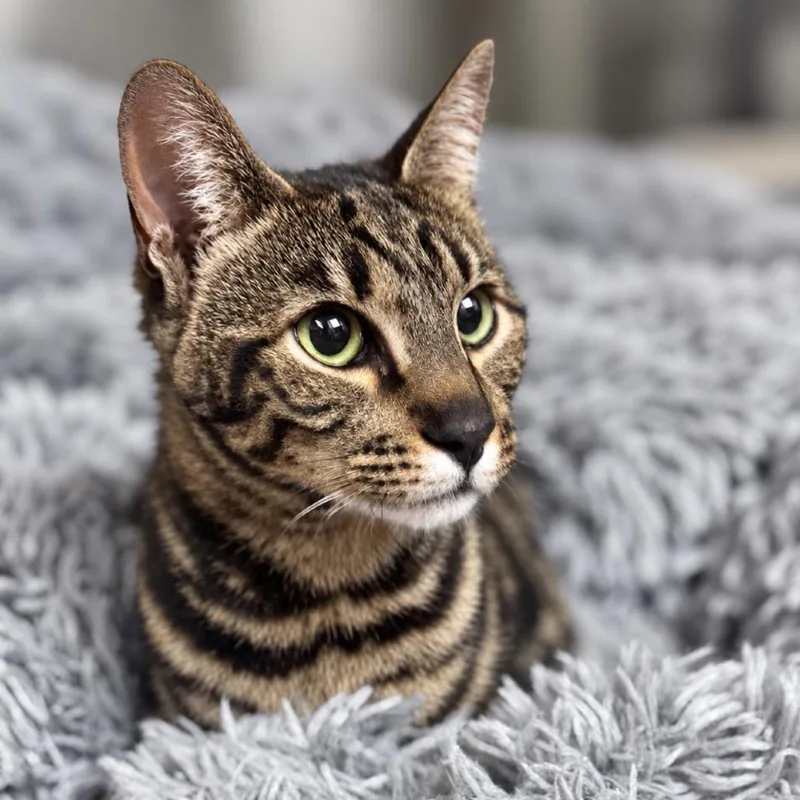
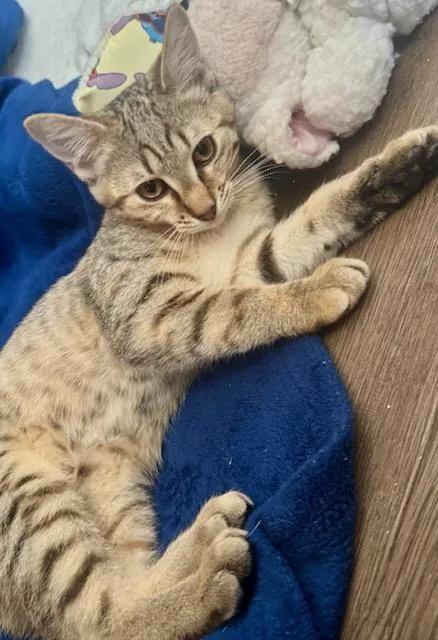
The Bengal is a medium-sized, muscular cat, usually 8 to 15 pounds, with a short, soft coat in spotted, rosetted or marbled patterns and, often, a glittery sheen. The breed began in the United States in the 1960s from crosses between domestic cats and Asian leopard cats, but today's Bengals are many generations removed and fully domestic. Many live 10 to 15 years.

In Nashville, the daily routine matters more than the address. Bengals are curious and intelligent, and many learn tricks, walk on a harness and play in running water. They shed little but aren't hypoallergenic, and weekly brushing is usually enough. A Bengal with climbing space, puzzle feeders and several play sessions a day tends to settle in well, while a bored one finds its own entertainment.

Weight
8–15 lbs
Height
9–11 in
Lifespan
10–15 yrs
Temperament
Energetic, Curious, Intelligent
Shedding
Low to Moderate

Owning a Bengal in Nashville

Having a Bengal in Nashville

Bengals pair an athletic build with a problem-solving mind, so they reward owners who like interactive play. The cards below cover what that means day to day in Nashville, from personality and exercise to space and the inherited health conditions worth knowing about.

Temperament

Bengals are confident, curious and closely tied to their people, often shadowing them from room to room. Many get vocal when bored, and some are bossy with other pets, though others live happily with cat-savvy dogs and playful cats. Bengals vary widely, so spend time with a cat before deciding.

Exercise Needs

Plan on several active play sessions a day: wand toys, fetch and chase games, plus tall trees and shelves to climb. Food puzzles and clicker training add mental work. In Nashville, a harness-and-leash outing on a greenway gives some Bengals extra variety, but indoor play carries most of the load.

Health Considerations

Bengals can develop hypertrophic cardiomyopathy, a heart condition, along with inherited problems such as progressive retinal atrophy and pyruvate kinase deficiency. Genetic tests exist for some of them. Nashville's summer fleas, ticks and mosquitoes make current parasite prevention worthwhile, and a veterinarian can advise on heart screening at regular checkups.

Living Space

Bengals do fine in apartments and houses as long as they have vertical territory and daily interaction. In Nashville's mix of rentals and ranch houses, a tall cat tree and a window perch matter more than square footage. Keep a Bengal indoors or on a secure enclosed patio, since coyotes are common in Nashville neighborhoods.

What it costs to own a Bengal in Nashville

ExpenseTypical costPer year
Food$25 to $50 per month$300 to $600
Pet insurance$30 to $60 per month$360 to $720
Routine vet care$150 to $350 per year$150 to $350
Other*$508 to $1,358 per year$508 to $1,358
Estimated yearly total (after year one)$1,318 to $3,028

Other costs are estimates and vary with size, age and health.

* Litter, the $8 Davidson County rabies tag, flea and tick prevention, a dental cleaning allowance, toys and bedding, light brushing, and cat trees and puzzle feeders for an active Bengal.

Adopt a Bengal in Nashville.

Now that you know more, let’s find you a new best friend. These rescues and shelters below currently have Bengals available.

Frequently Asked Questions

Yes, you can own a Bengal in Nashville. The city's animal code has no breed-specific rules, so a Bengal is treated like any other cat. Cats six months and older need a rabies vaccine and a Davidson County rabies tag. Rental buildings can set their own pet rules, so confirm yours before you commit.

Yes, a Bengal can live in a Nashville apartment if it gets vertical space and daily play. Prioritize a tall, sturdy cat tree, a window perch and puzzle feeders over square footage. Bengals can be vocal and rowdy when bored, so think about shared walls and your schedule, and get your landlord's pet approval in writing.

Yes, for an indoor Bengal. Summers are hot and humid, with about 54 days a year at 90°F or higher, so air conditioning matters. Winters are cold but rarely severe, though ice storms can cut power. The bigger concern is spring tornado season: choose a safe room and keep a carrier ready. Frequent rain makes indoor play essential.

A Bengal fits Nashville if someone is home often or a second playful cat is in the picture. The city's rentals and ranch houses can both work, but a Bengal needs climbing space, daily play and enrichment wherever it lives. If your days are long and quiet, a calmer cat may suit you better.

For a harness-trained Bengal, try Shelby Bottoms Greenway in East Nashville, which has about five miles of paved trail; keep the leash 6 feet or shorter. Go in daylight, since coyotes are most active at dusk and dawn, and leave when heavy rain hits because greenways flood. Radnor Lake doesn't allow pets on its trails.

Only in a carrier. WeGo's rules allow non-service animals on its buses and property only in an approved transfer cage, and regional services such as the WeGo Star train follow a similar rule. Nashville has no subway. Bring a secure, sturdy carrier and keep your Bengal inside it for the whole trip.

Very little. A Bengal's short, close-lying coat sheds lightly, so weekly brushing is usually enough, and Nashville's humid summers don't change that. Nail trims and dental care matter more. Light grooming is a small part of the Other costs in the cost table, which mostly go to litter, parasite prevention, dental care and enrichment.

A Bengal is a domestic cat breed developed from crosses between house cats and the small Asian leopard cat, then bred for generations with domestic cats. Bengals have short, sleek coats with spots, rosettes or marbling, muscular builds and lively, curious personalities. Pet Bengals are domestic cats, though their energy and intelligence often feel a little wilder.

We have 1 rescue with Bengals available: FLUFF. You can see every rescue with Bengals available in the list above these questions, or scroll to the top to see the Bengals near Nashville.

A Bengal in Nashville typically costs about $1,300 to $3,000 a year. Food runs $25 to $50 a month, pet insurance $30 to $60 a month, routine vet care $150 to $350 a year, and everything else, including litter, parasite prevention and enrichment, $508 to $1,358 a year. Insurance is optional but worth pricing for a breed with inherited conditions.

Find Bengals in Nearby Cities

Expand your search to find Bengals available for adoption near Nashville.