Ocicat Cats for Adoption in Nashville, TN

Your guide to finding and caring for an Ocicat in Nashville

Ocicats suit Nashville homes where someone is around and the cat has plenty to climb. In a Hillsboro Village apartment or a Donelson brick ranch, an Ocicat will follow you from room to room, greet visitors at the door and want a game of fetch after work. Coyotes are common in Middle Tennessee neighborhoods, so most Ocicats here do best living indoors, with a harness for outside time. A tall cat tree by the window is part of the setup.

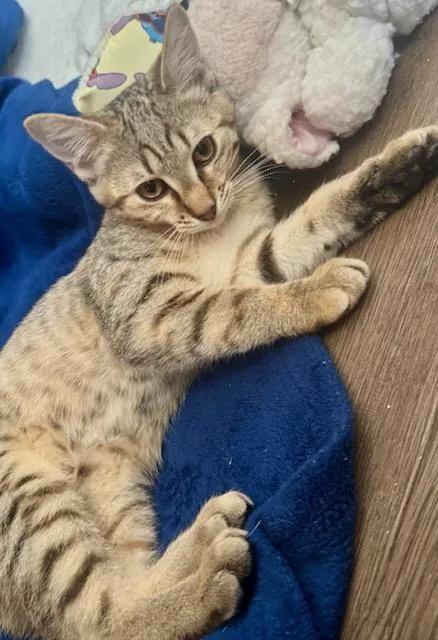
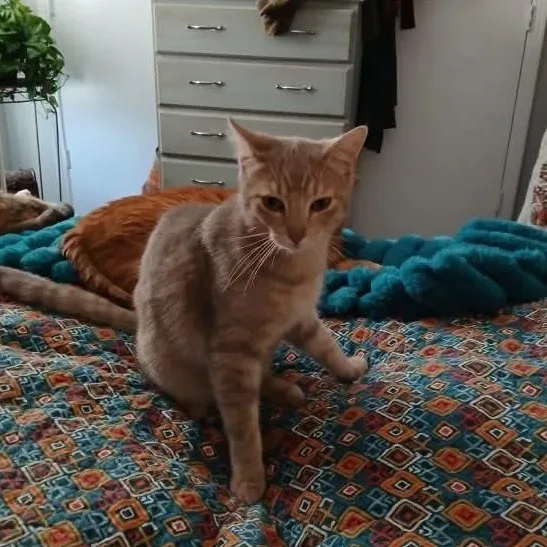
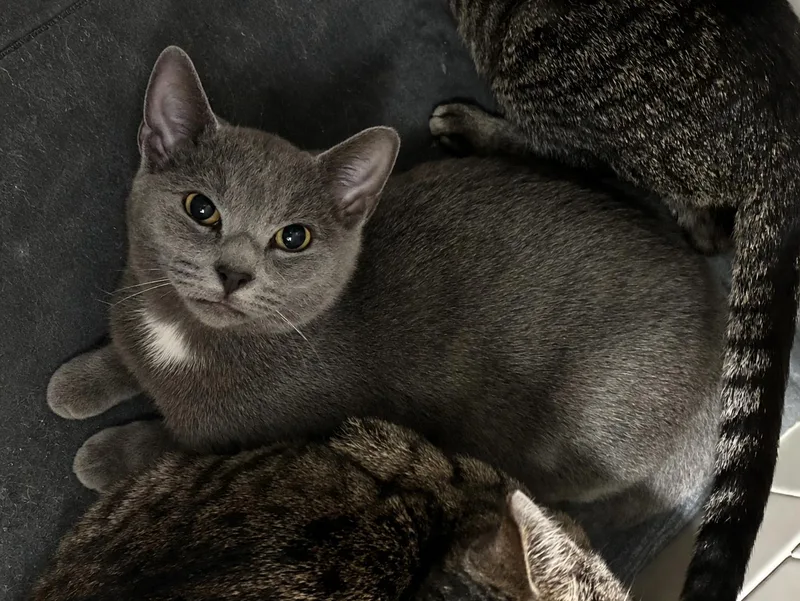
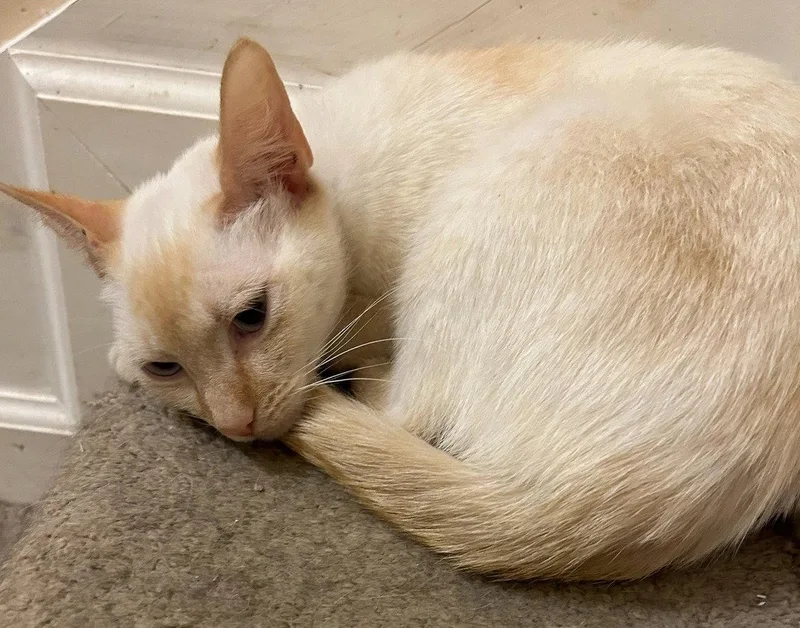
18 Ocicats available in Nashville and nationwide

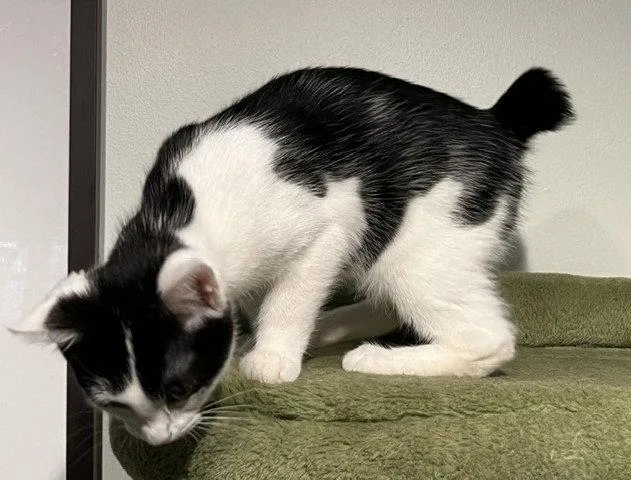
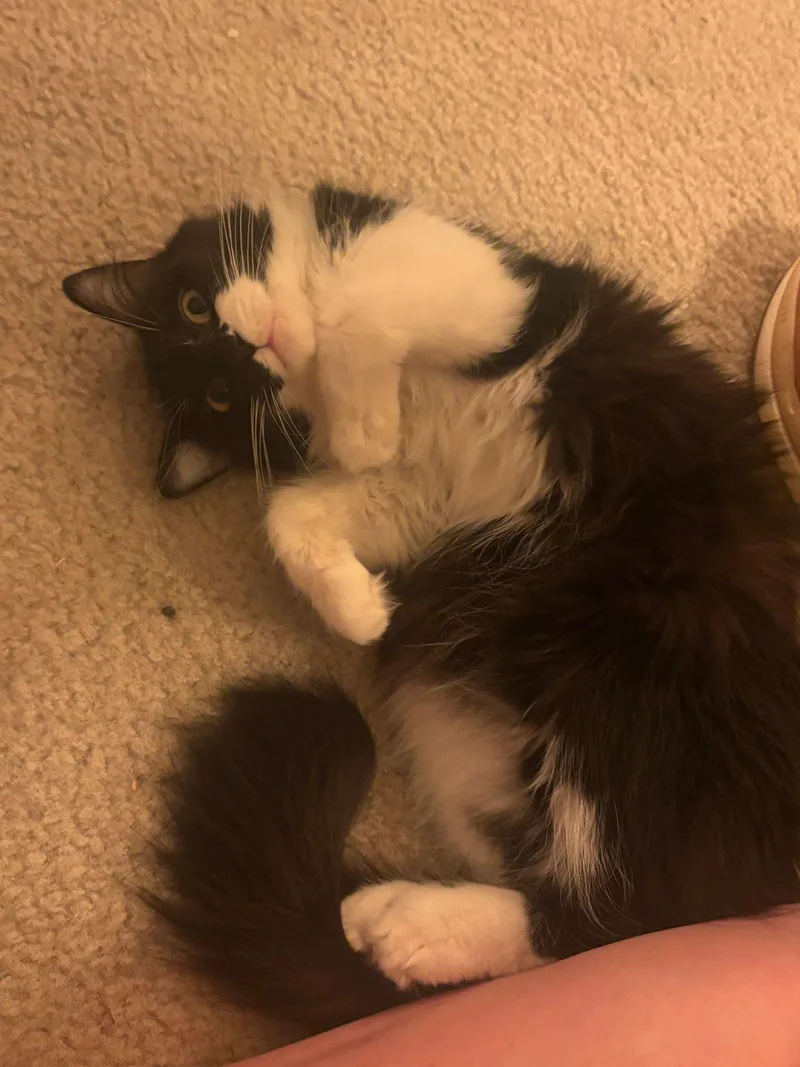
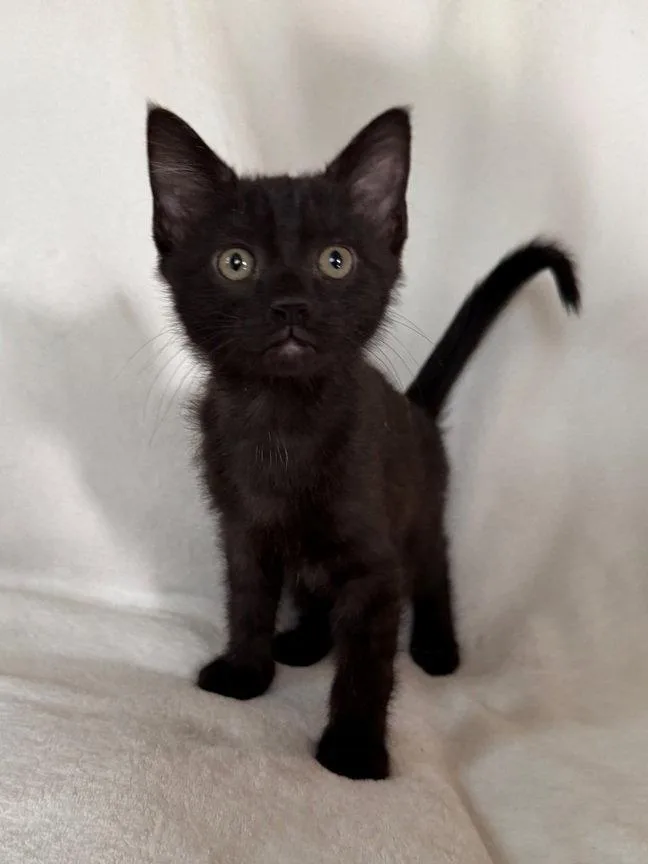
Say hello to your Ocicat

While we don't have enough cats near Nashville, keep in mind that many rescues may offer transport.

Ocicats Available for Adoption Near Nashville

About the Ocicat breed

The Ocicat began by accident in 1964 in Michigan, when a cross between an Abyssinian and a Siamese produced a spotted kitten that a young girl said looked like an ocelot. American Shorthairs were added later for size and silver coloring. Despite the wildcat look, the breed is entirely domestic. Ocicats are muscular and heavier than they appear, usually 6 to 15 pounds, with a short, satiny coat of thumbprint spots.

That coat is easy: weekly brushing is usually enough, and shedding is low to moderate. The bigger commitment is attention. Ocicats are social, quick learners who enjoy fetch, puzzle feeders and harness walks, and many dislike long stretches alone. Cats vary, but adopters who are home often, or who can offer a playful companion, tend to be happiest.

Weight
6–15 lbs
Height
9–11 in
Lifespan
12–18 yrs
Temperament
Social, Active, Intelligent, Devoted
Shedding
Low to Moderate

Owning an Ocicat in Nashville

Having an Ocicat in Nashville

Sociability, athleticism and a quick mind matter more than the spots. In Nashville, add indoor safety, summer heat and spring storms to the checklist when you picture daily life with an Ocicat.

Temperament

Ocicats tend to be outgoing and devoted, often greeting guests instead of hiding. That friendliness suits Nashville apartments where neighbors pass by, but many dislike long days alone and may get vocal or anxious. Each cat's history and socialization shape how it handles strangers, so spend time with the cat before deciding.

Exercise Needs

Plan on daily interactive play: wand toys, fetch, climbing and puzzle feeders. Nashville's rainy springs and hot afternoons keep most of that indoors, so cat trees and wall shelves help. Harness walks can add variety on calm, mild mornings once the cat is comfortable wearing one.

Health Considerations

Ocicats can inherit conditions such as renal amyloidosis, pyruvate kinase deficiency, progressive retinal atrophy and heart disease, though many are never affected. Have a veterinarian review any records and keep up regular exams and dental care. Nashville's long warm season also makes year-round flea and tick prevention worthwhile.

Living Space

Ocicats do well in apartments or houses if they have vertical space, toys and company. A tall cat tree and a window perch go a long way in a Nashville rental. Keeping the cat indoors, with supervised harness time, protects it from traffic, wildlife and storms.

What it costs to own an Ocicat in Nashville

ExpenseTypical costPer year
Food$25 to $50 per month$300 to $600
Pet insurance$30 to $60 per month$360 to $720
Routine vet care$150 to $350 per year$150 to $350
Other*$458 to $1,158 per year$458 to $1,158
Estimated yearly total (after year one)$1,268 to $2,828

Other costs are estimates and vary with size, age and health.

* The $8 Davidson County rabies tag, litter, flea and tick prevention, a dental cleaning allowance, toys, scratchers and climbing furniture, and minimal home grooming.

Adopt an Ocicat in Nashville.

Now that you know more, let’s find you a new best friend. These rescues and shelters below have cats available in and near Nashville.

Frequently Asked Questions

Yes, you can own an Ocicat in Nashville. Metro code has no breed-specific rules, and the Ocicat is a fully domestic breed. You'll need a rabies vaccination once the cat is six months old and a Davidson County rabies tag, which costs $8 for a one-year tag. Metro doesn't cap household pets, though landlords may.

Yes, an Ocicat can live happily in a Nashville apartment if it gets daily play and vertical space. Plan on a tall cat tree, a window perch and puzzle feeders, and be realistic about hours alone, since many Ocicats dislike them. Get your landlord's pet approval in writing first, and keep the cat indoors or on a harness.

Mostly yes. Nashville summers are hot and humid, with about 54 days a year at 90°F or higher, but an indoor Ocicat does fine in air conditioning. Winters are cool enough to want warm bedding, and spring brings severe storms, so have a carrier and a safe room ready. Living indoors covers most weather risks.

Only in a carrier. WeGo's code of conduct allows non-service animals on its vehicles and property only in an approved transfer cage, which applies to both the buses and the WeGo Star train. Nashville has no subway. A ventilated, hard-sided carrier is the safest choice, and since Ocicats are heavy for their size, pick a roomy one.

It can be, if you're home a fair amount and enjoy playing. Ocicats are social, and Nashville's mix of rentals and ranch-style houses works for them when they have climbing space and company. A cat that struggles alone may not suit long workdays or frequent travel. Indoor living also keeps the cat safe during spring storms.

Very little. The short, satiny coat usually needs just a weekly brushing, a bit more during seasonal shedding. Nashville's humidity doesn't change that, but warm, wet weather makes flea and tick prevention more important. Home grooming is minimal, so there's no need for a professional groomer, and any costs fall under the Other line in the cost table.

An Ocicat is a domestic cat breed with a spotted coat that resembles a wild ocelot, though it has no wild ancestry. It was developed in the 1960s from Abyssinian, Siamese and American Shorthair cats. Ocicats are muscular, medium to large and come in twelve colors. Many are social, trainable and often called dog-like in personality.

No, Ocicats are not hypoallergenic. Their short, close-lying coat sheds lightly, but cat allergies are triggered mainly by proteins in saliva and skin that all cats produce. Some allergic people tolerate low-shedding cats better than others, but there is no guarantee. Spend extended time with the specific cat, and talk with your doctor, before adopting.

The name Ocicat blends ocelot and cat. When the first spotted kitten appeared in 1964, a young girl in the household said he looked like an ocelot, a wild spotted cat of the Americas, and the name stuck. It describes only the look; the Ocicat is fully domestic and descends from Abyssinian, Siamese and American Shorthair cats.

Plan on roughly $25 to $50 a month for food, $30 to $60 for insurance, $150 to $350 a year for routine vet care and $458 to $1,158 a year for everything else, including litter. That puts a typical year at about $1,270 to $2,830, depending on the cat.