Cornish Rex Cats for Adoption in Nashville, TN

Your guide to finding and caring for a Cornish Rex in Nashville

A Cornish Rex is a good match for a Nashville home where someone is around to play. In a Germantown apartment or a Donelson ranch house, this lean, curly-coated cat will claim the sunniest windowsill and follow you from room to room. Expect fetch games, climbing and plenty of lap time. The thin coat means this cat lives indoors, and Nashville's occasional January ice storms are one more reason to keep a heated bed handy.

18 cats similar to Cornish Rex available in Nashville and nationwide

Fall for a Cornish Rex

While we don't have enough cats near Nashville, keep in mind that many rescues may offer transport.

Cornish Rexes and Similar Breeds Available for Adoption Near Nashville

About the Cornish Rex breed

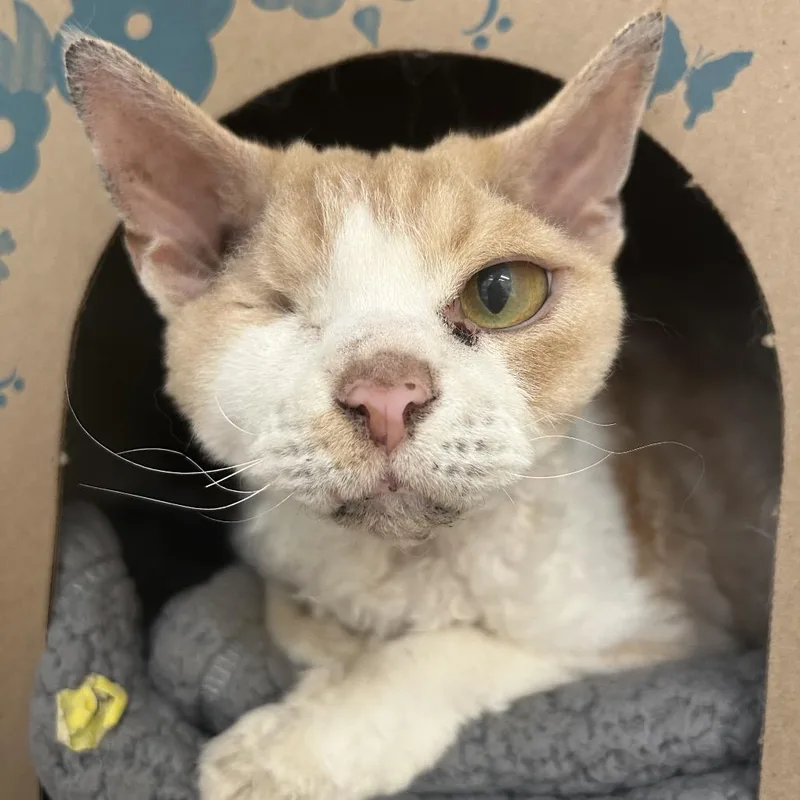
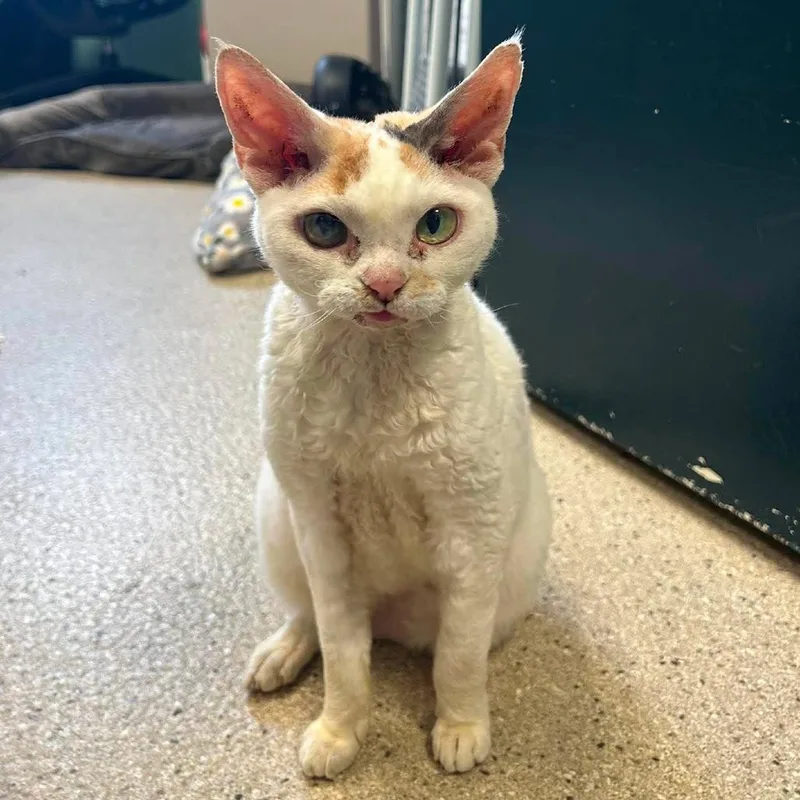
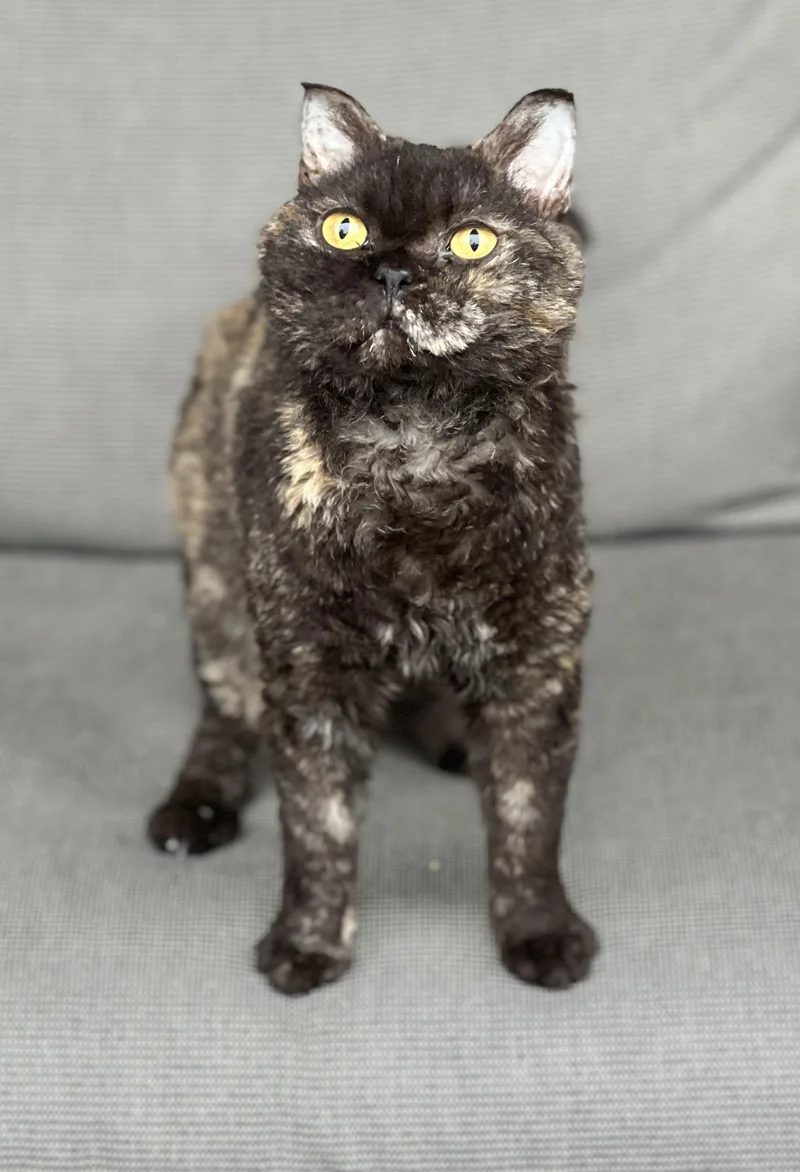
The Cornish Rex began with a curly-coated kitten born on a farm in Cornwall, England, in 1950. The coat is the breed's signature: only the soft down layer, lying in tight waves, with no guard hairs. Add a slim, arched body, long legs, big ears and an egg-shaped head, and it's an unmistakable cat.

Many Cornish Rex cats stay playful well into adulthood and like being part of everything you do, though each cat's personality differs. The coat sheds little but isn't hypoallergenic, and it gives little protection from cold or sun. In Nashville, that means an indoor home, warm resting spots, occasional baths, regular ear cleaning and daily play with someone who has the time for it.

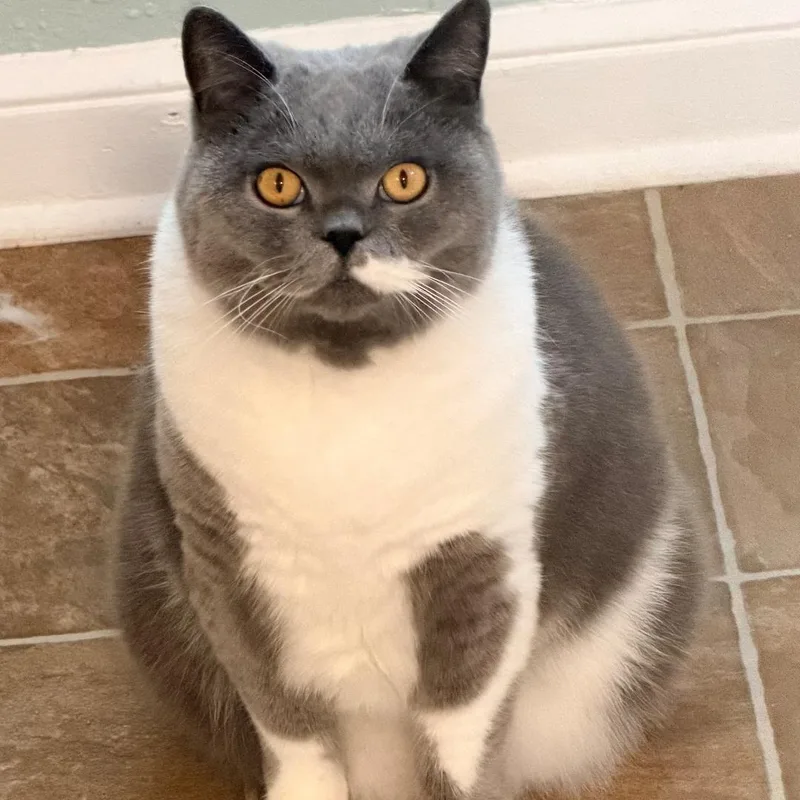
Weight
6–10 lbs
Height
8–12 in
Lifespan
11–15 yrs
Temperament
Active, Affectionate, Playful, Curious
Shedding
Low

Owning a Cornish Rex in Nashville

Having a Cornish Rex in Nashville

In Nashville, a Cornish Rex needs extra warmth in winter, cool air conditioning in summer and daily attention. Its thin coat, quick energy and skin and ear needs shape which homes suit it, whether that's a downtown apartment or a house with a sunny window.

Temperament

Many Cornish Rex cats are outgoing and affectionate, and they like to shadow their people around the house. In a Nashville apartment, where neighbors and visitors come and go, a sociable cat often enjoys the activity. Some get demanding when bored, and each cat's history and comfort level matter more than breed reputation.

Exercise Needs

Plan on several short play sessions a day with wand toys, balls or a game of fetch, plus a tall cat tree or shelves for climbing. Nashville's rain, about 50 inches a year with no dry season, makes indoor play routine anyway. Food puzzles tire out a clever mind, and a bored Rex may invent its own mischief.

Health Considerations

Hypertrophic cardiomyopathy and progressive retinal atrophy have been reported in Cornish Rex cats, so regular checkups matter, and a veterinarian can listen to the heart and examine the eyes. The thin coat can lead to oily skin and waxy ears. Keep flea and tick prevention current through Nashville's warm months, and watch portions, since many Rex cats eat eagerly.

Living Space

A Cornish Rex can do well in a Nashville apartment, bungalow or ranch house if there's warmth, climbing room and company. Keep this cat indoors. Heated beds, soft blankets and a sunny windowsill suit the thin coat, and a playful companion pet can help on long workdays when nobody is home.

What it costs to own a Cornish Rex in Nashville

ExpenseTypical costPer year
Food$20 to $40 per month$240 to $480
Pet insurance$25 to $50 per month$300 to $600
Routine vet care$150 to $350 per year$150 to $350
Other*$500 to $1,350 per year$500 to $1,350
Estimated yearly total (after year one)$1,190 to $2,780

Other costs are estimates and vary with size, age and health.

* Litter, flea, tick and heartworm prevention, a dental cleaning allowance, toys and scratchers, bath and ear-care supplies, and warm bedding or sweaters for the thin coat.

Adopt a Cornish Rex in Nashville.

Now that you know more, let’s find you a new best friend. These rescues and shelters below have cats available in and near Nashville.

Frequently Asked Questions

A Cornish Rex fits Nashville well if you can keep it indoors, warm and entertained. Air-conditioned summers and fairly mild winters are manageable for a thin coat, and the breed adapts to apartments or houses. It's a weaker match for a home that's empty most of the day, since many Rex cats crave company and daily play. Each cat's personality varies.

Yes, as long as the cat lives indoors. Nashville winters average 32°F to 52°F, with roughly 66 freezing nights a year and occasional ice storms, so a thin-coated Cornish Rex needs heated beds, blankets or a sweater and a warm room. Keep extra bedding and a carrier ready in case an ice storm cuts power.

Yes, a Cornish Rex usually does well in a Nashville apartment when it has a tall cat tree, a window perch and daily play. This breed uses vertical space more than floor space. Get your landlord's okay first and read the lease for pet fees. Screen windows and balconies, since an athletic climber can slip out.

Yes. Nashville's animal code has no breed-specific rules, and Tennessee has no statewide breed ban. A Cornish Rex needs the same rabies vaccination and county registration as any cat. Roadside and parking-lot animal sales are banned and pet stores face limits on what they can sell, so adoption is the straightforward route.

Very little brushing, since the coat is short and sheds little, but expect regular baths and ear care. The thin coat collects skin oils, so many owners bathe every week or two, then dry with a warm towel instead of a blow dryer. Clean ears weekly, and have a veterinarian check dark debris or odor. Home bath and ear supplies fit within the yearly extras budget.

Yes, in an approved transfer cage. WeGo's code of conduct allows non-service animals on its buses and the WeGo Star train only that way, and a 6 to 10 pound Cornish Rex is easy to carry in a carrier. Nashville has no subway. Check current cage requirements and fares with WeGo before your first ride.

Probably not. Metro lets restaurants with a permit allow leashed dogs on their patios, and that rule doesn't extend to cats. Pets can't go inside dining rooms either. A Cornish Rex also dislikes heat, cold and crowds, so your cat is happiest at home with a warm bed while you go out to eat.

No, Cornish Rex cats are not hypoallergenic. The main cat allergen, a protein called Fel d 1, comes from saliva and skin glands rather than hair, and Cornish Rex cats produce it like other cats. Because they shed little, some people with mild allergies report fewer symptoms. Spend time with a specific cat before adopting to test your reaction.

A Cornish Rex is a small, slender cat breed from Cornwall, England, known for its short, wavy coat made only of soft down hair. It has large ears, a long arched body, long legs and an egg-shaped head. Cornish Rex cats are typically active, affectionate and playful, and they need indoor living, warmth and plenty of attention.

A Cornish Rex typically costs about $20 to $40 a month for food and $25 to $50 a month for insurance, plus $150 to $350 a year for routine vet care. Other costs, including litter, parasite prevention, dental care and warm bedding, run about $500 to $1,350 a year. That's roughly $1,200 to $2,800 a year before any emergency care.