Chausie Cats for Adoption in Nashville, TN

Your guide to finding and caring for a Chausie in Nashville

A Chausie fits Nashville apartment life if it has plenty to climb. This tall, athletic cat will treat a Germantown apartment or an Edgehill rental like a jungle gym, leaping to shelves and testing every cabinet. Chausies are smart, social and often talkative, so they do best where someone is home a lot or another lively cat lives there too. Put a tall cat tree by a window and it'll happily watch the street for hours.

266 cats similar to Chausie available in Nashville and nationwide

Adopt a Chausie today

While we don't have enough cats near Nashville, keep in mind that many rescues may offer transport.

Chausies and Similar Breeds Available for Adoption Near Nashville

About the Chausie breed

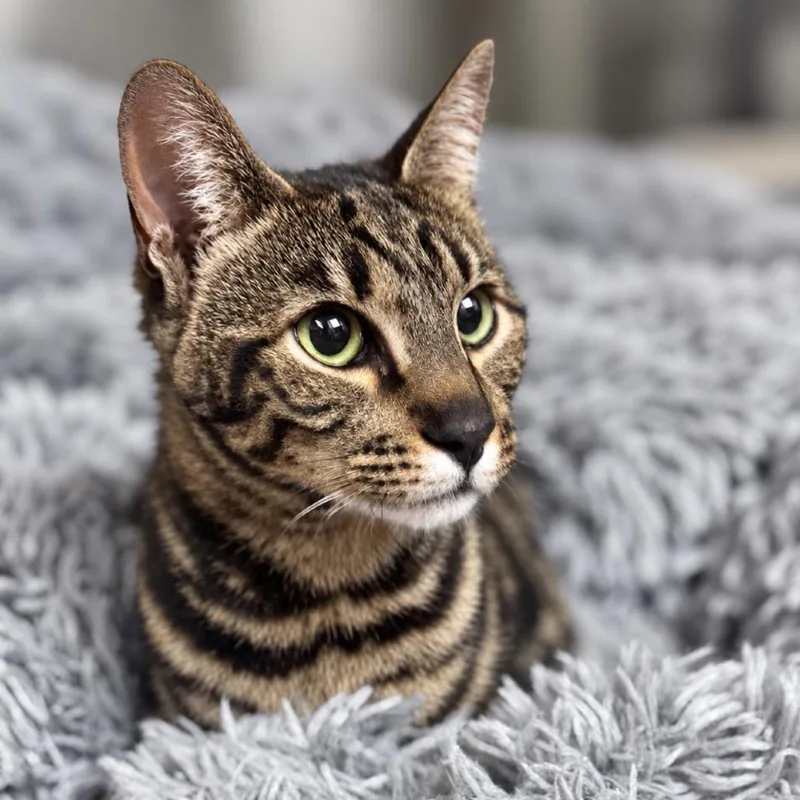
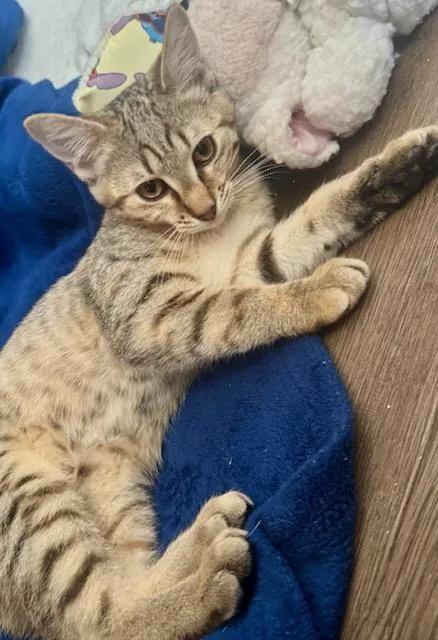
The Chausie is a tall, long-legged domestic cat with jungle cat ancestry, crossed with domestic breeds such as the Abyssinian. TICA accepted the breed for registration in 1995 and gave it championship status in 2013. The lean body, large ears set high on the head and short coat in black, black ticked tabby or grizzled tabby give it a wild look, and most adults weigh 8 to 16 pounds.

Cats several generations removed from the jungle cat are fully domestic. Many are intelligent, playful and very active, and they often dislike being alone. Some have sensitive stomachs. Chausies are rare in rescue, so in Nashville it helps to watch the listings on this page and look at similar breeds, since availability changes often.

Weight
8–16 lbs
Height
14–18 in
Lifespan
12–15 yrs
Temperament
Active, Intelligent, Social, Playful
Shedding
Low to Moderate

Owning a Chausie in Nashville

Having a Chausie in Nashville

A Chausie pairs a lean, jungle-cat look with a domestic cat's love of company. In Nashville, that means planning for daily play, vertical space and a steady routine, plus a home sturdy enough for a cat that can jump higher than most shelves.

Temperament

Chausies are usually confident, curious and affectionate, and many like to supervise whatever you're doing. Cats vary, and breed doesn't decide a cat's personality. Many bond closely and get restless alone, which matters if your workdays in Midtown or downtown run long. A second playful cat can help. Some are quite chatty.

Exercise Needs

Plan several vigorous play sessions a day: wand toys, fetch, climbing and puzzle feeders. Many Chausies learn harness walking, and Metro greenways require a leash no longer than 6 feet. Skip dusk and dawn, when coyotes are most active in Nashville neighborhoods, and avoid creekside trails after heavy rain. A bored Chausie often starts opening cabinets.

Health Considerations

No breed-specific disease is well documented, but some Chausies have a sensitive digestive tract and do best on high-protein food. Watch for repeated stomach upset and talk with your vet about diet. Nashville's humid summers bring fleas and ticks, so keep prevention current. Regular checkups, dental care and a healthy weight matter for this athletic cat.

Living Space

A Chausie can do well in a Nashville apartment or a Donelson ranch house if it has vertical space, sturdy cat trees and plenty of toys. Secure screens and windows matter, since these jumpers reach high shelves easily. Indoor living suits them best, and a window perch gives them something to watch all day.

What it costs to own a Chausie in Nashville

ExpenseTypical costPer year
Food$30 to $60 per month$360 to $720
Pet insurance$30 to $65 per month$360 to $780
Routine vet care$150 to $350 per year$150 to $350
Other*$458 to $1,158 per year$458 to $1,158
Estimated yearly total (after year one)$1,328 to $3,008

Other costs are estimates and vary with size, age and health.

* The $8 Davidson County rabies tag, litter, flea prevention, a dental cleaning allowance, sturdy climbing furniture and toys, and simple home grooming.

Adopt a Chausie in Nashville.

Now that you know more, let’s find you a new best friend. These rescues and shelters below have cats available in and near Nashville.

Rescues and Shelters in or near Nashville

Nashville's animal rescue community includes a Metro shelter, private nonprofits and foster-based groups, and their cats are listed on this page. Here are the rescues & shelters in the Nashville area with cats available for adoption, worth asking whether a Chausie is coming in.

Frequently Asked Questions

Yes. Metro Nashville's animal code has no breed-specific rules, and Tennessee has no statewide breed ban. You'll need a rabies vaccination by six months and a Davidson County rabies tag, which costs $8 for a one-year term. Spay/neuter and microchipping aren't required. Some places restrict early-generation hybrid cats, but that isn't a Nashville breed rule.

Usually only in a carrier. WeGo's code of conduct allows non-service animals only in an approved transfer cage on its buses and the WeGo Star commuter train, and Nashville has no subway. A Chausie can weigh up to 16 pounds, so a roomy, sturdy carrier matters. For vet visits, a car is usually simpler.

Yes, for an indoor Chausie. Summers are humid, with about 54 days a year at 90°F or above, so air conditioning matters. Winters are mild apart from occasional ice storms that can knock out power. Spring brings severe storms, so keep a carrier ready. The short coat needs little seasonal care.

Yes, if the apartment gives it room to climb and someone is around often. About 48% of Nashville households rent, and Metro has no pet-count limit, so your building's rules decide. Get landlord approval first, then add tall cat trees, window perches and puzzle feeders. A second playful cat can help when you're out.

It can be, for people who are home often and enjoy playing. Chausies are active and social, which suits a flexible schedule better than long days away. Indoor life also sidesteps coyotes, which are common in Middle Tennessee neighborhoods, and keeps the cat safe during storms. Cats vary, so watch how each one handles energy and alone time.

Very little. A Chausie's short coat sheds lightly to moderately, so a weekly brushing is usually enough, with a bit more during heavier shedding. Nashville's humidity doesn't change that much. Trim nails and brush teeth regularly. Grooming sits at the low end of the Other cost line, so budget for supplies rather than a professional groomer.

No, Chausie cats are not generally dangerous. Cats several generations removed from the jungle cat, the ones TICA allows in championship shows, are domestic cats with domestic temperaments. They are large, strong and very active, so rough play needs redirecting to toys. Early-generation hybrids can be more wild in behavior and need experienced owners, and some places restrict them.

No, Chausie cats are not hypoallergenic. No cat breed is truly allergen-free, because the main cat allergen is produced in saliva and skin and spreads through grooming. The Chausie's short coat sheds relatively lightly, which may mean less hair around the house, but allergy sufferers can still react. Spending time with a specific cat before adopting is the best test.

A Chausie is a large, athletic domestic cat breed developed from crosses between the jungle cat, Felis chaus, and domestic cats, especially Abyssinians. It is recognized by TICA and has a lean, long-legged body, big ears and a short coat in black, black ticked tabby or grizzled tabby. Chausies are known for being energetic, intelligent and social.

Expect food at about $30 to $60 a month and insurance at $30 to $65 a month. Routine vet care runs $150 to $350 a year, and other costs, including litter, flea prevention, dental care and climbing furniture, add $458 to $1,158. Over a year, that's roughly $1,328 to $3,008 before any illness or emergencies.