Birman Cats for Adoption in Nashville, TN

Your guide to finding and caring for a Birman in Nashville

Birmans suit indoor life in Nashville, whether that's a Germantown apartment or a Donelson brick ranch. They care more about being near their people than about square footage, so a window perch and a daily play session with a wand toy are enough for most. Their soft voices won't bother neighbors through thin walls. Storm season in Middle Tennessee is the one thing to plan for, with a calm interior room where a Birman can settle. Someone working from home will get a loyal shadow.

2214 cats similar to Birman available in Nashville and nationwide

Find your forever Birman

Birmen and Similar Breeds Available for Adoption Near Nashville

About the Birman breed

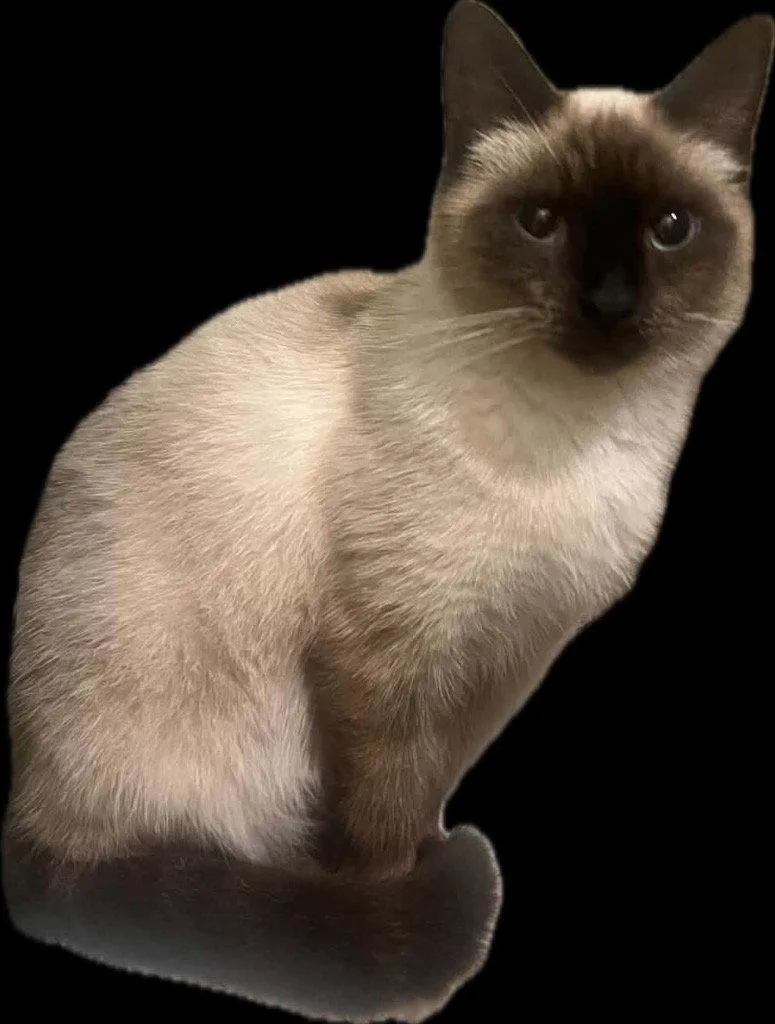
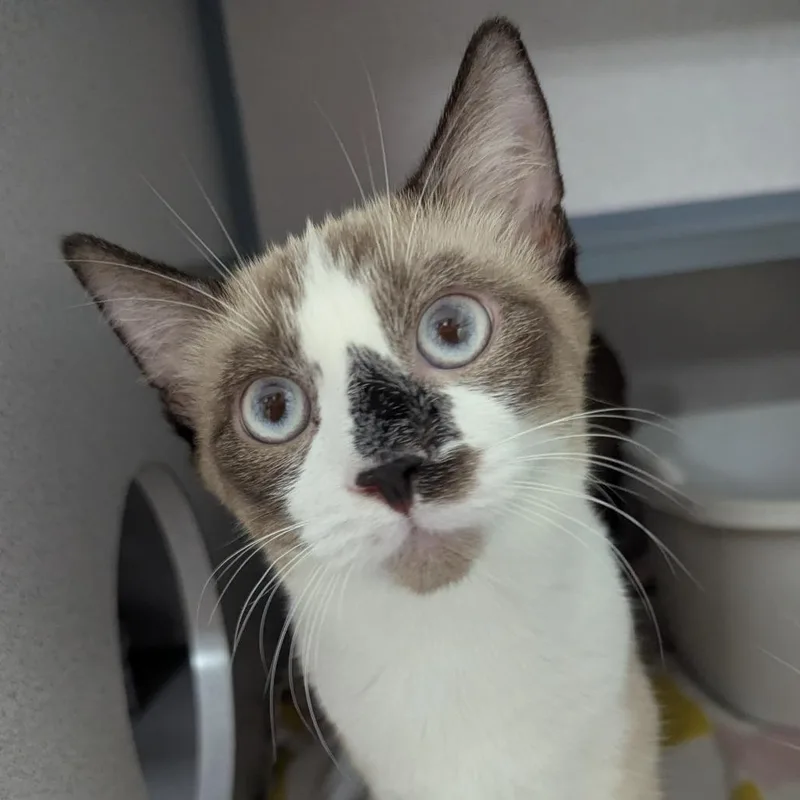
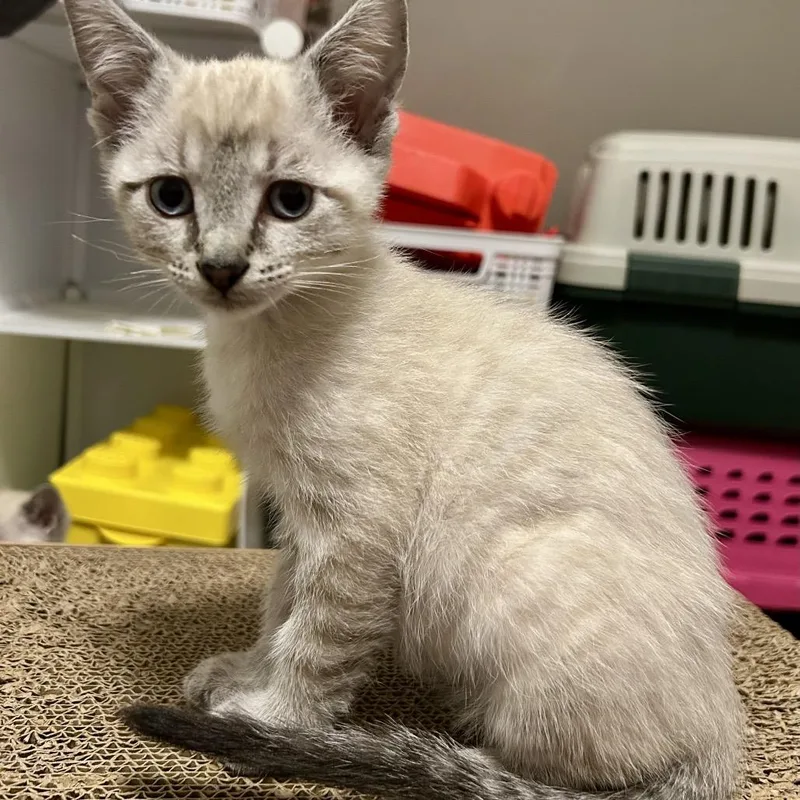
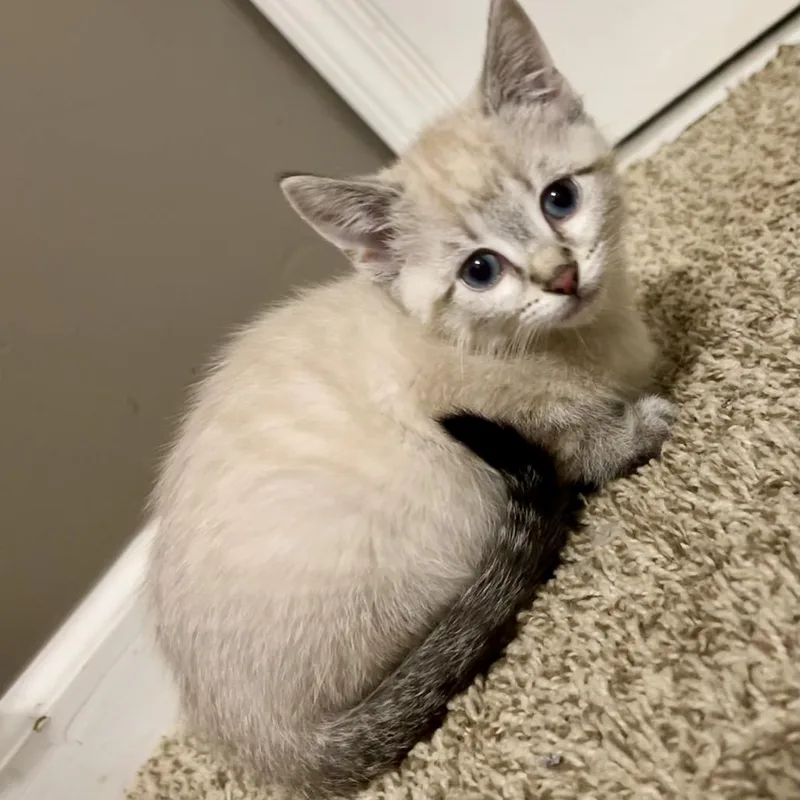
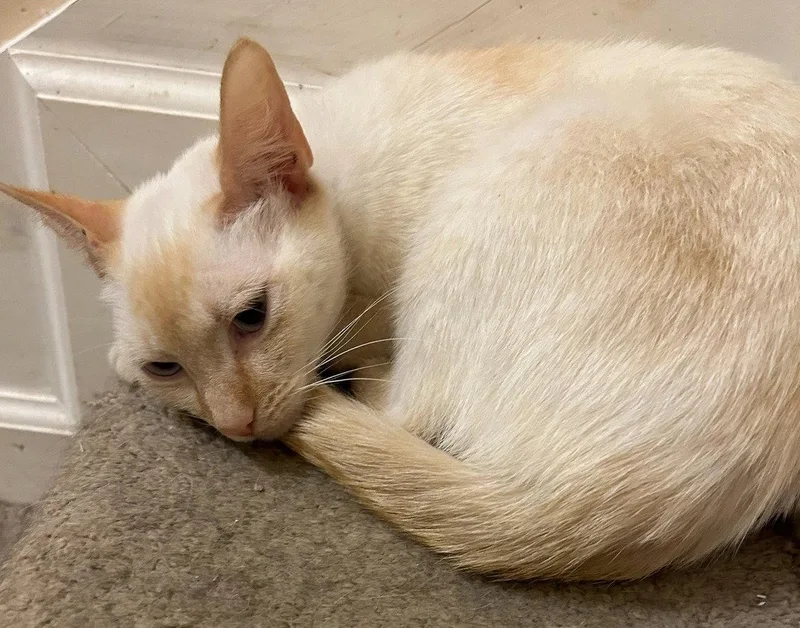
Birmans are colorpointed, semi-longhaired cats with deep blue eyes and pure white paws, called gloves in front and laces on the back legs. The modern breed was developed in France after cats arrived from Burma around 1919, and the story of sacred temple cats is legend rather than documented history. Points come in seal, blue, chocolate, lilac, red, cream and other colors.

Many Birmans are gentle and sociable, with soft voices, and they like to stay near their people without being pushy. The silky coat has little undercoat, so it mats less than many longhaired coats, though weekly combing still helps. They take about three years to mature fully, so a young Birman can stay playful for a while, and an indoor life suits them well in Nashville's humid, rainy climate.

Weight
7–14 lbs
Height
8–10 in
Lifespan
12–16 yrs
Temperament
Gentle, Affectionate, Social
Shedding
Moderate

Owning a Birman in Nashville

Having a Birman in Nashville

Birmans are quietly affectionate, moderately playful and happiest with company. In Nashville that adds up to a cat that does well in apartments and houses alike, as long as someone is around often and weight, heart health and storm nerves are kept in mind.

Temperament

Birmans tend to be gentle and people-oriented, following family members from room to room and asking for calm attention rather than demanding it. Many are patient with respectful children and friendly cats or dogs after slow introductions. Every cat differs, and some are shy at first, so give a newly adopted Birman a quiet room to adjust.

Exercise Needs

Two short interactive play sessions a day with wand toys, balls or puzzle feeders keep most Birmans fit, and they gain weight easily. Nashville's long, humid summers and rainy springs make indoor play the reliable choice, and a cat tree beside a window adds climbing and bird-watching without any outdoor risk.

Health Considerations

Birmans can develop hypertrophic cardiomyopathy, a heart condition, and many gain weight easily, which strains joints and raises diabetes risk. Schedule a first vet visit soon after adoption to discuss heart screening, and keep flea and tick prevention current, since Nashville's warm months bring fleas, ticks and mosquitoes. Routine exams and measured meals help.

Living Space

A Birman does well in a Nashville apartment or a house, since it values company and quiet perches more than extra room. Cat trees, window seats and scratching posts keep it busy indoors. Many dislike long days alone, so a household with someone home often, or another friendly pet, tends to suit them best.

What it costs to own a Birman in Nashville

ExpenseTypical costPer year
Food$25 to $50 per month$300 to $600
Pet insurance$25 to $50 per month$300 to $600
Routine vet care$150 to $350 per year$150 to $350
Other*$500 to $1,250 per year$500 to $1,250
Estimated yearly total (after year one)$1,250 to $2,800

Other costs are estimates and vary with size, age and health.

* Litter, flea, tick and heartworm prevention, a dental cleaning allowance, toys and supplies, coat combing tools, and the Davidson County rabies tag.

Adopt a Birman in Nashville.

Now that you know more, let’s find you a new best friend. These rescues and shelters below have cats available in and near Nashville.

Frequently Asked Questions

Yes, you can own a Birman in Nashville. Metro's code has no breed restrictions for cats. Davidson County requires cats six months or older to be vaccinated for rabies and registered with a rabies tag, which costs $8 for a one-year tag. Spay/neuter and microchipping aren't required, though renters should get landlord approval before adopting.

Yes, a Birman usually does well in a Nashville apartment. These cats care more about company and quiet perches than square footage, and their soft voices rarely bother neighbors. Metro sets no pet limit, so read your lease for building rules. Provide a cat tree, scratching posts and daily play, since many Birmans dislike long days alone.

Yes, Birmans handle Nashville summers well as indoor cats with air conditioning, fresh water and shade from afternoon sun. The risks are a power outage or a cat slipping outside, so keep window screens secure. Never leave a cat in a parked car, where temperatures can pass 130°F within 20 minutes.

Yes, but only in a carrier. WeGo's code of conduct allows non-service animals on its buses and the WeGo Star train only in an approved transfer cage, and the dimensions aren't published. A Birman, typically 7 to 14 pounds, fits a sturdy, secure carrier. Rules and fares can change, so look them up before your first ride.

Plan on combing a Birman about once a week, and a bit more often in spring and fall when the coat changes. The silky coat has little undercoat, so mats are uncommon, though Nashville's humidity and rain can leave fur damp or tangled. A professional groom is optional, and grooming fits within the roughly $50 to $150 a year budgeted under Other.

Often yes, especially for people who are home a fair amount and want a calm indoor companion. Nashville's storm season and occasional ice-related power outages call for a plan: a carrier, a quiet interior room, ID and a microchip. Fireworks are banned in Davidson County but still heard around July 4, so a quiet retreat helps.

A Birman is a medium-sized, semi-longhaired cat with a colorpoint pattern, deep blue eyes and distinctive white paws. The breed was developed in France from cats said to come from Burma, which is why it is sometimes called the Sacred Cat of Burma. Many Birmans are gentle, sociable and soft-spoken companions who enjoy being near their people.

No, Birman cats are not hypoallergenic. Like all cats, they produce the Fel d 1 allergen in saliva and skin, and grooming spreads it onto their fur and around the home. Their coat sheds less heavily than some longhaired breeds, but that does not remove allergens. Anyone with allergies should spend time with the specific cat before adopting.

Yes, Birman cats shed, usually at a moderate level. Their silky coat has little undercoat, so they drop less hair and form fewer mats than breeds like Persians or Maine Coons, but loose fur still appears on furniture and clothing. Combing once or twice a week, and more during spring and fall, keeps shedding manageable and the coat tangle-free.

Expect roughly $1,250 to $2,800 a year for a Birman in Nashville. That covers food at $25 to $50 a month, insurance at $25 to $50 a month, routine vet care at $150 to $350 a year, and $500 to $1,250 a year in other costs such as litter, prevention and grooming supplies.