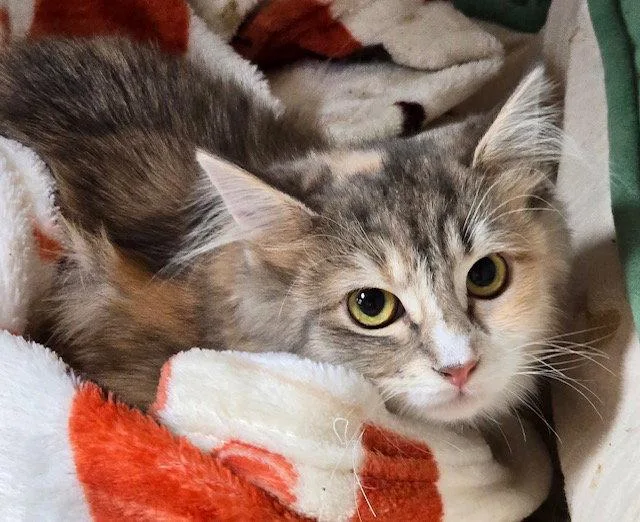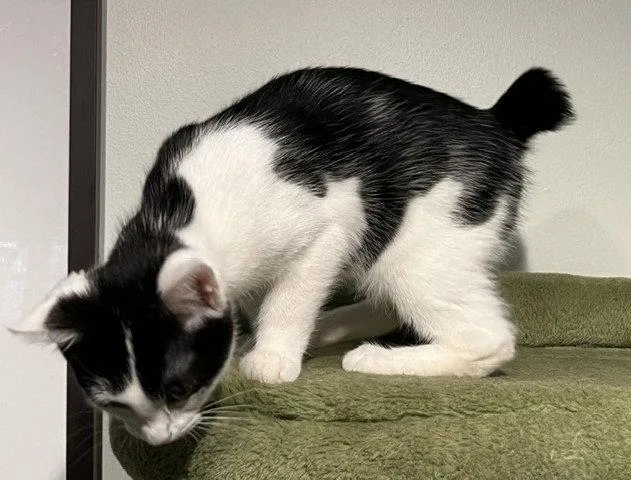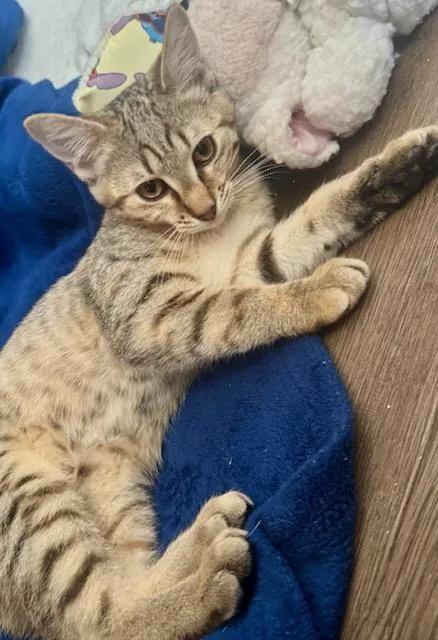
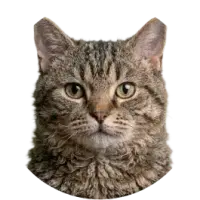
American Wirehair cat

American Wirehair Cats for Adoption in Nashville, TN

Your guide to finding and caring for an American Wirehair in Nashville

American Wirehairs are mellow, adaptable cats that fit Nashville's mix of older houses and apartment complexes. A Wirehair can be as content in a Donelson brick ranch as in a low-rise Antioch apartment, as long as it has a window perch and a couple of play sessions a day. They're rare, so don't expect one to be listed every week. Picture a muscular 8-to-15-pound cat that likes to sit nearby while you cook.

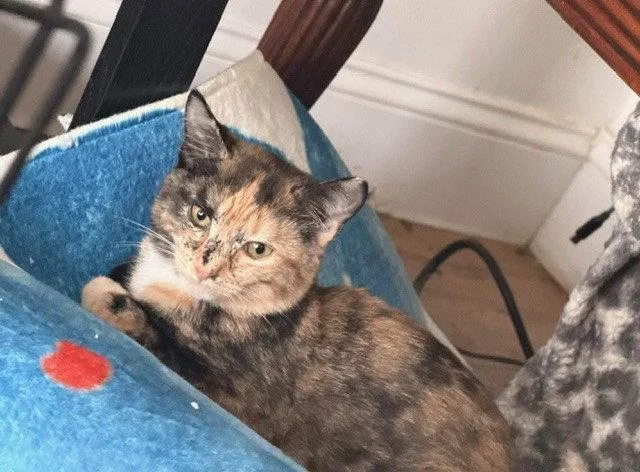
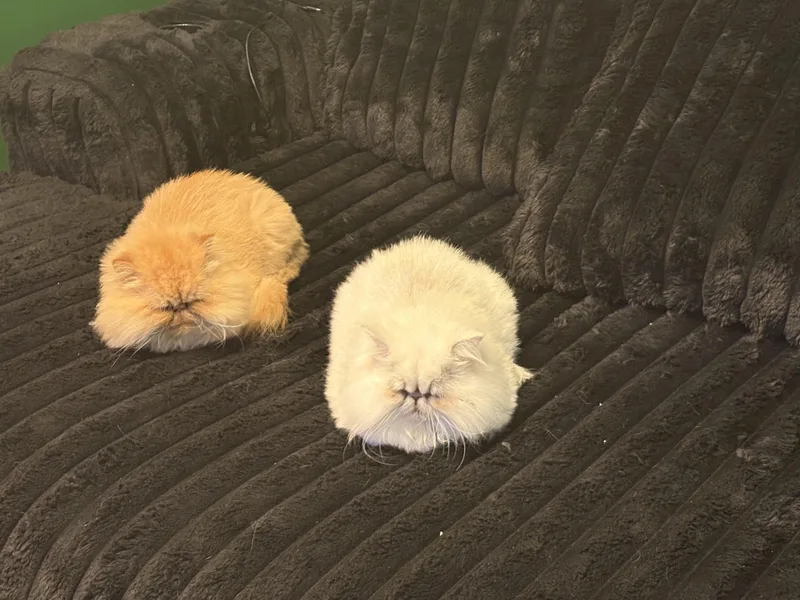
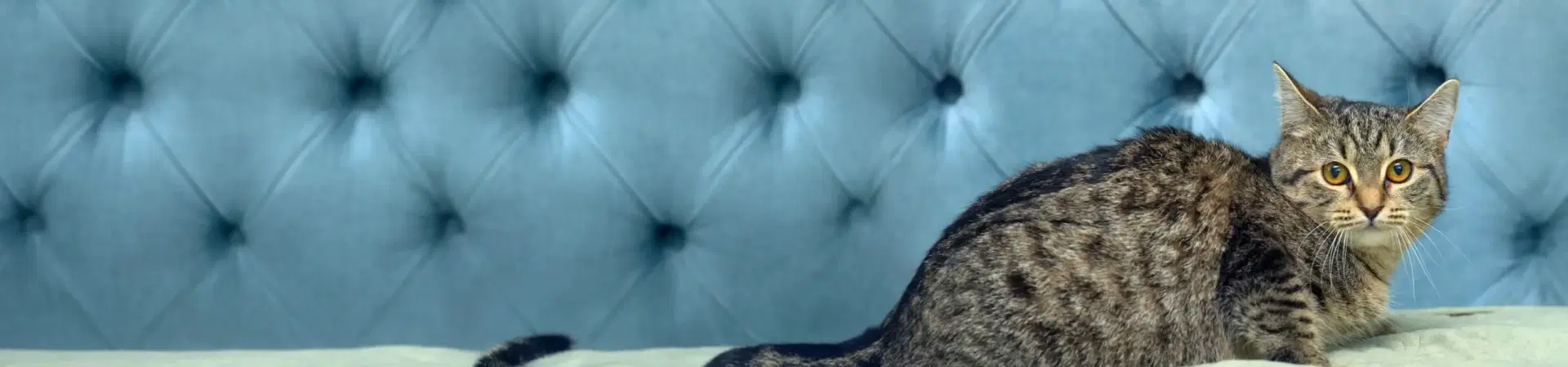
21 American Wirehairs available in Nashville and nationwide

Adopt an American Wirehair today

While we don't have enough cats near Nashville, keep in mind that many rescues may offer transport.

American Wirehairs Available for Adoption Near Nashville

About the American Wirehair breed

The American Wirehair began with a single red-and-white kitten born in a farmhouse litter in Verona, New York, in 1966. His crimped, springy coat came from a spontaneous dominant mutation, and crosses with American Shorthairs established the breed. It remains one of the rarest pedigreed cats.

Underneath the coat, a Wirehair is built like an American Shorthair: medium to large, muscular, with a round head and nearly any color or pattern. The fur feels coarse and resilient, and even the whiskers can curl. Most are easygoing and playful, and they mature slowly, often over three or four years. In Nashville, that means a cat that's comfortable in a quiet apartment but needs steady play and gentle grooming.

Weight
8–15 lbs
Height
8–10 in
Lifespan
12–16 yrs
Temperament
Easygoing, Affectionate, Playful
Shedding
Low to Moderate

Owning an American Wirehair in Nashville

Having an American Wirehair in Nashville

A Wirehair's springy coat gets the attention, but sturdy health and an adaptable nature matter more day to day. In Nashville, that points to an indoor cat suited to apartments and houses alike, with regular play, simple coat care and a plan for heat and storms.

Temperament

Wirehairs tend to be affectionate, curious and easygoing, content to follow you around the house without demanding constant attention. Many get along with respectful children and other pets, which helps in busy Nashville households. Personality varies from cat to cat, so spend time with the cat you're considering rather than relying on breed averages.
Exercise Needs

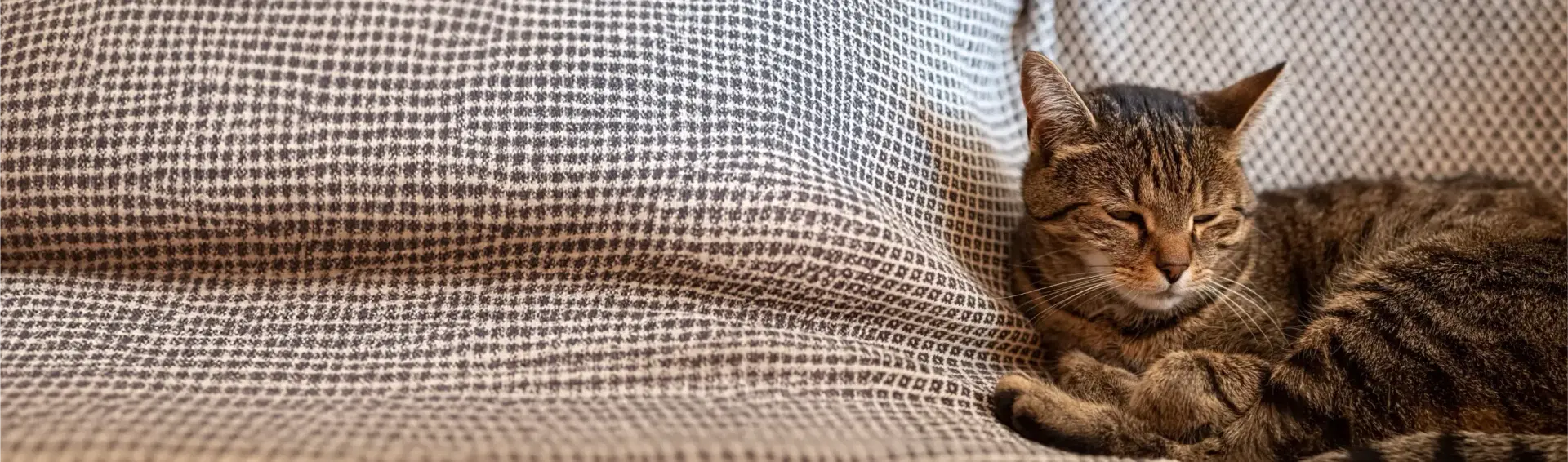
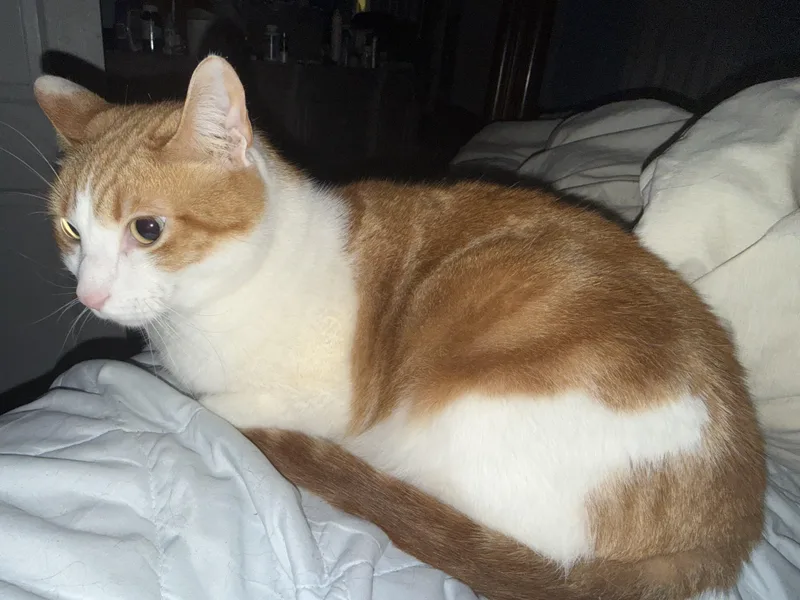
Expect moderate energy: bursts of chasing and pouncing between long naps. Two short daily sessions with wand toys, balls or food puzzles help keep that muscular frame trim. Hot, humid summers and rainy days keep Nashville cats inside much of the year, so climbing shelves, scratching posts and a window perch do a lot of the work.

Health Considerations

Wirehairs are generally healthy, but heart disease such as hypertrophic cardiomyopathy is worth discussing with a veterinarian. The wiry coat can come with oily or sensitive skin, so watch for greasy fur or irritation. Dental care and weight control support a long life, and in Nashville's warm, damp climate flea prevention should stay current.

Living Space

A Wirehair adapts to apartments and houses alike if it has scratching posts, perches and hiding spots. Its calm nature suits busy households and quiet ones. Keeping it indoors is safest, especially since coyotes are common in Middle Tennessee neighborhoods; a window perch or secure catio gives outdoor stimulation without the risk.

What it costs to own an American Wirehair in Nashville

ExpenseTypical costPer year
Food$25 to $50 per month$300 to $600
Pet insurance$25 to $50 per month$300 to $600
Routine vet care$150 to $350 per year$150 to $350
Other*$458 to $1,158 per year$458 to $1,158
Estimated yearly total (after year one)$1,208 to $2,708

Other costs are estimates and vary with size, age and health.

* Litter, flea prevention, a dental cleaning allowance, toys, scratchers and other supplies, occasional gentle home grooming, and the $8 Nashville rabies tag.

American Wirehair cat

Adopt an American Wirehair in Nashville.

Now that you know more, let’s find you a new best friend. These rescues and shelters below have cats available in and near Nashville.

Rescues and Shelters in or near Nashville

Nashville's adoption community mixes a large Metro shelter with private nonprofits and foster-based rescues working to place cats. Here are the rescues & shelters in the Nashville area with cats available for adoption, worth asking whether an American Wirehair is coming in.

Frequently Asked Questions

Yes, you can own an American Wirehair in Nashville. Metro code has no breed restrictions and no household pet limit. Cats six months or older need a rabies vaccination and a Davidson County rabies tag. Landlords and HOAs set their own pet rules, so confirm your building allows cats before you adopt.

It can be, if you want a calm, affectionate indoor cat. Many Wirehairs adapt to apartments or houses, accept busy households and don't need outdoor space. They do need daily play and a cool home through humid summers. They may be a weaker match if the home sits empty for long stretches, since many Wirehairs enjoy company.

Yes, an American Wirehair usually does well in a Nashville apartment. It's a medium-to-large, muscular cat, so provide a sturdy cat tree, scratching posts and a window perch. Daily wand-toy sessions burn off energy, and its easygoing nature generally suits close quarters. Confirm your lease allows cats and get any pet fees in writing.

Yes, as long as they live indoors with air conditioning. Nashville summers are hot and humid, so keep water available in several spots. Never leave the cat in a parked car, since interiors can top 130°F within 20 minutes. Heavy panting, drooling or weakness needs prompt veterinary care.

Very little: usually a gentle comb or soft brush about once a week. Heavy brushing can damage the crimped hairs, and the coat can turn oily, so a veterinarian can advise on wiping or occasional baths. Nashville's humid summers may make skin feel greasier. Home grooming costs little and falls under Other in the cost table.

Yes, but only inside an approved transfer cage. WeGo buses and the WeGo Star train don't allow non-service animals outside one, and Nashville has no subway. At 8 to 15 pounds, a Wirehair needs a roomy, secure carrier. Check WeGo's current carrier requirements and fares before your first ride.

No, American Wirehair cats are not hypoallergenic. The main cat allergen comes from saliva and skin glands, not hair length or texture, so a wiry coat does not remove it. Their dense, crimped coat may shed a little less than some breeds, but allergic people should spend extended time with a specific cat before adopting and talk to their doctor.

Yes, American Wirehair cats are very rare. The entire breed descends from one kitten born in New York in 1966, and registrations with major cat associations have stayed small for decades. Few are born each year, so it is unusual to find one in a shelter. Breed rescues and saved searches give adopters the best chance of meeting one.

Yes, American Wirehair cats shed, but usually only lightly to moderately. Their dense, crimped coat holds loose hair, with somewhat heavier shedding in spring and fall. Gentle grooming with a soft brush or your hand every week or two is usually enough, because heavy brushing can damage the brittle hairs. Occasional baths help if the skin becomes oily.

Expect roughly $1,200 to $2,700 a year for a Wirehair in Nashville. Food runs $25 to $50 a month and insurance $25 to $50 a month. Routine vet care is $150 to $350 a year, and other costs such as litter, flea prevention, dental care and the rabies tag add $458 to $1,158. Adoption fees appear on the listings.

Find American Wirehairs in Nearby Cities

Expand your search to find American Wirehairs available for adoption near Nashville.