Tabby Cats for Adoption in Baltimore, MD

Your guide to finding and caring for a Tabby in Baltimore

A tabby in Baltimore will most likely live in a rowhouse, and that suits a cat well. Tabby is a coat pattern, so these cats vary a lot, but many adapt happily to a two-story Hampden rowhouse or a Waverly apartment with a sunny front window. Stairs make a good climbing course, and a perch above the street gives hours of entertainment. Just confirm the lease allows cats before you fall for a striped face.

25 Tabbies available for adoption in Baltimore

Find your Tabby

Tabbies Available for Adoption in Baltimore

About the Tabby breed

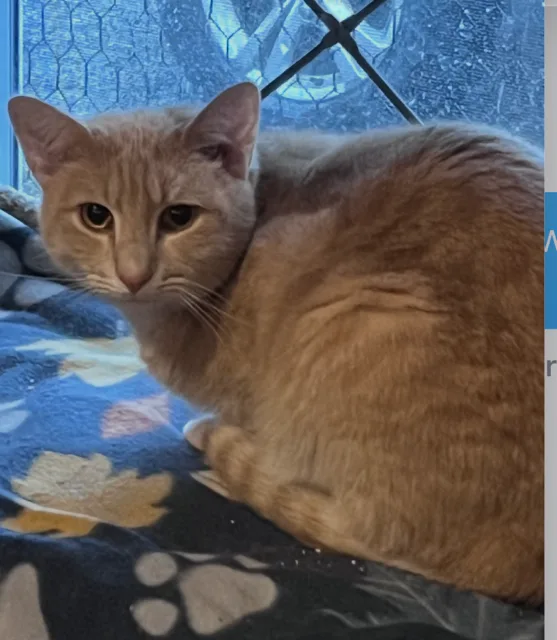
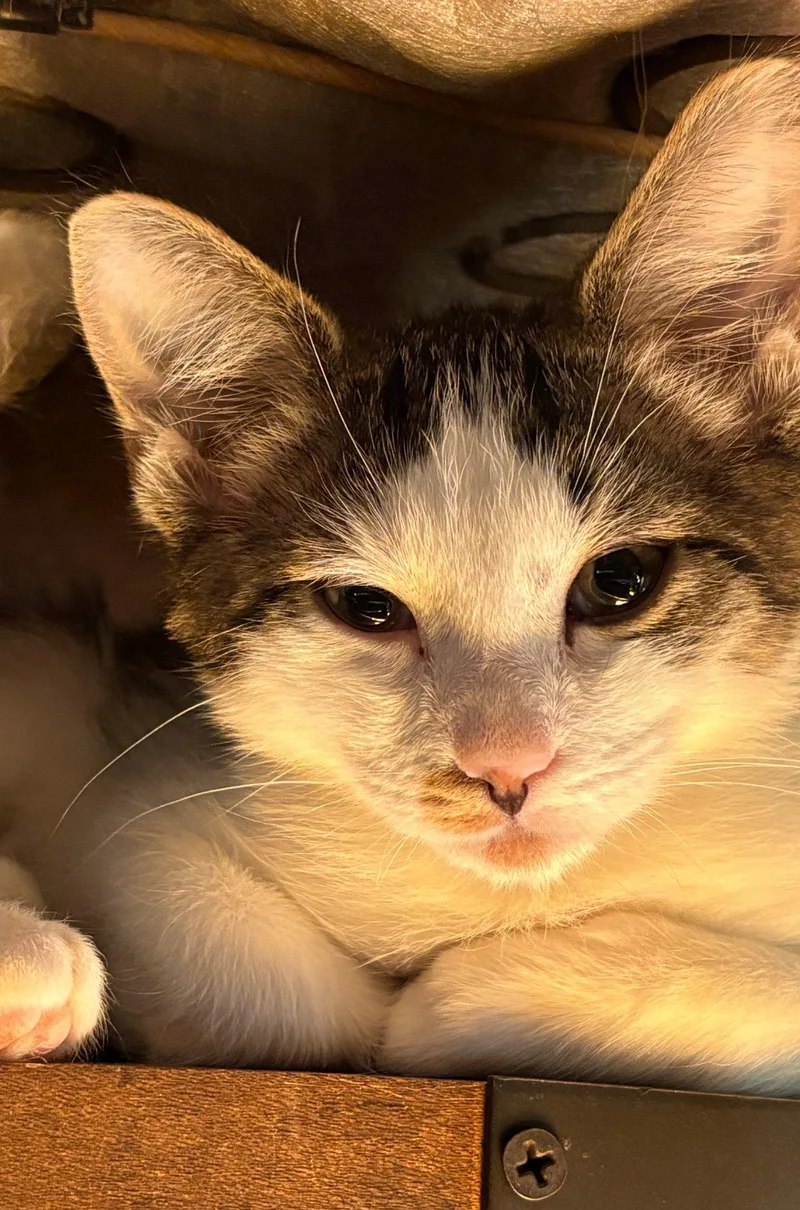
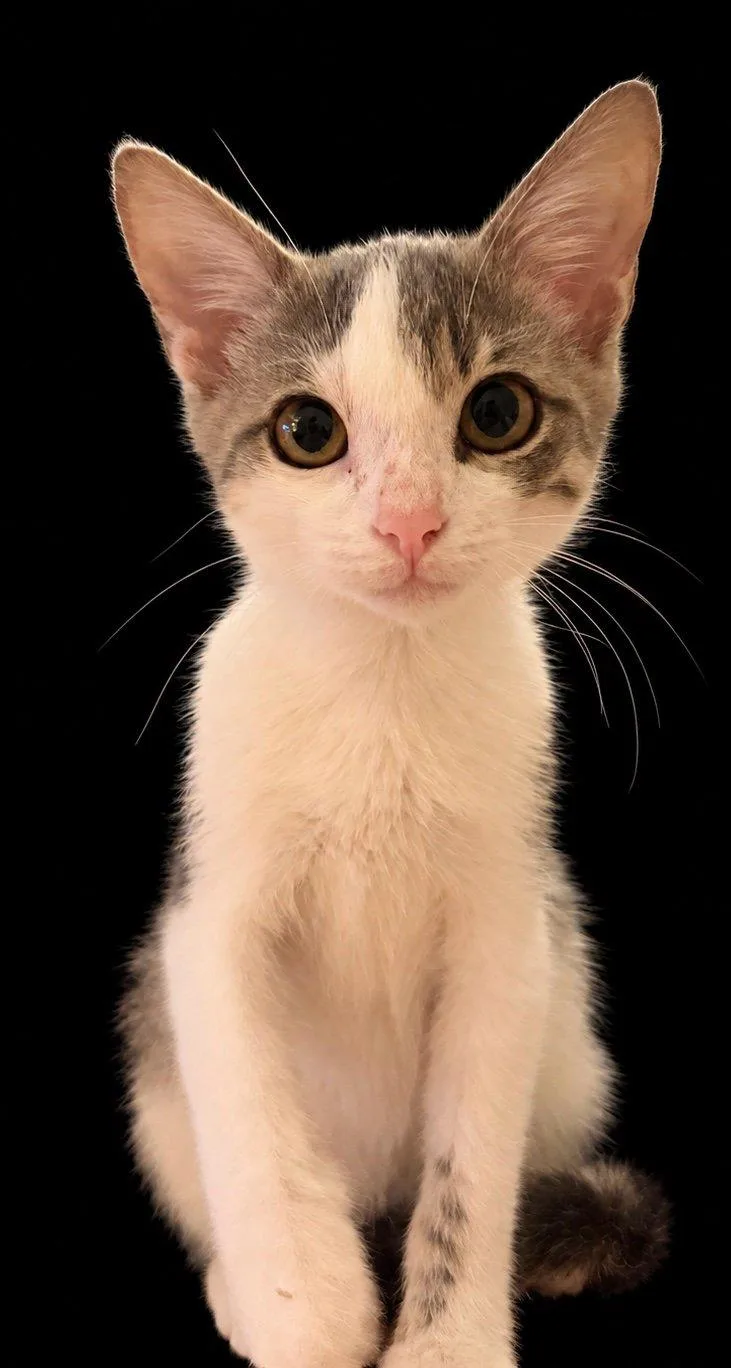
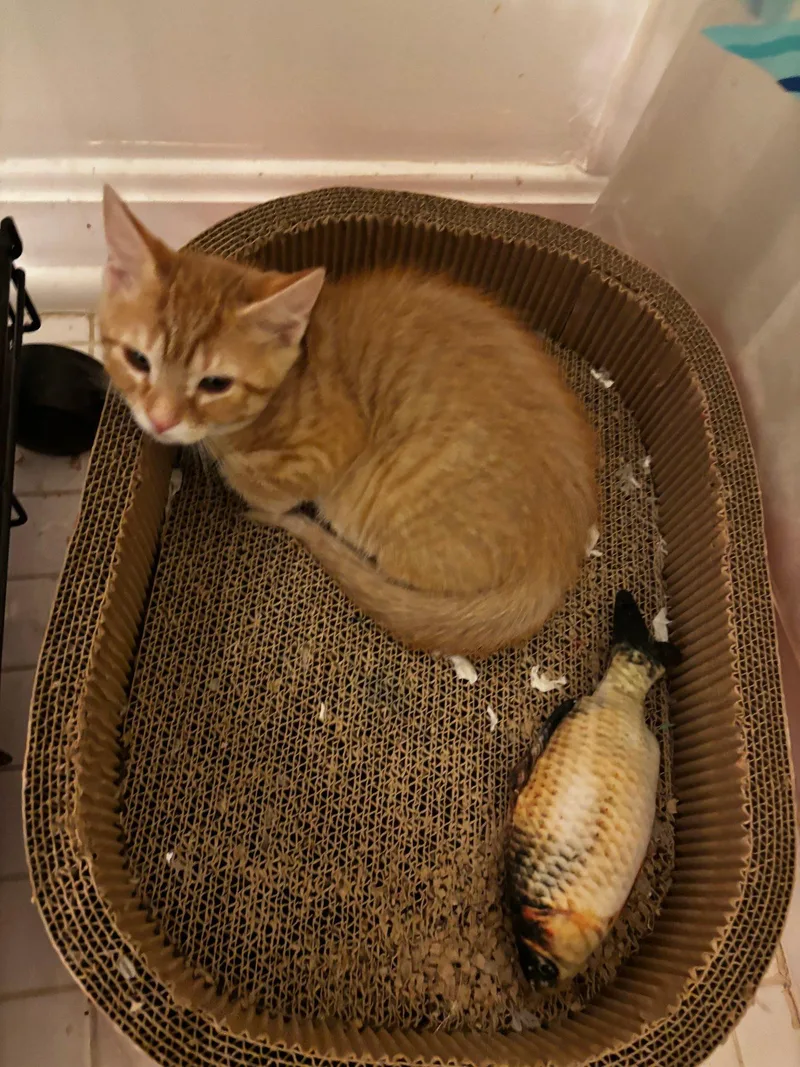
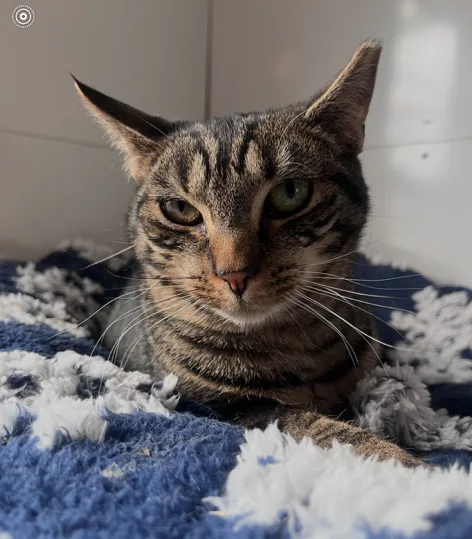
Tabby is a coat pattern rather than a breed, so a tabby in Baltimore might be a typical short-haired domestic cat, a fluffy long-haired mix or something in between. The M on the forehead and the stripes, swirls or spots are the shared thread. Size, energy and sociability come from each cat's background, age and history.

For city life, that means judging the cat in front of you. Baltimore's rowhouses, with their stairs and front windows, suit curious climbers, while shy cats may prefer a quiet back room. Plan on daily play, a litter box on each floor of a bigger home, and regular brushing if the coat is long. Most tabbies live 12 to 18 years, so adoption is a long commitment.

Weight
6–14 lbs
Height
8–10 in
Lifespan
12–18 yrs
Temperament
Curious, Adaptable, Affectionate
Shedding
Moderate

Owning a Tabby in Baltimore

Having a Tabby in Baltimore

A tabby's traits come from its breed mix, age and history, not its stripes. In Baltimore, think about how much play, climbing space and grooming the cat needs, and whether your rowhouse or apartment can supply it.

Temperament

Tabbies run the full feline range, from outgoing lap cats to shy homebodies. Baltimore's busy rowhouse streets and shared walls bring plenty of noise, so a relaxed, adaptable cat tends to settle in easily. Spend time with a cat before adopting and watch how it handles being touched, new sounds and new people.

Exercise Needs

Daily play with wand toys, chasing and pouncing keeps a tabby fit. Rowhouse stairs, cat trees and window perches add climbing, and a view of the street is free enrichment. Young cats need several short sessions a day, while seniors do better with gentler games. Keep cats indoors, since traffic and wildlife outside are real risks.

Health Considerations

A tabby's health depends on its mix, age and lifestyle, not its pattern. Watch weight, teeth and urinary health, plus kidney and thyroid problems in seniors. Baltimore requires rabies vaccination for cats over 4 months, even indoor ones, and rabid raccoons and foxes have turned up in the city's wooded areas. A veterinarian can check any new cat.

Living Space

Tabbies adapt to Baltimore apartments and rowhouses alike when they have vertical space, a scratching post and a quiet hideaway. A multi-floor rowhouse gives a cat room to roam, while a one-bedroom does fine with shelves, perches and daily play. A long-haired tabby needs more grooming time than a shorthair.

What it costs to own a Tabby in Baltimore

ExpenseTypical costPer year
Adoption fee$100 to $150, one time$100 to $150 in year one
Food$25 to $50 per month$300 to $600
Pet insurance$20 to $45 per month$240 to $540
Routine vet care$150 to $350 per year$150 to $350
Other*$460 to $1,180 per year$460 to $1,180
Estimated yearly total (after year one)$1,150 to $2,670
First-year total (with adoption fee)$1,250 to $2,820

Adoption fee is the range of fees on Tabby listings in Baltimore on GetBuddy today. Other costs are estimates and vary with size, age and health.

* Litter, flea prevention, a dental cleaning allowance, toys, scratchers and bedding, occasional grooming, and the Baltimore cat license ($10 a year if spayed or neutered, $30 if not).

Adopt a Tabby in Baltimore.

Now that you know more, let’s find you a new best friend. These rescues and shelters below currently have Tabbies available.

Rescues in Baltimore with Tabbies Available

Baltimore's cat adoptions run through BARCS, the city's open-admission shelter, along with nonprofit groups such as the Maryland SPCA. Here are the rescues & shelters in the Baltimore area where you can find Tabbies and other cats available for adoption.

Frequently Asked Questions

Yes. Baltimore has no breed or coat-pattern restrictions on cats, and the city sets no fixed limit on how many pets a household can keep. You'll need a city license and a current rabies vaccination once the cat is 4 months old. Renters should also confirm that the lease allows cats and what pet fees apply.

Yes. Most tabbies do well in apartments with a scratching post, a window perch and daily play. Because tabbies vary, a calm cat suits a building with thin shared walls, while a very vocal or high-energy cat may be happier in a multi-floor rowhouse with stairs to climb. Vertical space matters more than square footage.

Often, yes, though fit depends on the particular cat, since tabby is a coat pattern and not a breed. Baltimore's rowhouses and apartments suit cats that are comfortable indoors, and mild springs and falls make comfort easy. If you're away long hours, look for an adaptable adult cat and keep toys and window perches ready.

A short-haired tabby needs a quick weekly brushing, while a long-haired one needs brushing several times a week to prevent mats. Shedding rises in spring and fall as coats change. Most owners groom at home, so grooming costs fit within the Other budget, with an occasional professional trim for long coats at the higher end.

Yes, indoor tabbies handle Baltimore summers well with air conditioning or fans. Highs reach the upper 80s, the air is humid, and the harbor area sees about 43 days a year at 90°F or above. Keep fresh water out, block direct sun, and never leave a cat in a parked car. Have a cooling plan for storm outages.

A tabby in a closed, secure carrier is the safest way to travel. MDOT MTA publishes a pet rule only for Commuter Bus, which allows small pets in closed containers held by the owner. Rules for local bus, light rail, the subway and MARC may differ, so look up MTA's current rules before riding.

A tabby cat is any cat with a tabby coat pattern, meaning stripes, swirls, spots or ticked hairs plus a distinctive M-shaped marking on the forehead. Tabby is not a breed. The pattern appears in domestic shorthairs and longhairs as well as many pedigreed breeds, such as the American Shorthair, Maine Coon and Abyssinian, and it is one of the most common cat patterns.

A tabby cat isn't any one breed, because tabby is a coat pattern. Cats with the pattern include shelter domestic shorthairs and longhairs as well as breeds such as the American Shorthair, Maine Coon, Bengal and Abyssinian. Most tabbies available for adoption are mixed-breed domestic cats, so browse the cats listed here and look at each one's age and personality.

We have 5 rescues with Tabbies available, including Animal Allies Rescue Foundation (AARF), Breakfast Club Cats and Arden's Arc. You can see every rescue with Tabbies available in the list above these questions, or scroll to the top to see the Tabbies in Baltimore.

Expect roughly $1,150 to $2,670 a year for a tabby in Baltimore: $25 to $50 a month for food, $20 to $45 a month for insurance, $150 to $350 for routine vet care, and $460 to $1,180 for other costs such as litter, dental care and the city license. Emergencies are extra.