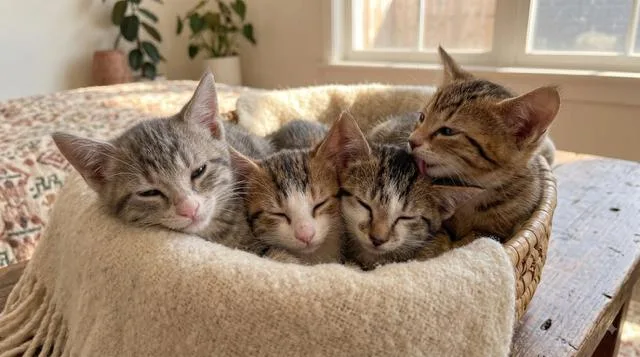
Ocicat Cats for Adoption in Philadelphia, PA

Your guide to finding and caring for an Ocicat in Philly

Ocicats suit Philly rowhouse life better than you'd expect for a cat that looks half wild. They're curious and social, so a front window over a Passyunk Square stoop or a Fairmount block keeps them busy, and they'll happily claim every step of a narrow three-story house. What they want most is company and daily play, which makes them a good match if you work from home or already have a playful pet. Plan on a tall cat tree and a few puzzle feeders.

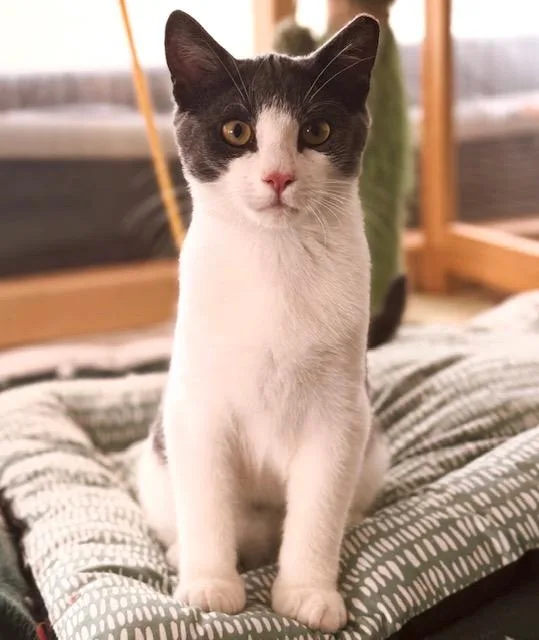
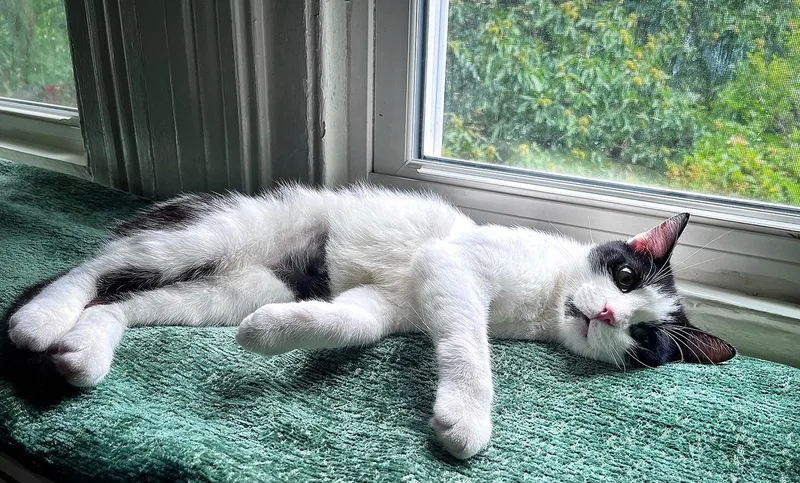
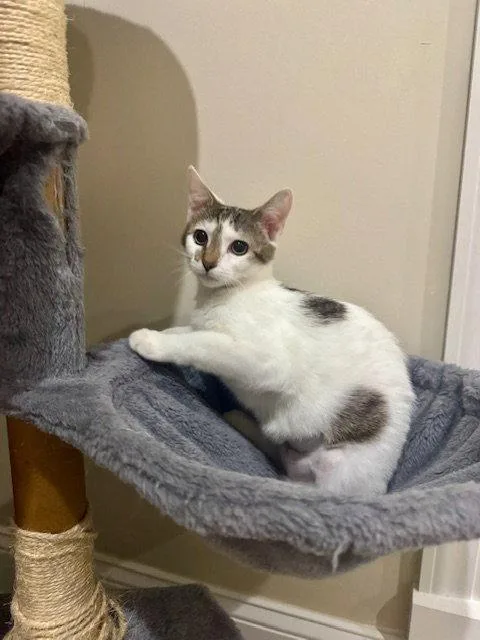
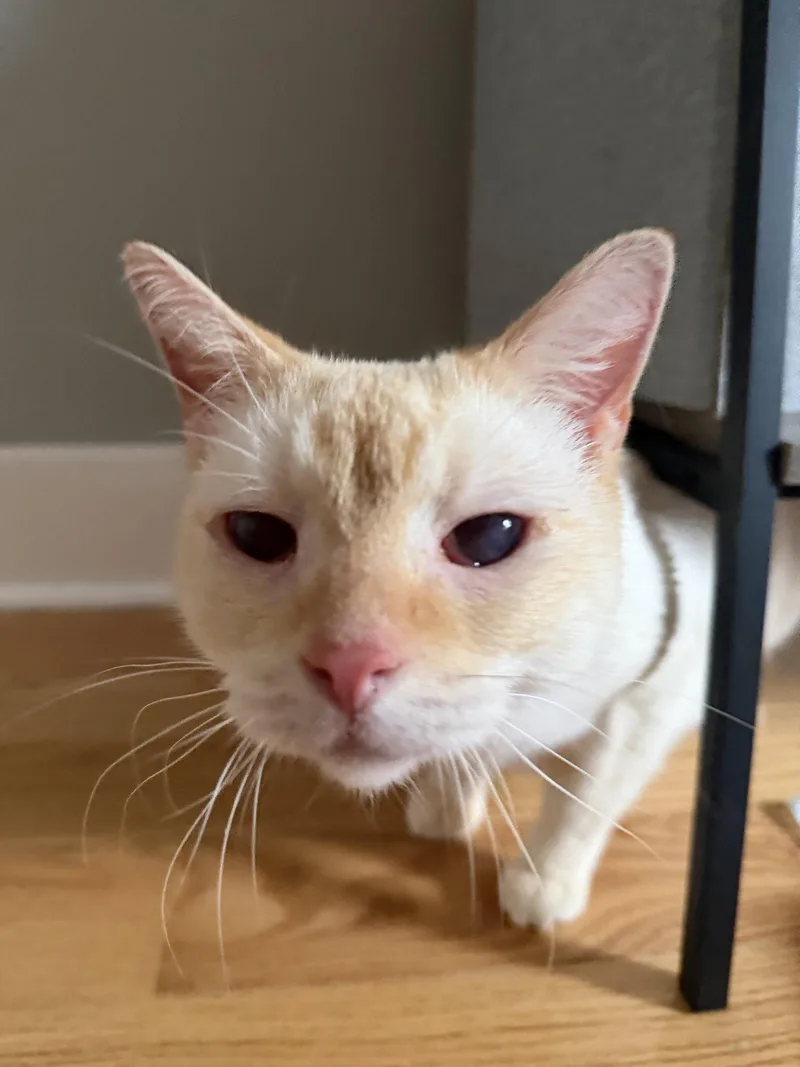
18 Ocicats available in Philadelphia and nationwide

Say hello to your Ocicat

While we don't have enough cats near Philadelphia, keep in mind that many rescues may offer transport.

Ocicats Available for Adoption Near Philadelphia

About the Ocicat breed

The Ocicat looks like a small ocelot but is entirely domestic. It started in Michigan in 1964, when an Abyssinian and Siamese cross produced a spotted kitten, and American Shorthairs were added later for size and silver coloring. Adults usually weigh about 6 to 15 pounds, with a muscular build that feels heavier than it looks, a short satiny coat and bold thumbprint spots.

Ocicats are often described as dog-like: devoted, interested in visitors and quick to learn fetch, harness walking and simple cues. Many dislike long days alone. In Philadelphia's multi-level rowhouses they'll use every landing and window ledge for climbing. The coat needs little more than weekly brushing, though each cat's personality and energy level vary.

Weight
6–15 lbs
Height
9–11 in
Lifespan
12–18 yrs
Temperament
Social, Active, Intelligent, Devoted
Shedding
Low to Moderate

Owning an Ocicat in Philadelphia

Having an Ocicat in Philly

An Ocicat pairs a wild-looking coat with a people-loving nature. Sociability, athleticism and a need for company shape daily life far more than looks do, so think about your schedule and space before you meet an Ocicat you're considering.

Temperament

Ocicats tend to be outgoing and confident, and many greet guests instead of hiding. They bond closely with their families and often enjoy other cats or cat-friendly dogs after slow introductions. Long hours alone can lead to loud complaining or stress, which matters for Philadelphians with long commutes. Each cat's history and socialization shape how it handles change.

Exercise Needs

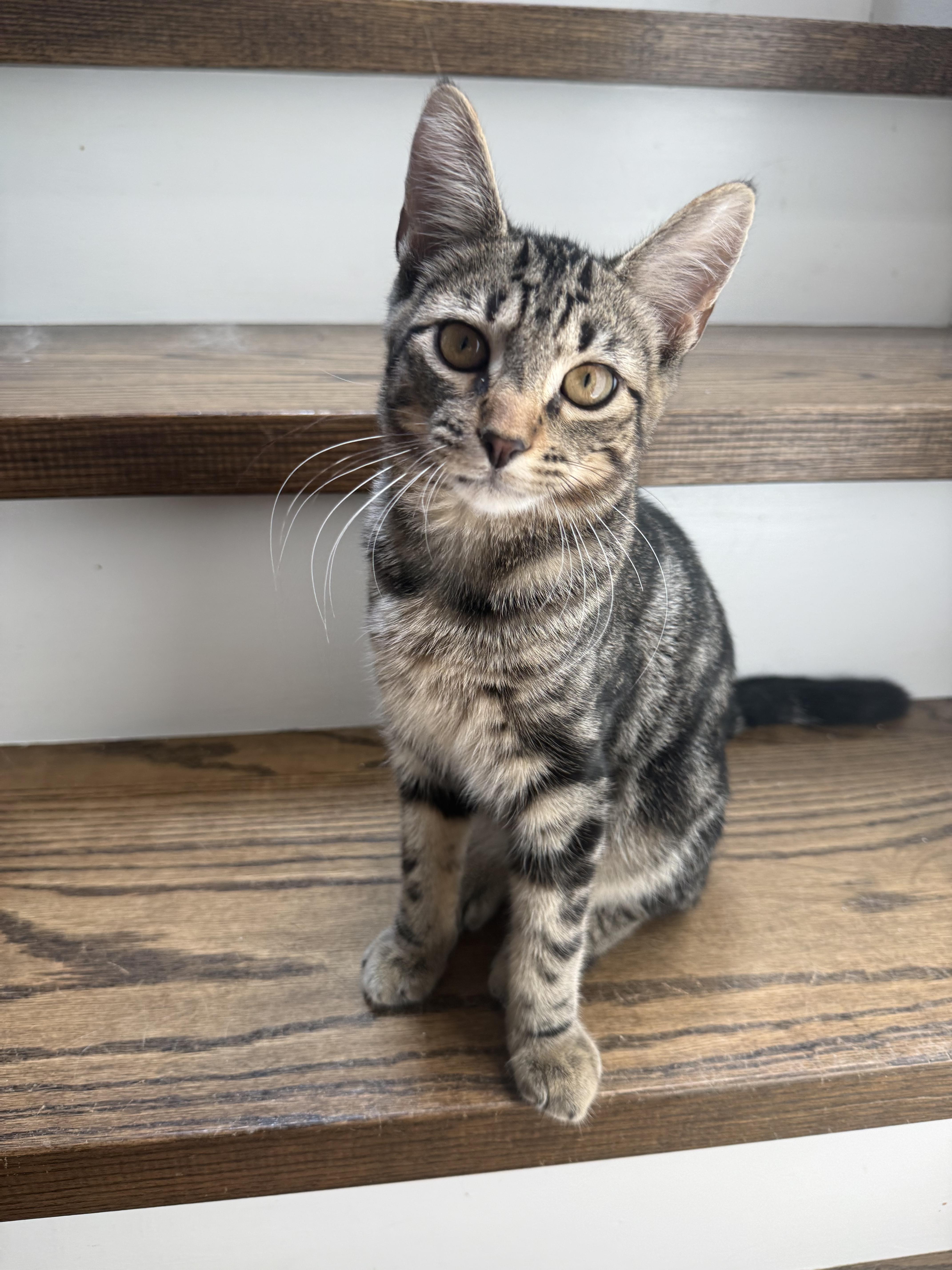
Most Ocicats need daily interactive play, such as wand toys, fetch or a climbing course. Their intelligence makes puzzle feeders and clicker training rewarding, which helps through Philadelphia's gray winter days indoors. Tall cat trees and wall shelves give them room to leap. Some Ocicats also learn harness walks, but a bored cat may invent its own games with household objects.

Health Considerations

Ocicats can inherit conditions seen in their Abyssinian and Siamese ancestors, including renal amyloidosis, pyruvate kinase deficiency, progressive retinal atrophy and hypertrophic cardiomyopathy. Not every Ocicat is affected. Have a veterinarian go over any available records and screen for heart and kidney problems, and keep up regular exams, dental care and rabies vaccination, which Philadelphia requires for cats over 3 months old.

Living Space

Ocicats can thrive in apartments and houses alike if they have vertical space, toys and company. Philly's rowhouses work well, since stairs, window ledges and tall shelves give an active cat plenty to climb. Expect some noise through shared party walls if a bored cat gets vocal. Indoor living keeps them safest.

What it costs to own an Ocicat in Philadelphia

ExpenseTypical costPer year
Food$25 to $50 per month$300 to $600
Pet insurance$30 to $60 per month$360 to $720
Routine vet care$150 to $350 per year$150 to $350
Other*$450 to $1,150 per year$450 to $1,150
Estimated yearly total (after year one)$1,260 to $2,820

Other costs are estimates and vary with size, age and health.

* Litter, flea prevention, a dental cleaning allowance, toys, scratchers and climbing furniture, and minimal home grooming.

Adopt an Ocicat in Philadelphia.

Now that you know more, let’s find you a new best friend. These rescues and shelters below have cats available in and near Philadelphia.

Frequently Asked Questions

Yes, as long as your Ocicat rides in a standard sturdy carrier. SEPTA allows pets only in nonobstructive carriers, and the animal can't be disruptive. That rule covers the subway, trolleys, buses and Regional Rail alike. Most Ocicats weigh 6 to 15 pounds, so a roomy carrier works, but practice at home first so the ride feels calm.

Mostly yes for an indoor Ocicat. Summers bring about 30 days a year at 90°F or higher, so keep the home cool with fresh water. Winters average lows near 28°F, and the short, thin coat gives little insulation, so a warm bed and sunny perch help. Rain or snow falls every month, so expect plenty of indoor play.

Flat, paved routes suit a harness-trained Ocicat best, such as the Schuylkill River Trail along Kelly Drive or the Schuylkill Banks boardwalk. Forbidden Drive in Wissahickon Valley Park is a gravel path through woods. City trail rules require pets to be leashed, and ticks are common in wooded parks, so check your cat afterward.

Yes. Philadelphia has no breed bans, and an Ocicat is a fully domestic cat, so no special permit applies. The city doesn't license cats, but any cat over 3 months old needs a current rabies vaccination. Landlords can still set their own pet rules, so confirm your lease allows cats before you adopt.

Yes, Ocicats generally adapt well to apartments and rowhouse units if they have climbing space, toys and company. Tall cat trees and window perches matter more than square footage. Shared walls carry noise, so daily play helps keep a bored, vocal cat quiet. Get landlord pet approval in writing, and ask how any pet deposit is handled.

It can be, especially if someone is home much of the day or the household has another playful pet. Ocicats are social and active, so long commutes and empty rowhouse days are the hard part. A cat tree, puzzle feeders and a window onto the street give an Ocicat plenty to do while you're out.

Very little. An Ocicat's short, satiny coat needs weekly brushing, and a little more during seasonal shedding. Philadelphia's humidity doesn't change that routine. Grooming costs are minimal and are counted in the yearly Other budget, since most owners do it at home. Check for ticks after any outdoor harness time, and keep up regular nail trims and dental care.

An Ocicat is a domestic cat breed with a spotted coat that resembles a wild ocelot, though it has no wild ancestry. It was developed in the 1960s from Abyssinian, Siamese and American Shorthair cats. Ocicats are muscular, medium to large and come in twelve colors. Many are social, trainable and often called dog-like in personality.

No, Ocicats are not hypoallergenic. Their short, close-lying coat sheds lightly, but cat allergies are triggered mainly by proteins in saliva and skin that all cats produce. Some allergic people tolerate low-shedding cats better than others, but there is no guarantee. Spend extended time with the specific cat, and talk with your doctor, before adopting.

Expect an Ocicat in Philadelphia to cost roughly $1,260 to $2,820 a year. That includes food at $25 to $50 a month, pet insurance at $30 to $60 a month, routine vet care at $150 to $350 a year, and other costs such as litter, prevention and dental care at $450 to $1,150 a year.