Egyptian Mau Cats for Adoption in Philadelphia, PA

Your guide to finding and caring for an Egyptian Mau in Philly

An Egyptian Mau suits Philly's rowhouse blocks better than you might expect, because it cares more about height than floor space. A narrow Queen Village or Spruce Hill rowhouse has stairs, a front window over the stoop and plenty of wall for shelves, which is just what a climbing Mau wants. Expect a cat that bonds closely with its people and stays wary of visitors. The breed is uncommon, so a spotted cat here may turn out to be a domestic shorthair.

54 Egyptian Maus available in Philadelphia and nationwide

Bring home an Egyptian Mau

While we don't have enough cats near Philadelphia, keep in mind that many rescues may offer transport.

Egyptian Maus Available for Adoption Near Philadelphia

About the Egyptian Mau breed

The Egyptian Mau is a medium, muscular cat, usually 7 to 14 pounds, with a spotted coat, green eyes and a long-legged, springy stride. The modern breed dates to the 1950s, though spotted cats appear in ancient Egyptian art. Its short coat sheds lightly to moderately and needs only a weekly comb, which is easy to manage in a small home.

Many Maus bond hard with one or two people and stay cautious with strangers, so a quiet household often suits them better than one with constant guests. They're athletic, curious and often happy to learn fetch or harness walking. Because the breed is rare, a cat listed as a Mau may be a spotted mix, so judge each cat by how it acts, not by its spots.

Weight
7–14 lbs
Height
7–11 in
Lifespan
9–15 yrs
Temperament
Active, Devoted, Intelligent
Shedding
Low to Moderate

Owning an Egyptian Mau in Philadelphia

Having an Egyptian Mau in Philly

Maus pair athletic energy with a strong need for routine and trusted company. In Philly, that mostly means vertical space and daily indoor play, plus a plan for how a wary cat handles visitors, stairs and city noise.

Temperament

Egyptian Maus tend to be loyal and watchful, often picking a favorite person and taking time with newcomers. City life brings sirens, neighbors through shared walls and delivery visits, which can unsettle a cautious cat. Give a new Mau a quiet room and let it set the pace. Personalities vary, so watch how each cat handles new sounds.

Exercise Needs

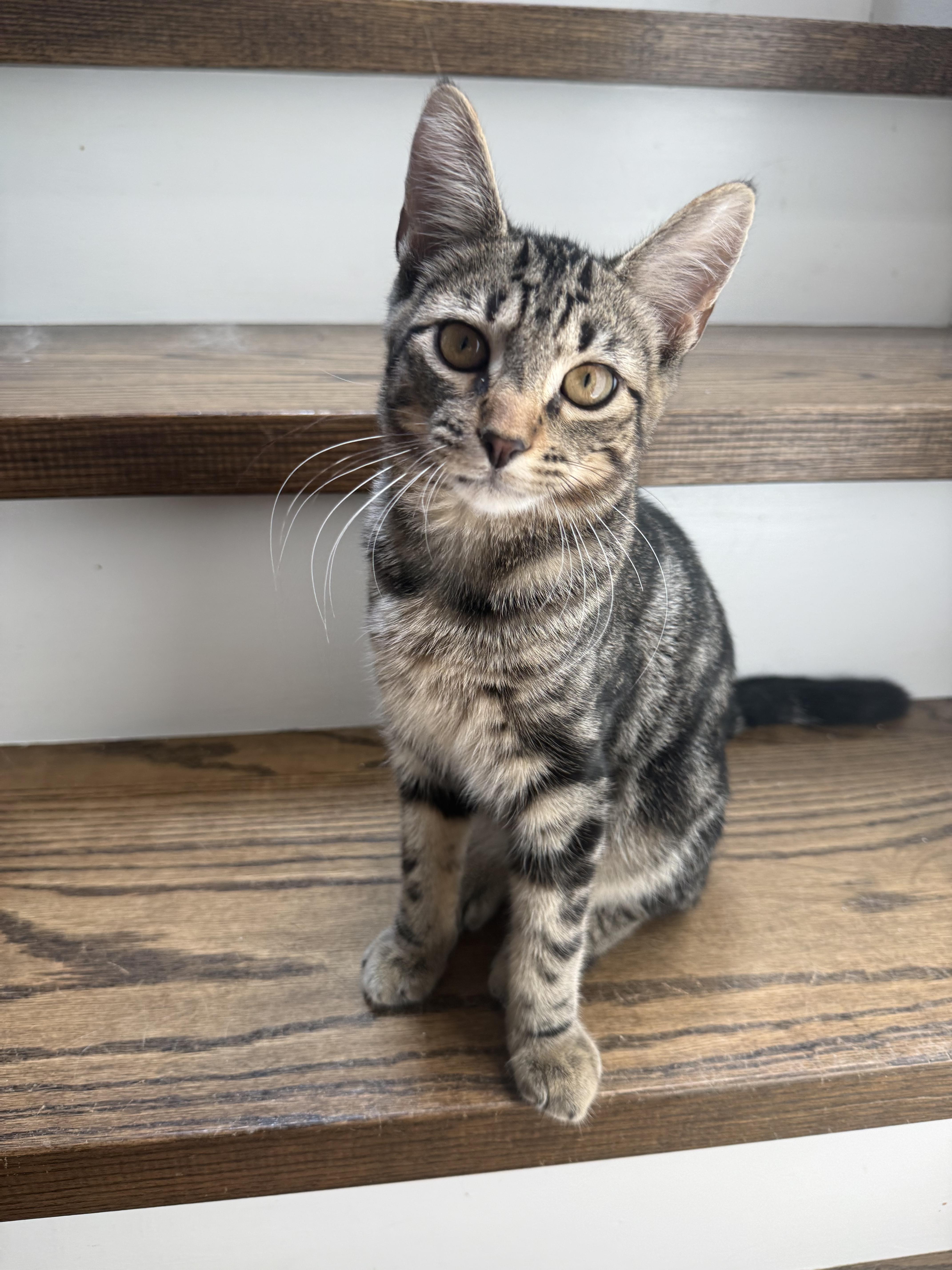
Plan on several short play sessions a day: wand toys, chasing games, fetch and puzzle feeders. Rowhouse stairs, window perches and tall cat trees give a Mau places to sprint and climb. Some learn harness walking, which can suit a quiet block, but keep them off hot pavement, since the City warns that paw pads can burn.

Health Considerations

Egyptian Maus are generally sturdy, but urate bladder stones are more common in the breed, and pyruvate kinase deficiency has been reported. Encourage water intake, and see a veterinarian promptly if a cat strains or makes frequent litter box trips. Philadelphia requires rabies vaccination for cats over 3 months, and yearly exams and dental care help.

Living Space

Maus do well in Philly apartments and rowhouses when there's vertical space. Cat trees, shelves and window perches matter more than square footage. Secure window screens and balcony or roof-deck doors, since Maus jump readily. A quiet hiding spot helps a wary cat settle, especially in a busy walk-up with neighbors on the other side of the wall.

What it costs to own an Egyptian Mau in Philadelphia

ExpenseTypical costPer year
Food$25 to $50 per month$300 to $600
Pet insurance$25 to $50 per month$300 to $600
Routine vet care$150 to $350 per year$150 to $350
Other*$450 to $1,150 per year$450 to $1,150
Estimated yearly total (after year one)$1,200 to $2,700

Other costs are estimates and vary with size, age and health.

* Litter, flea and tick prevention, a dental cleaning allowance, toys, scratchers and cat trees, and occasional brushing supplies.

Adopt an Egyptian Mau in Philadelphia.

Now that you know more, let’s find you a new best friend. These rescues and shelters below have cats available in and near Philadelphia.

Frequently Asked Questions

Yes, if your Egyptian Mau rides in a standard, sturdy pet carrier. SEPTA allows pets on its property, including the Broad Street Line and Market-Frankford Line, only in carriers that don't obstruct others, and the animal can't be disruptive. Most Maus, at 7 to 14 pounds, fit a carrier fine. Practice at home first so a wary cat stays calm in a crowd.

Yes, as indoor cats. Philly averages about 30 days a year at 90°F or higher, so an Egyptian Mau needs a cool home with fans or air conditioning, shaded windows and fresh water. A short coat helps a little, but heat and humidity still matter. Keep it off hot balconies and pavement, and never leave a cat in a parked car.

Many Maus prefer to stay home, but a harness-trained one can try quiet stretches of Forbidden Drive in Wissahickon Valley Park, a flat gravel road, or the Schuylkill River Trail along Kelly Drive. City trail rules require pets on a leash six feet or shorter. Watch for ticks and reported coyote activity in the Wissahickon, and stay on trails.

Yes. Philadelphia has no cat license, and you only need a current rabies vaccination for a cat over 3 months old. Your lease is the bigger question, since landlords can set their own pet rules, so get approval and any deposit in writing. Because the breed is uncommon, browse the cats listed on this page and save a search to hear about new arrivals.

Yes, an Egyptian Mau can do well in a Philly apartment if it has vertical space and daily play. Shelves, a tall cat tree and a window perch matter more than square footage. Maus usually have soft voices, so shared walls rarely cause trouble, but secure window screens, since an athletic cat can push through loose ones.

Very little: a weekly comb is usually enough for the Mau's short coat, with a bit more during heavier shedding. Philly's humid summers don't change that. Nail trims and brushing supplies fit within the Other costs of roughly $450 to $1,150 a year, so professional grooming is rarely needed. Check the coat for ticks after any outdoor time.

No, Egyptian Maus are not hypoallergenic. No cat breed is, because the main cat allergen comes from saliva and skin glands rather than the hair itself. Maus have short coats that shed lightly, which may help a little, but people with allergies can still react. Spend time with the specific cat before adopting if anyone in the household has allergies.

Yes, Egyptian Maus are fairly rare. The modern breed descends from only a few cats brought to the United States in the 1950s, and it ranks in the middle to lower range of the CFA's breeds by registrations. Purebred Maus seldom appear in shelters, so breed rescues and patient searching give the best chance of adopting one.

Without papers or a DNA test, you cannot be certain your cat is an Egyptian Mau. Signs that point toward the breed include randomly spotted fur in silver, bronze or smoke, a scarab-like M on the forehead, mascara lines by the eyes, gooseberry green eyes and a loose skin flap by the hind legs. Many spotted shelter cats are domestic shorthairs.

Expect roughly $1,200 to $2,700 a year for a Mau in Philly. Food runs $25 to $50 a month and insurance $25 to $50, with routine vet care at $150 to $350 a year. Other costs, such as litter, parasite prevention, dental care and cat trees, add $450 to $1,150 a year. Adoption fees appear on the listings.

Find Egyptian Maus in Nearby Cities

Expand your search to find Egyptian Maus available for adoption near Philadelphia.