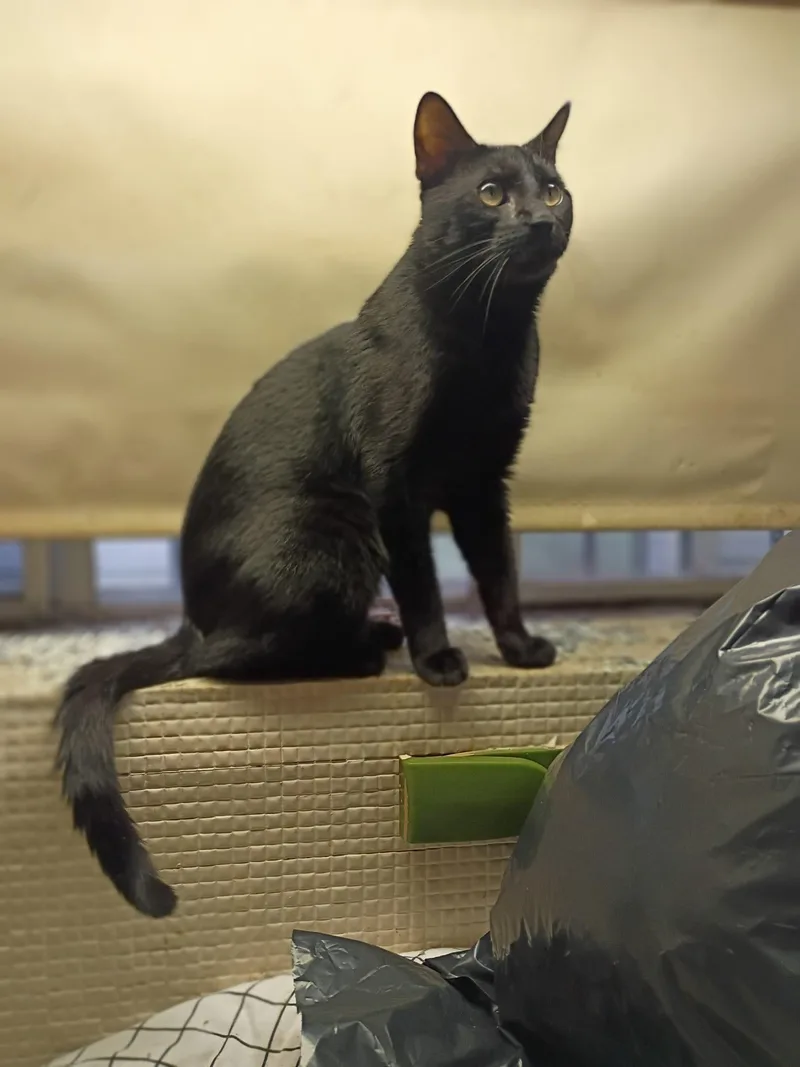
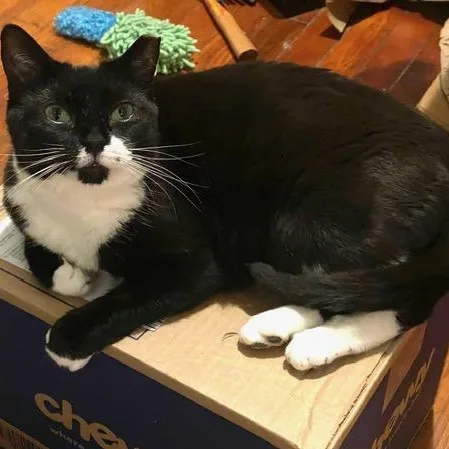
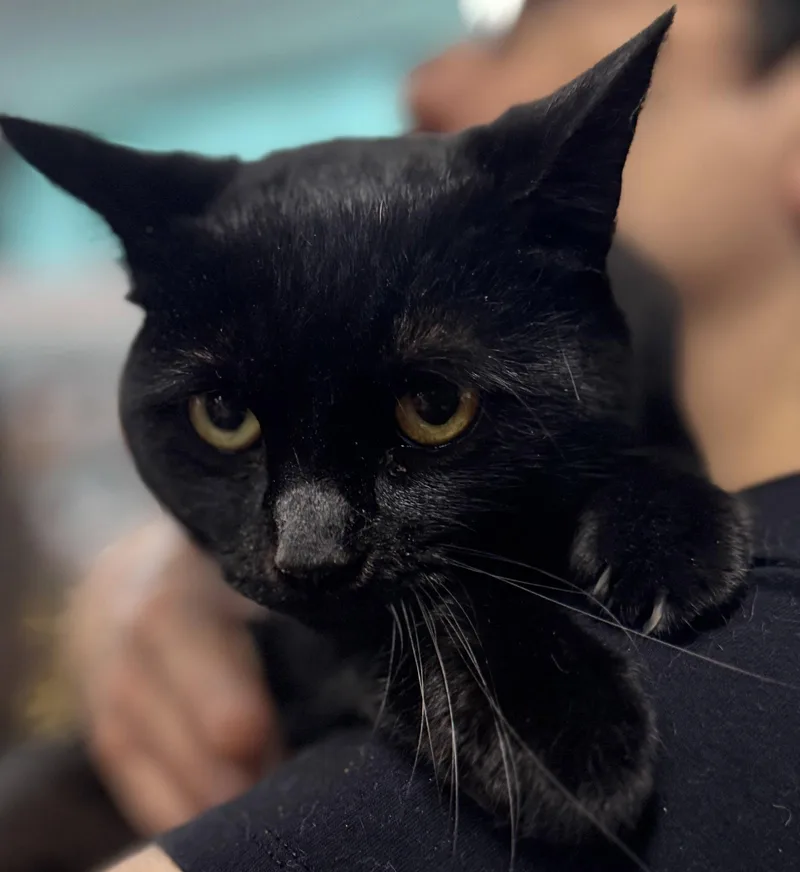
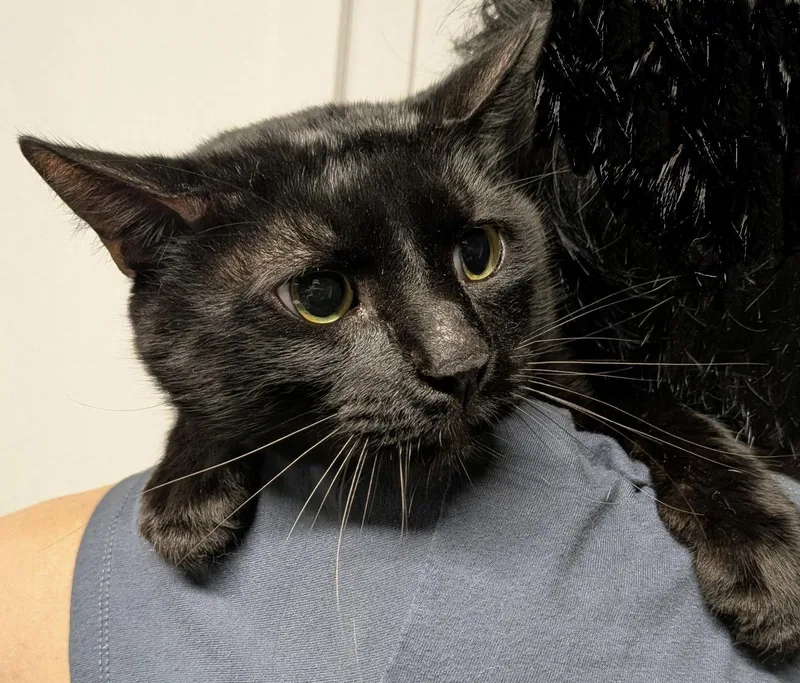
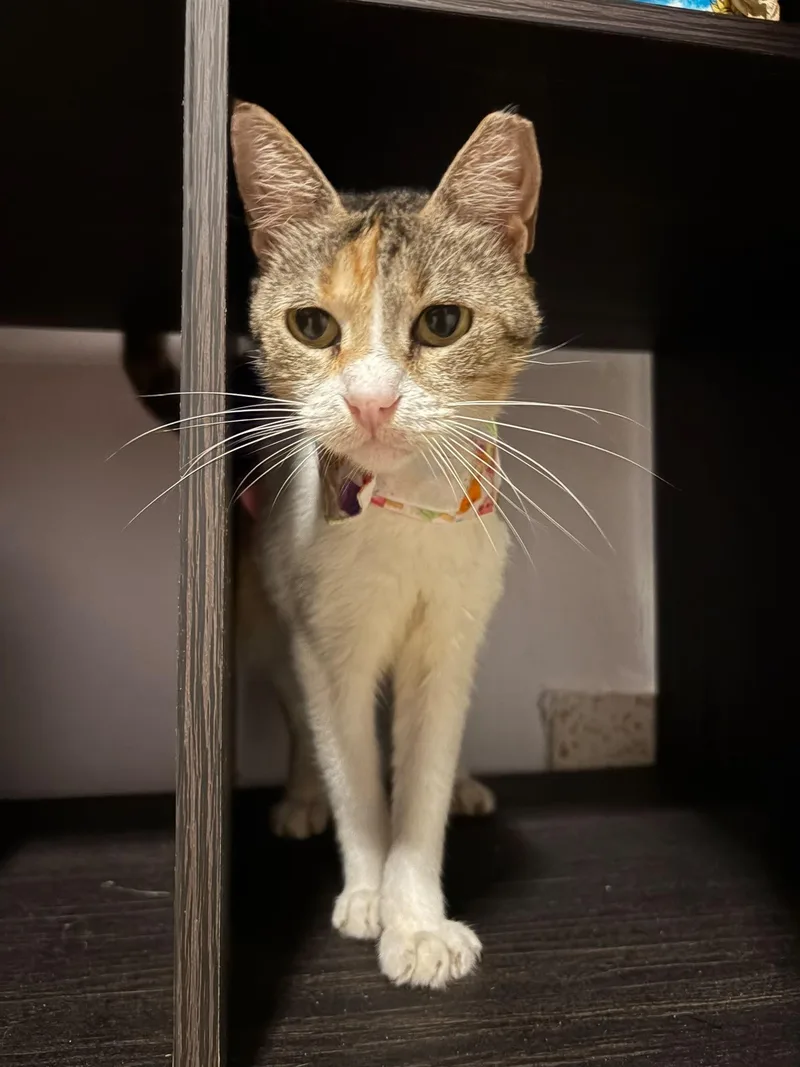
Burmilla Cats for Adoption in New York, NY

Your guide to finding and caring for a Burmilla in NYC

Burmillas fit the way most New Yorkers live: in a rental apartment with a good window. At 6 to 13 pounds, a Burmilla won't crowd a Park Slope one-bedroom or an Astoria walk-up, and its usually quiet voice is kind to thin walls. Expect a few bursts of play a day, then a long nap on the sill. The breed is uncommon, so adopting one in NYC takes patience, and saving a search here is the easiest way to catch a new listing.

612 cats similar to Burmilla available in New York and nationwide

Meet your next Burmilla

Burmillas and Similar Breeds Available for Adoption Near New York

About the Burmilla breed

The Burmilla began with an accidental mating in Britain in 1981, when a Chinchilla Persian male met a lilac Burmese female and the litter came out shaded silver. The name blends Burmese and Chinchilla. Burmillas are medium-sized and muscular, with green eyes outlined in dark color, as if wearing eyeliner, and a shimmering coat that is pale at the roots and tipped or shaded with color.

Many combine the Burmese's sociable, playful streak with the Persian's mellow calm, staying kittenish into adulthood without being demanding. Both shorthaired and semi-longhaired coats are easy to maintain with weekly combing. In a city apartment, that means a cat who wants company and games more than space. Cats vary, so a Burmilla's own personality matters more than the breed description.

Weight
6–13 lbs
Height
9–12 in
Lifespan
10–15 yrs
Temperament
Affectionate, Playful, Easygoing
Shedding
Low to Moderate

Owning a Burmilla in New York

Having a Burmilla in NYC

Burmillas are playful without being frantic and affectionate without being clingy, which suits small New York homes. Their exercise, health and space needs are worth weighing before you adopt, especially in a city where most people rent.

Temperament

Burmillas are often sweet, curious and sociable, greeting visitors and settling near their people without constant demands. They're usually quiet, which helps in a shared building, and many get along with other cats and cat-friendly dogs after gradual introductions. Each cat is different, so how a cat handles people and noise matters more than breed expectations.

Exercise Needs

Plan on a few short bursts of play each day, such as wand toys, chase games or a food puzzle, followed by long naps. A tall cat tree by a window gives a Burmilla somewhere to climb in a small apartment. Daily play helps prevent weight gain, and rotating toys keeps a kittenish adult interested.

Health Considerations

Burmillas can inherit polycystic kidney disease from Persian ancestors and a head defect from Burmese lines, and both have DNA tests. Not every cat develops problems. A veterinarian can discuss testing and kidney screening, and regular exams, dental care and weight checks matter more as a cat ages. Keep vaccines current, including rabies, which New York State requires.

Living Space

A Burmilla fits well in a typical NYC rental when it has window perches, a climbing tree and a quiet corner. Many cope with a workday alone. Because they're curious, screen windows and balconies, and keep any outdoor time to a harness or secure enclosure, particularly on upper floors.

What it costs to own a Burmilla in New York

ExpenseTypical costPer year
Food$25 to $50 per month$300 to $600
Pet insurance$25 to $50 per month$300 to $600
Routine vet care$150 to $350 per year$150 to $350
Other*$450 to $1,150 per year$450 to $1,150
Estimated yearly total (after year one)$1,200 to $2,700

Other costs are estimates and vary with size, age and health.

* Litter, flea prevention, a dental cleaning allowance, toys, scratchers and cat trees, and weekly combing for a short or semi-long coat.

Adopt a Burmilla in New York.

Now that you know more, let’s find you a new best friend. These rescues and shelters below have cats available in and near New York.

Rescues and Shelters in or near New York

New York's shelters and rescues care for cats of every age and look, from kittens to seniors. Here are the rescues & shelters in the NYC area with cats available for adoption, worth asking whether a Burmilla is coming in.

Frequently Asked Questions

Yes, no breed-specific ownership rules apply in New York City, and cats aren't licensed here. Landlords can still set lease terms, though the city's pet law limits how long a no-pet clause stays enforceable. The breed is uncommon, so watch the listings on this page, browse similar breeds and nearby cities, and save a search to hear about new cats.

Yes, Burmillas generally do well in apartments. They're medium-sized, usually quiet and many cope with a workday alone, which suits New York's rental-heavy housing. Give a Burmilla a cat tree, a window perch and daily play, and screen every window. Read your lease first, since building rules vary.

A Burmilla is often a good fit for NYC if you want a sociable, low-drama cat in a smaller home. Burmillas tend to be playful and affectionate, but they want company and daily games, so very long days away may not suit. Cats vary, so weigh a cat's personality alongside the breed.

Yes, as long as your Burmilla is inside a bag or other container and carried so it doesn't annoy other riders; the same rule covers buses. The LIRR requires a container that fits on your lap. Choose a sturdy, ventilated carrier your cat knows well, since stations are loud and crowded, and keep the cat inside throughout.

Yes, Burmillas are indoor cats, and a heated apartment keeps them comfortable through NYC's freezing winters. Put a bed away from drafty windows and radiators that run hot. If you harness-walk, wipe paws afterward to remove the salt spread on sidewalks, and keep outings short on icy days.

Very little: weekly combing handles a short or semi-long Burmilla coat, plus occasional nail trims. Shedding may rise in spring, so comb a bit more often then. Home grooming fits within the yearly Other costs of about $450 to $1,150, which also cover litter and supplies, so a professional groomer is rarely necessary.

No, Burmilla cats are not hypoallergenic. They shed like other cats, and the main cat allergen, a protein found in saliva and skin secretions, spreads onto the coat during grooming. There is no evidence that Burmillas produce less of it. People with allergies should spend extended time with the specific cat before adopting and discuss options with their doctor.

Burmilla cats typically live about 10 to 15 years, and many healthy indoor cats reach their mid-teens or beyond. Lifespan depends on genetics, weight, dental care and access to veterinary care. Inherited kidney disease from Persian ancestry can shorten life, so scheduling regular blood and urine tests as the cat ages is worthwhile.

A Burmilla is a medium-sized cat breed created in Britain from a cross between a Chinchilla Persian and a Burmese. It is known for a sparkling silver or golden coat tipped or shaded with color, green eyes rimmed in dark outlines, and a playful, gentle personality. Burmillas come in shorthaired and semi-longhaired varieties.

A Burmilla typically costs about $1,200 to $2,700 a year: food at $25–$50 a month, insurance at $25–$50 a month, routine vet care at $150–$350 and other costs at $450–$1,150, including litter and supplies. New York's overall price level is among the highest in the US, so get local quotes for vet care and boarding.