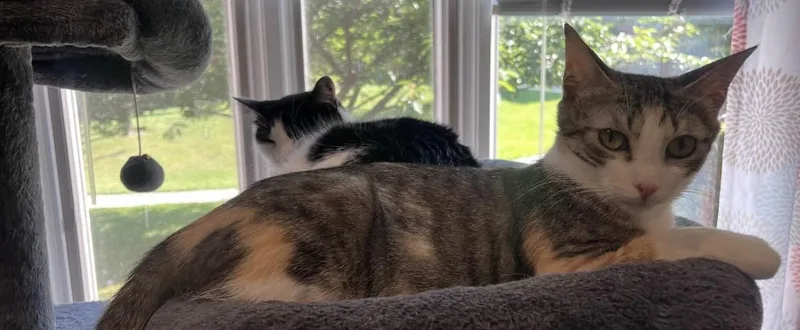
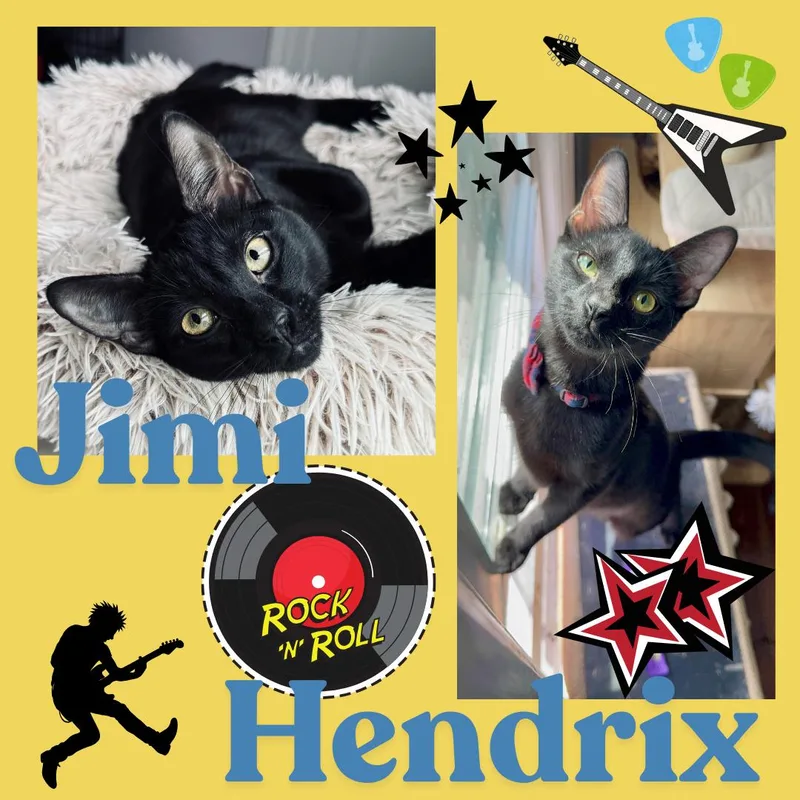
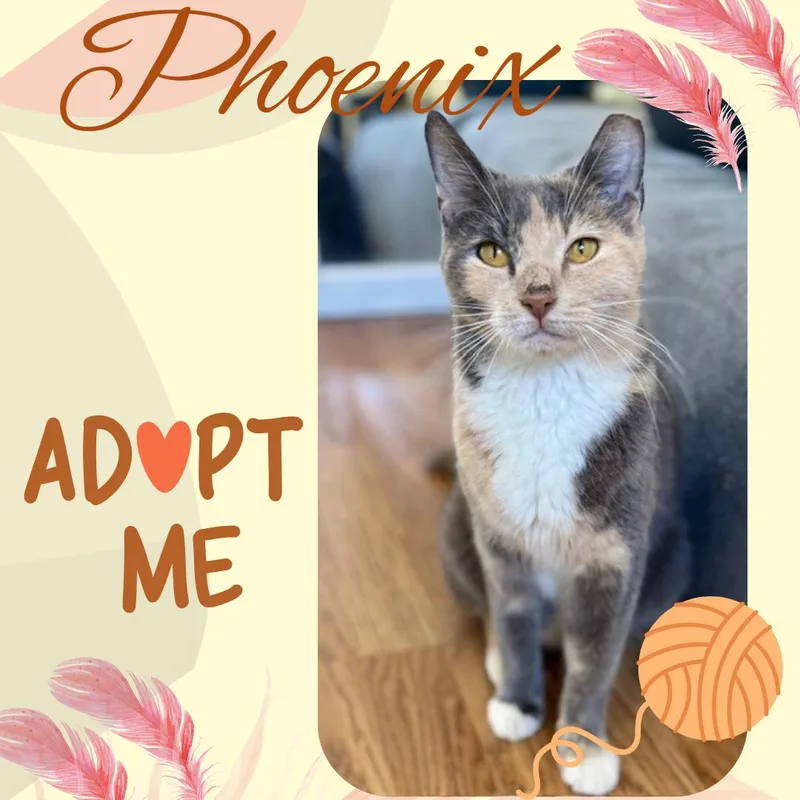
Tuxedo Cats for Adoption in Bronx, NY

Your guide to finding and caring for a Tuxedo in Bronx

A Tuxedo cat can do well in a Bronx apartment as long as it has a window to watch and room to climb. Whether the building is an Art Deco walk-up on the Grand Concourse or a tower in Parkchester, vertical space and a sturdy window screen matter more than square footage. Tuxedo is a coat pattern, not a breed, so each cat's age, energy and history count for more than the markings. In a smaller place, a tall cat tree by the window does the most work.

2037 Tuxedos available in Bronx and nationwide

Say hello to your Tuxedo cat

Tuxedos Available for Adoption Near Bronx

About the Tuxedo breed

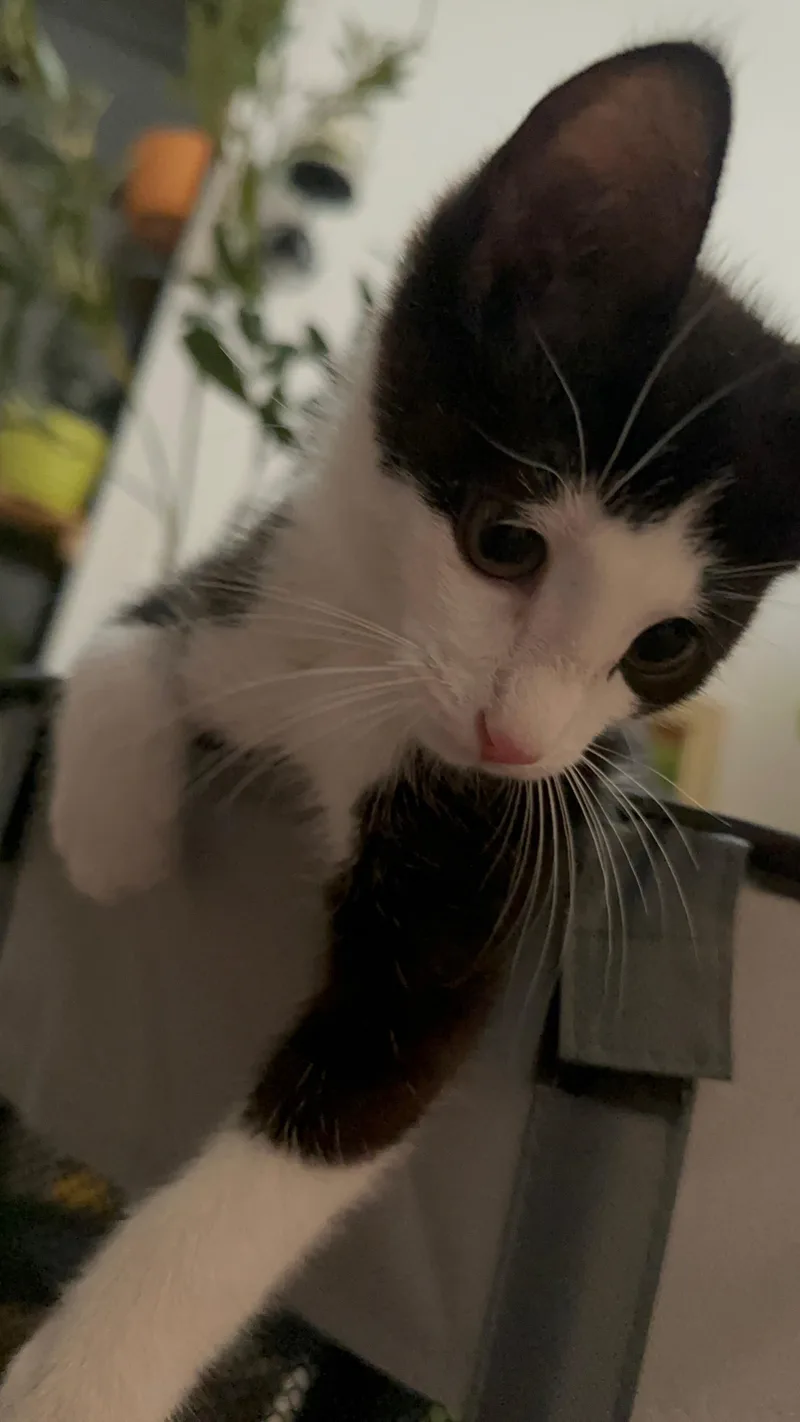
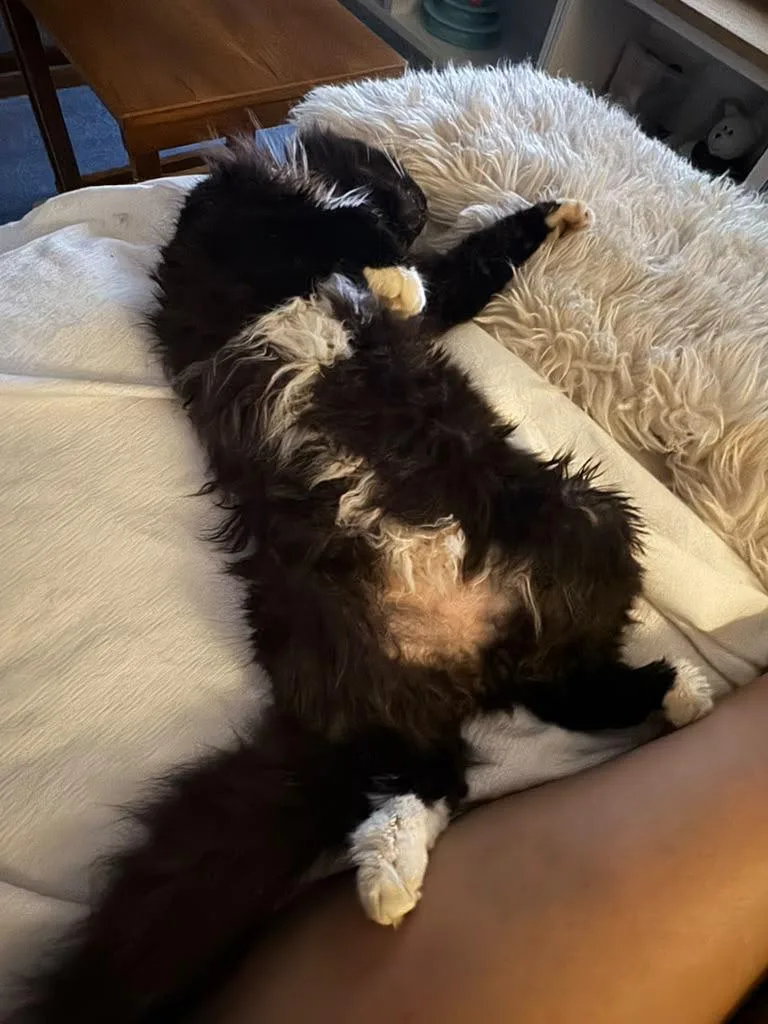
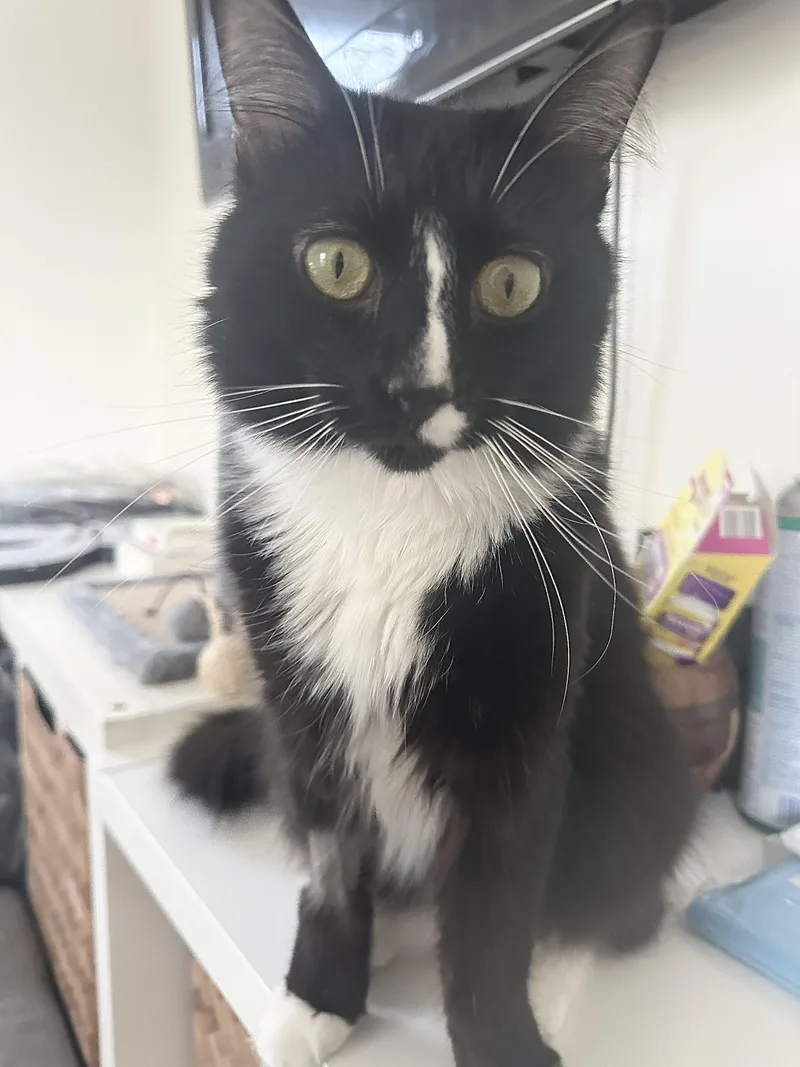
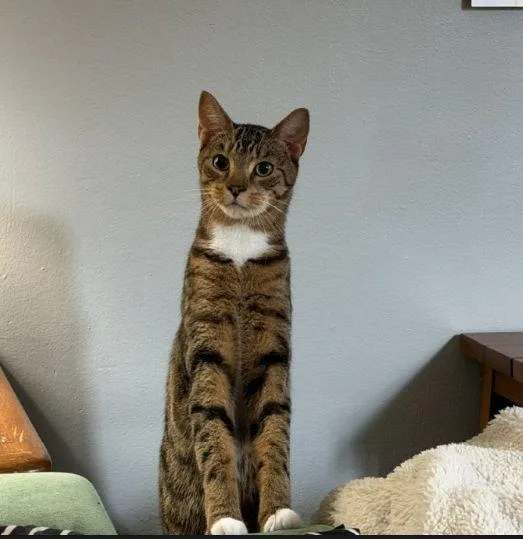
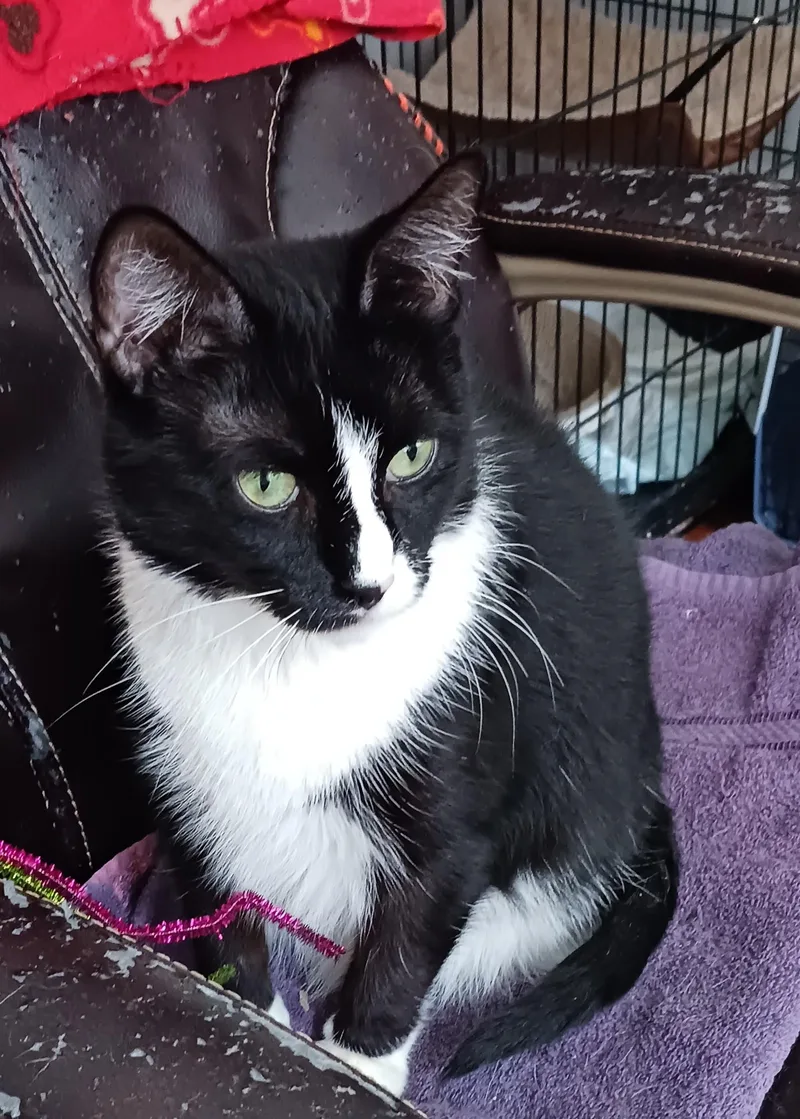
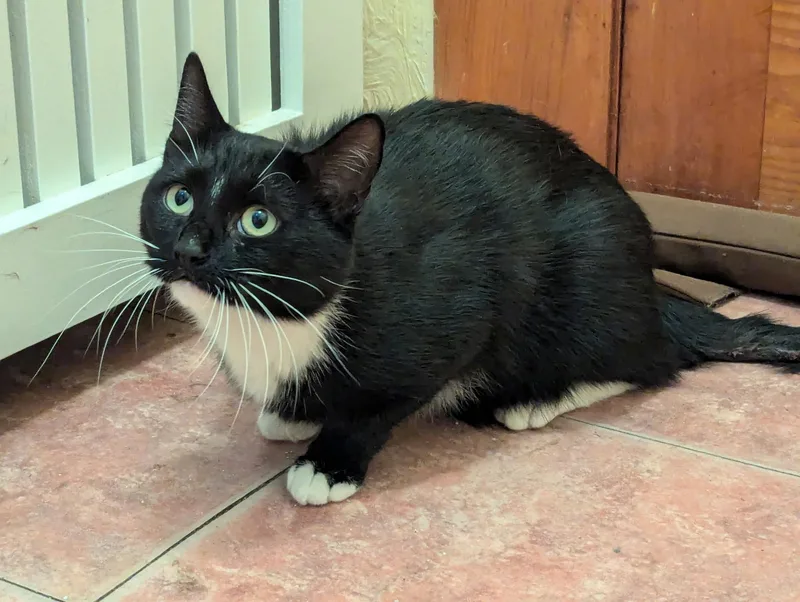
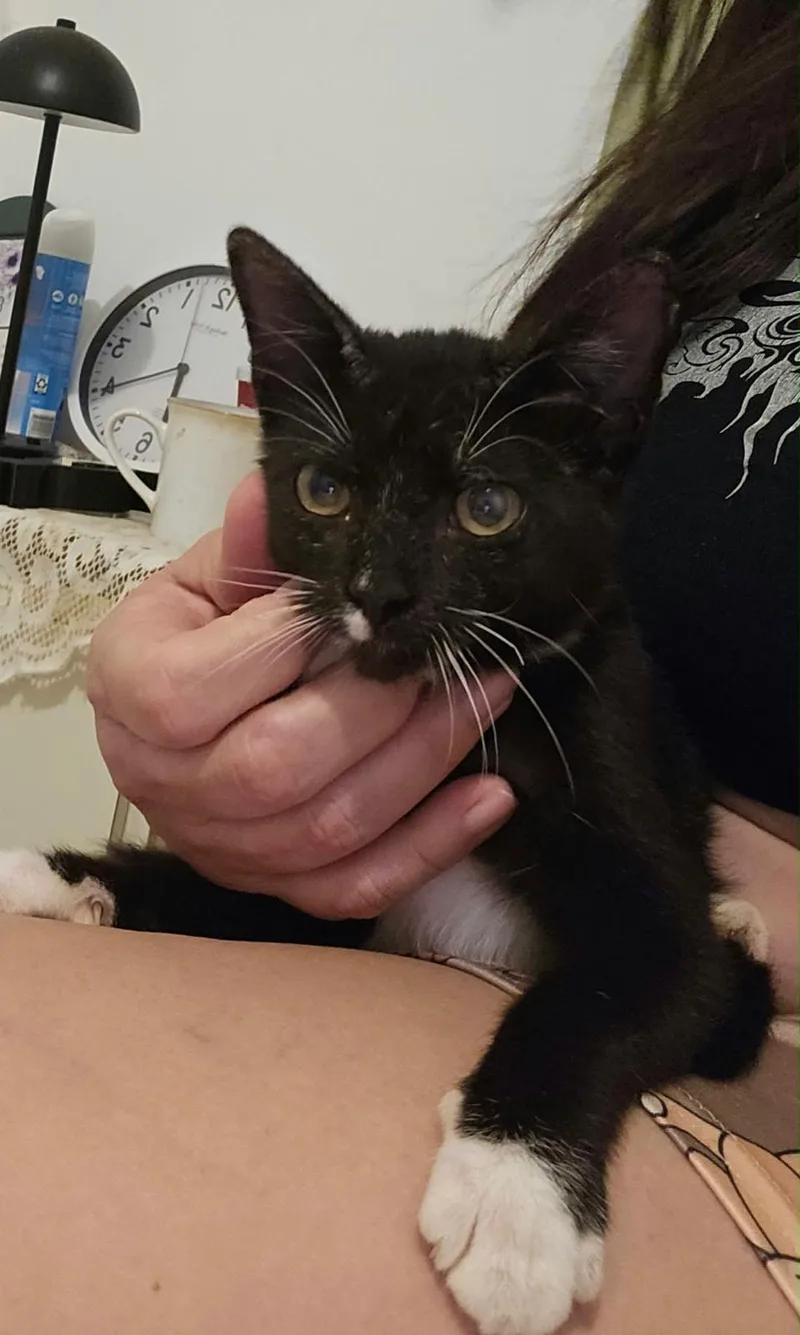
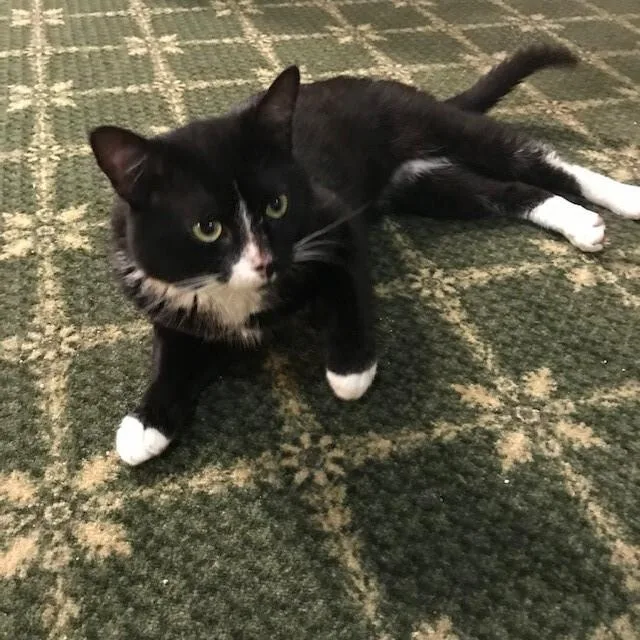
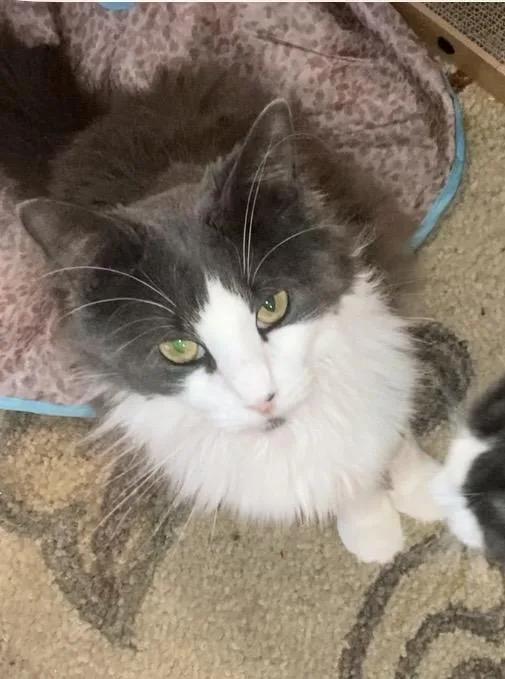
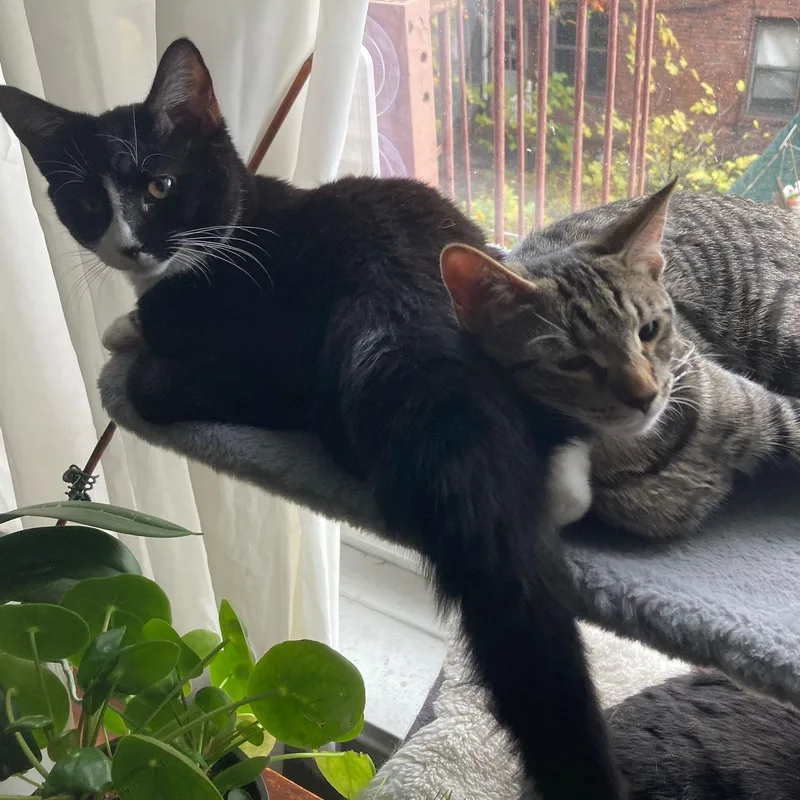
Tuxedo isn't a breed but a coat pattern: a bicolor cat, usually black and white, with a white chest that looks like a shirtfront and often white paws, chin or a facial blaze. Grey-and-white tuxedos exist too. The pattern comes from white spotting variation in the KIT gene. It isn't sex-linked, so males and females are about equally common.

Most tuxedos are domestic shorthairs, though the pattern also shows up in breeds such as the Maine Coon and British Shorthair. Color doesn't set personality, so Bronx adopters will meet every temperament, from chatty to shy. Shedding is moderate, and weekly brushing handles most coats. Think about age, energy and coat length, and plan for an indoor life that suits a Bronx building.

Weight
6–14 lbs
Height
8–10 in
Lifespan
12–18 yrs
Temperament
Adaptable, Playful, Affectionate
Shedding
Moderate

Owning a Tuxedo in Bronx

Having a Tuxedo in Bronx

The tuxedo pattern says little about daily care. Age, energy, coat length and background shape what each cat needs, and in the Bronx that mostly comes down to indoor enrichment, safe windows and a plan for hot summers and snowy winters.

Temperament

Tuxedos range from talkative lap cats to reserved ones who prefer a quiet corner, and the pattern predicts none of it. Many adjust to new homes with patient introductions. In a busy Bronx building, a hiding spot and a steady routine help a newcomer settle despite hallway and street noise.

Exercise Needs

Plan on daily interactive play with wand toys, chasing games and puzzle feeders. Young cats may want several sessions a day, while seniors prefer short, gentle ones. A window perch over the street gives apartment cats something to watch, and a tall cat tree adds climbing where floor space is tight.

Health Considerations

The pattern carries no known health risk. Tuxedos share common feline concerns such as dental disease, obesity, urinary problems and, with age, kidney disease and diabetes. New York requires rabies vaccination for cats, so keep it current. A veterinarian can check teeth, weight and heart at a first visit.

Living Space

Tuxedos usually fit Bronx apartments, from walk-ups to high-rises, when they have vertical space, scratching surfaces and tidy litter boxes. Snug window screens prevent falls. Coyotes live in the borough, so keep cats indoors or in a secure enclosure, and never leave pet food outside.

What it costs to own a Tuxedo in Bronx

ExpenseTypical costPer year
Food$25 to $50 per month$300 to $600
Pet insurance$20 to $45 per month$240 to $540
Routine vet care$150 to $350 per year$150 to $350
Other*$450 to $1,150 per year$450 to $1,150
Estimated yearly total (after year one)$1,140 to $2,640

Other costs are estimates and vary with size, age and health.

* Litter, flea and tick prevention, a dental cleaning allowance, toys and supplies, and home grooming.

Adopt a Tuxedo in Bronx.

Now that you know more, let’s find you a new best friend. These rescues and shelters below currently have Tuxedos available.

Rescues in Bronx with Tuxedos Available

The Bronx's rescue community includes Bronx-based groups, and a full-service city shelter is being built in Co-op City. Here are the rescues & shelters in the Bronx area where you can find Tuxedos and other cats available for adoption.

Frequently Asked Questions

Yes. Tuxedo is a coat pattern rather than a breed, and no breed-specific ownership rules apply anywhere in New York City. Cats don't need a city license, but they must be vaccinated against rabies. Private landlords and co-ops set their own pet rules, so read your lease or building rules before you bring a cat home.

Yes, most Tuxedos do well in Bronx apartments, because cats need vertical space more than square footage. A cat tree, a window perch, scratching posts and a clean litter box go a long way in a walk-up or a high-rise. Play daily with a wand toy, and fit snug screens, especially on upper floors.

It can be, and the cat's age and temperament matter more than its markings. A Tuxedo suits an indoor life in a Bronx apartment if you can play daily and keep up with litter and vet visits. Busy buildings can be noisy, so a shy cat may need a quiet room to retreat to.

Yes, as long as your cat is in a bag or other container and carried in a way that doesn't bother other riders. The same container rule applies on MTA buses. Metro-North, which has several Bronx stations, also allows pets in a carrier or on a secure leash. Choose a sturdy, ventilated carrier your Tuxedo already knows.

Yes, indoors and with some care. Bronx summers are hot and humid, and nights stay near 70°F. Run air conditioning or fans, keep several water bowls out, and never leave a cat in a parked car. Heavy panting, drooling, weakness or trouble breathing is an emergency that needs a veterinarian right away.

Most Tuxedos are shorthairs with moderate shedding, so brushing about once a week is usually enough. Longhaired mixes may need a few sessions a week. Home grooming is part of the $450 to $1,150 yearly Other costs, along with litter, flea prevention and dental care, so a professional groomer is rarely needed for a shorthair.

We have 1 rescue with Tuxedos available: NYC Bronx Westchester Cat Coalition / NYC Cat Coalition. You can see every rescue with Tuxedos available in the list above these questions, or scroll to the top to see the Tuxedos near Bronx.

A Tuxedo in the Bronx typically costs about $25 to $50 a month for food, $20 to $45 a month for insurance, $150 to $350 a year for routine vet care, and $450 to $1,150 a year for everything else. That comes to roughly $1,140 to $2,640 a year, with no city license fee for cats.