British Shorthair Cats for Adoption in Omaha, NE

Your guide to finding and caring for a British Shorthair in Omaha

A British Shorthair suits the older apartments and converted houses around Hanscom Park and Field Club in Omaha. These calm, floor-level cats don't need much room, so a second-floor flat with a sunny window is plenty. What they do need is steady play to keep weight off and regular brushing, because that dense coat sheds. With cold winters keeping everyone indoors for months, it's a cat that's happiest on a windowsill near you.

98 British Shorthairs available in Omaha and nationwide

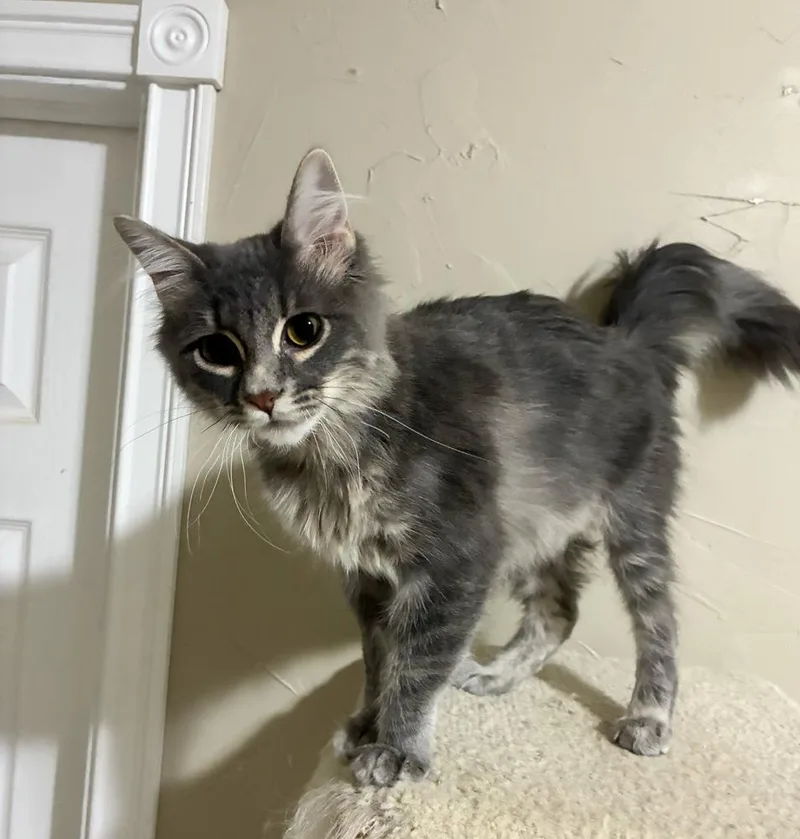
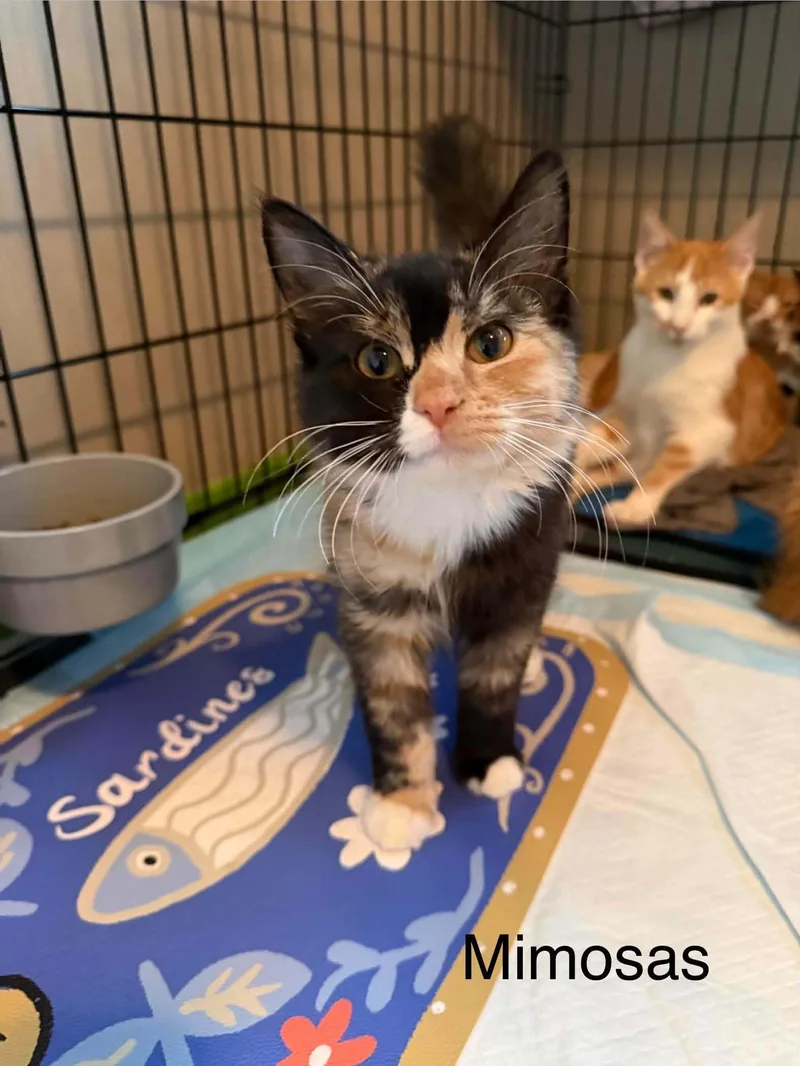
Meet a British Shorthair who needs you

While we don't have enough cats near Omaha, keep in mind that many rescues may offer transport.

British Shorthairs Available for Adoption Near Omaha

About the British Shorthair breed

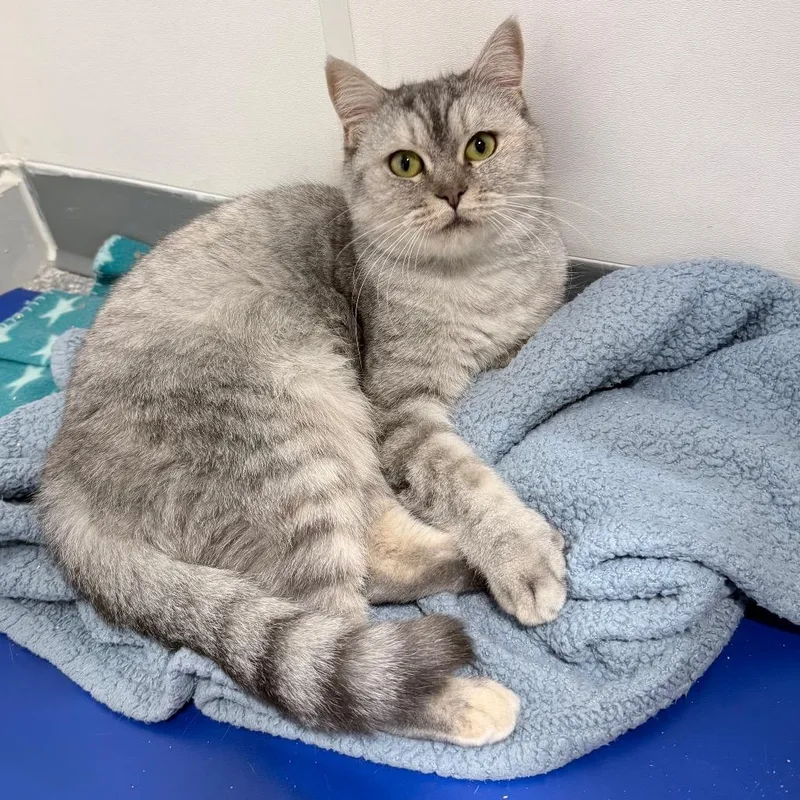
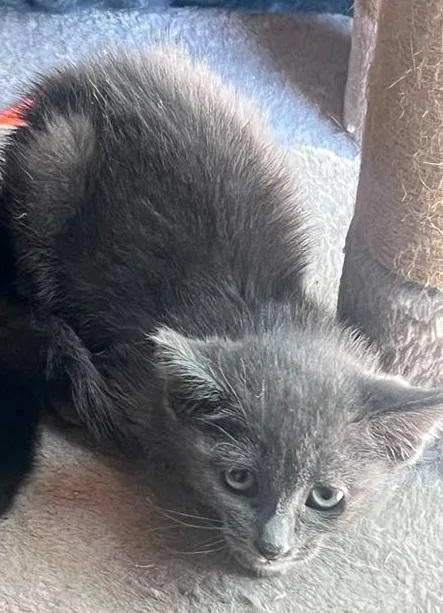
The British Shorthair is a round-faced, thick-bodied cat with one of the densest coats in the cat world. It descends from working street and farm cats in Britain and appeared at the first organized cat show in London in 1871. The plush blue coat with copper eyes is the classic image, though the breed comes in dozens of colors and patterns.

Many are calm, quiet companions that follow their people from room to room without demanding a lap. That low-key habit fits Omaha's long indoor months. Plan for a slow-maturing cat that may not fill out until about three years old, careful portions to prevent weight gain, and veterinary attention to heart and kidney health.

Weight
7–17 lbs
Height
12–14 in
Lifespan
12–17 yrs
Temperament
Calm, Easygoing, Affectionate
Shedding
Moderate

Owning a British Shorthair in Omaha

Having a British Shorthair in Omaha

British Shorthairs are sturdy, low-energy cats with a dense shedding coat and a tendency to gain weight. Heart and kidney conditions are documented in the breed, so regular checkups matter. Age, history and health shape what each cat needs more than breed alone.

Temperament

Many British Shorthairs are even-tempered and quiet, happy to supervise from the next cushion rather than sit in a lap, and most dislike being carried. That suits apartment life, where a steady cat won't mind the building's comings and goings. Some are reserved with strangers at first, and each cat's history matters as much as its breed.
Exercise Needs

A few short play sessions a day with wand toys or toy mice at floor level usually do it. Omaha winters keep cats inside for months, so scheduled play and puzzle feeders help prevent the weight gain this breed is prone to. A low cat tree and a window perch add easy activity without climbing.

Health Considerations

Hypertrophic cardiomyopathy and polycystic kidney disease are documented in the breed, so a veterinarian can check the heart and kidneys at the first visit and at regular exams. Obesity and dental disease are common and preventable. Many British Shorthairs have blood type B, which matters for transfusions. Nebraska law requires rabies vaccination.

Living Space

British Shorthairs adapt well to apartments and houses alike, whether a Midtown condo or a house with a basement. Provide a sturdy scratching post, a low cat tree and a sunny window perch. Indoor living also keeps this slow-to-flee cat away from traffic and the coyotes reported in several Omaha neighborhoods.

What it costs to own a British Shorthair in Omaha

ExpenseTypical costPer year
Food$30 to $60 per month$360 to $720
Pet insurance$30 to $65 per month$360 to $780
Routine vet care$150 to $350 per year$150 to $350
Other*$472 to $1,172 per year$472 to $1,172
Estimated yearly total (after year one)$1,342 to $3,022

Other costs are estimates and vary with size, age and health.

* Litter, flea prevention, a dental cleaning allowance, toys, scratchers and other supplies, brushing tools for the dense coat, and the Omaha cat license for a spayed or neutered cat.

Adopt a British Shorthair in Omaha.

Now that you know more, let’s find you a new best friend. These rescues and shelters below have cats available in and near Omaha.

Rescues and Shelters in or near Omaha

Omaha's shelter and rescue community cares for cats of every age, type and background, including British Shorthair mixes. Here are the rescues & shelters in the Omaha area with cats available for adoption, worth asking whether a British Shorthair is coming in.

Frequently Asked Questions

Yes, as indoor cats they handle Omaha winters well. Their dense coat copes with a cool house, and winter lows around 18°F, with some nights below zero, are no problem when the cat stays inside. Keep beds away from drafty windows, keep up play to avoid weight gain, and stock a carrier, blankets, food and litter in case an ice storm knocks out power.

Yes. Omaha's breed-specific rules apply to certain dog breeds, not cats. Cats need a city license by 4 months old, at a lower fee when spayed or neutered, plus rabies vaccination under Nebraska law. A household can keep up to five cats without a permit. Watch the listings on this page for British Shorthairs and similar cats.

Yes, a British Shorthair is usually a good apartment cat, since it's quiet, calm and not a climber. Give it a sturdy scratching post, a low cat tree and a window perch, and schedule play so it stays trim. Read your lease first for pet fees and deposit terms before you sign.

Often, yes, for people who want a calm indoor companion. Omaha's long winters and spring storm season mean plenty of time inside together, which suits this easygoing cat. The trade-offs are shedding, a tendency to gain weight, and heart and kidney checkups. Cats vary, so judge each cat's own personality rather than the breed's reputation.

Only in a carrier. Metro buses, including ORBT on Dodge Street, require pets to stay in a carrier unless they're service animals, and a full-grown British Shorthair needs a roomy, sturdy one. Omaha has no subway or rail, and the planned streetcar isn't open yet. For most vet trips, a car is simpler.

Brush weekly, and two or three times a week during spring and fall shedding, when the dense coat sheds most. Omaha's dry heated winter air and humid summers don't change the routine much. Most owners handle it at home with a rubber brush or comb, so professional grooming is minimal and falls within the Other costs on this page.

British Shorthairs commonly live about 12 to 17 years, and many healthy indoor cats reach their late teens. Swedish insurance data found most lived past ten, though a UK veterinary study reported a lower average because of early deaths. Keeping a British Shorthair lean, brushing its teeth and screening for heart and kidney disease all help support a longer life.

No, British Shorthairs are not hypoallergenic. Their dense coat sheds, and like all cats they produce the Fel d 1 allergen in saliva and skin, which spreads onto fur during grooming. People with mild allergies sometimes cope with frequent brushing, air purifiers and a cat-free bedroom, but spending time with the specific cat before adopting is the safest test.

British Shorthairs can be capable hunters, since the breed grew out of working cats that kept British farms, homes and streets free of rodents. Most pet British Shorthairs today are more relaxed than driven, and many prefer stalking toy mice and wand toys. Their prey drive is still real, so keep small pets like birds and hamsters securely separated.

Expect roughly $1,340 to $3,020 a year for a British Shorthair in Omaha, covering food, pet insurance, routine vet care and other costs such as litter, flea prevention, dental care and the city cat license. Food and insurance make up most of it, and heart or dental care can push costs toward the top.