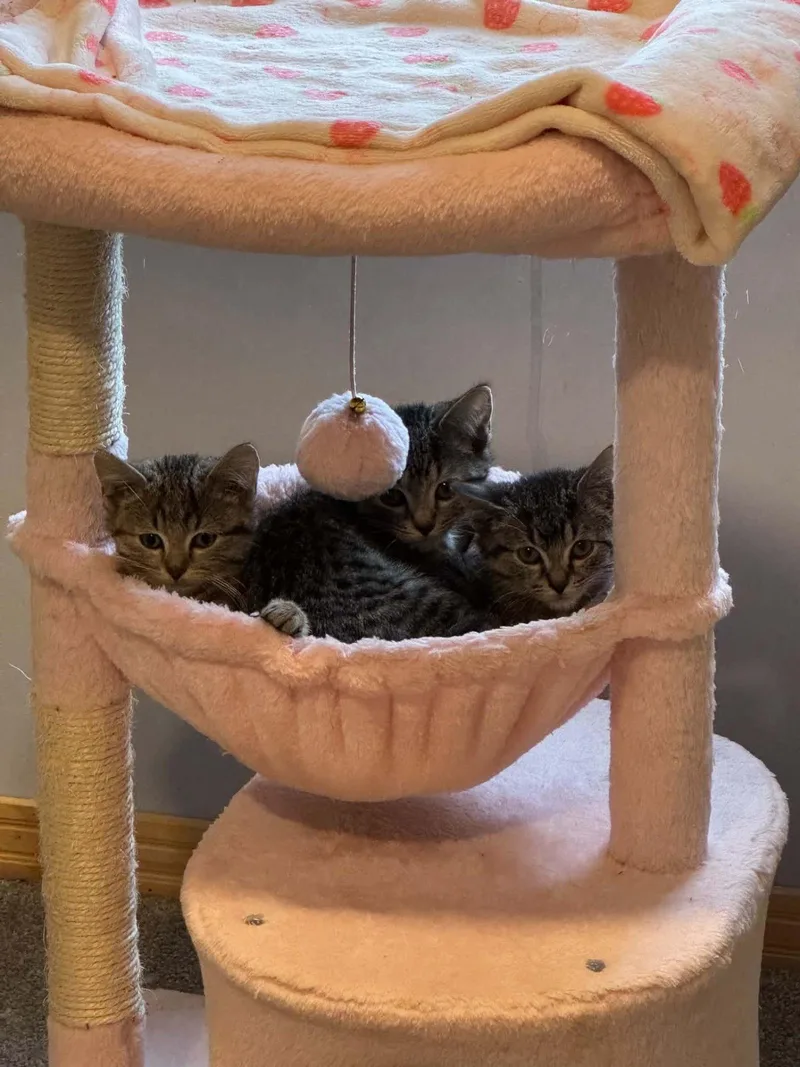
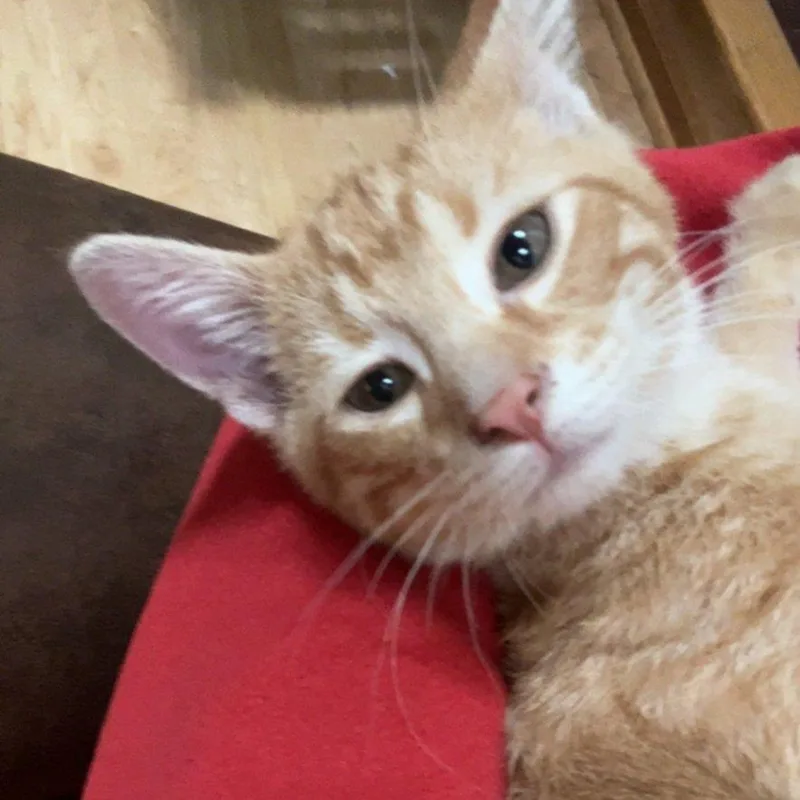
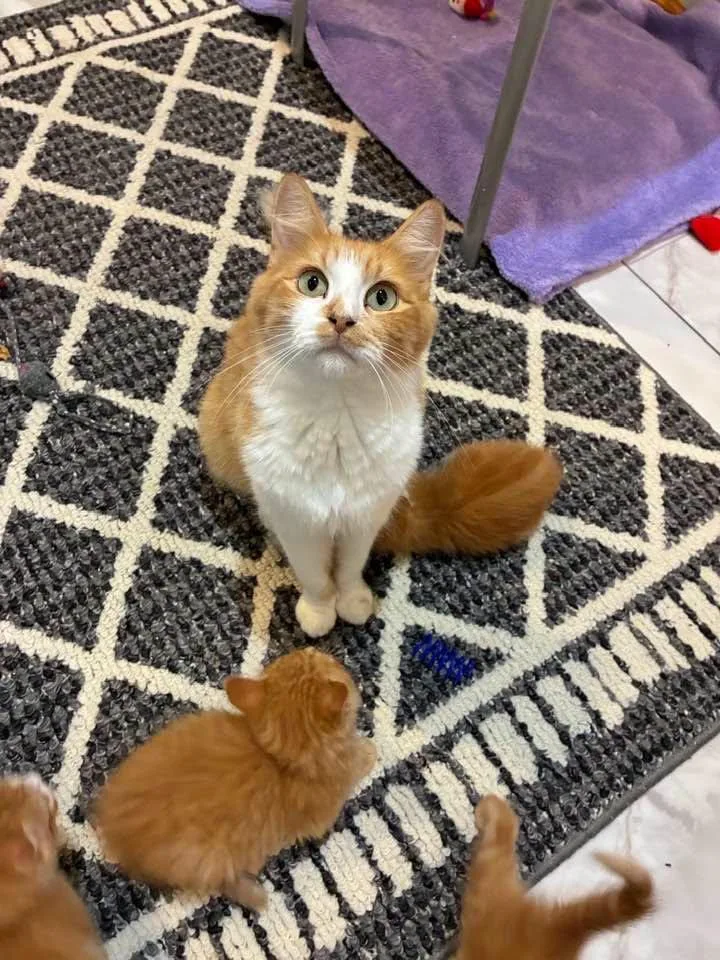
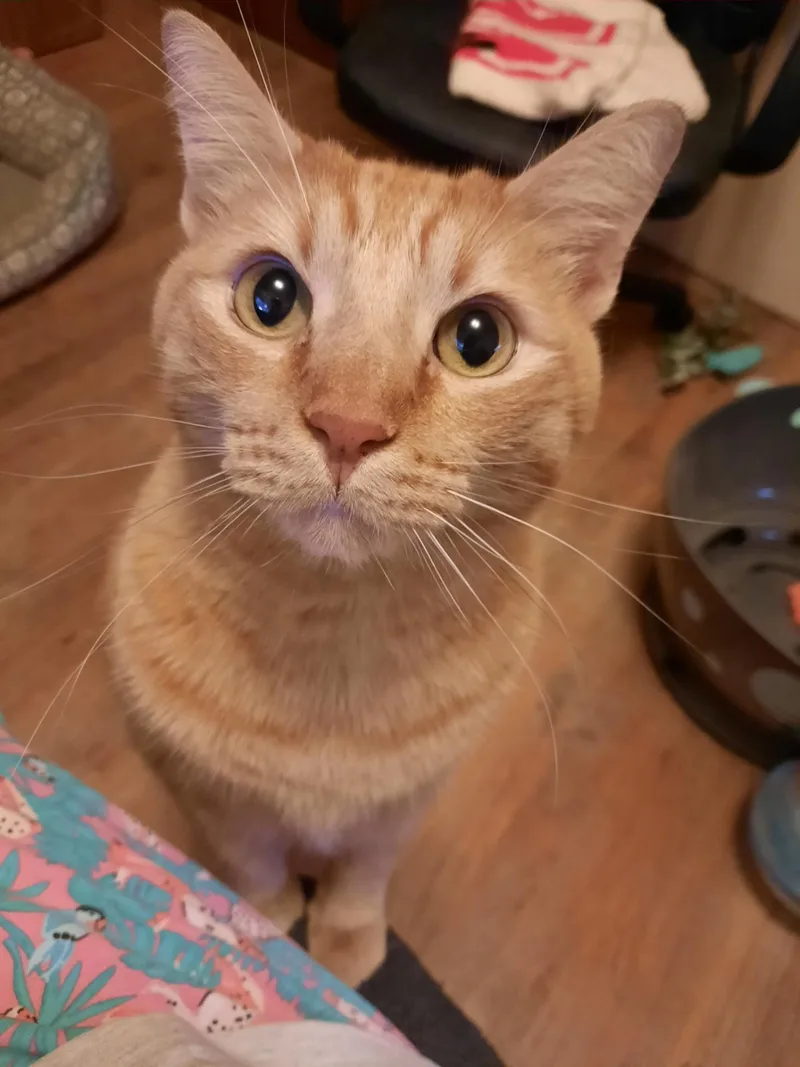
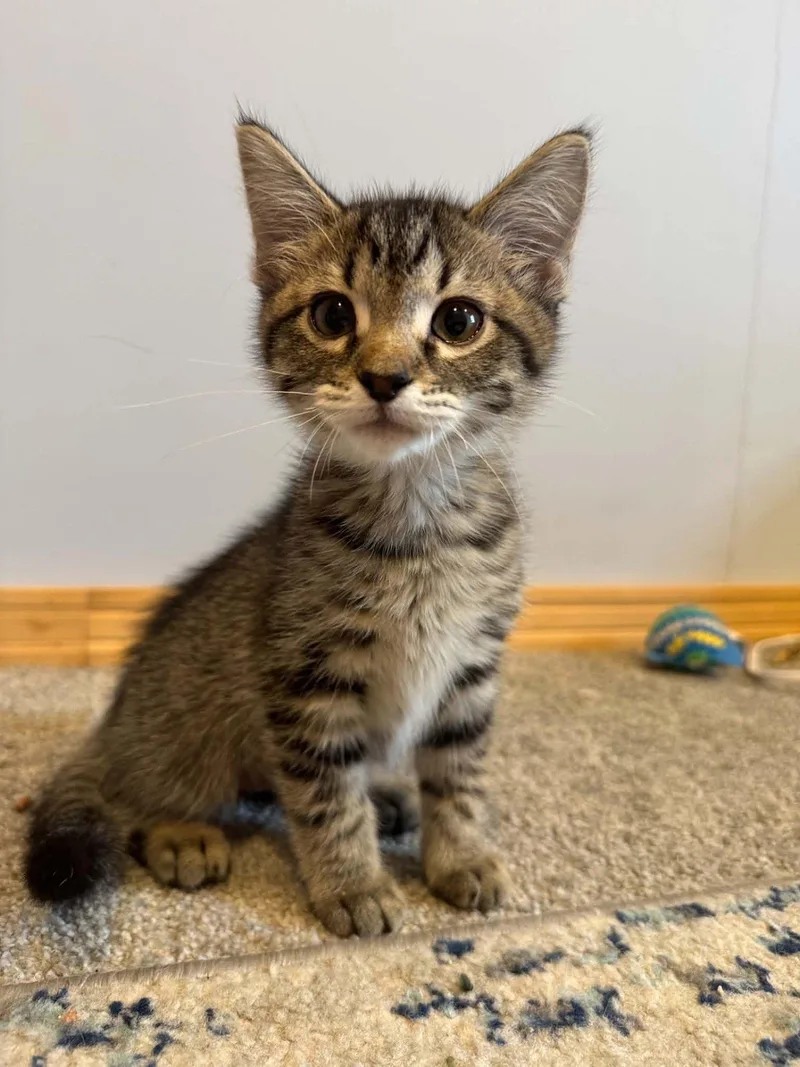
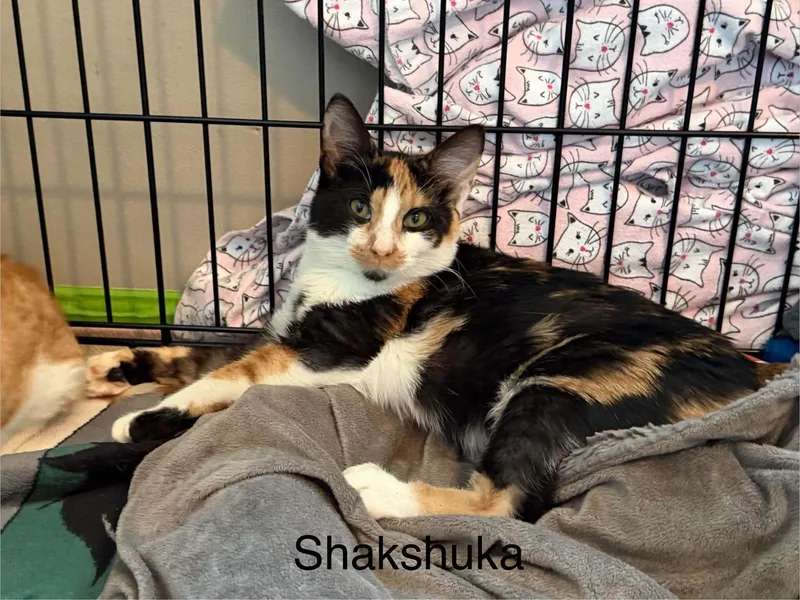
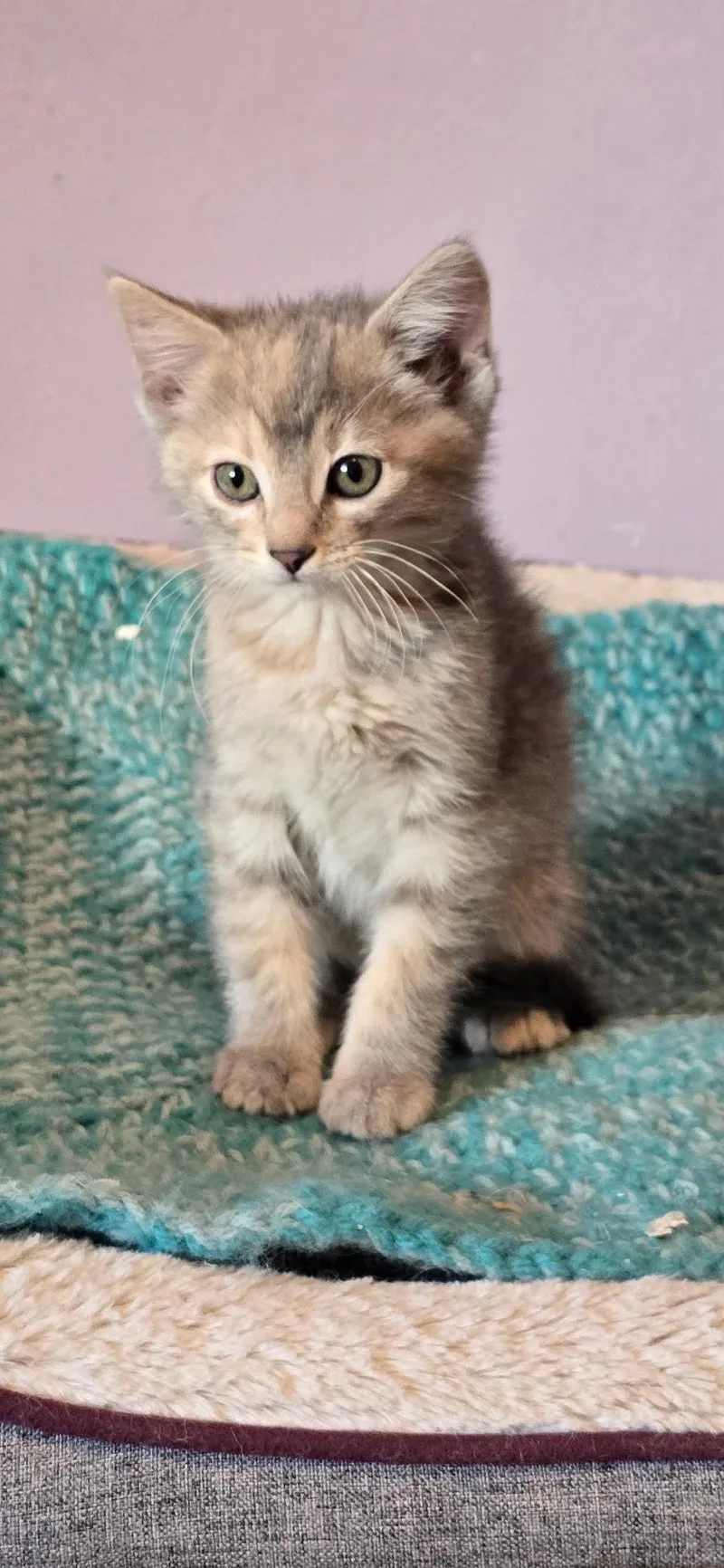
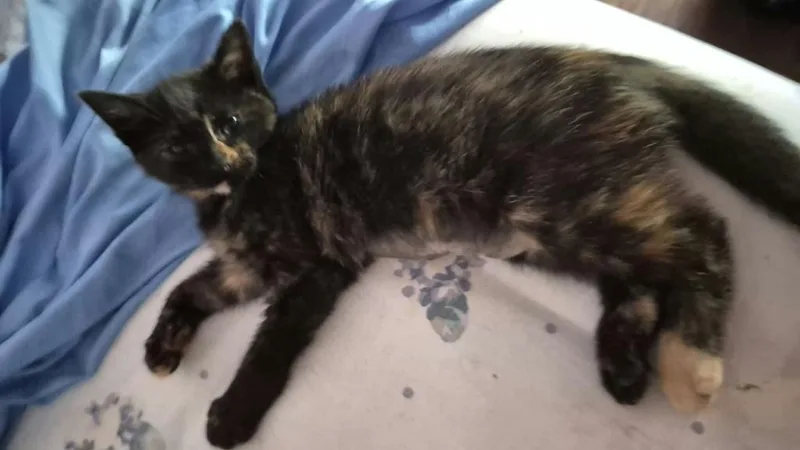
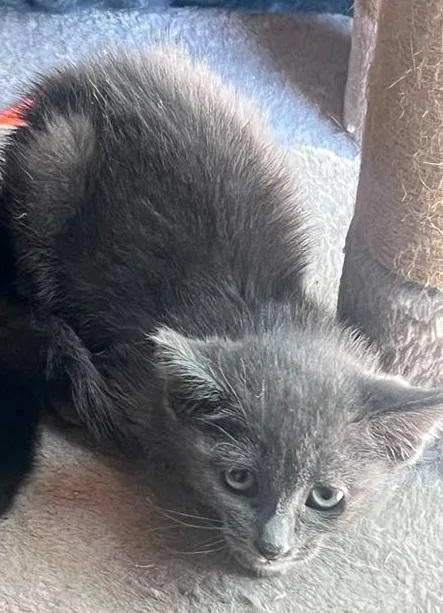
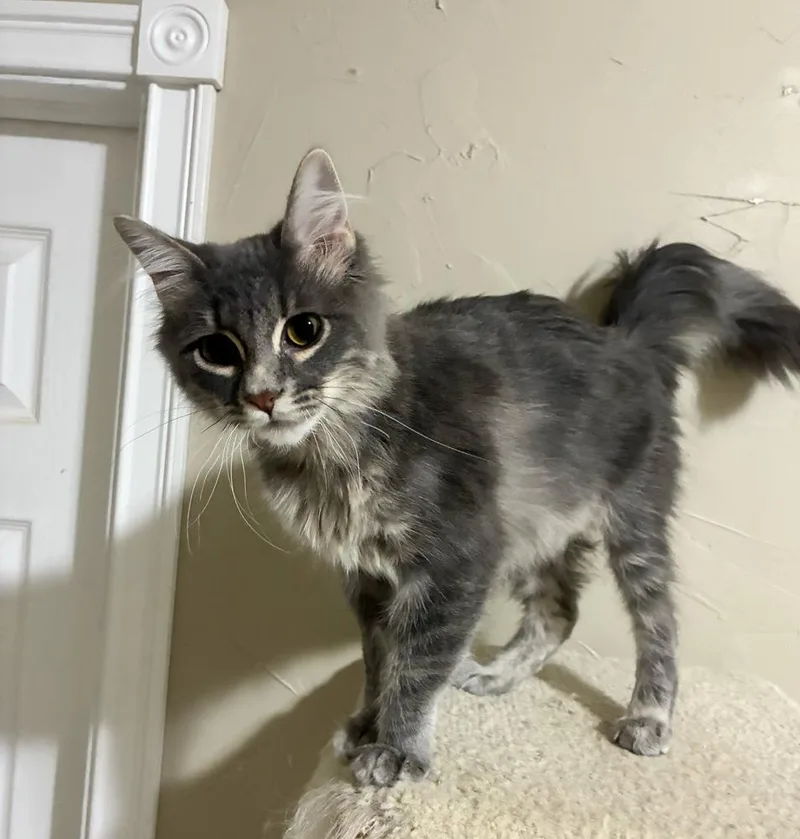
Tabby Cats for Adoption in Omaha, NE

Your guide to finding and caring for a Tabby in Omaha

A tabby cat fits Omaha's mix of Blackstone apartments and Minne Lusa bungalows equally well. Stripes say nothing about size or temperament, so what matters is the cat's energy: a window perch, a few play sessions a day and a good scratching post go a long way. Most tabbies are happiest indoors, which also keeps them away from the coyotes people have reported in neighborhoods like Dundee.

67 Tabbies available for adoption in Omaha

Find your Tabby

Tabbies Available for Adoption in Omaha

About the Tabby breed

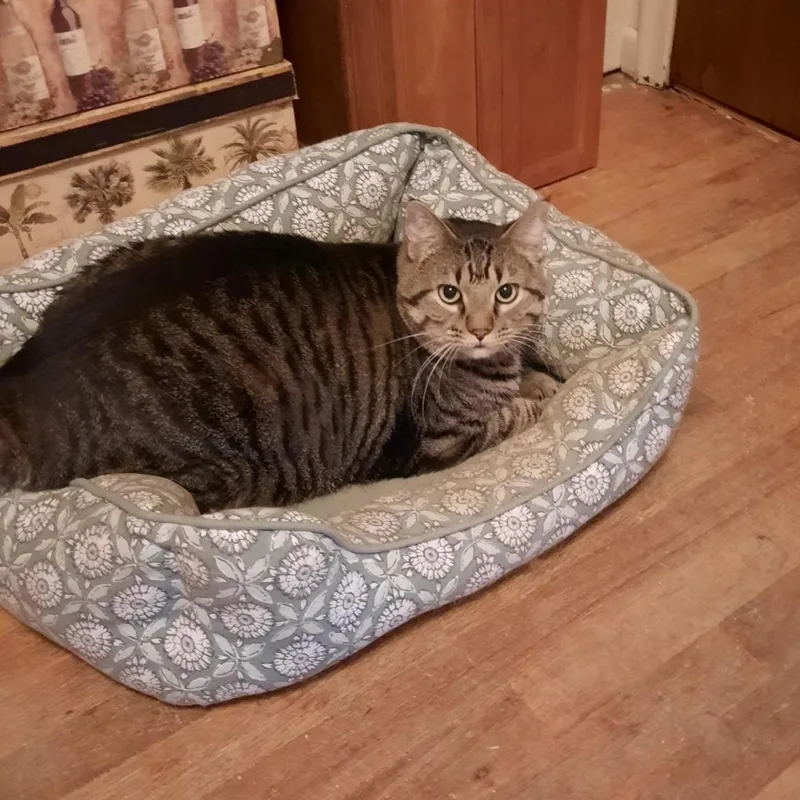
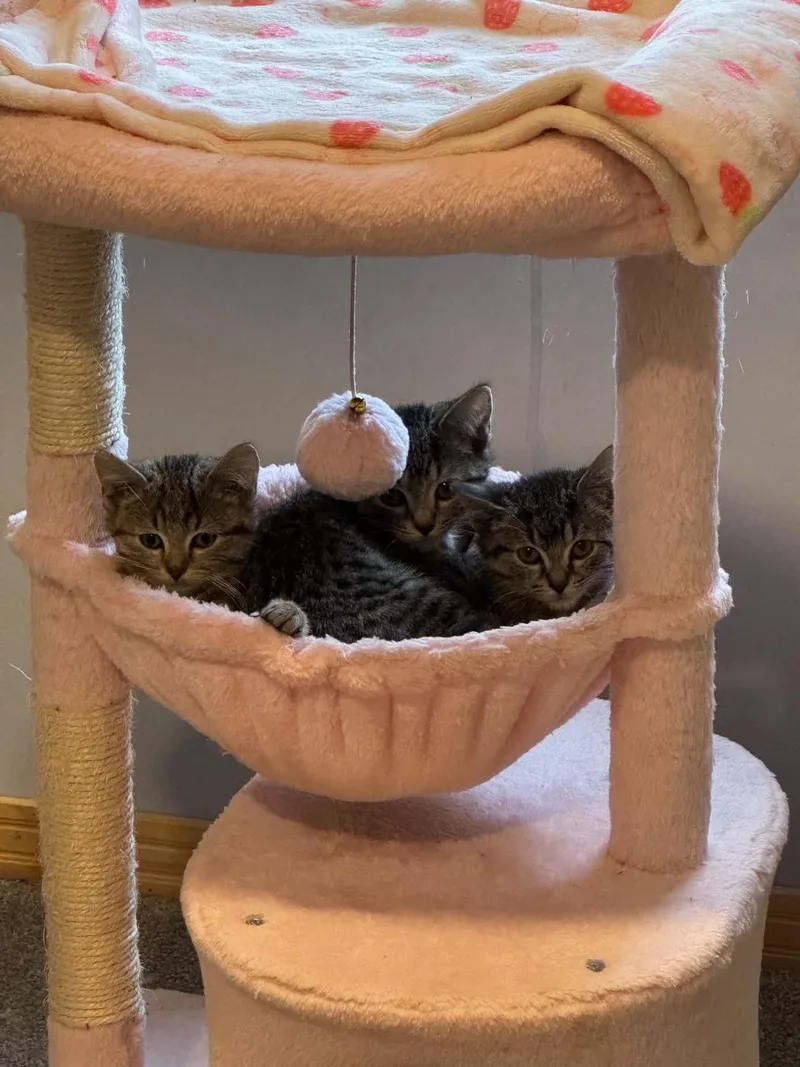
Tabby is a coat pattern, not a breed. The four main patterns are mackerel (narrow stripes), classic (bold swirls), spotted and ticked, and nearly every tabby carries the M-shaped mark on the forehead. Most adoptable tabbies are medium-sized domestic shorthairs weighing about 6 to 14 pounds, and many live 12 to 18 years with good indoor care.

Because the pattern shows up in so many cats, there is no single tabby personality, and a cat's temperament comes from its genetics, early life and experiences. Shedding is moderate year-round, so weekly brushing keeps most coats tidy, while long-haired tabbies need more time with the brush. Plan on daily play, annual wellness exams and a healthy weight.

Weight
6–14 lbs
Height
8–10 in
Lifespan
12–18 yrs
Temperament
Curious, Adaptable, Affectionate
Shedding
Moderate

Owning a Tabby in Omaha

Having a Tabby in Omaha

Tabby describes a coat, not a breed, so size, energy and coat length vary from cat to cat. In Omaha, the traits worth weighing are how a cat handles a smaller apartment, long winter days indoors and noisy storm evenings.

Temperament

Tabbies run the full range, from outgoing lap cats to shy, independent ones, and stripes don't predict which. For Omaha's long indoor winters, look for a cat whose energy matches your schedule: sociable cats may want company, while more independent ones cope with workdays alone more easily. Spend time with a cat before deciding.

Exercise Needs

Daily play that mimics hunting, such as wand toys, chasing and pouncing, keeps most tabbies fit, with several short sessions for kittens and young adults. Omaha's snowy months mean indoor play carries most of the load, so add climbing shelves, scratching posts and a window perch for watching the street.

Health Considerations

Coat pattern doesn't affect health; risks follow a cat's age, mix and lifestyle. Obesity, dental disease and urinary problems are common in cats, and kidney disease and hyperthyroidism show up in seniors. Indoor winter months can encourage weight gain, so measure meals and keep annual exams on the calendar. Nebraska law requires current rabies vaccination.

Living Space

Tabbies generally adapt well to apartments and houses alike, as long as they have places to climb, scratch and hide. Omaha's mix of Midtown apartments and single-family bungalows both work. Offer a litter box for each cat, vertical space and a quiet retreat. Long-haired tabbies need extra grooming time.

What it costs to own a Tabby in Omaha

ExpenseTypical costPer year
Adoption fee$50 to $150, one time$50 to $150 in year one
Food$25 to $50 per month$300 to $600
Pet insurance$20 to $45 per month$240 to $540
Routine vet care$150 to $350 per year$150 to $350
Other*$472 to $1,172 per year$472 to $1,172
Estimated yearly total (after year one)$1,162 to $2,662
First-year total (with adoption fee)$1,212 to $2,812

Adoption fee is the range of fees on Tabby listings in Omaha on GetBuddy today. Other costs are estimates and vary with size, age and health.

* Litter, flea prevention, a dental cleaning allowance, the yearly Omaha cat license, toys, scratchers and bedding, and occasional grooming.

Adopt a Tabby in Omaha.

Now that you know more, let’s find you a new best friend. These rescues and shelters below currently have Tabbies available.

Rescues in Omaha with Tabbies Available

Omaha has an open-admission shelter and foster-based rescues that work to place cats in loving homes. Here are the rescues & shelters in the Omaha area where you can find Tabbies and other cats available for adoption.

Frequently Asked Questions

Yes. License your tabby by 4 months old (spayed or neutered cats cost less), keep the rabies vaccination current, and stay within the five-cat household limit unless you hold a permit. New residents should license within 30 days of moving. Omaha's breed-specific rules apply to certain dog types, not cats, so a tabby faces no coat or breed restrictions.

Yes, as indoor cats. Omaha winters regularly dip below freezing and sometimes below zero, so tabbies belong inside with warm bedding away from drafts. Short-coated cats feel the cold most, and even thick coats don't make outdoor time safe in a deep freeze. Extra indoor play keeps them active when snow keeps everyone home.

Yes, most tabbies adapt well to apartments. In a smaller Omaha unit, give the cat vertical space, a scratching post, a window perch and enough daily play. Adult cats show their energy level more clearly than kittens, which helps match a cat to your space. Review your lease for pet rules and deposits first.

Often, yes. Tabbies are usually adaptable domestic cats that do well indoors through snowy winters and humid summers. Fit depends on the cat's own energy and sociability rather than its stripes, so meet the cat and watch how it responds to you. Keep a carrier handy for storm season, when tornado warnings can send everyone to the basement.

Yes, in a carrier. Metro buses, including ORBT, require pets to stay in a carrier unless they are service animals. Keep the carrier on your lap or the floor, not a seat, and out of the aisle and exits. Omaha has no subway, and the streetcar isn't expected until about 2028, so buses are the transit option.

Shorthair tabbies usually need a brush about once a week, while long-haired ones do better with a few brushings weekly. Shedding is moderate year-round and picks up as coats thicken for winter and thin in spring. Occasional professional grooming is part of the yearly Other costs listed on this page.

A tabby cat is any cat with a tabby coat pattern, meaning stripes, swirls, spots or ticked hairs plus a distinctive M-shaped marking on the forehead. Tabby is not a breed. The pattern appears in domestic shorthairs and longhairs as well as many pedigreed breeds, such as the American Shorthair, Maine Coon and Abyssinian, and it is one of the most common cat patterns.

A tabby cat isn't any one breed, because tabby is a coat pattern. Cats with the pattern include shelter domestic shorthairs and longhairs as well as breeds such as the American Shorthair, Maine Coon, Bengal and Abyssinian. Most tabbies available for adoption are mixed-breed domestic cats, so browse the cats listed here and look at each one's age and personality.

We have 2 rescues with Tabbies available: Feline Friendz in NE and NALA Rescue - Nebraska's Animal Loving Advocates. You can see every rescue with Tabbies available in the list above these questions, or scroll to the top to see the Tabbies in Omaha.

Expect roughly $1,160 to $2,660 a year for a tabby in Omaha. Food runs $25 to $50 a month and insurance $20 to $45 a month, with routine vet care at $150 to $350 a year. Other costs, including litter, flea prevention, dental care and the city license, add $472 to $1,172 yearly.