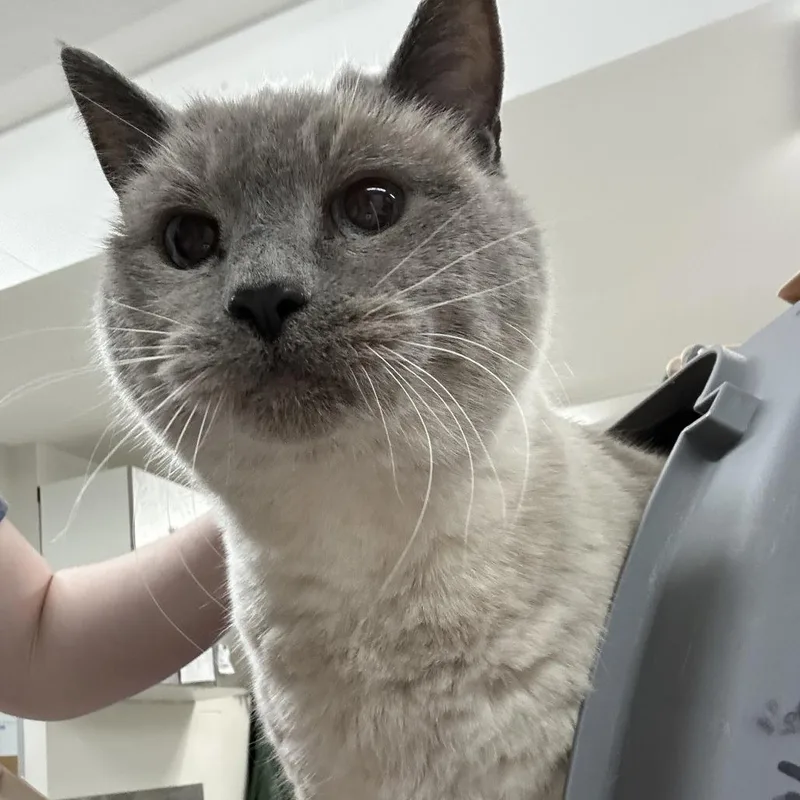
Chinchilla Cats for Adoption in Indianapolis, IN

Your guide to finding and caring for a Chinchilla in Indy

A Chinchilla cat suits a quiet Indianapolis apartment well, as long as someone has time to comb that silver coat every day. In a Fletcher Place cottage or a Mapleton-Fall Creek duplex, a Chinchilla will happily claim the sunniest windowsill and watch the street. They're calm and soft-spoken, so a steady routine suits them better than a busy house. Indy winters make staying indoors an easy call, with a brush kept within reach.

224 cats similar to Chinchilla available in Indianapolis and nationwide

Give a Chinchilla cat a home

While we don't have enough cats near Indianapolis, keep in mind that many rescues may offer transport.

Chinchillas and Similar Breeds Available for Adoption Near Indianapolis

About the Chinchilla breed

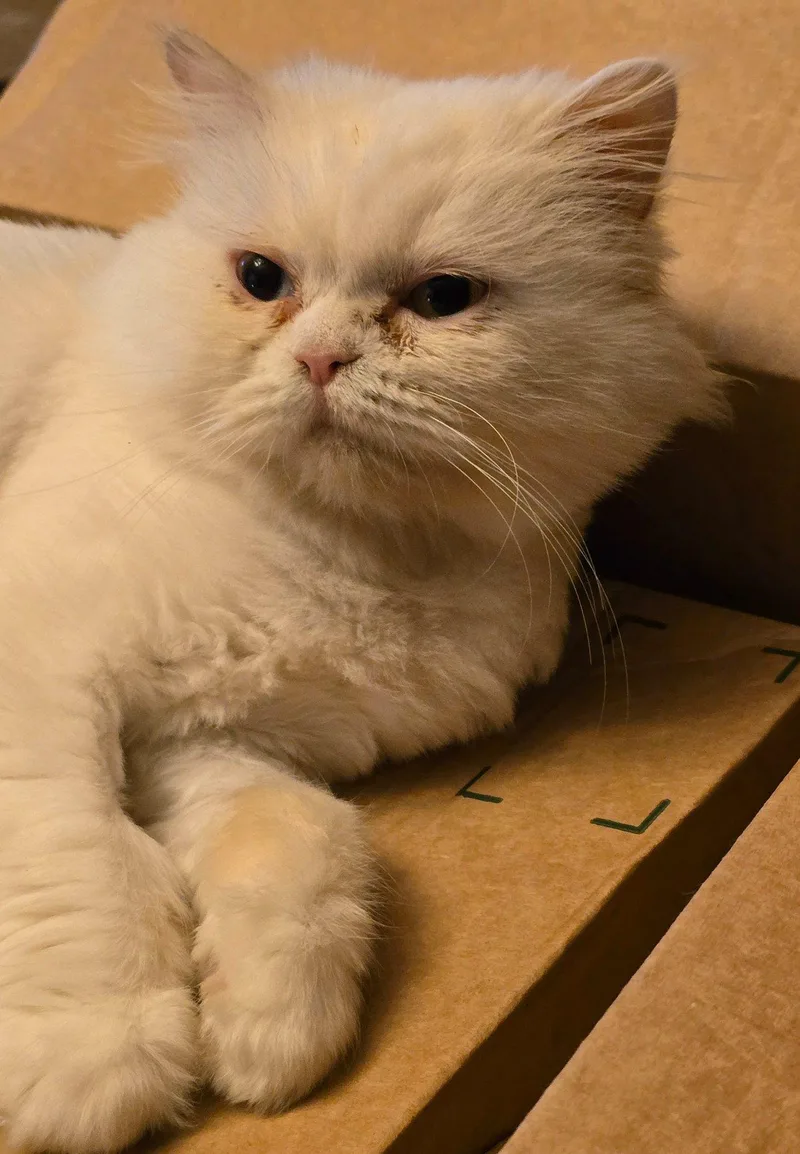
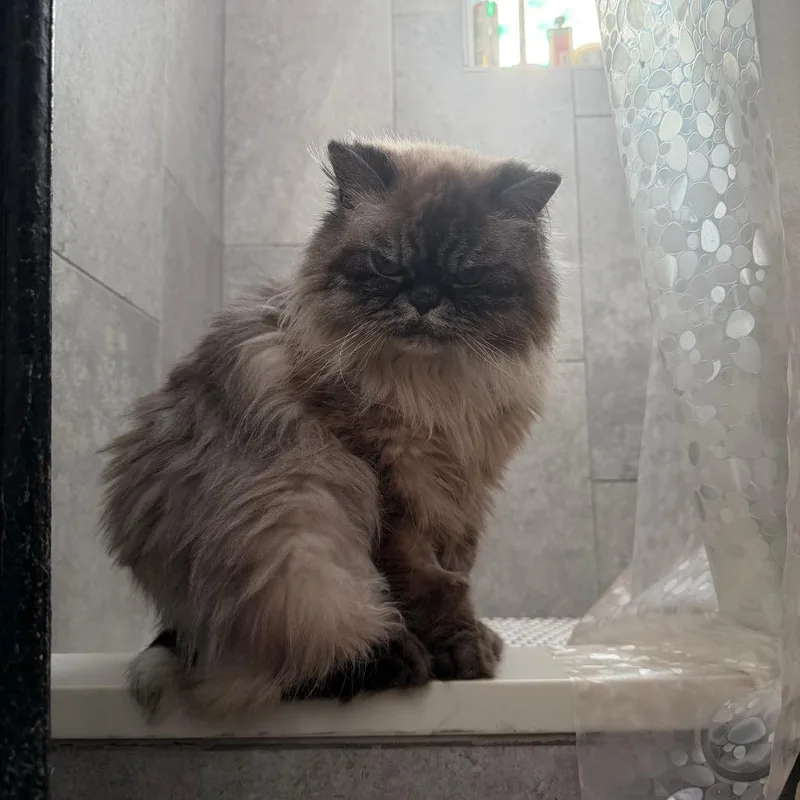
Chinchilla cats are usually Persians with a silver coat, each long white hair tipped in black so the fur shimmers. The look goes back to an English cat named Silver Lambkin, born in 1882. Most registries treat it as a Persian color rather than a separate breed. The eyes are green or blue-green, often outlined in dark pigment, and kittens start out blue-eyed with faint tabby markings that fade.

Most are calm, gentle and quiet, and they settle best in predictable homes, which fits Indy's mix of apartments and older houses. The coat takes daily combing, regular baths and face cleaning, and Persian health risks such as kidney disease and breathing or eye trouble are worth planning for. Like any cat, each Chinchilla has its own personality.

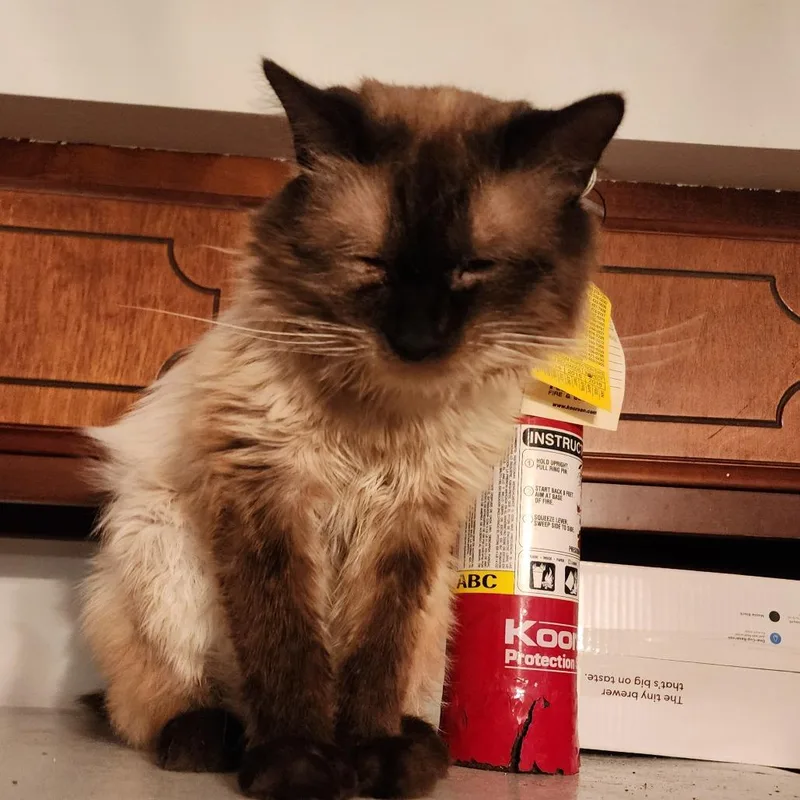
Weight
7–12 lbs
Height
10–15 in
Lifespan
12–15 yrs
Temperament
Calm, Gentle, Sweet, Quiet
Shedding
High

Owning a Chinchilla in Indianapolis

Having a Chinchilla in Indy

Chinchillas are quiet, soft-coated cats whose needs center on routine, gentle play and daily grooming. The cards below cover personality, activity, health and living space, with notes on what Indianapolis's seasons and housing mean for a flat-faced, long-haired cat.

Temperament

Chinchillas are usually placid and affectionate, happiest lounging near their people. Many prefer predictable days and may hide from loud noise or boisterous visitors, which matters in a busy apartment building. Temperament varies from cat to cat, so watch how a cat responds to handling, children and other pets while you spend time with it.

Exercise Needs

Expect modest energy, but daily play still matters. Ten or fifteen minutes with a wand toy, rolling ball or treat puzzle helps keep weight in check, and low cat trees suit a cat that isn't a big jumper. Indoor play is plenty, and safer than outdoors, since Indiana wildlife officials say coyotes live in urban areas.

Health Considerations

Chinchilla Persians can inherit polycystic kidney disease, and a DNA test exists. Flat faces bring risks of breathing trouble, tear staining, eye problems and dental crowding, and heart disease turns up in Persians too. Wipe the eyes daily, and have a veterinarian check kidneys, heart and teeth at a first visit and at regular exams.

Living Space

Chinchillas do well in apartments, townhomes and quiet houses in Indy. What they need most is a comfortable resting spot, an easy-reach litter box and a grooming corner. Keep rooms cool in summer, because flat-faced cats handle heat poorly, and keep the cat indoors to protect the coat. Noisy households can stress sensitive cats.

What it costs to own a Chinchilla in Indianapolis

ExpenseTypical costPer year
Food$25 to $50 per month$300 to $600
Pet insurance$30 to $60 per month$360 to $720
Routine vet care$150 to $350 per year$150 to $350
Other*$800 to $2,000 per year$800 to $2,000
Estimated yearly total (after year one)$1,610 to $3,670

Other costs are estimates and vary with size, age and health.

* Litter, professional grooming or sanitary clips, flea prevention, a dental cleaning allowance, daily eye and face care supplies, and toys.

Adopt a Chinchilla in Indianapolis.

Now that you know more, let’s find you a new best friend. These rescues and shelters below have cats available in and near Indianapolis.

Frequently Asked Questions

Yes, in a carrier. IndyGo allows service animals and other pets in a carrying case, so a Chinchilla can ride its buses, including the Red and Purple Line rapid-transit routes. Indianapolis has no subway. Keep the carrier closed and well ventilated on your lap or floor space, and keep trips short and cool for this flat-faced cat.

Yes, if the home stays cool. A flat-faced Chinchilla can struggle once muggy July days arrive, so run air conditioning or fans, close curtains on sunny windows, and have a plan for power outages during storms. Never leave a cat in a parked car; Indiana law protects people who enter a locked vehicle to save an animal in imminent danger.

Yes, a Chinchilla is one of the better apartment cats. It's quiet, calm and content with modest space, so noise complaints are unlikely. Plan for a litter box away from food, a spot for daily combing, and a cleaning routine for shed fur and litter that keeps your unit in good shape for move-out.

Often, yes, for people who are home on a regular schedule and enjoy a calm companion. Indy's cold winters and humid summers mean indoor life suits this cat, and daily grooming fits best with a steady routine. It's a weaker match for households wanting an active, outdoor or very social cat, though each Chinchilla differs.

Comb a Chinchilla's long coat daily, wipe the eyes and face daily, and plan regular baths. Winter's dry heated air can cause static and mats, while humid summers can make the coat feel heavier, so check behind the ears and under the legs. Professional grooming or sanitary clips are part of the $800–$2,000 yearly Other costs.

A Chinchilla cat is typically a Persian, or Persian-type longhair, with a silver-tipped coat: white hair with black only at the very tips, which gives a sparkling silver effect. Most registries consider it a Persian color variety rather than a separate breed. Chinchillas usually have green or blue-green eyes outlined in dark pigment and the Persian's calm, gentle personality.

Chinchilla cats typically live about 12 to 15 years, similar to other Persians, and some reach their late teens with good care. Insurance data suggests Persians as a group have a median lifespan somewhat over 12 years. Kidney disease is a major factor, so screening, a healthy weight and regular veterinary checkups help a Chinchilla live as long as possible.

Yes, Chinchilla cats often make lovely pets for calm households. Many are affectionate, quiet and gentle, happy to lounge near their people and undemanding about activity. The trade-offs are significant grooming, a tendency toward eye and breathing issues linked to their flatter faces, and possible kidney disease. They suit adopters who enjoy daily grooming routines and a peaceful home.

Chinchilla cats are not hard to live with, but their care is more demanding than a short-haired cat's. The long coat needs daily combing to prevent mats, along with regular baths and sometimes professional grooming. Eyes often need daily wiping, and litter can cling to the coat. Owners who build these tasks into a routine usually find them manageable.

Budget roughly $25–$50 a month for food, $30–$60 a month for insurance, $150–$350 a year for routine vet care, and $800–$2,000 a year for other costs such as litter, grooming, dental care and flea prevention. Grooming is the biggest variable for a long-coated Chinchilla.