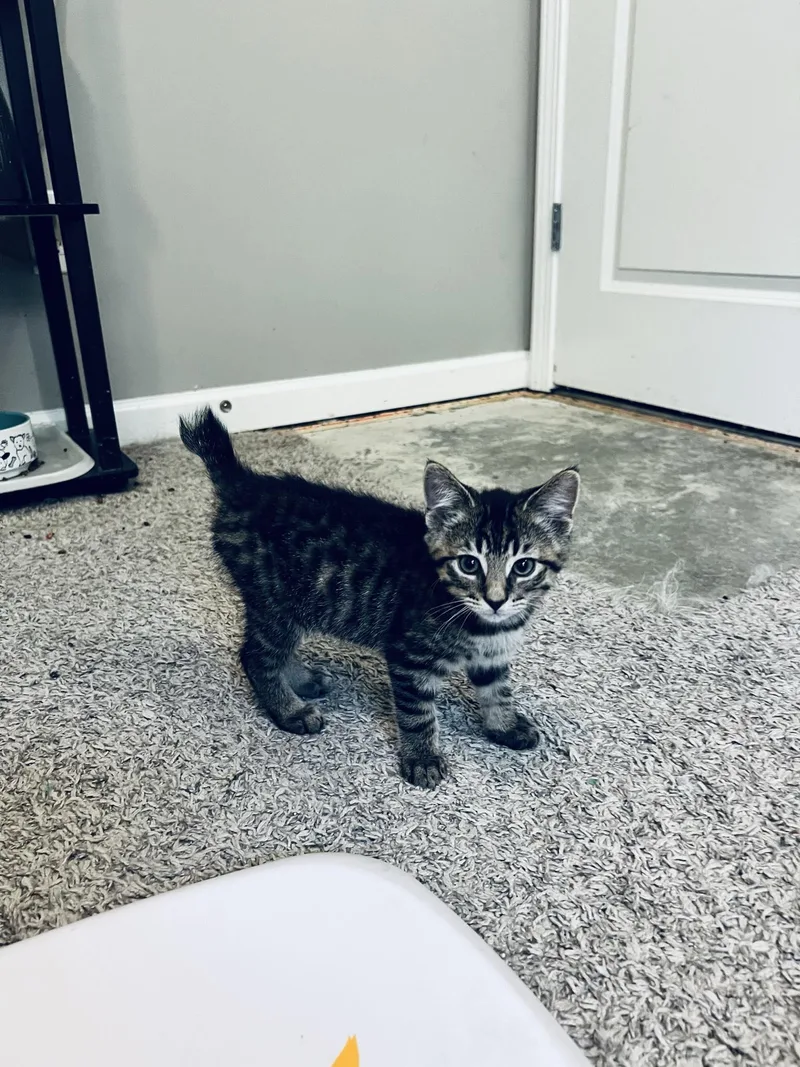
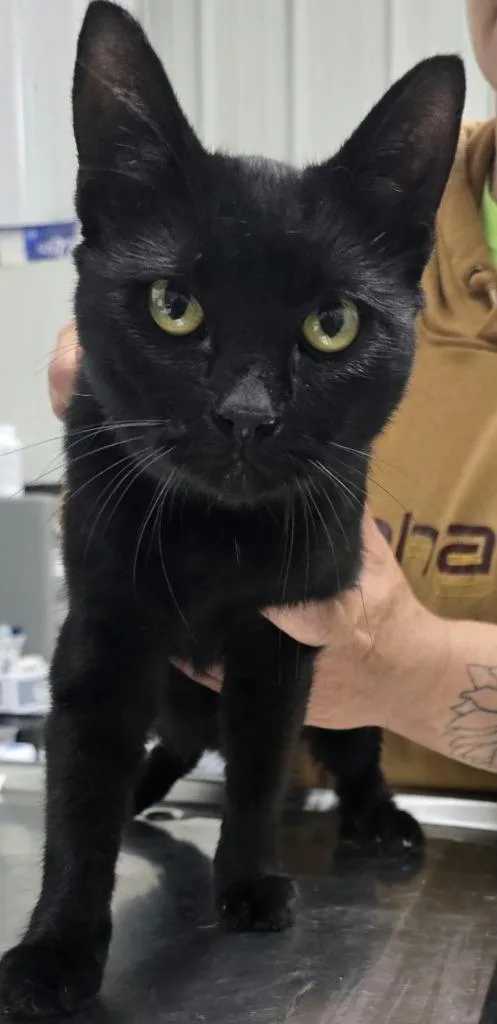
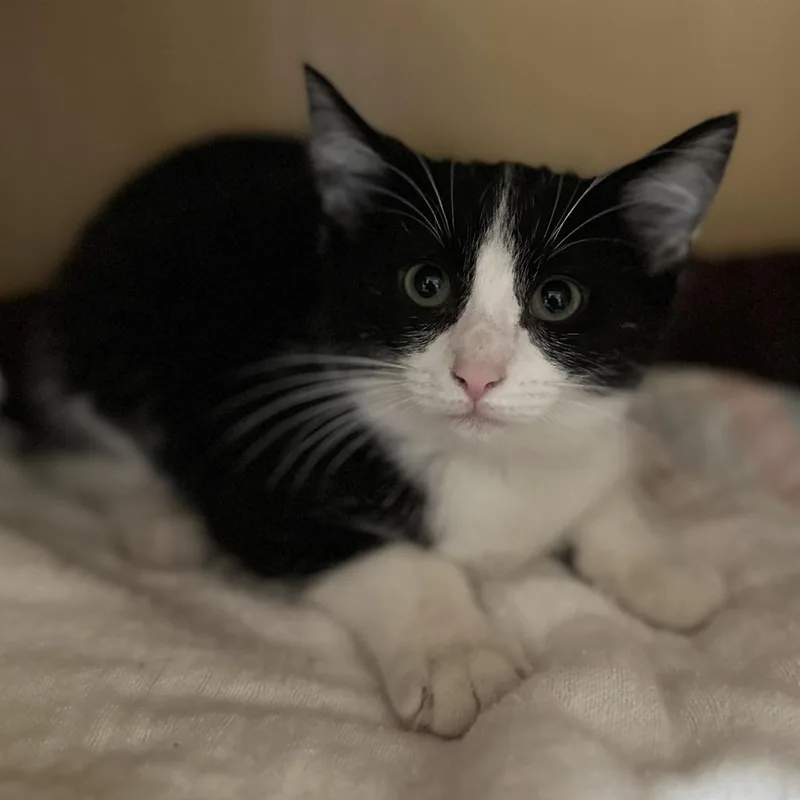
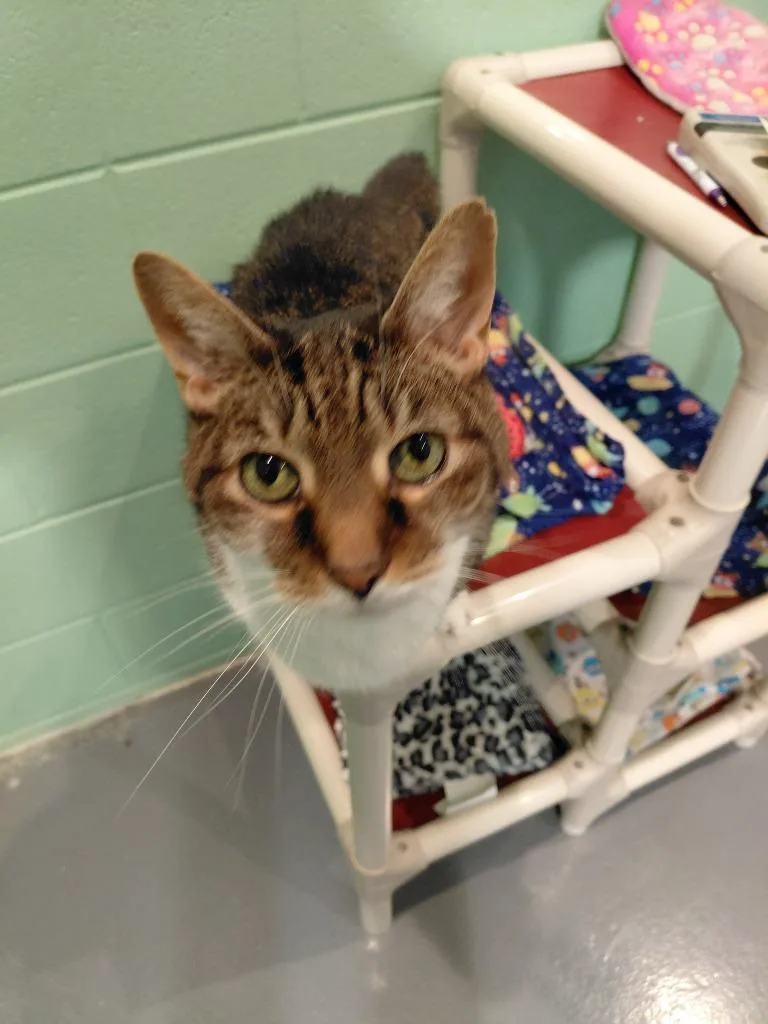
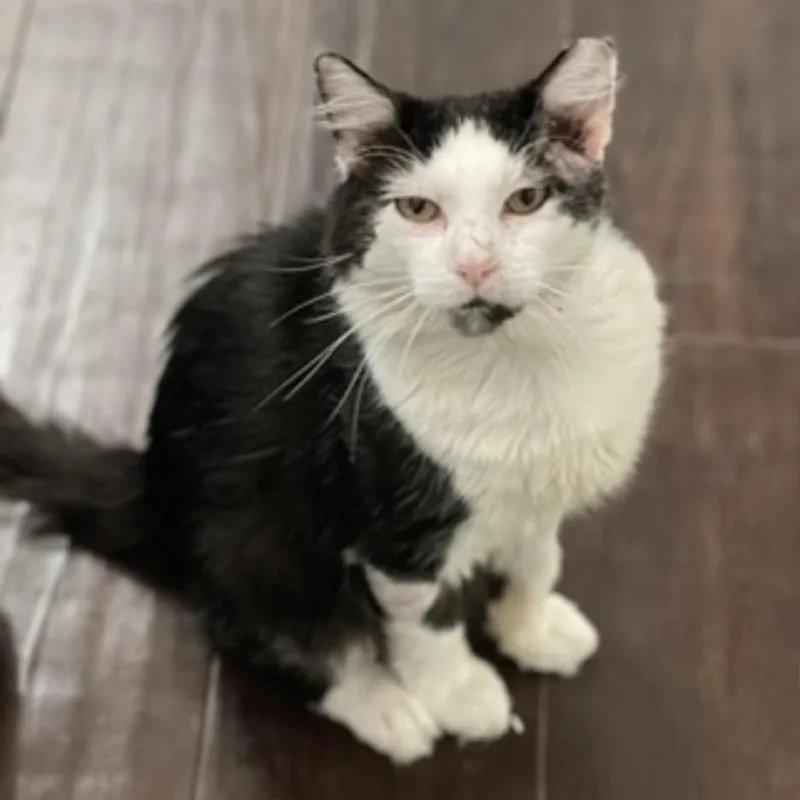
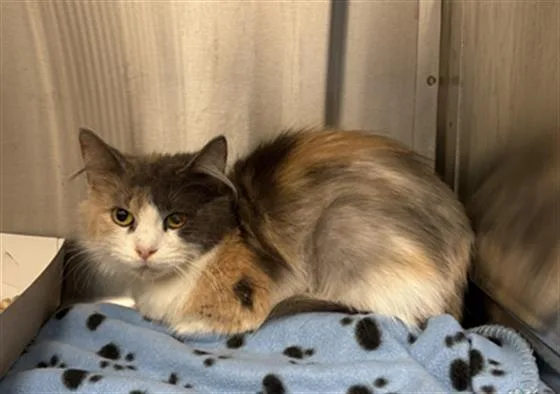
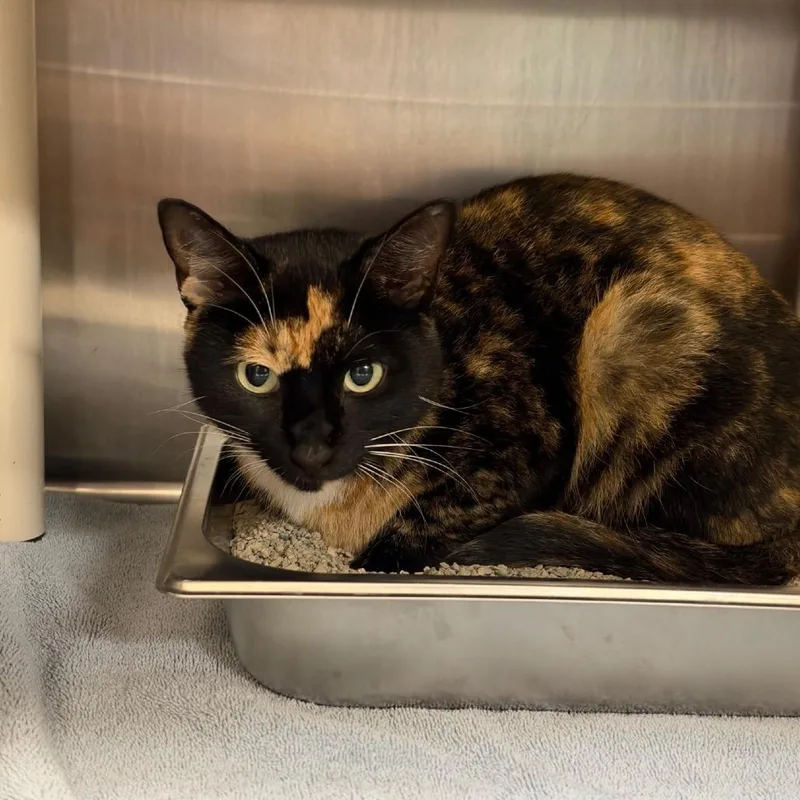
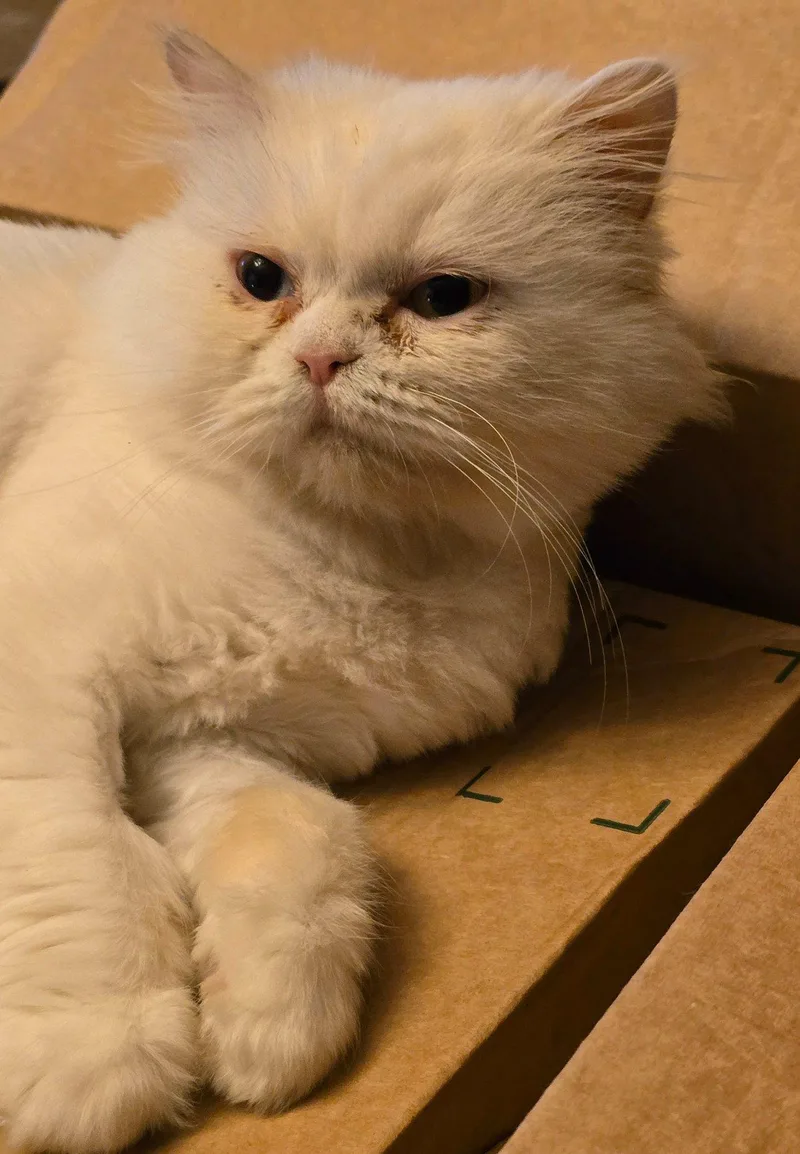
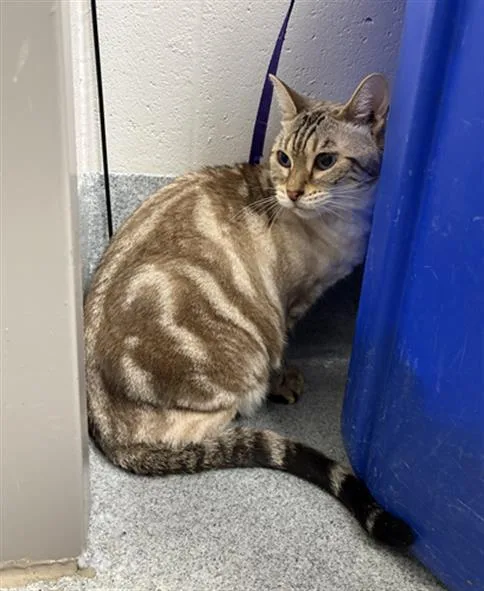
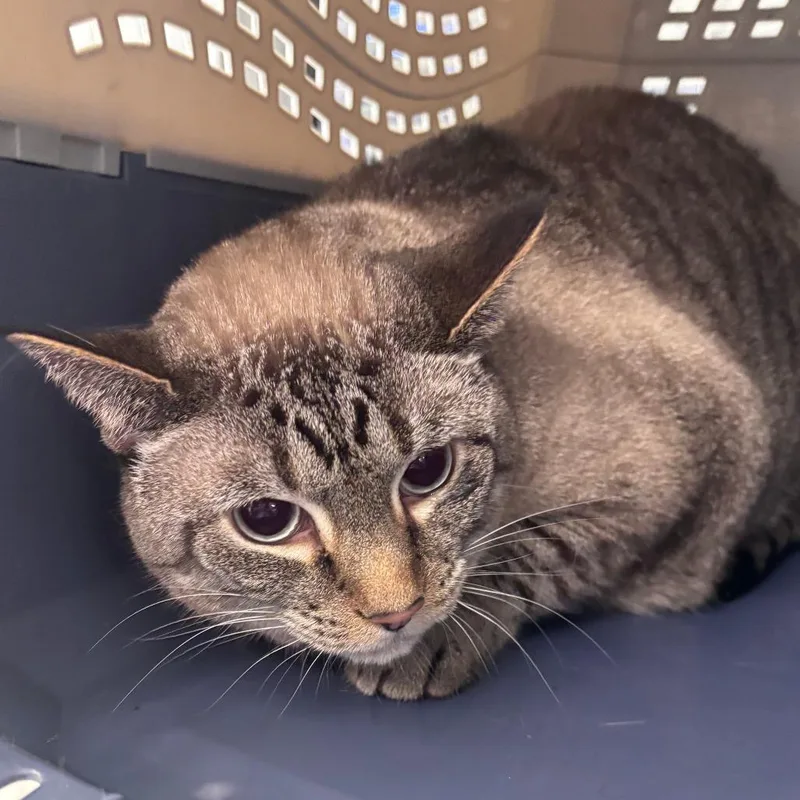
American Bobtail cat

American Bobtail Cats for Adoption in Indianapolis, IN

Your guide to finding and caring for an American Bobtail in Indy

An American Bobtail suits Indianapolis well because it's happy in a duplex or apartment as long as someone's around to play. In Mapleton-Fall Creek, where early-1900s homes share blocks with duplexes and apartment buildings near the Monon Trail, a Bobtail can watch birds from a window perch and invent games in the hallway. They're sociable, so they do best when people are home a fair amount. Indiana winters keep most cats indoors anyway, which is the safer life for this breed too.

147 American Bobtails available in Indianapolis and nationwide

Bring home an American Bobtail

While we don't have enough cats near Indianapolis, keep in mind that many rescues may offer transport.

American Bobtails Available for Adoption Near Indianapolis

About the American Bobtail breed

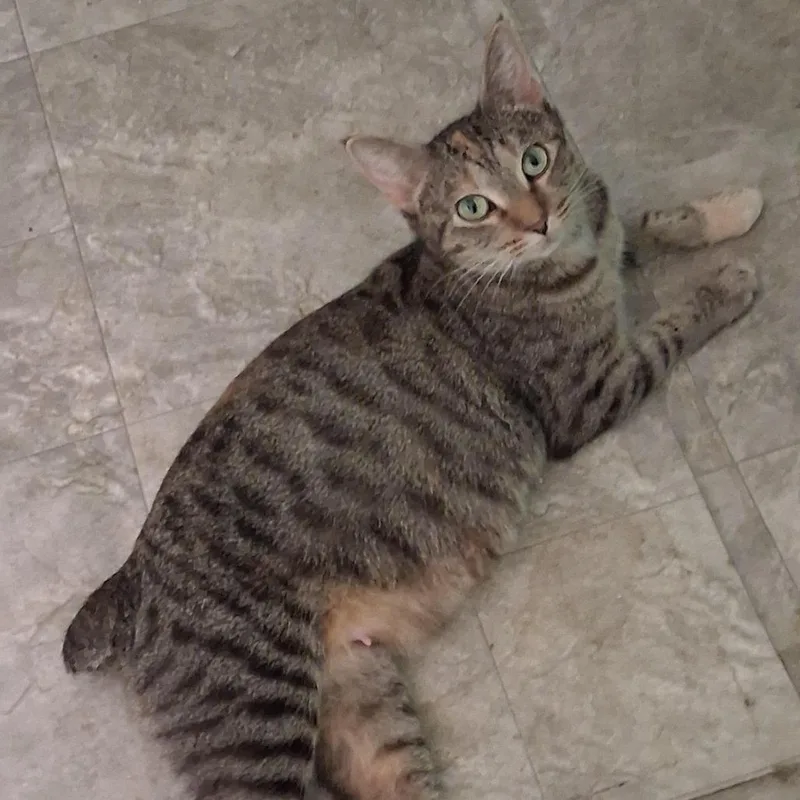
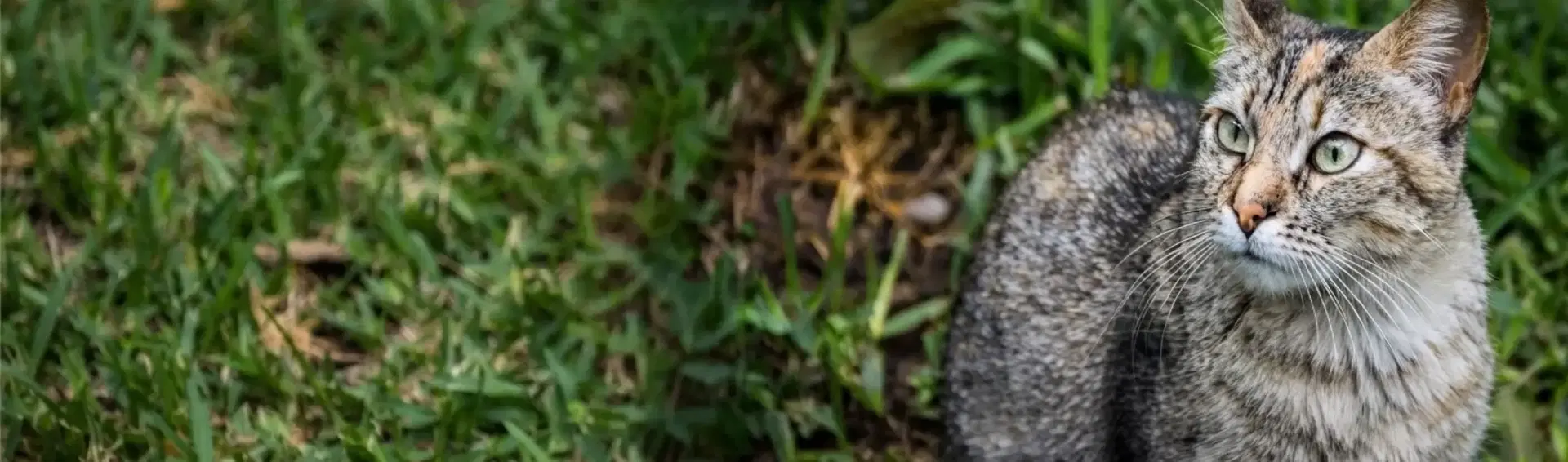
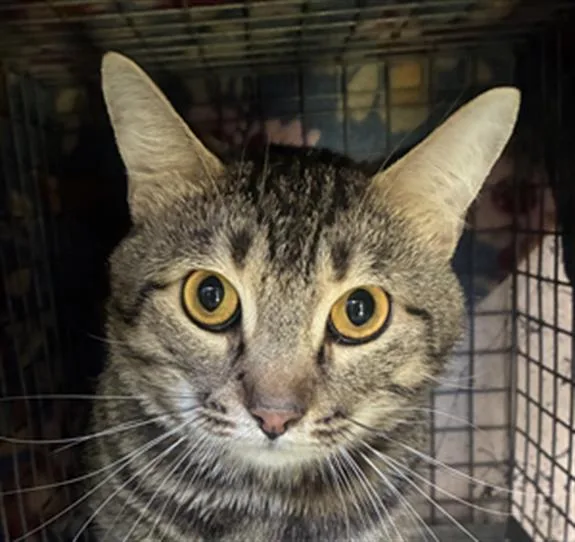
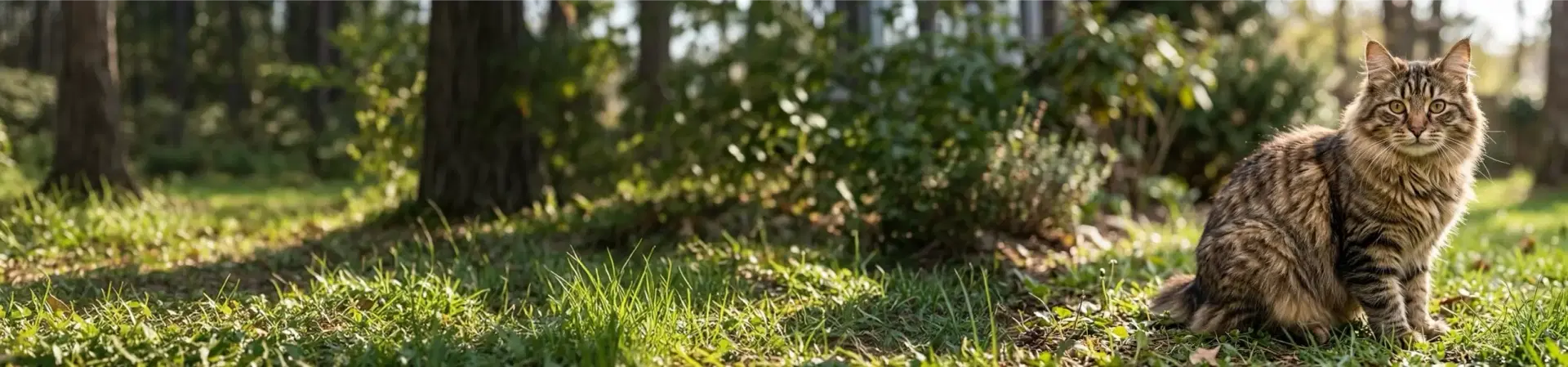
The American Bobtail started in the late 1960s with Yodie, a short-tailed brown tabby stray found in Arizona, and grew from bobtailed cats across North America. The tail, usually a third to half of normal length, comes from a dominant gene unrelated to the Manx or Japanese Bobtail. These are muscular, medium-sized cats with a wild look, and the coat can be short or medium-long in nearly any color.

Many are clever, playful and people-focused, with a habit of fetching and following the family around. They mature slowly, over two to three years, so a young cat may stay kittenish for a while. In Indianapolis, where cold months keep cats inside, that energy needs outlets like climbing spots, puzzle feeders and daily play. Weekly brushing handles the moderate shedding, and a veterinarian can check spine and hip health.

Weight
7–16 lbs
Height
9–12 in
Lifespan
11–15 yrs
Temperament
Playful, Affectionate, Adaptable, Intelligent
Shedding
Moderate

Owning an American Bobtail in Indianapolis

Having an American Bobtail in Indy

A sturdy, athletic body and a sociable, game-loving nature define this breed. In Indy, cold winters, rental housing and stormy springs mean planning indoor enrichment, good perches and a quiet retreat for noisy nights.

Temperament

American Bobtails are usually affectionate and people-focused without being clingy, and many greet guests and follow the family from room to room. In an Indy apartment with visitors and neighbors close by, that sociable streak helps, though cats vary, so watch how a Bobtail handles being held, new people and sudden noise.

Exercise Needs

Most Bobtails want several play sessions a day: wand toys, fetch, climbing and food puzzles. On Indianapolis winter days with snow and ice, indoor play does most of the work. Cats that enjoy a harness can try short, calm walks in milder weather, starting somewhere quiet and keeping the cat close.

Health Considerations

The short-tail gene can occasionally be tied to spine or hip problems, so watch for stiffness, pain around the tail or litter box changes, and have a veterinarian look into them. Yearly exams, dental care and weight control cover routine prevention. Indiana requires rabies vaccination from three months of age, and a vet can set the schedule.

Living Space

Bobtails adapt to apartments and houses alike if they have window perches, scratching posts and company. Since many Indianapolis households rent, that flexibility is handy. Keep the cat indoors, with a catio or harness time for confident cats, and add vertical space so a small unit still feels roomy.

What it costs to own an American Bobtail in Indianapolis

ExpenseTypical costPer year
Adoption fee$125, one time$125 in year one
Food$25 to $50 per month$300 to $600
Pet insurance$25 to $50 per month$300 to $600
Routine vet care$150 to $350 per year$150 to $350
Other*$450 to $1,250 per year$450 to $1,250
Estimated yearly total (after year one)$1,200 to $2,800
First-year total (with adoption fee)$1,325 to $2,925

Adoption fee is the fee on American Bobtail listings in Indianapolis on GetBuddy today. Other costs are estimates and vary with size, age and health.

* Litter, flea prevention, a dental cleaning allowance, toys, a harness and other supplies, and home brushing, with more for longhaired cats.

American Bobtail cat

Adopt an American Bobtail in Indianapolis.

Now that you know more, let’s find you a new best friend. These rescues and shelters below currently have American Bobtails available.

Frequently Asked Questions

Yes, a Bobtail can ride IndyGo buses, including the Red and Purple Line rapid-transit routes, as long as the cat travels in a carrying case. IndyGo allows service animals and other pets in a carrier. Choose a secure, well-ventilated carrier that fits on your lap or by your feet, and get the cat used to it first. Check current fares with IndyGo.

Yes, as indoor cats they handle Indy winters well. The city sees about 105 freezing nights a year, plus regular snow and ice, so the cold is mostly a reason to plan indoor play. Keep the heat steady, offer warm perches, skip harness walks on icy days and wipe paws after any contact with salted sidewalks.

Yes, an American Bobtail can live happily in an Indianapolis apartment if it has vertical space, window perches and daily play. They're mostly quiet, chirping or trilling rather than yowling, which helps in shared buildings. Because they're active and social, plan play sessions before and after work and add puzzle feeders. Rental terms vary by landlord, so read the pet clause.

It can be, especially for people who are home often and enjoy interactive play. Bobtails are sociable and adaptable, which suits Indy's mix of apartments, duplexes and larger homes. Cold winters mean mostly indoor life, so you'll need to supply climbing, toys and attention. A household that's empty most of the day may be a harder match.

Plan on weekly brushing, a bit more for longhaired cats, since Bobtails shed moderately. Dry heated air in winter and the spring coat change call for extra sessions, while humid summers rarely need more than a quick comb. Most owners groom at home, which is included in the yearly Other costs, so professional grooming is rarely necessary.

A bobbed tail is a short tail, either naturally short from birth or, in some dogs, shortened by docking. In cats, natural bobtails come from several different gene mutations found in breeds like the American Bobtail, Japanese Bobtail and Manx. The tail may be straight, curved or kinked and is usually fully mobile and expressive despite its length.

A bobtail cat is any cat with a naturally short tail, from a stub to roughly half normal length. The term covers several breeds, including the American Bobtail, Japanese Bobtail, Kurilian Bobtail and Pixie-Bob, each with its own gene, as well as domestic cats born with short or kinked tails. Shelters often list these cats simply as bobtails.

Yes, American Bobtail cats are fairly rare. They are a small pedigreed breed with relatively few registrations each year, and purebreds seldom appear in shelters. Many short-tailed cats in adoption listings are domestic cats with natural bobtails rather than registered American Bobtails, and they can make equally wonderful companions with a similar playful look.

We have 1 rescue with American Bobtails available: Heaven After Hell Rescue. You can see every rescue with American Bobtails available in the list above these questions, or scroll to the top to see the American Bobtails near Indianapolis.

Expect roughly $25 to $50 a month for food, $25 to $50 a month for insurance, $150 to $350 a year for routine vet care, and $450 to $1,250 a year for other costs such as litter, flea prevention and dental care. That puts a typical year at about $1,200 to $2,800, with no city cat license fee.

Find American Bobtails in Nearby Cities

Expand your search to find American Bobtails available for adoption near Indianapolis.