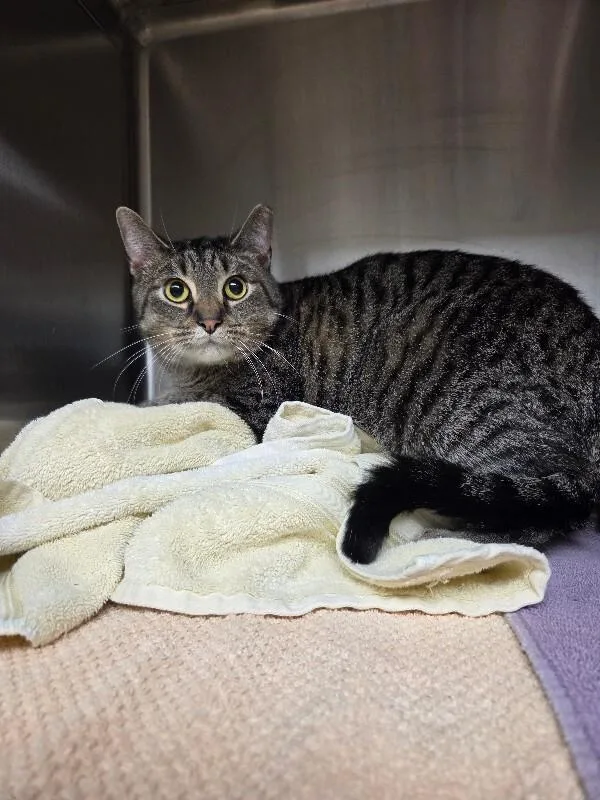
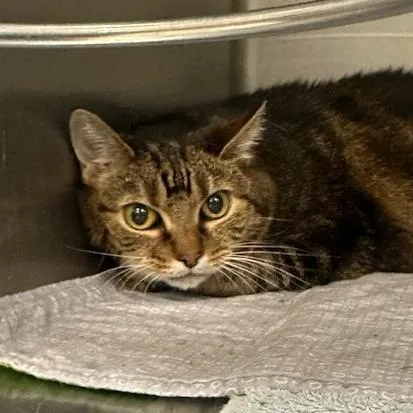
Tiger Cats for Adoption in Indianapolis, IN

Your guide to finding and caring for a Tiger in Indy

A tiger cat fits Indy's older neighborhoods and apartment buildings better than almost any other kind of pet. Whether it's a Mass Ave flat or an Irvington bungalow with a sunny front window, a Tiger mostly wants a perch, a scratching post and a few minutes of wand-toy play every day. Since "tiger" just means a striped coat, these cats are usually mixed ancestry, and personalities run from shy to bold. Pick the one whose energy matches your evenings.

215 Tigers available in Indianapolis and nationwide

Find your forever Tiger cat

While we don't have enough cats near Indianapolis, keep in mind that many rescues may offer transport.

Tigers Available for Adoption Near Indianapolis

About the Tiger breed

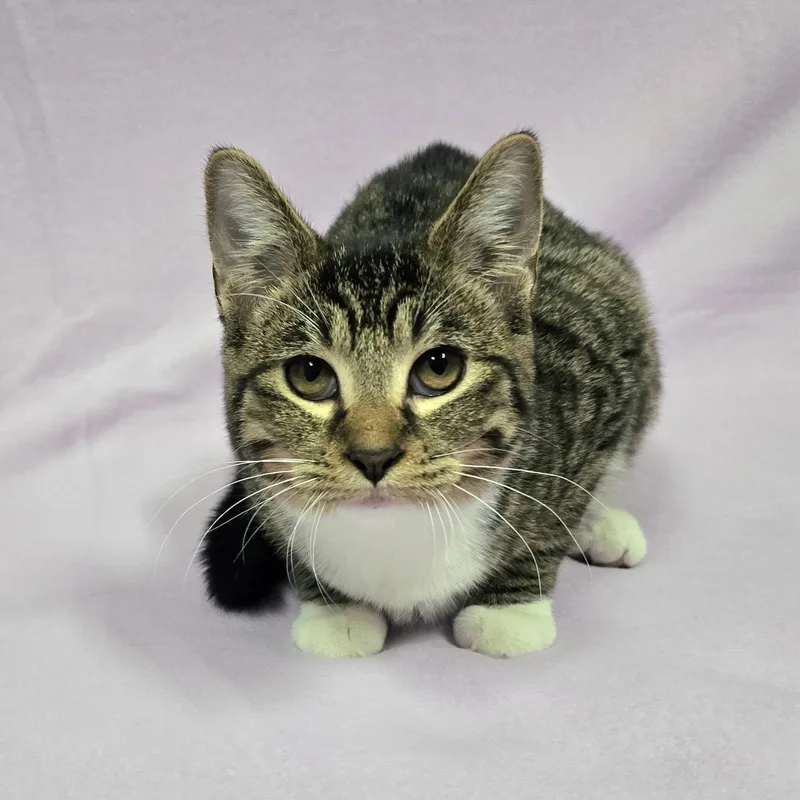
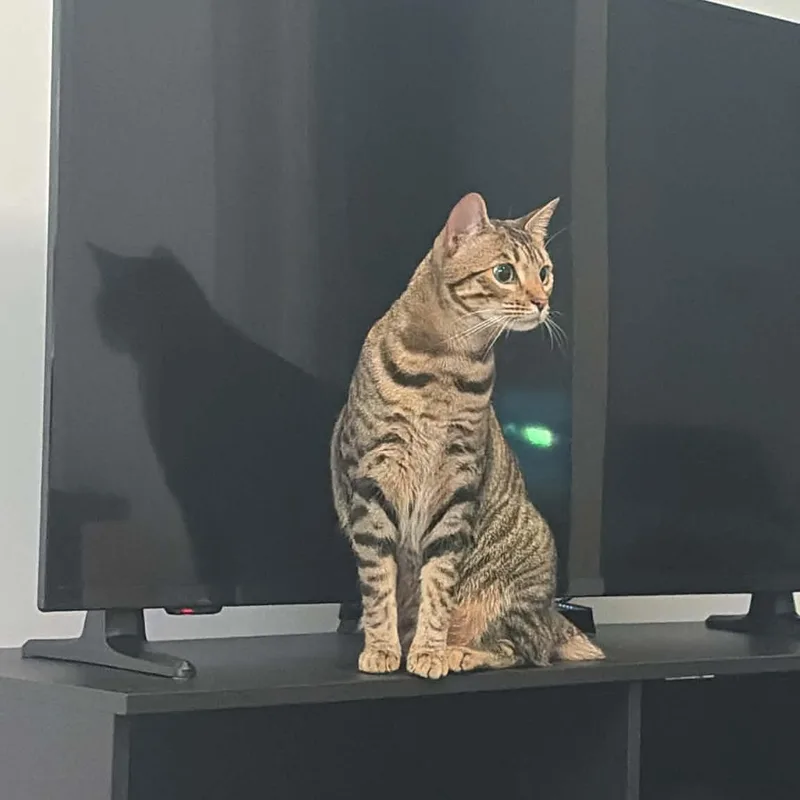
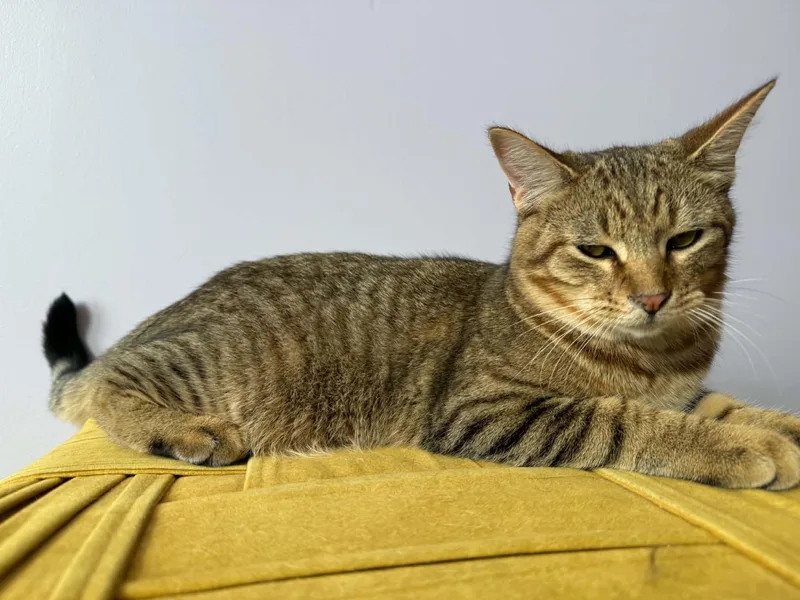
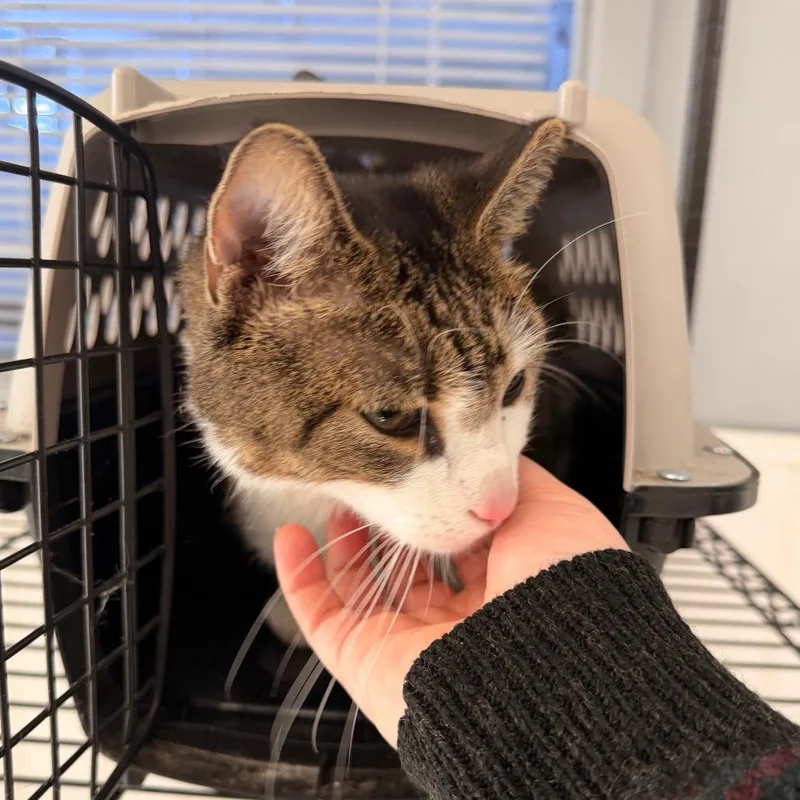
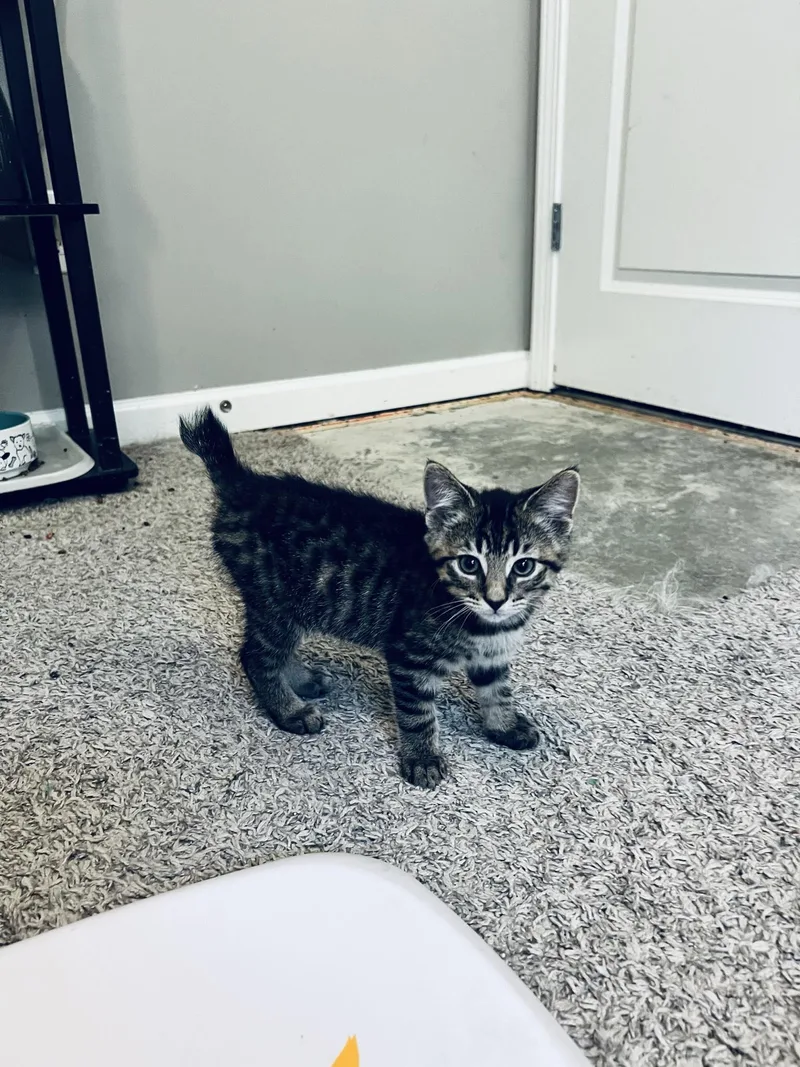
Tiger isn't a breed. On adoption listings it nearly always means a mackerel tabby: narrow stripes down the sides, rings on the legs and tail, and an M on the forehead. Most are domestic shorthairs of mixed ancestry, in brown, gray, silver, orange or cream.

Because the pattern says nothing about breed, size and personality vary from cat to cat. Most weigh 6 to 14 pounds and live 12 to 18 years indoors. Many are sturdy, adaptable and affectionate, from playful kittens to mellow seniors. That adaptability helps in Indianapolis, where homes range from downtown apartments to suburban houses with yards, though a Tiger is happiest and safest living indoors.

Weight
6–14 lbs
Height
8–10 in
Lifespan
12–18 yrs
Temperament
Adaptable, Curious, Playful
Shedding
Moderate

Owning a Tiger in Indianapolis

Having a Tiger in Indy

Tiger cats share a coat pattern, not a pedigree, so traits vary widely. In Indy, the practical questions are the same as anywhere: how the cat handles indoor life, how much play it wants, and how it gets along with your household.

Temperament

Tiger cats range from shy and gentle to bold and talkative, and stripes don't predict personality. Many are curious and adaptable, which helps with city noise, visitors and neighbors down the hall. Spend time with a cat before deciding: how it reacts to people, children and other pets matters more than its coat.

Exercise Needs

Daily interactive play, such as wand toys, chasing balls or puzzle feeders, covers most needs, with kittens wanting more than seniors. In an Indy apartment, add a tall cat tree and a window perch so the cat can watch the street. Rotating toys helps prevent boredom and weight gain.

Health Considerations

The stripes carry no health risks. Common cat concerns include dental disease, obesity, kidney disease in older cats, hyperthyroidism and diabetes. Indiana requires rabies vaccination from three months of age, and a veterinarian can check teeth, weight and kidney values at a first visit. A measured diet and yearly checkups help most cats stay well.

Living Space

Tiger cats adapt to apartments and houses alike, given scratching posts, climbing spots and places to hide. In Indy's compact flats and older bungalows, vertical space matters most. Keep the cat indoors: coyotes live throughout Indiana, including urban areas, and traffic is a risk too. Shy cats may need a quiet room at first.

What it costs to own a Tiger in Indianapolis

ExpenseTypical costPer year
Adoption fee$100 to $125, one time$100 to $125 in year one
Food$25 to $50 per month$300 to $600
Pet insurance$20 to $45 per month$240 to $540
Routine vet care$150 to $350 per year$150 to $350
Other*$450 to $1,150 per year$450 to $1,150
Estimated yearly total (after year one)$1,140 to $2,640
First-year total (with adoption fee)$1,240 to $2,765

Adoption fee is the range of fees on Tiger listings in Indianapolis on GetBuddy today. Other costs are estimates and vary with size, age and health.

* Litter, flea prevention, a dental cleaning allowance, toys, scratchers and other supplies, and minimal home grooming.

Adopt a Tiger in Indianapolis.

Now that you know more, let’s find you a new best friend. These rescues and shelters below currently have Tigers available.

Frequently Asked Questions

Yes, as long as the cat is in a carrier. IndyGo's FAQ says service animals are allowed on board, as well as other pets in a carrying case, on its buses and the Red and Purple Line rapid-transit routes. Choose a sturdy, well-ventilated carrier that fits on your lap or at your feet, and check current fares with IndyGo.

Yes, indoor Tigers handle Indianapolis winters well in a heated home. The main risks are a cat slipping outside during a freeze and cold drafts near windows. Provide warm bedding, keep doors secure and keep ID current. Because snow and ice can last for days, most cats here are safest living entirely indoors.

Yes. A Tiger is a coat pattern rather than a breed, and Indianapolis has no breed restrictions. You'll need rabies vaccination from three months of age and permanent identification, such as a microchip. The city sets no fixed limit on how many pets you can have, but your lease or nuisance rules might.

Yes. Most Tigers adapt well to apartments when they have a scratching post, a tall cat tree and a window perch. Daily play sessions burn off energy, and a quiet corner helps shy cats settle in. Trim nails regularly and offer a sturdy scratcher so your door frames and furniture stay intact.

Often, yes, for people who want an adaptable indoor cat. Tigers cope with apartments and houses alike, and Indy's cold winters make indoor life comfortable. They do best with daily play and a steady routine. Fit depends on the cat's own personality, so consider your schedule, children and other pets before deciding.

Very little. Most Tigers are shorthairs that need a weekly brush, a bit more in spring when shedding picks up. A longhaired striped cat needs brushing several times a week. Trim nails every few weeks. Professional grooming is rarely needed, so it stays within the small grooming allowance in the Other costs.

A tiger cat is a cat with a striped coat that resembles a tiger's, usually a mackerel tabby. It is a coat pattern, not a breed, and most tiger cats are domestic shorthairs of mixed ancestry. The pattern is very common in shelters and appears in brown, gray, orange and other colors.

A tiger cat has narrow stripes running down its sides like a fish skeleton, which is why the pattern is also called mackerel tabby. It usually has rings around its legs and tail, dark lines from the eyes across the cheeks and an M-shaped marking on the forehead. Colors include brown, gray, silver and orange.

We have 1 rescue with Tigers available: Catcityusa. You can see every rescue with Tigers available in the list above these questions, or scroll to the top to see the Tigers near Indianapolis.

Plan on roughly $1,140 to $2,640 a year for a Tiger in Indianapolis. Food runs $25 to $50 a month, insurance $20 to $45 a month, routine vet care $150 to $350 a year, and other costs $450 to $1,150 a year. A healthy adult lands near the low end, while a senior needing extra care costs more.

Find Tigers in Nearby Cities

Expand your search to find Tigers available for adoption near Indianapolis.