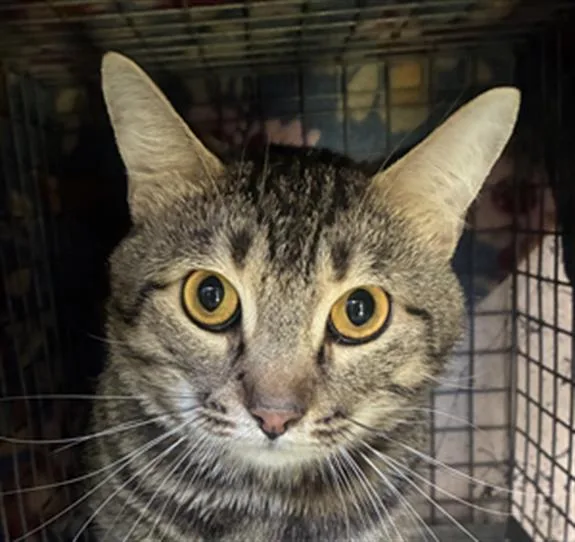
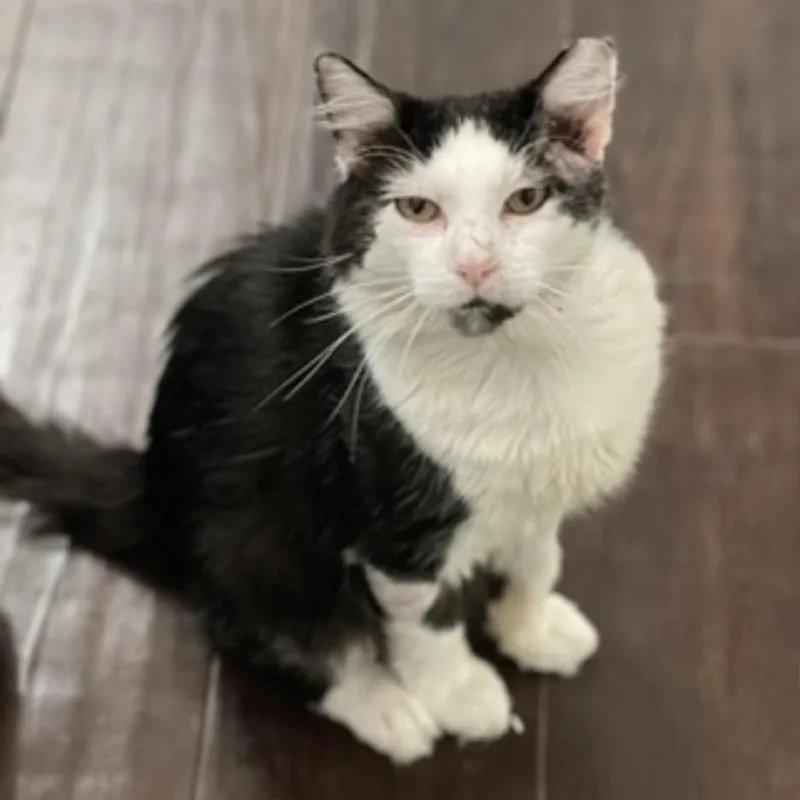
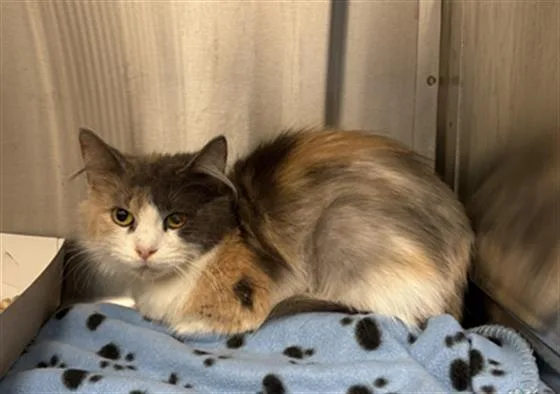
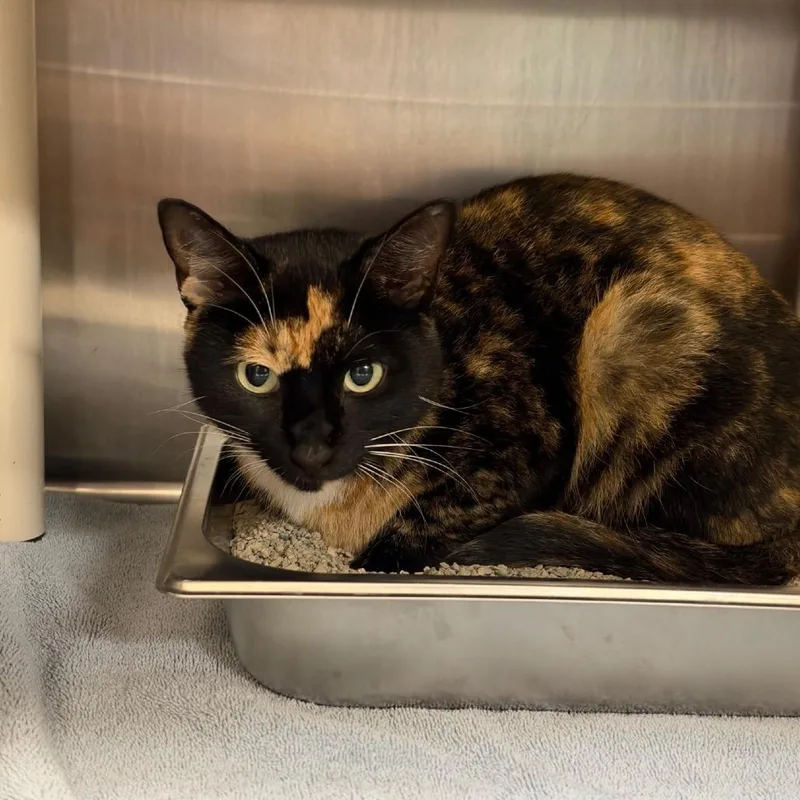
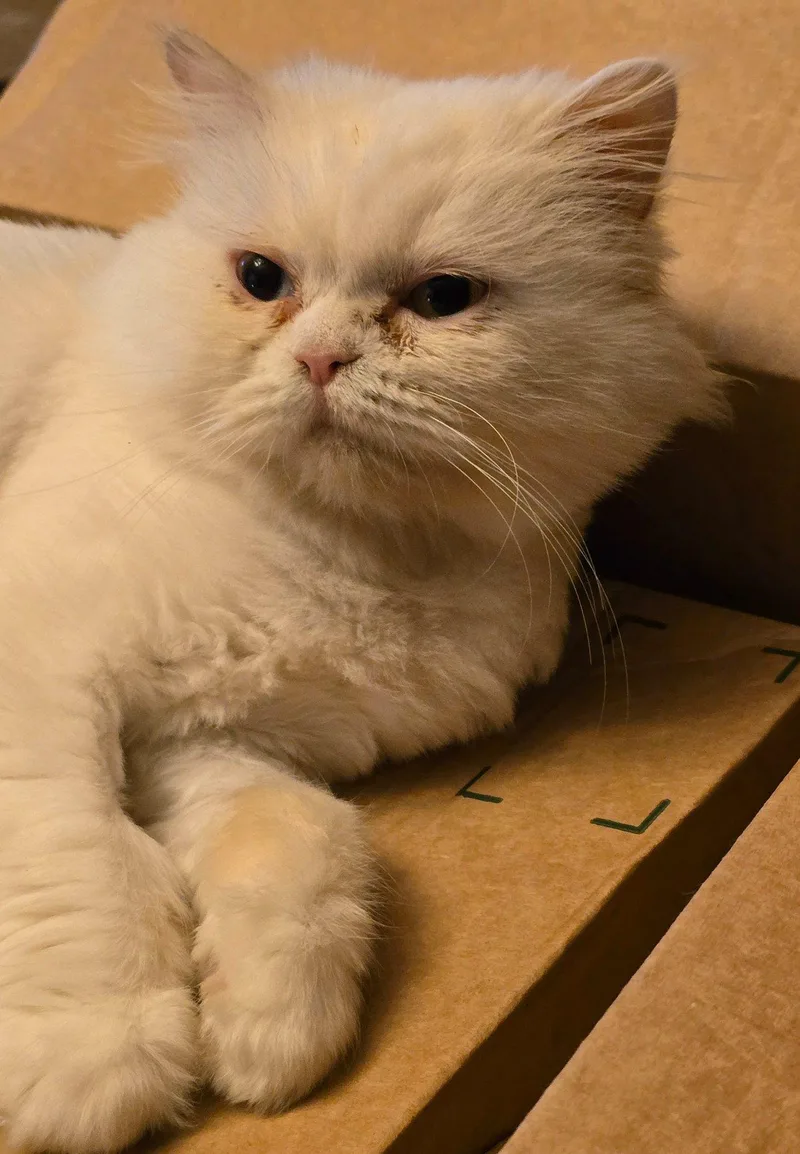
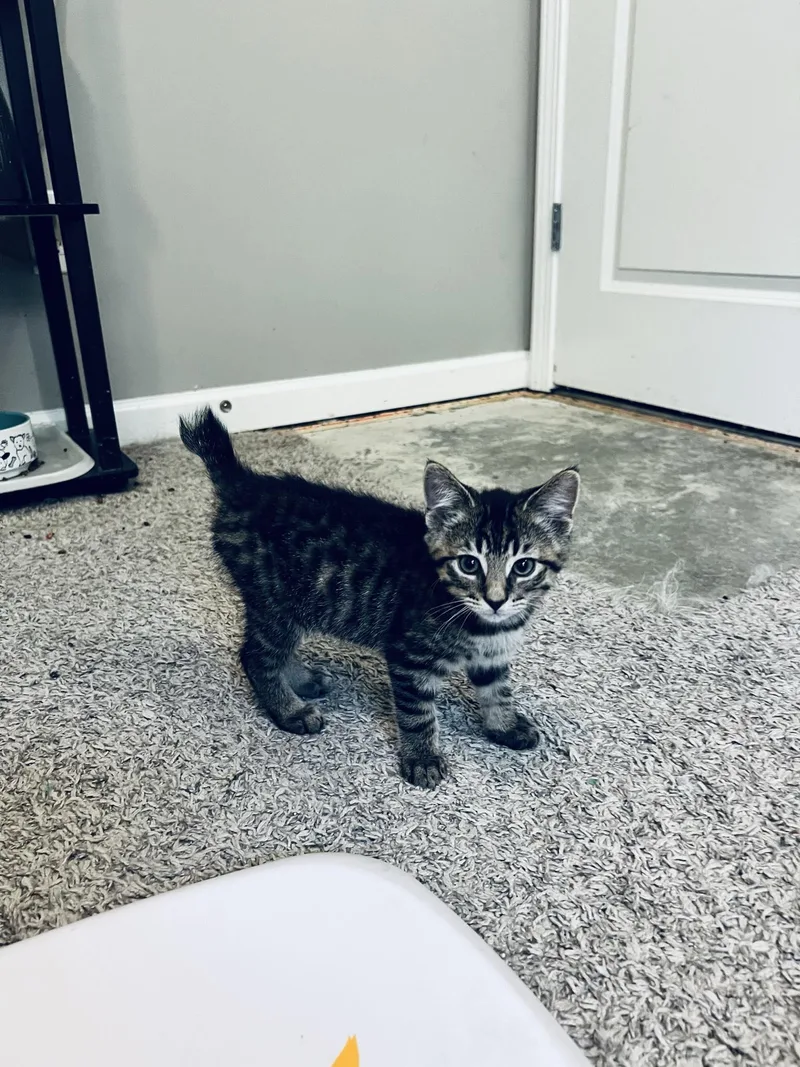
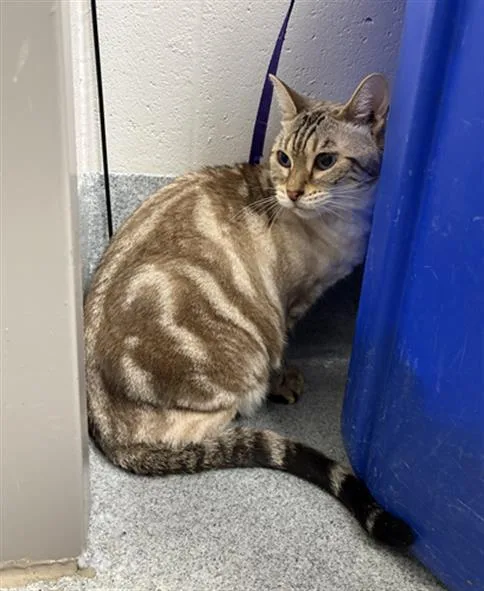
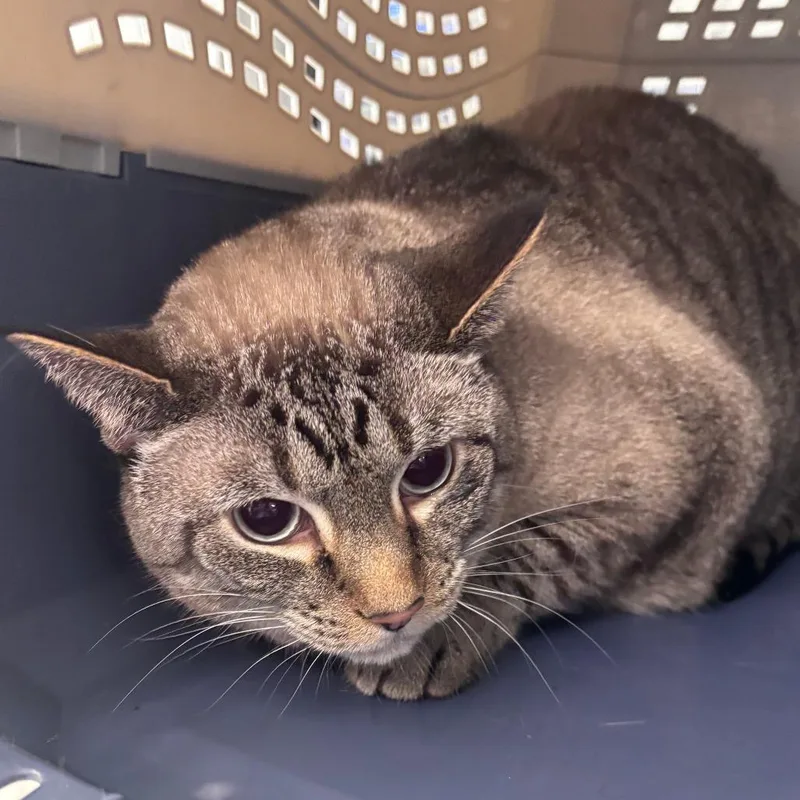
American Curl cat

American Curl Cats for Adoption in Indianapolis, IN

Your guide to finding and caring for an American Curl in Indy

American Curls suit Indy apartment life well, as long as they have something to climb. A tall cat tree by the window works as well in a Mass Ave flat as in an Irvington bungalow, and these playful, people-focused cats will happily watch the street from it. Curls like company, so they do best with someone home a fair amount or a second pet. Their silky coats need little upkeep, which helps when winter keeps everyone indoors for weeks.

47 American Curls available in Indianapolis and nationwide

Say hello to your American Curl

While we don't have enough cats near Indianapolis, keep in mind that many rescues may offer transport.

American Curls Available for Adoption Near Indianapolis

About the American Curl breed

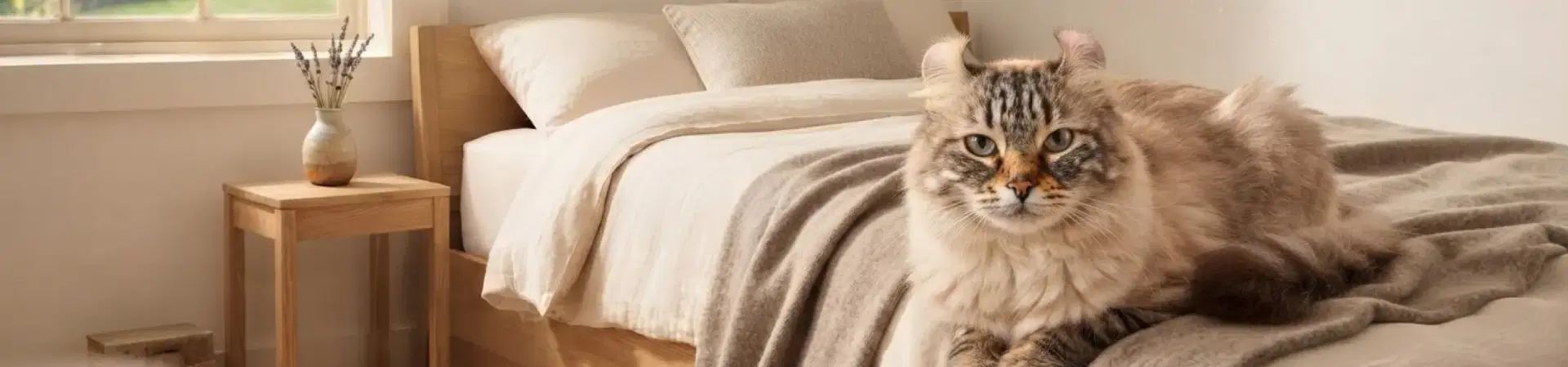
The American Curl began in 1981, when a longhaired black stray named Shulamith turned up at a home in Lakewood, California, with ears that curled backward. Her kittens inherited the trait, and the breed earned championship status in the 1990s. Curls are medium-sized, usually 5 to 10 pounds, with longhaired or shorthaired coats in every color and pattern.

Many Curls are affectionate, curious and playful well into adulthood, which suits an Indy household that wants a cat who joins in. The ears need gentle handling because the cartilage is firm, and the coat needs only a comb a few times a month. Curls are fairly uncommon, so you may also meet curl-eared mixes, and every cat's personality varies.

Weight
5–10 lbs
Height
8–11 in
Lifespan
12–18 yrs
Temperament
Affectionate, Playful, Curious
Shedding
Low to Moderate

Owning an American Curl in Indianapolis

Having an American Curl in Indy

The ears get the attention, but daily life with a Curl comes down to play, company and gentle handling. In Indy, that mostly means an indoor routine with plenty of climbing space, a cozy winter perch and a quiet room for stormy or fireworks nights.

Temperament

Many American Curls are affectionate and curious, following their people from room to room and staying kittenish for years. That suits Indy renters who are home often. Most enjoy company, so a long workday alone may leave a Curl bored; a playmate or a midday play session helps. Each cat differs, so notice how a cat responds to you.

Exercise Needs

Plan on a few short play sessions a day with wand toys, balls and puzzle feeders, and maybe a game of fetch. A window perch or tall cat tree gives a Curl exercise and a view of the street. Indy's cold, snowy winters keep cats inside more, so indoor play matters most from December through February.

Health Considerations

No health problems specific to Curls have been documented, though they still face common cat issues like dental disease, obesity and ear wax buildup. Indiana requires rabies vaccination for cats from three months of age, and Indianapolis requires permanent ID such as a microchip. A veterinarian can check the ears, teeth and weight at a first visit.

Living Space

Curls adapt well to apartments, bungalows and larger homes alike, provided they have vertical space, scratching posts and hiding spots. Secure windows and balconies, and keep any outdoor time to a catio or a harness session, since coyotes live even in urban parts of Indianapolis and can prey on house cats.

What it costs to own an American Curl in Indianapolis

ExpenseTypical costPer year
Food$25 to $50 per month$300 to $600
Pet insurance$25 to $50 per month$300 to $600
Routine vet care$150 to $350 per year$150 to $350
Other*$450 to $1,250 per year$450 to $1,250
Estimated yearly total (after year one)$1,200 to $2,800

Other costs are estimates and vary with size, age and health.

* Litter, flea and parasite prevention, dental cleanings, toys and scratching supplies, and occasional grooming help for longhaired Curls.

American Curl cat

Adopt an American Curl in Indianapolis.

Now that you know more, let’s find you a new best friend. These rescues and shelters below have cats available in and near Indianapolis.

Frequently Asked Questions

Yes, as long as your American Curl travels in a carrier. IndyGo's buses, including the Red and Purple Line rapid-transit routes, allow service animals and other pets in a carrying case. Choose a sturdy carrier that closes securely and has good ventilation, and practice with it at home first so the trip feels familiar.

Yes, as indoor cats. Indianapolis winters bring about 105 freezing nights a year, plus snow and salted sidewalks, so a Curl should stay inside with a warm bed away from drafts. The silky coat isn't made for snow. Extra play sessions help burn off energy during long stretches indoors.

Yes. Indianapolis has no breed restrictions, so a Curl is treated like any other cat. Because the breed is uncommon, watch the listings on this page, and consider curl-eared mixes or similar breeds too. After adoption, a veterinarian can handle the rabies vaccination and microchip that local and state rules call for.

Yes. A medium-sized Curl does well in a Mapleton-Fall Creek duplex or a Castleton apartment complex if it has vertical space and daily play. Provide a tall cat tree by a window, scratching posts and a few play sessions a day. Curls like company, so long workdays alone may call for more toys or a second cat.

Yes, for people who are home often and want a playful, social cat. A Curl suits Indy's mix of apartments and older bungalows, and indoor life works well with the cold winters. It's a weaker match if you're away long hours, since Curls like company. Every cat's personality varies, so spend time getting to know a cat before deciding.

Very little. A comb two or three times a month is usually enough for a silky longhaired or shorthaired Curl, with a bit more during spring shedding. Winter's dry heated air can cause static and tangles, so comb gently. Professional grooming is optional and is counted in the Other costs, up to roughly $150 a year, mostly for longhaired cats.

No, American Curl cats are not hypoallergenic. Cat allergens come mainly from proteins in saliva and skin, which all cats produce regardless of coat. Curls have little undercoat and shed lightly to moderately, but that does not make them allergy-free. Spend time with a specific cat and talk with an allergist before adopting if allergies are a concern.

Yes, American Curls are fairly rare. The breed only began in 1981 and remains uncommon compared with long-established breeds, though it now has a following in the US, Europe, Russia and Japan. Purebred Curls seldom appear in shelters, but curl-eared mixed cats sometimes do. Check rescues and GetBuddy listings regularly if you hope to adopt one.

American Curls have no known breed-specific health problems so far, partly because the breed was built from a broad base of domestic cats. They can still develop common feline conditions such as dental disease, obesity, kidney disease with age and ear wax buildup. Regular checkups and a healthy weight help keep a Curl in good shape.

Expect roughly $1,200 to $2,800 a year for a Curl in Indy, covering food, insurance, routine vet care and other costs such as litter, parasite prevention and dental cleanings. Food and insurance each run about $25 to $50 a month, routine vet care $150 to $350 a year, and other costs $450 to $1,250 a year.