Abyssinian cat

Abyssinian Cats for Adoption in Indianapolis, IN

Your guide to finding and caring for an Abyssinian in Indy

An Abyssinian suits Indy's older bungalow and duplex neighborhoods well, because it wants to climb and watch everything. In Irvington or Mapleton-Fall Creek, a cat tree by a front window gives an Aby hours of entertainment, and a wand-toy session after work does the rest. They're social cats that dislike long stretches alone, so they fit best with someone who's home often or a second cat. Winters here are long enough that most Abys will happily stay indoors anyway.

173 Abyssinians available in Indianapolis and nationwide

Find your forever Abyssinian

While we don't have enough cats near Indianapolis, keep in mind that many rescues may offer transport.

Abyssinians Available for Adoption Near Indianapolis

About the Abyssinian breed

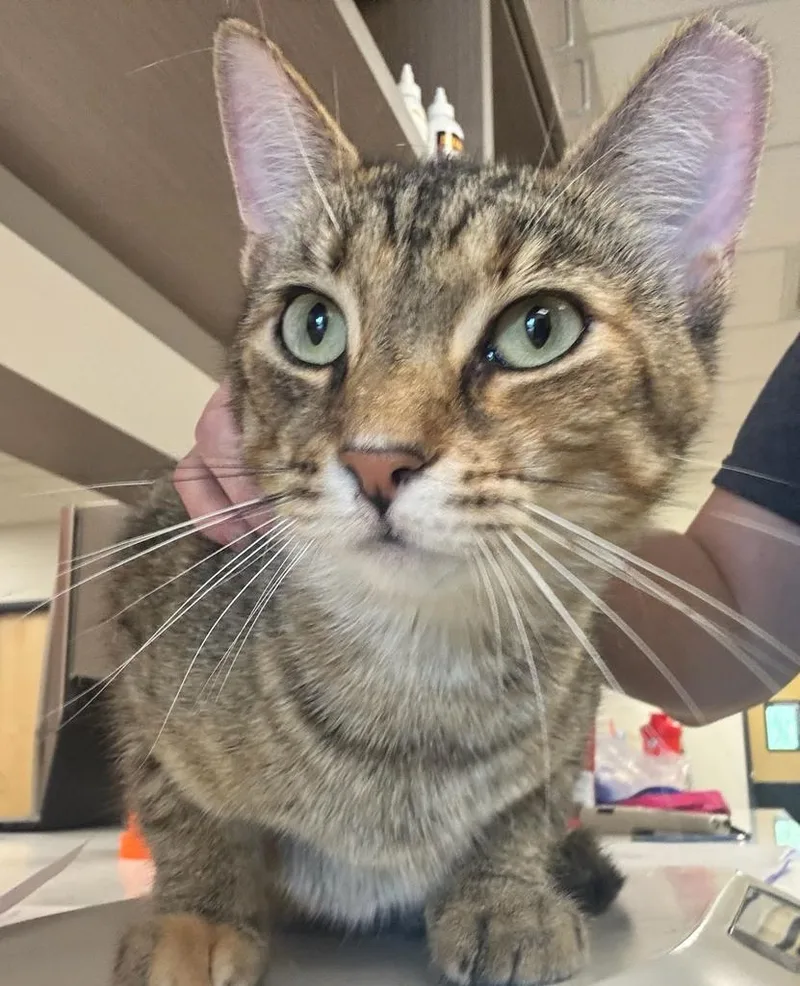
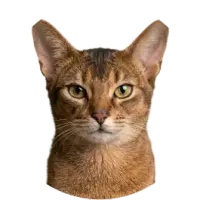
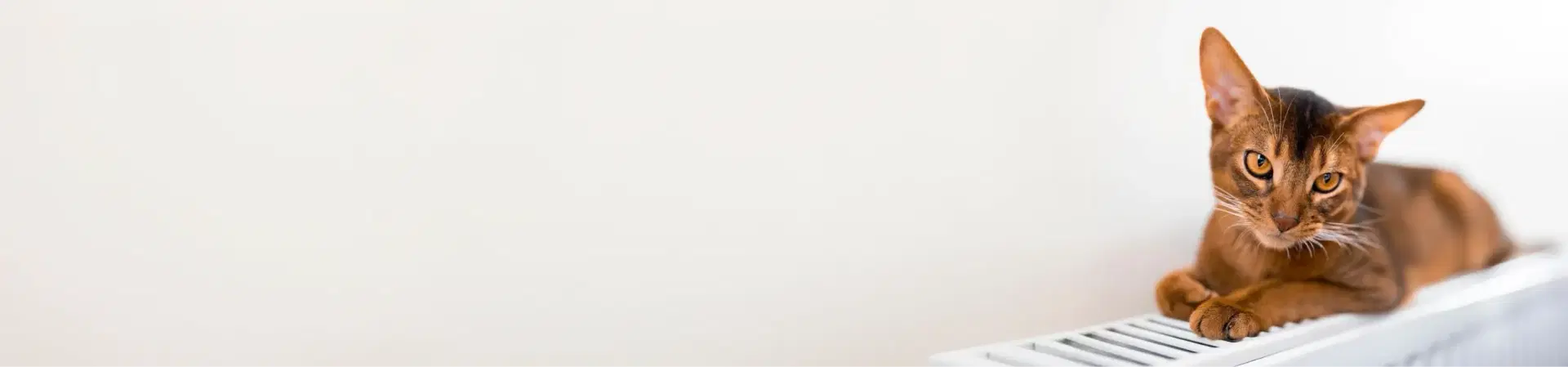
The Abyssinian is a medium-sized, lithe cat, usually 6 to 12 pounds, with a short ticked coat in which each hair carries several bands of color. Large ears and almond eyes give it an alert, wildcat look. Despite the name, genetic research points to ancestors from the Indian Ocean coast and Southeast Asia, and the breed was developed in Britain. Abys are among the oldest recognized breeds.

Abys are busy, curious and athletic. Many are affectionate without being lap cats, preferring to follow their people around and join in. In a city like Indy, where many homes are older and compact, vertical space and daily interactive play go a long way. The coat needs little care, but inherited conditions such as pyruvate kinase deficiency and retinal degeneration are worth discussing with a veterinarian.

Weight
6–12 lbs
Height
8–10 in
Lifespan
9–15 yrs
Temperament
Active, Curious, Playful, Social
Shedding
Low to Moderate

Owning an Abyssinian in Indianapolis

Having an Abyssinian in Indy

Abyssinians pair an easy-care short coat with a lot of energy and a strong need for company. In Indy, that mostly means planning for indoor play, vertical space and a few inherited health checks, whatever the season brings.

Temperament

Abyssinians tend to be inquisitive, social and busy, following their people from room to room. Many are affectionate without staying long in a lap, and some are shy with strangers at first. Indy's mix of apartments and small houses suits them if someone is around often, since many dislike long days alone. Each cat's personality varies.

Exercise Needs

Plan on daily interactive play, such as wand toys, chase games and puzzle feeders, plus tall cat trees for climbing. Indy's long winters make indoor routines the main outlet, so rotate toys to keep things fresh. Some Abys learn to walk in a harness, but keep outings supervised, since coyotes live even in urban parts of Indiana.

Health Considerations

Abyssinians can inherit pyruvate kinase deficiency, progressive retinal atrophy and kidney amyloidosis, and they're prone to gum disease. DNA tests exist for the first two. A veterinarian can check teeth, kneecaps, weight and eyes at the first visit, and indoor living in Indy keeps exposure to traffic, wildlife and parasites lower.

Living Space

Abys do well in Indy's apartments, bungalows and suburban houses alike, as long as there's something tall to climb. Window perches, wall shelves and a sturdy cat tree matter more than square footage. Keep them indoors or in a secure catio, and consider a second cat or a home where someone's around often.

What it costs to own an Abyssinian in Indianapolis

ExpenseTypical costPer year
Food$25 to $50 per month$300 to $600
Pet insurance$30 to $60 per month$360 to $720
Routine vet care$150 to $350 per year$150 to $350
Other*$450 to $1,150 per year$450 to $1,150
Estimated yearly total (after year one)$1,260 to $2,820

Other costs are estimates and vary with size, age and health.

* Flea and parasite prevention, a dental cleaning allowance, litter, toys, scratchers and cat trees, and occasional brushing for a short coat.

Abyssinian cat

Adopt an Abyssinian in Indianapolis.

Now that you know more, let’s find you a new best friend. These rescues and shelters below have cats available in and near Indianapolis.

Frequently Asked Questions

Yes, Indianapolis has no breed-specific rules for cats. You'll need permanent identification such as a microchip, and Indiana requires rabies vaccination for cats three months and older. There's no general cat license and no fixed limit on the number of pets, though your landlord may set one, so confirm before you adopt.

Yes, in a carrier. IndyGo's FAQ says pets are allowed on board in a carrying case, which covers its buses, including the Red and Purple Line rapid-transit routes. Indianapolis has no subway. Choose a secure, well-ventilated carrier that fits on your lap, and check current fares with IndyGo. A covered carrier can calm a curious Aby.

Yes, as indoor cats they handle Indy winters well. Nights often dip below freezing and snow adds up over the season, but an Aby with a warm bed, a sunny perch and plenty of play will be comfortable. Their short, thin coat means they shouldn't spend time outdoors in the cold, and drafty windows are worth sealing.

Yes, an Abyssinian can live happily in an Indy apartment if it has vertical space and daily play. Choose a tall cat tree, window perches and puzzle feeders, since climbing matters more than floor area. Because Abys are social, they do best when someone's home often or with a second cat. Check your lease for pet fees first.

It can be, if you can offer indoor enrichment through long winters and company most days. Indy's mix of bungalows, duplexes and apartments suits a climbing cat, and the moderate summers are easy with air conditioning. Abys are a poor fit for homes that sit empty most of the day, so consider your schedule honestly.

Very little. The short, close-lying coat needs a quick weekly brush, a bit more during seasonal shedding. Dry winter air can make skin flaky, and paws should be wiped after any salty harness walk. Brushing teeth matters more than coat care for Abys, and professional grooming is rarely needed, so it fits within the Other costs above.

Abyssinian is pronounced ab-ih-SIN-ee-un, with the stress on the third syllable, SIN. The name refers to Abyssinia, the historical name for Ethiopia. Many owners simply shorten it to Aby, pronounced AB-ee. You may also hear the breed's ticked coat colors called ruddy, cinnamon or sorrel, blue and fawn.

An Abyssinian is a medium-sized shorthaired cat breed known for its ticked coat, in which each hair has bands of color that create a warm, glowing look. It has large ears, almond-shaped eyes and a lean, muscular body. Developed in Britain in the 1800s, it is one of the oldest recognized breeds and is famous for being active and curious.

Yes, Abyssinian cats shed, but usually only lightly to moderately because of their short, close-lying coat. Shedding may increase seasonally. Combing or brushing a few times a month controls loose hair, and a damp cloth or chamois rubbed over the coat adds shine. Sudden heavy shedding or bald patches should be checked by a veterinarian.

Budget roughly $25 to $50 a month for food and $30 to $60 for pet insurance, plus $150 to $350 a year for routine vet care and $450 to $1,150 a year for other costs such as litter and parasite prevention. That works out to about $1,260 to $2,820 a year, before any emergency or illness.

Find Abyssinians in Nearby Cities

Expand your search to find Abyssinians available for adoption near Indianapolis.