Dilute Calico Cats for Adoption in Chicago, IL

Your guide to finding and caring for a Dilute Calico in Chicago

A dilute calico suits a Logan Square greystone or a Hyde Park walk-up as easily as a lakefront high-rise. The pastel blue-gray and cream patches are a coat pattern, not a breed, so these cats range from shy to bold. Most live indoors and are happy with a sunny window and something to watch, whether that's a boulevard or the L rattling past. A cat tree by the front window and evening wand-toy play keep most of them content.

247 Dilute Calicos available in Chicago and nationwide

Say hello to your Dilute Calico

While we don't have enough cats near Chicago, keep in mind that many rescues may offer transport.

Dilute Calicos Available for Adoption Near Chicago

About the Dilute Calico breed

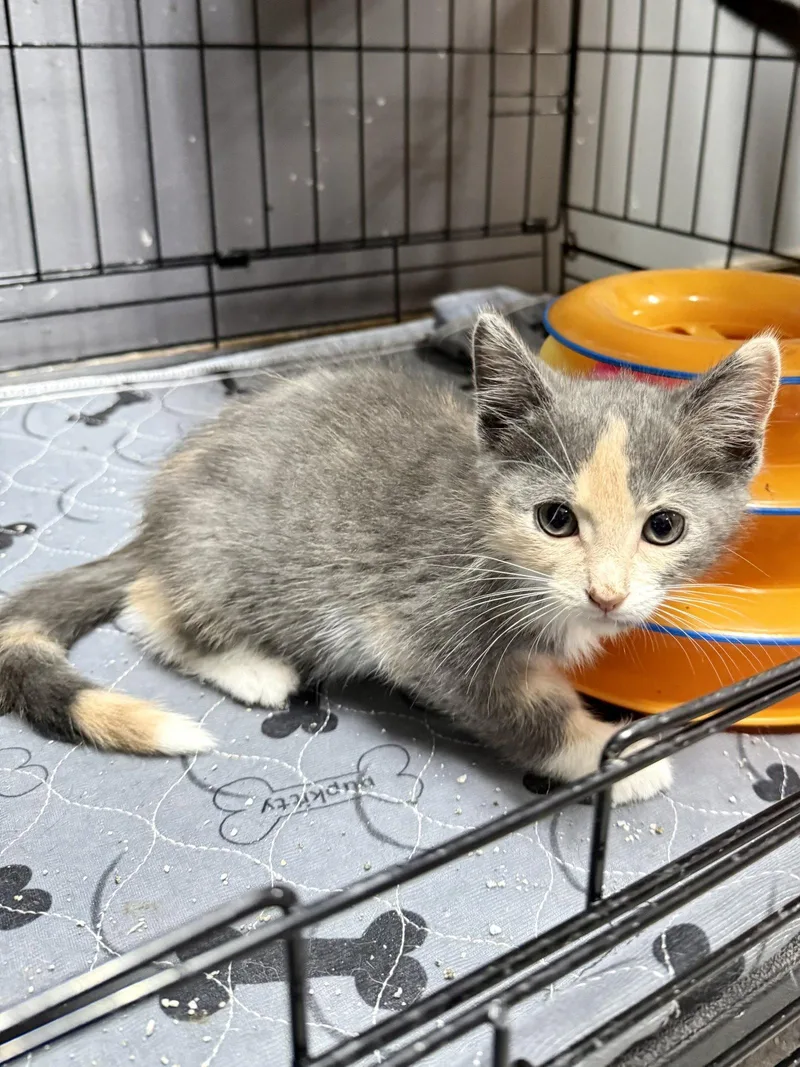
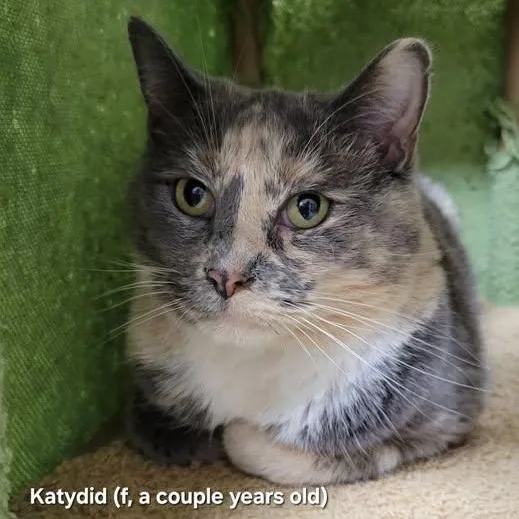
Dilute calico describes a coat, not a breed. The pattern is white with patches of blue-gray and cream, the softer cousin of the black, orange and white calico, and it takes a recessive dilution gene from both parents. Because the orange color is carried on the X chromosome, nearly all dilute calicos are female, and the rare males are usually sterile.

Most dilute calicos in Chicago listings will be domestic shorthairs or longhairs, though the pattern turns up in many breeds. Shorthairs need a weekly brushing, while longhairs need more. Kittens want constant play and supervision, and adult cats are often calmer and easier to read. Coat color doesn't predict personality, so a cat's age and how she behaves with you tell you far more.

Weight
6–14 lbs
Height
8–10 in
Lifespan
12–18 yrs
Temperament
Affectionate, Curious, Independent
Shedding
Moderate

Owning a Dilute Calico in Chicago

Having a Dilute Calico in Chicago

Most dilute calicos are medium-sized, moderate-shedding indoor cats weighing 6 to 14 pounds. Energy, grooming needs and personality follow age and background rather than color, so these cards cover typical needs and what Chicago life adds.

Temperament

Dilute calicos range from affectionate and curious to reserved, and coat color doesn't set the personality. Chicago apartments come with neighbors overhead and street noise outside. A confident cat may shrug that off, while a shy one wants a quiet room and hiding spots. Notice how a cat reacts to new sounds and people.

Exercise Needs

Plan on daily play with wand toys, balls and puzzle feeders, split into a few short sessions. Chicago winters keep cats inside for months, so vertical space matters: a cat tree, shelves or a window perch. Kittens and young adults want more action, while seniors prefer gentler play and comfortable perches.

Health Considerations

Female dilute calicos have no color-linked health problems, while the rare males may have chromosome-related issues. Routine exams, dental care and weight control matter most. Cats in Chicago need rabies vaccination, which your veterinarian can give and tag. A vet can also check a newly adopted cat for parasites and dental trouble.

Living Space

Dilute calicos adapt to a one-bedroom or a bungalow if there are climbing spaces, scratching posts and quiet hideaways. Chicago's high-rises, two-flats and walk-ups suit indoor cats well. Fit secure screens on upper-floor windows and keep balconies off-limits unsupervised. Shy cats do better in calmer buildings, while confident ones cope with busier ones.

What it costs to own a Dilute Calico in Chicago

ExpenseTypical costPer year
Food$25 to $50 per month$300 to $600
Pet insurance$20 to $45 per month$240 to $540
Routine vet care$150 to $350 per year$150 to $350
Other*$450 to $1,150 per year$450 to $1,150
Estimated yearly total (after year one)$1,140 to $2,640

Other costs are estimates and vary with size, age and health.

* Litter, flea and tick prevention, a dental cleaning allowance, toys and supplies, and home grooming.

Adopt a Dilute Calico in Chicago.

Now that you know more, let’s find you a new best friend. These rescues and shelters below have cats available in and near Chicago.

Frequently Asked Questions

Yes, if the cat is small enough for a carrier. CTA allows only small pets in a closed protective carrier that one person can carry and that fits under a seat or on a lap, on buses and 'L' trains. The carrier can't block aisles, and CTA can remove any animal that acts aggressively. Most dilute calicos, at 6 to 14 pounds, fit a standard carrier.

Yes, as indoor cats they handle it well. Chicago averages about 106 to 121 nights at or below freezing and roughly 38 inches of snow a year, but a heated home is all a dilute calico needs. Keep her inside, offer warm bedding away from drafts, add extra play to burn winter energy, and wipe her paws after trips over salted sidewalks.

Yes. Chicago has no breed-specific rules, and Illinois law bars cities from adopting them. Cats don't need a city license the way dogs do, but they need a rabies vaccination and a Cook County tag, which your veterinarian can issue. Adopted cats come spayed or neutered and microchipped, so keep the chip registered in your name.

Yes, most do well in apartments because they're medium-sized indoor cats. Give her a window perch, a cat tree and secure screens, especially above the ground floor. Read your lease before you move in, since many Chicago landlords charge a pet fee or monthly pet rent, and Illinois sets no cap on pet deposits.

Shorthaired dilute calicos need a weekly brushing, while longhaired ones need brushing several times a week to prevent mats. Dry heated air in winter and heavier shedding in spring and fall make regular brushing more useful. Most owners groom at home, which fits the small grooming allowance in the Other costs, though a longhair may benefit from an occasional professional groom.

Almost all calico cats are female. The genes for orange and black coat color sit on the X chromosome, and a cat needs two X chromosomes to show both colors at once. Females have two X chromosomes; males normally have one. Rare male calicos usually carry an extra X chromosome and are estimated at roughly 1 in 3,000 calicos.

A calico cat is a cat with a three-color coat of white plus patches of black-based and orange-based color. Calico is a color pattern, not a breed, and it appears in domestic cats and many purebred breeds. Dilute calicos show blue-gray and cream instead of black and orange. Nearly all calicos are female.

Yes, calico cats can be male, but it is very rare. Most male calicos have an extra X chromosome, written XXY, which lets them carry both orange and black color genes. A few are chimeras, formed when two embryos fuse. Male calicos are almost always sterile and may have additional health concerns.

Calico cats are nearly all female because the orange and black color genes are carried on the X chromosome. A female has two X chromosomes, so she can carry one of each, and random inactivation of one X in each cell creates the patchwork. Males usually have one X, so they show only orange or black.

Expect roughly $1,140 to $2,640 a year for a dilute calico in Chicago. That covers $25 to $50 a month for food, $20 to $45 a month for insurance, $150 to $350 for routine vet care, and $450 to $1,150 for litter, parasite prevention, dental care and supplies. Emergency care and pet fees in a lease are extra.