
British Shorthair Cats for Adoption in Chicago, IL

Your guide to finding and caring for a British Shorthair in Chicago

A British Shorthair is a natural fit for a Chicago two-flat, where a calm cat that stays at floor level has all the room it needs. In Portage Park's bungalow belt or a small Lincoln Square apartment building, it will claim a sunny window perch and follow you from room to room instead of scaling the bookshelves. It's quiet, so thin walls rarely matter. Expect a heavy, slow-maturing cat that needs measured portions and daily play through the long months indoors.

91 British Shorthairs available in Chicago and nationwide

Meet a British Shorthair who needs you

While we don't have enough cats near Chicago, keep in mind that many rescues may offer transport.

British Shorthairs Available for Adoption Near Chicago

About the British Shorthair breed

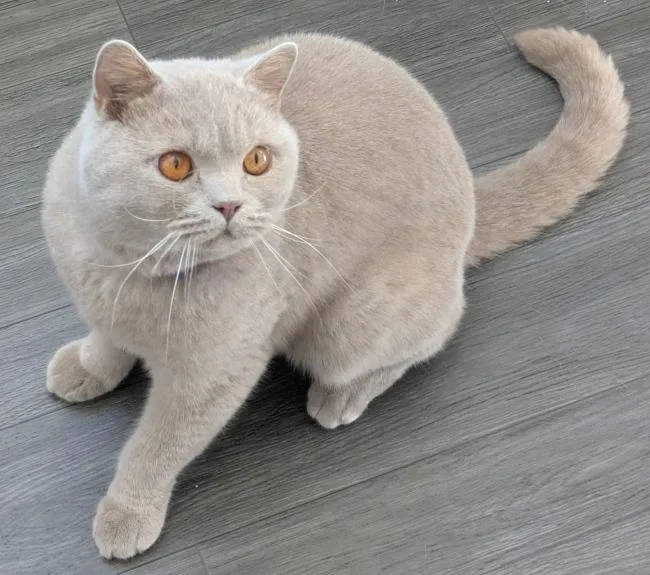
The British Shorthair descends from the working street and farm cats of Britain and appeared at the first organized cat show in London in 1871. It's round-faced and thick-bodied, with a dense, plush coat. Blue with copper eyes is the classic look, but the breed comes in dozens of colors and patterns. Males commonly reach 12 to 17 pounds, females are smaller, and the cat may not fill out until about three years old.

Many British Shorthairs are calm, quiet companions that like to stay near their people without demanding a lap. They often dislike being carried and prefer play that keeps four feet on the floor. Plan on weekly brushing, more during seasonal sheds, careful portions to prevent weight gain, and veterinary attention to heart and kidney health.

Weight
7–17 lbs
Height
12–14 in
Lifespan
12–17 yrs
Temperament
Calm, Easygoing, Affectionate
Shedding
Moderate

Owning a British Shorthair in Chicago

Having a British Shorthair in Chicago

Steady and low-key, the British Shorthair suits compact city homes, though its dense coat, healthy appetite and inherited heart and kidney risks all deserve planning. The cards below cover daily life, from play and veterinary care to space in a typical Chicago building.

Temperament

British Shorthairs tend to be calm cats that settle into a Chicago apartment without much fuss. They usually prefer sitting near you to sitting on you, and many dislike being carried, so a quiet household or a gentle family suits them. Some are shy with visitors at first, and each cat's own history matters as much as breed.

Exercise Needs

Plan on a few short play sessions a day, such as wand toys or toy mice, played at floor level. Chicago winters keep cats inside for months, so scheduled play and puzzle feeders help hold weight steady. A heavy adult British Shorthair that skips exercise gains pounds quickly, which strains the heart and joints.

Health Considerations

Hypertrophic cardiomyopathy, a thickening of the heart muscle, is more common in males, and some cats carry polycystic kidney disease. Obesity and dental disease are common but preventable. Regular checkups let a veterinarian screen the heart and kidneys, and a cat adopted with an unknown history benefits from an early baseline exam.

Living Space

A British Shorthair adapts well to a Chicago two-flat, condo or high-rise because it's quiet and rarely climbs. A sturdy scratching post, a low cat tree and a sunny window perch are enough. Keep window screens secure and balconies closed off, since any cat can slip or get startled near an open edge.

What it costs to own a British Shorthair in Chicago

ExpenseTypical costPer year
Adoption fee$175, one time$175 in year one
Food$30 to $60 per month$360 to $720
Pet insurance$30 to $65 per month$360 to $780
Routine vet care$150 to $350 per year$150 to $350
Other*$450 to $1,150 per year$450 to $1,150
Estimated yearly total (after year one)$1,320 to $3,000
First-year total (with adoption fee)$1,495 to $3,175

Adoption fee is the fee on British Shorthair listings in Chicago on GetBuddy today. Other costs are estimates and vary with size, age and health.

* Litter, flea prevention, a dental cleaning allowance, toys, scratchers and other supplies, and weekly home brushing for the dense short coat.

Adopt a British Shorthair in Chicago.

Now that you know more, let’s find you a new best friend. These rescues and shelters below currently have British Shorthairs available.

Frequently Asked Questions

Yes, a British Shorthair usually does well in a Chicago apartment. It's quiet, rarely climbs and is content with a window perch, a low cat tree and a scratching post. Its size matters more than its noise: a large male can reach 17 pounds, so confirm your lease has no pet weight limit and plan daily play.

Yes, you can get a British Shorthair in Chicago. Illinois law prohibits breed-specific rules, so the breed isn't restricted by the city. The practical limits come from your lease or condo bylaws, which can add pet fees, monthly pet rent or weight caps. Your cat will also need a rabies vaccination and a Cook County tag.

Only in a carrier. The CTA allows small pets inside a closed carrier that one person can carry and that fits under a seat, without blocking aisles. A large British Shorthair may fill a carrier, so measure first. Metra allows carriers on weekends and off-peak weekday trains at no charge, but doesn't guarantee space.

Yes, as indoor cats they handle Chicago winters well. The dense coat and calm nature suit a heated apartment, even with 106 to 121 freezing nights a year and about 38 inches of snow. Keep the bed off drafty floors, and keep the cat inside, where deicing salt and ice aren't a concern.

For many households, yes. A calm, quiet British Shorthair copes with small apartments, long indoor winters and building noise. The trade-offs are local: summer heat waves can bother a dense-coated cat, and months indoors make weight gain easy. If you can provide cooling, daily play and measured meals, the match works.

Plan on brushing once a week, and more often during spring and fall sheds, when the dense coat releases the most hair. Dry heated air in winter can add static and dander, so regular brushing helps. Home brushing keeps costs low, and its supplies fall within the $450 to $1,150 yearly Other estimate.

British Shorthairs commonly live about 12 to 17 years, and many healthy indoor cats reach their late teens. Swedish insurance data found most lived past ten, though a UK veterinary study reported a lower average because of early deaths. Keeping a British Shorthair lean, brushing its teeth and screening for heart and kidney disease all help support a longer life.

No, British Shorthairs are not hypoallergenic. Their dense coat sheds, and like all cats they produce the Fel d 1 allergen in saliva and skin, which spreads onto fur during grooming. People with mild allergies sometimes cope with frequent brushing, air purifiers and a cat-free bedroom, but spending time with the specific cat before adopting is the safest test.

We have 1 rescue with British Shorthairs available: Forever Fortunate Felines. You can see every rescue with British Shorthairs available in the list above these questions, or scroll to the top to see the British Shorthairs near Chicago.

Expect roughly $30 to $60 a month for food and $30 to $65 a month for insurance. Routine veterinary care runs about $150 to $350 a year, and other costs such as litter, flea prevention, dental care and supplies add about $450 to $1,150 a year. A heavy cat on good food sits toward the upper end.

Find British Shorthairs in Nearby Cities

Expand your search to find British Shorthairs available for adoption near Chicago.