Calico Cats for Adoption in Chicago, IL

Your guide to finding and caring for a Calico in Chicago

A calico fits easily into Chicago's two-flats and walk-ups, since most are ordinary shorthair cats that live happily indoors. In a Portage Park bungalow or a Hyde Park walk-up, a window perch above the street gives her plenty to watch. Calico is a coat pattern rather than a breed, so personalities range from shy to bold, and nearly all calicos are female. She'll be your lap warmer from December through March.

11 Calicos available for adoption in Chicago

Bring home a Calico

Calicos Available for Adoption in Chicago

About the Calico breed

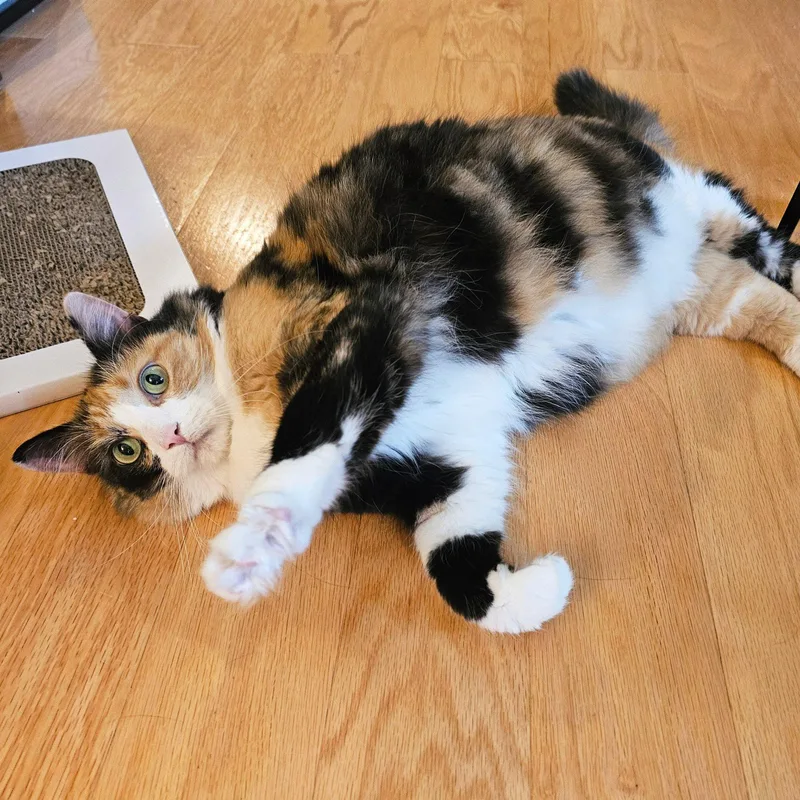
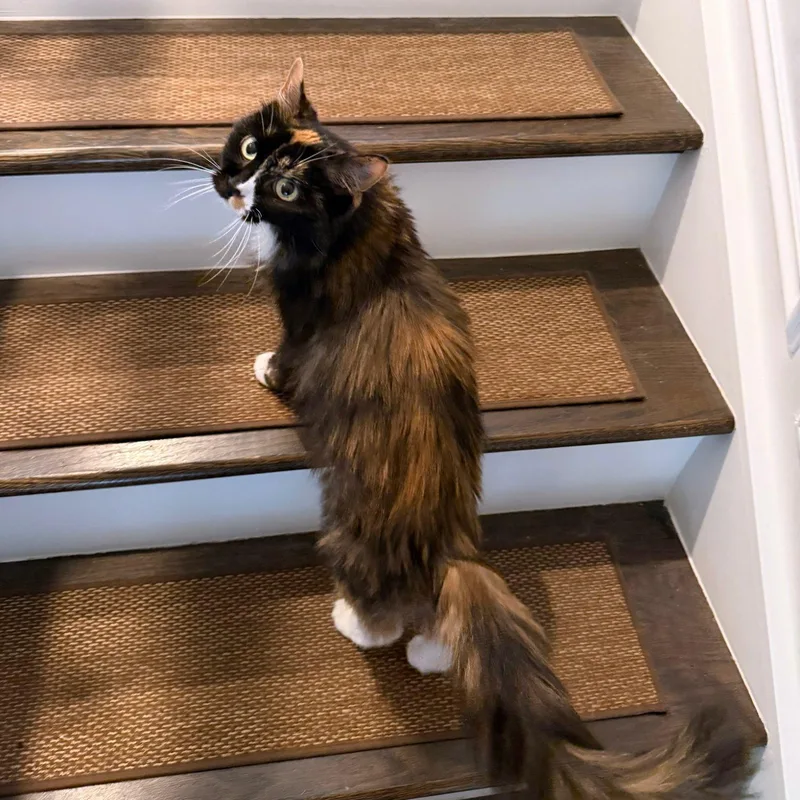
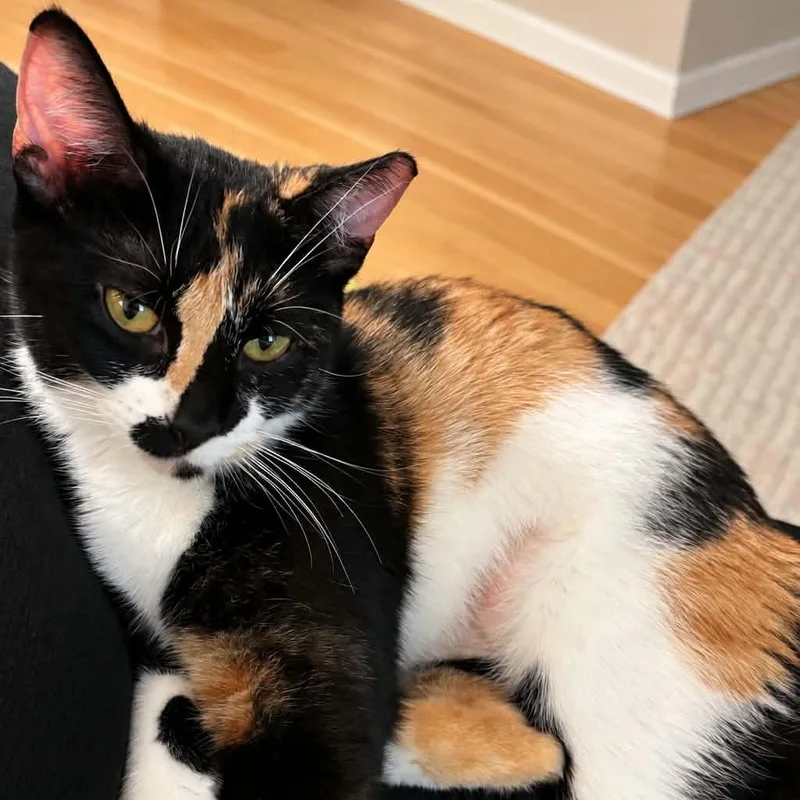
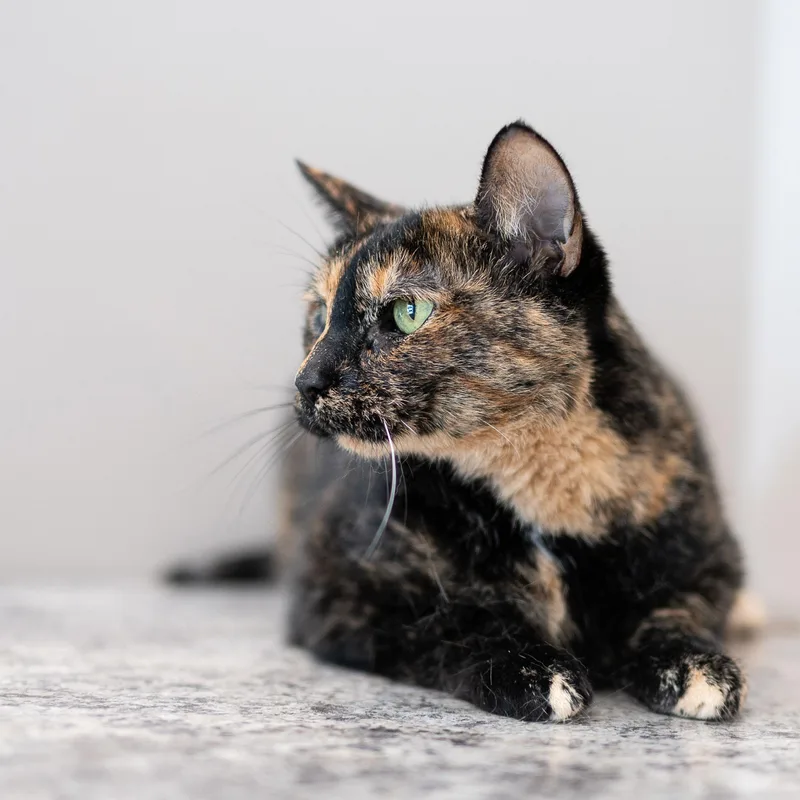
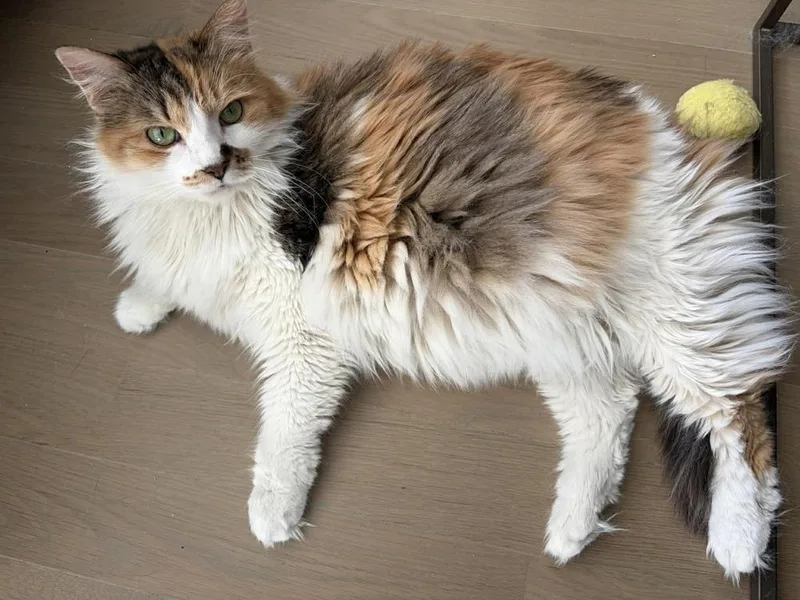
Calico describes a tricolor coat, white with patches of black and orange (or gray and cream in the dilute version), not a breed. The pattern appears in domestic shorthairs and longhairs and in some pedigreed breeds, and most calicos in shelters are domestic shorthairs. Expect a medium-sized cat of about 6 to 12 pounds with a typical lifespan of 12 to 18 years.

Because coat color doesn't predict behavior, her care follows that of any house cat: moderate shedding, weekly brushing (more for longhaired mixes), vaccines, dental care and a litter box she likes. In Chicago that care happens mostly indoors, where she's safe from icy sidewalks, busy streets and the coyotes that roam the city. Her personality is something you learn by meeting her, not by reading her patches.


Weight
6–12 lbs
Height
8–10 in
Lifespan
12–18 yrs
Temperament
Adaptable, Affectionate, Independent
Shedding
Moderate

Owning a Calico in Chicago

Having a Calico in Chicago

A calico's traits come from her ancestry, upbringing and age rather than her coat. In Chicago, the practical questions are how she handles indoor life through long winters, how much play she needs, and whether your rental suits a cat.

Temperament

Calicos range from shy and gentle to bold and talkative. Coat color doesn't set personality, and "tortitude" is mostly folklore, though some owners report a feistier streak. A cat that's relaxed around street noise, neighbors' footsteps and visitors adapts easily to Chicago apartment life. Spend time with a cat before deciding.

Exercise Needs

Most calicos need two or three short play sessions a day with wand toys, balls or food puzzles. Chicago's long winters keep cats inside, so vertical space and a window perch matter. Kittens and young adults need more play than seniors. A harness-trained cat can enjoy supervised time outdoors in warmer months.

Health Considerations

A calico's health mirrors any domestic cat's: vaccines, dental care, weight control and yearly checkups. Indoor winters can lead to weight gain, so measure meals and keep up the play. Rare male calicos with an extra X chromosome can face added urinary or metabolic issues, which a veterinarian can screen for.

Living Space

Calicos adapt well to Chicago's typical homes, from high-rise studios to bungalows, when they have scratching posts, perches, hiding spots and a quiet room to settle into. A window cat tree gives her the street to watch. Secure screens on upper-floor windows, since cats can slip through or fall from them.

What it costs to own a Calico in Chicago

ExpenseTypical costPer year
Adoption fee$65 to $185, one time$65 to $185 in year one
Food$25 to $50 per month$300 to $600
Pet insurance$20 to $45 per month$240 to $540
Routine vet care$150 to $350 per year$150 to $350
Other*$450 to $1,150 per year$450 to $1,150
Estimated yearly total (after year one)$1,140 to $2,640
First-year total (with adoption fee)$1,205 to $2,825

Adoption fee is the range of fees on Calico listings in Chicago on GetBuddy today. Other costs are estimates and vary with size, age and health.

* Litter, flea and tick prevention, a yearly dental cleaning allowance, toys and supplies, and home brushing.

Adopt a Calico in Chicago.

Now that you know more, let’s find you a new best friend. These rescues and shelters below currently have Calicos available.

Frequently Asked Questions

Yes, as long as she rides in a closed carrier. CTA buses and 'L' trains allow only small pets in a closed protective carrier that one person can carry and that fits under a seat or on your lap. It can't take up a seat or block an aisle. Most calicos fit easily, which makes train rides to the vet practical.

Yes, mostly, because a calico lives indoors where the climate is controlled. Chicago's freezing winters and humid summer heat waves are easy to manage in a heated, cooled apartment. Keep her inside in extreme weather, offer fresh water and shade when it's hot, and never leave her in a parked car, which is risky in both heat and cold.

Yes. Illinois law bars breed-specific rules, and calico is a coat pattern rather than a breed anyway. Chicago's registration rule covers dogs, not cats, but cats four months and older need a rabies vaccine and tag. Landlords set their own pet policies, so confirm your lease allows cats before you adopt.

Yes. Calicos are medium-sized, moderately active cats that do well in Chicago apartments, studios included, when they have a perch, a scratching post and daily play. A window cat tree gives her something to watch, and a shy cat may want a quiet room to settle in first. Keep upper-floor window screens secure.

A calico fits Chicago well if you want an indoor companion and enjoy winter evenings at home. Her coat doesn't predict personality, so match her energy and temperament to your schedule instead. A playful young cat needs daily play sessions, while a mellow senior suits a quieter household. Browse the cats listed on this page to compare ages and personalities.

It depends on her coat. A shorthair calico needs a quick weekly brushing, while a longhaired mix may need it several times a week to prevent mats. Dry heated air in winter and shedding in spring and fall are the busiest times. Home brushing is usually enough, and most of the grooming budget stays small.

Almost all calico cats are female, but not every single one. The genes for orange and black coat color sit on the X chromosome, so a cat normally needs two X chromosomes to show both colors at once. Roughly 1 in 3,000 calicos is male, usually because of an extra X chromosome, a genetic quirk rather than a separate type.

A calico cat is any cat with a three-color coat of white plus distinct patches of black and orange, or gray and cream in dilute calicos. Calico is a coat pattern rather than a breed, so it appears in domestic shorthairs, longhairs and many pedigreed breeds. Nearly all calicos are female because of how coat color genes are inherited.

We have 7 rescues with Calicos available, including CAT CARE AND RESCUE INC, Cats in Action and Feline Friends Chicago. You can see every rescue with Calicos available in the list above these questions, or scroll to the top to see the Calicos in Chicago.

Plan on roughly $1,140 to $2,640 a year for a calico in Chicago, depending on the food, coverage and care you choose. That's $25 to $50 a month for food, $20 to $45 for insurance, $150 to $350 a year for routine vet care, and $450 to $1,150 a year for everything else, including litter.