Tortoiseshell Cats for Adoption in San Francisco, CA

Your guide to finding and caring for a Tortoiseshell in SF

Tortoiseshell cats fit SF's apartment life well, since they don't need a yard to be happy. In a Haight-Ashbury Victorian flat or a converted Dogpatch loft, a tortie can claim a window perch and supervise the street below. Tortoiseshell is a coat pattern, not a breed, so these cats come in every personality, from shy to bold. Most are domestic shorthairs, which makes them easy to match with a rental, a roommate or a quiet one-bedroom near Golden Gate Park.

981 Tortoiseshells available in San Francisco and nationwide

Your Tortoiseshell is waiting

Tortoiseshells Available for Adoption Near San Francisco

About the Tortoiseshell breed

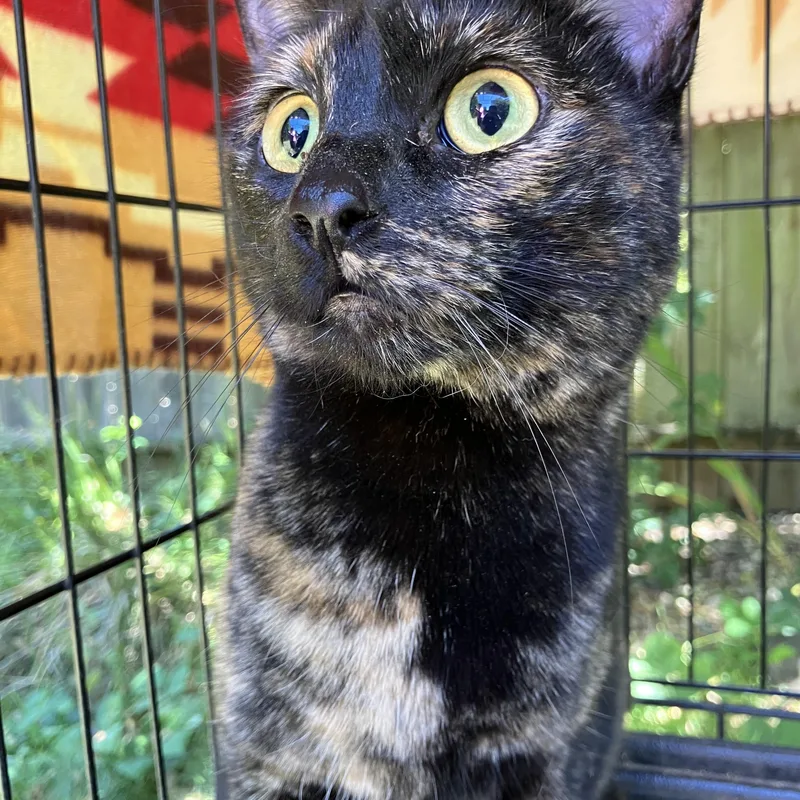
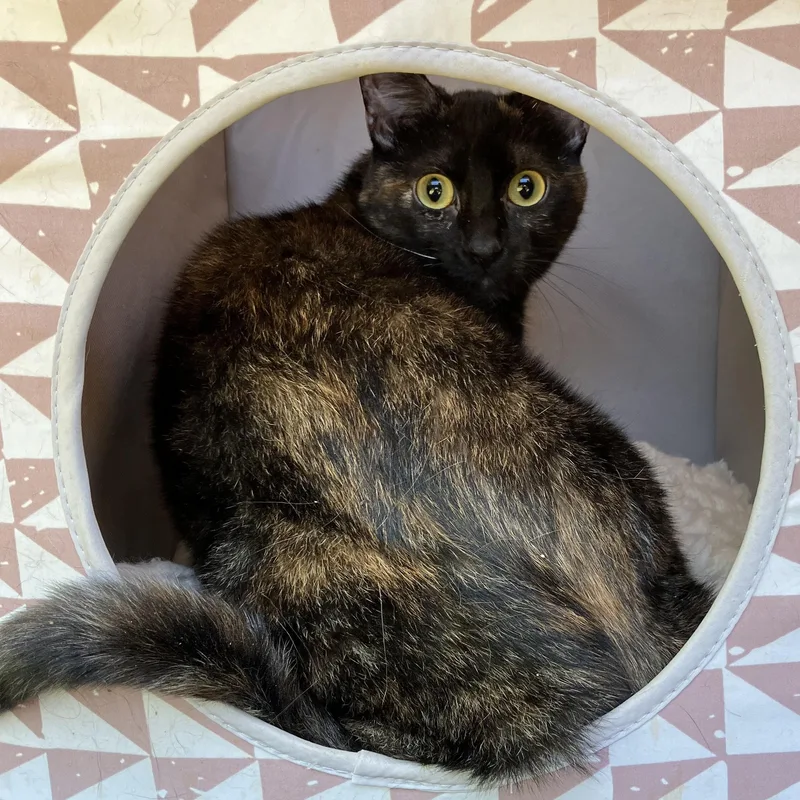
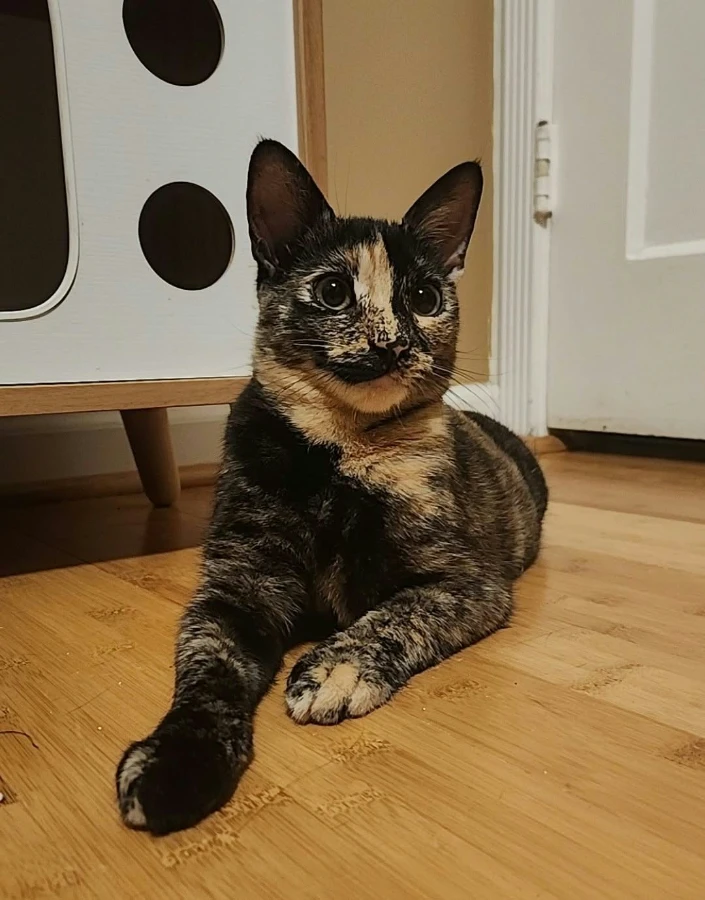
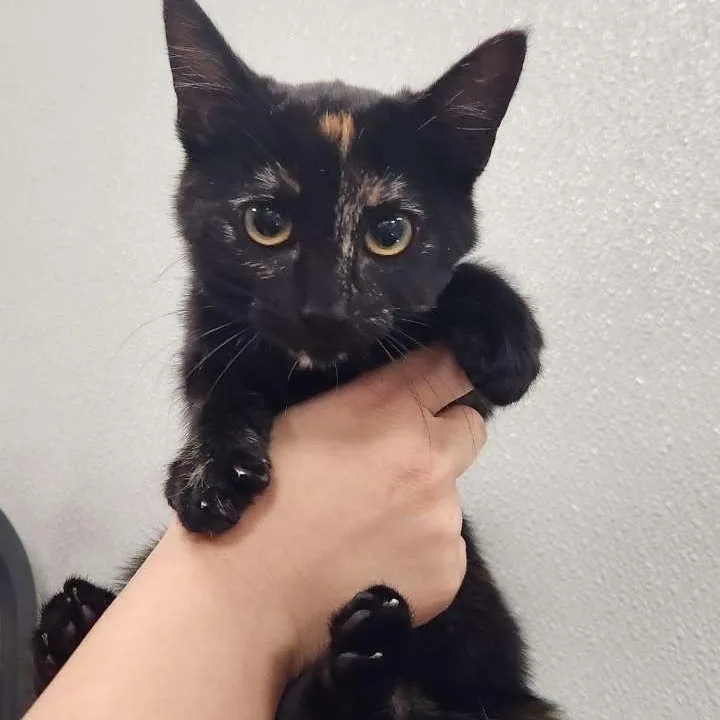
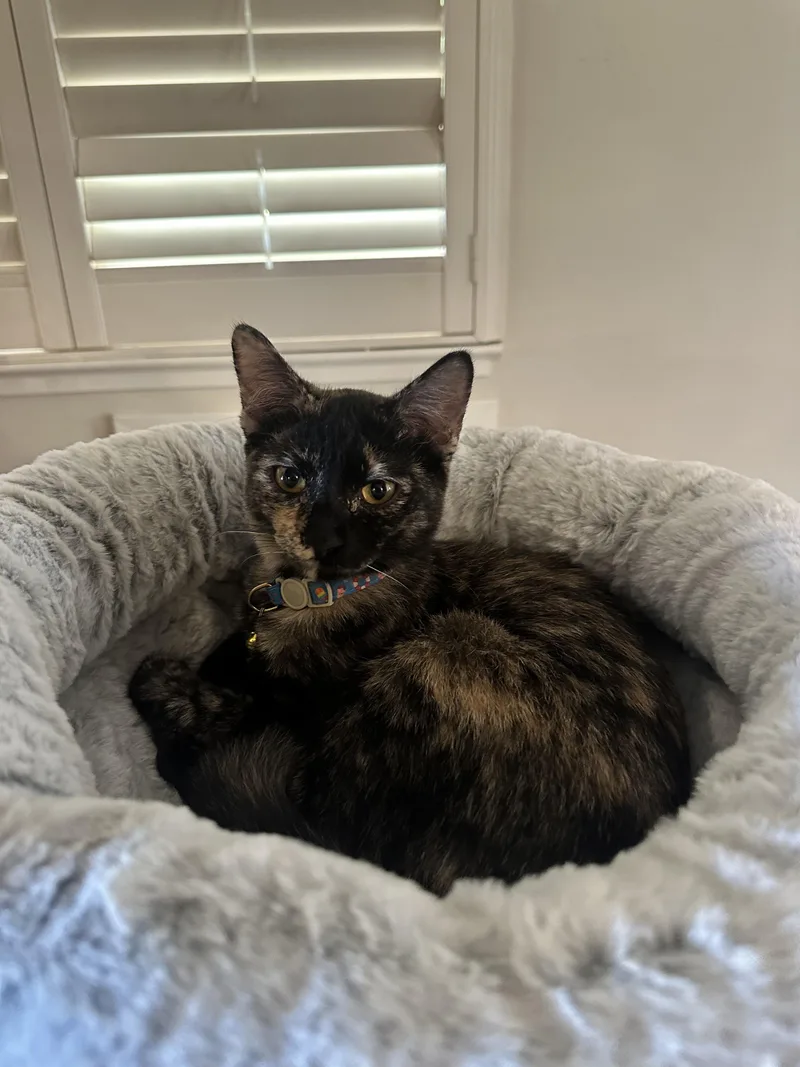
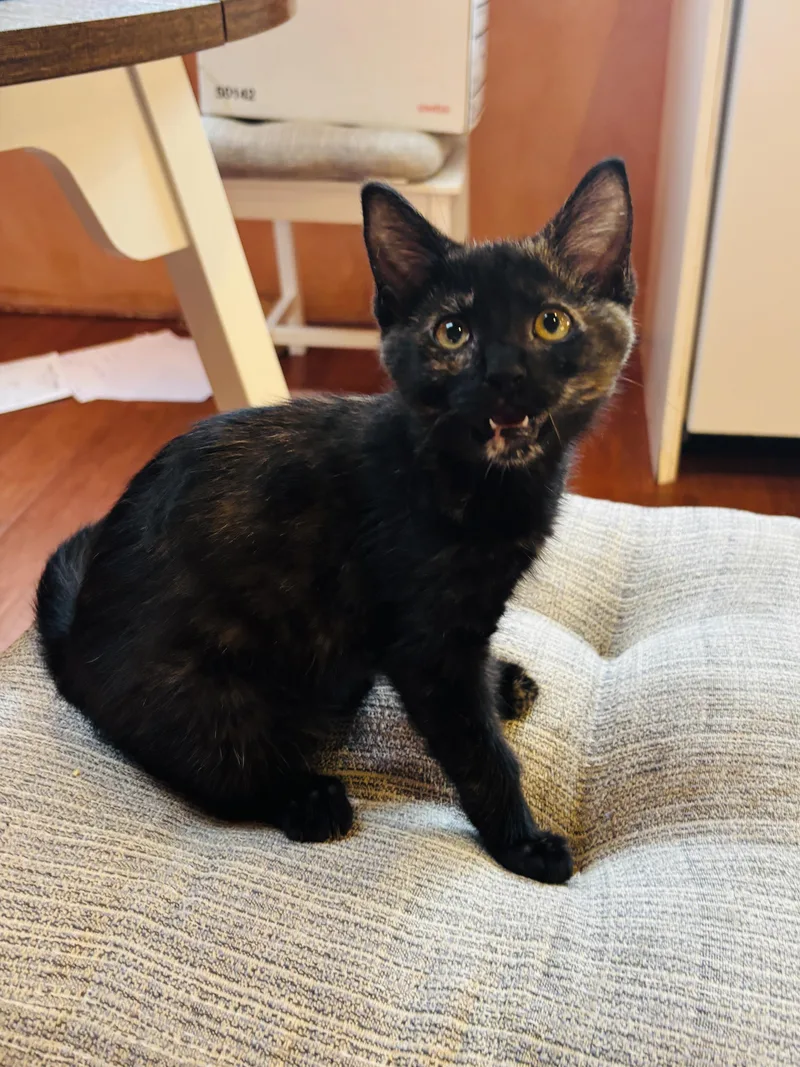
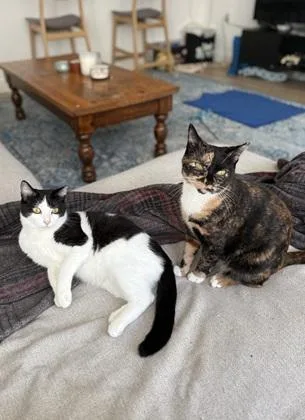
Tortoiseshell describes a coat, not a breed. A tortie's coat mixes black-based and orange-based colors in patches or a fine mottle, usually with little white; a cat with large white areas is called a calico. Dilute torties show soft gray and cream, and torbies add tabby stripes. Because the orange gene sits on the X chromosome, nearly all torties are female.

Most torties are domestic shorthairs, though the pattern also appears in Persians, Maine Coons and British Shorthairs. Their "tortitude" reputation is folklore backed by limited owner-survey evidence. A cat's age, history and socialization say far more about personality than color does. In SF, where so many homes are apartments, that means watching how a cat handles noise, stairs and neighbors rather than judging by the coat.

Weight
6–14 lbs
Height
8–10 in
Lifespan
12–18 yrs
Temperament
Independent, Affectionate, Playful
Shedding
Moderate

Owning a Tortoiseshell in San Francisco

Having a Tortoiseshell in SF

Because tortoiseshell is a coat and not a breed, traits vary widely from cat to cat. These cards describe what's typical for the domestic shorthairs most adopters meet, and how those traits play out in a San Francisco home.

Temperament

Torties are often called spirited or opinionated, but the evidence tying coat color to behavior is thin. Some are shy, some bold, some true lap cats. For SF living, notice how a cat reacts to buses, neighbors and street noise through thin walls, since a calm cat may suit a busy flat better than a sensitive one.

Exercise Needs

Plan on daily interactive play, such as wand toys, chase games and puzzle feeders, with more for young cats and gentler sessions for seniors. In a small SF apartment, vertical space helps: a cat tree, wall shelves or a window perch over the street gives a tortie room to climb and watch.

Health Considerations

The coat pattern carries no health risks for female cats, while the rare males usually have an extra X chromosome and may face added issues. Otherwise health follows age and ancestry, so yearly checkups, dental care and a healthy weight matter most. A veterinarian can check a newly adopted cat's teeth, weight and coat at a first visit.

Living Space

Torties do well in studios, flats and houses alike, since space needs depend on the cat. Indoor living also keeps a cat away from the coyotes reported in neighborhoods from Bernal Heights to the Presidio. Scratching posts, a cat tree and a quiet hideaway make a small home feel bigger.

What it costs to own a Tortoiseshell in San Francisco

ExpenseTypical costPer year
Adoption fee$150, one time$150 in year one
Food$25 to $50 per month$300 to $600
Pet insurance$20 to $45 per month$240 to $540
Routine vet care$150 to $350 per year$150 to $350
Other*$450 to $1,150 per year$450 to $1,150
Estimated yearly total (after year one)$1,140 to $2,640
First-year total (with adoption fee)$1,290 to $2,790

Adoption fee is the fee on Tortoiseshell listings in San Francisco on GetBuddy today. Other costs are estimates and vary with size, age and health.

* Litter, flea prevention, a yearly dental cleaning allowance, toys and supplies, and home grooming.

Adopt a Tortoiseshell in San Francisco.

Now that you know more, let’s find you a new best friend. These rescues and shelters below currently have Tortoiseshells available.

Frequently Asked Questions

Yes, tortoiseshell cats do well in SF apartments, because coat color doesn't change space needs. Daily play, climbing room and a window view matter more. In dense buildings, a cat who stays relaxed around neighbors and street noise suits a flat best. Since so many SF homes are rentals, get pet terms in writing before adopting.

Yes, but only off-peak and in a carrier. Muni bars pets weekdays 5–9 a.m. and 3–7 p.m., allows one pet per vehicle, requires a small closed container on your lap or under the seat, and charges a pet fare equal to yours. BART also requires an enclosed carrier. Caltrain allows service animals only.

Yes, the mild climate suits indoor tortoiseshells well. There are no freezing nights in a normal year, summer stays cool, and rain mostly falls from November to March. The main risks are rare warm spells in September and October and smoky days, when a cat is best kept inside with fresh water and shade.

Yes. San Francisco doesn't regulate cats by coat color or pattern, and its breed-specific spay/neuter rule applies only to pit-bull-type dogs. If you rent, confirm the building's pet terms first. Adopting is the simplest route, since pet stores here can sell cats only when they come from shelters or rescue groups.

Most tortoiseshells are shorthairs and need a quick weekly brushing, while long-haired torties benefit from brushing several times a week to prevent mats. San Francisco's cool, damp weather doesn't change much, though shedding can rise in spring. Home grooming is a small part of the yearly Other costs; professional grooming mainly helps long coats.

Often, yes, for people who want a cat that's content indoors in a small home. Coat color doesn't determine personality, so look at each cat's energy, comfort with noise and need for company. A cat that handles quiet days alone suits a busy work schedule, while a social one does better with someone home.

A tortoiseshell cat is a cat with a coat pattern of black-based and orange-based colors blended or patched together, usually with little or no white. It is not a breed; the pattern appears in many breeds and most often in domestic shorthairs. Nearly all tortoiseshells are female because the genes for orange and black are carried on the X chromosome.

Almost all tortoiseshell cats are female, but not all. A female has two X chromosomes and can carry both orange and black color genes, producing the mixed coat. Males normally have only one X. Rare male torties usually have an extra X chromosome or are genetic chimeras, and they are estimated at roughly 1 in 3,000 tortoiseshells.

We have 1 rescue with Tortoiseshells available: Give Me Shelter Cat Rescue. You can see every rescue with Tortoiseshells available in the list above these questions, or scroll to the top to see the Tortoiseshells near San Francisco.

Most tortoiseshells cost about $1,140 to $2,640 a year in San Francisco. That adds food at $25–$50 a month, insurance at $20–$45 a month, routine vet care at $150–$350 a year, and $450–$1,150 a year for litter, parasite prevention, dental care and supplies. Illness or injury can add to this.