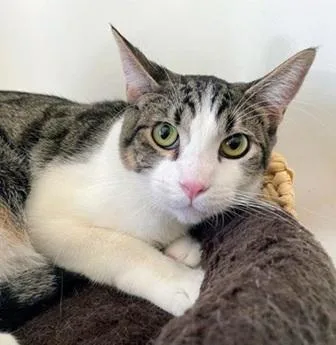
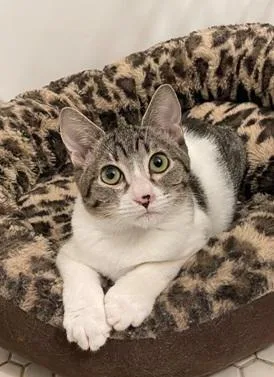
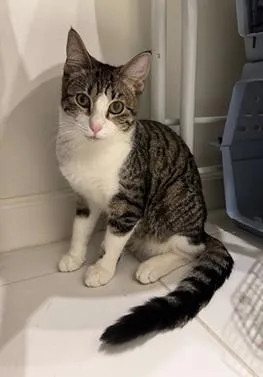
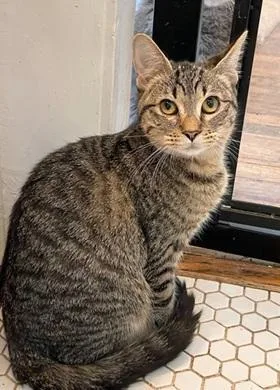
Tabby Cats for Adoption in San Francisco, CA

Your guide to finding and caring for a Tabby in SF

A tabby cat fits SF apartment life well, because most do fine as indoor cats. Tabby is a coat pattern, not a breed, so these cats range from lap-loving to aloof. A sunny window in a Noe Valley row house or a Haight-Ashbury Victorian flat gives a cat plenty to watch, and a few perches and a scratching post cover the rest. Choose a cat whose energy and age match your schedule, and the stripes are just a bonus.

13 Tabbies available for adoption in San Francisco

Find your Tabby

Tabbies Available for Adoption in San Francisco

About the Tabby breed

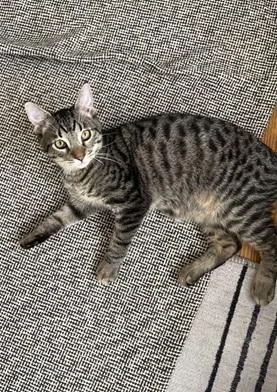
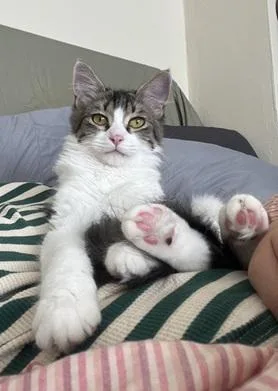
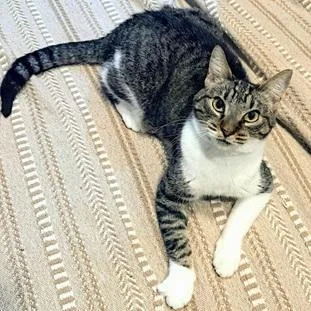
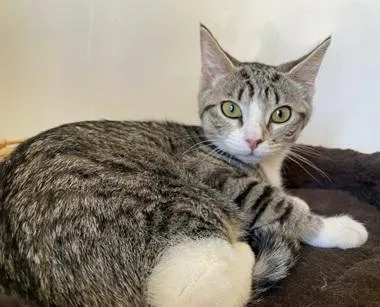
Tabby is a coat pattern, not a breed. Any cat with stripes, swirls, spots or ticked hairs plus the M-shaped mark on the forehead counts, whether it's a domestic shorthair or a Maine Coon mix. The four main patterns are mackerel, classic, spotted and ticked, in colors from brown and orange to gray, silver and cream.

That means there's no single tabby personality or body type. Most adoptable tabbies are medium-sized domestic shorthairs of roughly 6 to 14 pounds, and a cat's temperament comes from its genetics, upbringing and experiences. In a city like SF, where many cats live indoors in apartments, what matters most is how a cat handles quiet days, visitors and noise, so spend time with the cat and watch how it behaves.

Weight
6–14 lbs
Height
8–10 in
Lifespan
12–18 yrs
Temperament
Curious, Adaptable, Affectionate
Shedding
Moderate

Owning a Tabby in San Francisco

Having a Tabby in SF

Tabby describes a coat pattern found in many breeds and mixes, so a tabby's traits depend on the cat itself. Age, energy level, coat length and health history tell you far more than the stripes do.

Temperament

Expect the full range of feline personalities, since the pattern doesn't shape temperament. Many tabbies are curious, friendly and adaptable, while others are shy or independent. In a busy SF building, a relaxed cat tolerates hallway noise and neighbors better than a nervous one, so watch how the cat reacts to new people and sounds.

Exercise Needs

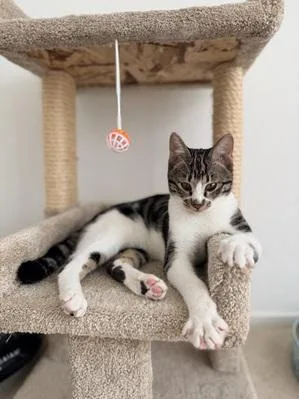
Daily play that mimics hunting, like wand toys, chasing and pouncing, keeps most tabbies fit. In an SF apartment, a tall cat tree, a window perch and a few short play sessions a day stand in for outdoor roaming. Kittens and young adults need more play, while older cats prefer gentler games that still keep them moving.

Health Considerations

Coat pattern has no known effect on health, so risks depend on the cat's mix, age and lifestyle. Common feline issues include obesity, dental disease and urinary problems, plus kidney disease and hyperthyroidism in seniors. Annual wellness exams, dental care and a healthy weight help any tabby, and a veterinarian can check a newly adopted cat's health.

Living Space

Most tabbies do well in apartments or houses when they have places to climb, scratch, hide and look outside. In SF's rental-heavy housing, vertical space matters more than square footage. Keep litter boxes easy to reach and give the cat a quiet retreat. A long-haired tabby needs more grooming time than a shorthair.

What it costs to own a Tabby in San Francisco

ExpenseTypical costPer year
Adoption fee$150, one time$150 in year one
Food$25 to $50 per month$300 to $600
Pet insurance$20 to $45 per month$240 to $540
Routine vet care$150 to $350 per year$150 to $350
Other*$450 to $1,150 per year$450 to $1,150
Estimated yearly total (after year one)$1,140 to $2,640
First-year total (with adoption fee)$1,290 to $2,790

Adoption fee is the fee on Tabby listings in San Francisco on GetBuddy today. Other costs are estimates and vary with size, age and health.

* Litter, flea prevention, a dental cleaning allowance, toys, scratchers and bedding, and occasional grooming.

Adopt a Tabby in San Francisco.

Now that you know more, let’s find you a new best friend. These rescues and shelters below currently have Tabbies available.

Frequently Asked Questions

Yes, most tabbies do well in SF apartments, since the pattern says nothing about size or energy and many shelter tabbies are medium-sized, adaptable shorthairs. Give the cat a window perch, a tall scratching post and daily play, and keep windows screened on upper floors. Check the lease first, because landlords set their own pet rules.

Yes. San Francisco has no breed restrictions on cats, and tabby is a coat pattern anyway. The city's breed-specific rule covers pit bull-type dogs only. Your main hurdle is housing: renters need landlord approval, and pet deposits count toward California's security deposit cap. Watch the listings on this page for tabbies, and save a search to hear about new cats.

Yes, with limits. Muni, including the Market Street subway, allows pets only off-peak, not weekdays 5–9 a.m. or 3–7 p.m., with one pet per vehicle, and you pay a fare for the pet. Keep the tabby in a small closed carrier on your lap or under the seat. BART also requires an enclosed carrier, and Caltrain allows service animals only.

Yes, SF's mild climate is easy on tabbies. Winter lows average around 47°F without freezing nights, and summer highs stay in the mid-to-upper 60s. The warmest stretches come in September and October, so keep water out and shade available then. Indoor cats mostly feel the weather through windows, so a sunny perch is the best upgrade.

Most tabbies have short coats, so a weekly brushing is usually enough, with extra sessions during seasonal shedding. Long-haired tabbies need brushing several times a week to prevent mats. SF's cool, damp weather doesn't change much for an indoor cat. Grooming is a small part of the yearly Other costs, since most cats need only occasional professional help.

A tabby cat is any cat with a tabby coat pattern, meaning stripes, swirls, spots or ticked hairs plus a distinctive M-shaped marking on the forehead. Tabby is not a breed. The pattern appears in domestic shorthairs and longhairs as well as many pedigreed breeds, such as the American Shorthair, Maine Coon and Abyssinian, and it is one of the most common cat patterns.

A tabby cat isn't any one breed, because tabby is a coat pattern. Cats with the pattern include shelter domestic shorthairs and longhairs as well as breeds such as the American Shorthair, Maine Coon, Bengal and Abyssinian. Most tabbies available for adoption are mixed-breed domestic cats, so browse the cats listed here and look at each one's age and personality.

A tabby cat has an M-shaped mark on its forehead, thin lines running from the outer corners of the eyes, and striped or spotted markings on the body, legs and tail. Mackerel tabbies have narrow parallel stripes, classic tabbies have bold swirls with a bullseye on each side, spotted tabbies have spots, and ticked tabbies show flecked hairs with few stripes.

We have 1 rescue with Tabbies available: Give Me Shelter Cat Rescue. You can see every rescue with Tabbies available in the list above these questions, or scroll to the top to see the Tabbies in San Francisco.

Expect roughly $1,140 to $2,640 a year in total: food at $25–$50 a month, insurance at $20–$45 a month, routine vet care at $150–$350 a year, and $450–$1,150 a year in other costs such as litter, flea prevention and dental care. Emergencies and illness cost extra, and insurance is optional.