Torbie Cats for Adoption in San Francisco, CA

Your guide to finding and caring for a Torbie in SF

A Torbie fits easily into the flats and small apartments that make up much of SF. Torbie is a coat pattern, tortoiseshell blended with tabby, so these cats come in every personality. In a Haight-Ashbury Victorian split into apartments or a Noe Valley row house, a window perch over the street and a tall cat tree give most of them plenty to watch. Many are playful, so a few minutes with a wand toy each evening goes a long way.

280 Torbies available in San Francisco and nationwide

Fall for a Torbie

Torbies Available for Adoption Near San Francisco

About the Torbie breed

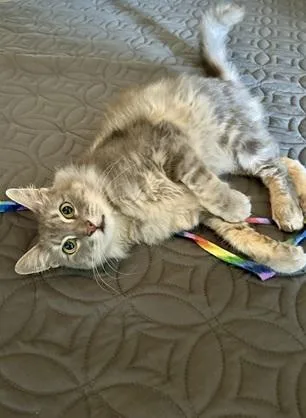
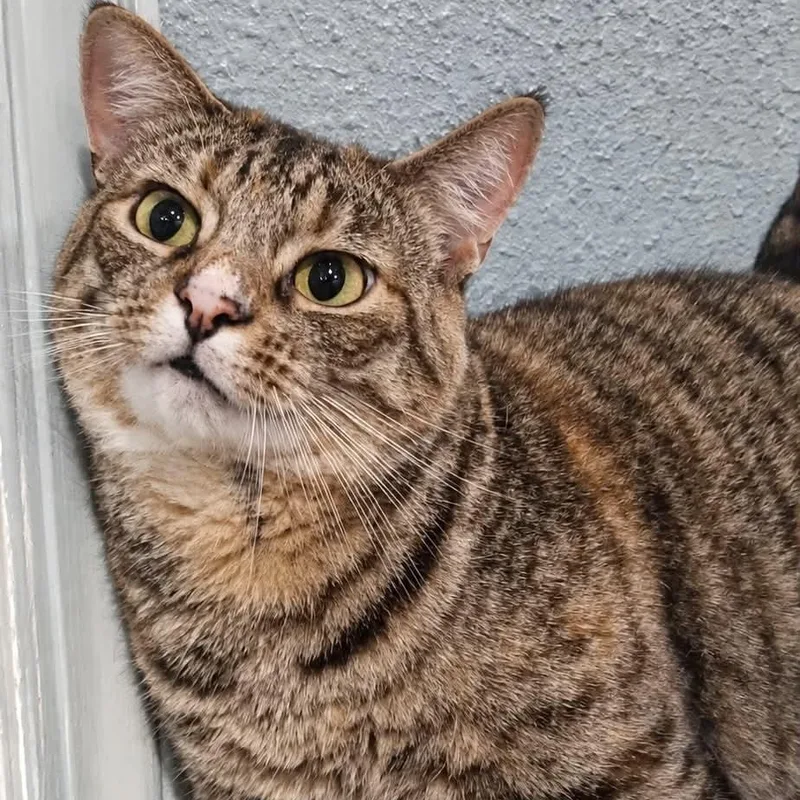
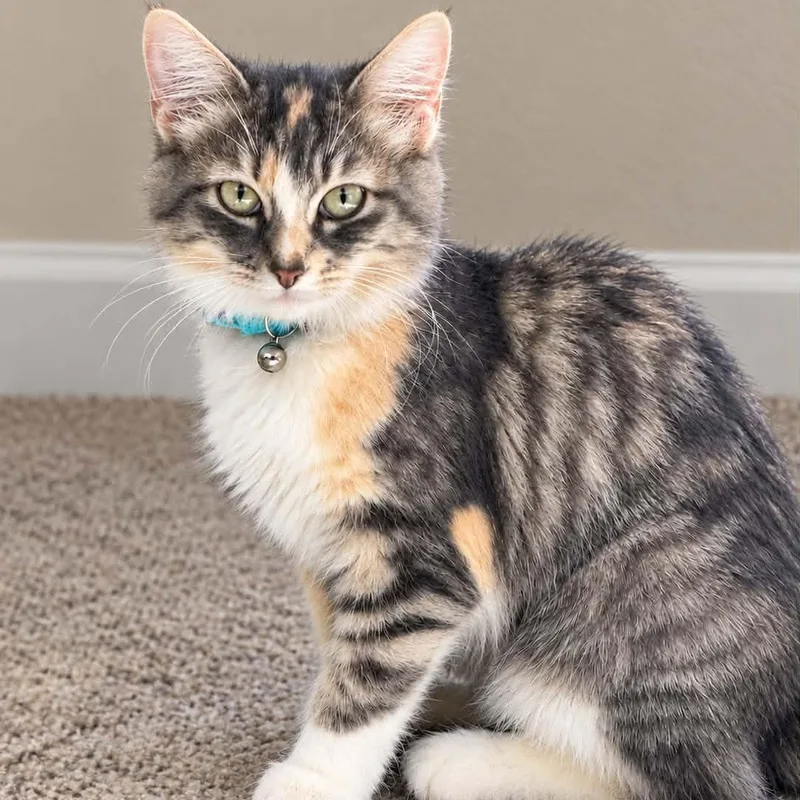
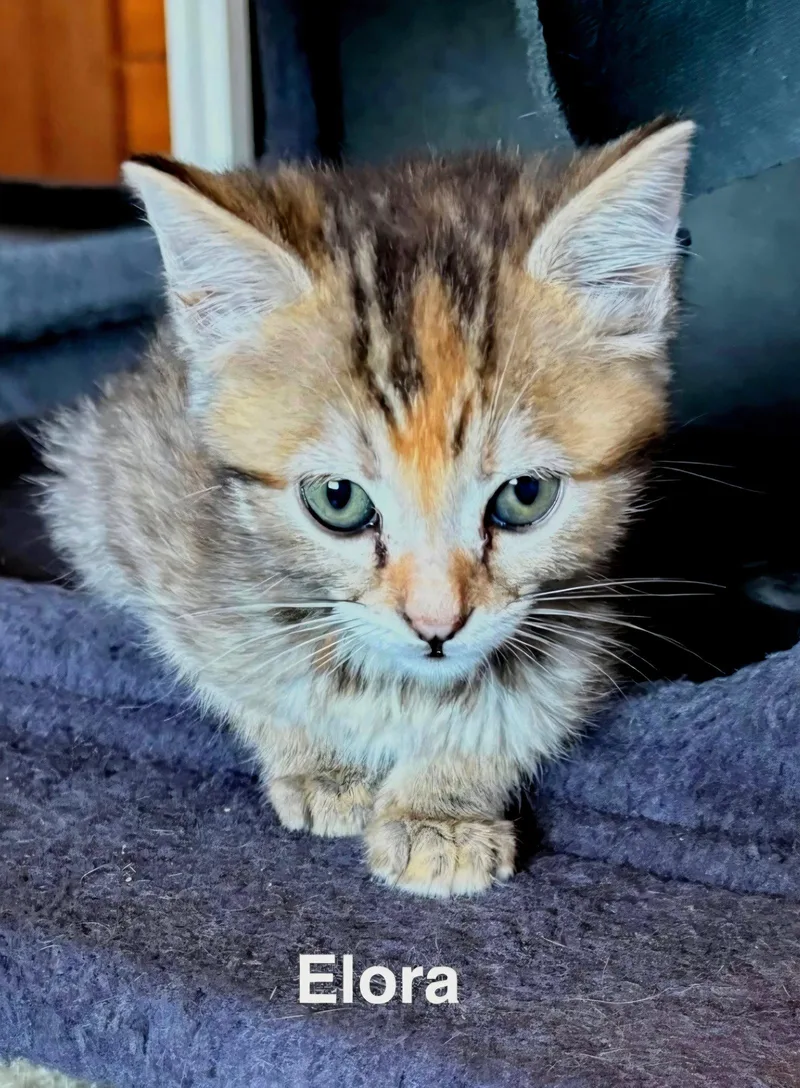
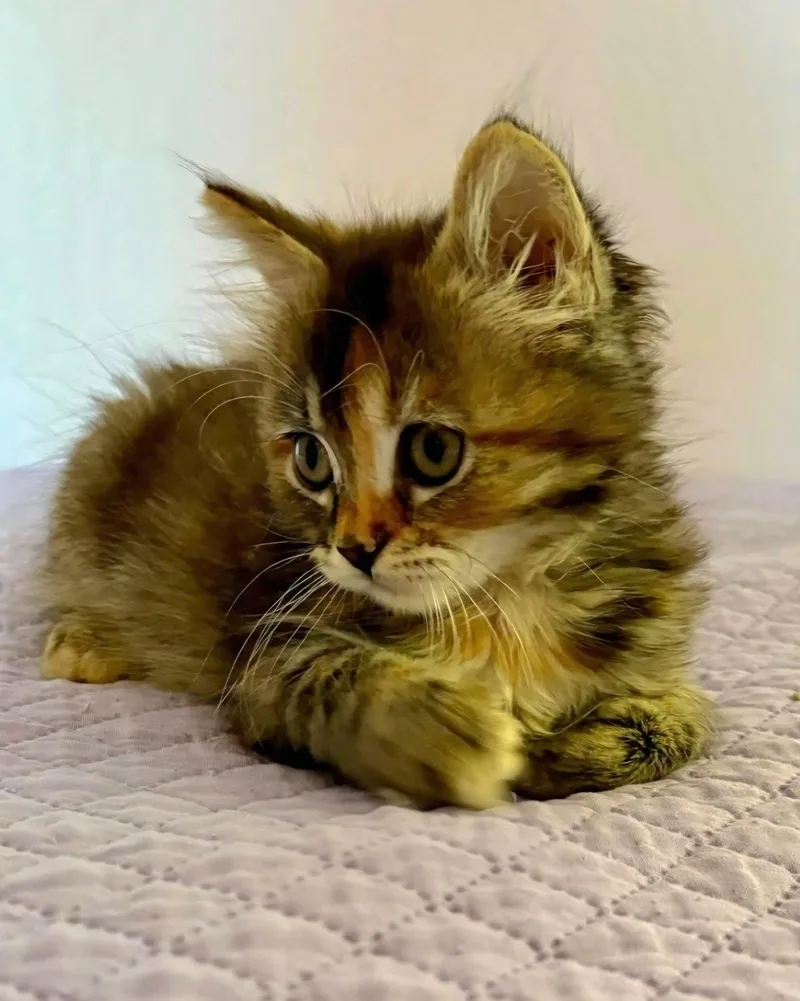
Torbie isn't a breed. It's a coat pattern that combines a tortoiseshell's patches of black-based and orange-based color with tabby stripes, swirls or spots, often with the tabby M on the forehead. Colors include brown, dilute blue-and-cream and silver, and a torbie with lots of white is sometimes called a caliby. Nearly all torbies are female, because the orange color gene sits on the X chromosome.

Most torbies in shelters are domestic shorthairs or longhairs, though the pattern shows up in many purebreds too. Owners often describe them as spirited and affectionate, but there's no good evidence that coat color shapes personality. Torbies range from shy to outgoing, so spend time with a cat before deciding. Moderate shedding means regular brushing, and most live 12 to 18 years, so adopting one is a long commitment.

Weight
6–14 lbs
Height
8–10 in
Lifespan
12–18 yrs
Temperament
Playful, Affectionate, Curious
Shedding
Moderate

Owning a Torbie in San Francisco

Having a Torbie in SF

Torbie describes a coat, not a breed, so these cards cover what's generally true of domestic cats with this pattern. Energy, health and personality depend on each cat's age, background and history rather than its colors.

Temperament

Torbies are often called spirited, chatty or affectionate, but that comes from owners' impressions, not research. Shelter torbies run from shy and reserved to outgoing and cuddly. In SF's apartment buildings, a cat that shrugs off hallway and street noise settles easily, and time spent with a cat before adopting is the best guide to fit.

Exercise Needs

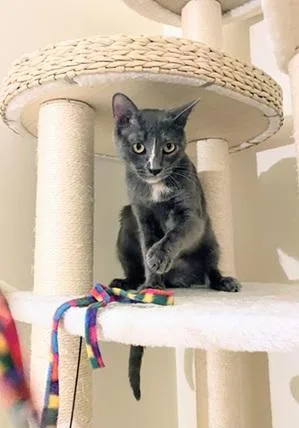
Plan on daily play with wand toys, puzzle feeders and chase games: several short sessions for young cats, gentler ones for seniors. In SF's compact homes, vertical space does a lot of the work. Cat trees, shelves and a window perch let a torbie climb and watch the street without ever going outside.

Health Considerations

The torbie pattern carries no known health risks for female cats, and the rare male torbie is usually sterile with possible extra health issues. Otherwise health depends on age and care. Schedule a veterinary exam soon after adoption, then keep up vaccines, dental care and a healthy weight. A veterinarian can check for any concerns.

Living Space

Torbies adapt to apartments and houses alike, which suits SF's mix of flats, row houses and small apartments. Scratching posts, hiding spots and a window perch matter more than square footage. Shy cats do best in calmer homes, while social, confident torbies often handle roommates, children and other pets well.

What it costs to own a Torbie in San Francisco

ExpenseTypical costPer year
Adoption fee$150, one time$150 in year one
Food$25 to $50 per month$300 to $600
Pet insurance$20 to $45 per month$240 to $540
Routine vet care$150 to $350 per year$150 to $350
Other*$450 to $1,150 per year$450 to $1,150
Estimated yearly total (after year one)$1,140 to $2,640
First-year total (with adoption fee)$1,290 to $2,790

Adoption fee is the fee on Torbie listings in San Francisco on GetBuddy today. Other costs are estimates and vary with size, age and health.

* Litter, flea and parasite prevention, a dental cleaning allowance, toys and supplies, and occasional home grooming.

Adopt a Torbie in San Francisco.

Now that you know more, let’s find you a new best friend. These rescues and shelters below currently have Torbies available.

Frequently Asked Questions

Yes, torbies do well in apartments, since a cat's space needs depend on its personality and age rather than its coat. Give a torbie vertical space, a window perch and a scratching post, and keep play sessions regular. In a dense building, a quieter corner helps shy cats settle, and it's worth getting the lease's pet terms in writing.

Yes. Torbie is a coat pattern, not a breed, and SF's breed-specific rule applies to certain dogs, not cats. You can browse the cats listed on this page, including any torbies, and save a search to hear about new arrivals. Since availability changes, coming back to this page is the best way to catch a new torbie.

Often, yes, for people who enjoy an indoor cat and can offer daily play. A torbie's coat doesn't predict personality, so fit depends on the cat. SF's mild weather and window-watching opportunities suit most indoor cats well, but busy schedules call for a confident, independent cat, and shy cats need a calm home.

Yes, SF's mild climate suits indoor torbies well. Summers stay cool, winters are wet but not freezing, and downtown sees only about three days a year at or above 90°F. Warm spells come mostly in September and October, so have water and shade ready, and keep a cat inside on smoky days.

Yes, with limits. Muni Metro's subway allows pets only outside weekday peaks (not 5–9 a.m. or 3–7 p.m.), one pet per vehicle, and a cat must ride in a small closed carrier on your lap or under the seat. You pay a fare for the cat equal to your own. BART requires an enclosed carrier.

Most torbies shed moderately, so brushing once or twice a week handles shorthairs, and longhaired torbies may need a few sessions weekly to prevent mats. SF's cool, damp weather doesn't change the routine much. Home brushing costs very little and fits within the Other costs line, so professional grooming is rarely needed.

A torbie cat is a cat whose coat combines tortoiseshell and tabby patterns, with patches of black-based and orange-based color plus tabby stripes, swirls or spots. It is a coat pattern, not a breed, and appears mostly in domestic shorthairs and longhairs. Torbies are also called tortie-tabbies or patched tabbies, and nearly all are female.

No, torbie cats are not especially rare. The pattern appears whenever a tortoiseshell cat also inherits tabby markings, which is common, and shelters regularly have torbies available. Male torbies are a different story: like other male tortoiseshells, they are very rare. Some variations, such as silver or dilute torbies, are seen less often but are still not unusual.

We have 1 rescue with Torbies available: Give Me Shelter Cat Rescue. You can see every rescue with Torbies available in the list above these questions, or scroll to the top to see the Torbies near San Francisco.

A Torbie in SF typically costs about $1,140 to $2,640 a year, or roughly $95 to $220 a month. That covers food at $25 to $50 monthly, insurance at $20 to $45, routine vet care at $150 to $350 a year, and $450 to $1,150 a year in other costs including litter.