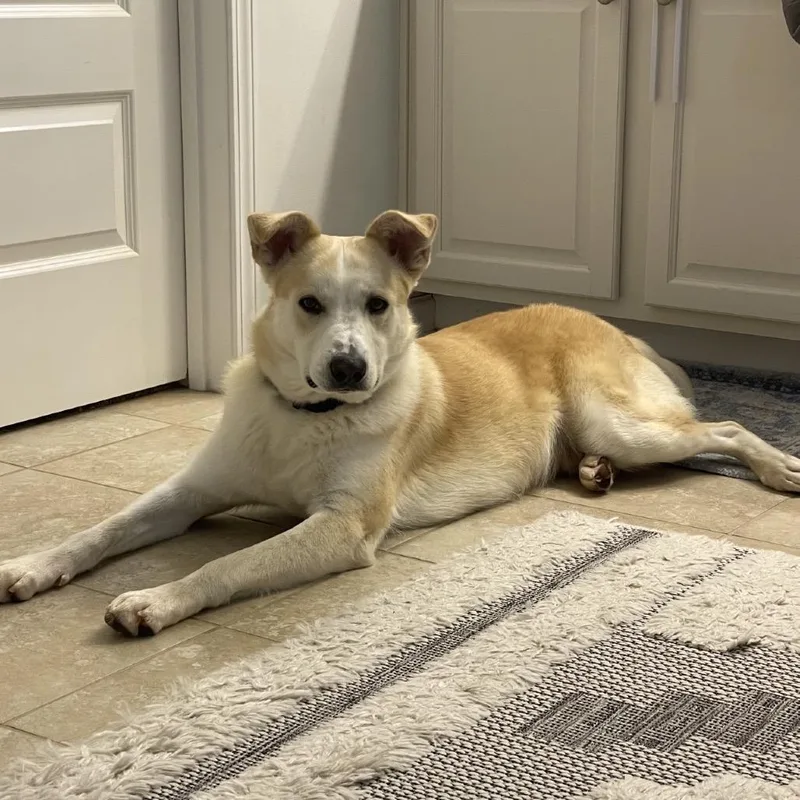
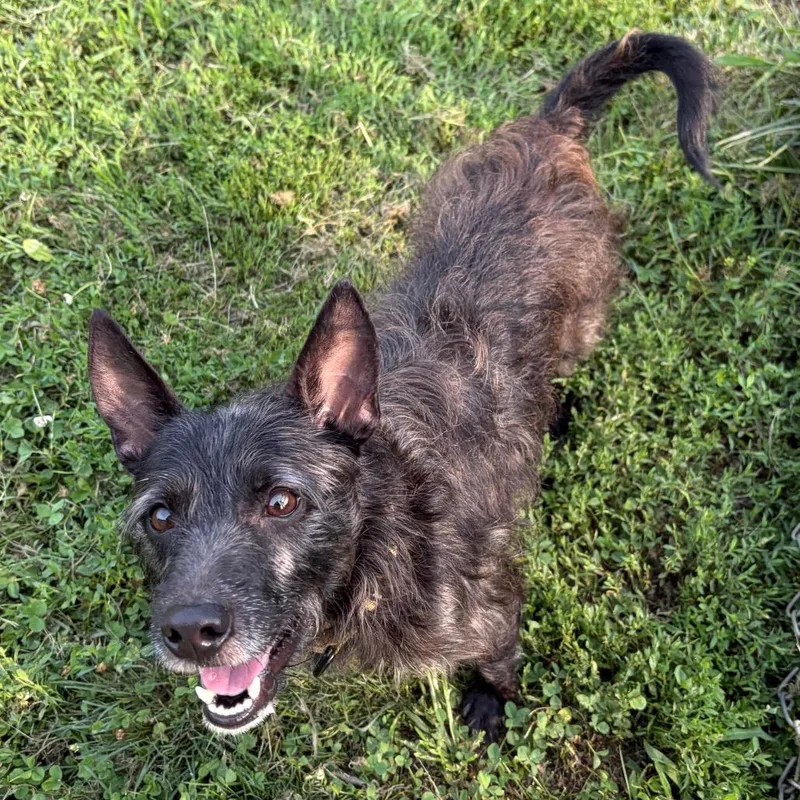
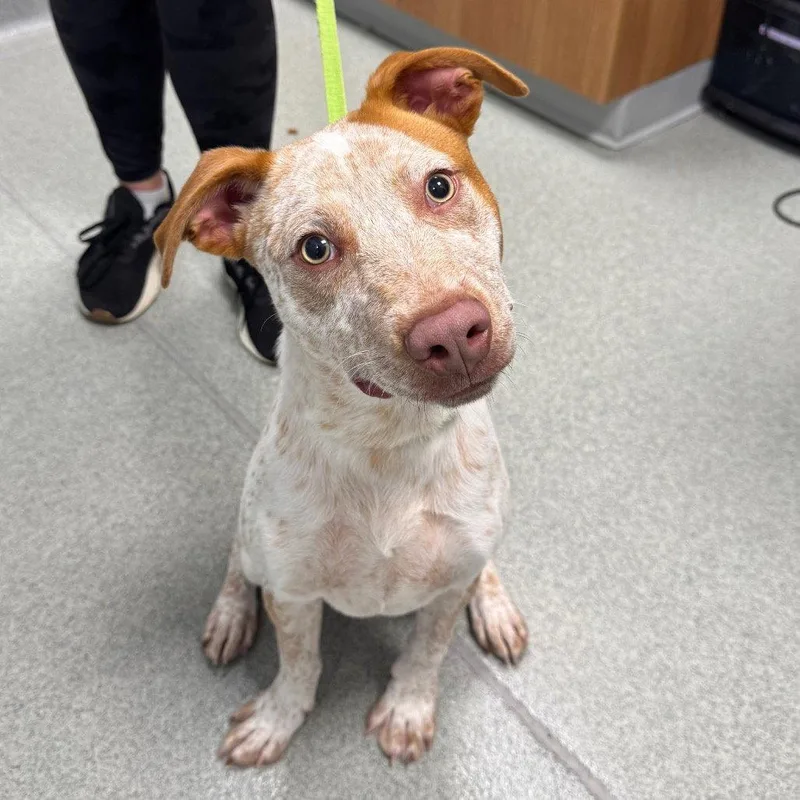
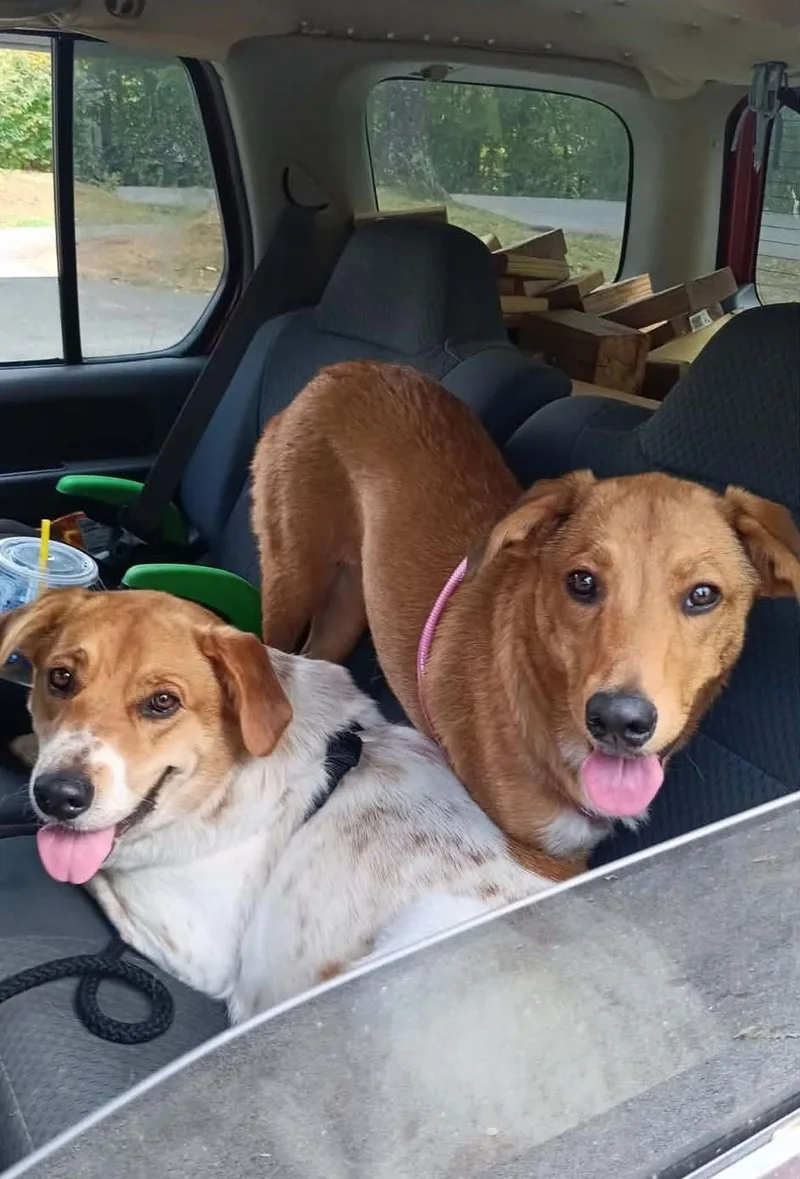
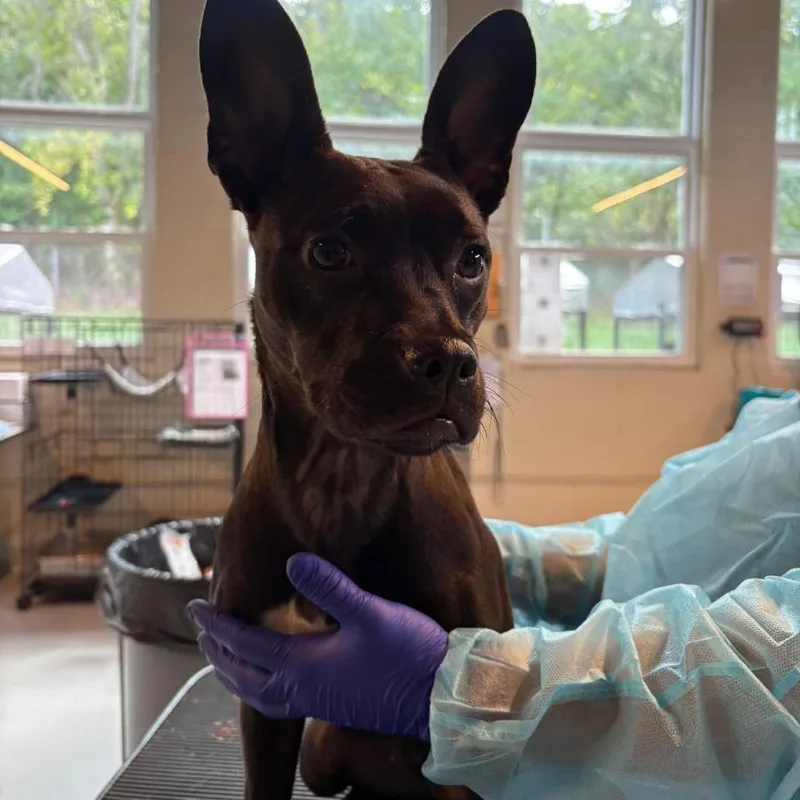
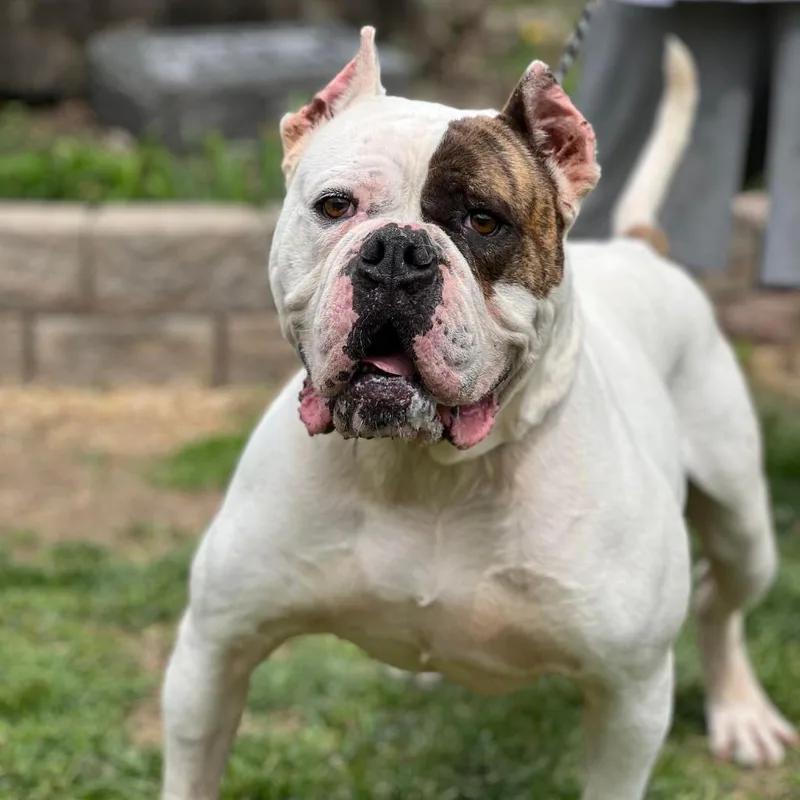
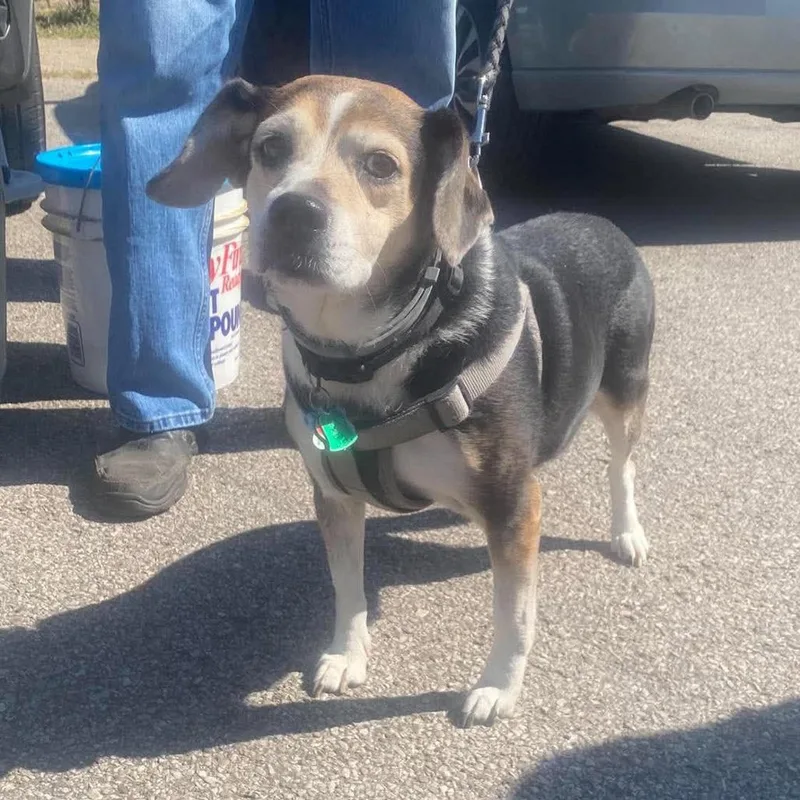
Cattle Dogs for Adoption in Huntington, WV

Your guide to finding and caring for a Cattle Dog in Huntington

Cattle Dogs fit the hillier, trail-minded parts of Huntington, like Walnut Hills near Rotary Park. The label usually means a Blue or Red Heeler or a mix, a sturdy medium-sized dog that wants a job and a long walk every day. Rotary Park's hiking and mountain-bike trails give a heeler room to burn off energy, and the walkable 14th Street corridor in West Huntington suits brisk neighborhood loops. Humid July afternoons are the main thing to plan around.

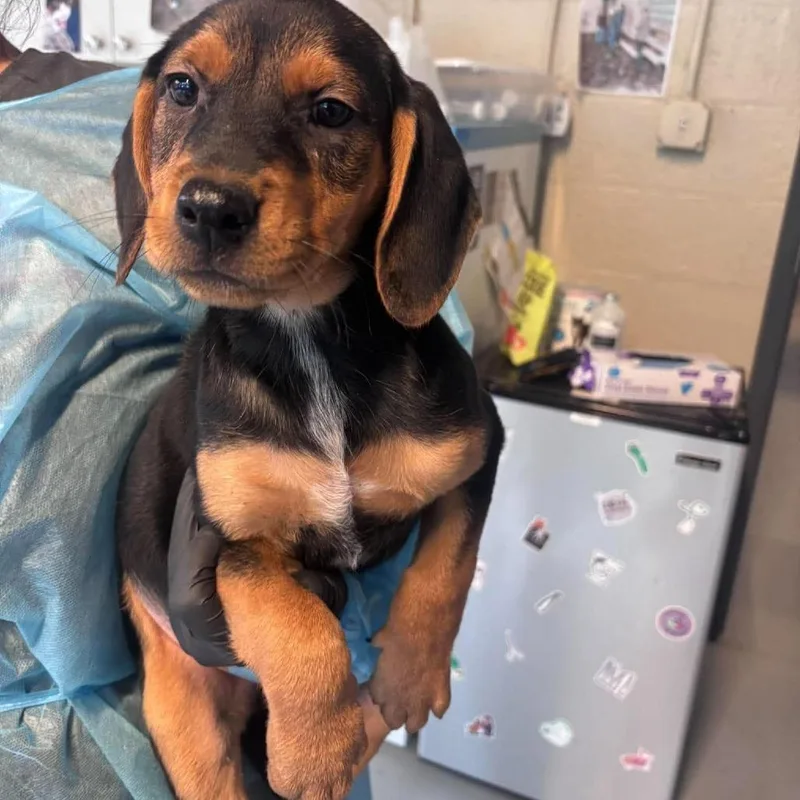
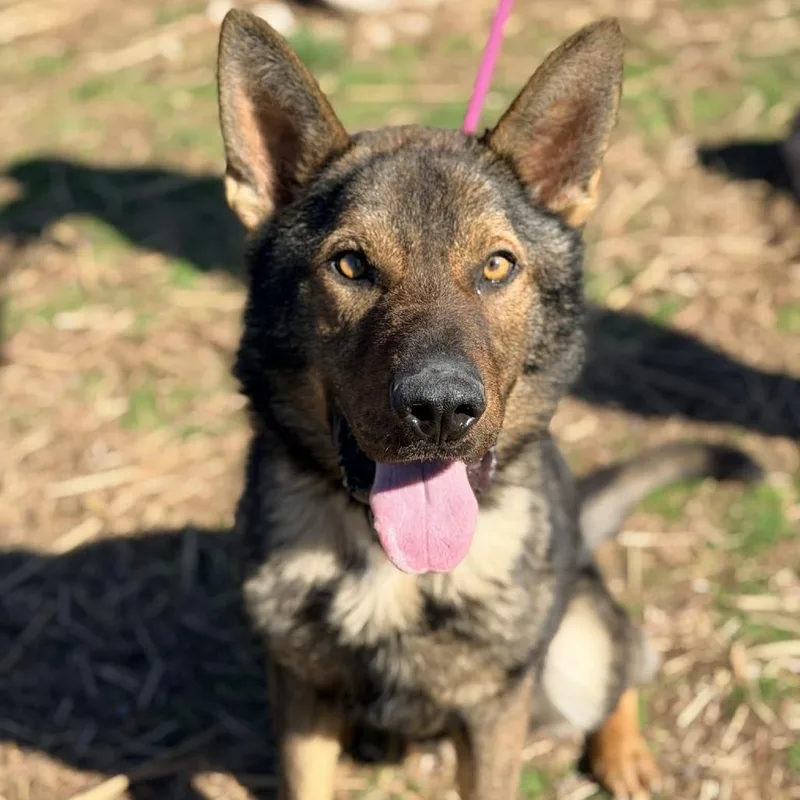
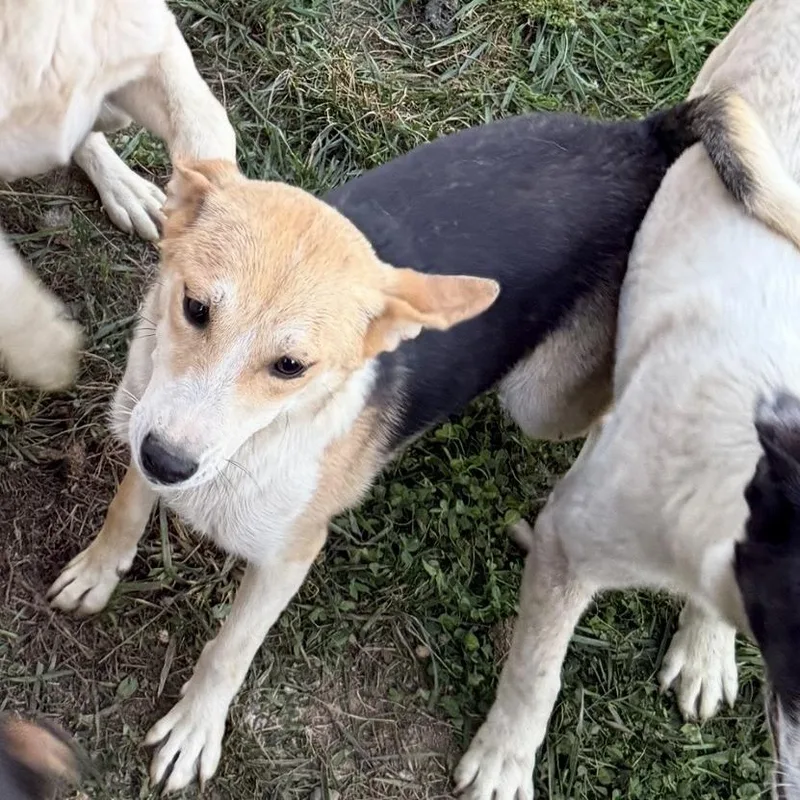
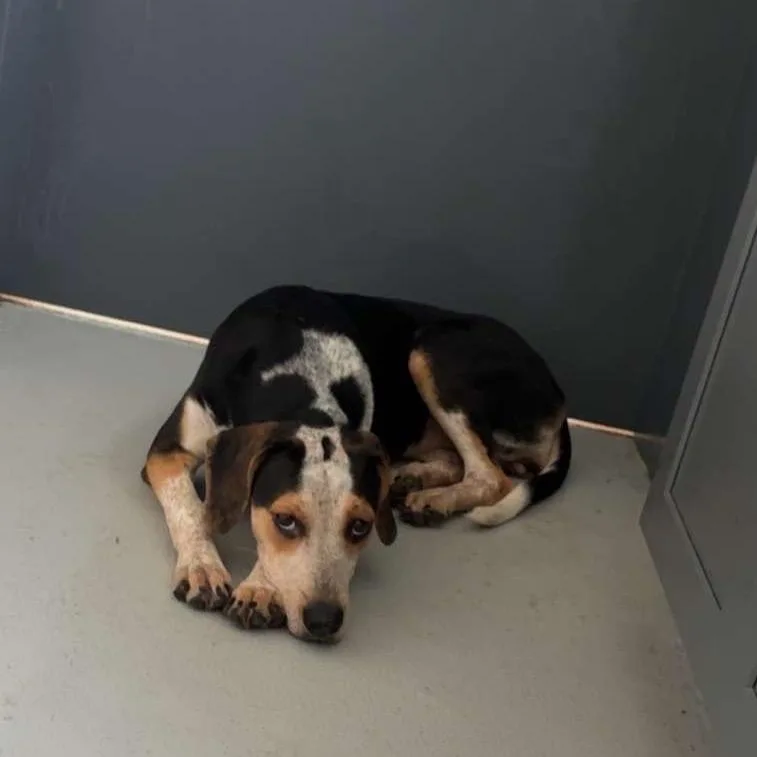
1921 Cattle Dogs available in Huntington and nationwide

Fall for a Cattle Dog

While we don't have enough dogs near Huntington, keep in mind that many rescues may offer transport.

Cattle Dogs Available for Adoption Near Huntington

About the Cattle Dog breed

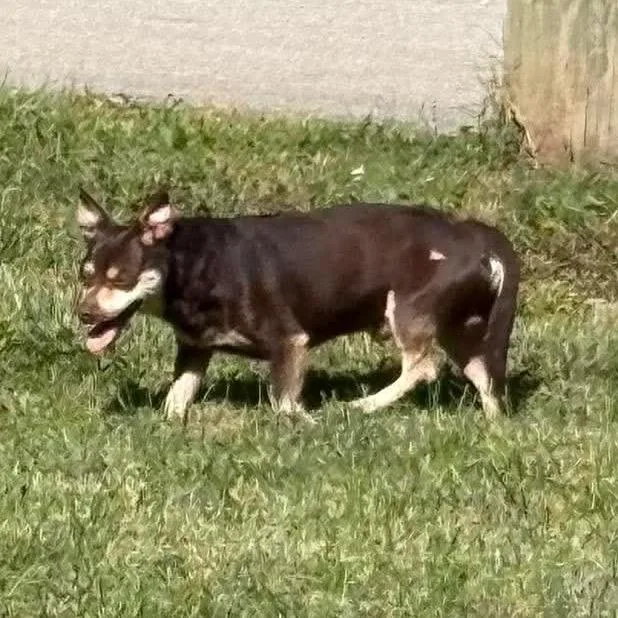
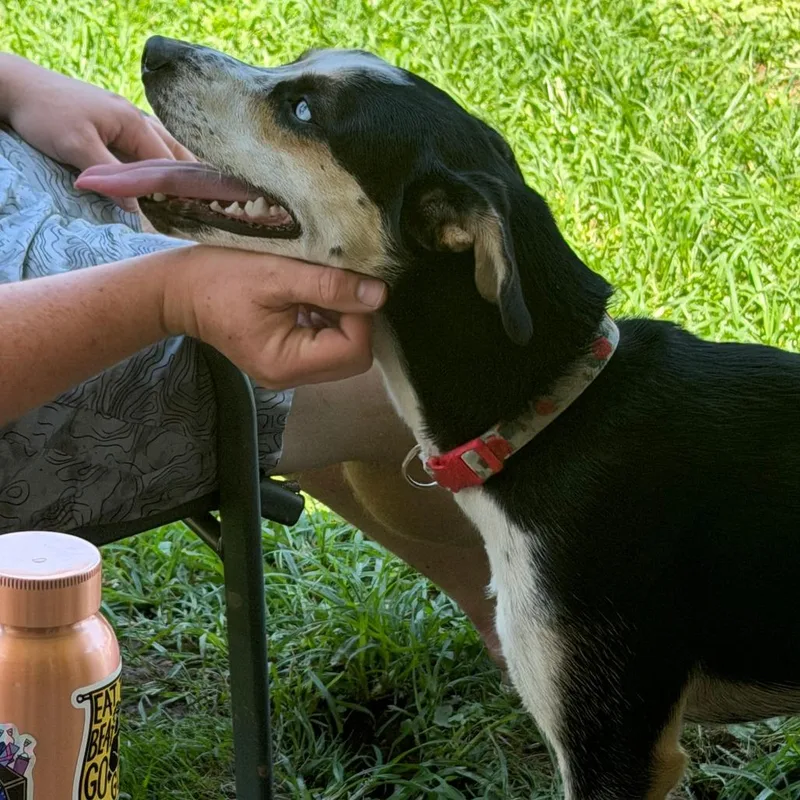
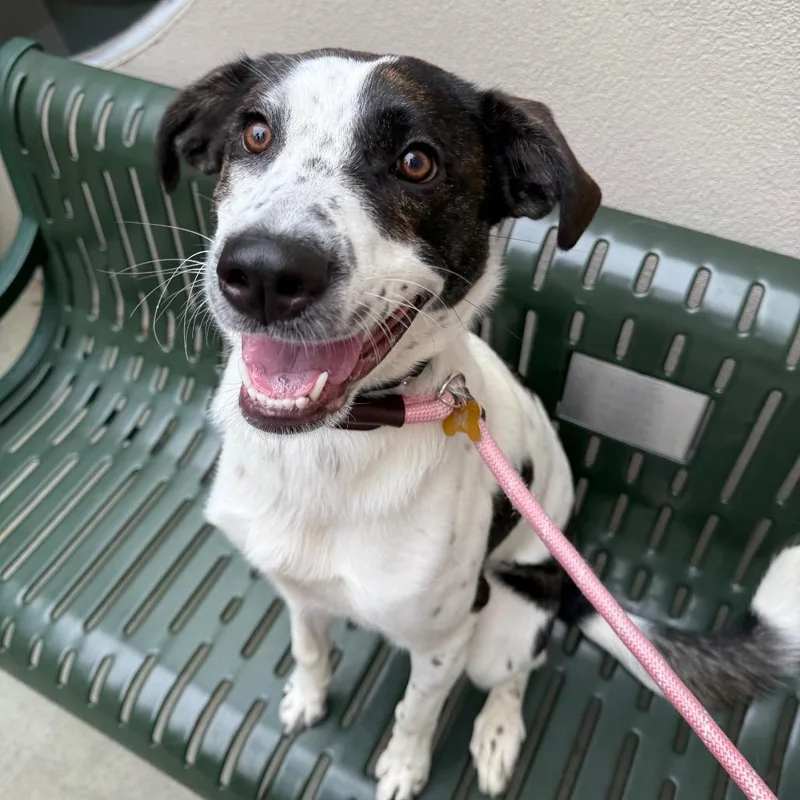
Cattle Dog is a catch-all label. In most cases it points to an Australian Cattle Dog, the Blue or Red Heeler, or a mix with one, though Texas Heelers and crosses with Border Collies, Labs and others get the same name. The Australian Cattle Dog was developed in nineteenth-century Australia to drive cattle over long distances by nipping at their heels.

Most dogs under this label are medium-sized, muscular and short-coated, with a dense double coat that sheds moderately. They're sharp, independent thinkers that bond closely with their people and often stay reserved with strangers. Mixes vary in size, coat and energy, so a dog's own behavior tells you more than the label does. In Huntington, that usually means a dog that does best with a daily routine and something to think about.

Weight
30–50 lbs
Height
17–20 in
Lifespan
12–16 yrs
Temperament
Energetic, Loyal, Intelligent, Protective
Group
Herding
Shedding
Moderate

Owning a Cattle Dog in Huntington

Having a Cattle Dog in Huntington

Dogs labeled Cattle Dog usually bring a working heeler's stamina and quick mind, whatever the mix. That's a great match for active households and a struggle for sedentary ones. In Huntington, hills, trails and a mix of seasons shape how that energy gets used.

Temperament

Cattle Dogs tend to be loyal, alert and strongly attached to their family, often reserved with strangers. Many try to herd kids, bikes or other pets by nipping, and some guard their home. Early socialization and consistent training help. Mixes vary, so watch how each dog reacts to people, dogs and cats.

Exercise Needs

Plan on at least an hour of vigorous activity a day, plus mental work like puzzle toys, scent games and training. In Huntington, the crushed-limestone loop at Ritter Park and the trails at Rotary Park give a heeler room to run and sniff. Many settle well at home once both needs are met.

Health Considerations

Australian Cattle Dogs and their mixes are often hardy, but deafness, progressive retinal atrophy, lens luxation and hip or elbow dysplasia can occur. Their fearless style also leads to injuries like torn cruciate ligaments. A veterinarian can check hearing, eyes and joints, and keeping the dog lean protects its joints.

Living Space

Many Huntington homes are detached houses, and a securely fenced yard suits most heelers. Because the city bars tethering a dog outdoors without supervision, a fence or a reliable indoor routine matters. Apartment life can work with dependable daily exercise. Bored heelers often try to escape, so check gates.

What it costs to own a Cattle Dog in Huntington

ExpenseTypical costPer year
Adoption fee$125, one time$125 in year one
Food$35 to $70 per month$420 to $840
Pet insurance$45 to $85 per month$540 to $1,020
Routine vet care$225 to $450 per year$225 to $450
Other*$429 to $1,154 per year$429 to $1,154
Estimated yearly total (after year one)$1,614 to $3,464
First-year total (with adoption fee)$1,739 to $3,589

Adoption fee is the fee on Cattle Dog listings in Huntington on GetBuddy today. Other costs are estimates and vary with size, age and health.

* The $4 Huntington dog license, flea, tick and heartworm prevention, a dental cleaning allowance, durable toys and bedding, and light home grooming.

Adopt a Cattle Dog in Huntington.

Now that you know more, let’s find you a new best friend. These rescues and shelters below currently have Cattle Dogs available.

Rescues in Huntington with Cattle Dogs Available

Huntington's animal shelter and local rescues list dogs for adoption here, and heeler mixes can turn up among them. Here are the rescues & shelters in the Huntington area where you can find Cattle Dogs and other dogs available for adoption.

Frequently Asked Questions

Huntington's Tri-State Transit Authority runs buses, not a subway, and service animals are welcome if the passenger keeps them under control. No pet policy is published for non-service dogs, so check current rules with TTA before riding. A busy bus can be a lot for a reserved, alert Cattle Dog, so build up to it gradually.

Mostly yes. A Cattle Dog's double coat handles Huntington's cold winters, which bring about 90 freezing nights and roughly 20 inches of snow a year. Summers are the harder part, with about 25 days at 90°F or higher and humid July weather, so exercise early or late and always provide shade and water.

Start with the PetSafe Dog Park inside Ritter Park, which has separate large- and small-dog areas and requires current rabies, DHLPP and Bordetella vaccines. For longer workouts, Ritter Park's limestone loop, the Paul Ambrose Trail for Health and Rotary Park's hiking trails all give a heeler room to move.

Yes. Huntington has no known breed rule for Cattle Dogs. You'll need the $4 city dog tag, renewed each July 1, and rabies vaccination by 6 months of age. The city requires registering pit bulls and wolf hybrids with animal control, which could matter for some heeler mixes. Outdoor tethering without supervision is also prohibited.

It can work if the dog gets an hour or more of vigorous exercise daily plus mental work. About 47% of Huntington households rent, and landlords set their own pet policies, so confirm any size limits and pet fees in writing. Bored heelers may bark or chew, so puzzle toys and training matter.

For active people, often yes. Huntington has hiking at Rotary Park, the Ritter Park loop and miles of paved trail for a dog that needs a daily job. Heelers are less suited to long, empty days or households that can't provide exercise. Every Cattle Dog differs, so match the dog's energy to your routine.

Sometimes, on patios. West Virginia has no state law on dogs in outdoor dining areas, so each restaurant decides, and several downtown patios have been listed as dog-friendly. Dining rooms are generally off-limits to pets. A reserved heeler should be calm and settled under the table before you try it.

Very little. A weekly brush handles most shedding, with more frequent brushing in spring and fall when the undercoat blows. Huntington's humid summers and muddy springs mean occasional baths and paw wipe-downs. Most owners groom at home, which fits the $0 to $100 a year of light grooming counted in the cost table.

We have 1 rescue with Cattle Dogs available: Huntington Cabell-Wayne Animal Control Shelter. You can see every rescue with Cattle Dogs available in the list above these questions, or scroll to the top to see the Cattle Dogs near Huntington.

Expect roughly $1,600 to $3,450 a year for a Cattle Dog in Huntington. Food runs about $35 to $70 a month, insurance $45 to $85 a month, routine vet care $225 to $450 a year, and other costs $429 to $1,154 a year. Costs vary with size and coat.