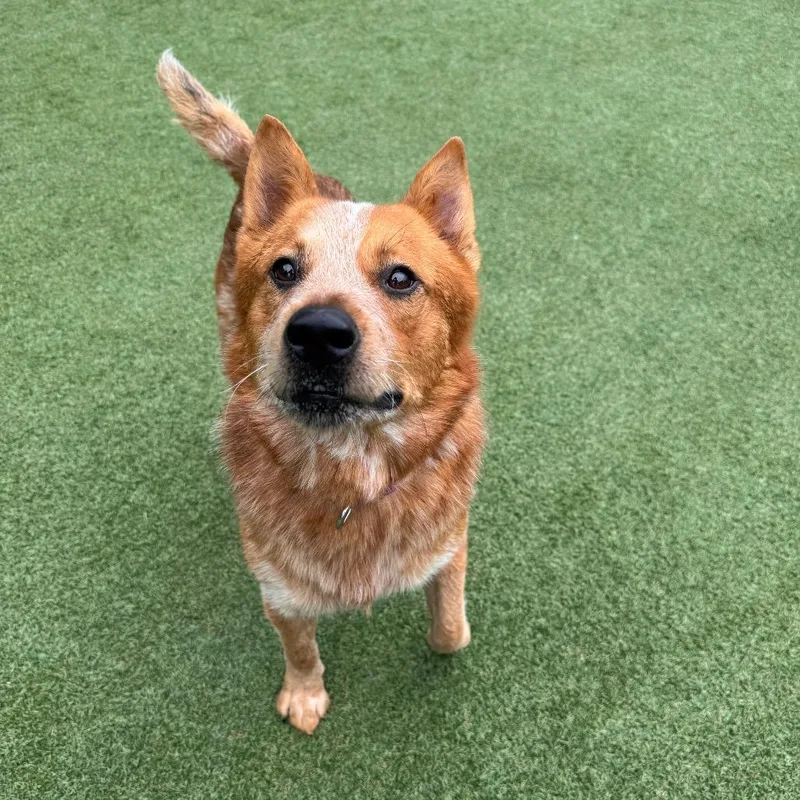
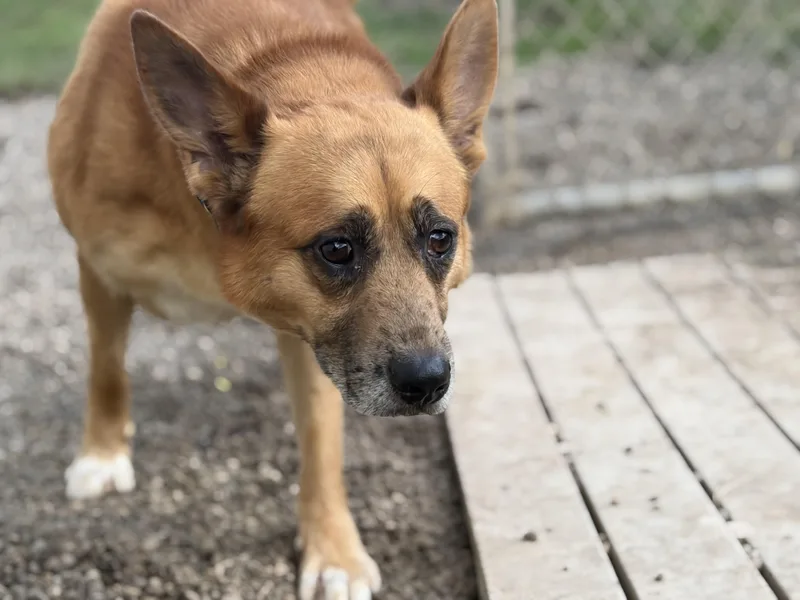
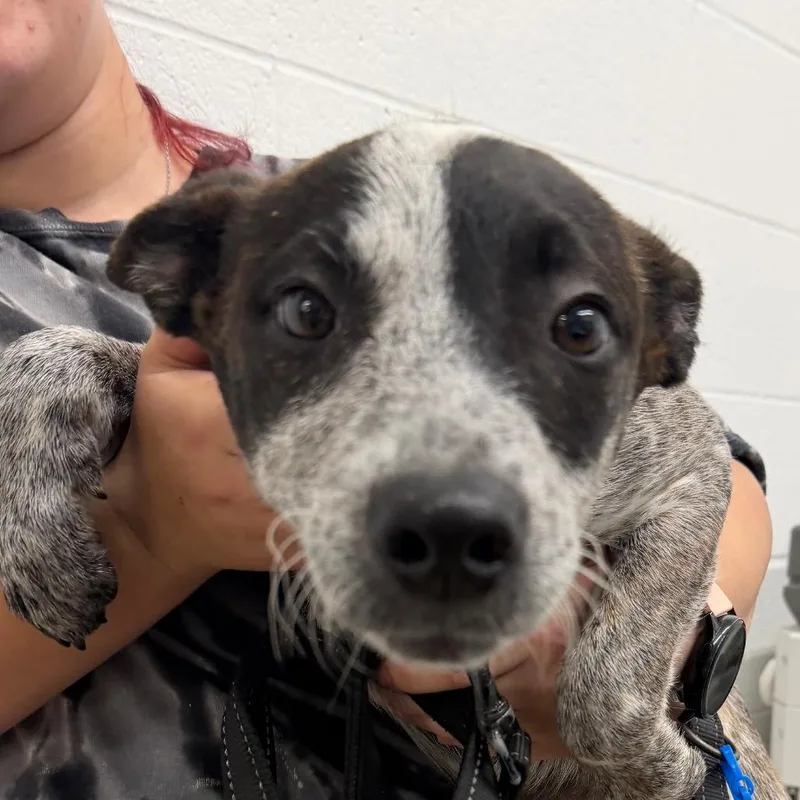
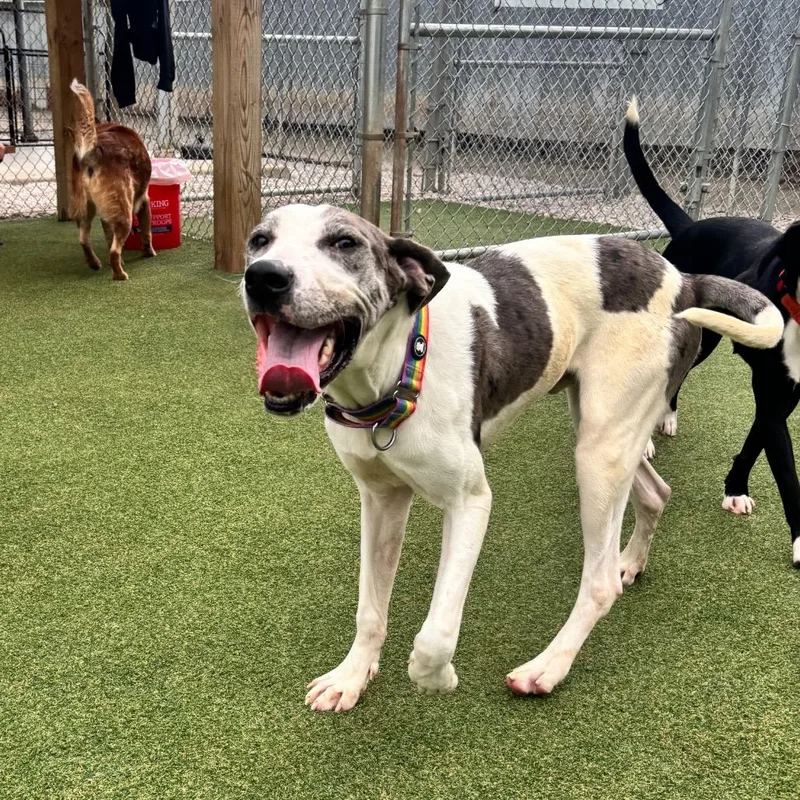
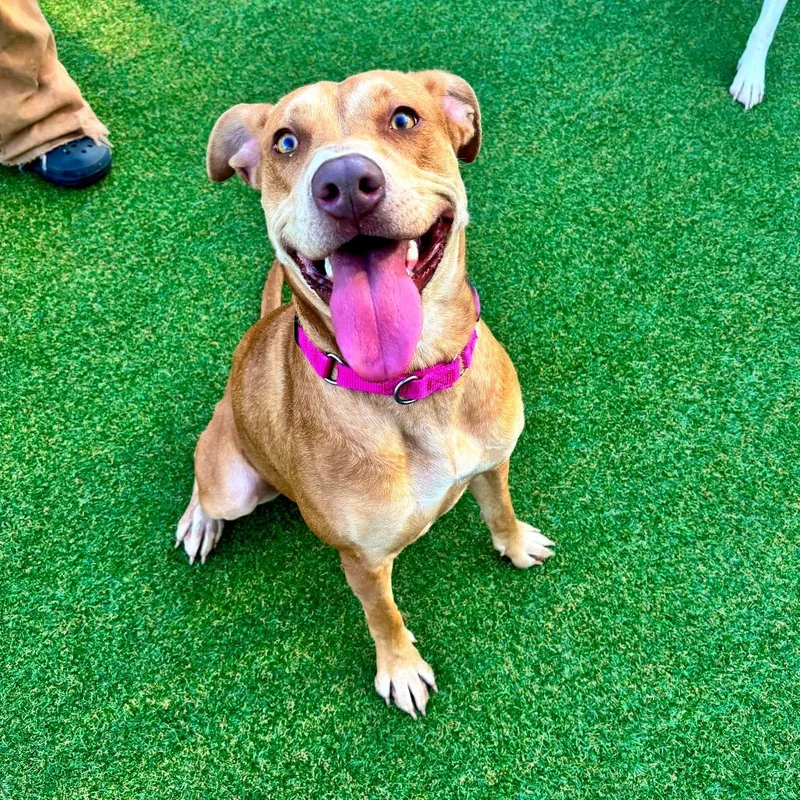
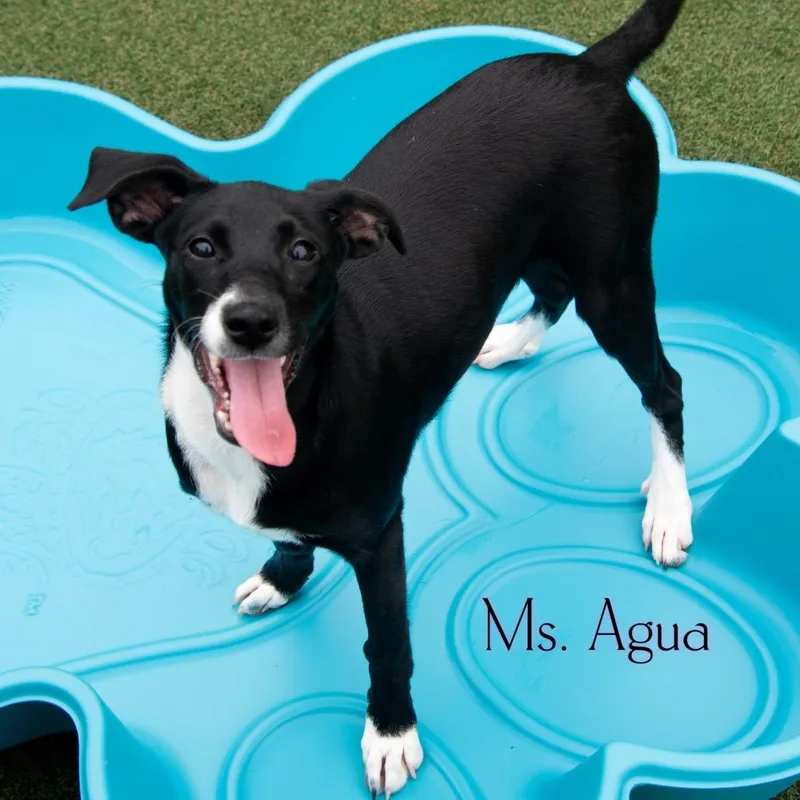
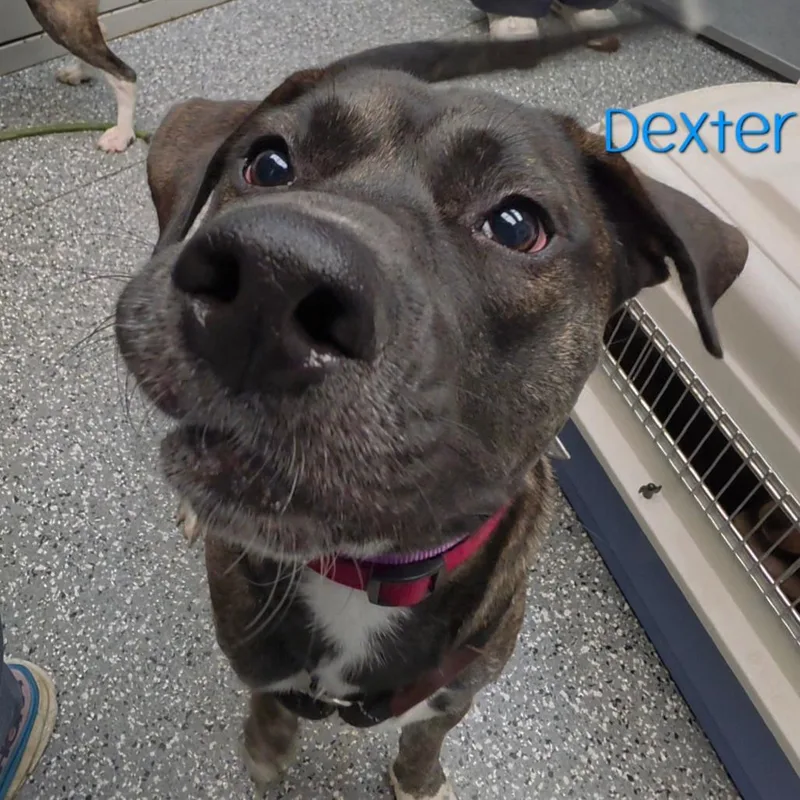
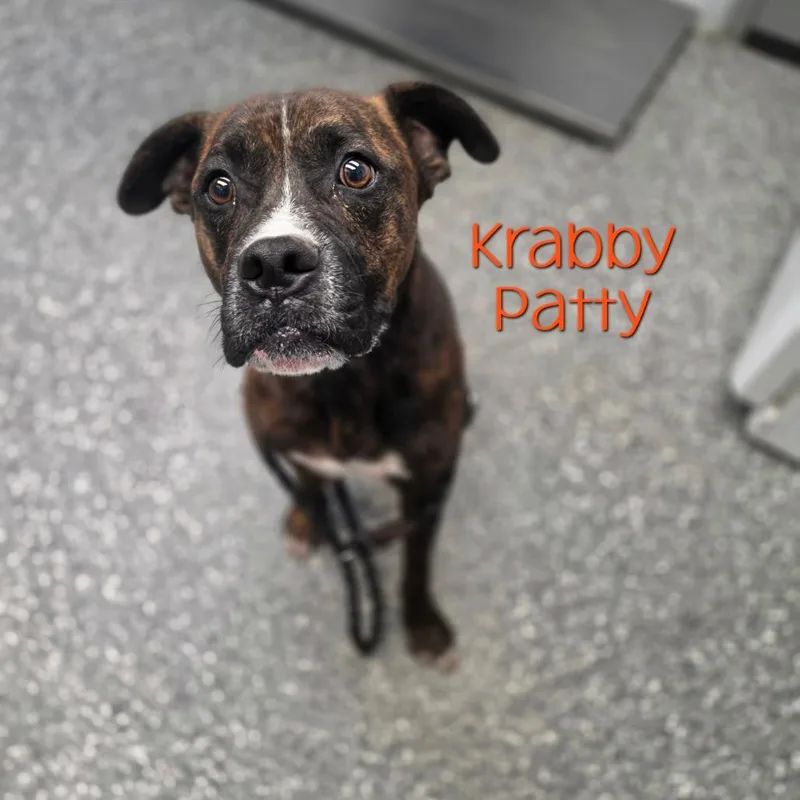
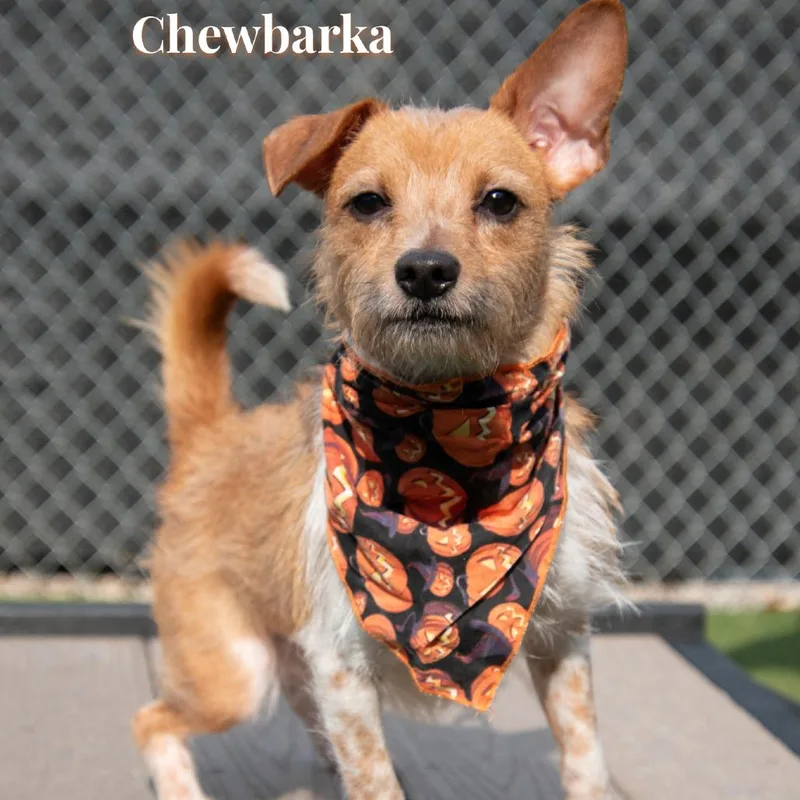
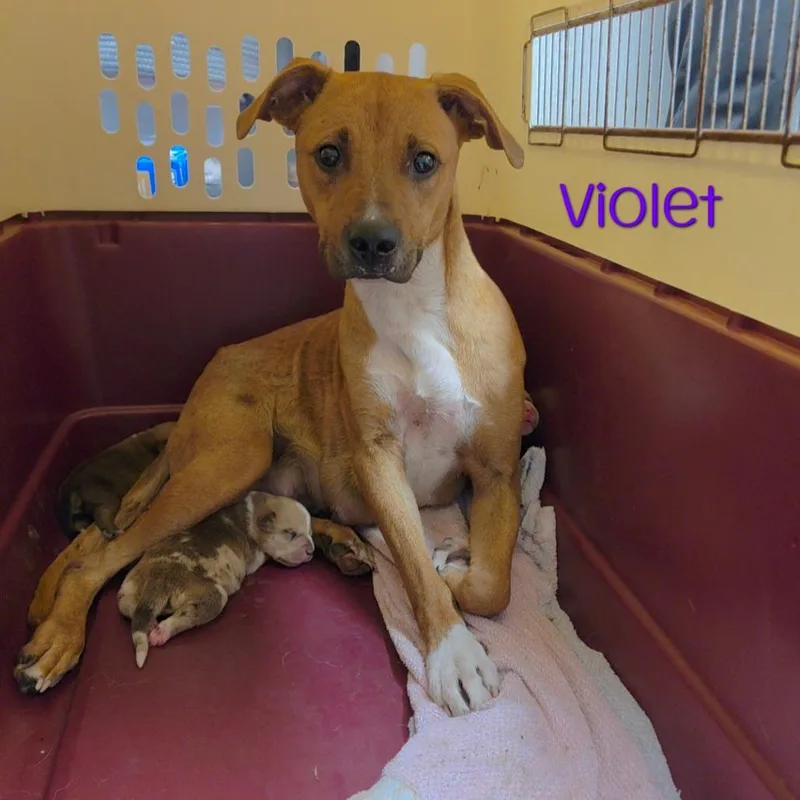
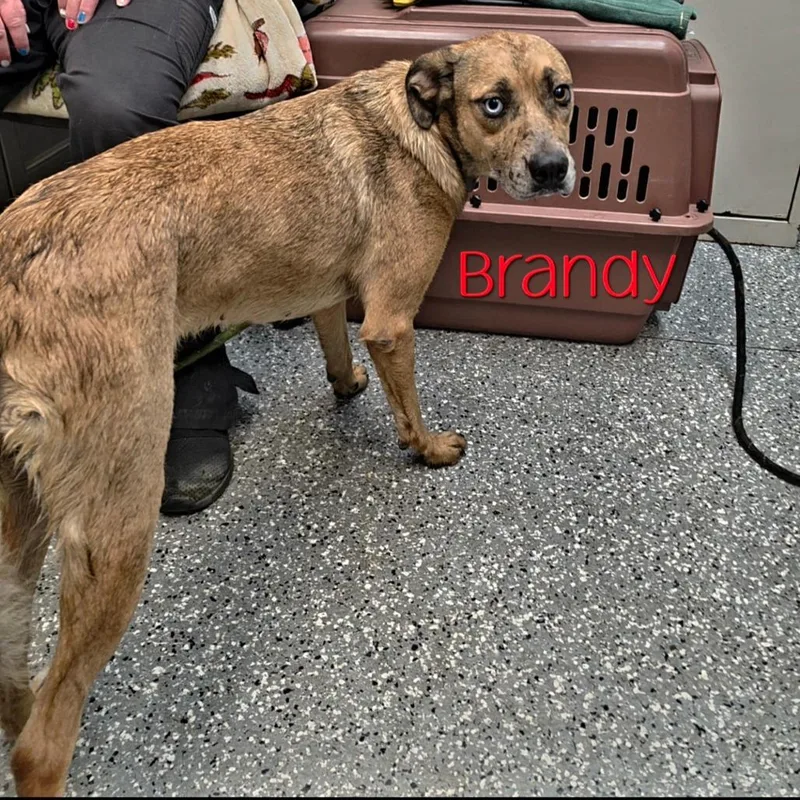
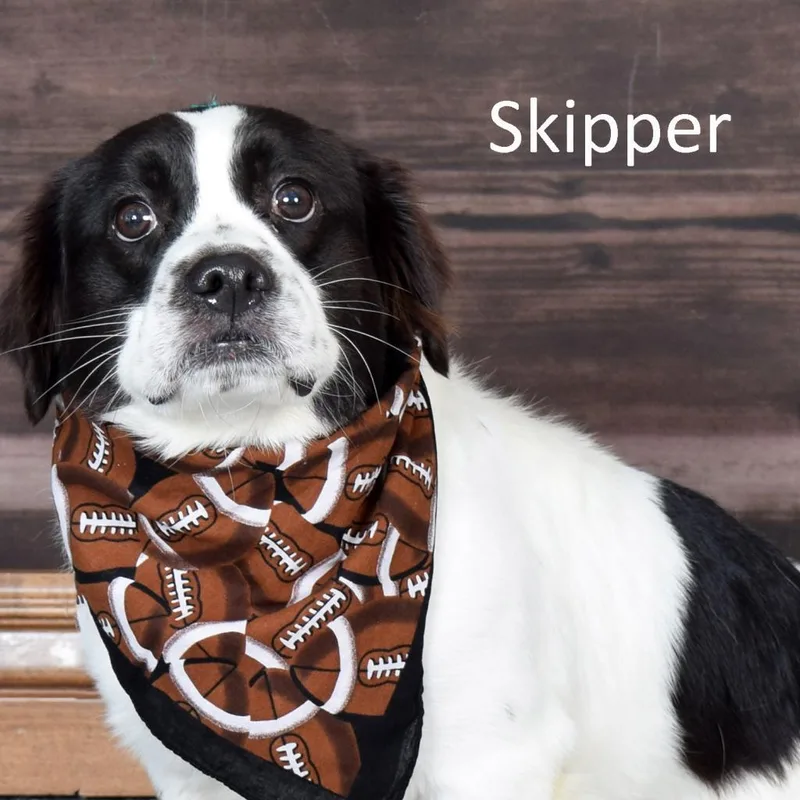
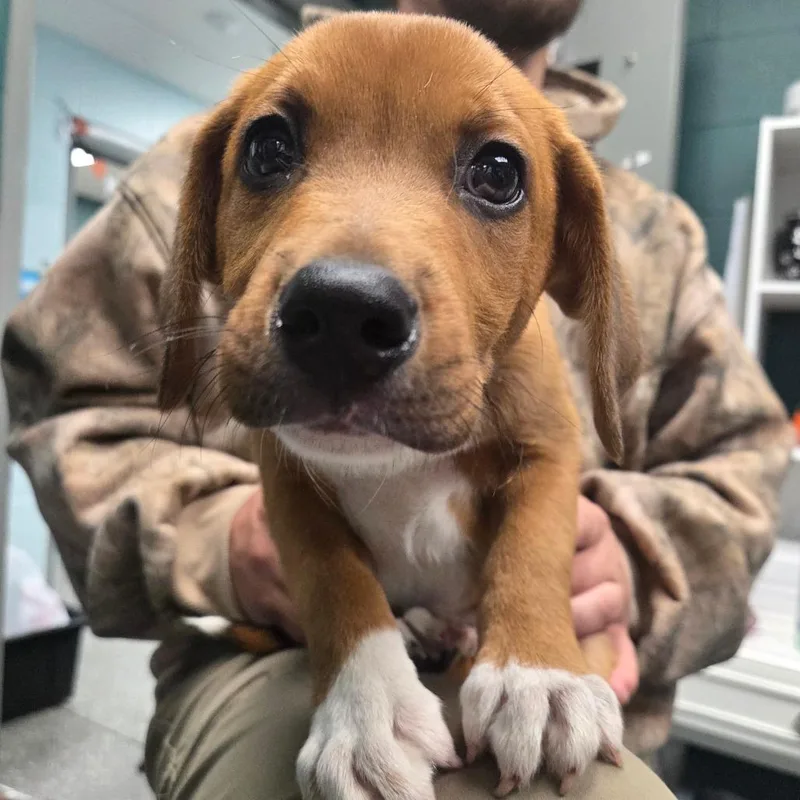
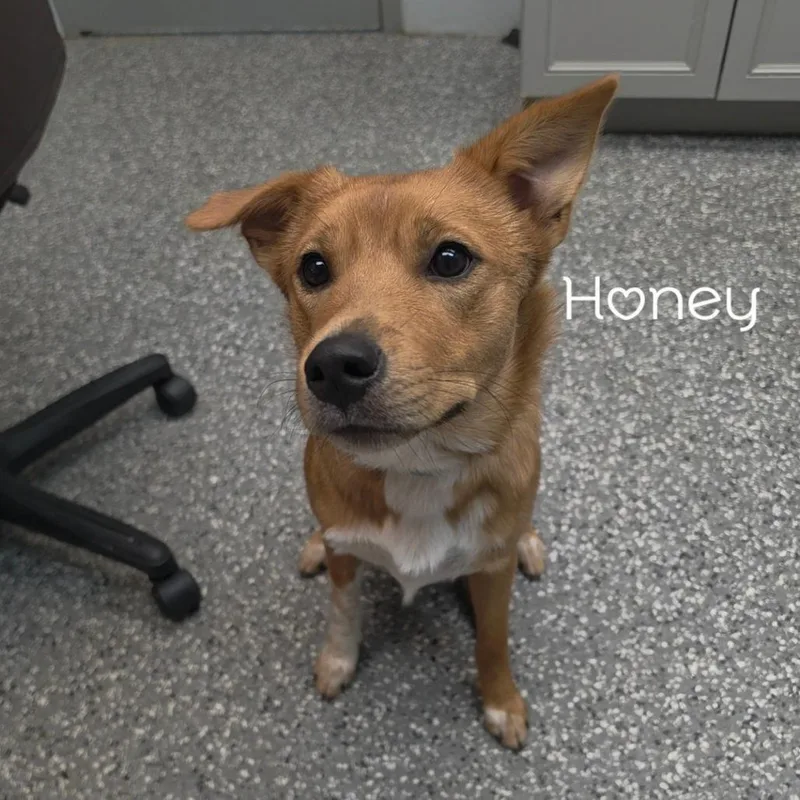
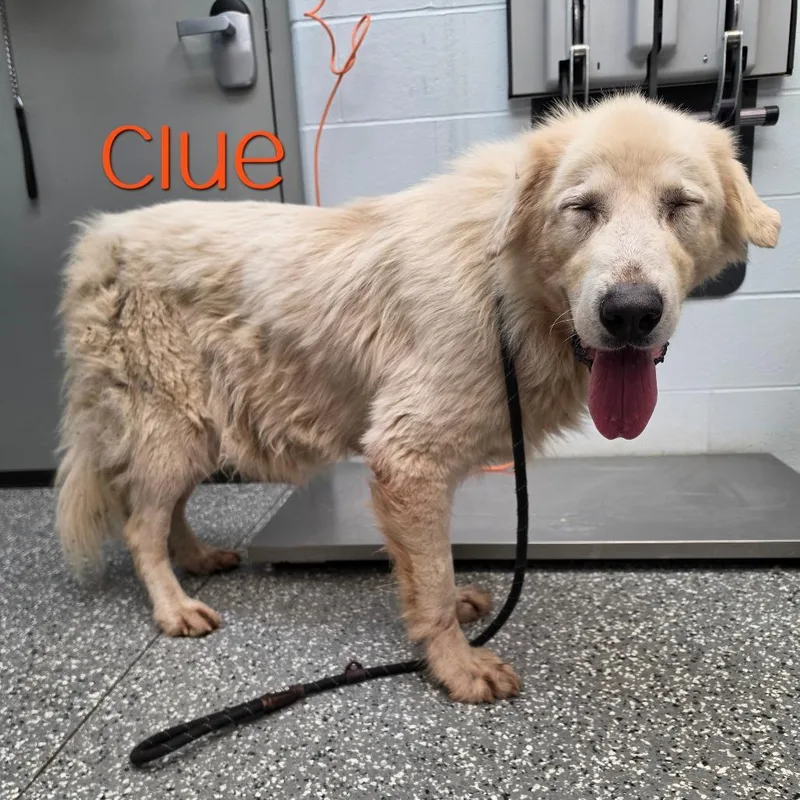
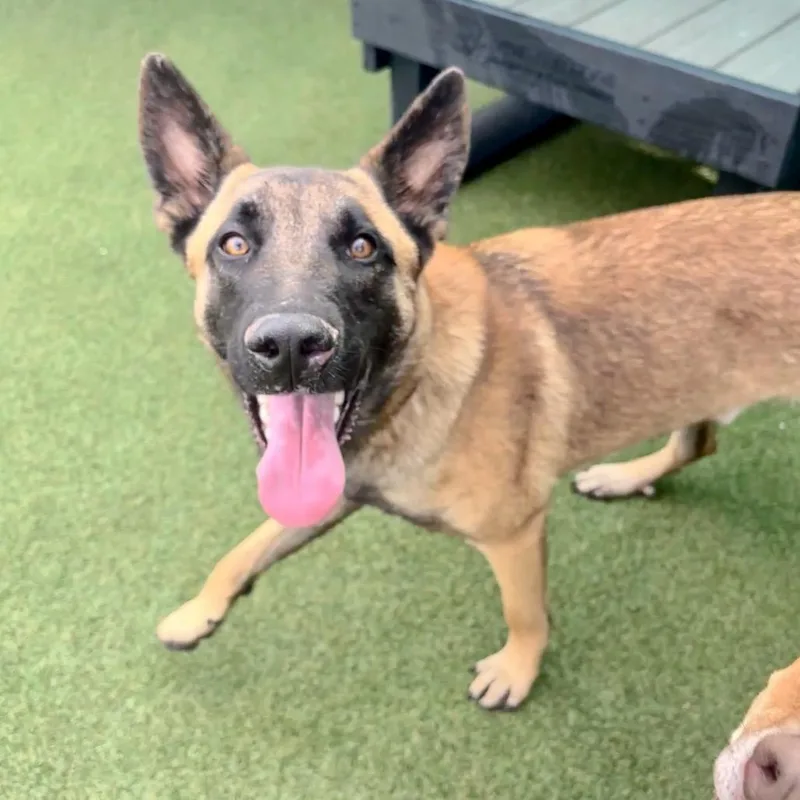
Cattle Dogs for Adoption in Parkersburg, WV

Your guide to finding and caring for a Cattle Dog in Parkersburg

Cattle Dogs suit Parkersburg if you're outside with them every day. The sidewalks around Julia-Ann Square and the climb up Quincy Hill make a good morning loop for a dog with this much stamina, and the quieter streets of Granada Hills or Worthington work for evening walks. Cattle Dogs are smart and busy, so a dull routine tends to backfire. Long walks paired with training games keep them happy, and since the label covers many mixes, each dog differs.

2006 Cattle Dogs available in Parkersburg and nationwide

Fall for a Cattle Dog

While we don't have enough dogs near Parkersburg, keep in mind that many rescues may offer transport.

Cattle Dogs Available for Adoption Near Parkersburg

About the Cattle Dog breed

Cattle Dog is a label more than a single breed. Most dogs listed this way are Australian Cattle Dogs, also called Blue or Red Heelers, or mixes with one, though Texas Heelers and crosses with Border Collies or Labs turn up too. The Australian Cattle Dog was developed in nineteenth-century Australia to drive cattle by nipping at their heels.

Most are medium-sized, muscular and short-coated, around 30 to 50 pounds, with a sharp, independent mind. Many bond closely with their people and stay wary of strangers. In Parkersburg, that means a dog who'll happily tackle a hill walk, then watch the door from the couch. Size, coat and energy vary in mixes, so judge each dog by its behavior rather than the label.

Weight
30–50 lbs
Height
17–20 in
Lifespan
12–16 yrs
Temperament
Energetic, Loyal, Intelligent, Protective
Group
Herding
Shedding
Moderate

Owning a Cattle Dog in Parkersburg

Having a Cattle Dog in Parkersburg

Cattle Dogs bring a heeler's stamina and quick mind to Parkersburg's hills and riverfront. They do best with people who enjoy daily activity and training, and who can offer a steady routine rather than long, empty days.

Temperament

Cattle Dogs tend to be loyal, alert and strongly attached to their people, often reserved with strangers. Many try to herd running kids, bikes or other pets by nipping, and some guard their home. Early socialization and consistent training help a lot. Mixes vary, so watch how each dog reacts to children, other dogs and cats.

Exercise Needs

Plan on at least an hour of vigorous activity a day once a dog is fully grown. Parkersburg's hilly streets, riverfront walks and the fenced Paws to Play dog park at Mountwood Park, about ten minutes east, all work. Add puzzle toys, scent games and short training sessions, since a bored Cattle Dog may chew, bark or dig.

Health Considerations

Australian Cattle Dogs and their mixes are often hardy, but deafness, progressive retinal atrophy, lens luxation and hip or elbow problems occur. Their all-out style can lead to torn ligaments. A veterinarian can check hearing and eyes early. West Virginia requires rabies vaccination for dogs, and steady flea and tick prevention is wise in humid summers.

Living Space

A securely fenced yard suits most Cattle Dogs, though active renters can succeed with dependable daily exercise. Routine matters more than square footage. Many escape when bored, so check fences and gates, and expect a dog that wants to be indoors with the family rather than left alone in the yard.

What it costs to own a Cattle Dog in Parkersburg

ExpenseTypical costPer year
Adoption fee$150, one time$150 in year one
Food$35 to $70 per month$420 to $840
Pet insurance$45 to $85 per month$540 to $1,020
Routine vet care$225 to $450 per year$225 to $450
Other*$428 to $1,153 per year$428 to $1,153
Estimated yearly total (after year one)$1,613 to $3,463
First-year total (with adoption fee)$1,763 to $3,613

Adoption fee is the fee on Cattle Dog listings in Parkersburg on GetBuddy today. Other costs are estimates and vary with size, age and health.

* The $3 Wood County dog license, flea, tick and heartworm prevention, a dental cleaning allowance, durable toys and bedding, and light home grooming.

Adopt a Cattle Dog in Parkersburg.

Now that you know more, let’s find you a new best friend. These rescues and shelters below currently have Cattle Dogs available.

Rescues in Parkersburg with Cattle Dogs Available

Parkersburg's animal shelter takes in strays from across Wood County, so the pets listed here change often. Here are the rescues & shelters in the Parkersburg area where you can find Cattle Dogs and other dogs available for adoption.

Frequently Asked Questions

Yes, for active households. Parkersburg's hills, riverfront and nearby trails give a Cattle Dog room to work off energy. But these dogs need about an hour of vigorous exercise plus training every day, and some nip at running kids or bikes. A busy routine with someone home often suits them better than long workdays alone.

Usually, yes. A Cattle Dog's double coat copes well with Parkersburg's cold snaps. Ice and road salt are the bigger worries, so wipe paws after walks and keep outings shorter in the harshest cold. These dogs bond closely with their people, so they're happiest spending the evening indoors with the family.

City Park, Point Park and Fort Boreman Historical Park are good places for leashed walks. For fenced off-leash running, Mountwood Park's Paws to Play dog park is about ten minutes east, with separate small- and large-dog sections. Leash rules differ by park, so follow posted signs and bring water in summer.

Yes. There is no known city breed ban, so the main steps are licensing and vaccination. Wood County requires a tag for dogs six months and older, and West Virginia requires rabies vaccination. Cattle Dog is a label covering many mixes, so look closely at each listed dog's size, energy and photos.

Yes, if exercise is reliable. A Cattle Dog can do well in an apartment with daily vigorous walks, training and puzzle games, since boredom drives barking and chewing. Confirm the landlord's pet and weight rules first, and remember that mixes vary, so a calmer dog usually suits small spaces better.

Only where a restaurant allows it. West Virginia has no state law on dogs in outdoor dining, so patio policies are up to each restaurant. City code bars dogs from stores selling food or goods, though service animals are protected by federal law. Practice settling first, since an alert Cattle Dog may bark at passersby.

Not often. A Cattle Dog's short double coat needs brushing once or twice a week, more during spring and fall shedding, with baths only when dirty. Humid summers don't change that routine. Home grooming is why the Other cost line stays modest, and professional grooming is optional and priced by the groomer.

Most cattle dogs live about 12 to 16 years, and many Australian Cattle Dogs reach 13 or 14. Mixes can fall anywhere in that range. Keeping a dog lean, active, vaccinated and up to date on veterinary exams supports a long life, though no breed label can promise a particular lifespan for a particular dog.

We have 1 rescue with Cattle Dogs available: Humane Society of Parkersburg. You can see every rescue with Cattle Dogs available in the list above these questions, or scroll to the top to see the Cattle Dogs near Parkersburg.

Expect roughly $1,600 to $3,450 a year for a Cattle Dog in Parkersburg, covering food ($35 to $70 a month), insurance ($45 to $85 a month), routine vet care ($225 to $450 a year) and other costs ($428 to $1,153 a year). Size and coat affect the total, and illness or emergencies would add to it.