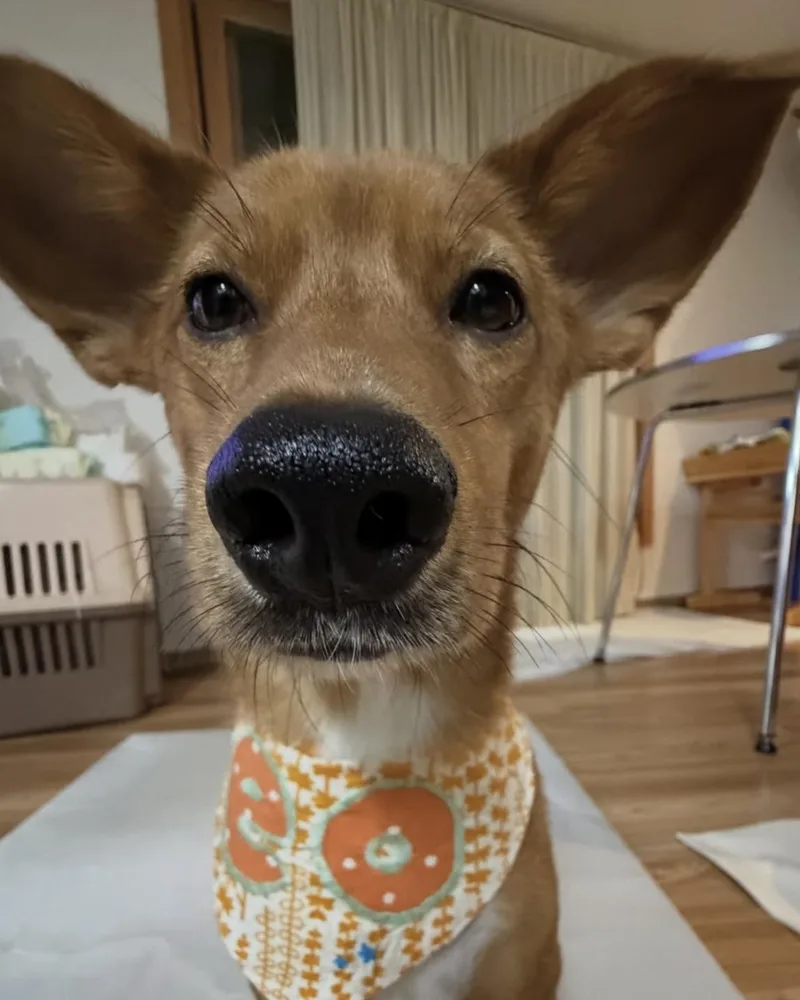
Pharaoh Hound Dogs for Adoption in Seattle, WA

Your guide to finding and caring for a Pharaoh Hound in Seattle

A Pharaoh Hound can do well in Seattle if it has a safe place to sprint and a warm place to land. Around Columbia City, with its bungalows, townhomes and apartments, a morning walk can end at Genesee Park or at Blue Dog Pond, the fully fenced off-leash area near Mount Baker. Those are the kinds of spots where a hound that bolts after squirrels can stretch out. They're short-coated and feel the drizzle, so a sweater is part of the routine.

22 Pharaoh Hounds available in Seattle and nationwide

Find your Pharaoh Hound

While we don't have enough dogs near Seattle, keep in mind that many rescues may offer transport.

Pharaoh Hounds Available for Adoption Near Seattle

About the Pharaoh Hound breed

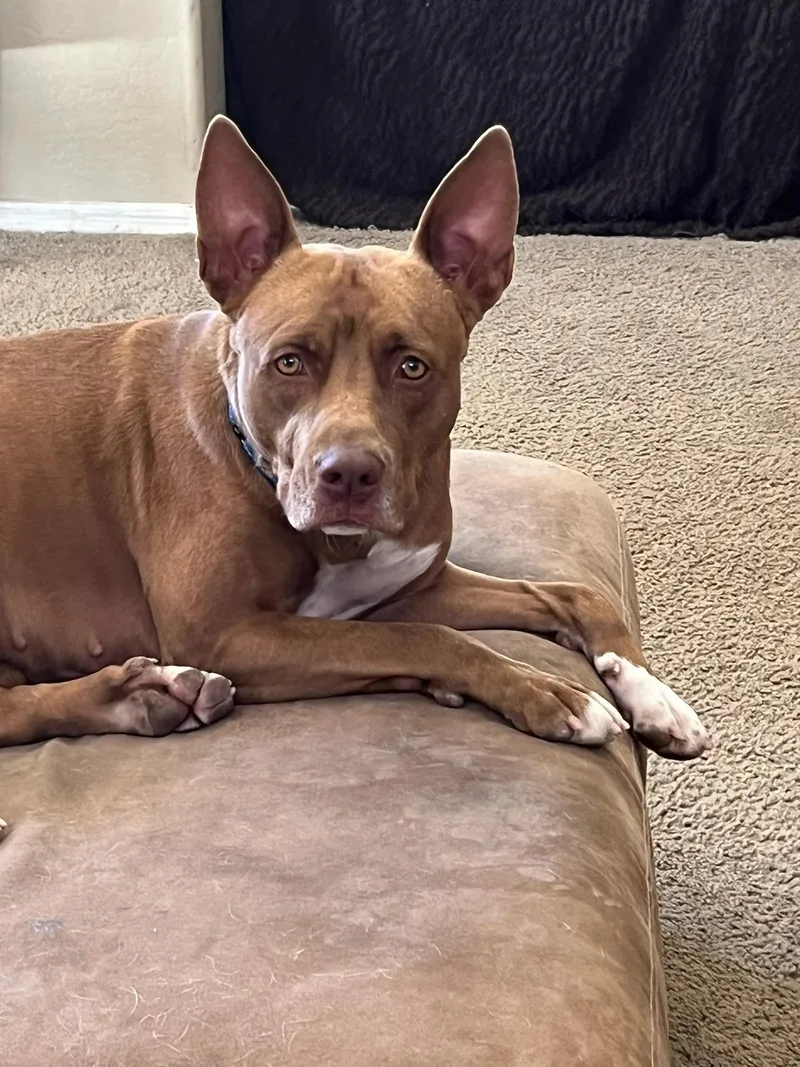
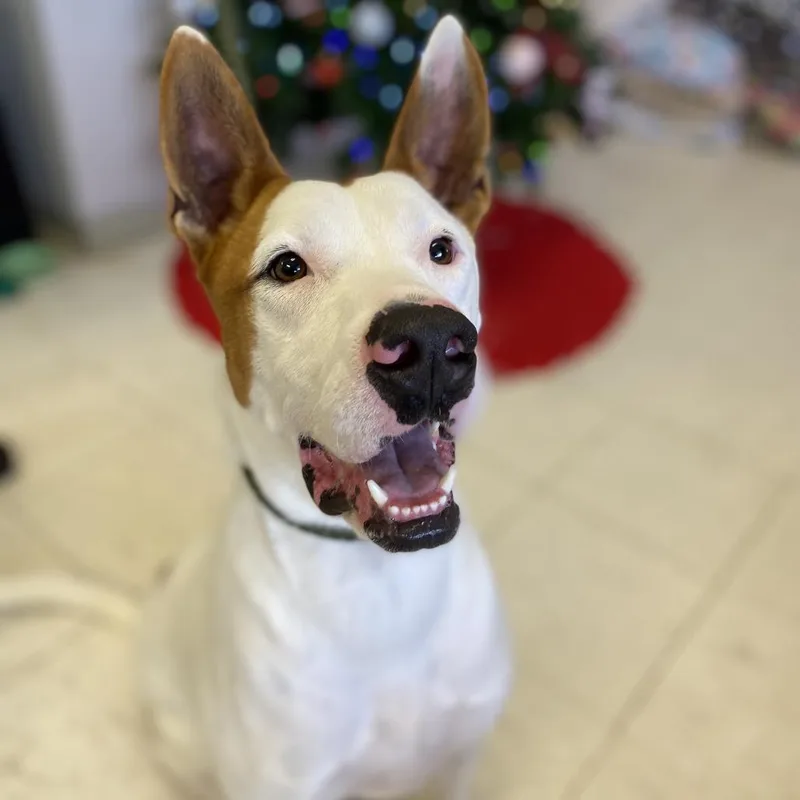
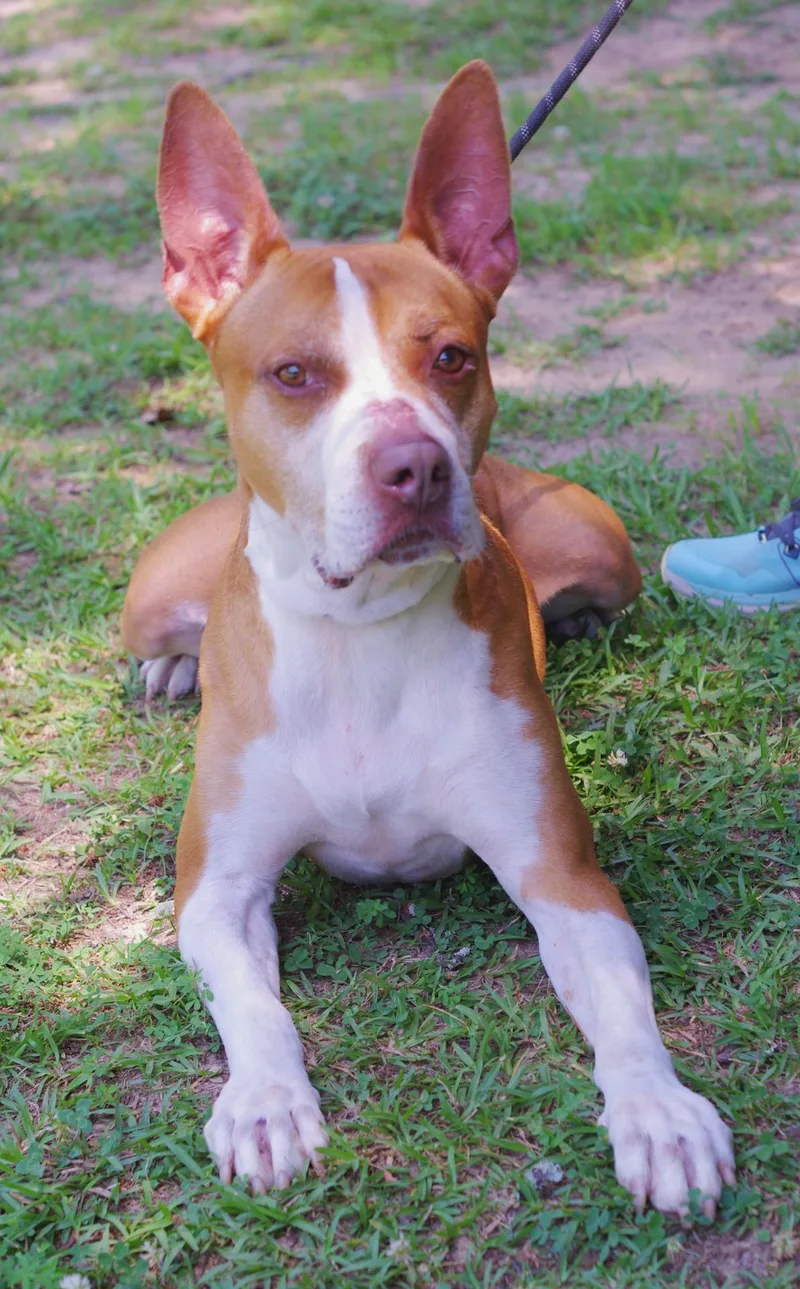
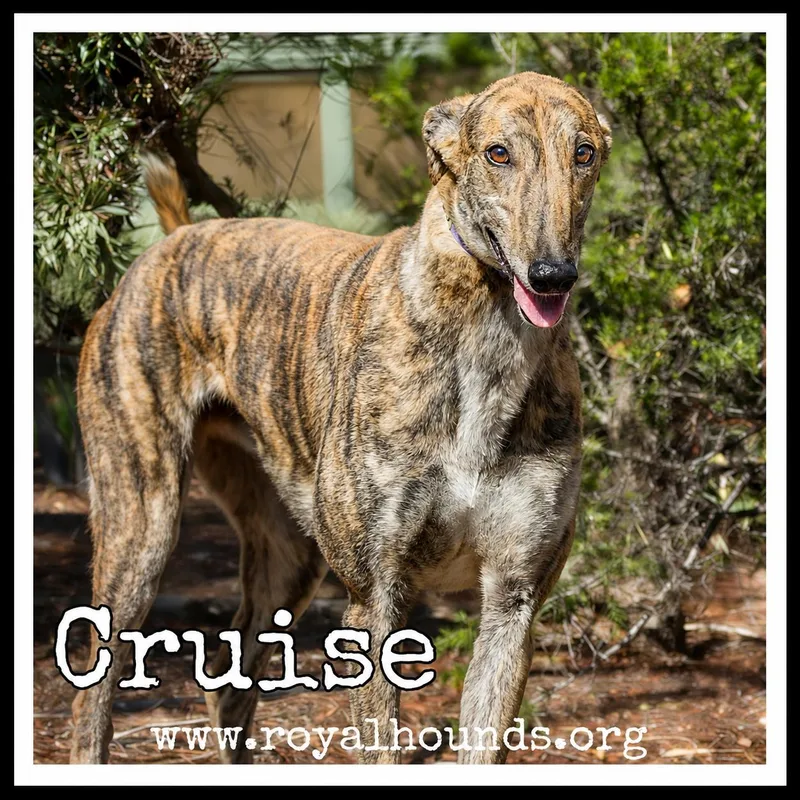
The Pharaoh Hound comes from Malta, where it's called Kelb tal-Fenek, the rabbit dog, and was used to hunt over rocky ground, often at night. It looks like the dogs in Egyptian art, but genetic studies point to a more recent origin. The breed is tall and lean, tan to chestnut, with amber eyes, large upright ears, and a nose and ears that flush pink when the dog is excited.

Indoors, many Pharaoh Hounds are affectionate and playful, fairly calm once exercised, with a clownish streak and a tendency to vocalize. Outdoors, prey drive can send them after anything small and fast, so leashes and tall fences matter. The short coat sheds little but offers scant protection from cold, which counts for something in a damp city like Seattle.

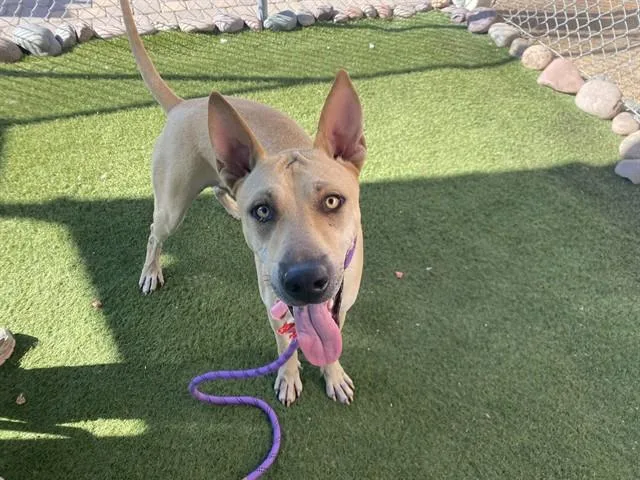
Weight
45–55 lbs
Height
21–25 in
Lifespan
11–14 yrs
Temperament
Affectionate, Playful, Alert
Group
Hound
Shedding
Low

Owning a Pharaoh Hound in Seattle

Having a Pharaoh Hound in Seattle

Pharaoh Hounds pair a sprinter's speed and strong prey drive with a calm manner indoors. In Seattle, the cool, wet months and wooded parks shape how you exercise, dress and secure a dog with this build.

Temperament

Many Pharaoh Hounds are affectionate and playful with their people, and some are reserved with strangers at first. They tend to be sensitive, so patient, upbeat training works better than harsh handling. Strong prey drive means cats and small pets need careful introductions, and how each dog actually behaves matters more than breed reputation.

Exercise Needs

Plan on daily walks plus regular sprints in a securely fenced space, since recall is rarely reliable around squirrels. In Seattle, fenced off-leash areas and jogging on leash both help, and rainy days call for indoor games, scent work and short training sessions. A well-exercised Pharaoh is usually happy to lounge afterward.

Health Considerations

Pharaoh Hounds are generally healthy, though hip and eye problems occasionally appear. They can be sensitive to anesthesia and some insecticides, so make sure every veterinarian knows the breed. Their thin coat and low body fat make chills more likely in Seattle's damp months, and a vet can check weight and body condition.

Living Space

A Pharaoh Hound can live in a Seattle apartment, townhome or house if exercise is daily and the outdoor space is secure. A tall fence matters more than yard size, since many can climb or jump. Indoors they want soft bedding and warmth, which helps through the cool, damp months.

What it costs to own a Pharaoh Hound in Seattle

ExpenseTypical costPer year
Food$35 to $70 per month$420 to $840
Pet insurance$45 to $85 per month$540 to $1,020
Routine vet care$225 to $450 per year$225 to $450
Other*$520 to $1,495 per year$520 to $1,495
Estimated yearly total (after year one)$1,705 to $3,805

Other costs are estimates and vary with size, age and health.

* The $45 Seattle license for a spayed or neutered dog, flea, tick and heartworm prevention, a dental cleaning allowance, toys and bedding, minimal grooming, and coats or sweaters for the cool, wet months.

Adopt a Pharaoh Hound in Seattle.

Now that you know more, let’s find you a new best friend. These rescues and shelters below have dogs available in and near Seattle.

Frequently Asked Questions

Yes, with some preparation. Seattle winters are cool and damp, about 38 to 48°F and rarely frozen, but a Pharaoh Hound's thin coat and low body fat mean it chills fast. Use a fitted coat on walks, dry the dog and its paws afterward, and give it a warm, soft bed indoors. Snow is occasional, so keep an indoor exercise plan.

Yes. Seattle has no breed bans, and Washington law limits breed-based prohibitions statewide. You'll need a city license for the dog, a current rabies vaccination, and a leash whenever the dog is off your property. Tethering a dog outside is also restricted under state law, so a secure fenced space or supervised time outdoors is the safer routine.

Fenced off-leash areas are the safest places to sprint. Blue Dog Pond near Mount Baker is fully fenced, and Magnuson Park offers 8.6 acres with lake access. For leashed outings, try the Green Lake loop, Seward Park's 2.4-mile path or the Burke-Gilman Trail. Dogs aren't allowed on beaches, and prey drive makes a leash essential elsewhere.

Often yes, if the dog gets daily exercise. Pharaoh Hounds are calm indoors once they've run, but they tend to vocalize, and Seattle handles animal noise complaints through a warning-letter process, so build quiet routines early. Read lease terms for pet rent and limits on pet numbers, and plan fenced outings, since most apartments lack a yard.

Yes, with limits. King County Metro buses allow dogs: small dogs ride free on your lap, while larger dogs ride on the floor with a paid fare, at the driver's discretion, and never on seats. Sound Transit is piloting leashed dogs on Link light rail through spring 2027. At 45 to 55 pounds, a Pharaoh Hound counts as larger, so plan for a bus fare.

Sometimes, on patios. Washington's food code generally keeps dogs out of restaurant dining rooms, but a restaurant with a health-department-approved plan can allow pet dogs outdoors. Those plans usually require a leash, no passing through the indoor area, and keeping the dog off tables and chairs. Not every patio participates, so a settled Pharaoh Hound on a short leash is the safest approach.

Very little. A Pharaoh Hound's short, glossy coat sheds lightly, so a weekly rub with a rubber mitt is usually enough. In Seattle's wet climate, the real routine is towel-drying the coat and paws after rainy walks and watching for ice-melt irritation in winter. Professional grooming is rarely needed, so it adds little to the Other line of the cost table.

Pharaoh Hounds are not typically aggressive toward people. Most are friendly and affectionate with their families, and some are aloof with strangers until they warm up. Their strongest instinct is to chase, so small animals like cats, rabbits and squirrels can trigger intense pursuit. Early socialization and calm, reward-based training help a Pharaoh Hound stay relaxed in new situations.

Pharaoh Hounds can be good family dogs for active households that can meet their exercise needs. Many are playful and gentle with respectful children and enjoy being part of family life. They do best with adults who supervise interactions, keep doors and gates closed against escapes, and provide daily running. Homes with small pets need extra caution because of prey drive.

Most Pharaoh Hound owners in Seattle can expect roughly $1,700 to $3,800 a year. That covers food at $35 to $70 a month, insurance at $45 to $85 a month, routine vet care of $225 to $450, and other costs of $520 to $1,495, including a warm coat for wet months.