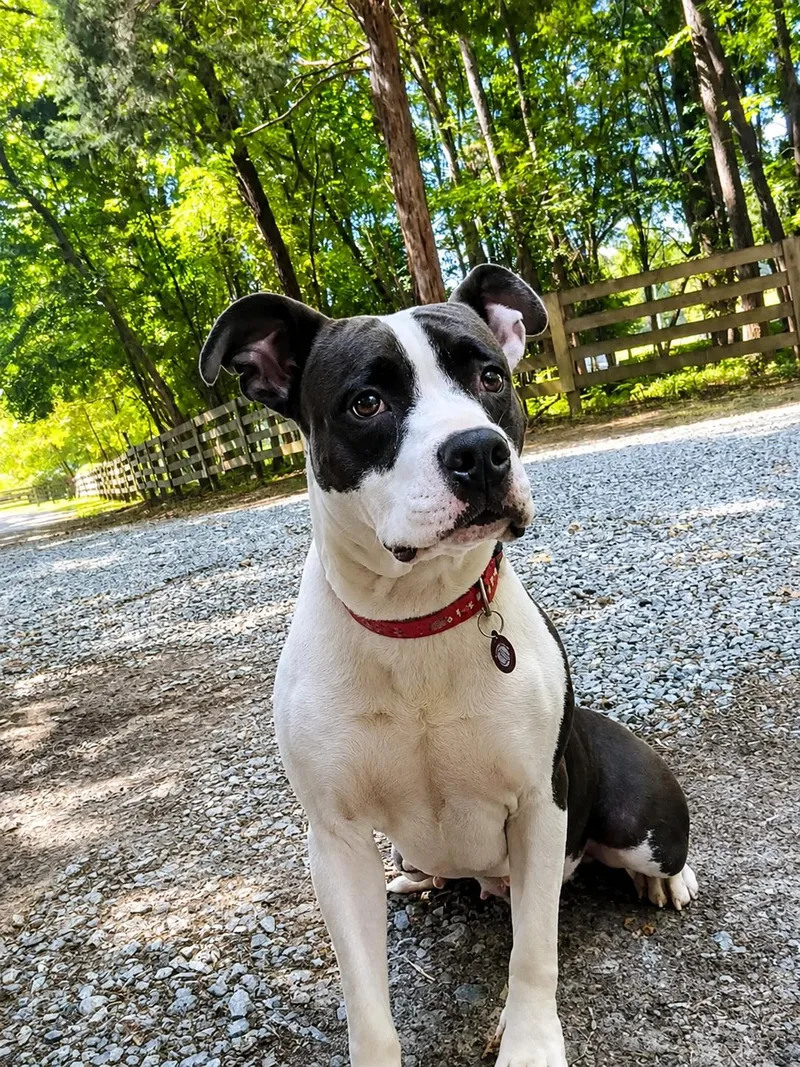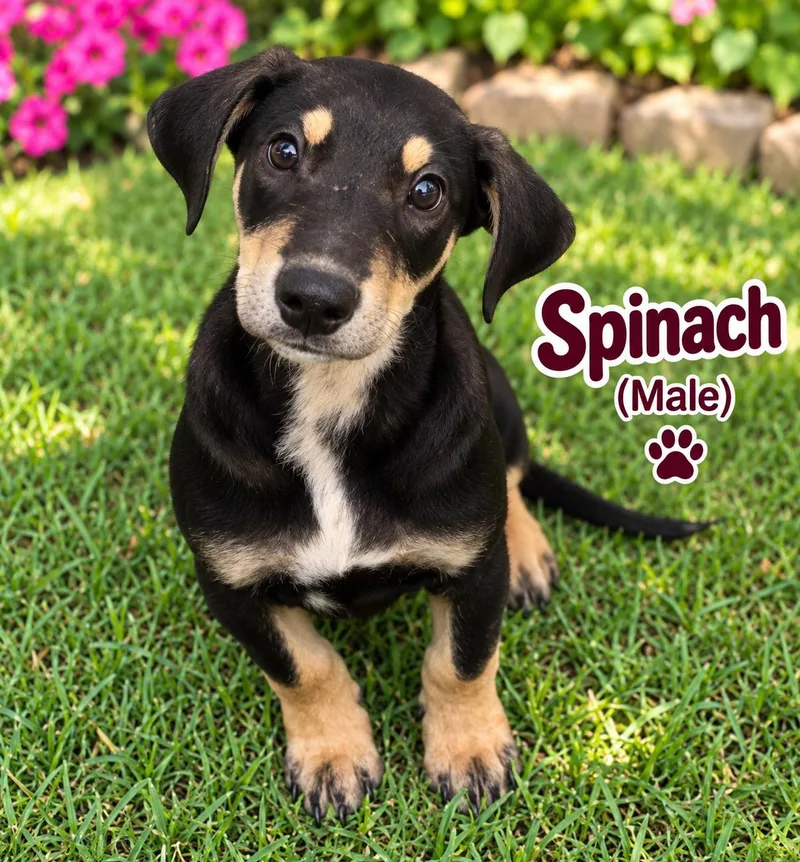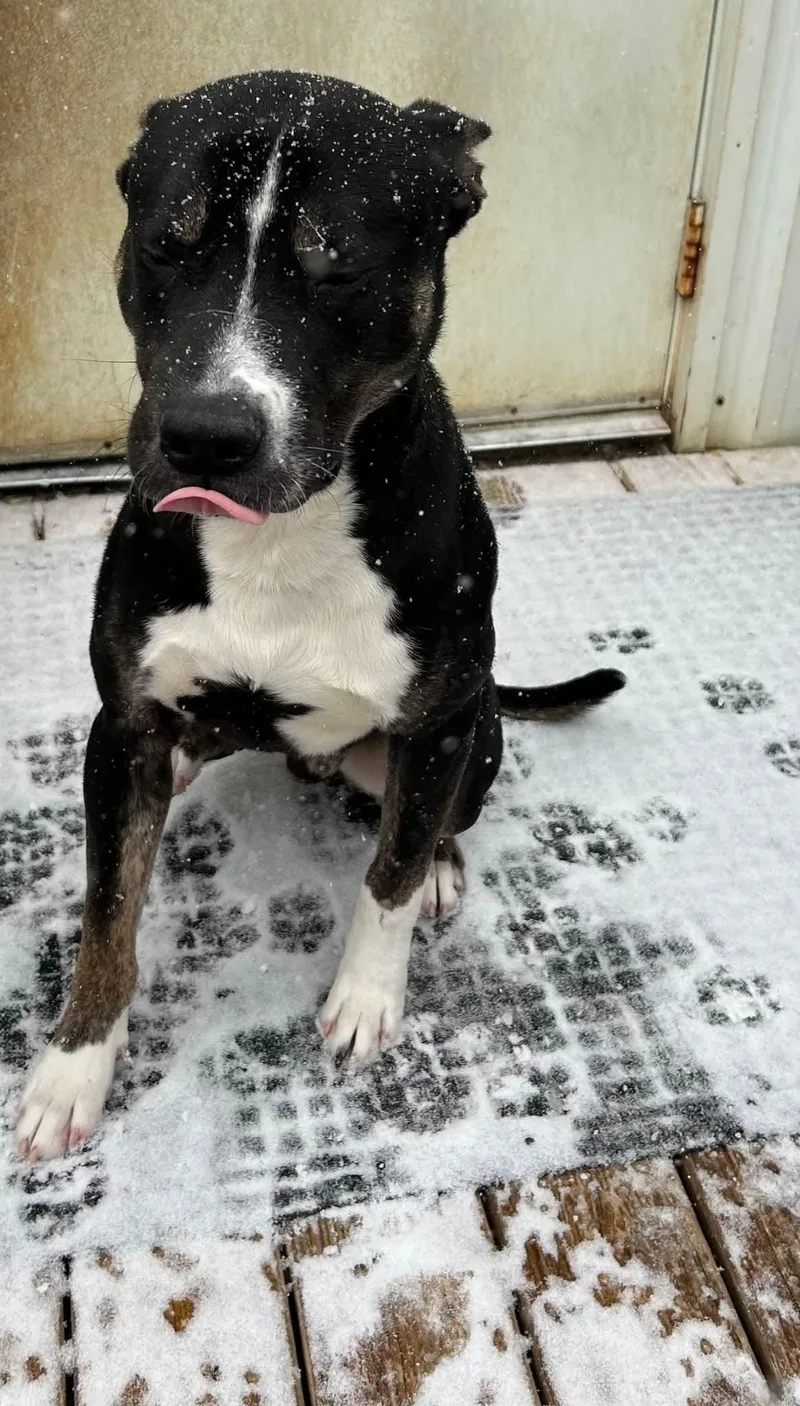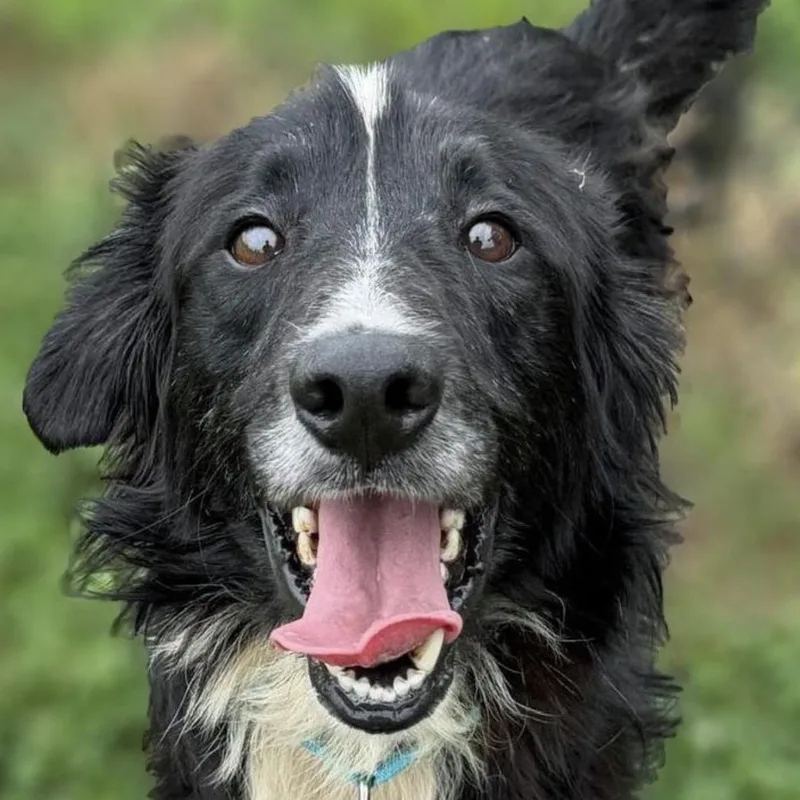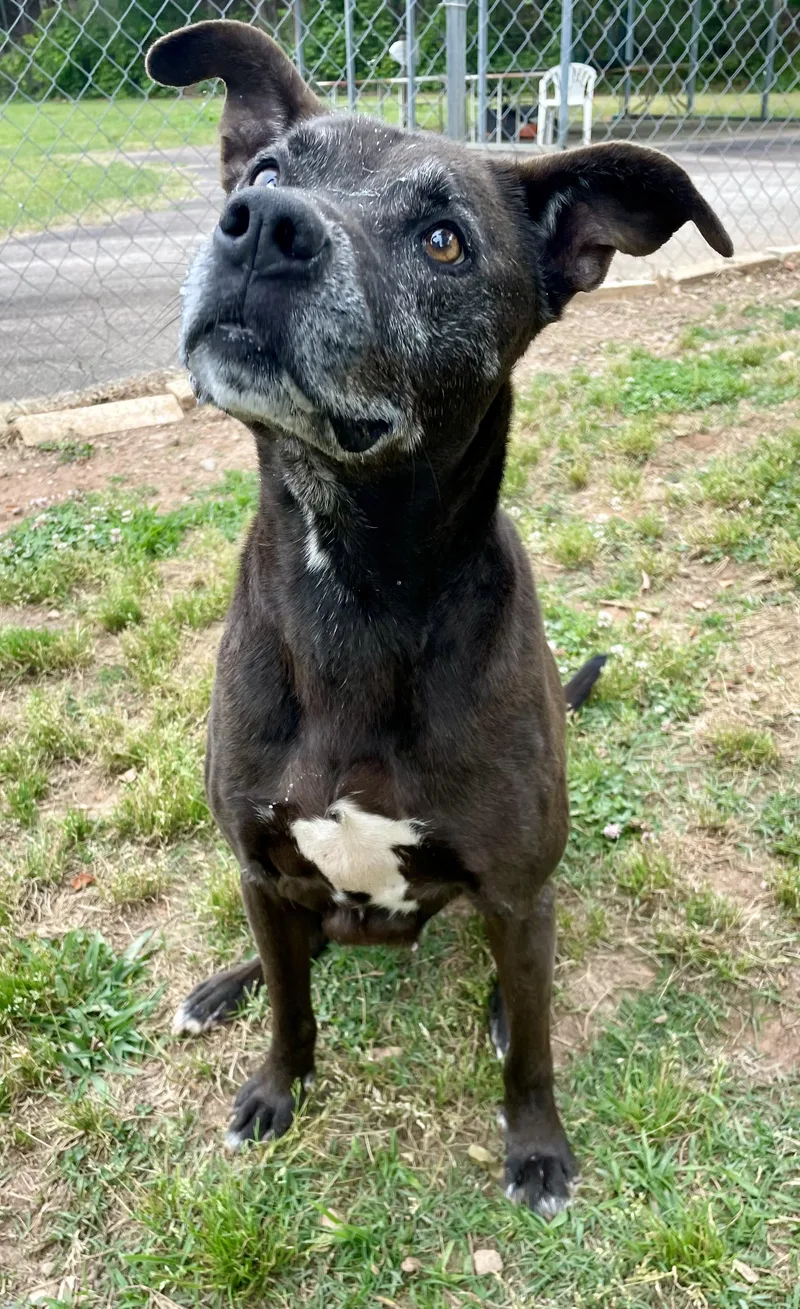
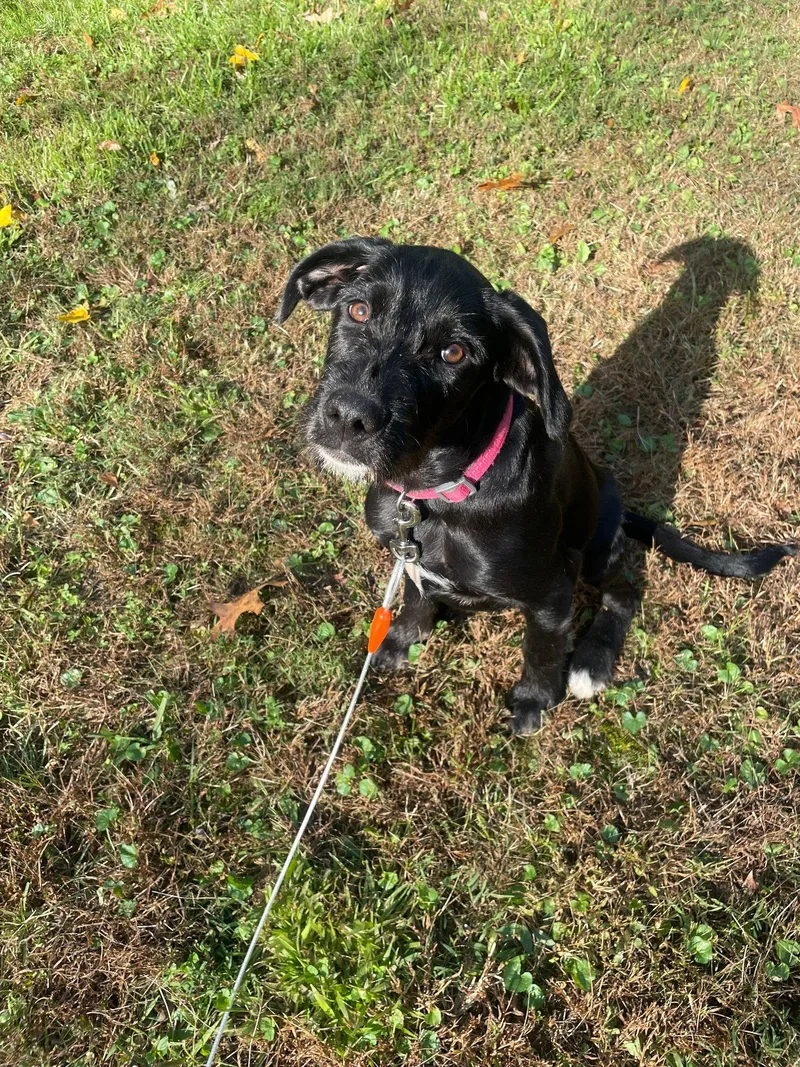
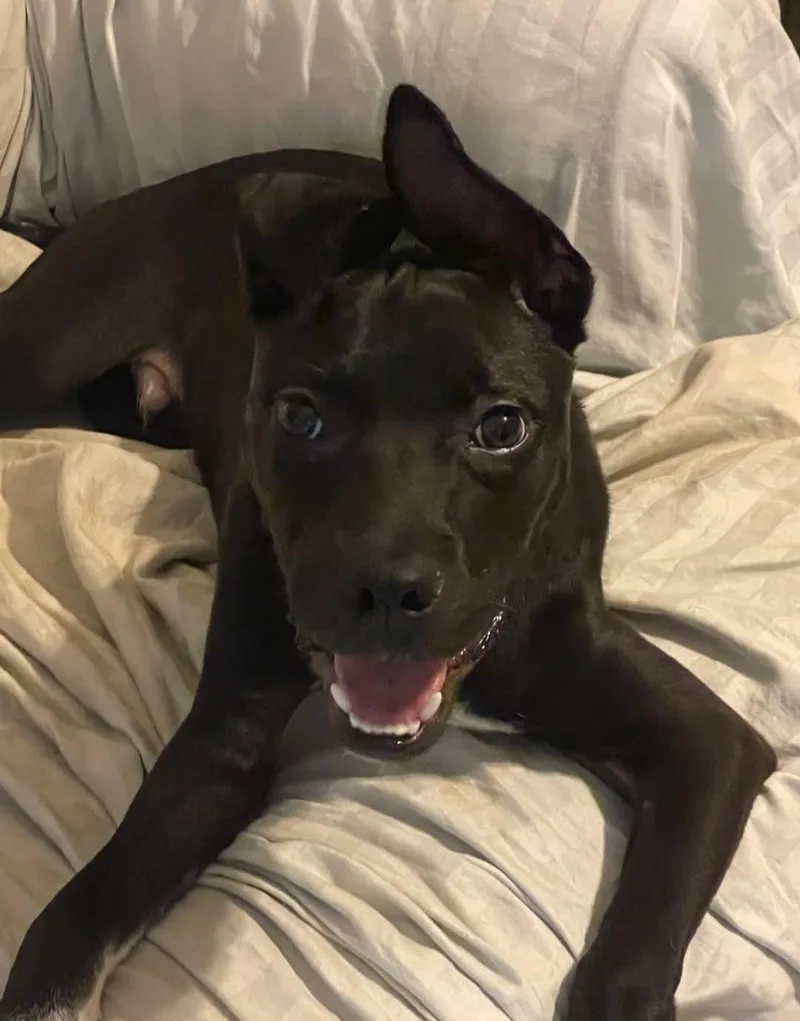

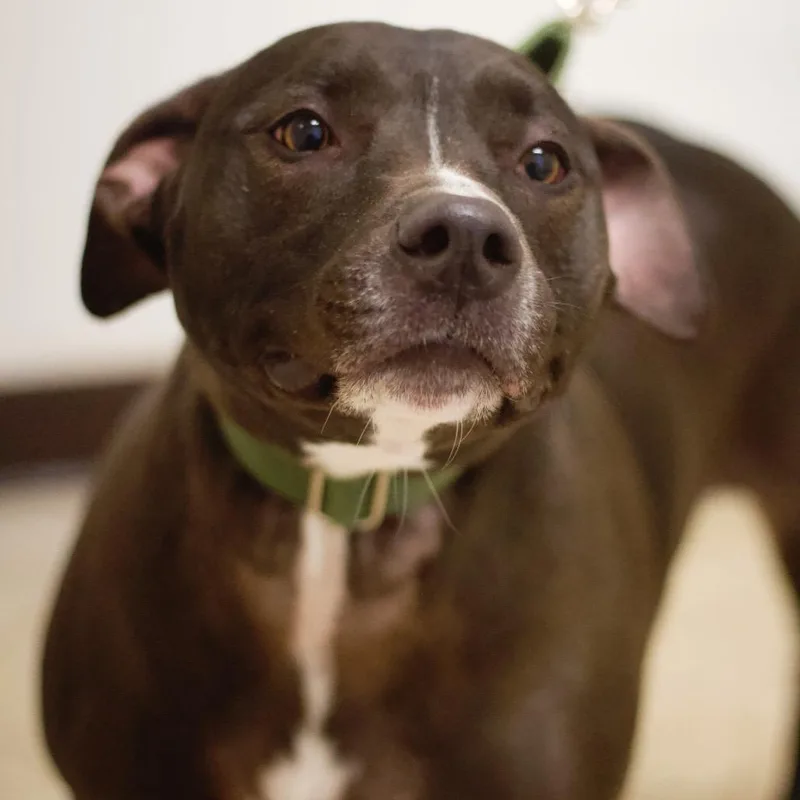
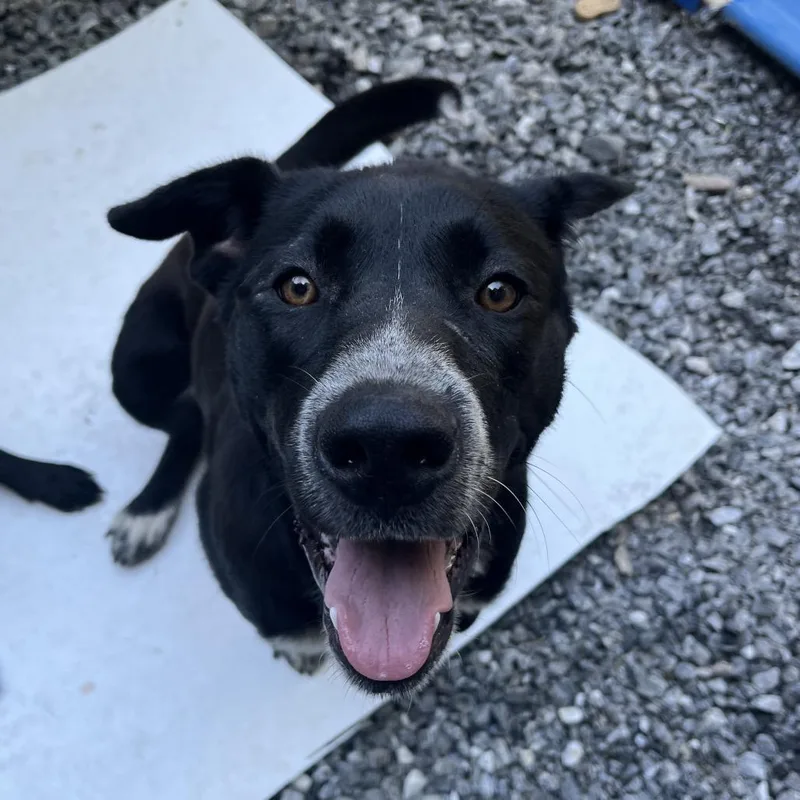
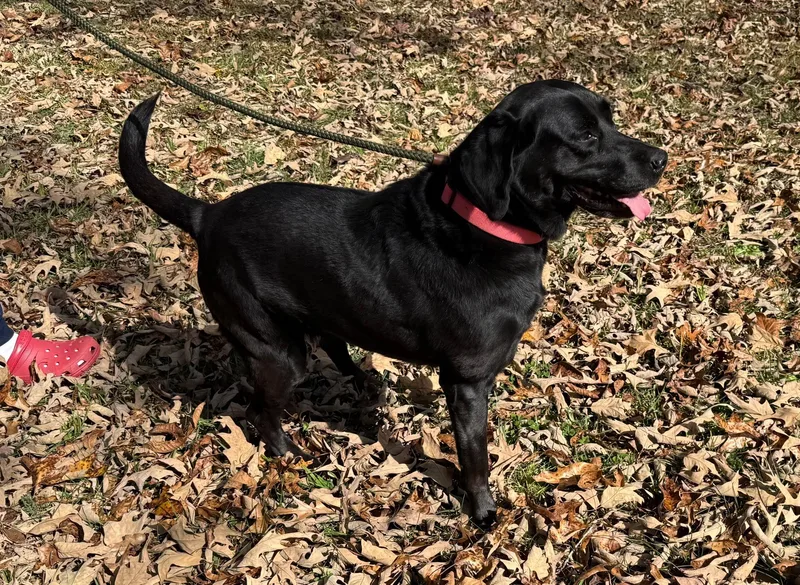

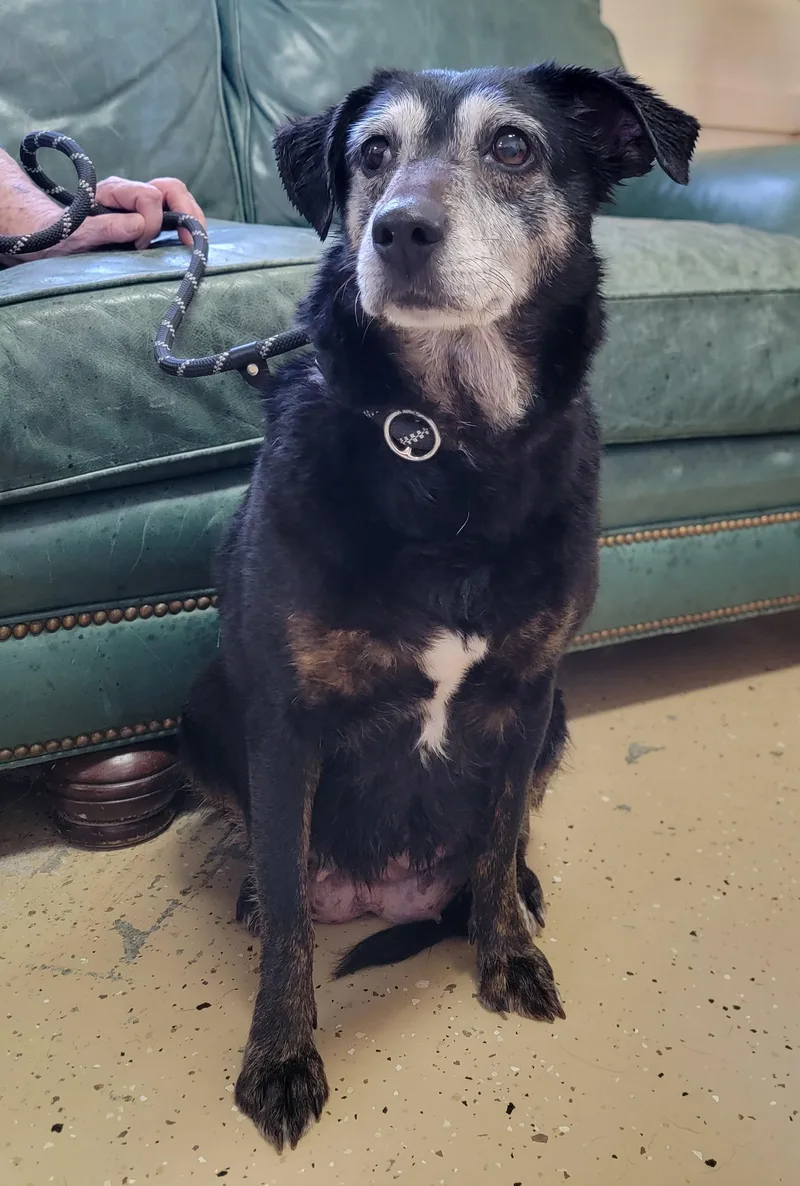

Black Labrador Retriever Dogs for Adoption in Nashville, TN

Your guide to finding and caring for a Black Labrador Retriever in Nashville

A black Lab suits a Donelson ranch house with a yard, with Two Rivers Dog Park on McGavock Pike. At 6.64 acres, it's the largest Metro dog park, big enough for a Lab to run flat out, and the greenway along the Stones River gives you longer leashed walks. Labs are friendly with nearly everyone, so neighbors and other dogs rarely faze them. They do need real exercise every day and plenty of company, which suits people who are home a fair amount.

3060 Black Labrador Retrievers available in Nashville and nationwide

Find your Black Labrador Retriever

Black Labrador Retrievers Available for Adoption Near Nashville

About the Black Labrador Retriever breed

Black is the Lab's original and most familiar color, not a separate breed. Labs descend from the St. John's water dogs of Newfoundland and were refined in Britain as gun dogs, which is why they have a dense, water-resistant double coat, an otter tail and a broad head. Adults usually weigh 55 to 80 pounds.

Color doesn't change personality. Expect a friendly, food-motivated, eager-to-please dog that matures slowly through a bouncy adolescence. Field-bred dogs run leaner and more driven than show-bred ones, and every Lab varies, so match a dog's age and energy to your routine. In Nashville's wet climate, that coat sheds steadily and dries slowly, so plan on regular brushing and careful portions.

Weight
55–80 lbs
Height
21–25 in
Lifespan
10–14 yrs
Temperament
Friendly, Outgoing, Active
Group
Sporting
Shedding
Moderate to High

Owning a Black Labrador Retriever in Nashville

Having a Black Labrador Retriever in Nashville

Sociable and sturdy, a black Lab comes with a big appetite and real working stamina. Energy, shedding and weight management shape daily life more than coat color, so match a dog's age and drive to your routine and expect a dog who wants to join everything you do.

Temperament

Black Labs tend to be friendly, outgoing and eager to please, which suits Nashville's busy sidewalks, patios and dog parks. Young dogs are often mouthy and bouncy, and many are strong enough to knock over small children. Their love of food makes reward-based training work well. A dog's history and socialization shape behavior more than breed or coat color.
Exercise Needs

Plan on an hour or more of vigorous activity a day for a healthy adult: brisk walks, fetch, swimming or runs. In Nashville that can mean a fenced Metro dog park for off-leash play plus a leashed greenway loop. Scent games and short training sessions give a Lab's mind a job, and seniors still benefit from gentler daily outings.

Health Considerations

Labs can develop hip and elbow dysplasia, cruciate ligament tears, exercise-induced collapse and retinal disease, and many gain weight easily. Nashville's warm, humid weather can aggravate ear infections and skin allergies, especially after swimming. Keep flea, tick and heartworm prevention current, and have a veterinarian check the hips and elbows and track weight.

Living Space

A black Lab can live in a Nashville apartment or a house with a yard if daily exercise is covered. A fenced yard helps but doesn't replace walks. Dark coats soak up heat, so provide shade, water and cool indoor time in summer. Expect shed hair, a sweeping tail and a dog who wants to be inside with you.

What it costs to own a Black Labrador Retriever in Nashville

ExpenseTypical costPer year
Food$55 to $110 per month$660 to $1,320
Pet insurance$65 to $130 per month$780 to $1,560
Routine vet care$250 to $500 per year$250 to $500
Other*$583 to $1,458 per year$583 to $1,458
Estimated yearly total (after year one)$2,273 to $4,838

Other costs are estimates and vary with size, age and health.

* Flea, tick and heartworm prevention, a dental cleaning allowance, the $8 Davidson County rabies tag license, toys and bedding, and brushing and baths for heavy seasonal shedding.

Adopt a Black Labrador Retriever in Nashville.

Now that you know more, let’s find you a new best friend. These rescues and shelters below currently have Black Labrador Retrievers available.

Frequently Asked Questions

Yes. Nashville's animal code has no breed-specific rules, so Labs are treated like any other dog and the focus is on behavior. Metro doesn't cap the number of pets either, though it does prosecute neglectful keeping of more than five animals. Tethering is restricted: chains are banned, and a dog can't be tethered outside in freezing weather, thunderstorms or when the heat index reaches 95°F.

Metro has 11 fenced dog parks. Warner Dog Park in Edwin Warner Park and Centennial Large Dog Park off West End both suit a big Lab, alongside Two Rivers and Shelby. Dogs need rabies and ID tags, puppies under four months aren't allowed, and each handler can bring up to two dogs.

Yes, with a summer routine. Nashville reaches 90°F on about 54 days a year, and a black coat absorbs sun, so walk at dawn or after sunset and keep midday outings short. Provide shade, fresh water and air conditioning, never leave your Lab in a parked car, and watch for heavy panting, drooling or weakness.

Yes, if the Lab gets daily exercise and company. A bored Lab barks and chews, and Metro's noise rule covers frequent or loud continued noise that disturbs neighbors, so plan walks and puzzle toys. The bigger hurdle is the building: some set weight or breed limits, so confirm the pet policy in writing, and a ground-floor unit saves stairs for a bouncy young dog.

It's a good fit for active people who are home a fair amount. Nashville offers dog parks, leashed greenways and house yards for exercise, and many Labs enjoy water and mud. It's a weaker fit if you're away long hours, since Labs tend to want company, or if you can't keep up daily walks through the summer heat.

Probably not. WeGo allows non-service animals only in an approved transfer cage, and a 55- to 80-pound Lab won't fit in a carrier, so WeGo buses and the WeGo Star train aren't realistic unless the dog is a service animal. Plan on driving to parks and vet visits, or walk to nearby greenways.

Often yes, on patios. Metro allows leashed dogs on the outdoor patios of restaurants that hold a Metro permit, but never indoors. Your Lab needs a current rabies tag on its collar and a non-retractable leash no longer than six feet, and can't sit on chairs. Look for posted signs and practice a calm settle first.

Brush a black Lab at least weekly, and daily during the heavy spring and fall shedding when the double coat blows out. Baths every month or two are enough, and shaving isn't needed. Nashville's humidity and rain make drying ears after swims and wet walks important. Professional baths during shedding season fit within the yearly Other costs on this page.

We have 2 rescues with Black Labrador Retrievers available: Bonaparte's Retreat and Music City Animal Rescue. You can see every rescue with Black Labrador Retrievers available in the list above these questions, or scroll to the top to see the Black Labrador Retrievers near Nashville.

A black Lab typically costs about $2,300 to $4,800 a year in Nashville. Food runs $55 to $110 a month and pet insurance $65 to $130 a month, while routine vet care is $250 to $500 a year and other costs add $583 to $1,458. Food and insurance are the biggest swings.