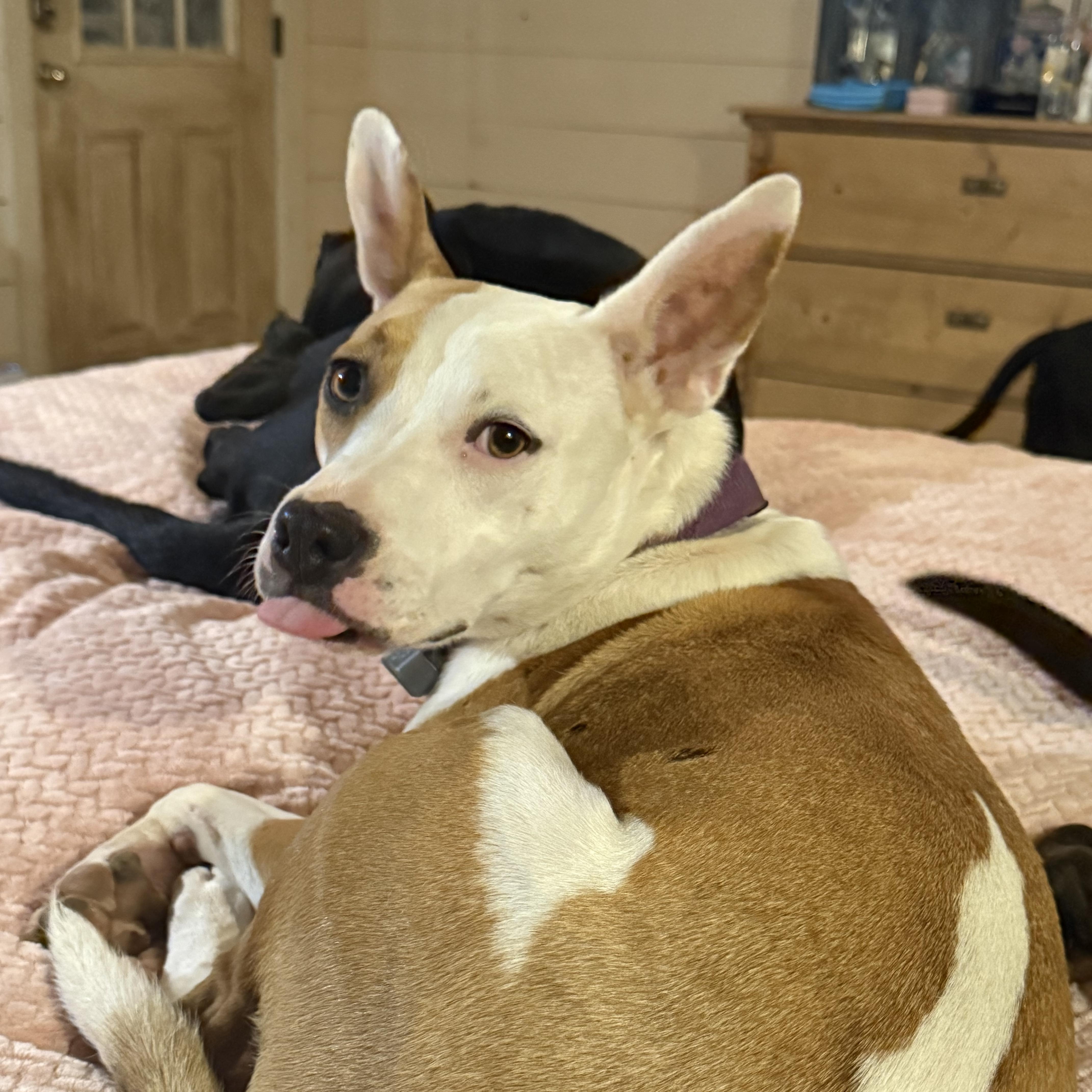
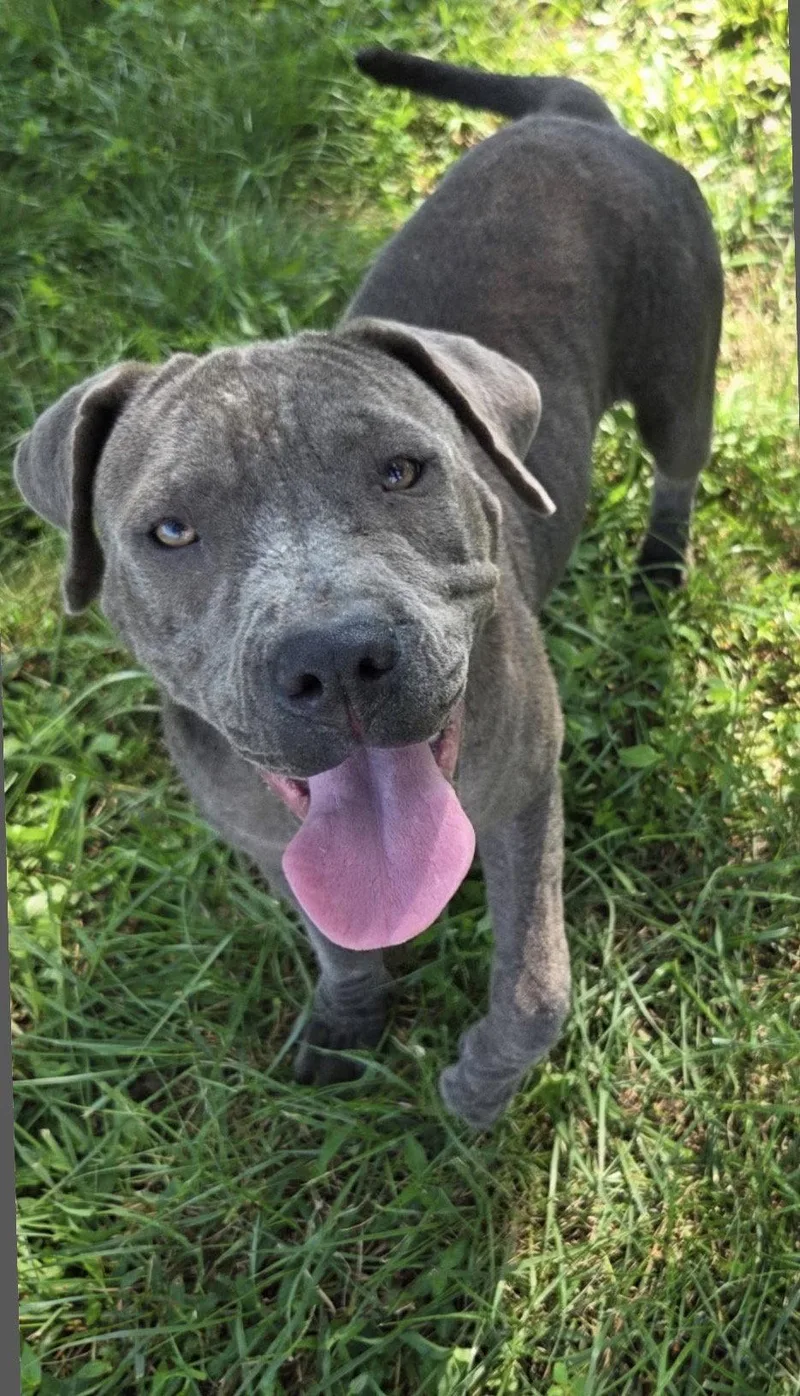
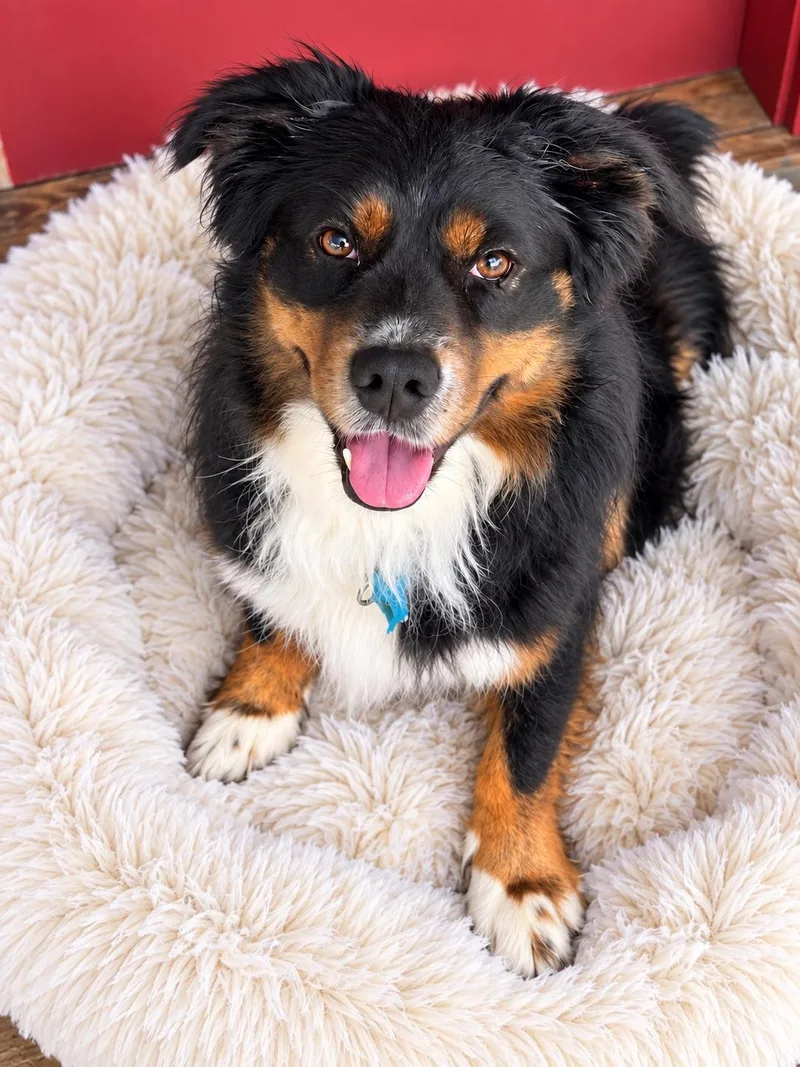
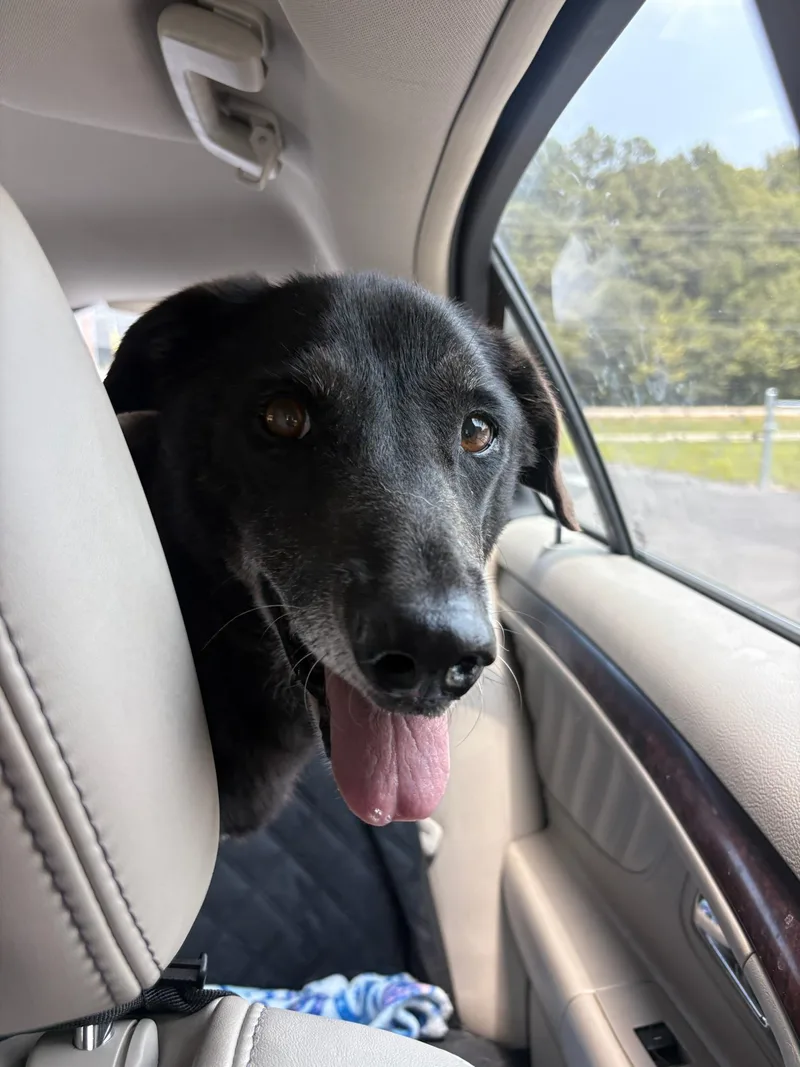
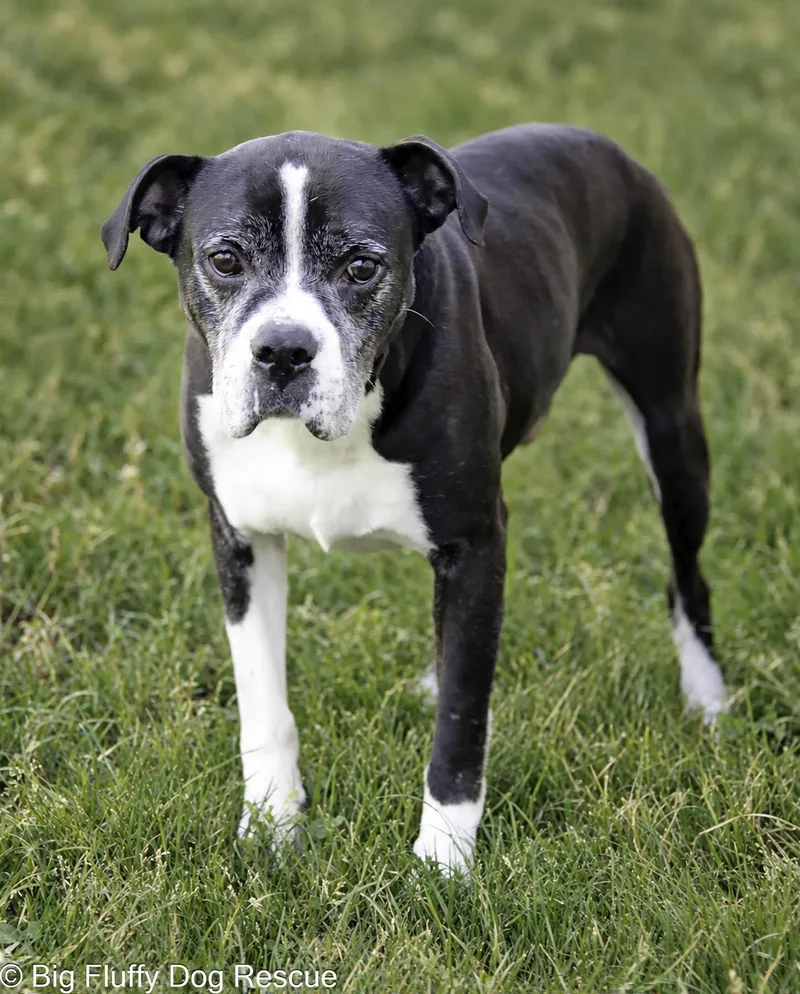
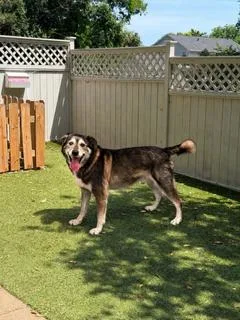
Basenji Dogs for Adoption in Nashville, TN

Your guide to finding and caring for a Basenji in Nashville

Basenjis suit Nashville best when they have a fully fenced yard, like the brick ranch houses common in Donelson. They're small, quiet and clean, but they run hard and climb fences, so the fenced, 6.6-acre Two Rivers Dog Park off McGavock Pike gives them a safe place to sprint. Apartment living can work too, since a Basenji doesn't bark, as long as the daily runs happen. Plan on a latch that really closes on every gate.

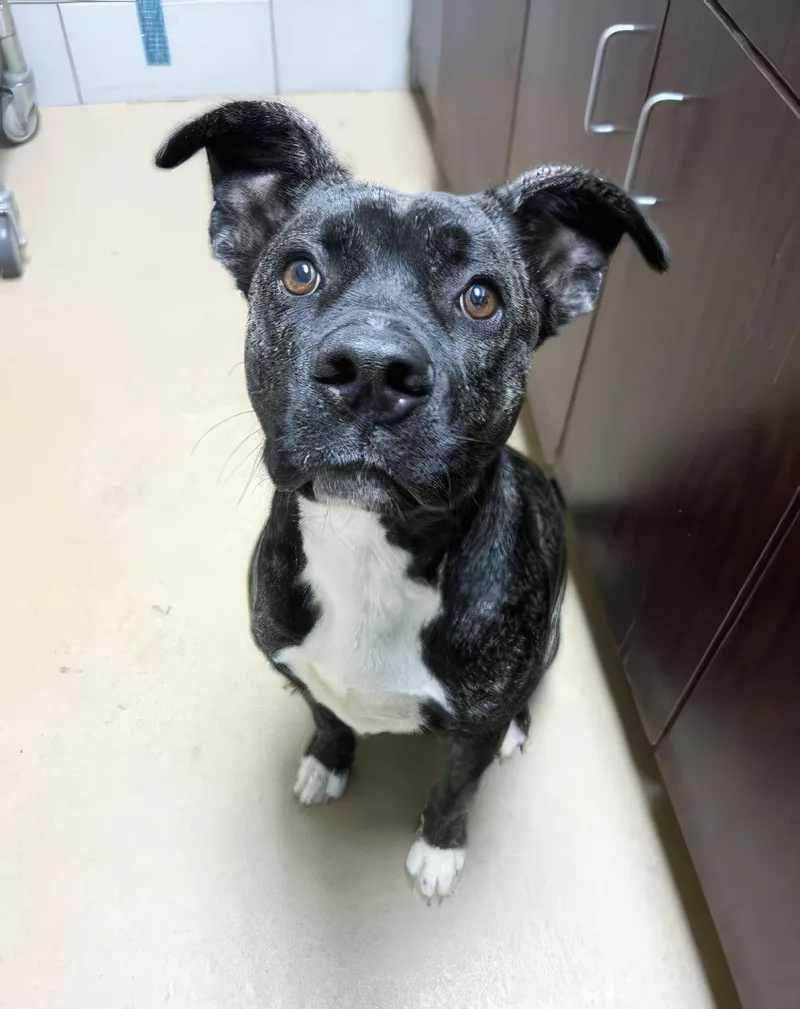
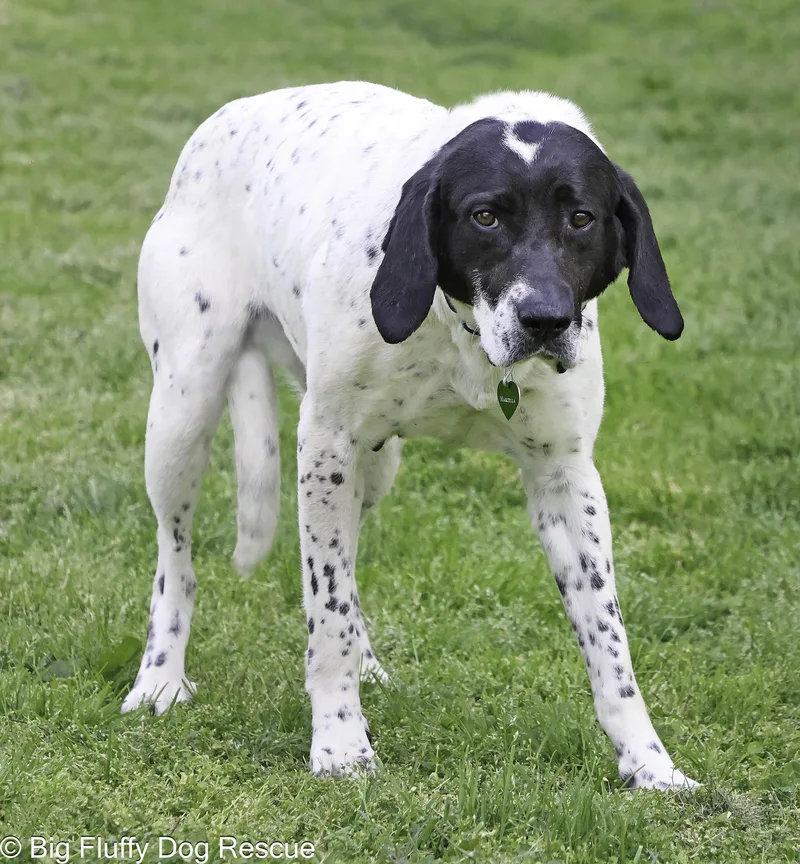
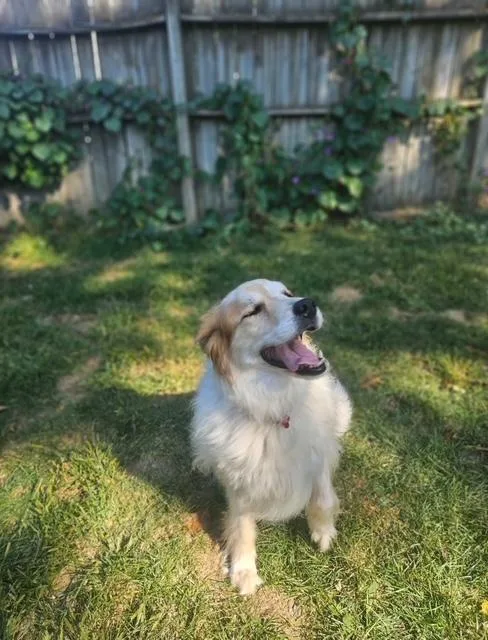
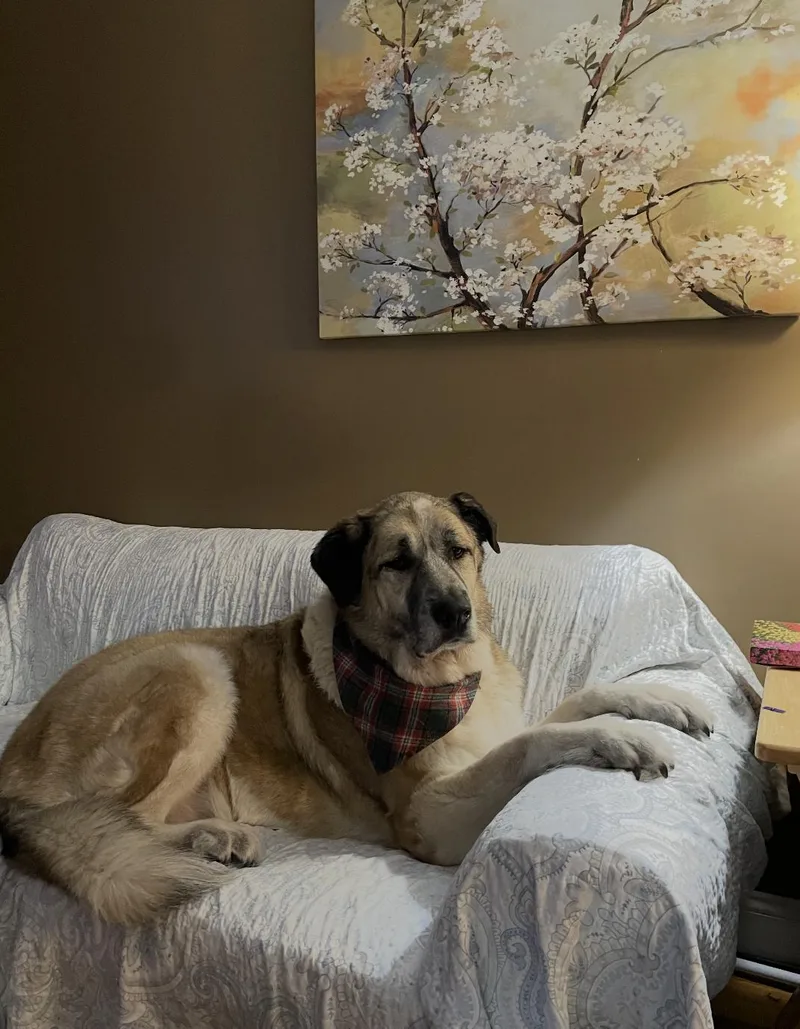
155 Basenjis available in Nashville and nationwide

Fall for a Basenji

While we don't have enough dogs near Nashville, keep in mind that many rescues may offer transport.

Basenjis Available for Adoption Near Nashville

About the Basenji breed

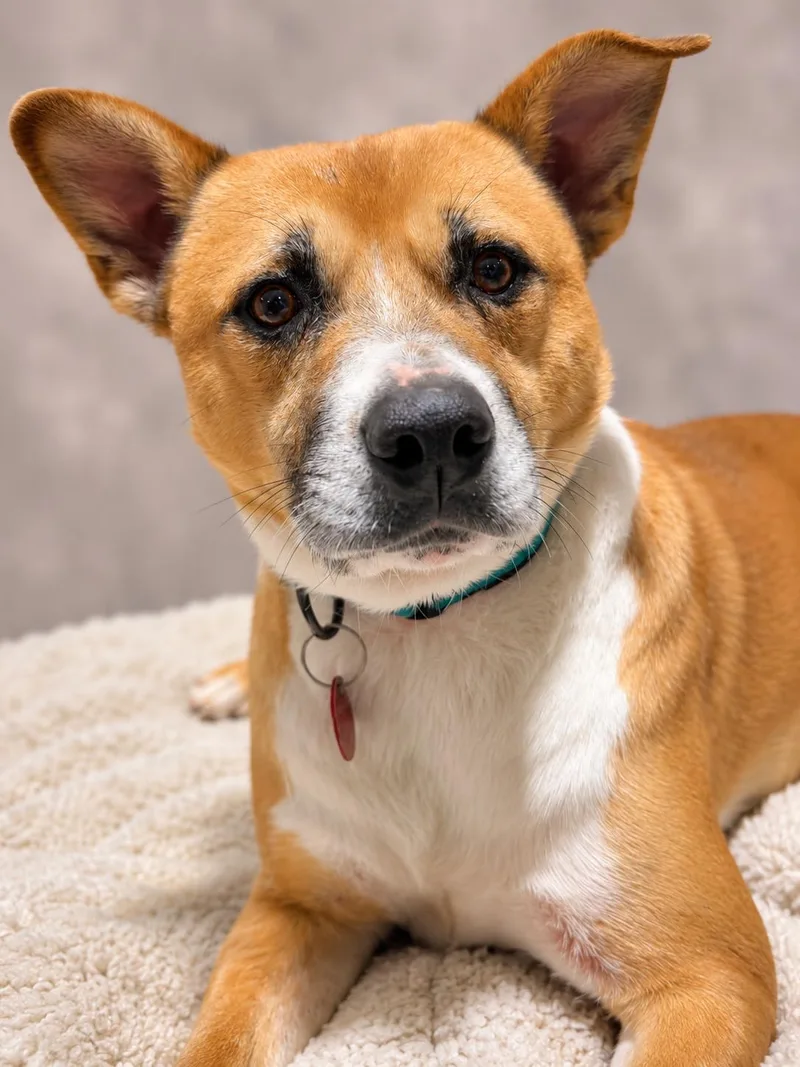
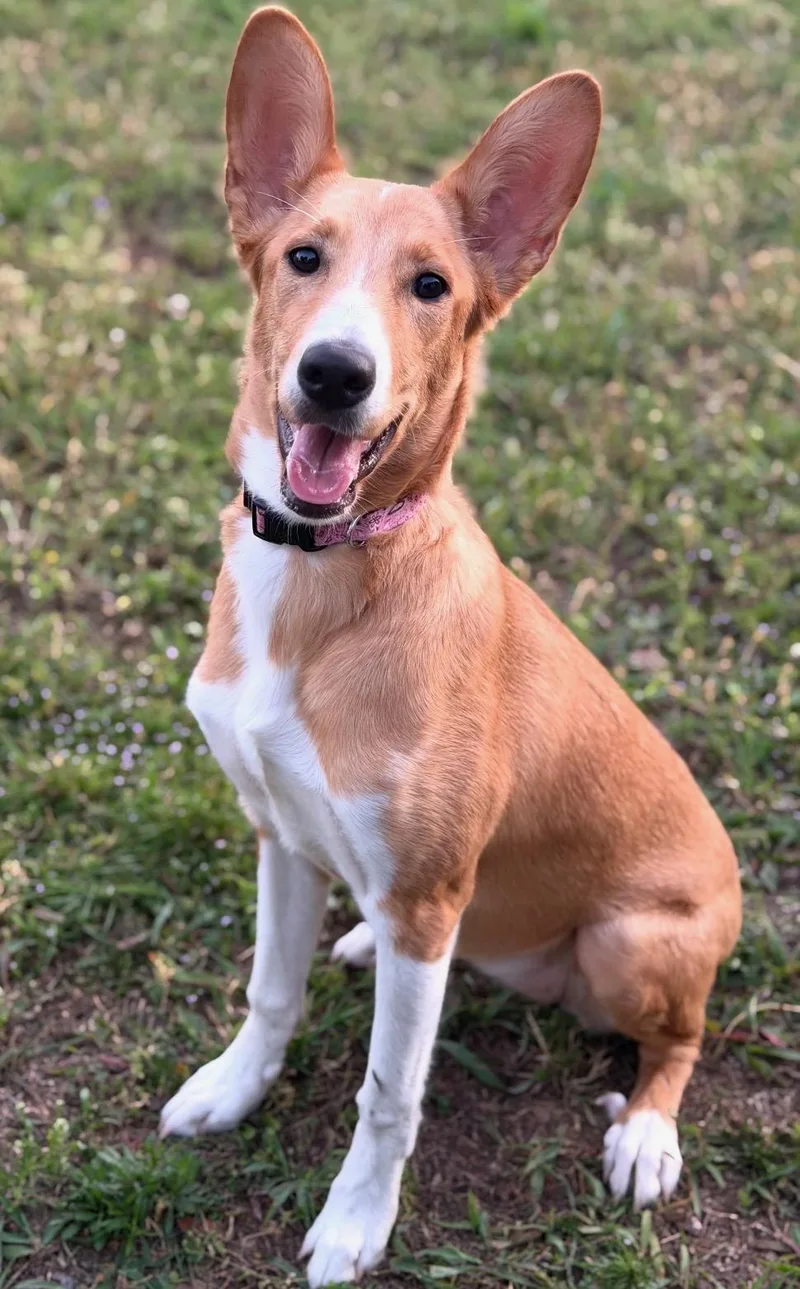
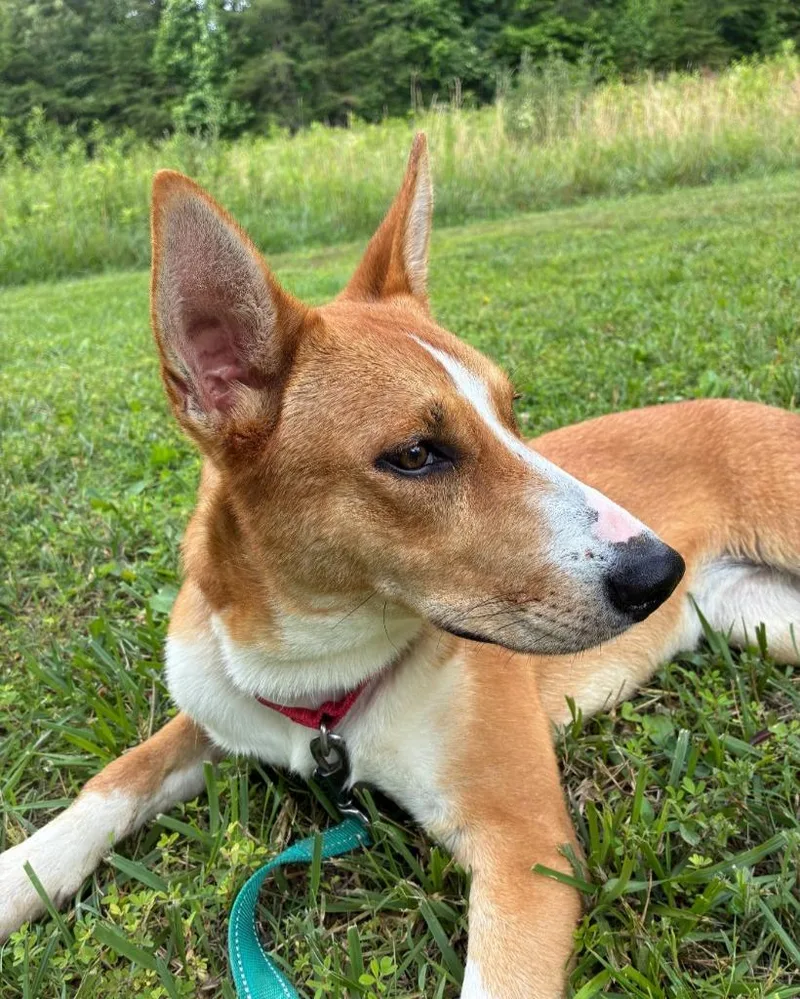
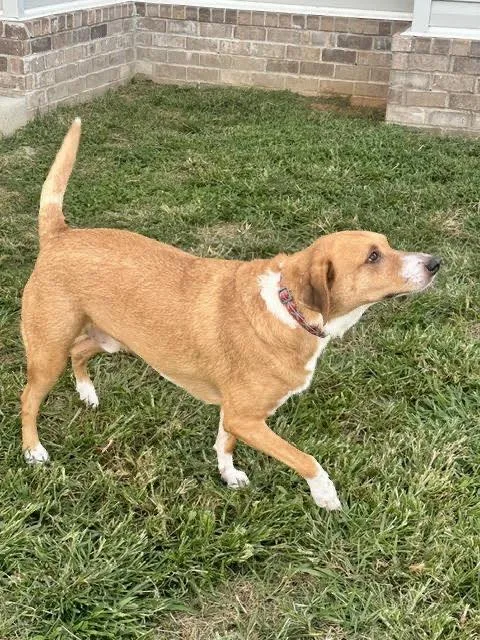
The Basenji is an ancient hunting breed from the Congo basin of Central Africa, where village hunters relied on it to flush small game into nets. Instead of barking, it yodels and makes a sound called a baroo. Adults weigh about 20 to 26 pounds and stand 15 to 18 inches tall, with a short coat in chestnut, black, tricolor or brindle, a wrinkled forehead and a tightly curled tail.

Most Basenjis are affectionate with their people, independent in their thinking and reserved with strangers. Strong chase drive, a talent for escaping and a habit of chewing mean they do best with secure fencing, a leash outside fenced areas and patient, creative training. They groom themselves much like cats, so coat care is light. Basenjis vary, so a dog's own personality matters as much as the breed.

Weight
20–26 lbs
Height
15–18 in
Lifespan
12–15 yrs
Temperament
Independent, Intelligent, Alert, Affectionate
Group
Hound
Shedding
Low

Owning a Basenji in Nashville

Having a Basenji in Nashville

Basenjis are small, quiet and catlike, with a hunter's drive and a talent for escape. Those traits shape training, safety and daily routine more than size does, so Nashville adopters should weigh fencing and patience before anything else.

Temperament

Basenjis are usually affectionate with their families, alert and reserved with strangers. They think for themselves and may ignore cues that seem pointless. Chase instinct can make small pets and squirrels risky, and coyotes are common in Nashville neighborhoods, so supervise outdoor time. Some Basenjis enjoy other dogs, while others prefer to be the only one.

Exercise Needs

Plan on a brisk walk or run every day, plus play and mental work. Nashville's fenced dog parks and paved greenways, leashed at six feet or less, give a Basenji safe outlets, but never trust recall in open space. Puzzle toys and scent games help on rainy days when you're stuck indoors.

Health Considerations

Basenjis can inherit Fanconi syndrome, progressive retinal atrophy, pyruvate kinase deficiency and hypothyroidism, and DNA tests exist for some of them. A veterinarian can discuss testing and periodic urine screening for a newly adopted dog. In Nashville's humid summers, keep flea, tick and heartworm prevention current.

Living Space

A Basenji can do well in a Nashville apartment or an East Nashville bungalow if exercise happens daily, and the lack of barking helps with neighbors, though yodeling happens. Security matters most: fences need to be free of gaps, and Basenjis climb. Many dislike rain and cold, so give them a cozy indoor spot.

What it costs to own a Basenji in Nashville

ExpenseTypical costPer year
Food$20 to $45 per month$240 to $540
Pet insurance$40 to $85 per month$480 to $1,020
Routine vet care$200 to $400 per year$200 to $400
Other*$383 to $1,058 per year$383 to $1,058
Estimated yearly total (after year one)$1,303 to $3,018

Other costs are estimates and vary with size, age and health.

* The $8 yearly Davidson County rabies license, flea, tick and heartworm prevention, a dental cleaning allowance, durable chew toys and bedding, and minimal grooming.

Adopt a Basenji in Nashville.

Now that you know more, let’s find you a new best friend. These rescues and shelters below currently have Basenjis available.

Frequently Asked Questions

Yes, you can own a Basenji in Nashville. Metro's animal rules don't single out breeds. Dogs six months and older need a rabies vaccine and a Davidson County rabies tag on the collar, and off your property a dog must be on a leash no longer than eight feet. Chains are prohibited, and a fenced yard suits an escape artist better than tethering.

Start with fenced Metro dog parks, such as Two Rivers Dog Park in Donelson, the largest at about 6.6 acres, or Shelby Dog Park in East Nashville. Dogs need rabies and ID tags, and puppies under four months aren't allowed. For walks, leashed dogs can use greenways like Shelby Bottoms with a six-foot leash. Radnor Lake bans dogs on its trails.

Basenjis can handle Nashville winters with some help. Highs average around 52°F and lows around 32°F, with about 66 freezing nights a year, and the short coat offers little insulation. Plan on a sweater, short outings on icy days and a warm bed indoors. Metro rules prohibit leaving a tethered dog outside in freezing weather.

Often yes, on patios only. Metro lets restaurants with a $20 health department permit allow leashed dogs outdoors, so many Nashville patios welcome them, though none is required to. Use a non-retractable leash of six feet or less, keep the license tag on the collar, and keep your Basenji off chairs and tables. Dogs can't go inside.

A Basenji needs very little grooming in Nashville. The short coat sheds lightly and the dog cleans itself like a cat, so a weekly rubber-brush session and an occasional bath are usually enough. Humid summers and muddy spring walks mean more paw wiping, and nails need regular trims. Grooming adds little to the yearly Other costs.

Only in a carrier. WeGo's code allows non-service animals on its buses and the WeGo Star commuter train only in an approved transfer cage, and Nashville has no subway. A 20- to 26-pound Basenji may be a tight fit, so check WeGo's current carrier rules and fares before planning a ride.

A Basenji is a small, ancient hunting dog from Central Africa, famous for not barking. It belongs to the AKC Hound Group and was recognized in 1943. Basenjis are lean and elegant, with a wrinkled forehead, upright ears and a tightly curled tail. They tend to be clever, independent, clean and energetic, with a strong instinct to chase.

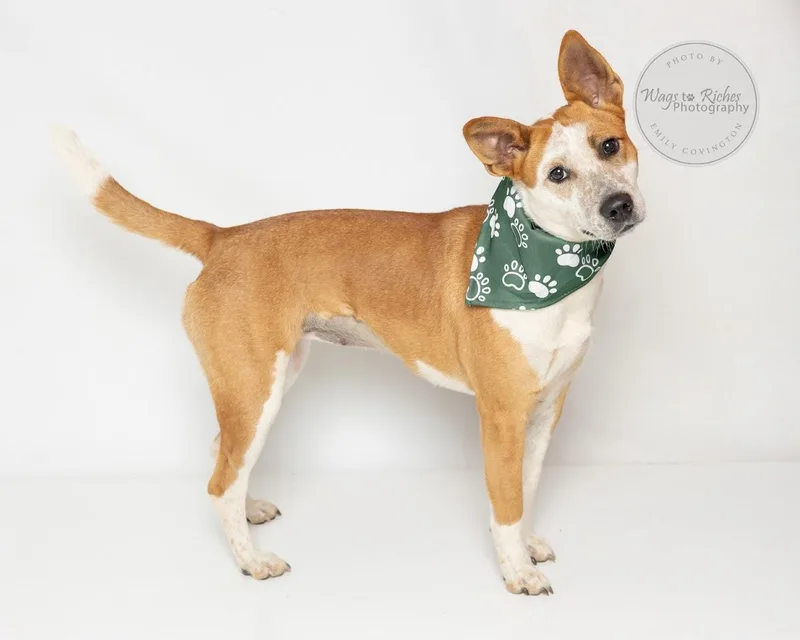
A Basenji looks like a small, athletic dog with a short, fine coat, upright pointed ears, a wrinkled forehead and a tail curled tightly over its back. Common colors are chestnut red, black, tricolor and brindle, always with white feet, chest and tail tip. It moves with a quick, springy trot often compared to a trotting racehorse.

We have 1 rescue with Basenjis available: Proverbs 12:10 Animal Rescue. You can see every rescue with Basenjis available in the list above these questions, or scroll to the top to see the Basenjis near Nashville.

A Basenji in Nashville typically costs about $1,300 to $3,000 a year across food, insurance, routine vet care and other expenses. Food runs $20 to $45 a month and insurance $40 to $85 a month. Routine vet care is $200 to $400 a year, and other costs run $383 to $1,058.

Find Basenjis in Nearby Cities

Expand your search to find Basenjis available for adoption near Nashville.