American Eskimo Dogs for Adoption in Nashville, TN

Your guide to finding and caring for an American Eskimo Dog in Nashville

American Eskimo Dogs do well in Nashville if their people are home a fair amount. Donelson's brick ranch houses and the fenced, 6.64-acre Two Rivers Dog Park give a lively Eskie plenty of room to burn energy. Eskies notice everything and bark about it, which matters in a shared-wall apartment. They also want company, and they're happiest indoors with you when July turns hot and humid.

64 American Eskimo Dogs available in Nashville and nationwide

An American Eskimo Dog is ready for you

While we don't have enough dogs near Nashville, keep in mind that many rescues may offer transport.

American Eskimo Dogs Available for Adoption Near Nashville

About the American Eskimo Dog breed

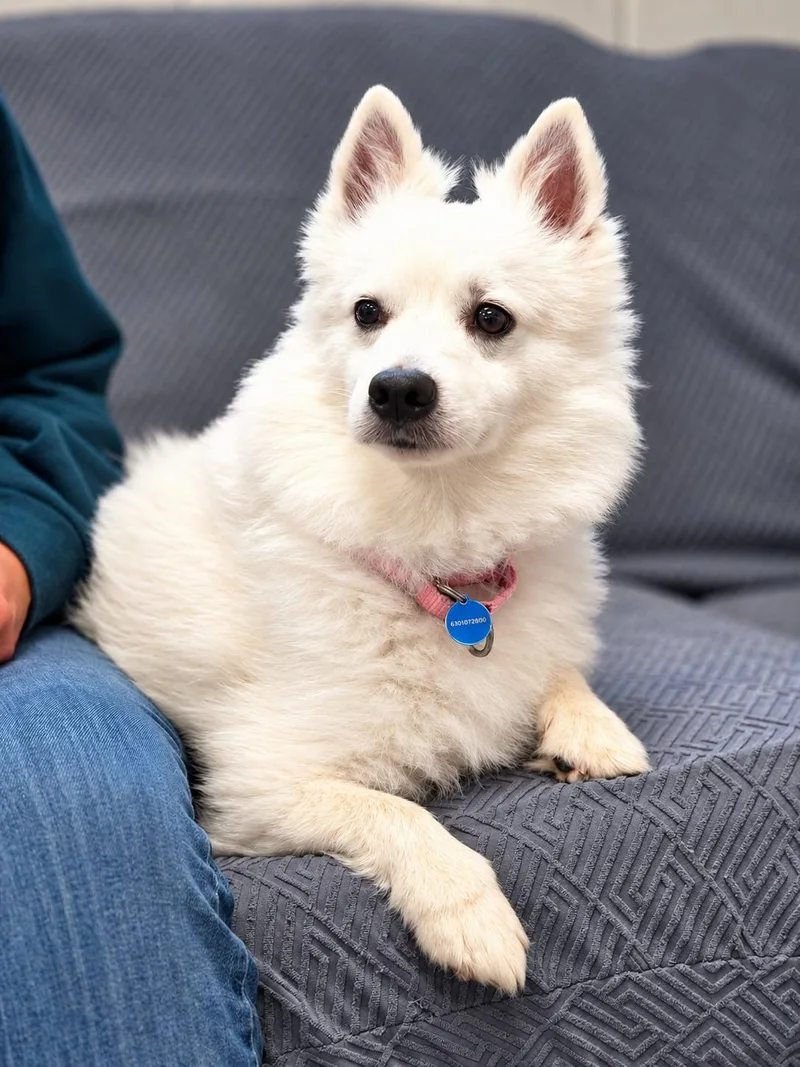
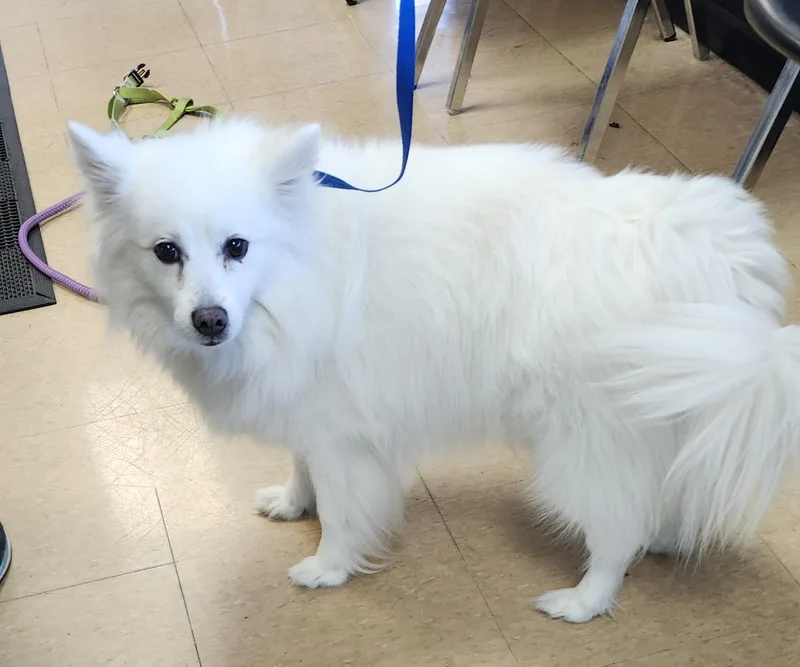
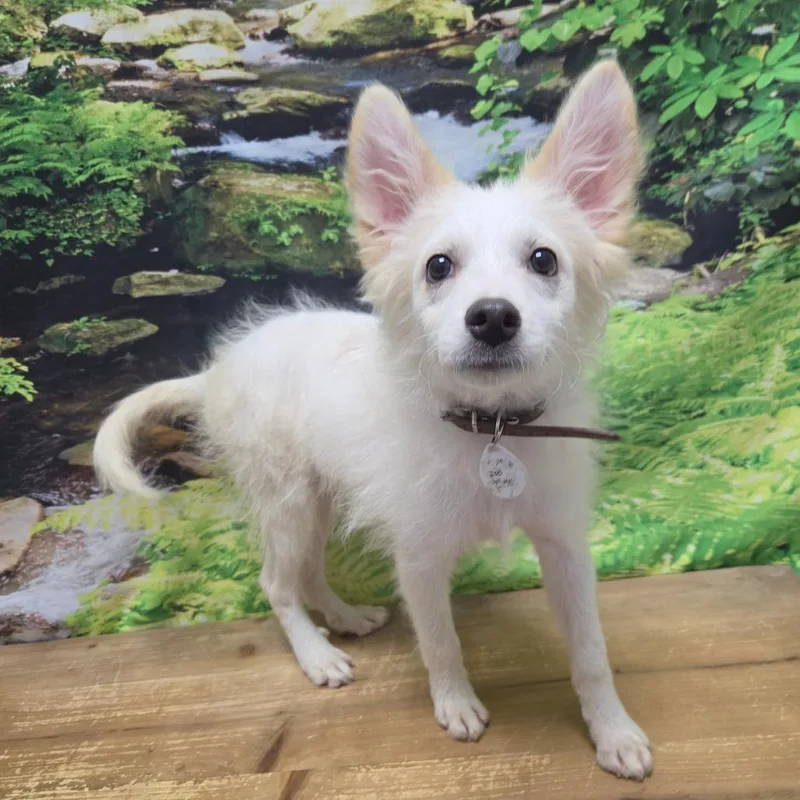
The American Eskimo Dog has nothing to do with the Arctic. It descends from white German Spitz dogs that immigrants brought to the United States in the early 1900s, and the name changed during World War I. Eskies later became circus performers, and that showmanship still shows in their quick minds and love of tricks. They come in toy, miniature and standard sizes, roughly 6 to 35 pounds.

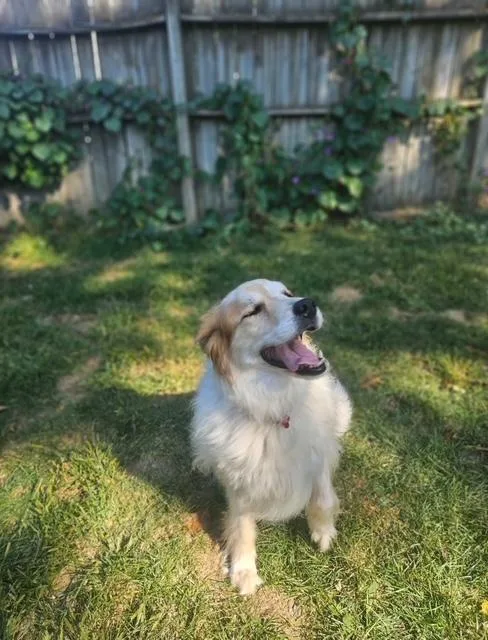
A dense white double coat, lion-like ruff and plumed tail make Eskies hard to miss, and that coat sheds heavily, especially when it blows once or twice a year. Many are playful and eager to please but reserved with strangers, and they bark readily. In Nashville, expect a dog that wants daily walks, regular brushing and plenty of time with its family.

Weight
6–35 lbs
Height
9–19 in
Lifespan
13–15 yrs
Temperament
Intelligent, Alert, Playful, Vocal
Group
Non-Sporting
Shedding
High

Owning an American Eskimo Dog in Nashville

Having an American Eskimo Dog in Nashville

Eskies pair a sharp mind and a heavy white coat with a real need for company. In Nashville, that means planning for humid summers, frequent brushing and enough daily activity to keep a clever dog busy and quiet.

Temperament

Eskies are intelligent and affectionate with their families but often reserved with strangers, and they're quick to announce visitors. In Nashville's close-set neighborhoods and apartment buildings, early socialization and positive training help keep barking in check. Dogs vary, so watch how each one reacts to new people and sounds.

Exercise Needs

Plan on daily walks plus active play or trick training. Metro's dog parks are fenced for off-leash time, and leashed dogs are welcome on greenways with a leash no longer than 6 feet. Keep outings shorter in summer heat, and use puzzle toys on rainy days, which are common in Nashville.

Health Considerations

Eskies can face progressive retinal atrophy, hip dysplasia, kneecap luxation, juvenile cataracts and diabetes, so a veterinarian can check eyes and joints early. Ticks, fleas and mosquitoes are summer concerns in Nashville, so keep parasite prevention current, and dry the coat well after wet walks to help prevent skin irritation.

Living Space

Toy and miniature Eskies often adapt to Nashville apartments, while standards may like a fenced yard. Either way, they do best living indoors with the family. Barking carries through shared walls, and Metro code treats frequent, loud continued noise as a nuisance, so training and enough exercise matter.

What it costs to own an American Eskimo Dog in Nashville

ExpenseTypical costPer year
Food$20 to $45 per month$240 to $540
Pet insurance$35 to $70 per month$420 to $840
Routine vet care$200 to $400 per year$200 to $400
Other*$483 to $1,258 per year$483 to $1,258
Estimated yearly total (after year one)$1,343 to $3,038

Other costs are estimates and vary with size, age and health.

* The $8 Davidson County rabies tag license, flea, tick and heartworm prevention, a dental cleaning allowance, toys and bedding, and brushing and grooming for a heavy-shedding double coat.

Adopt an American Eskimo Dog in Nashville.

Now that you know more, let’s find you a new best friend. These rescues and shelters below have dogs available in and near Nashville.

Frequently Asked Questions

Often, yes, if you're home a fair amount and can manage heat and barking. Nashville's humid summers call for early walks and air conditioning, and spring storms and fireworks noise can rattle alert dogs like Eskies. Fenced dog parks give them room to play. Each dog's personality matters more than breed, so consider the particular dog.

Yes. Metro code has no breed restrictions, and Tennessee has no statewide breed ban. Your dog needs a rabies vaccination by six months and a Davidson County rabies tag, which costs $8 for one year. Off your property, keep your Eskie on a leash or tether no longer than 8 feet. Nashville sets no pet-number limit, but landlords can.

Mostly, with summer care. Winters of roughly 32 to 52°F suit the double coat, but about 54 days a year reach 90°F and humidity lingers. Walk early or late, keep your Eskie in air conditioning on hot days, and don't shave the coat. Rain falls year-round, so towel off after walks, and have a storm plan for spring.

Try Two Rivers Dog Park in Donelson, Shelby Dog Park in East Nashville or Centennial's small-dog area near West End. Dogs need rabies and ID tags, puppies under four months aren't allowed, and you can bring two dogs at most. For walks, Shelby Bottoms Greenway welcomes leashed dogs on a leash up to 6 feet. Radnor Lake bans dogs on its trails.

Only in limited cases. WeGo's code of conduct allows non-service animals on its buses and property only in an approved transfer cage, and regional services have the same rule. A toy or miniature Eskie may fit a carrier, but a standard probably won't. Nashville has no subway, so larger Eskies usually mean driving.

Sometimes, on patios. Metro lets restaurants with a city permit allow leashed dogs outdoors, but never inside. Your Eskie needs a current rabies vaccination, a license tag on the collar and a non-retractable leash no longer than 6 feet, and can't sit on chairs or tables. Barking can get you asked to leave, since restaurants may refuse service to owners who can't control a dog.

Plan on brushing several times a week, and daily during the spring and fall coat blows. Humid summers and year-round rain mean drying the coat well after walks. Don't shave it, since the double coat insulates against heat. Grooming costs sit within the Other line of $483 to $1,258 a year, lower for toy-sized Eskies and higher with a groomer.

American Eskimo Dogs typically live about 13 to 15 years, and some reach their late teens. Smaller toy and miniature Eskies often live slightly longer than standards, as is common in dogs. Good nutrition, a healthy weight, dental care and regular veterinary checkups help, and early screening for eye disease and diabetes can catch problems before they become serious.

American Eskimo Dogs come in three sizes. Toys stand about 9 to 12 inches and weigh roughly 6 to 10 pounds, miniatures stand 12 to 15 inches and weigh about 10 to 20 pounds, and standards stand 15 to 19 inches and weigh around 25 to 35 pounds. Shelter Eskies of unknown background may fall between these ranges.

Expect roughly $1,340 to $3,040 a year for an adult Eskie. Food runs $20 to $45 a month, insurance $35 to $70 a month, routine vet care $200 to $400 a year, and other costs $483 to $1,258 a year. Toy and miniature Eskies usually cost less than standards.