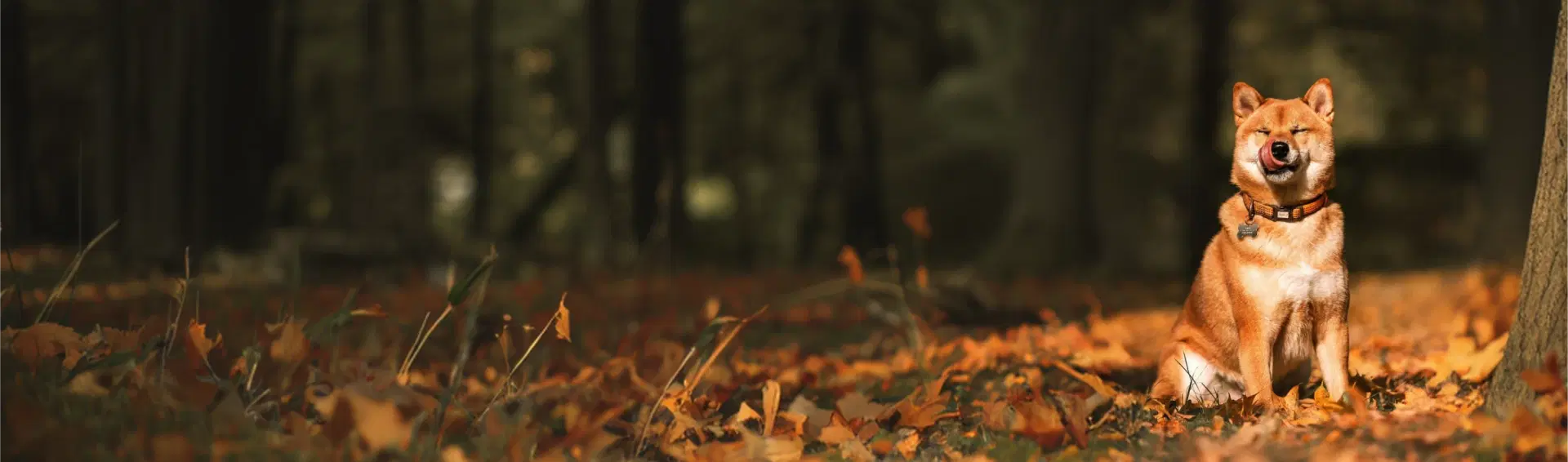
Shiba Inu dog

Shiba Inu Dogs for Adoption in Cincinnati, OH

Your guide to finding and caring for a Shiba Inu in Cincinnati

134 Shiba Inus available in Cincinnati and nationwide

Find your Shiba Inu

While we don't have enough dogs near Cincinnati, keep in mind that many rescues may offer transport.

Shiba Inus Available for Adoption Near Cincinnati

About the Shiba Inu breed

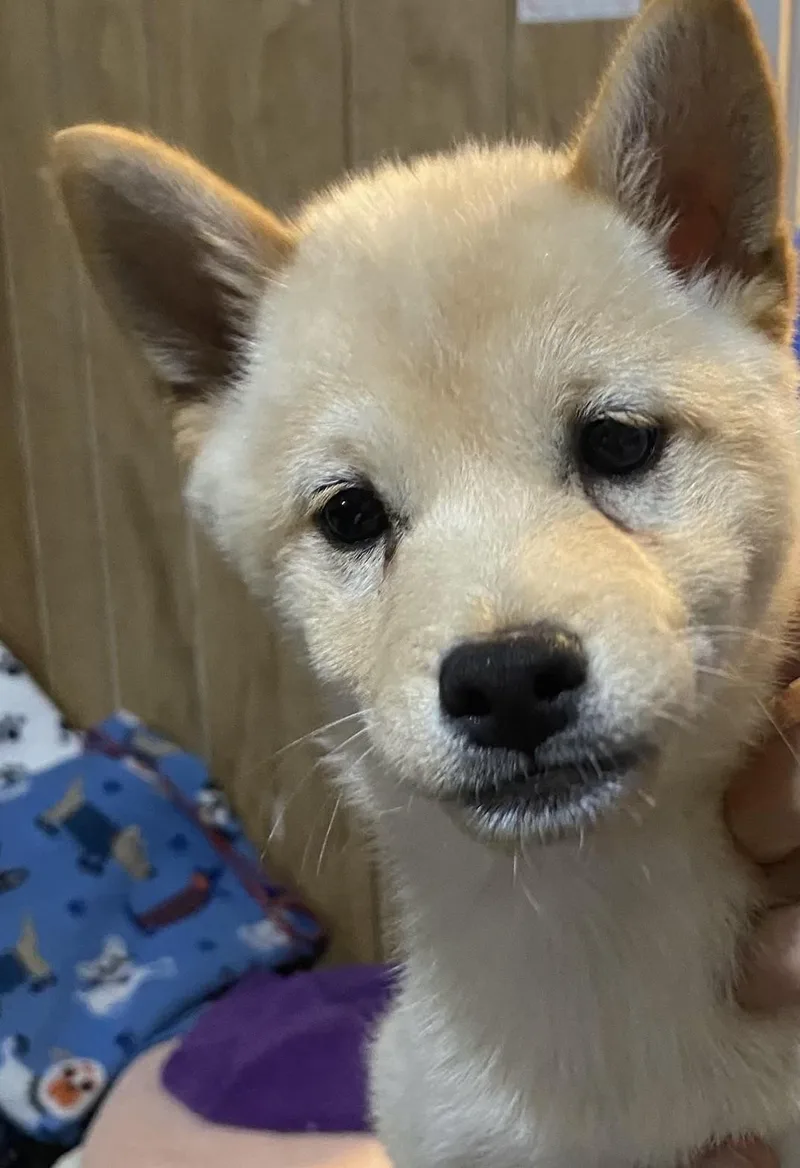
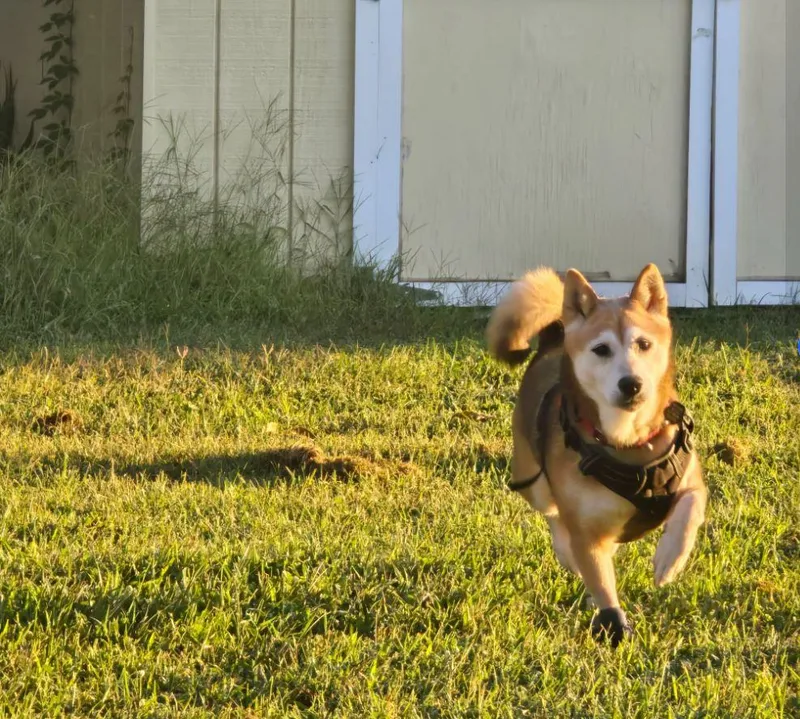
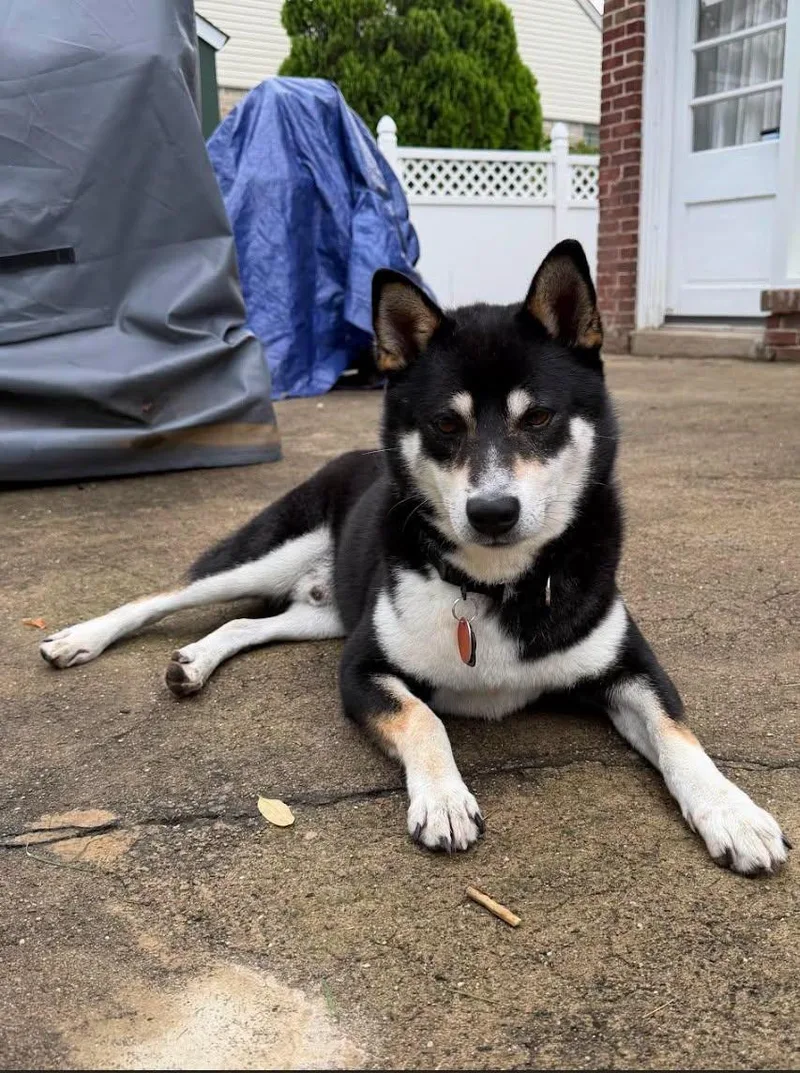
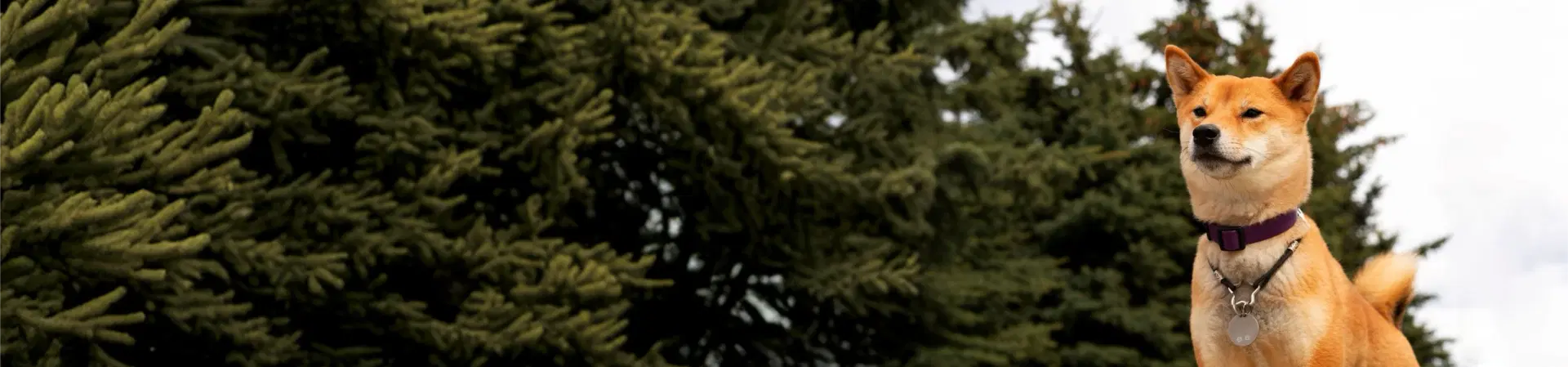
The Shiba Inu is the smallest of Japan's native breeds, an ancient type of dog once used to flush birds and small game from the brushy mountain slopes of central Japan. Wartime hardship and disease nearly wiped it out, and today's Shibas descend from three surviving regional lines. The breed is compact and muscular, with a fox-like face, small pricked ears, a curled tail and a plush double coat in red, sesame or black and tan with cream markings.

Many Shibas are alert, confident and clean, almost cat-like in grooming themselves and in deciding when they want affection. They are also famously independent, with strong prey drive and a tendency to bolt, so secure fencing and leashed walks matter. Adopters who appreciate a dignified, spirited dog and enjoy patient, reward-based training often find them deeply loyal companions.

Weight
16–25 lbs
Height
13–17 in
Lifespan
13–16 yrs
Temperament
Independent, Alert, Confident, Spirited
Group
Non-Sporting
Shedding
Moderate to High

Owning a Shiba Inu in Cincinnati

Having a Shiba Inu in Cincinnati

A Shiba's appeal lies in a bold, self-possessed spirit wrapped in a tidy, fox-like body. How that independence, prey drive and heavy seasonal shedding shape everyday routines decides whether a Shiba Inu suits an adopter's expectations of a dog.

Temperament

Shiba Inus tend to be loyal to family yet reserved with strangers and selective about affection. Many are strong-willed, possessive of food or toys and dislike being restrained, sometimes protesting with a loud scream. Some clash with other dogs, especially of the same sex. Patient socialization helps, and an adult rescue's known history is especially valuable.

Exercise Needs

Most Shibas need daily brisk walks, play and exploring, plus mental challenges such as puzzle toys and short training games. Their strong prey drive and tendency to bolt mean they should exercise on leash or in securely fenced areas. Bored Shibas may chew, dig or escape, so regular activity helps them settle at home.

Health Considerations

Shiba Inus are often long-lived but can be prone to slipping kneecaps, glaucoma, skin allergies and hip dysplasia. Sudden eye redness, squinting or cloudiness needs prompt veterinary attention because glaucoma can progress quickly. Keeping a Shiba lean helps its joints. Keep up regular checkups and eye exams.

Living Space

Shibas can adapt to apartments or houses thanks to their compact size and generally quiet nature indoors. Escape-proofing matters more than space: secure fences, careful door habits and a well-fitted harness prevent bolting. Their heavy twice-yearly shedding is noticeable in any home. They do best living indoors, close to the household.

What it costs to own a Shiba Inu

ExpenseTypical costPer year
Food$20 to $45 per month$240 to $540
Pet insurance$35 to $70 per month$420 to $840
Routine vet care$200 to $400 per year$200 to $400
Other*$490 to $1,290 per year$490 to $1,290
Estimated yearly total (after year one)$1,350 to $3,070

Other costs are national averages for Shiba Inus; we don't have costs specific to Cincinnati yet.

* Flea, tick and heartworm prevention, a dental cleaning allowance, a dog license, toys and bedding, and brushing and baths for a heavy twice-yearly shed; license fees vary by city.

Shiba Inu dog

Adopt a Shiba Inu in Cincinnati.

Now that you know more, let’s find you a new best friend. These rescues and shelters below currently have Shiba Inus available.

Frequently Asked Questions

A Shiba Inu is a small, ancient hunting breed from Japan, the smallest of the country's six native dog breeds. It has a fox-like face, pricked ears, a curled tail and a thick double coat, usually red, sesame or black and tan. Shibas are known for being alert, confident and independent, with a dignified, sometimes stubborn personality.

Shiba Inus typically live about 13 to 16 years, making them one of the longer-lived breeds. Japanese records put their average around 15 years, and UK veterinary data near 14 and a half. A lean body, regular eye checks for glaucoma and routine veterinary care help a Shiba enjoy as many healthy years as possible.

Shiba Inus are small to medium dogs. Males usually stand about 14.5 to 16.5 inches at the shoulder and weigh around 23 pounds, while females stand 13.5 to 15.5 inches and weigh around 17 pounds. Some pet Shibas are a little heavier. Their dense coat and sturdy build make them look larger than their weight suggests.

Shiba Inus can be excellent dogs for people who appreciate an independent, spirited companion. Many are loyal, clean and quiet indoors. They are not always easy, though: strong prey drive, a tendency to bolt, stubbornness and dislike of handling challenge some owners. Patient, reward-based training and secure fencing help a Shiba thrive.

In Japanese, inu means dog, and shiba is usually translated as brushwood, so Shiba Inu is often rendered as brushwood dog. The name may refer to the brushy terrain where the dogs hunted or to the red color of autumn brushwood. Some scholars also link shiba to an old word for small, describing the breed's size.

Shiba Inus were bred to hunt in Japan's mountains, flushing birds and small game such as rabbits from dense brush for hunters. Their agility, sharp senses and independence suited that work. Some accounts describe them helping with larger game too. Today most Shibas are companions, but their prey drive and alertness still reflect those hunting roots.

Shiba Inus are from Japan, where they originated in the mountainous Chūbu region of central Honshu. The modern breed was rebuilt from three surviving regional lines after nearly dying out during World War II. Japan designated the Shiba a Natural Monument in 1936, and the first known Shiba arrived in the United States in 1954.

Shiba Inu is pronounced SHEE-bah EE-noo in English, with both words given roughly equal weight. In Japanese, the vowels are short and clear, closer to shee-bah ee-noo spoken quickly. Owners often shorten it to simply Shiba. The common internet nickname Shibe is a playful variation rather than an alternative pronunciation.

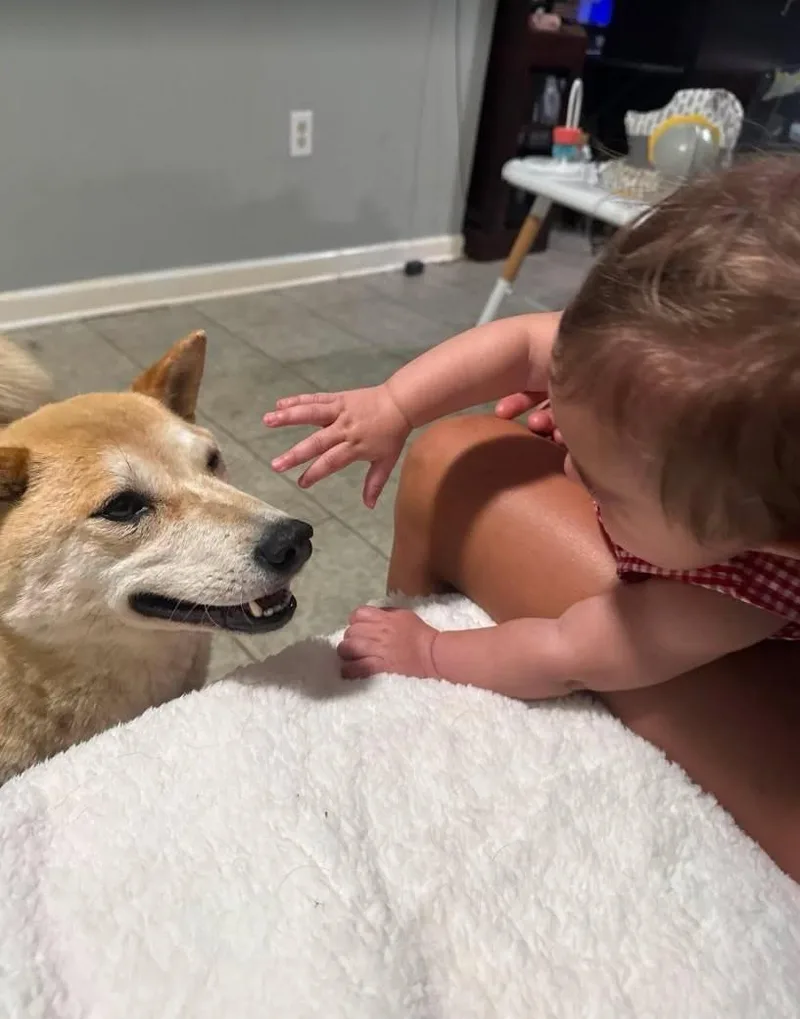
Shiba Inus can be good family dogs in calm households with older, respectful children. Many are loyal and playful with family, but they often dislike being grabbed, hugged or restrained, and some guard food or toys. They may also chase small pets. Supervision and clear rules help, and a Shiba with a known history around kids is ideal.

We have 1 rescue with Shiba Inus available: Spoil Em Rotten Foundation. You can see every rescue with Shiba Inus available in the list above these questions, or scroll to the top to see the Shiba Inus near Cincinnati.

Find Shiba Inus in Nearby Cities

Expand your search to find Shiba Inus available for adoption near Cincinnati.