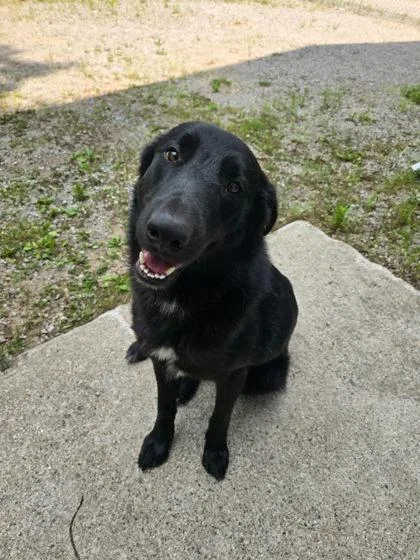
Redbone Coonhound Dogs for Adoption in Harbor Springs, MI

Your guide to finding and caring for a Redbone Coonhound in Harbor Springs

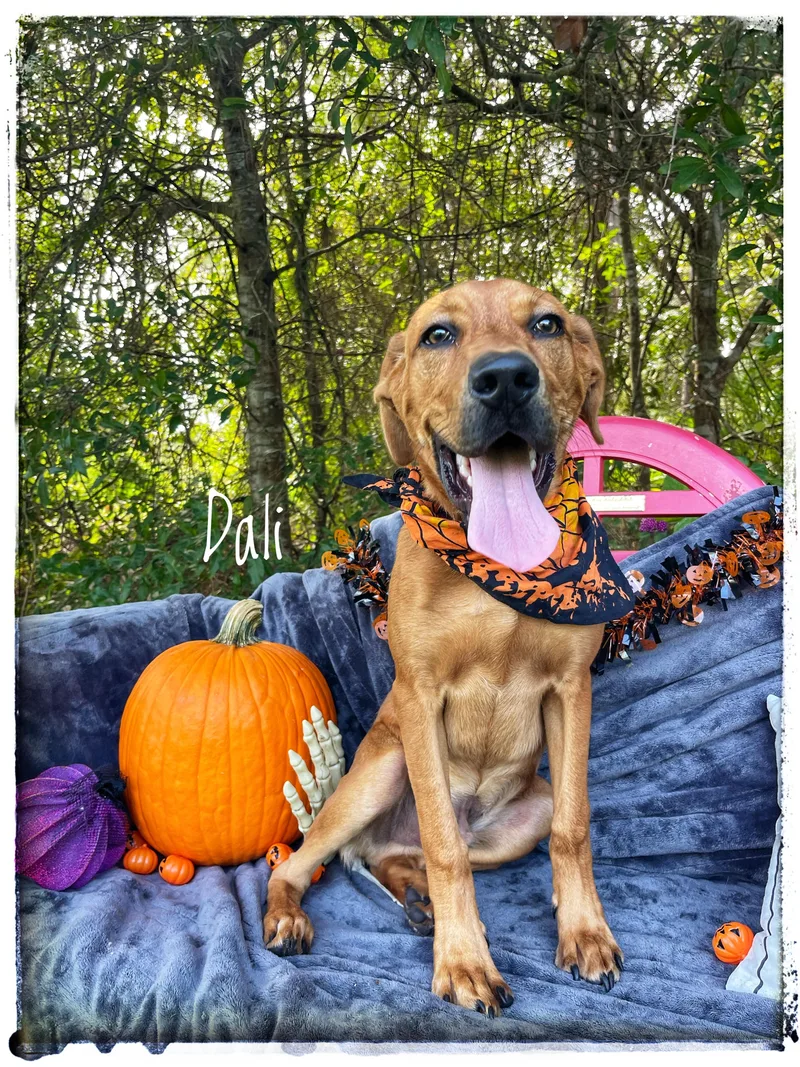
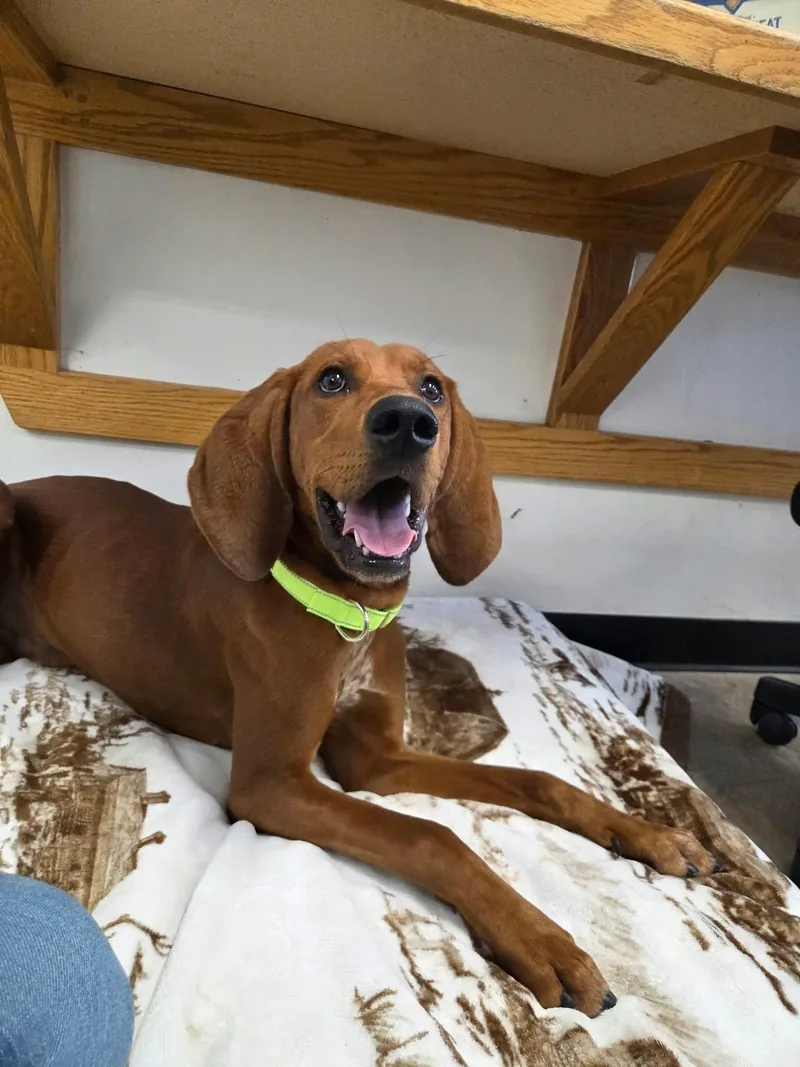
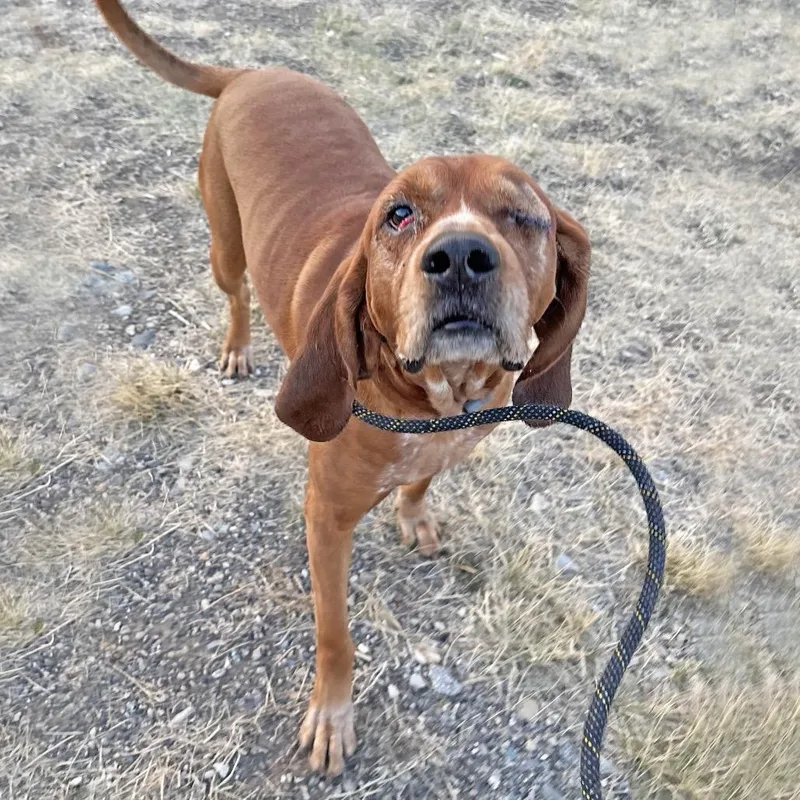
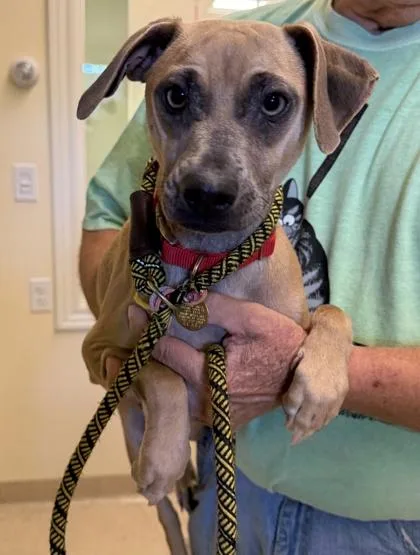
130 Redbone Coonhounds available in Harbor Springs and nationwide

Your Redbone Coonhound is waiting

While we don't have enough dogs near Harbor Springs, keep in mind that many rescues may offer transport.

Redbone Coonhounds Available for Adoption Near Harbor Springs

About the Redbone Coonhound breed

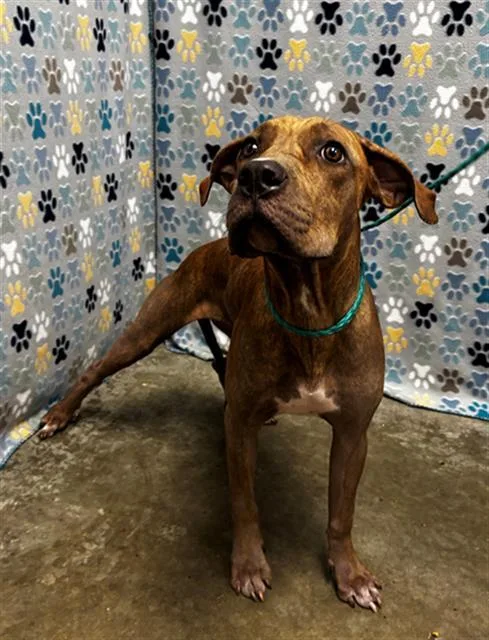
Few hounds are as easy to recognize as the Redbone Coonhound, with its gleaming solid-red coat, long ears and pleading expression. The breed grew from red foxhounds that Scottish immigrants brought to Georgia, later crossed with other hound lines and selected for color and treeing skill. Hunters across the American South used Redbones to trail raccoons by scent at night and hold them in trees, and the United Kennel Club recognized the breed in 1902, long before the AKC did in 2009.

At home, many Redbones are mellow, sociable and affectionate, happy to sprawl on the couch after a long outing. On a scent trail they become single-minded and loudly vocal. Adopters should be ready for daily exercise, a secure yard, leashed walks, a booming bay, and a nose that often outweighs any recall cue.

Weight
45–70 lbs
Height
21–27 in
Lifespan
12–15 yrs
Temperament
Easygoing, Gentle, Vocal
Group
Hound
Shedding
Moderate

Owning a Redbone Coonhound in Harbor Springs

Having a Redbone Coonhound in Harbor Springs

A Redbone Coonhound's personality has two sides: a laid-back housemate and a determined, noisy hunter. Its nose, voice, energy and easy-care coat are the traits that shape daily life most, and understanding them helps adopters choose a Redbone that fits their home.

Temperament

Redbones are often even-tempered and friendly with family, visitors and other dogs, reflecting their pack-hunting background. Many are gentle with respectful children. Their prey drive can make cats and small pets a challenge, and their independence shows when a scent catches their interest. Socialization and the individual dog's history shape these tendencies.

Exercise Needs

Most Redbones need daily long walks or hikes, plus chances to run in a securely fenced area. Scent games, tracking, nose work or organized coonhound events satisfy their strongest instinct. After a good outing, many are content to nap for hours. Keep them leashed in open areas, since a trail can override training quickly.

Health Considerations

Redbones are generally sturdy, but hip dysplasia, ear infections from their long, heavy ears, and obesity linked to hearty appetites are common concerns. Some eye and heart problems have been reported. Clean and check ears weekly, measure meals, and keep up regular veterinary visits. Have a veterinarian check an adopted dog for inherited problems.

Living Space

A Redbone usually does best in a house with a securely fenced yard, though a committed owner can make apartment life work. Their loud bay and howl carry through walls, which matters with close neighbors. They want to live indoors with their family and need tall, secure fencing because they will follow interesting scents.

What it costs to own a Redbone Coonhound

ExpenseTypical costPer year
Food$55 to $110 per month$660 to $1,320
Pet insurance$55 to $110 per month$660 to $1,320
Routine vet care$250 to $500 per year$250 to $500
Other*$490 to $1,290 per year$490 to $1,290
Estimated yearly total (after year one)$2,060 to $4,430

Other costs are national averages for Redbone Coonhounds; we don't have costs specific to Harbor Springs yet.

* Flea, tick and heartworm prevention, a dental cleaning allowance, a dog license, toys and bedding, and simple home grooming with ear cleaning supplies.

Adopt a Redbone Coonhound in Harbor Springs.

Now that you know more, let’s find you a new best friend. These rescues and shelters below currently have Redbone Coonhounds available.

Rescues in Harbor Springs with Redbone Coonhounds Available

Here are the rescues & shelters in the Harbor Springs area where you can find Redbone Coonhounds and other dogs available for adoption.

Frequently Asked Questions

Redbone Coonhounds typically live about 12 to 15 years, a long lifespan for a hound of their size. Genetics, weight and care all play a role. Keeping a Redbone lean is especially important because the breed tends to love food, and extra weight strains joints. Regular checkups, ear care and dental care support a long, healthy life.

Redbone Coonhounds are medium-large to large dogs. Under the AKC standard, males stand 22 to 27 inches at the shoulder and females 21 to 26 inches, with mid-range sizes preferred. Most adults weigh about 45 to 70 pounds. They are lean and athletic rather than bulky, so they look tall and rangy rather than heavy.

Yes, Redbone Coonhounds shed, but only a moderate amount. Their short, smooth coat drops hair year-round and a bit more during seasonal changes. A weekly brushing with a rubber curry or hound mitt removes loose hair and spreads skin oils. Their coat does not mat, so professional grooming is rarely needed beyond nail trims and baths.

Redbone Coonhounds are called coonhounds because they were bred to hunt raccoons, often called coons. They follow a raccoon's scent trail, often at night, chase it up a tree, and bay at the base until the hunter arrives. The name Redbone likely honors Peter Redbone, an early Tennessee promoter of the breed, and fits its red coat.

A Redbone Coonhound is an American scent hound known for its solid red coat, long ears and pleading expression. It was developed in the South to trail and tree raccoons, and it also hunts larger game. Many Redbones are easygoing and affectionate at home but energetic, vocal and determined when following a scent outdoors.

Redbone Coonhounds most need regular exercise and a chance to use their nose. Long walks, hikes, scent games or tracking keep them content and help prevent boredom-driven howling and destructiveness. They also need secure fencing, leashed outings, patient training and companionship, since they are social dogs that prefer being with their people or other dogs.

Redbone Coonhounds can be good family dogs for active households. Many are gentle, sociable and patient with respectful children, and they usually get along with other dogs. Their size and enthusiasm can bowl over toddlers, and their loud bay is not for everyone. Families should be ready for daily exercise, secure fencing and attention to small pets.

Many Redbone Coonhounds like to swim, and the breed has a reputation as one of the more water-friendly coonhounds, often crossing creeks and ponds while hunting. Individual dogs vary, and some prefer wading. Introduce water gradually, supervise around deep or fast water, and clean and dry their long ears afterward to prevent infections.

Train a Redbone Coonhound with patience, short sessions and high-value food rewards, since most are very food-motivated. Focus early on recall, leash manners and a quiet cue. Expect their nose to compete for attention, so practice in low-distraction areas first and build up gradually. Harsh methods tend to backfire with sensitive, independent hounds.

We have 1 rescue with Redbone Coonhounds available: Little Traverse Bay Humane Society. You can see every rescue with Redbone Coonhounds available in the list above these questions, or scroll to the top to see the Redbone Coonhounds near Harbor Springs.

Explore Other Breeds in Harbor Springs

Looking for a different breed? Browse other dogs available for adoption in Harbor Springs.