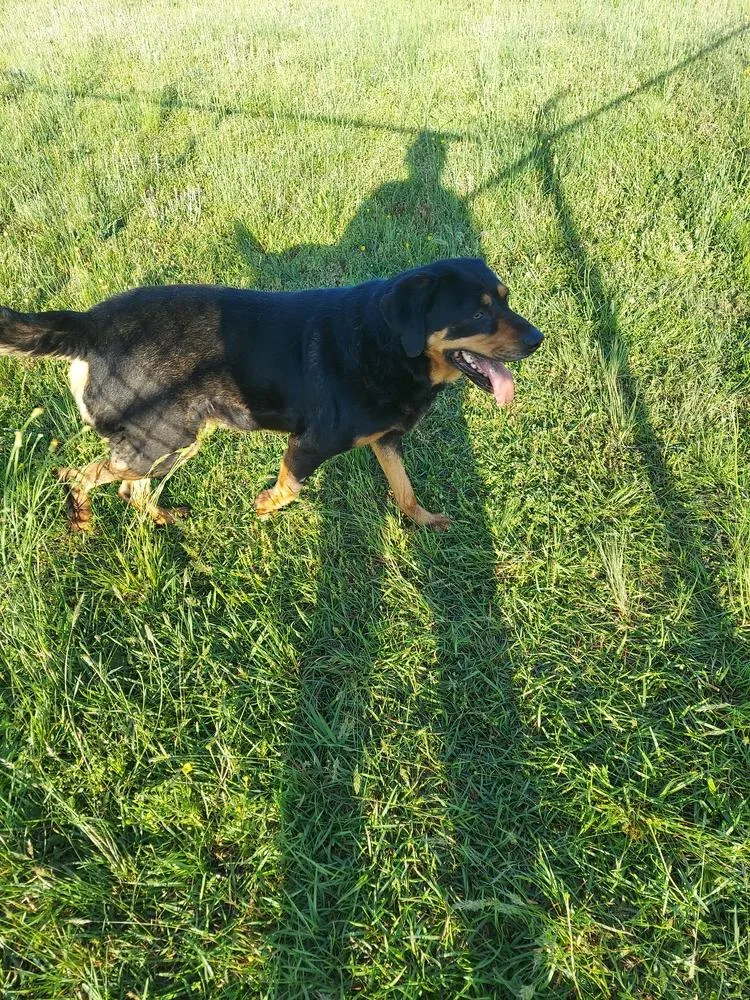
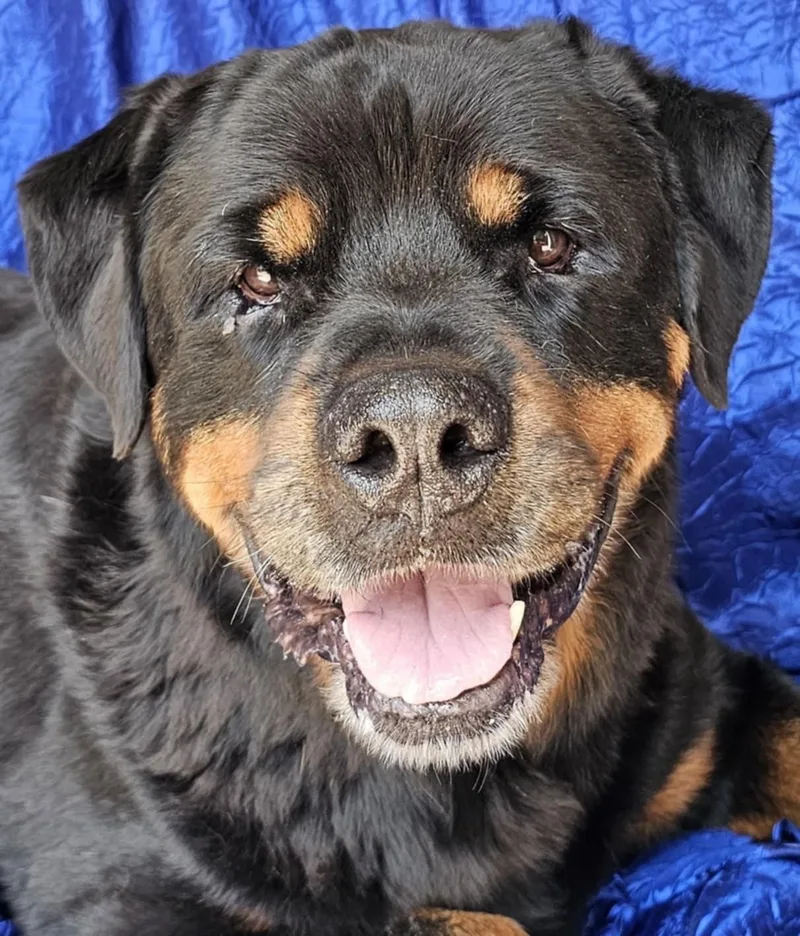
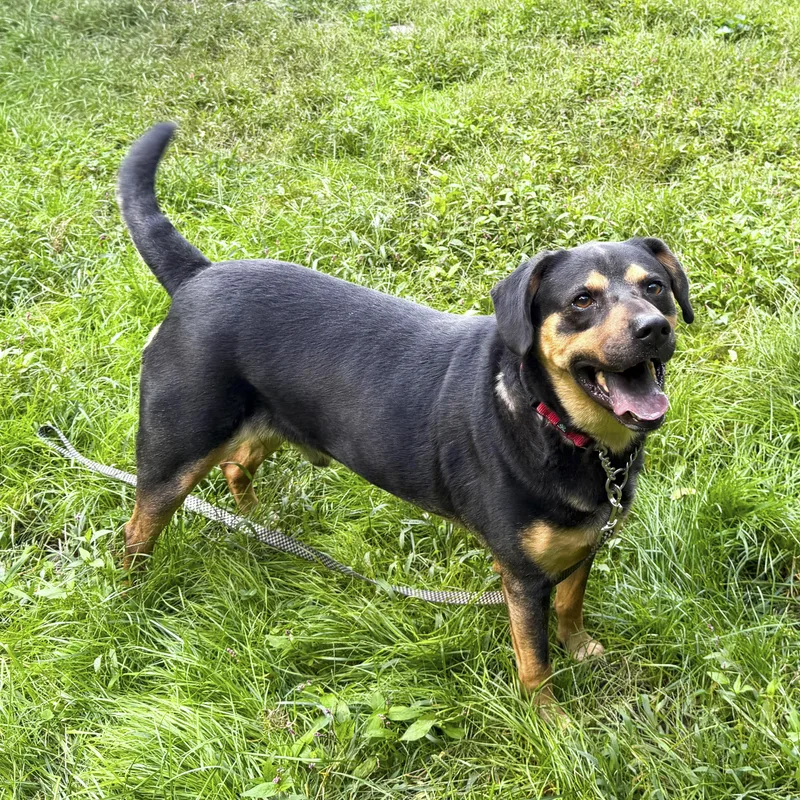
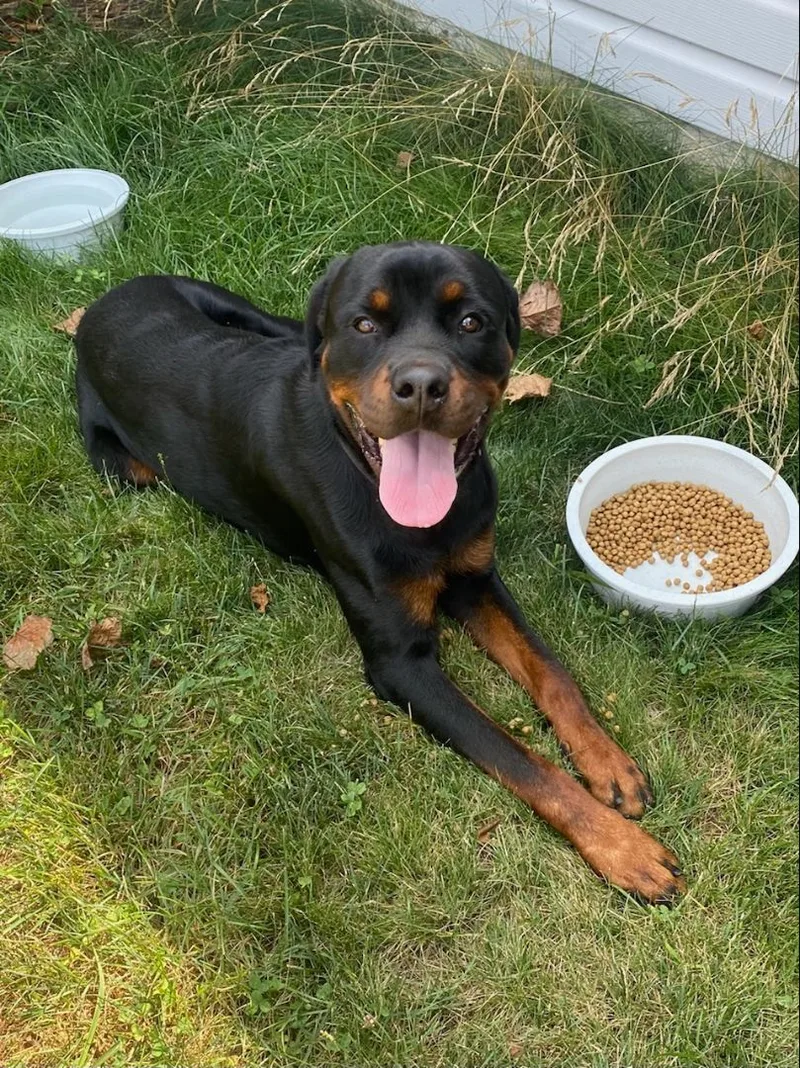
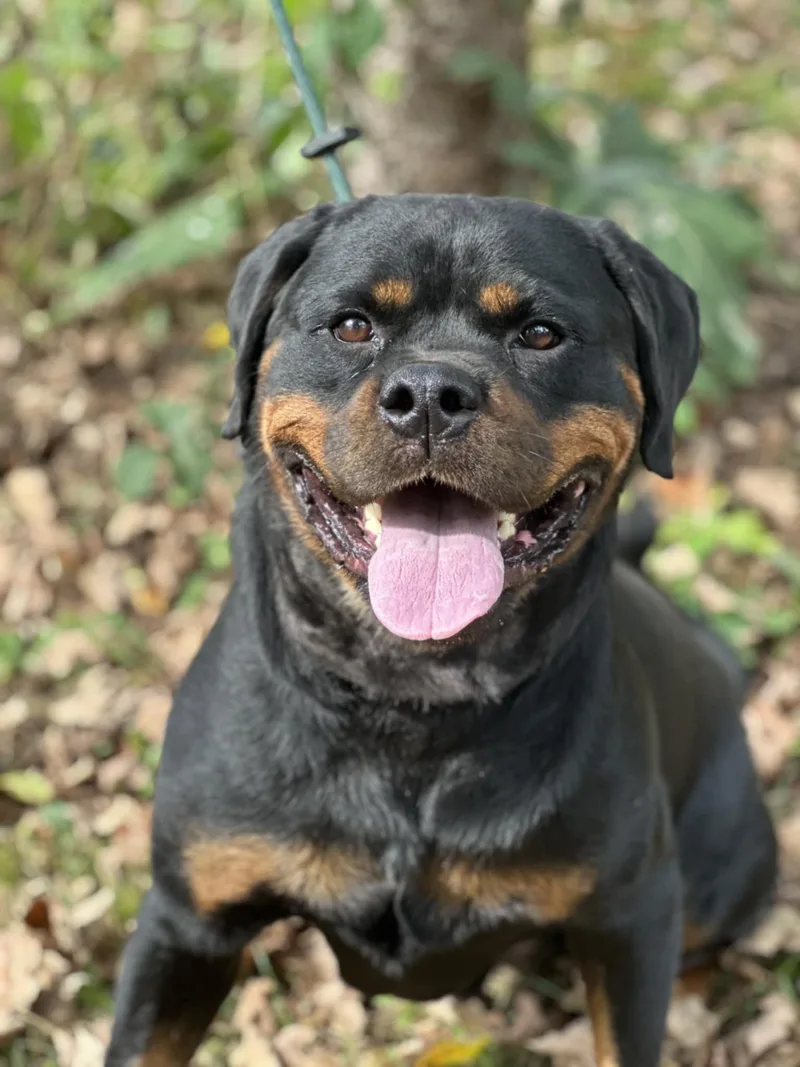
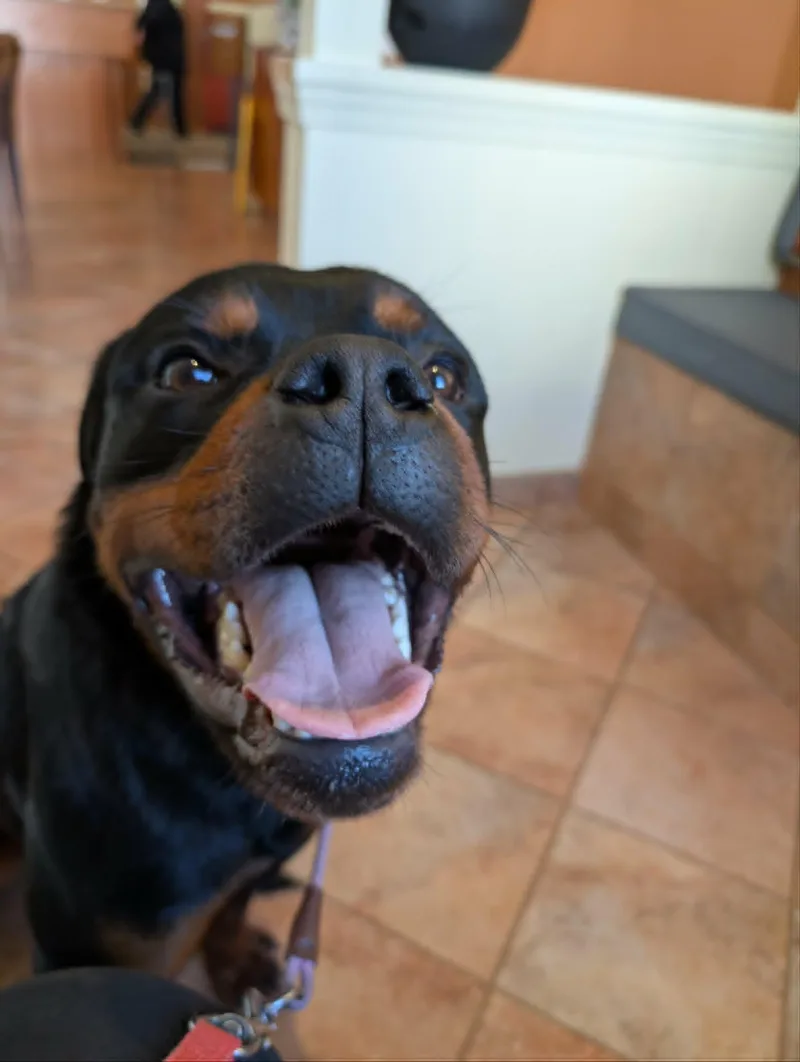
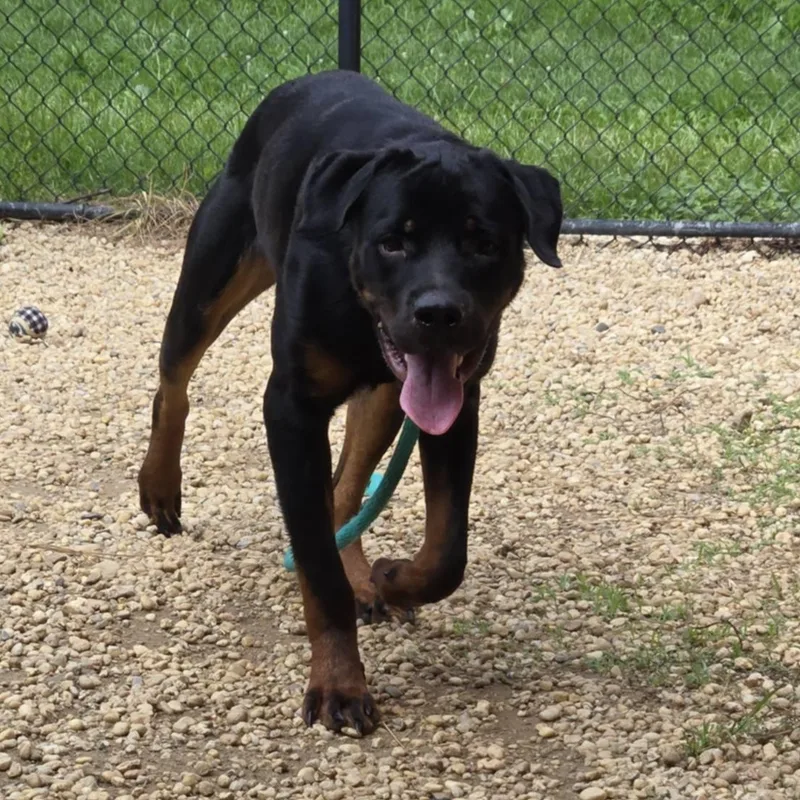
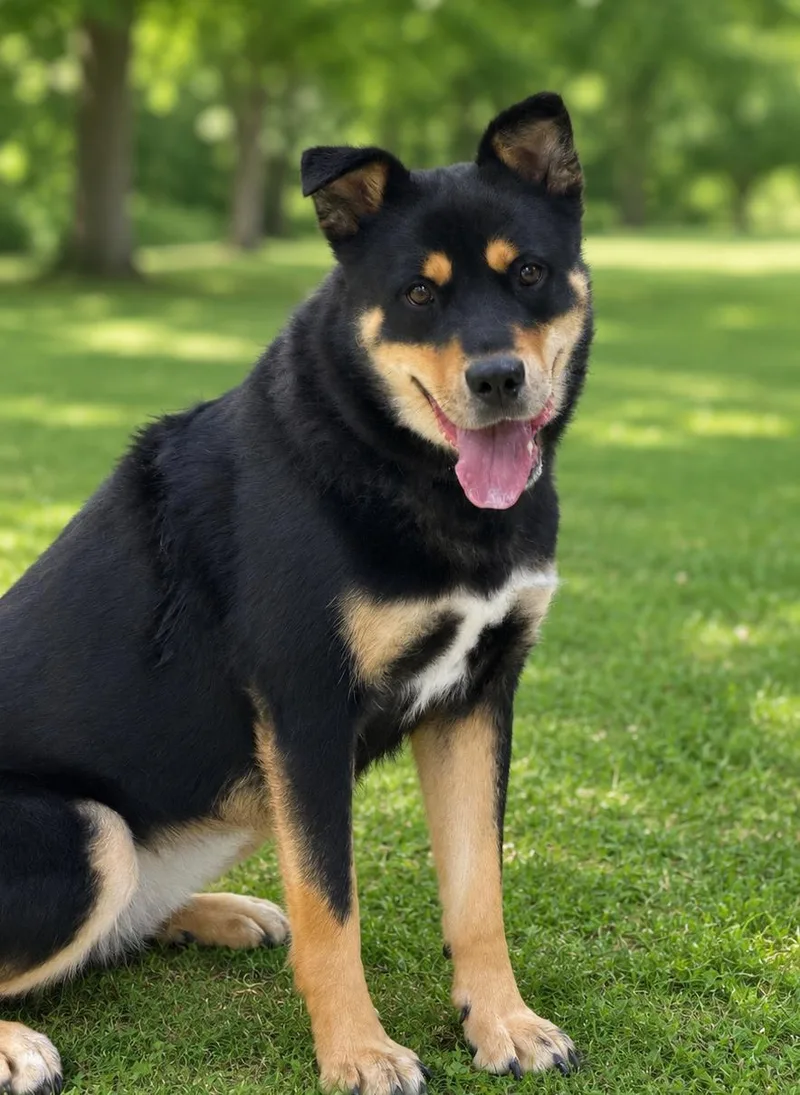
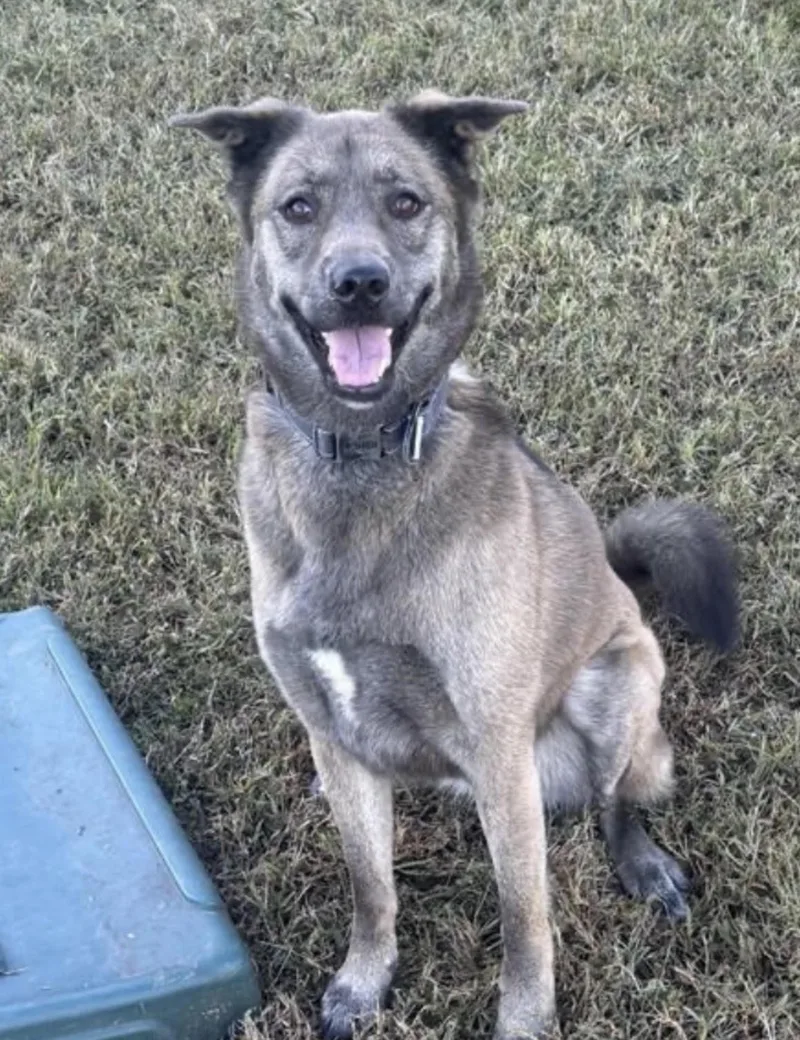
Black Russian Terrier Dogs for Adoption in Baltimore, MD

Your guide to finding and caring for a Black Russian Terrier in Baltimore

A Black Russian Terrier fits best in Baltimore's detached-house neighborhoods, like Lauraville or Hamilton, rather than a narrow rowhouse. Both have yards, and Lauraville borders Herring Run Park, which gives a big dog room for its daily leashed walk. These dogs are calm and devoted at home but reserved with strangers, so a quieter block helps. Summer humidity is the one thing to plan around, since that thick black coat holds heat.

2696 dogs similar to Black Russian Terrier available in Baltimore and nationwide

Find your Black Russian Terrier

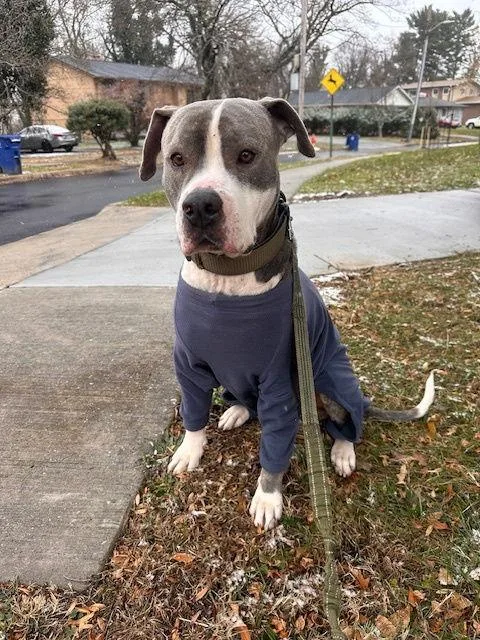
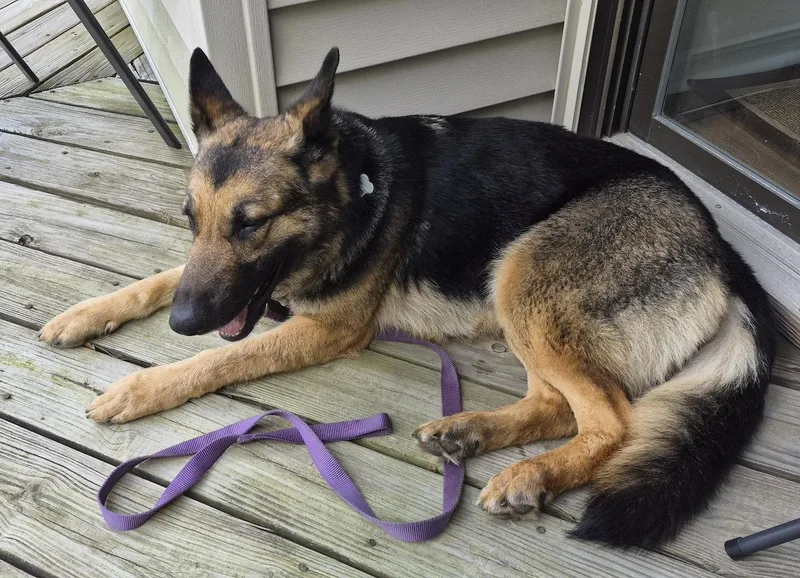
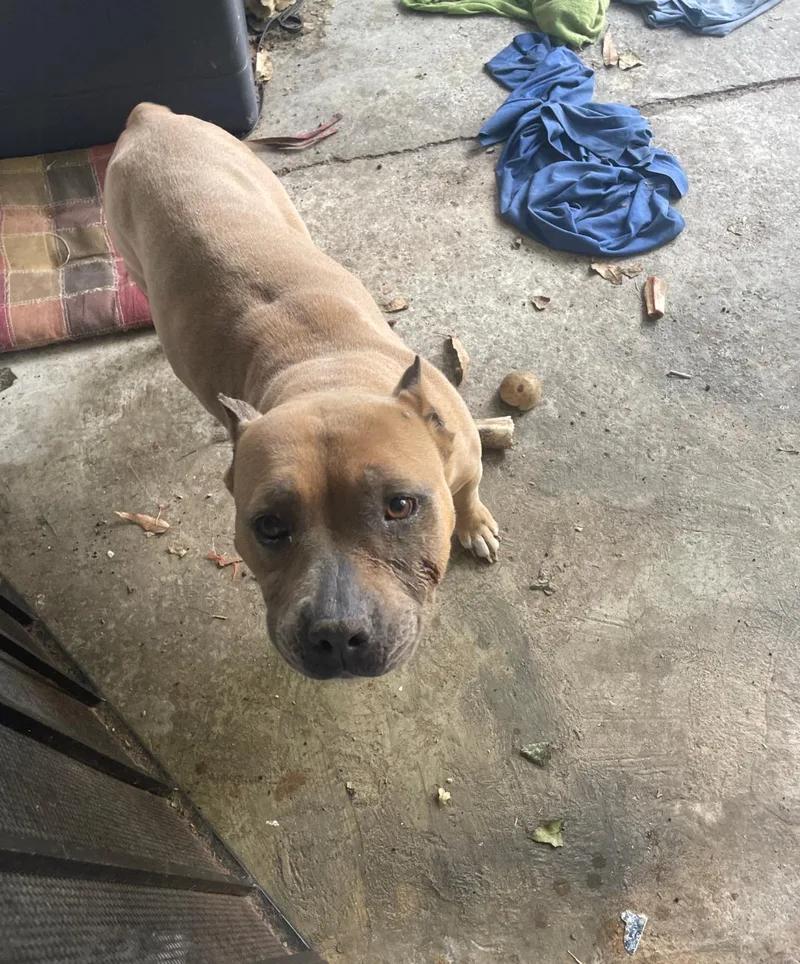
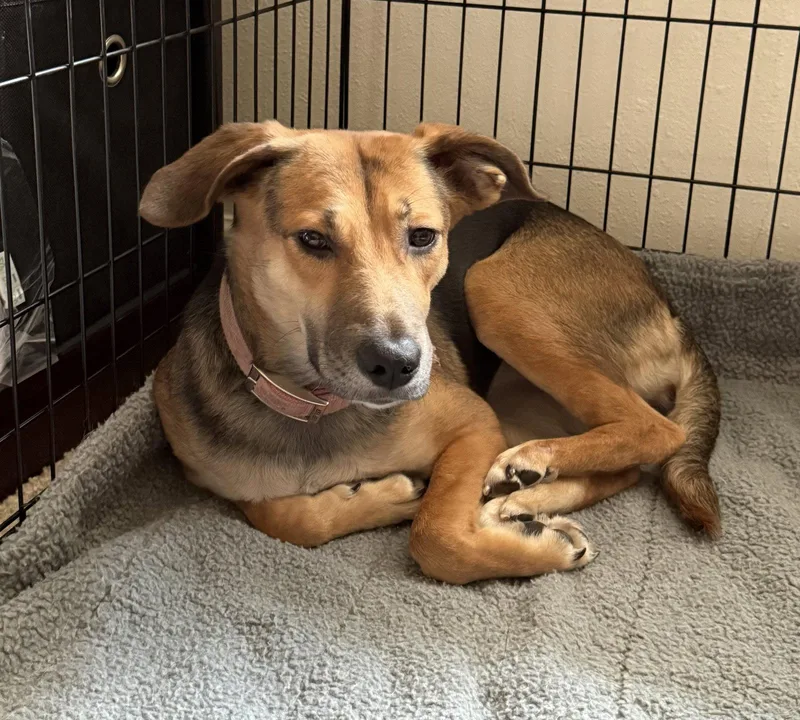
Black Russian Terriers and Similar Breeds Available for Adoption Near Baltimore

About the Black Russian Terrier breed

The Black Russian Terrier isn't a true terrier. It was developed in the Soviet Union in the late 1940s and 1950s as a large, hardy working and guard dog, drawing on about 17 breeds including the Giant Schnauzer, Airedale, Rottweiler and Newfoundland. The AKC placed it in the Working Group in 2004. Adults stand roughly 26 to 30 inches and weigh 80 to 130 pounds, with a wavy black double coat and a bearded face.

Many are calm, confident and attached to their families, and aloof with strangers. They're intelligent and respond well to consistent, reward-based training, though their size and protective instincts suit a handler with experience. Expect regular brushing, professional trims, and a beard that holds water and food. Dogs vary, so a dog's own behavior matters more than the breed label.

Weight
80–130 lbs
Height
26–30 in
Lifespan
10–12 yrs
Temperament
Confident, Protective, Loyal
Group
Working
Shedding
Low

Owning a Black Russian Terrier in Baltimore

Having a Black Russian Terrier in Baltimore

Size, training and coat care shape life with a Black Russian Terrier more than anything else. In Baltimore, that means planning for a giant dog on rowhouse stairs or in a yard, humid summers, and a grooming routine that never really lets up.

Temperament

Black Russians tend to be steady, self-assured and closely bonded to their families, while staying watchful with strangers. On busy Baltimore sidewalks, calm introductions and early socialization matter. Reward-based training helps channel protectiveness, and each dog's behavior varies, so judge the dog in front of you rather than the breed's reputation.

Exercise Needs

Plan on at least two good walks a day plus play or a job, such as fetch, hiking or obedience work. City parks require leashes no longer than 6 feet, so Herring Run Park or the paved loop around Lake Montebello suit daily outings. Skip hard exercise around meals because of bloat risk.

Health Considerations

Hip and elbow dysplasia, progressive retinal atrophy, bladder stones from hyperuricosuria and juvenile laryngeal paralysis can affect the breed, and deep-chested giants face bloat risk. Keep the dog lean, have a veterinarian check the joints, and keep rabies vaccination current, since foxes and raccoons in Baltimore's wooded areas have tested positive.

Living Space

A house with a fenced yard suits a Black Russian best, and neighborhoods like Ednor Gardens-Lakeside, with larger single-family and semi-detached homes, fit that picture. A calm adult can manage a big rowhouse or apartment with steady exercise, but stairs and narrow hallways take planning with a dog this size. Keep the dog indoors with the family in summer.

What it costs to own a Black Russian Terrier in Baltimore

ExpenseTypical costPer year
Food$80 to $160 per month$960 to $1,920
Pet insurance$85 to $170 per month$1,020 to $2,040
Routine vet care$250 to $500 per year$250 to $500
Other*$1,035 to $2,780 per year$1,035 to $2,780
Estimated yearly total (after year one)$3,265 to $7,240

Other costs are estimates and vary with size, age and health.

* The Baltimore dog license ($10 spayed or neutered, $30 unaltered), flea, tick and heartworm prevention, a dental cleaning, professional trims every 6–8 weeks, joint supplements, and toys and bedding.

Adopt a Black Russian Terrier in Baltimore.

Now that you know more, let’s find you a new best friend. These rescues and shelters below have dogs available in and near Baltimore.

Rescues and Shelters in or near Baltimore

Baltimore's rescue community includes the city's open-admission shelter and nonprofit adoption centers, whose current dogs are listed below. Here are the rescues & shelters in the Baltimore area with dogs available for adoption, worth asking whether a Black Russian Terrier is coming in.

Frequently Asked Questions

Yes, Baltimore has no breed ban, so a Black Russian Terrier is treated like any other dog. Behavior, not breed, decides whether a dog is labeled dangerous, and Maryland's dog-bite law applies without regard to breed. You'll need a city license and a rabies vaccination once the dog is four months old. If you rent, confirm the lease allows a dog this size.

A calm adult can, but a giant dog is a stretch in most Baltimore apartments. Rowhouse stairs and narrow halls are hard on an 80 to 130 pound dog, so look for ground-floor space or an elevator, and be ready for two real walks every day. Check the lease for weight limits and pet fees before applying.

Yes, with planning. A thick black coat absorbs heat and Baltimore's humidity limits how well a dog cools off, so keep a Black Russian indoors on hot afternoons, offer shade and water, and have a cooling plan for power outages, which have lasted days after summer storms. A shorter trim can help, but ask a groomer rather than shaving.

Gwynns Falls/Leakin Park, the city's largest wooded park, has about 18 hiking trails, and Lake Montebello has a paved 1.3-mile loop; both suit a strong dog on a leash. Patterson Park offers 137 acres of paths. Keep the leash at 6 feet or less and stay on trail, since wildlife lives in the stream valleys.

Probably not. Baltimore has a Metro SubwayLink, but MTA publishes a pet rule only for Commuter Bus, which allows small pets in closed containers carried by the owner. A Black Russian Terrier weighing 80 to 130 pounds won't fit a carrier, so plan on walking or driving, and check MTA's current rules for other services.

Sometimes, on outdoor patios only. Maryland lets restaurants choose whether to allow dogs on patios, and each posts its own policy, which may limit dog size. The dog must stay leashed at the table, can't be brought through indoor space and can't be left alone. Given a Black Russian's size and wariness, practice a settled down-stay first.

Plan on brushing a few times a week and a professional trim about every 6 to 8 weeks. Baltimore's humidity and rain leave the beard and leg furnishings damp, so dry them after walks and check for mats. In winter, rinse road salt from paws. Professional trims are counted in the Other costs for this page.

Black Russian Terriers can be good family dogs for experienced owners. Many are affectionate, calm and protective with their own families and gentle with children they are raised with. Their size and guarding instincts mean they need training, socialization and supervision around visiting kids. An adult rescue with a known history in a family home can be a strong match.

No, Black Russian Terriers are not truly hypoallergenic, since no dog is free of allergens. Their coat sheds little, so they drop less hair around the house than many breeds, which helps some people with mild allergies. Dander and saliva still cause reactions, so spend time with the specific dog before adopting if anyone has allergies.

Budget roughly $3,300 to $7,200 a year, based on the ranges shown: food at $80 to $160 a month, insurance at $85 to $170 a month, routine vet care at $250 to $500 a year, and other costs at $1,035 to $2,780 a year. Professional trims and giant-size parasite prevention drive the high end.