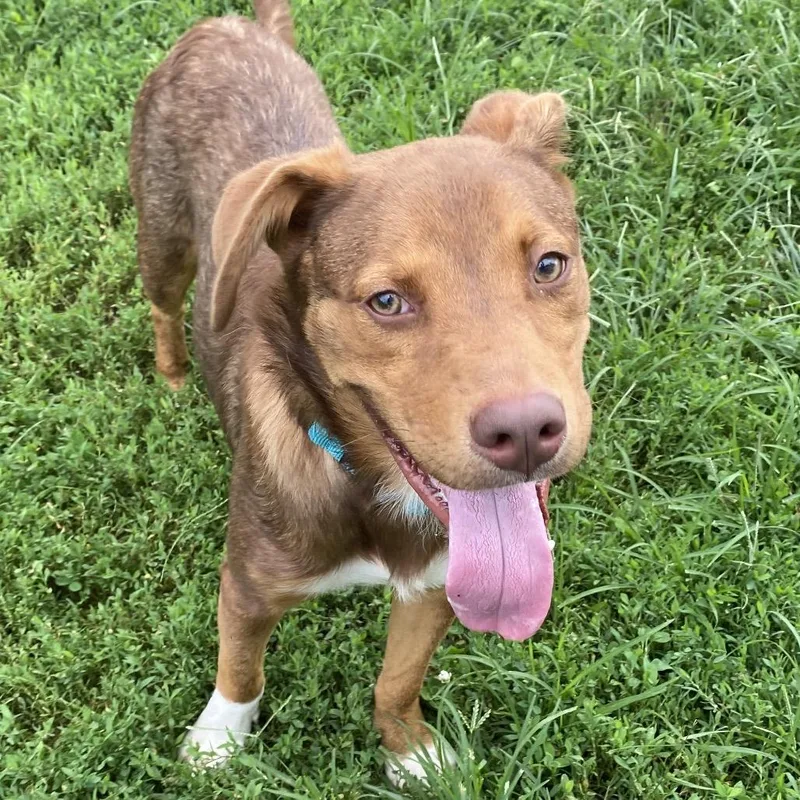
Catahoula Leopard Dogs for Adoption in Newark, DE

Your guide to finding and caring for a Catahoula Leopard Dog in Newark

A Catahoula Leopard Dog suits the yard-and-trail side of Newark better than the student blocks around Main Street. Fenced backyards in West Newark neighborhoods like Christianstead and Fairfield give an athletic, jumpy dog room to burn energy, and the wooded trail at Rittenhouse Park gives it a real job: a long, leashed sniffing walk. Catahoulas are watchful with strangers, so a quieter street helps. Plan on vigorous exercise every day, and expect a dog that would rather be with you than alone.

1560 Catahoula Leopard Dogs available in Newark and nationwide

Give a Catahoula Leopard Dog a home

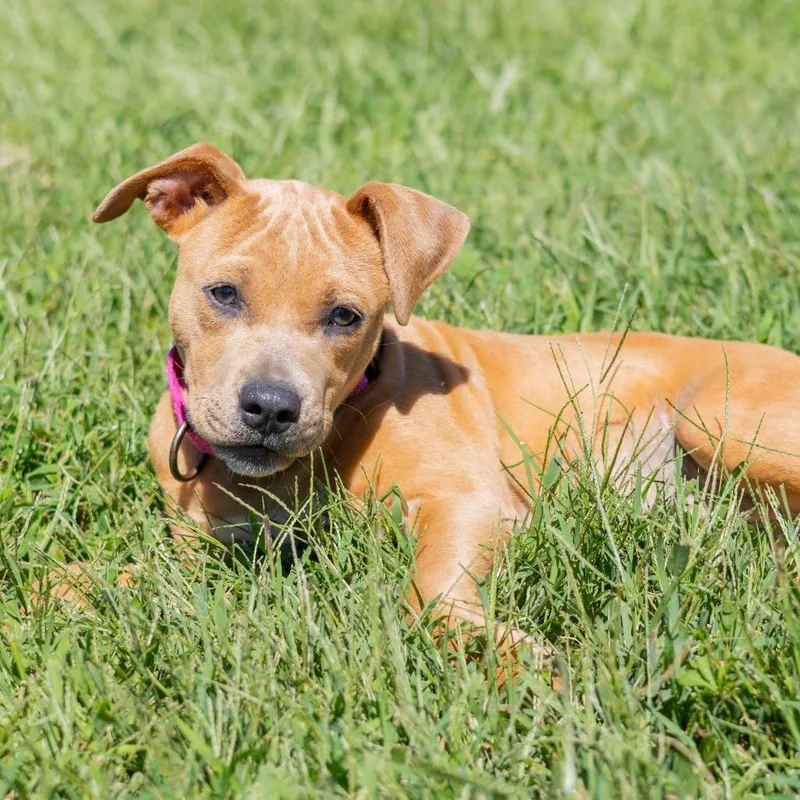
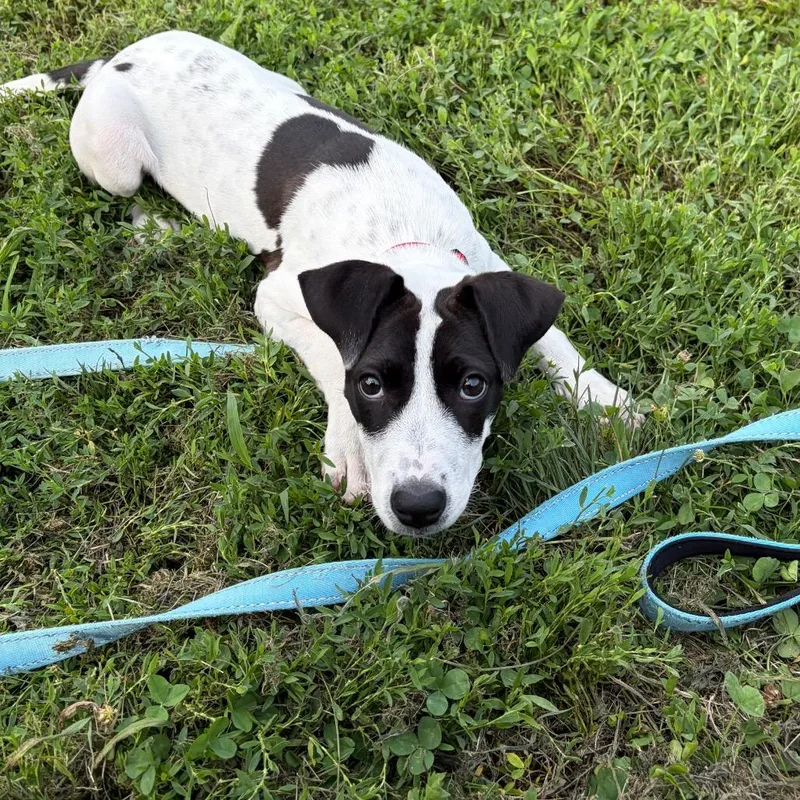
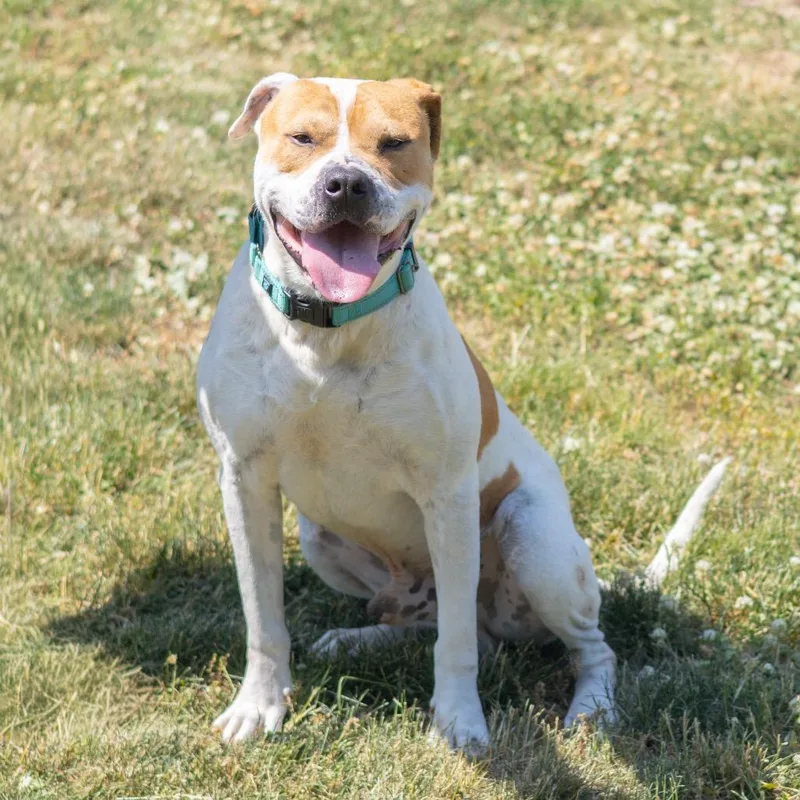
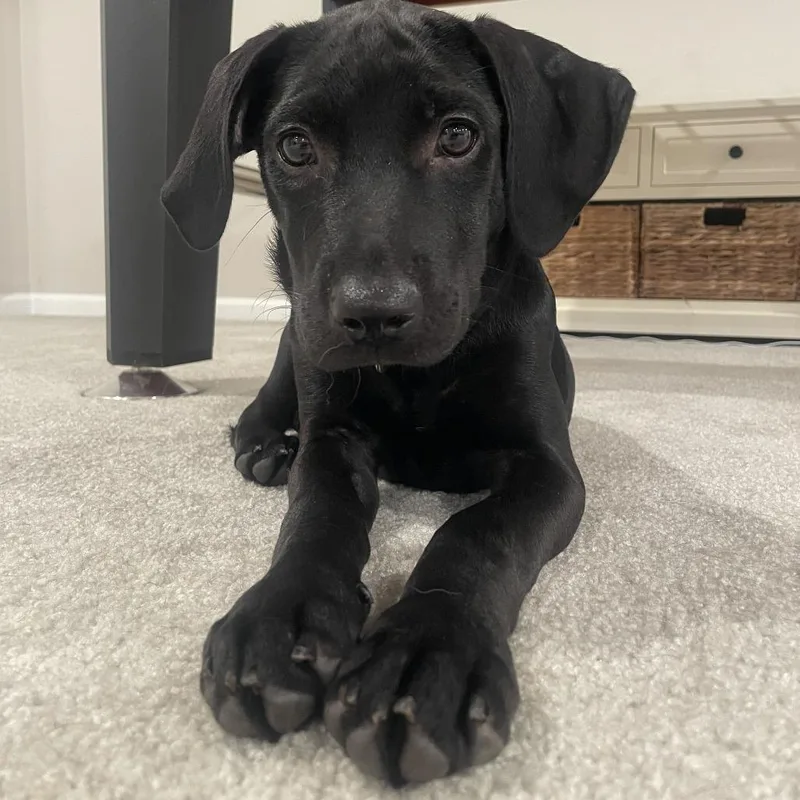
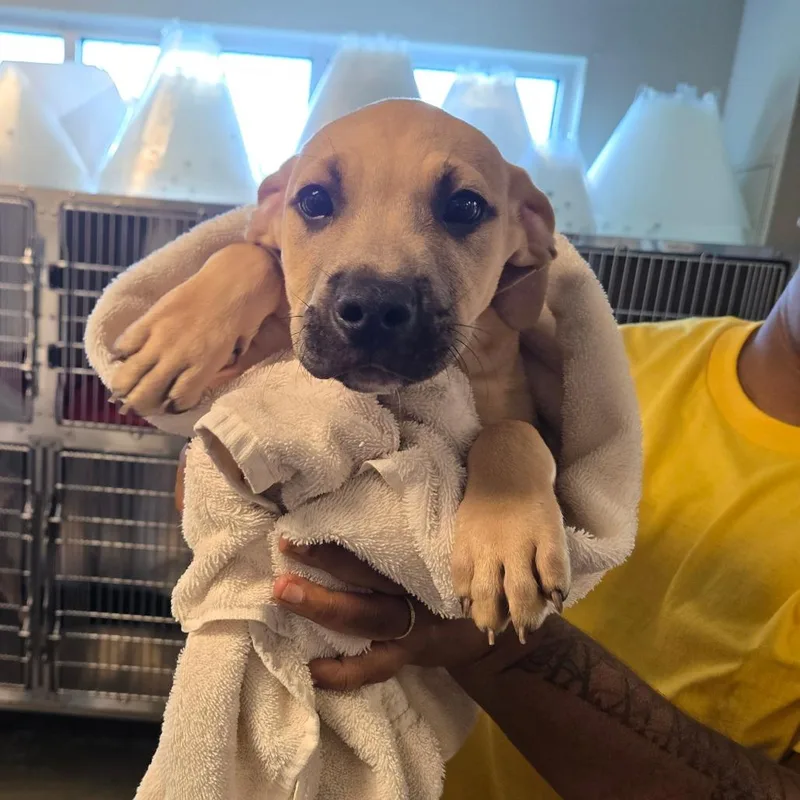
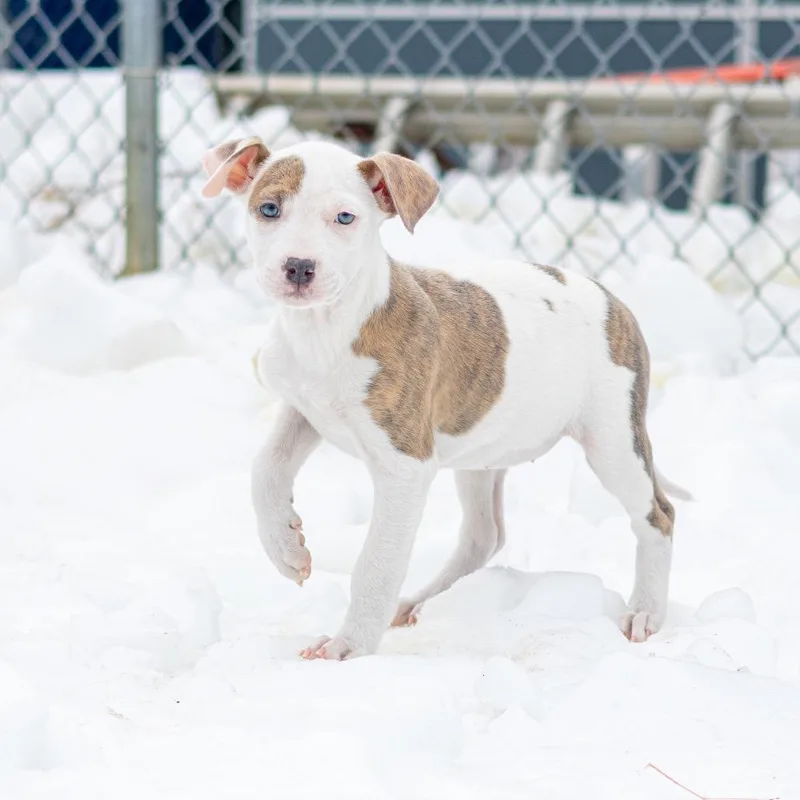
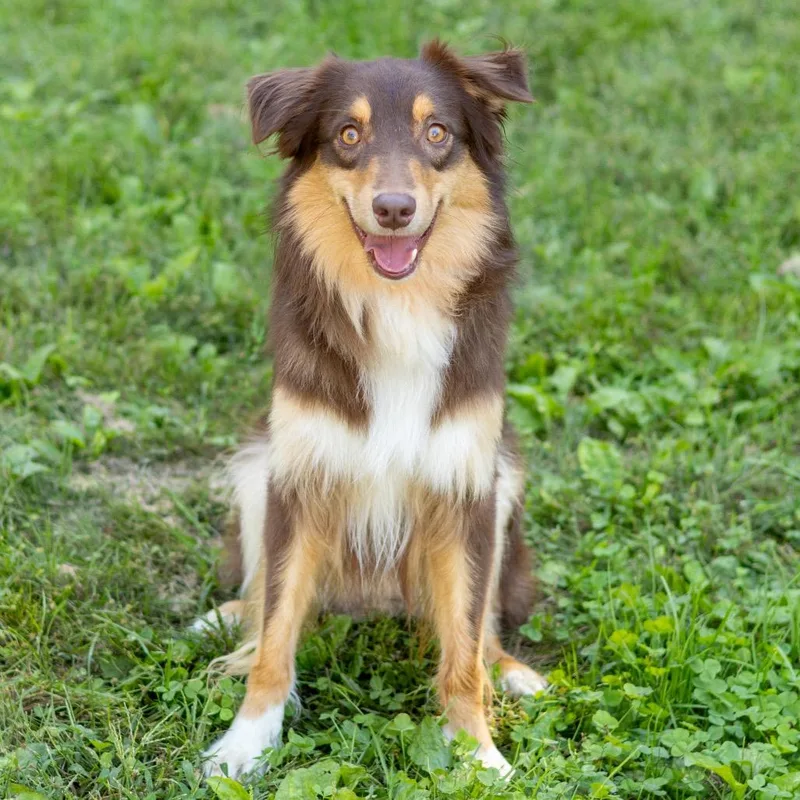
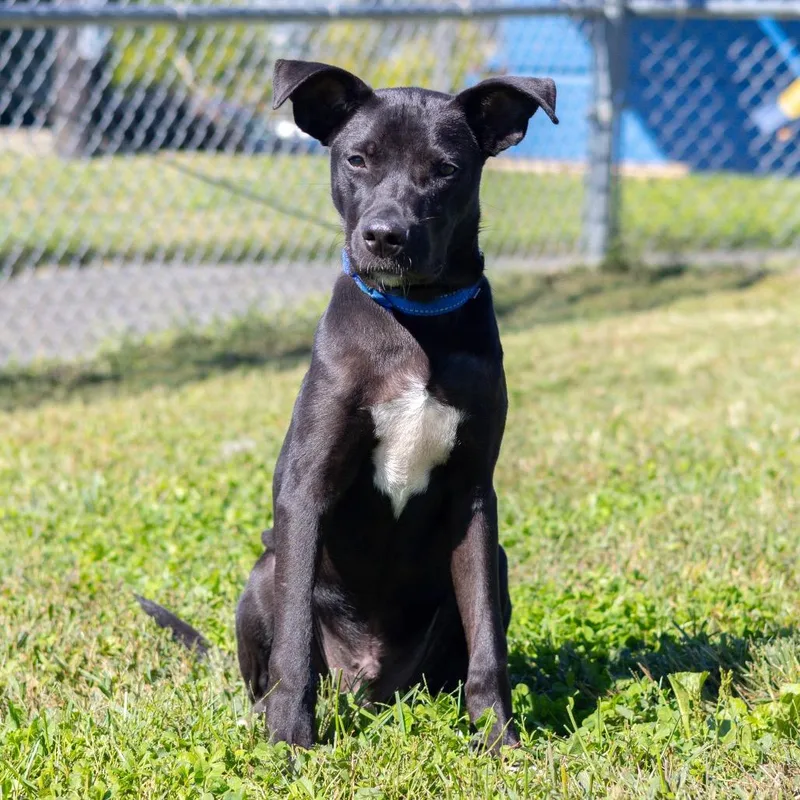
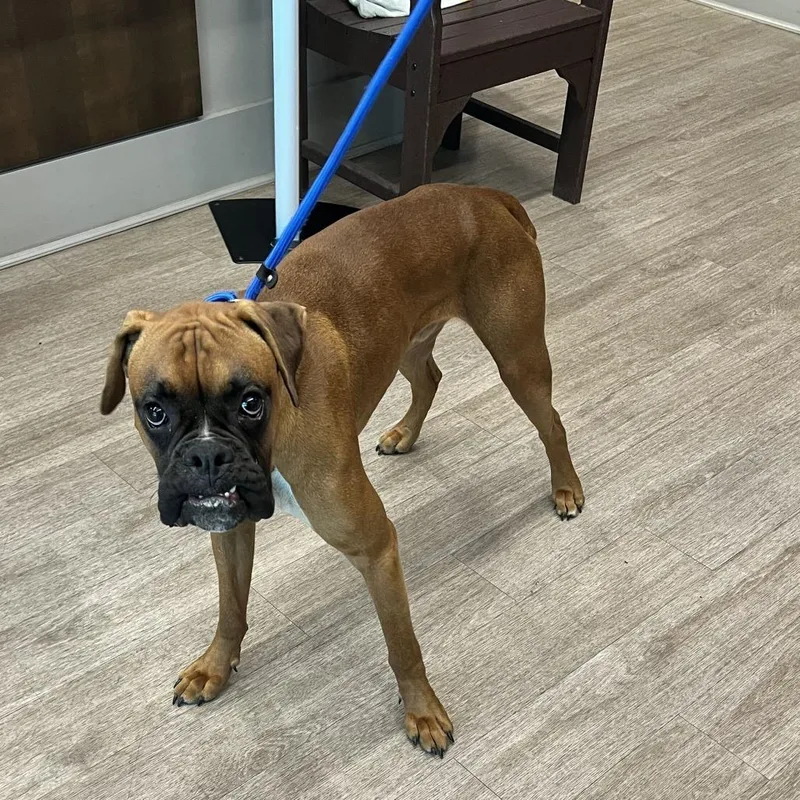
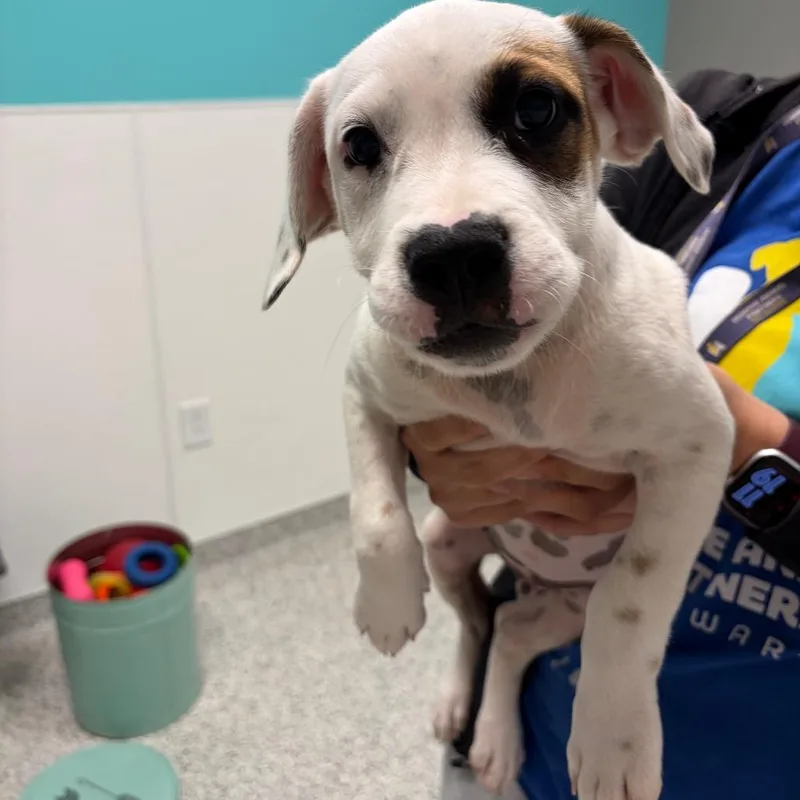
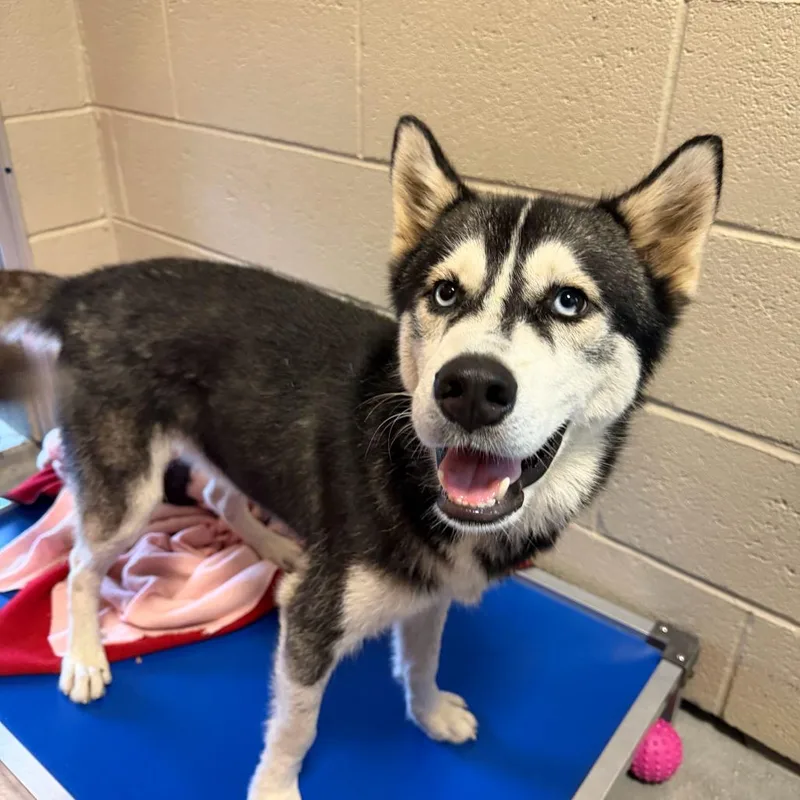
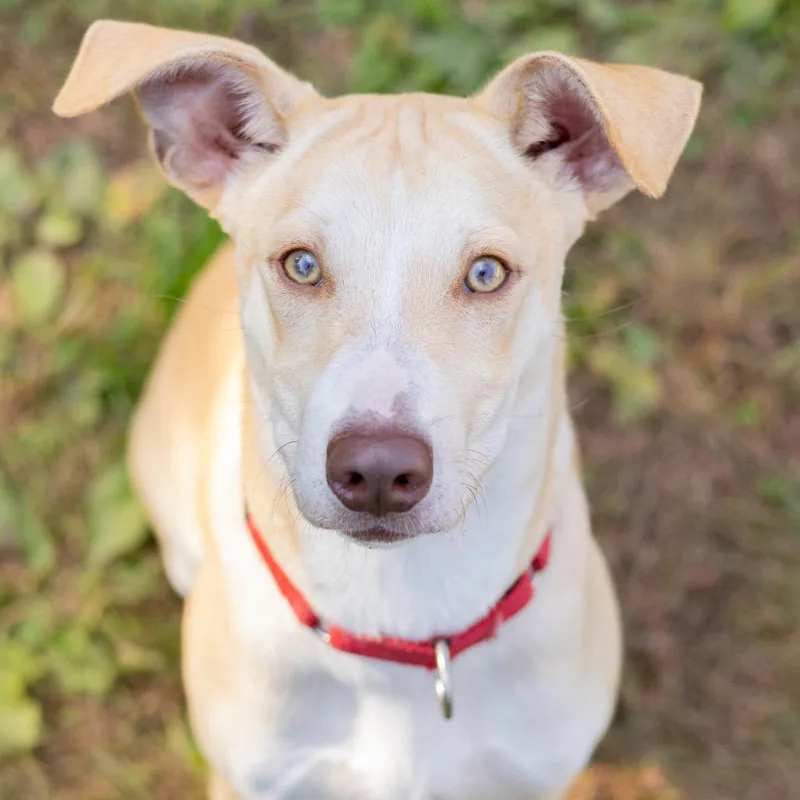
Catahoula Leopard Dogs Available for Adoption Near Newark

About the Catahoula Leopard Dog breed

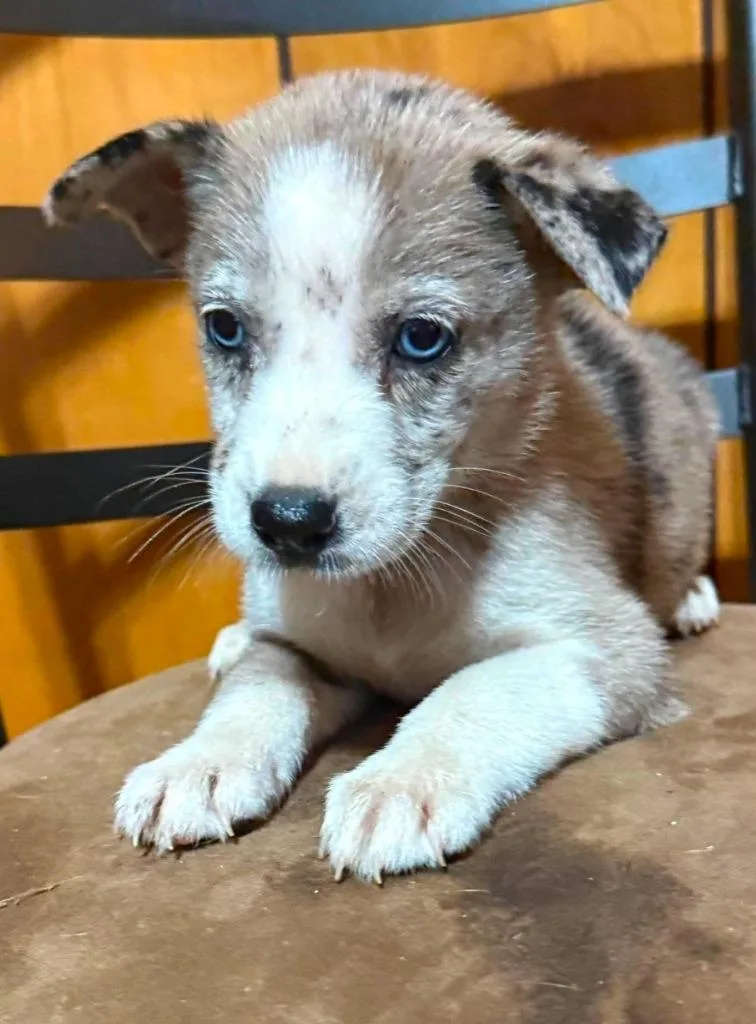
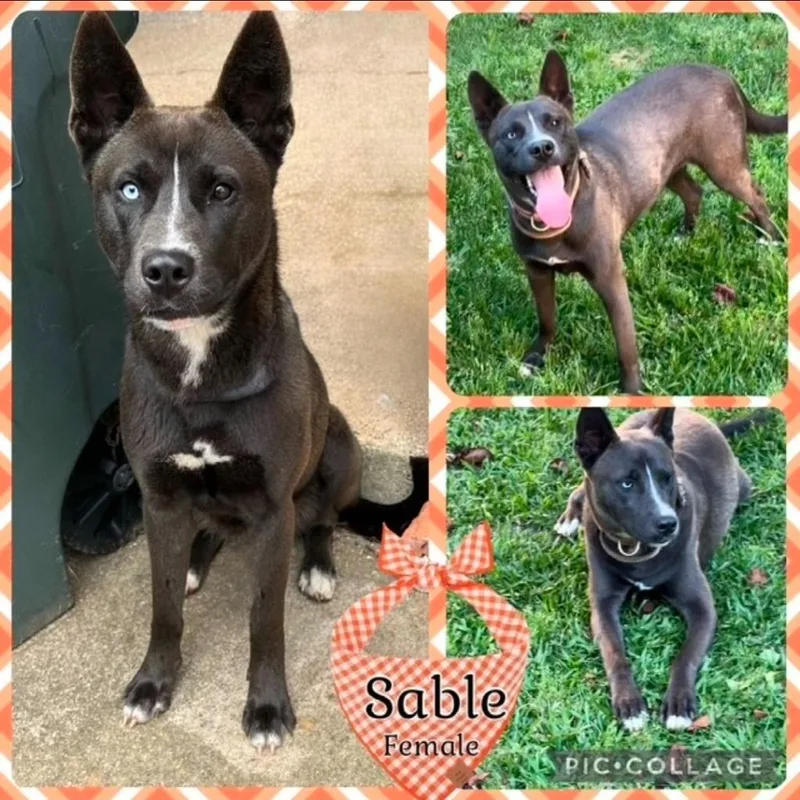
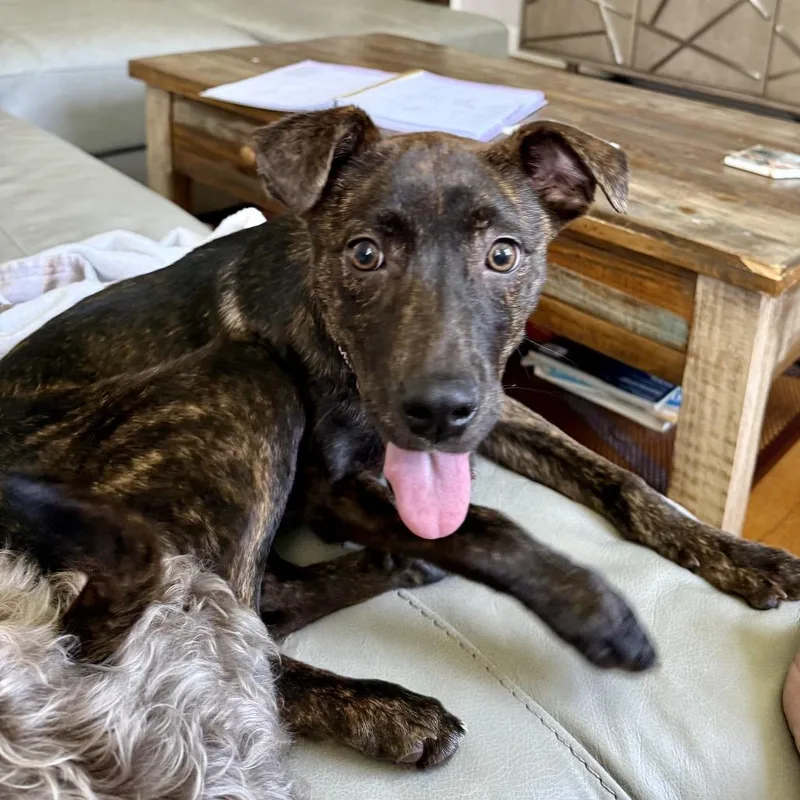
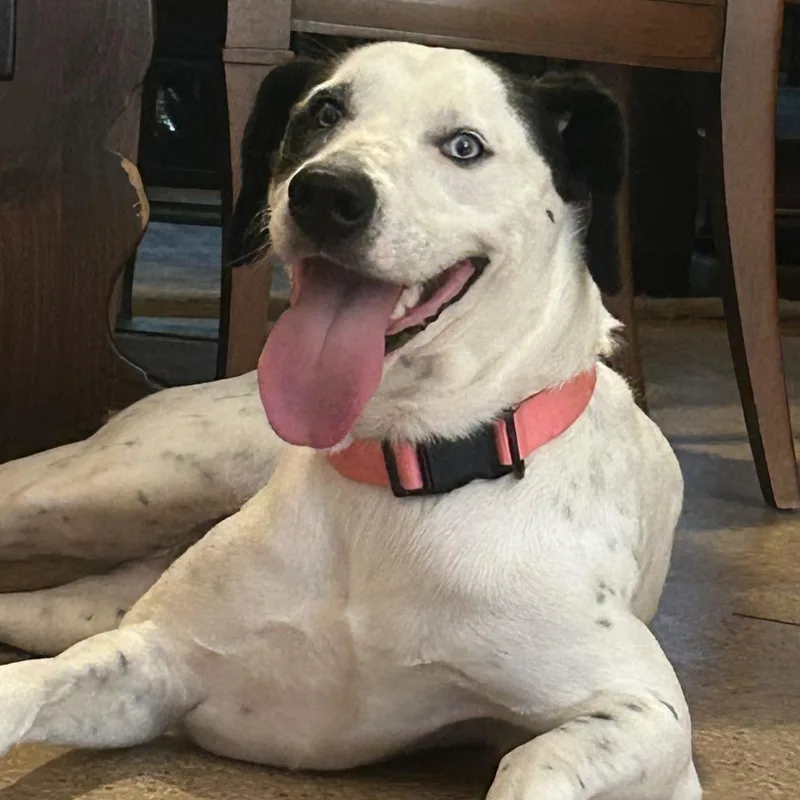
The Catahoula Leopard Dog comes from the swamps and woods of Louisiana, where it worked feral hogs and semi-wild cattle. Ability mattered more than looks, so size and build vary, from about 50 to 95 pounds. Many have a merle "leopard" coat and glass-blue or mismatched eyes, though brindle and solid dogs are common too. The short coat lies close and sheds moderately.

That working past shows up at home. Catahoulas tend to be intelligent, independent and loyal, with a protective streak and a strong drive to chase. Many are reserved with strangers, and some are picky about other dogs. In Newark, expect to spend time on early socialization and consistent, reward-based training. Many shelter dogs labeled Catahoula are mixes, so each dog's own personality and needs matter more than the label.

Weight
50–95 lbs
Height
20–26 in
Lifespan
10–14 yrs
Temperament
Energetic, Independent, Protective
Group
Herding
Shedding
Moderate

Owning a Catahoula Leopard Dog in Newark

Having a Catahoula Leopard Dog in Newark

A Catahoula's stamina, independence and watchfulness come from its work as a hunting and herding dog. In Newark, that means trails, a fenced yard and steady routines matter more than square footage, and merle coloring adds a few health checks worth knowing about.

Temperament

Catahoulas are often devoted with their own people and reserved with strangers. Many are confident and territorial, with a strong chase instinct, and some are selective with other dogs. On Newark's busy campus-area sidewalks, careful introductions and early socialization help. Dogs vary, so spend time with the dog before deciding.

Exercise Needs

Plan on an hour or more of vigorous activity daily, plus mental work like scent games or puzzle feeders. Newark's leashed trails, including the James F. Hall Trail, the Newark Reservoir loop and Redd Park, suit long walks and jogs. City parks require leashes, so a fenced yard is handy for fetch.

Health Considerations

Deafness and eye defects are risks, especially in dogs with a lot of white or double-merle coloring, and hip dysplasia occurs too. A veterinarian can check hearing, eyes and hips after adoption. Ticks are active year-round in Delaware, so check your dog after trail walks and keep prevention current.

Living Space

A fenced yard suits a Catahoula best, and West Newark's single-family subdivisions offer plenty. Many rentals near campus are older houses and apartments, a tougher fit for a large, athletic, alert-barking dog. Apartment life works only with reliable vigorous exercise and a landlord who accepts a dog up to 95 pounds.

What it costs to own a Catahoula Leopard Dog in Newark

ExpenseTypical costPer year
Adoption fee$275, one time$275 in year one
Food$55 to $110 per month$660 to $1,320
Pet insurance$55 to $110 per month$660 to $1,320
Routine vet care$250 to $500 per year$250 to $500
Other*$485 to $1,265 per year$485 to $1,265
Estimated yearly total (after year one)$2,055 to $4,405
First-year total (with adoption fee)$2,330 to $4,680

Adoption fee is the fee on Catahoula Leopard Dog listings in Newark on GetBuddy today. Other costs are estimates and vary with size, age and health.

* The Delaware dog license ($10 a year for a spayed or neutered dog), flea, tick and heartworm prevention, a dental cleaning allowance, toys and bedding, and basic brushing supplies.

Adopt a Catahoula Leopard Dog in Newark.

Now that you know more, let’s find you a new best friend. These rescues and shelters below currently have Catahoula Leopard Dogs available.

Rescues in Newark with Catahoula Leopard Dogs Available

Shelters and rescues serving the Newark area list their adoptable dogs here, and the selection changes often. Here are the rescues & shelters in the Newark area where you can find Catahoula Leopard Dogs and other dogs available for adoption.

Frequently Asked Questions

Yes. Delaware law prohibits cities, including Newark, from banning or restricting dogs based on breed, so a Catahoula is treated like any other dog. You'll need a state license once the dog is six months old, proof of rabies vaccination, and a leash whenever you're off your property. Landlords and HOAs aren't covered by that law, so confirm their pet rules.

It can be, if you're active and have a fenced yard or live near trails. Newark has miles of leashed trails, and West Newark's single-family neighborhoods suit a big, energetic dog. It's a tougher fit for a small student-area rental or long workdays away, since Catahoulas are strong-willed, watchful and want vigorous daily exercise and company.

Yes, with some gear. Newark winters average 27°F to 45°F, with about 97 freezing nights and occasional snow. A Catahoula's short coat offers limited insulation, so use a coat on long walks, wipe off road salt and keep the dog indoors. Delaware law also bars leaving dogs outside unattended during hazardous weather advisories.

Good bets are leashed walks on the Newark Reservoir loop, Redd Park, Rittenhouse Park and the James F. Hall Trail, plus White Clay Creek State Park next door, where leashes must be 6 feet or less. Newark has no city off-leash dog park, but county dog parks like Iron Hill and Glasgow are just outside city limits. Check for ticks afterward.

Very little. The short coat needs a weekly brush, a bit more during seasonal shedding, plus occasional baths, nail trims and ear checks. In Newark, the bigger job is checking for ticks after trail walks, since they're active year-round. Professional grooming is optional, and occasional baths fit within the yearly Other costs shown on this page.

Sometimes, on outdoor patios only. Delaware lets restaurants choose to allow leashed dogs on licensed outdoor patios and in beer gardens, but it's each restaurant's call, and dogs aren't allowed indoors unless they're service animals. Since Catahoulas can be wary of strangers, a quiet patio table with your dog settled beneath it works better than a crowded one.

Mostly not. SEPTA trains from Newark Rail Station require non-service pets to be in a carrier, which rules out a 50-to-95-pound Catahoula. Check current DART rules before bringing a dog on a bus. For most trips, plan on driving or walking, and never leave your dog in a parked car, especially in summer.

A Catahoula Leopard Dog is a medium-to-large working breed from Louisiana, developed to hunt and bay feral hogs and to herd cattle. It is athletic and muscular, often with a merle coat and striking light or mismatched eyes. Catahoulas are typically intelligent, loyal, independent and energetic, and they need experienced handling, training and lots of activity.

We have 1 rescue with Catahoula Leopard Dogs available: Humane Animal Partners. You can see every rescue with Catahoula Leopard Dogs available in the list above these questions, or scroll to the top to see the Catahoula Leopard Dogs near Newark.

Expect roughly $55 to $110 a month for food and $55 to $110 for insurance, about $1,320 to $2,640 a year together. Routine vet care runs $250 to $500 a year, and other costs such as parasite prevention, dental care, supplies and the license add $485 to $1,265 a year.