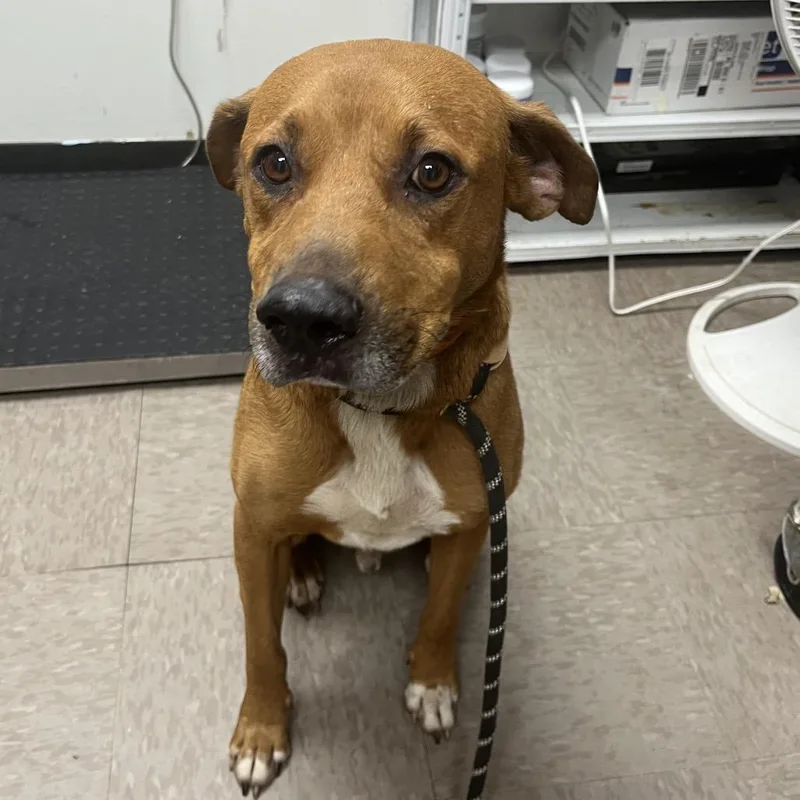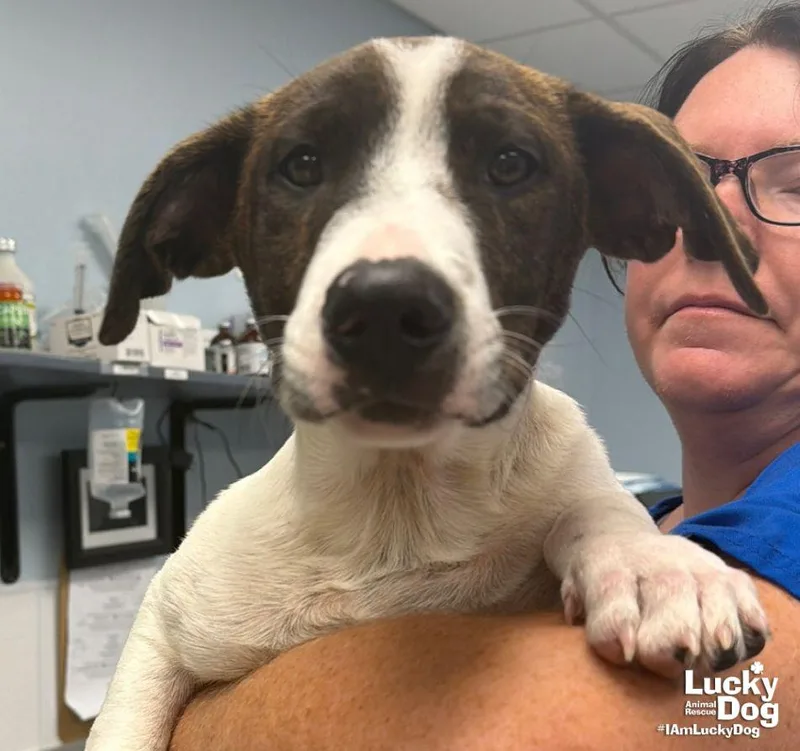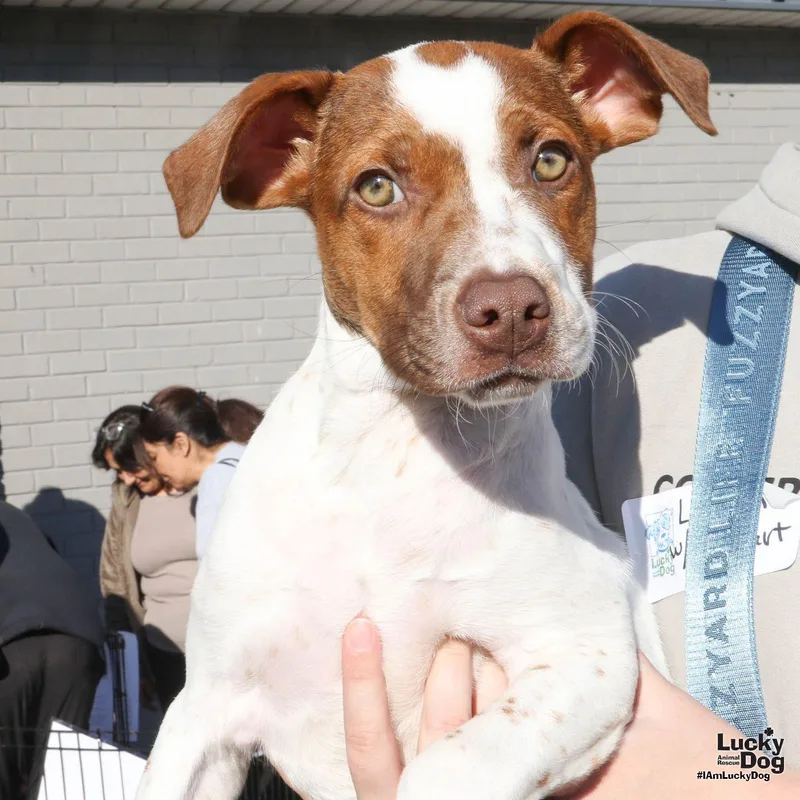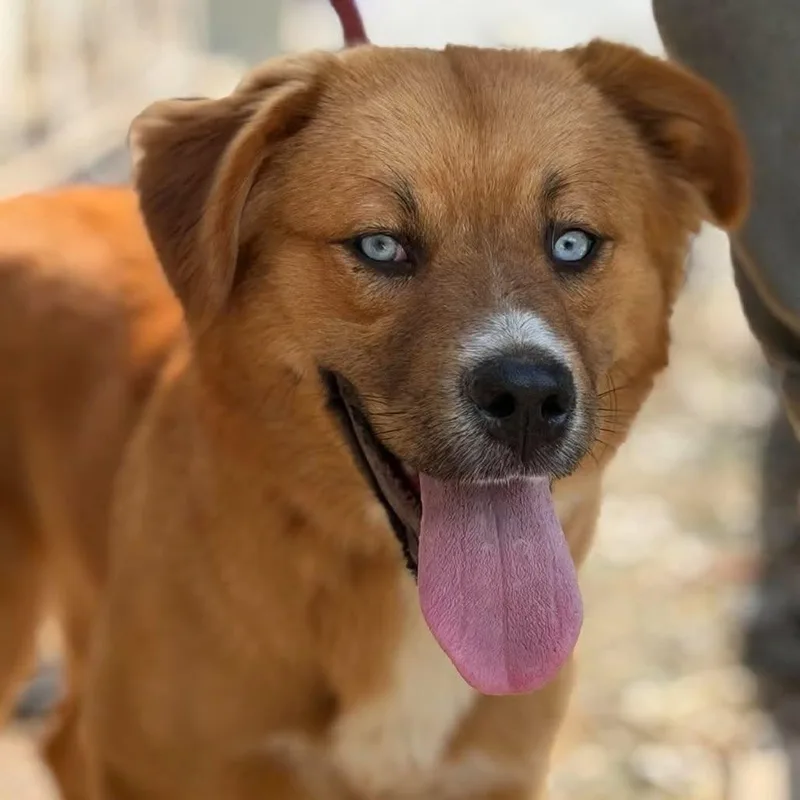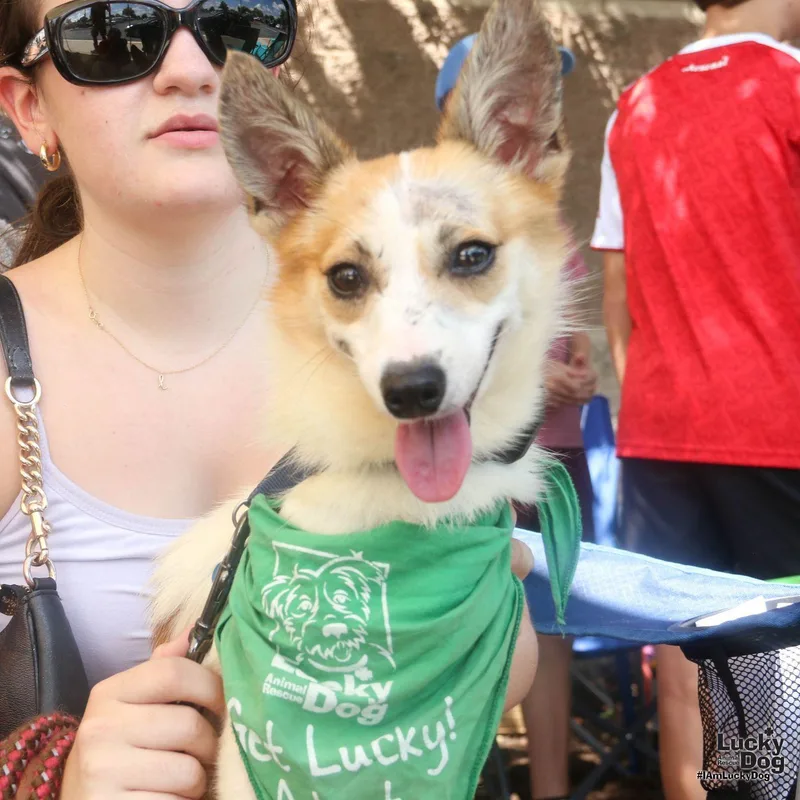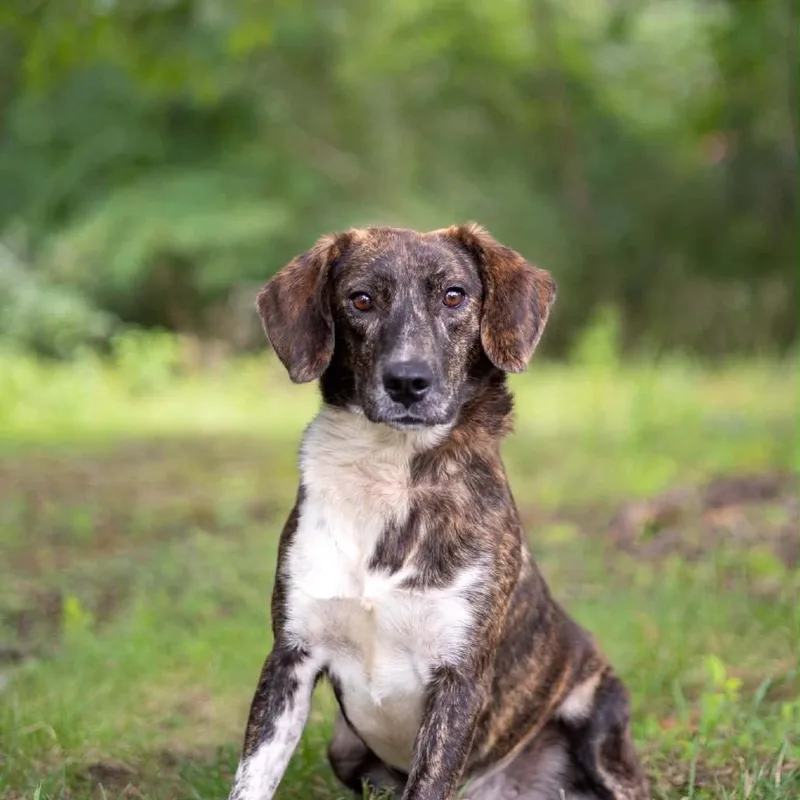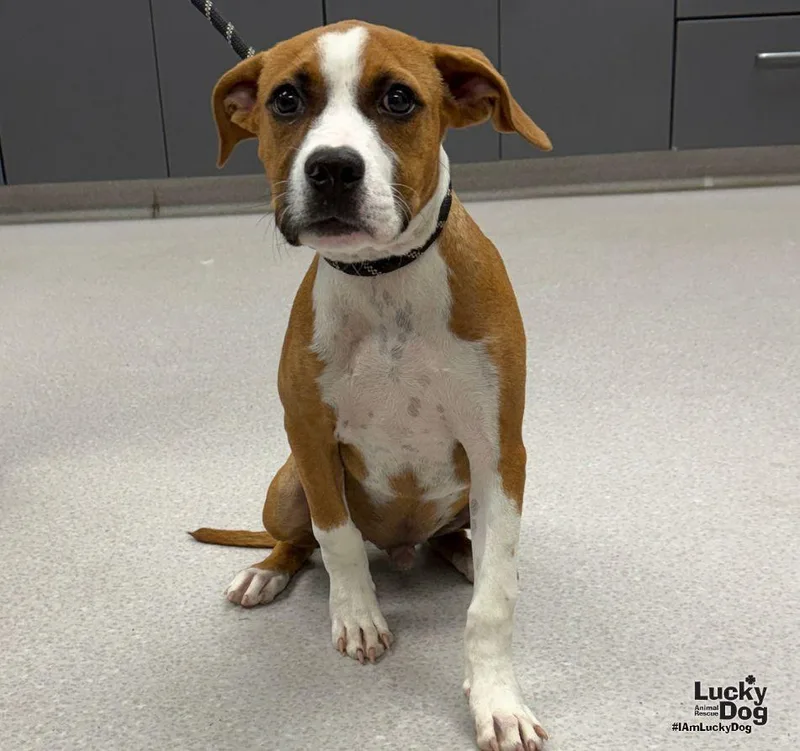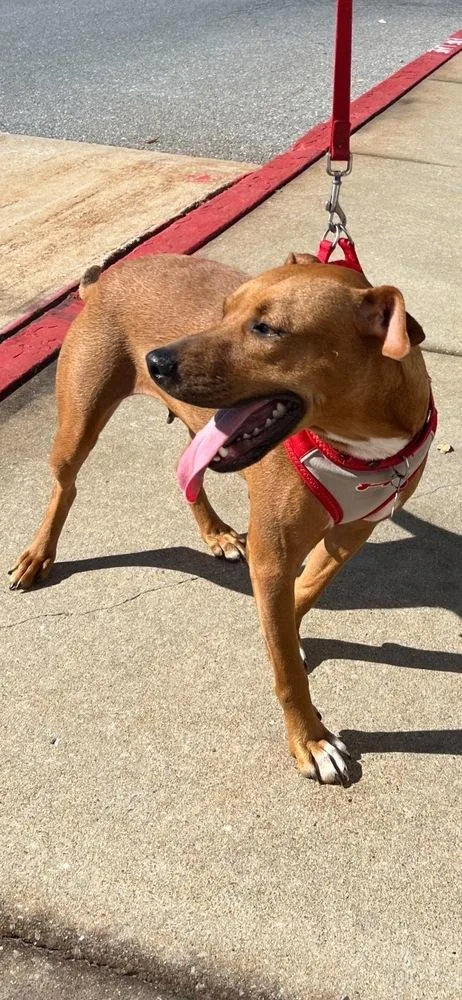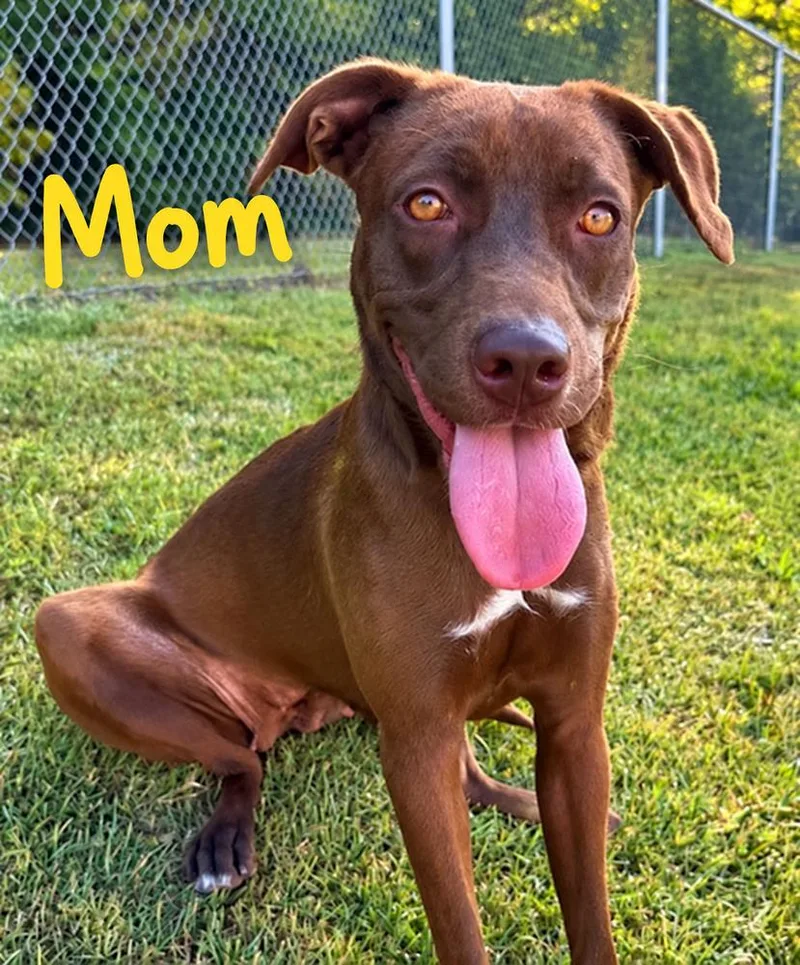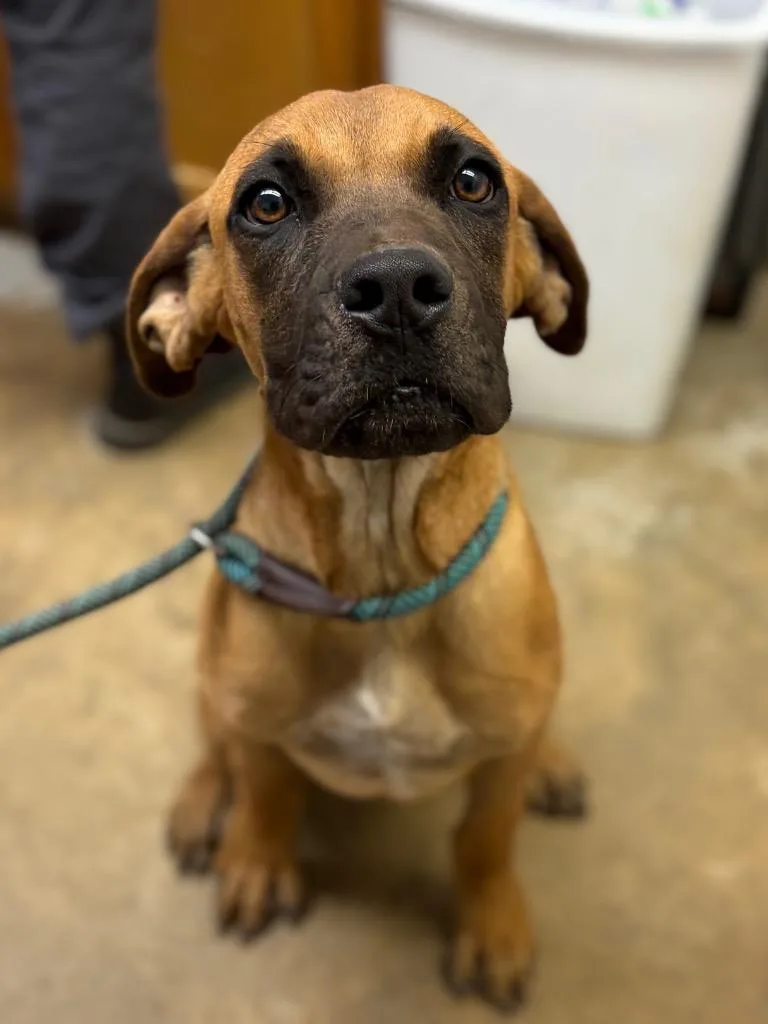
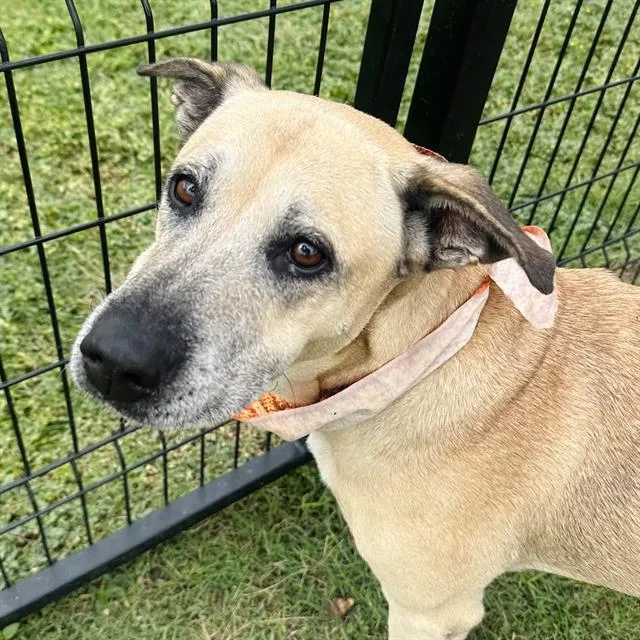
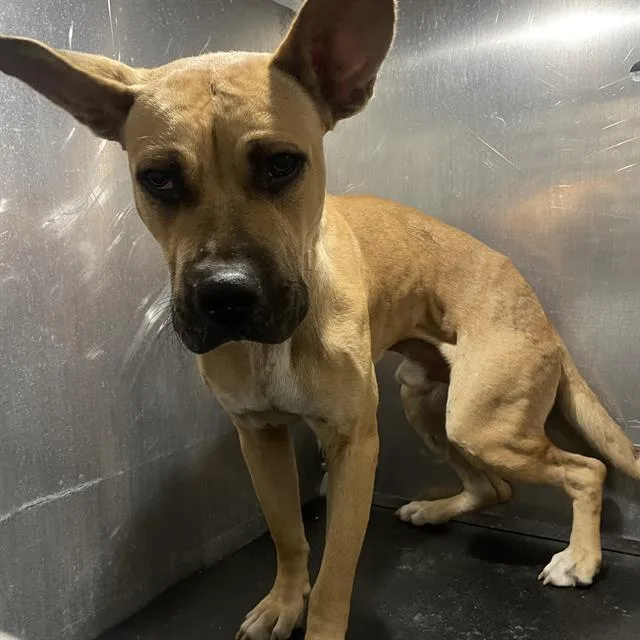
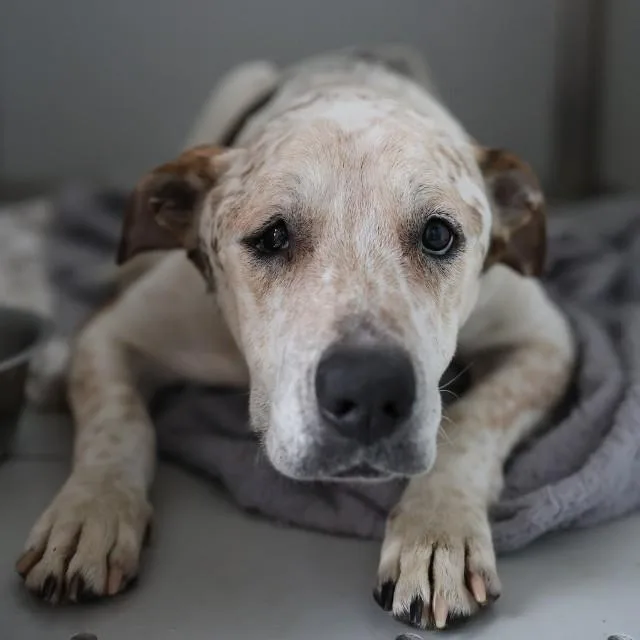
Mastiff Dogs for Adoption in Washington, DC

Your guide to finding and caring for a Mastiff in DC

A Mastiff does best in the roomier parts of Washington, like Brookland or Hillcrest. Both have single-family homes on generous lots, where a 150-pound dog can sprawl on a porch or take an unhurried loop around the block. Mastiffs are calm and happier on the couch than on a run, so two easy walks a day cover most of it. A humid July afternoon is best spent indoors with the air conditioning on.

921 Mastiffs available in Washington and nationwide

Give a Mastiff a home

Mastiffs Available for Adoption Near Washington

About the Mastiff breed

The Mastiff, also called the English Mastiff, is a massive, heavy-boned guardian with a broad head, a dark mask and a short fawn, apricot or brindle coat. Large guard dogs have lived in Britain since Roman times, and the breed nearly disappeared after World War II before a small group of dogs rebuilt it.

Most Mastiffs are gentle, dignified and quietly protective, though temperament varies from dog to dog. They're couch-loving rather than athletic, but a leaning, drooling dog of 120 to 230 pounds needs sturdy gear, early training and a budget for giant-breed food and vet care. In Washington, that also means planning around humid summers and a home with room to spread out. Lifespans are shorter than in smaller breeds, often six to ten years.

Weight
120–230 lbs
Height
27–36 in
Lifespan
6–10 yrs
Temperament
Gentle, Dignified, Protective
Group
Working
Shedding
Moderate

Owning a Mastiff in Washington

Having a Mastiff in DC

Size shapes almost everything about life with a Mastiff, from how far a walk goes to which building suits. The cards below cover how that plays out in Washington's mix of rowhouses, apartments and humid summers, so you can judge the fit before you adopt.

Temperament

Mastiffs tend to be calm, affectionate and patient with their families, and watchful or aloof with strangers. That quiet protectiveness suits a busy city block only with steady socialization, so introduce new people, sounds and sidewalks early. Reward-based training matters because an adult this heavy can't be physically managed. Each Mastiff's personality differs.
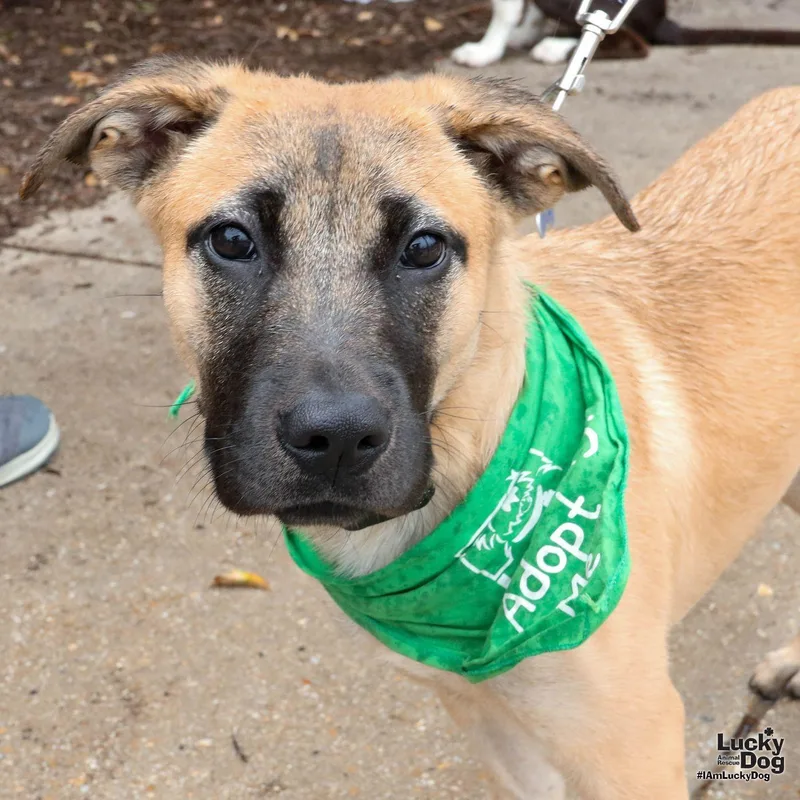
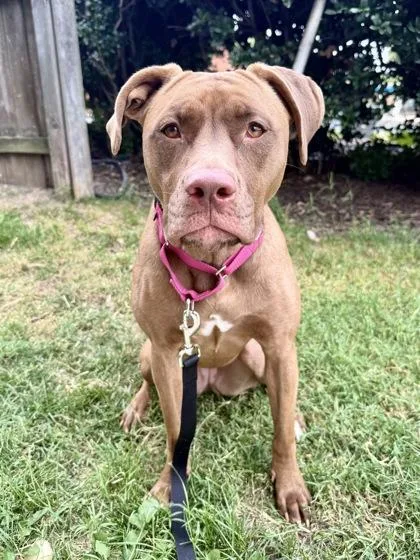
Exercise Needs

Adult Mastiffs need moderate exercise: a couple of relaxed walks and some gentle play, not long runs. In Washington, early mornings are the cool window in summer, and Rock Creek Park's leashed trails offer shade. Short sniffing walks and training sessions keep the mind busy. Puppies should avoid heavy stairs and forced running while their joints grow.

Health Considerations

Mastiffs are prone to hip and elbow dysplasia, bloat, obesity and bone cancer, and some develop heart or eye conditions. Learn the signs of bloat, which is an emergency, and keep the dog lean to protect its joints. A veterinarian can check the hips and heart and set up regular visits, since giant breeds age faster.

Living Space

Mastiffs are quiet indoors and can manage an apartment with an elevator, but a home with few stairs and room to sprawl is easier. Multi-story rowhouse stairs can be hard on a giant dog's joints. Plan for a giant crate, a sturdy car setup, drool towels and washable furniture covers.

What it costs to own a Mastiff in Washington

ExpenseTypical costPer year
Food$80 to $160 per month$960 to $1,920
Pet insurance$85 to $170 per month$1,020 to $2,040
Routine vet care$250 to $500 per year$250 to $500
Other*$590 to $1,700 per year$590 to $1,700
Estimated yearly total (after year one)$2,820 to $6,160

Other costs are estimates and vary with size, age and health.

* The DC dog license ($15 if spayed or neutered, $50 if not), giant-dose flea, tick and heartworm prevention, a dental cleaning, durable toys and bedding, basic coat care and joint supplements.

Adopt a Mastiff in Washington.

Now that you know more, let’s find you a new best friend. These rescues and shelters below currently have Mastiffs available.

Rescues in Washington with Mastiffs Available

Washington has a city shelter and several foster-based and private rescues that care for dogs of every size. Here are the rescues & shelters in the DC area where you can find Mastiffs and other dogs available for adoption.

Frequently Asked Questions

Yes, a Mastiff can live in a Washington apartment if the building suits a giant dog. Mastiffs are quiet indoors, but elevator access, few stairs and a unit with room to sprawl matter more than square footage. Because most Washington households rent, read lease terms on size and weight carefully, and plan for a large crate and good cooling in summer.

Yes. DC has no breed-specific ban, and its dangerous-dog rules look at a dog's behavior, not its breed. You'll need rabies and distemper vaccines and an annual license, and the dog must be leashed outside official dog parks. Seven or more animals require a hobby permit. Landlord rules still apply, so confirm your lease allows a giant dog.

Mastiffs can handle Washington summers with careful management, but heat is their hardest season. Humid days near 90°F are common from June through August, and giant dogs overheat quickly. Walk at dawn or late evening, keep the dog in air conditioning, offer water and avoid hot pavement. DC law also bars leaving a dog outside unattended for more than 15 minutes above 90°F.

For a calm, heavy dog, flat leashed walks work best. The Anacostia Riverwalk Trail and Kingman Island both allow dogs on a leash, and Theodore Roosevelt Island is pedestrian-only with leashed pets welcome. Rock Creek Park adds shaded trails. Pets are excluded from most memorials and park buildings, and national park leashes must be 6 feet or shorter.

No, not unless the Mastiff is a service animal. Metrorail and Metrobus allow pets only in a securely closed carrier small enough to carry, and it can't occupy a seat. The DC Streetcar also requires a crate. For a giant dog, plan on walking or driving, and keep a sturdy car setup ready for vet trips.

Sometimes, on patios only. DC law lets restaurants and bars choose to allow dogs in outdoor dining areas and sidewalk cafés, and they can limit dogs by size, so a Mastiff may be turned away. Look for the posted sign, keep the dog leashed and never leave it unattended. Indoor dining rooms remain off-limits to pets.

Not much. A Mastiff's short coat needs weekly brushing, a bit more during heavier shedding. Humid summers mean extra drool and facial wrinkles to wipe dry, and winter salt means rinsing paws. Most owners handle this at home, and an occasional professional bath fits within the $590 to $1,700 yearly Other costs, alongside prevention and dental care.

A Mastiff is a giant working dog from Britain, also known as the English Mastiff, bred for centuries as a guardian of homes and estates. Males stand at least 30 inches at the shoulder and many weigh over 160 pounds. The breed is known for a massive head, a black mask, a short coat and a calm, dignified, good-natured temperament.

We have 2 rescues with Mastiffs available: Lucky Dog Animal Rescue and Humane Rescue Alliance - Foster Homes. You can see every rescue with Mastiffs available in the list above these questions, or scroll to the top to see the Mastiffs near Washington.

Expect roughly $2,800 to $6,200 a year for a Mastiff in Washington. That covers food at $80 to $160 a month, insurance at $85 to $170 a month, $250 to $500 of routine vet care, and $590 to $1,700 in other costs. Giant-breed food, medication doses and orthopedic risk drive the high end.