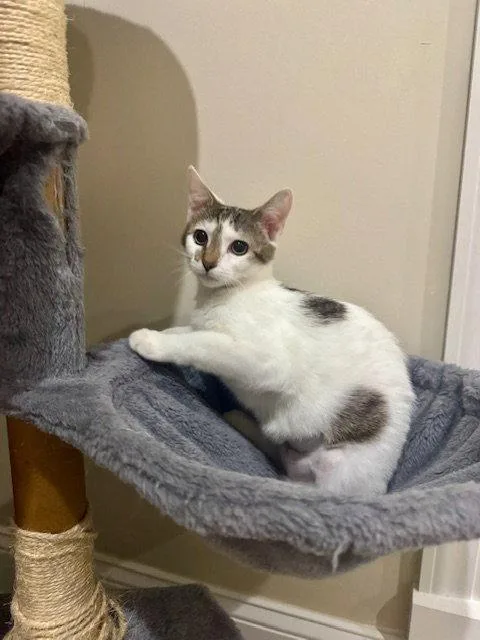
Tortoiseshell Cats for Adoption in Philadelphia, PA

Your guide to finding and caring for a Tortoiseshell in Philly

Tortoiseshell cats do well in Philly rowhouses, where a window perch over the stoop is half the entertainment. Tortoiseshell is a coat pattern rather than a breed, so the torties you'll meet here are mostly domestic shorthairs with very different personalities. A narrow Passyunk Square rowhouse or a Powelton Village apartment with a tall cat tree gives a curious cat plenty to watch and climb. Nearly all torties are female, and most settle happily into small spaces.

1033 Tortoiseshells available in Philadelphia and nationwide

Your Tortoiseshell is waiting

Tortoiseshells Available for Adoption Near Philadelphia

About the Tortoiseshell breed

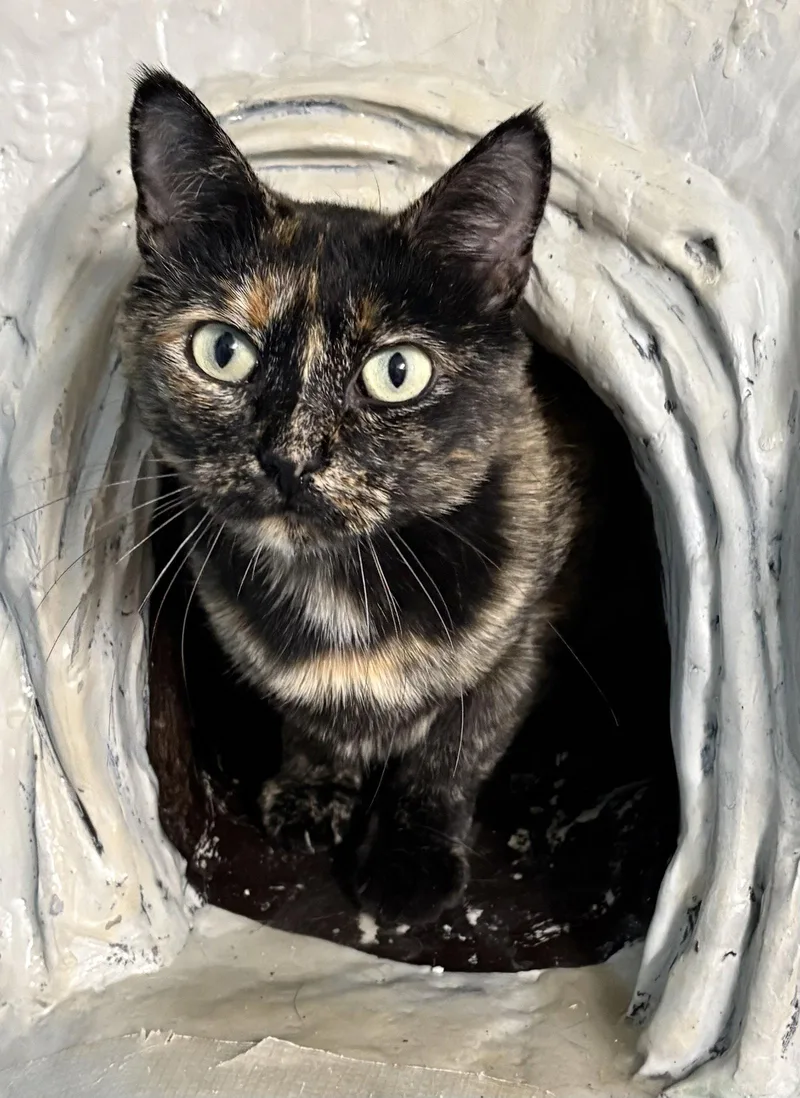
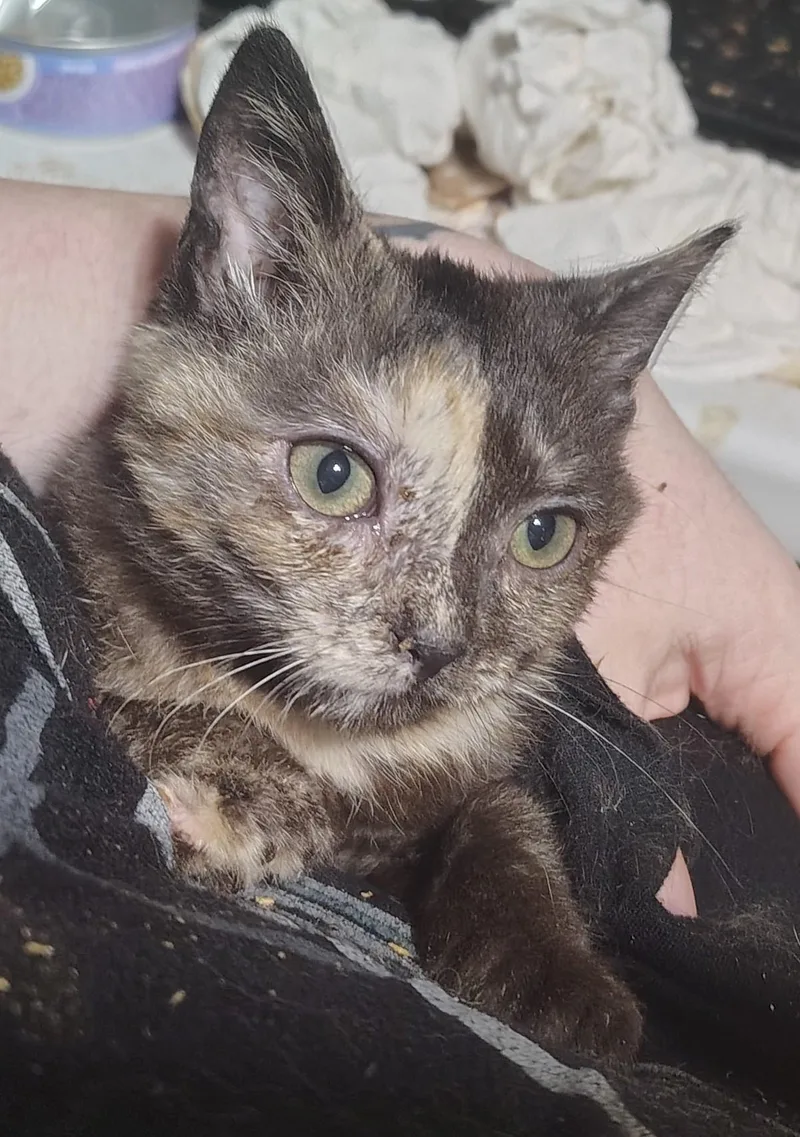
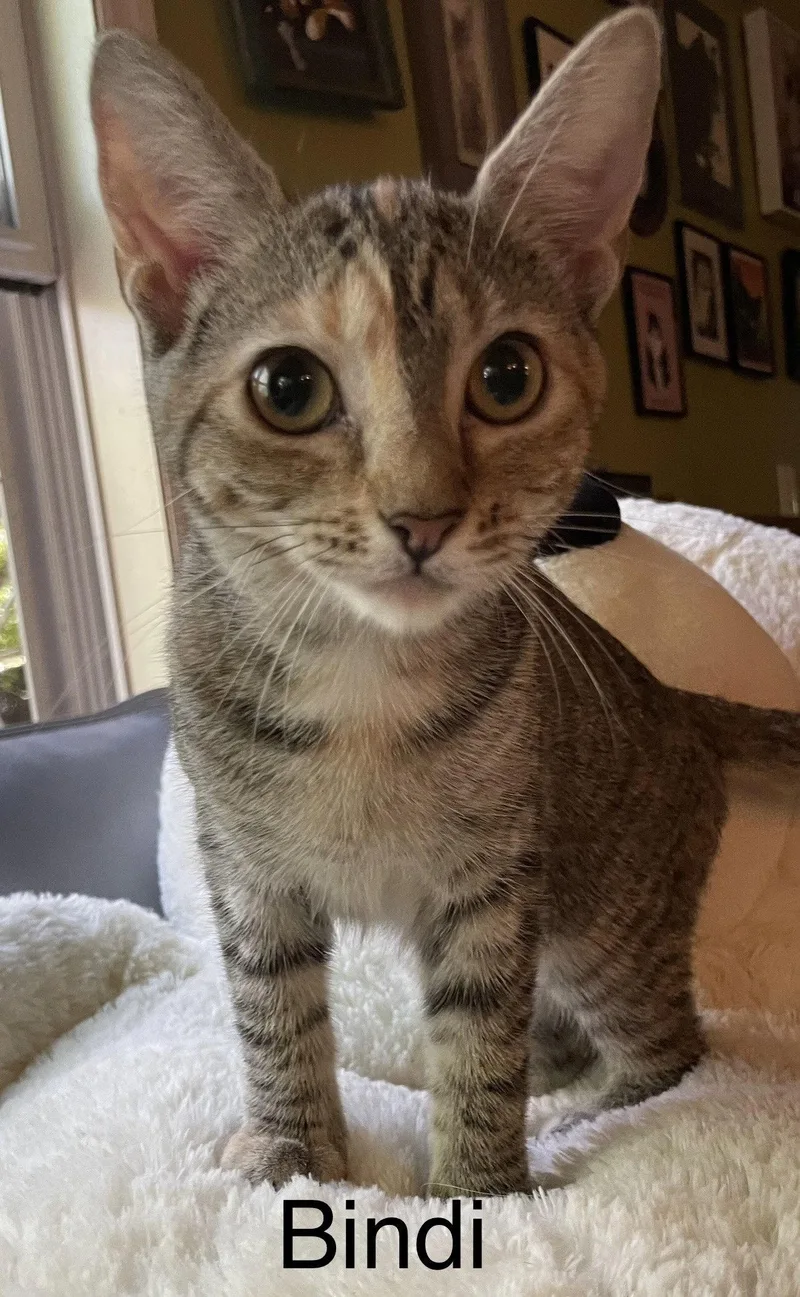
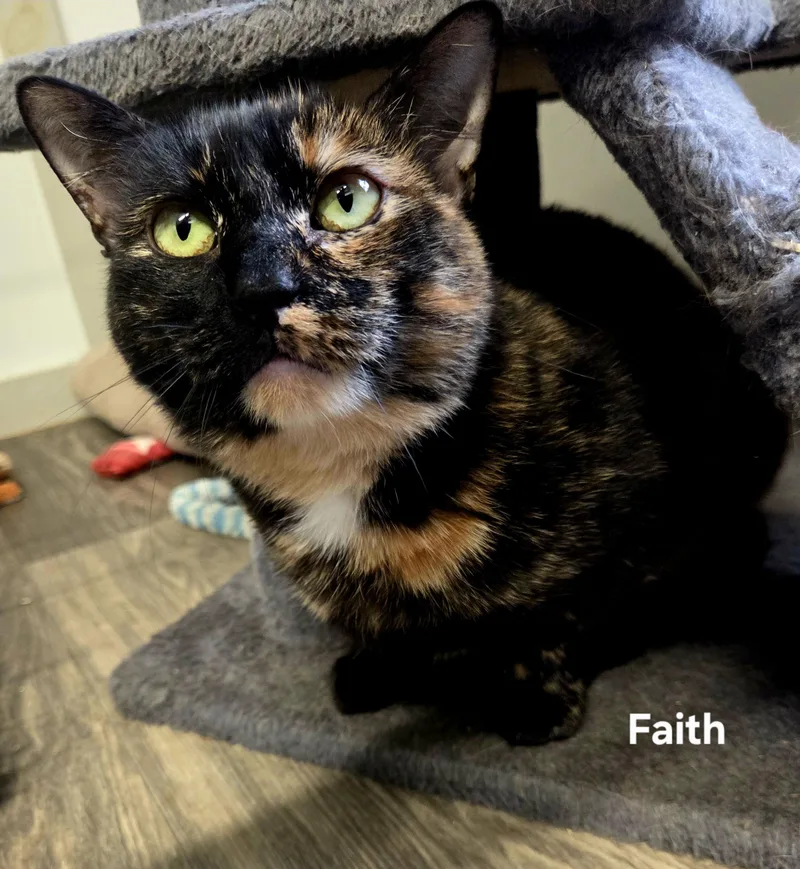
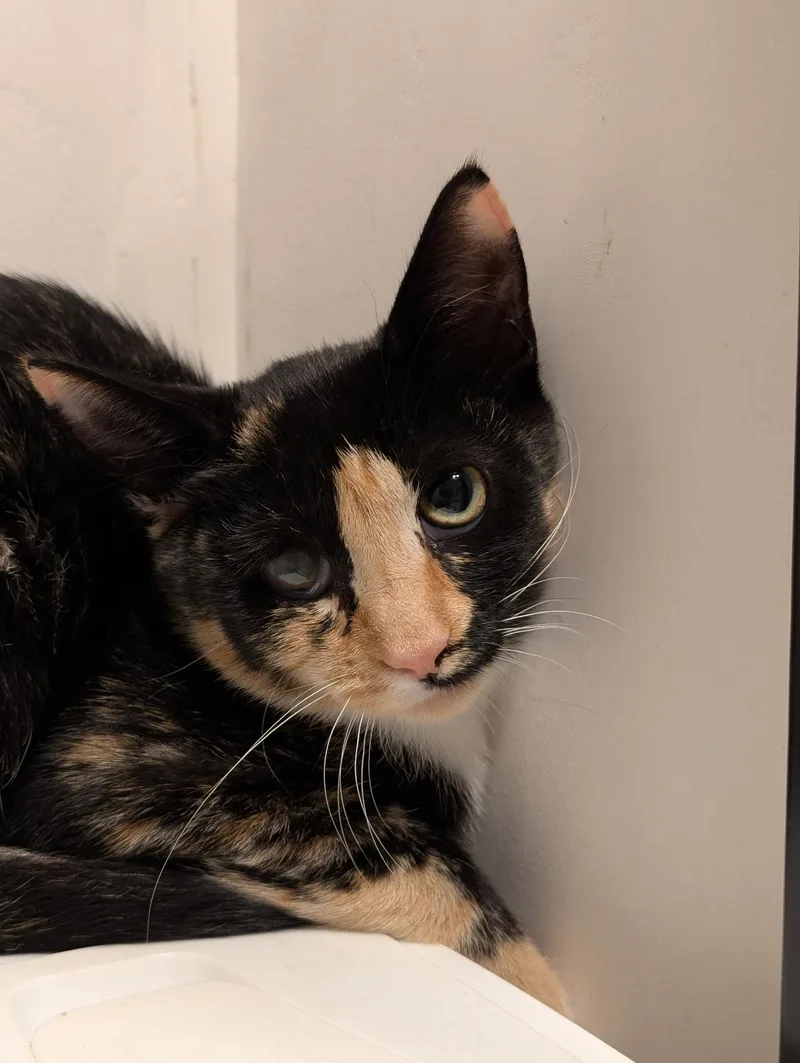
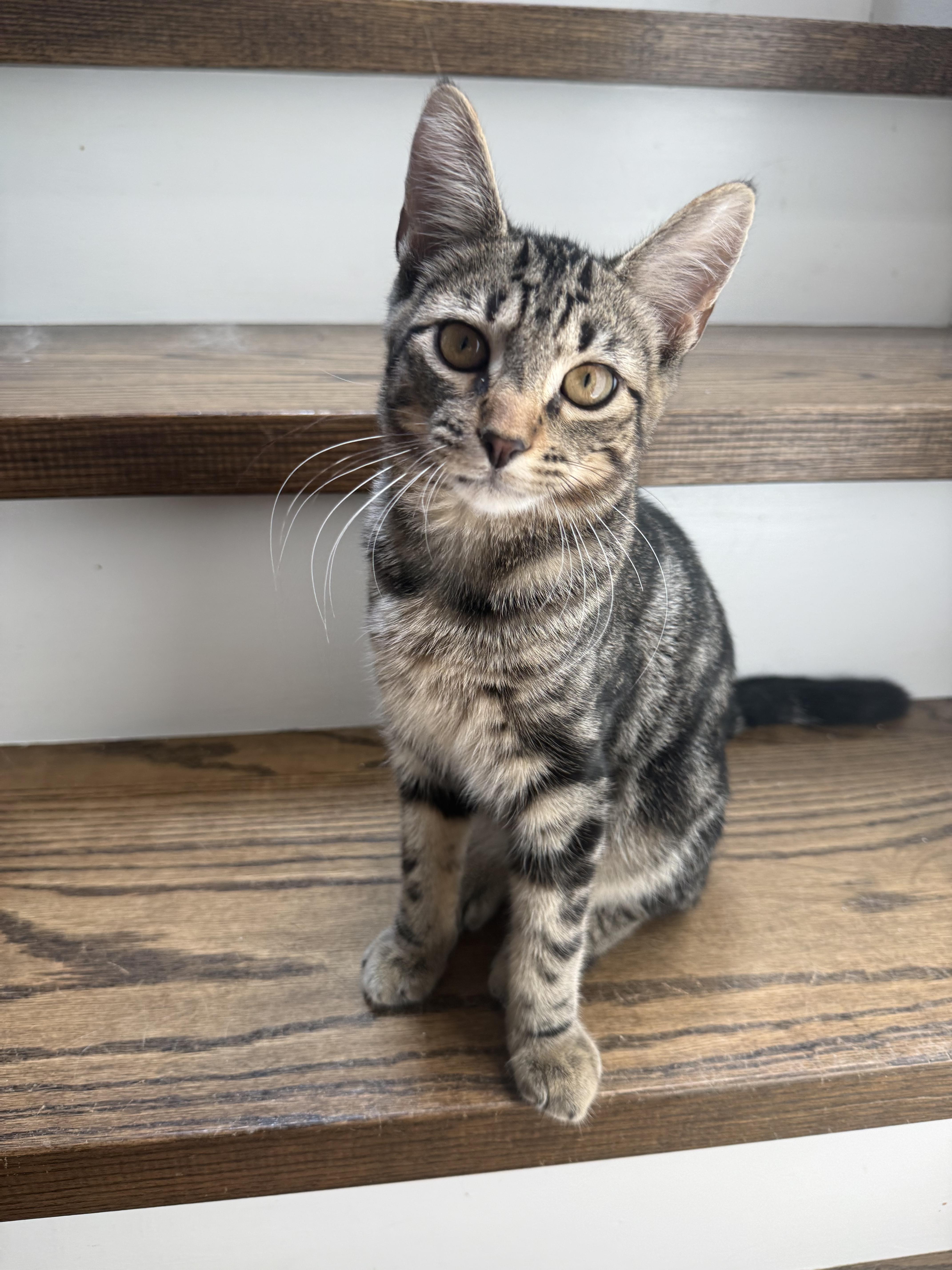
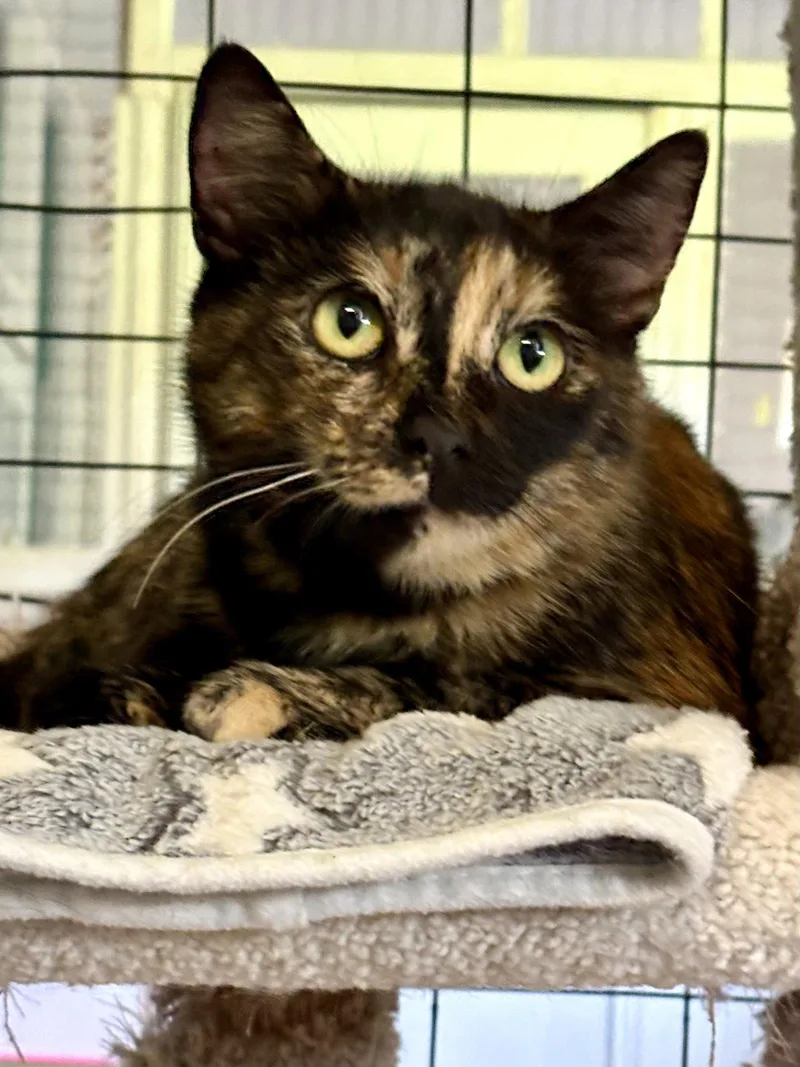
A tortoiseshell's coat blends black-based and orange-based colors in patches or a fine mottle, usually with little or no white. Dilute torties look soft gray and cream, and torbies add tabby stripes. Because the orange gene sits on the X chromosome, almost all are female. In Philly, most you'll see are domestic shorthairs, though the pattern turns up in many breeds.

Their "tortitude" reputation for sass is folklore more than fact. An owner survey reported slightly more aggression in torties, but it rests on owner impressions, so treat it as a caution rather than a rule. A tortie's age, history and socialization matter far more than color. Plan on moderate shedding, regular play, and a typical lifespan of 12 to 18 years.

Weight
6–14 lbs
Height
8–10 in
Lifespan
12–18 yrs
Temperament
Independent, Affectionate, Playful
Shedding
Moderate

Owning a Tortoiseshell in Philadelphia

Having a Tortoiseshell in Philly

Tortoiseshell describes a coat, not a breed, so these traits reflect what's common among the domestic cats adopters meet. Expect a medium-sized cat of about 6 to 14 pounds, moderate shedding, and a personality you'll learn by spending time with her.

Temperament

Torties have a reputation for being spirited and opinionated, but that comes mostly from owner impressions, and the evidence is limited. Expect anything from shy to bold, and cuddly to aloof. In a busy rowhouse with thin walls and street noise, a confident cat may thrive, while a nervous one may want a quiet room.

Exercise Needs

Plan on daily interactive play, such as wand toys, chase games and puzzle feeders, with more for young cats and gentler sessions for seniors. Philly's multi-story rowhouses help: stairs, window perches and a tall cat tree turn a narrow footprint into a good climbing space for an indoor cat.

Health Considerations

The tortoiseshell pattern carries no particular health risks in females, though the rare males usually have an extra X chromosome and may face added issues. Annual exams, dental care and a healthy weight matter most. Fleas and ticks are worth a vet's advice, especially for a cat that ever goes outdoors on a harness.

Living Space

Torties fit apartments and houses equally well, since space needs depend on the cat. In Philly's rowhouses and split-up older homes, vertical space matters more than square footage: a cat tree, a window perch and a quiet hideaway on each floor. Narrow stairs rarely trouble a healthy adult, but seniors may want a ramp or low steps.

What it costs to own a Tortoiseshell in Philadelphia

ExpenseTypical costPer year
Food$25 to $50 per month$300 to $600
Pet insurance$20 to $45 per month$240 to $540
Routine vet care$150 to $350 per year$150 to $350
Other*$450 to $1,150 per year$450 to $1,150
Estimated yearly total (after year one)$1,140 to $2,640

Other costs are estimates and vary with size, age and health.

* Litter, flea and tick prevention, a dental cleaning allowance, toys and supplies, and home grooming.

Adopt a Tortoiseshell in Philadelphia.

Now that you know more, let’s find you a new best friend. These rescues and shelters below currently have Tortoiseshells available.

Frequently Asked Questions

Yes, you can. Philadelphia has no breed bans, and Pennsylvania law bars local rules aimed at a specific breed, which matters little for a coat pattern anyway. Cats don't need a city license, but they must be vaccinated for rabies once they're over 3 months old. If you rent, your lease decides, so read its pet terms first.

Yes. Tortoiseshell cats do well in apartments, and Philly has plenty of rowhouse conversions and walk-ups where a cat can climb and watch the street. Add a cat tree, a window perch and scratching posts, and plan daily play. Because rowhouses share walls, a cat that yowls at night may be heard by neighbors, so evening play helps.

Often, yes, especially if you like a cat with plenty of personality and can be home some evenings. Because tortoiseshell is a coat rather than a breed, fit depends on each cat's age and temperament. Busy streets and shared walls suit confident cats best, while shy ones may want a quiet room of their own.

Yes, for indoor cats. Coat color doesn't change heat or cold tolerance. Philly's humid summers, with about 30 days a year at 90°F or higher, call for fans or AC and fresh water, while winters of roughly 28 to 44°F are easy indoors. Keep her inside, away from hot cars and icy sidewalks.

Yes, as long as she's in a carrier. SEPTA allows pets only in a standard, sturdy carrier that doesn't obstruct aisles or seats, and the animal can't be disruptive. That applies across the Broad Street Line, the Market-Frankford Line, buses, trolleys and Regional Rail. A typical 6 to 14 pound tortie fits in a standard carrier.

Most tortoiseshells need only a weekly brushing, more often for longhaired cats or during heavy spring and fall sheds. Home grooming is the norm and costs little, mostly a brush and nail clippers. After any harness walks near wooded parks, run your hands through her coat to check for ticks.

A tortoiseshell cat is a cat with a coat pattern of black-based and orange-based colors blended or patched together, usually with little or no white. It is not a breed; the pattern appears in many breeds and most often in domestic shorthairs. Nearly all tortoiseshells are female because the genes for orange and black are carried on the X chromosome.

Almost all tortoiseshell cats are female, but not all. A female has two X chromosomes and can carry both orange and black color genes, producing the mixed coat. Males normally have only one X. Rare male torties usually have an extra X chromosome or are genetic chimeras, and they are estimated at roughly 1 in 3,000 tortoiseshells.

We have 2 rescues with Tortoiseshells available: City of Elderly Love and Whiskers of Love Cat Rescue and Sanctuary. You can see every rescue with Tortoiseshells available in the list above these questions, or scroll to the top to see the Tortoiseshells near Philadelphia.

Expect roughly $25 to $50 a month on food and $20 to $45 on optional insurance. Routine vet care runs about $150 to $350 a year, and other yearly costs, including litter, prevention and dental care, add about $450 to $1,150. The high end fits seniors or cats that need extra care.