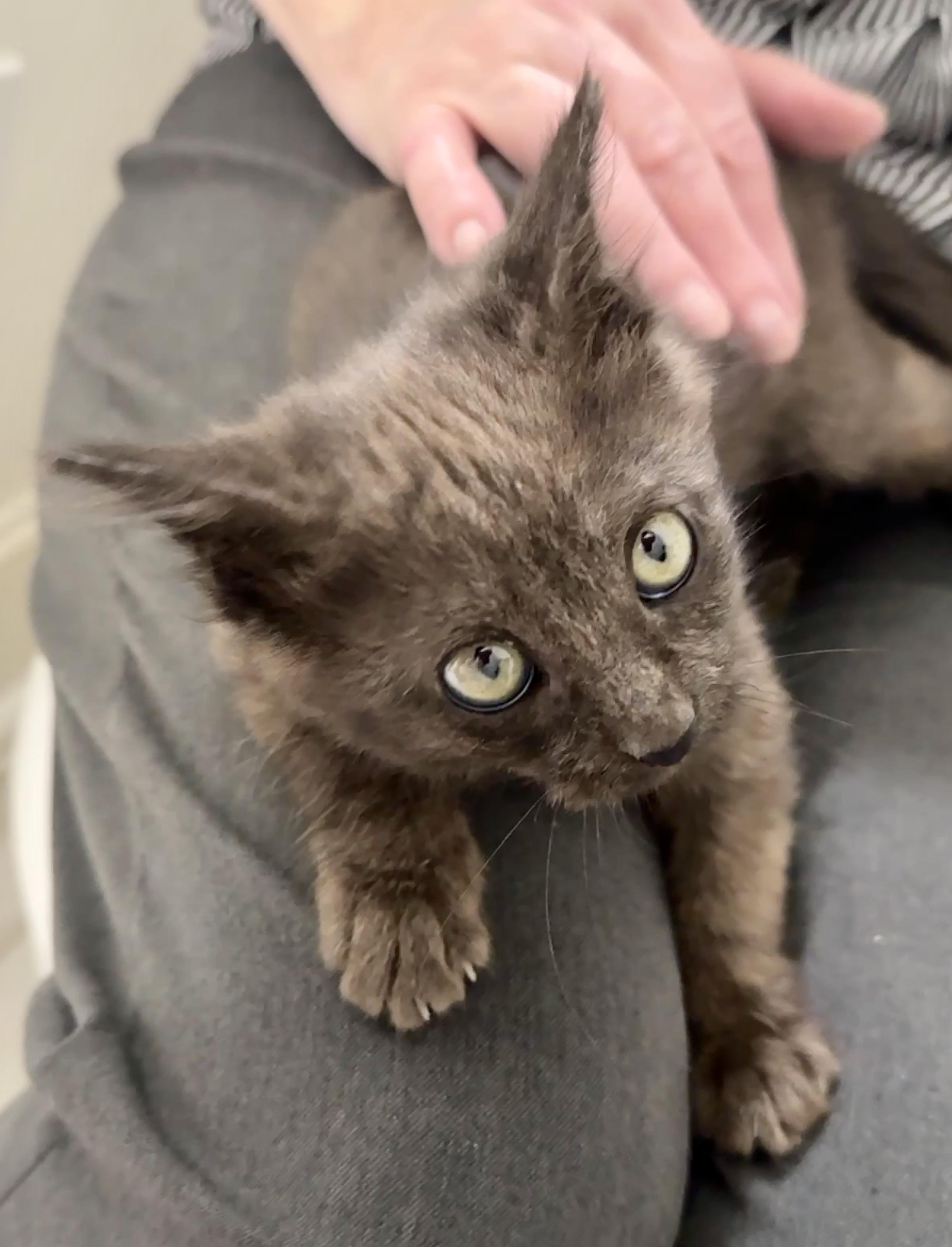
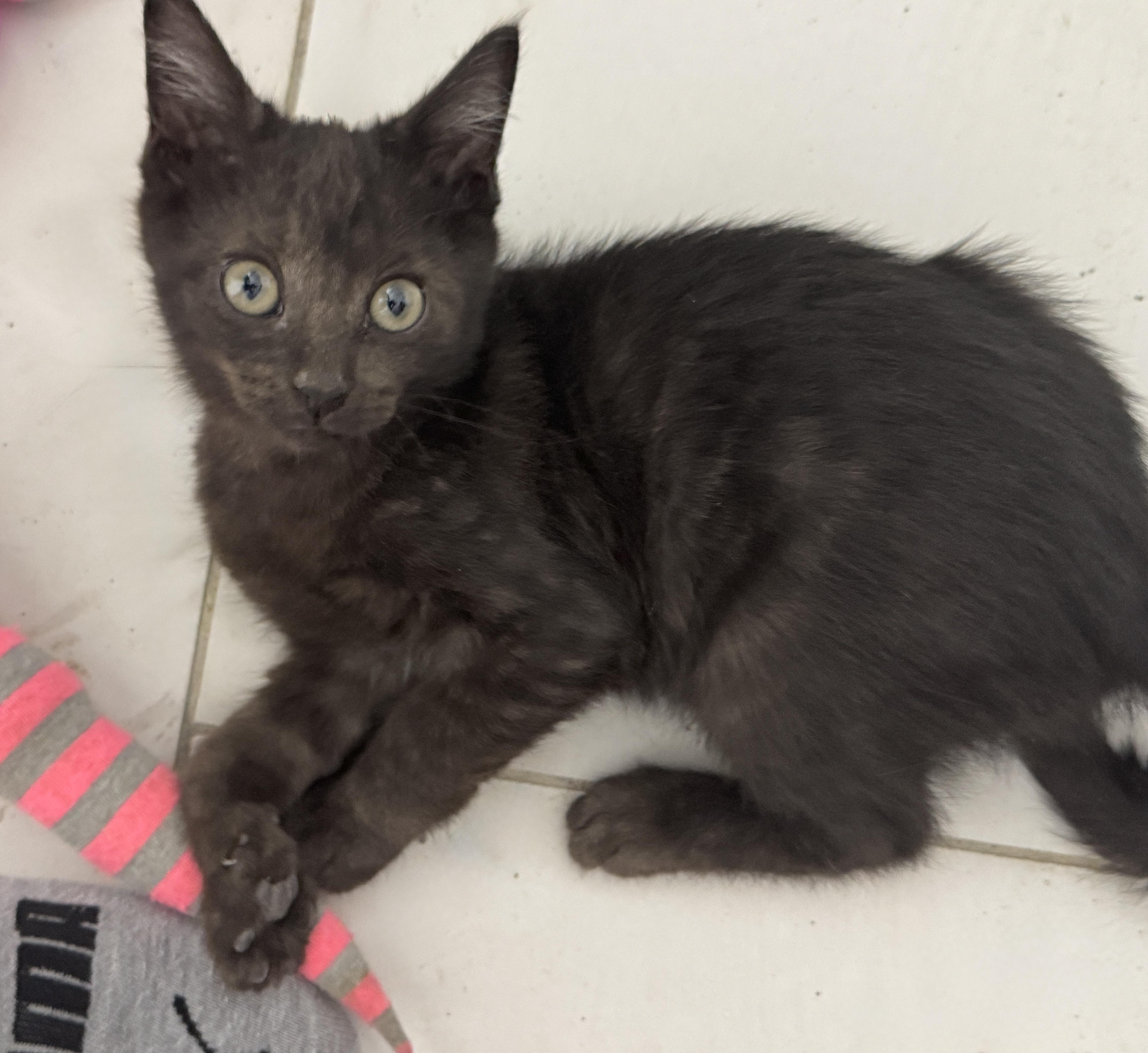
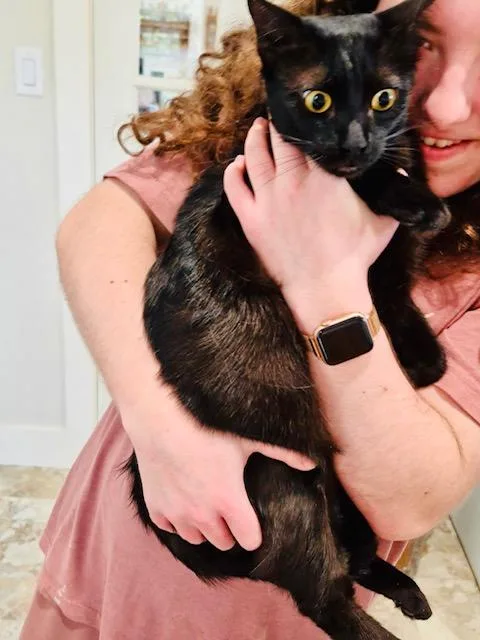
Burmese Cats for Adoption in Philadelphia, PA

Your guide to finding and caring for a Burmese in Philly

A Burmese fits Philly rowhouse life well, because it wants to be wherever you are. In a Passyunk Square rowhouse or a Spruce Hill twin, expect a cat that follows you up the narrow stairs, claims the front window and greets whoever comes through the door. Burmese stay playful for years, so a wand toy and a tall cat tree matter more than square footage. They don't like long, empty days, which suits people who work from home or keep a second pet.

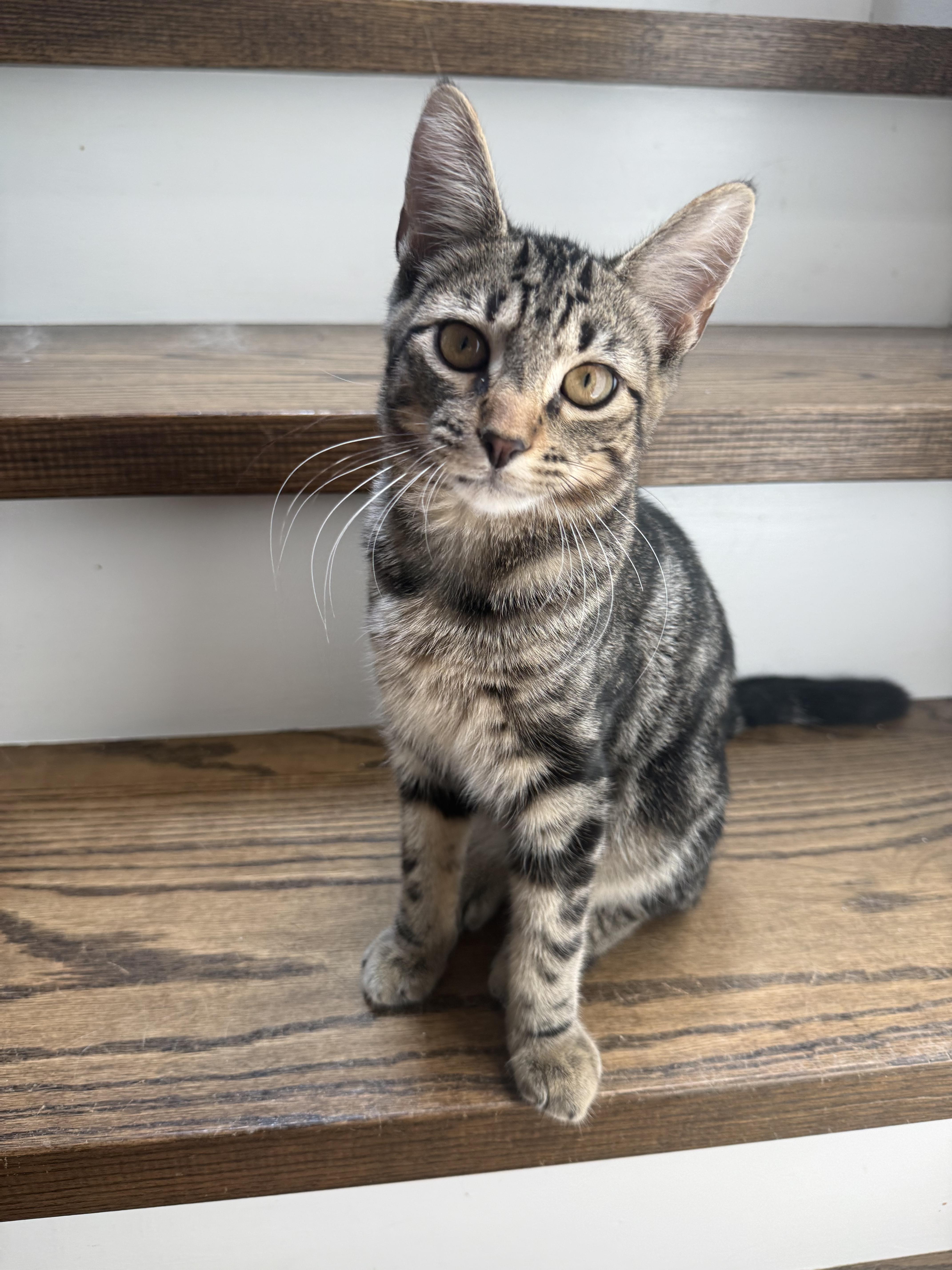
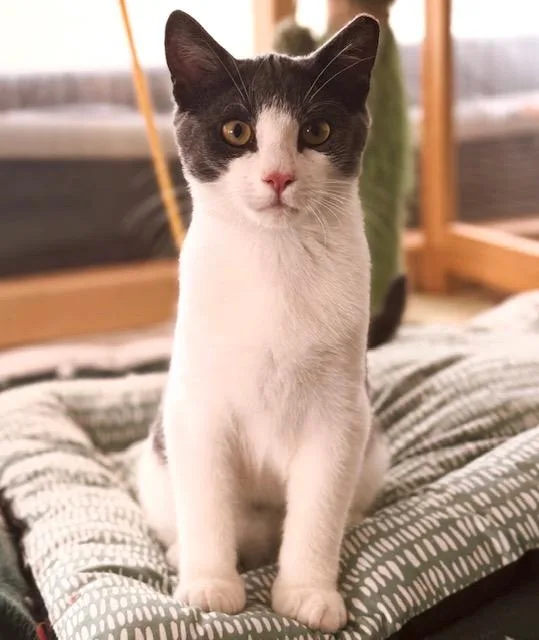
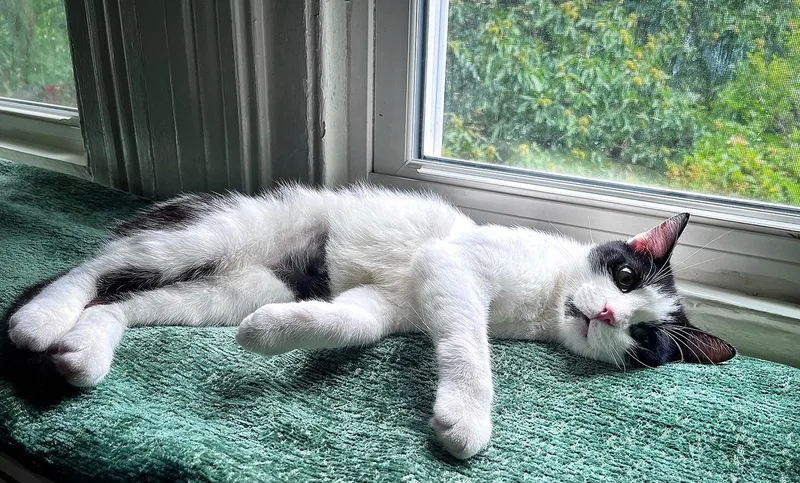
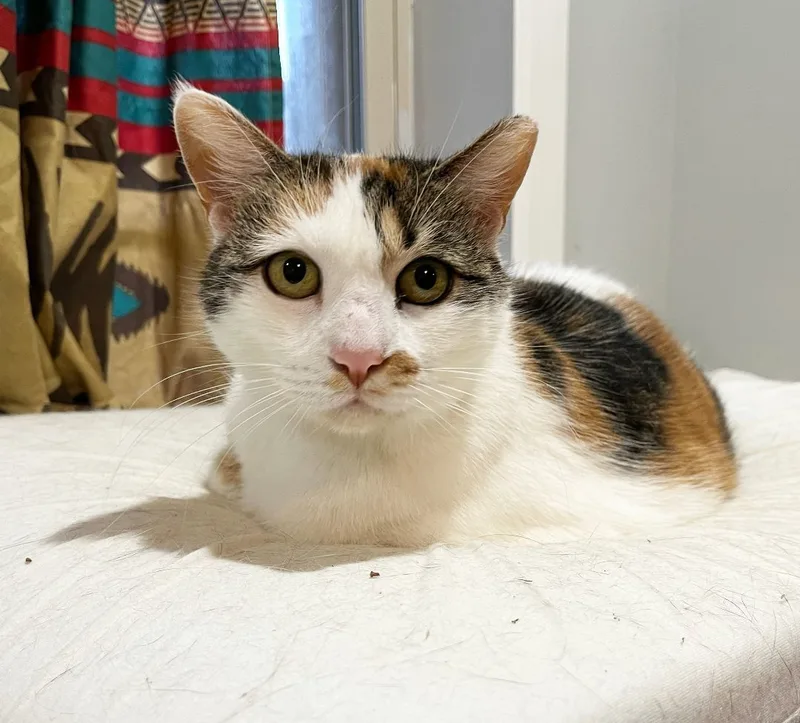
24 Burmese available in Philadelphia and nationwide

Find your Burmese

While we don't have enough cats near Philadelphia, keep in mind that many rescues may offer transport.

Burmese Available for Adoption Near Philadelphia

About the Burmese breed

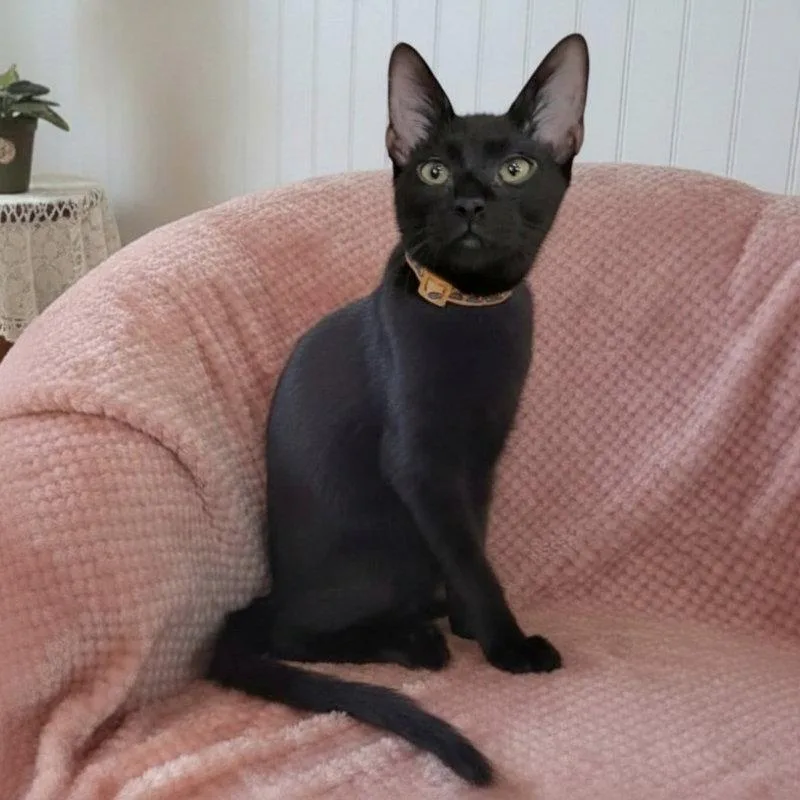
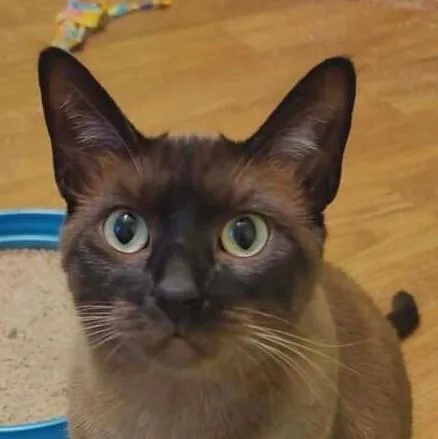
Burmese trace back to Wong Mau, a walnut-brown cat brought to San Francisco in 1930. Today's cats are compact and muscular, heavier than they look, with a short satin coat and big gold eyes. Sable is the classic color, though champagne, blue and platinum turn up too, and American and European types differ in head shape.

In Philly, the practical side matters more than the history. A Burmese usually wants a lap, a game and a window with a view, and many keep that kitten energy into their teens. Care is simple: weekly brushing, steady play and regular vet checkups, since diabetes and a few other inherited conditions are known in the breed. Adult cats vary, so spend time with the cat in front of you.

Weight
8–13 lbs
Height
9–11 in
Lifespan
12–17 yrs
Temperament
Affectionate, Social, Playful
Shedding
Low

Owning a Burmese in Philadelphia

Having a Burmese in Philly

Burmese are dense, satin-coated cats with a lot of personality. Their need for company, lifelong playfulness, easy grooming and a few inherited health risks all shape how well one fits your schedule and home in Philly.

Temperament

Burmese are affectionate, curious and sociable, often called dog-like because they follow people around and pick up games quickly. Many get along with kind children and cat-friendly dogs. They're softer-voiced than Siamese but will ask for attention. Adult cats vary, so spend time with the cat you meet rather than assuming the breed description fits.

Exercise Needs

Plan on daily interactive play: wand toys, fetch and a sturdy cat tree or shelves for leaping. Puzzle feeders keep a clever Burmese busy and help prevent weight gain. In a Philly rowhouse, vertical space along a wall or beside a front window gives an indoor cat room to climb and watch the street.

Health Considerations

Burmese can be prone to diabetes, low potassium, feline orofacial pain syndrome and, in some lines, a serious inherited head defect in kittens. Keep the cat lean and watch for heavy thirst or periodic weakness. A veterinarian can check weight, teeth and blood work, with more frequent screening as the cat ages.

Living Space

Burmese do well in a small apartment or a full rowhouse as long as they have company, play and places to climb. Most are best kept indoors, with a secure window perch for watching the block. Long days alone don't suit many, so a second compatible pet can help busy households.

What it costs to own a Burmese in Philadelphia

ExpenseTypical costPer year
Food$25 to $50 per month$300 to $600
Pet insurance$30 to $60 per month$360 to $720
Routine vet care$150 to $350 per year$150 to $350
Other*$450 to $1,150 per year$450 to $1,150
Estimated yearly total (after year one)$1,260 to $2,820

Other costs are estimates and vary with size, age and health.

* Litter, flea and tick prevention, a dental cleaning allowance, toys, scratchers and climbing furniture, and minimal grooming for the short satin coat.

Adopt a Burmese in Philadelphia.

Now that you know more, let’s find you a new best friend. These rescues and shelters below have cats available in and near Philadelphia.

Frequently Asked Questions

Yes, as long as your Burmese rides in a standard, sturdy pet carrier. SEPTA allows pets only in carriers that don't obstruct other riders, and the animal can't be disruptive. At 8 to 13 pounds, a Burmese fits comfortably in a carrier. Latch it securely, and check current fares and rules with SEPTA before you travel.

Yes, nothing in Philadelphia or Pennsylvania law restricts owning a Burmese, and state law bars local rules aimed at specific breeds. Cats need a rabies vaccination after three months of age but no city license. Burmese are uncommon, so watch the listings on this page or save a search to hear about new cats.

Yes, an indoor Burmese handles Philly summers well with air conditioning or a fan. Draw shades on sunny windows, offer fresh water in several spots and never leave a cat in a parked car. The short coat sheds heat easily, but a hot, sunny perch can still overheat a nap, so move the cat's favorite spot if needed.

Yes, a Burmese suits an apartment or a split-up rowhouse if it has play, climbing space and company. Shared walls rarely matter for a fairly quiet cat. Pennsylvania caps security deposits at two months' rent in the first year, and pet deposits may count toward that, so read the lease before you sign.

A Burmese is a good fit for Philly if someone is home often, whether in a rowhouse, twin or apartment. It's a harder match for people with long commutes and no other pet, since many Burmese dislike empty days. Think about your weekly routine honestly, and consider a pair of compatible cats.

Very little: a weekly rubber-brush pass keeps the satin coat glossy, and shedding is low. Philly's humid summers don't change that, and an indoor cat rarely needs baths. Budget instead for nail trims and dental care, which fall in the yearly Other costs of $450 to $1,150 alongside litter and parasite prevention.

A Burmese is a medium-sized, muscular shorthaired cat known for a glossy, satin-like coat, gold eyes and a famously people-oriented personality. Most American Burmese trace back to a single brown cat, Wong Mau, brought to San Francisco in 1930. They are playful, social and affectionate, and they come in sable, champagne, blue, platinum and other colors.

The name Burmese simply means from Burma, the country now called Myanmar. It refers to where the breed's foundation cat, Wong Mau, was believed to come from, in the region near the border between Burma and Thailand. Brown cats resembling the Burmese are thought to appear in old Thai cat manuscripts, long before the modern breed was developed in America.

Burmese cats are moderately vocal. They usually speak up when they want attention, food or company, but they are generally quieter than their Siamese relatives, with softer, sweeter voices. Many hold chatty conversations with their people and greet them at the door. Individual cats vary, and some are quite talkative while others rarely meow.

Expect about $1,260 to $2,820 a year for a Burmese in Philly: food at $25 to $50 a month, insurance at $30 to $60 a month, routine vet care of $150 to $350 a year, and $450 to $1,150 a year for litter, parasite prevention, dental care and supplies. Illness or emergencies can add much more.

Find Burmese in Nearby Cities

Expand your search to find Burmese available for adoption near Philadelphia.