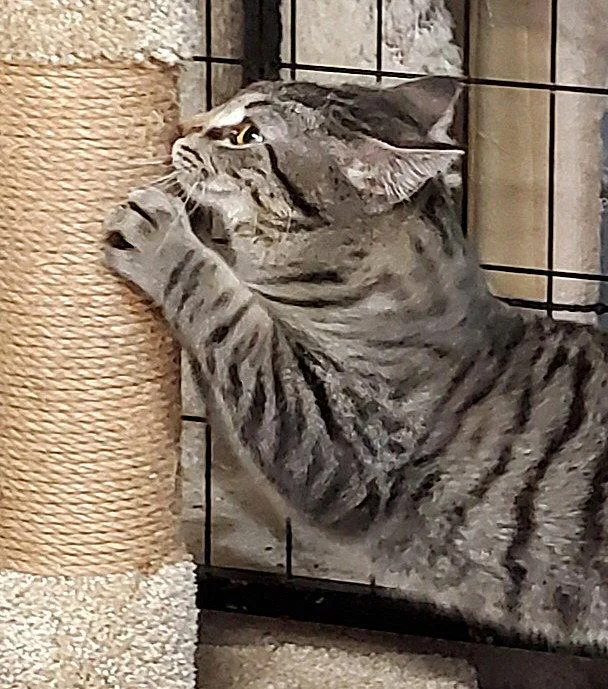
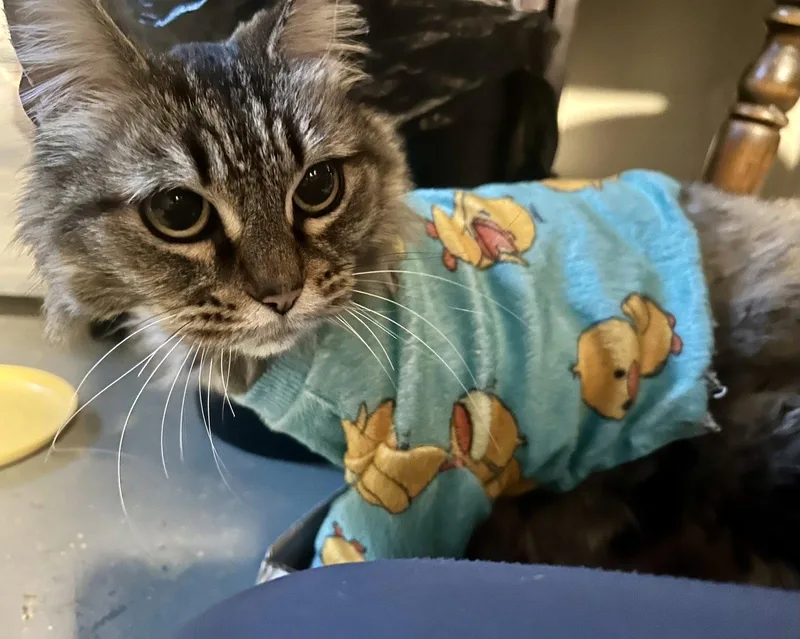
Tiger Cats for Adoption in Cincinnati, OH

Your guide to finding and caring for a Tiger in Cincinnati

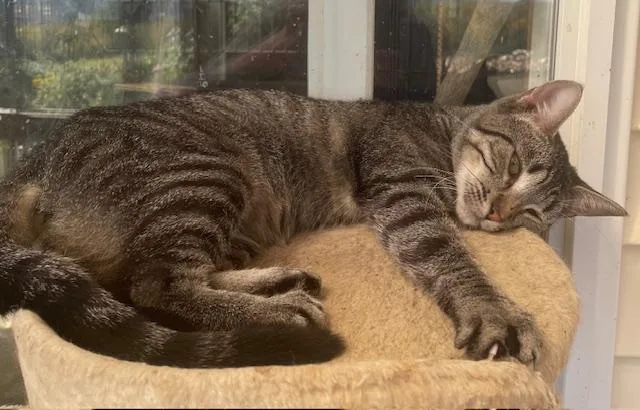
A tiger cat fits easily into Cincinnati's older brick buildings, where a sunny window is half the entertainment. In a Pendleton townhouse or a converted Clifton flat, a striped tabby can patrol the sills and chase a wand toy down the hallway without needing a yard. Tiger is a coat look rather than a breed, so energy and mood vary from cat to cat: some are chatty, some are shy. Most settle in well as indoor cats with a good perch by the window.

196 Tigers available in Cincinnati and nationwide

Find your forever Tiger cat

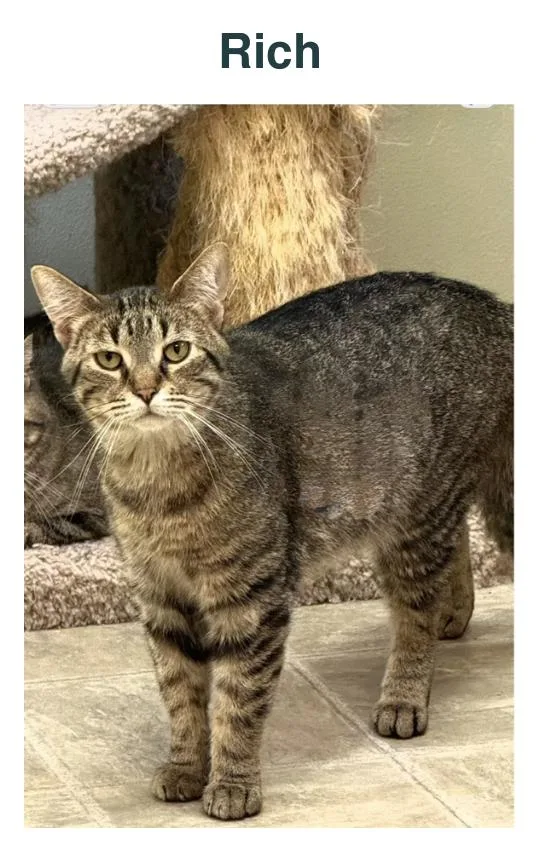
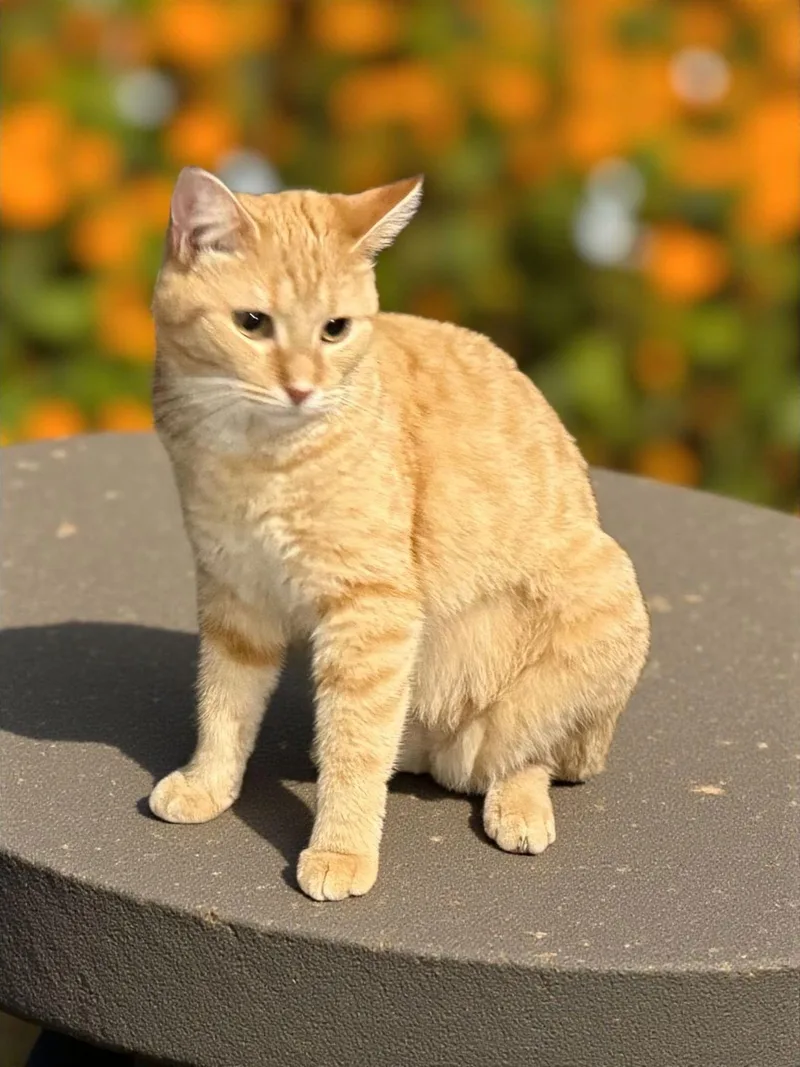
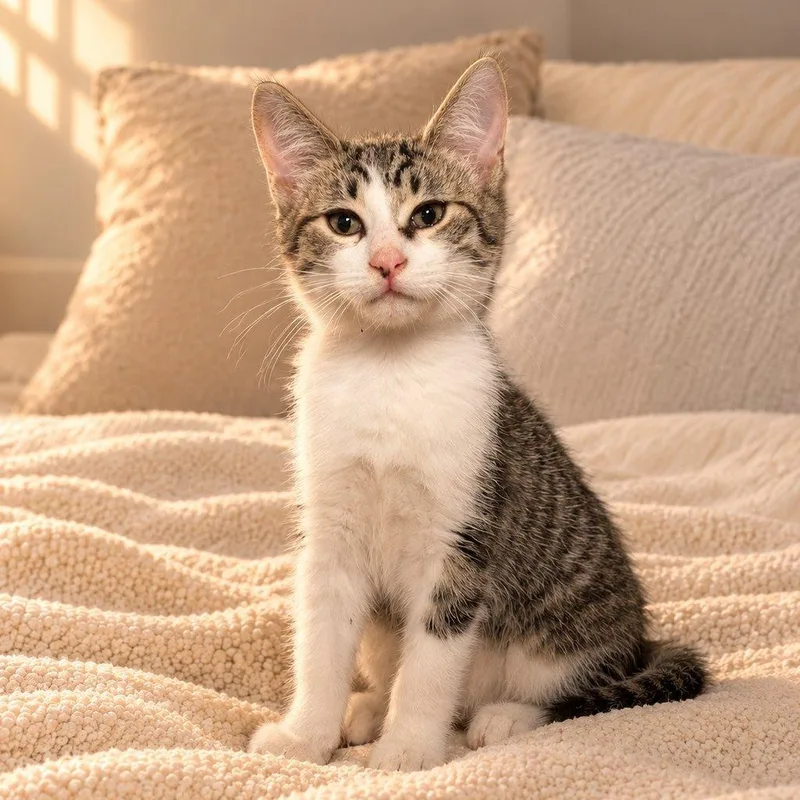
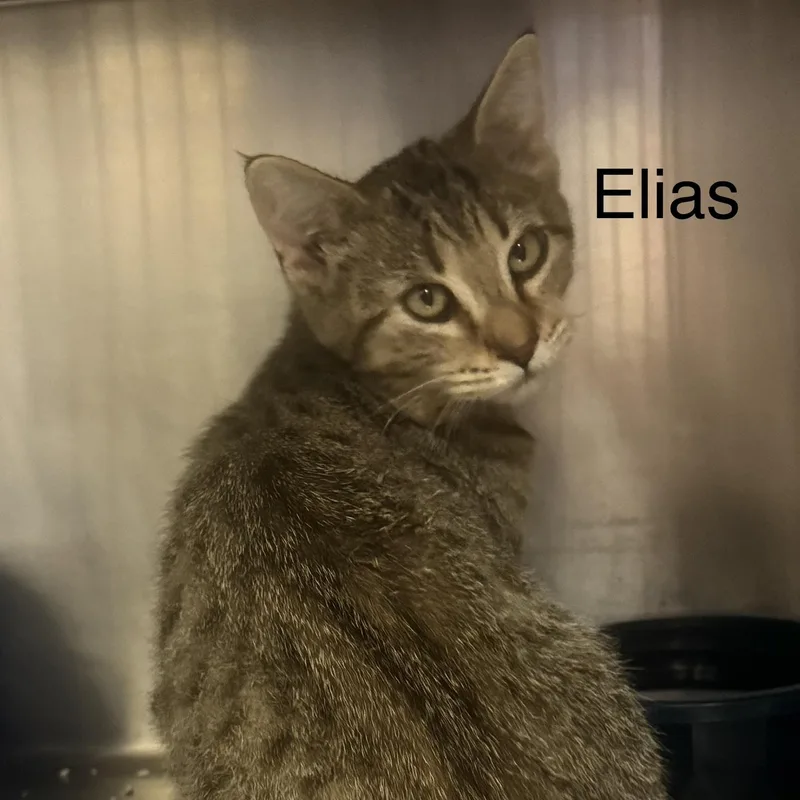
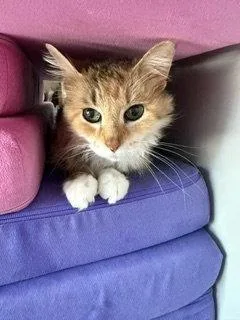
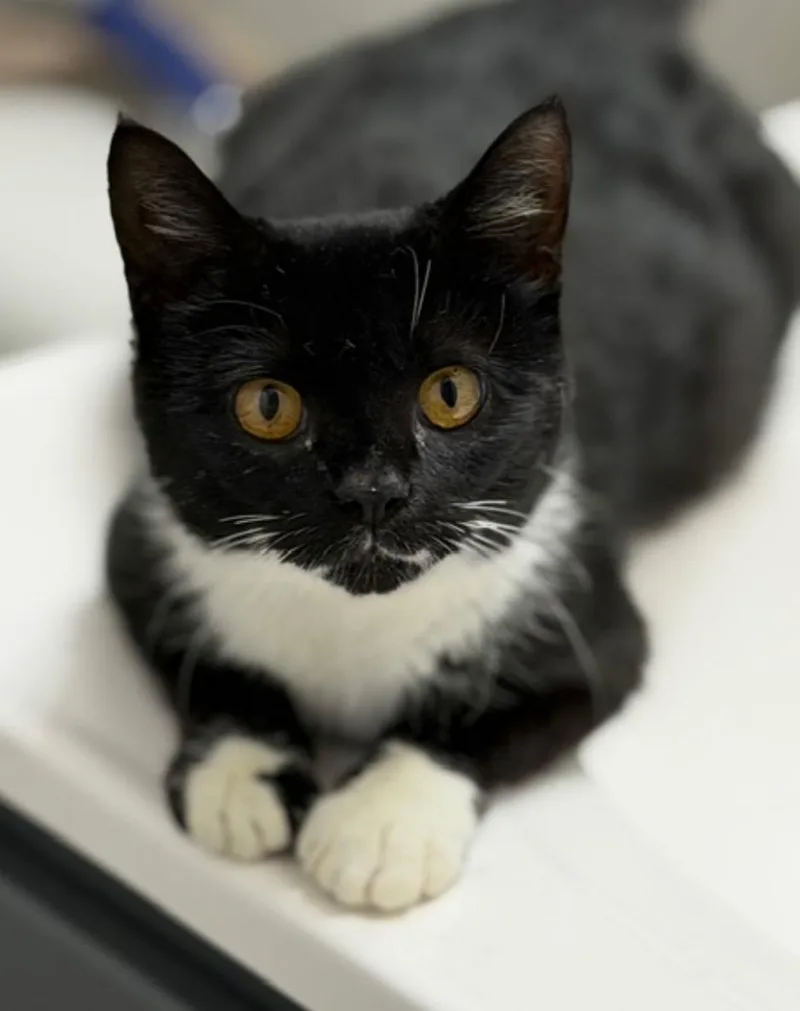
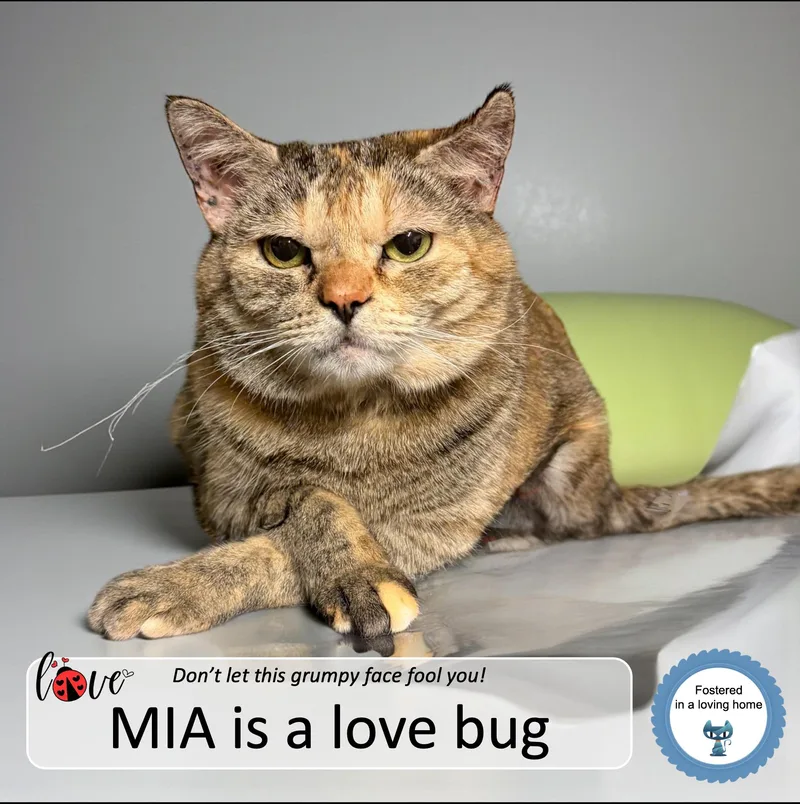
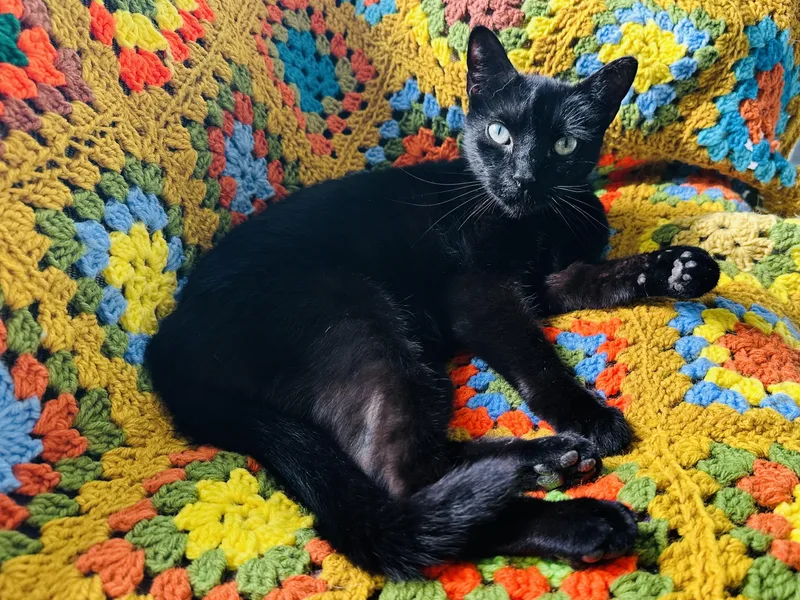
Tigers Available for Adoption Near Cincinnati

About the Tiger breed

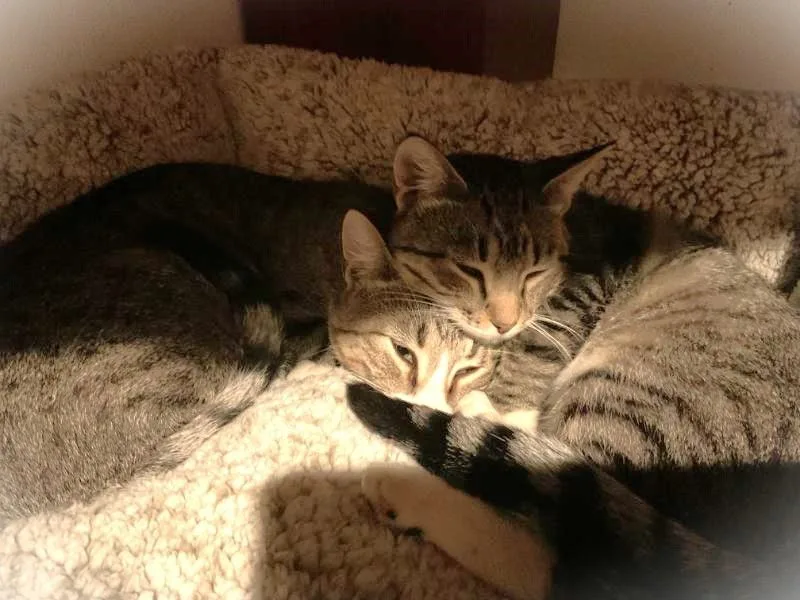
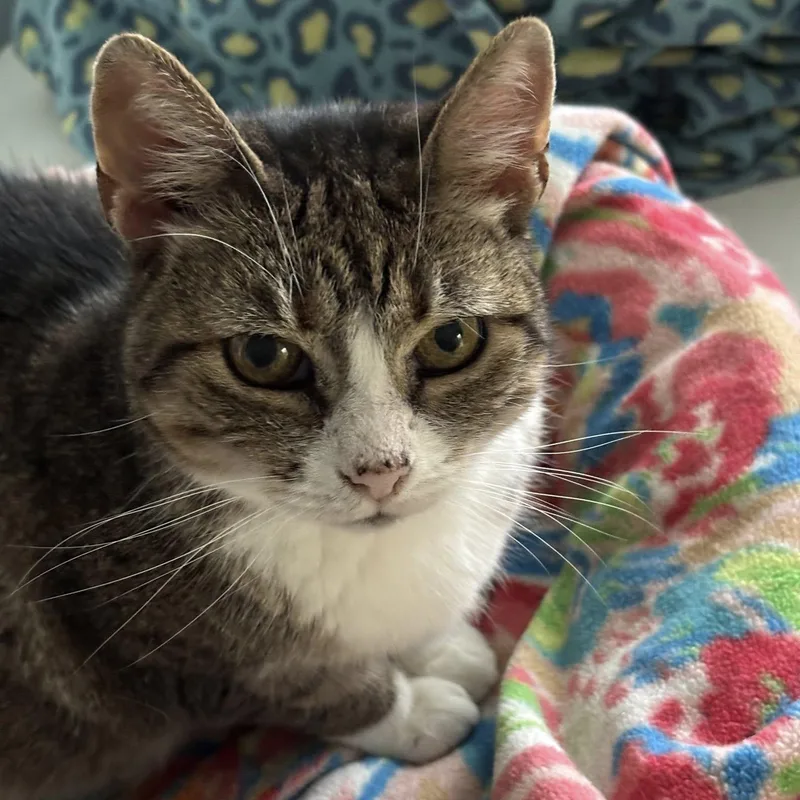
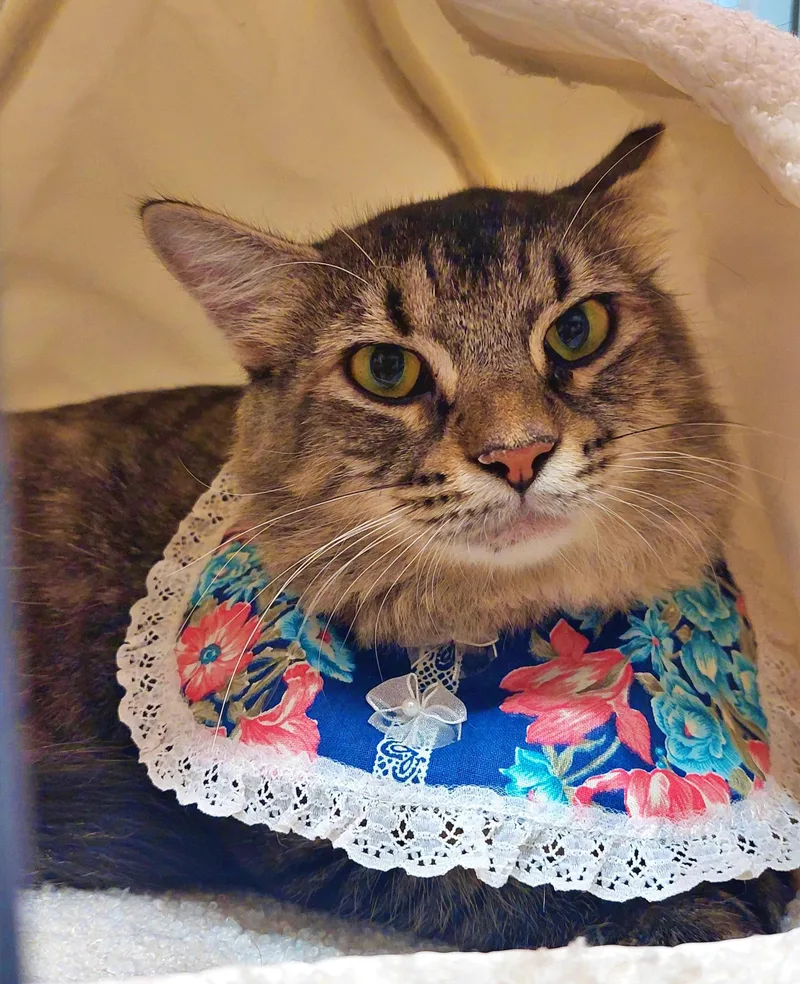
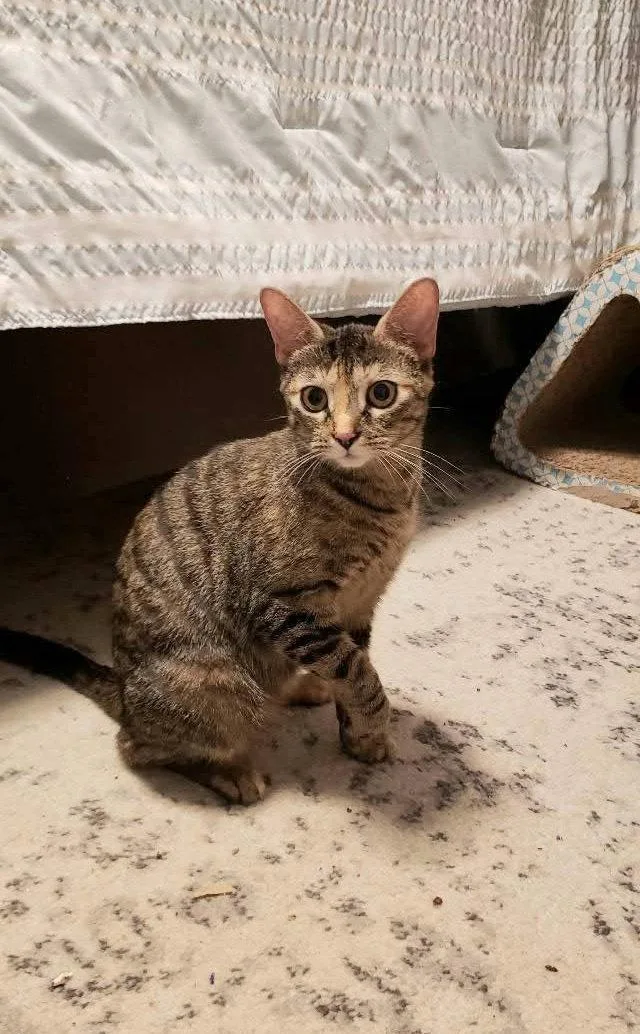
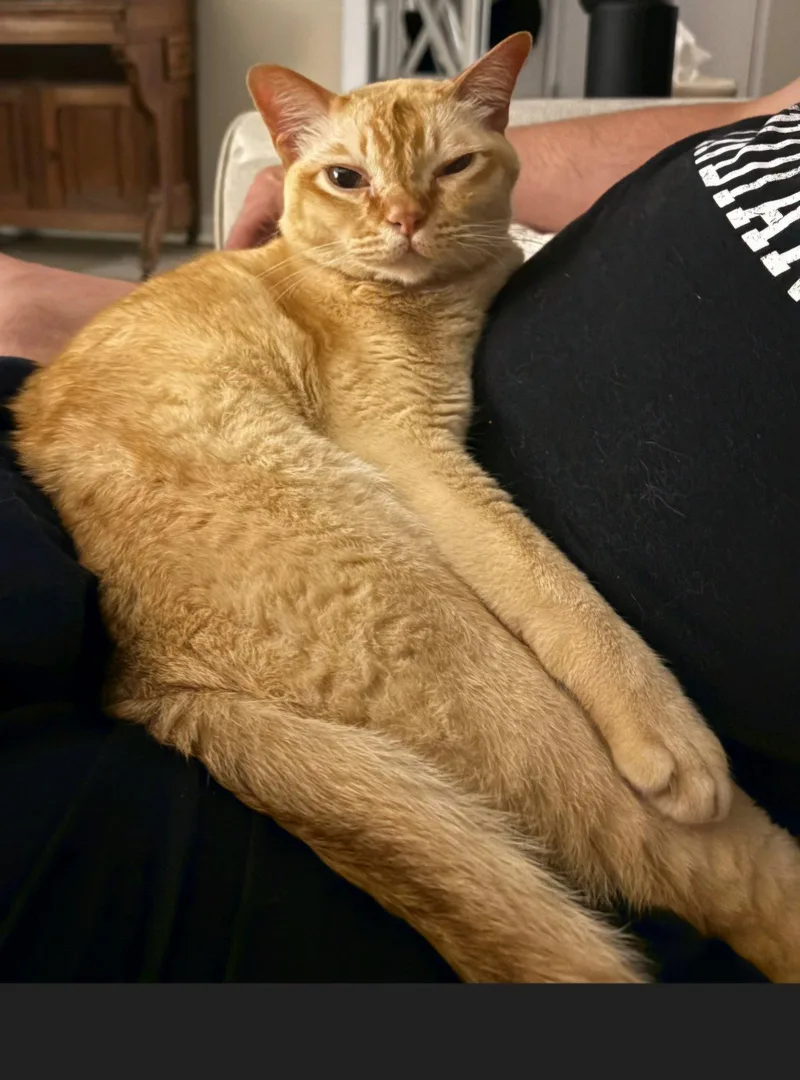
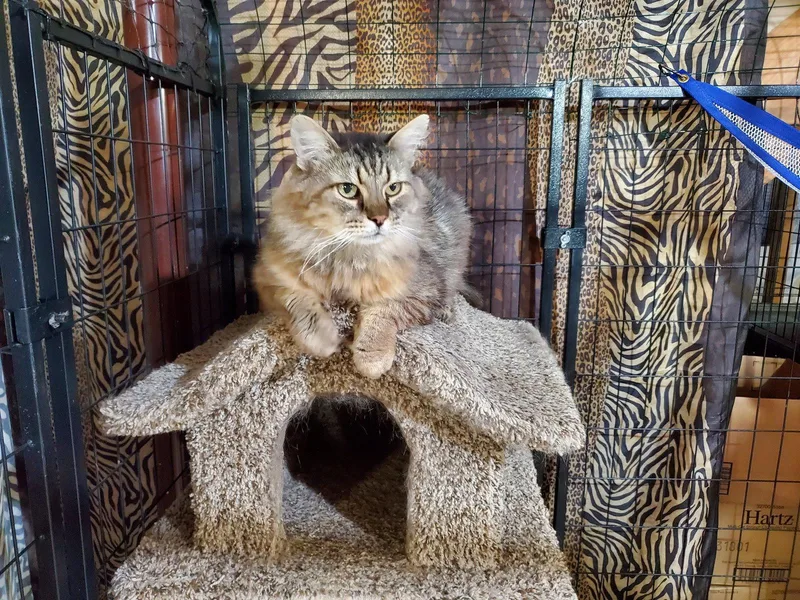
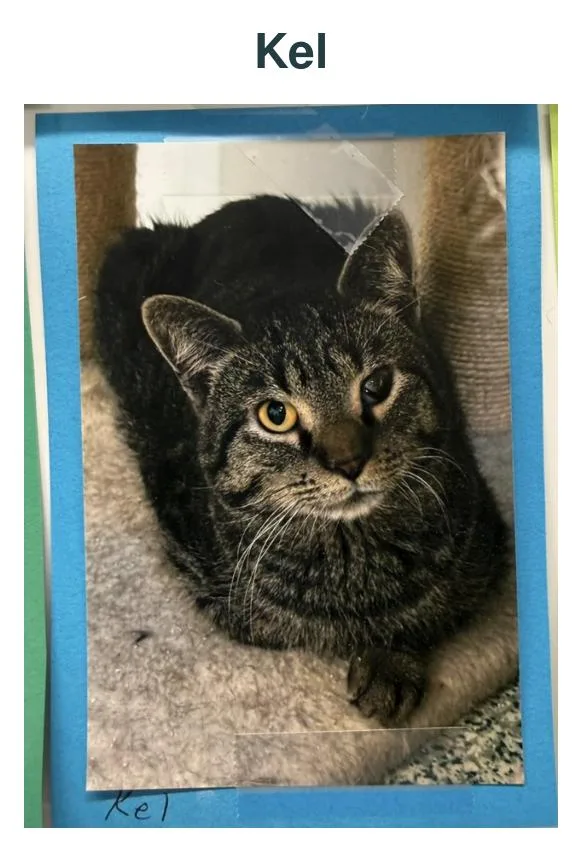
Tiger is what adopters call a cat with mackerel tabby stripes, not a breed. Most are domestic shorthairs of mixed ancestry, usually 6 to 14 pounds, in brown, gray, silver, orange or cream. The striped pattern is the original wild-type tabby coat, which is why it turns up so often.

Because stripes say nothing about personality, a tiger cat in Cincinnati might be a lap-seeking senior in a Westwood house or a bouncy kitten in a Northside flat. Moderate shedding is typical, so a weekly brush and a good vacuum handle most coats. With good care, indoor cats often live 12 to 18 years, so adopting one is a long commitment worth planning for.

Weight
6–14 lbs
Height
8–10 in
Lifespan
12–18 yrs
Temperament
Adaptable, Curious, Playful
Shedding
Moderate

Owning a Tiger in Cincinnati

Having a Tiger in Cincinnati

Tiger describes a coat, not a breed, so these traits are general domestic cat patterns rather than promises. In Cincinnati, the most useful details are how a cat handles apartment life, how much play it needs and what routine vet care involves.

Temperament

Tiger cats cover every domestic cat personality, from shy and gentle to bold and talkative, and the stripes don't predict which. Most are curious and adaptable, which helps in a busy building with neighbors, stairs and street noise. Give a new cat a quiet room and a few days to settle.

Exercise Needs

Plan on daily play with wand toys, balls or puzzle feeders, more for kittens and young adults than for seniors. In Cincinnati's older buildings, a window perch overlooking the street, a tall cat tree and a rotation of toys keep an indoor tabby busy and help prevent weight gain.

Health Considerations

Stripes carry no health risks of their own. Common domestic cat concerns include dental disease, obesity, kidney disease in older cats, hyperthyroidism and diabetes. A veterinarian can set a vaccine schedule, including rabies, and check teeth, weight and kidney values at a first visit. Regular checkups and a measured diet help most cats stay healthy.

Living Space

Tiger cats do well in apartments and houses as long as they have scratching posts, climbing space and a place to hide. In Cincinnati, keeping a cat indoors also protects it from traffic on hilly streets and from coyotes, which live throughout Hamilton County.

What it costs to own a Tiger in Cincinnati

ExpenseTypical costPer year
Adoption fee$125, one time$125 in year one
Food$25 to $50 per month$300 to $600
Pet insurance$20 to $45 per month$240 to $540
Routine vet care$150 to $350 per year$150 to $350
Other*$450 to $1,150 per year$450 to $1,150
Estimated yearly total (after year one)$1,140 to $2,640
First-year total (with adoption fee)$1,265 to $2,765

Adoption fee is the fee on Tiger listings in Cincinnati on GetBuddy today. Other costs are estimates and vary with size, age and health.

* Litter, flea prevention, a dental cleaning allowance, toys, scratchers and other supplies, and minimal home grooming.

Adopt a Tiger in Cincinnati.

Now that you know more, let’s find you a new best friend. These rescues and shelters below currently have Tigers available.

Frequently Asked Questions

Yes. Tiger is a coat pattern, not a breed, so no breed rules come into play. Hamilton County and Cincinnati don't license cats, so there's no tag to buy. Plan on a veterinarian visit soon after adoption for vaccines, including rabies, and a microchip if the cat doesn't already have one.

Yes, most tiger cats do well in Cincinnati apartments. Older brick buildings and hillside flats usually have good windows, so add a perch for watching the street and a tall cat tree. Scratching posts protect your furniture, and daily play burns off energy. Keep windows screened, and review your lease for pet terms.

Yes, indoor tiger cats handle Cincinnati winters fine. With lows near 26°F and deep-cold stretches every few years, keep your cat inside with a warm bed away from drafty windows and a sunny perch. Dry heated air makes fresh water and daily play more important. An outdoor cat faces real risk in January.

Very little. Most tiger cats have short coats that need a brush once or twice a week, a bit more during seasonal shedding in spring and fall, or if the cat has longer fur. Cats mostly groom themselves, so professional grooming is rare and fits within the small allowance in the Other costs.

Yes, in a carrier. Metro buses allow pets in a pet carrier, and the Connector streetcar allows them in a secured pet carrier. Choose a sturdy carrier your cat can't squeeze out of, and check current fares with Metro. Cincinnati has no subway, so buses and the streetcar are the options.

A tiger cat is a cat with a striped coat that resembles a tiger's, usually a mackerel tabby. It is a coat pattern, not a breed, and most tiger cats are domestic shorthairs of mixed ancestry. The pattern is very common in shelters and appears in brown, gray, orange and other colors.

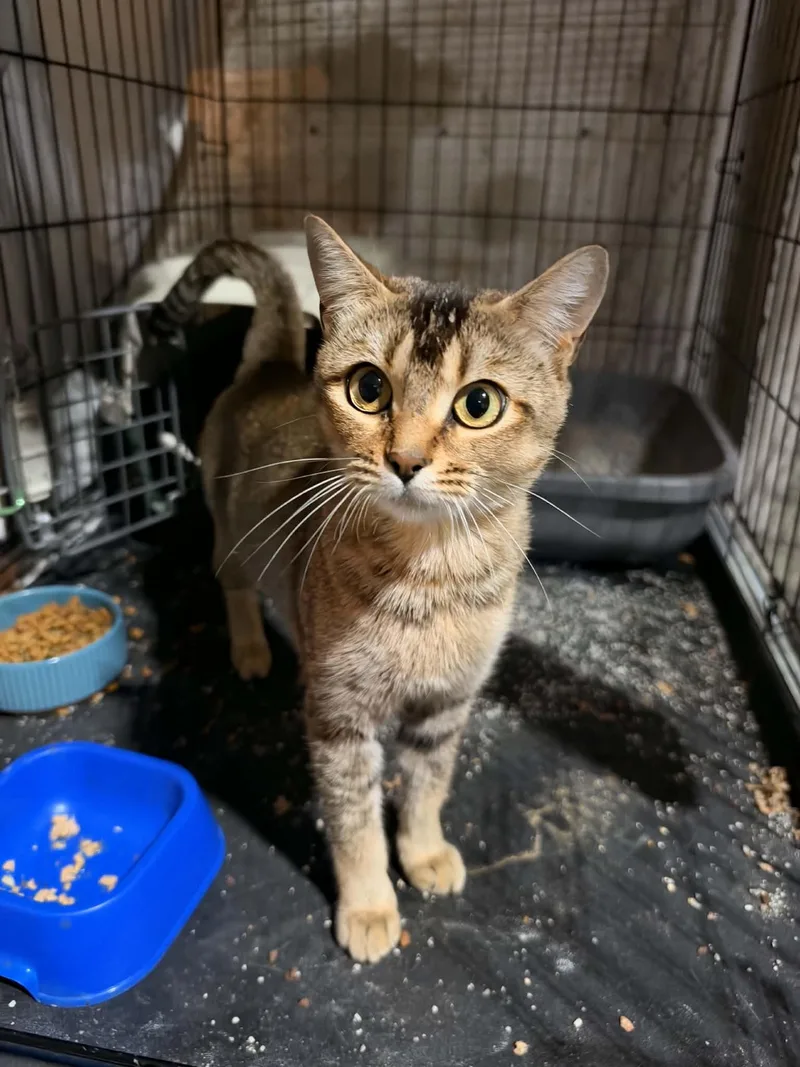
A tiger cat has narrow stripes running down its sides like a fish skeleton, which is why the pattern is also called mackerel tabby. It usually has rings around its legs and tail, dark lines from the eyes across the cheeks and an M-shaped marking on the forehead. Colors include brown, gray, silver and orange.

We have 1 rescue with Tigers available: AAPCATS. You can see every rescue with Tigers available in the list above these questions, or scroll to the top to see the Tigers near Cincinnati.

Expect roughly $25 to $50 a month for food and $20 to $45 for optional insurance, plus $150 to $350 a year for routine vet care and $450 to $1,150 for litter, parasite prevention, dental care and supplies. That adds up to roughly $1,140 to $2,640 a year, before any emergency.

Find Tigers in Nearby Cities

Expand your search to find Tigers available for adoption near Cincinnati.