Tabby Cats for Adoption in Cincinnati, OH

Your guide to finding and caring for a Tabby in Cincinnati

Tabbies fit Cincinnati's older housing well, since most are happy indoors with a good window to watch. Because tabby is a coat pattern, the cat could be any size, age or temperament. A brick apartment in Over-the-Rhine, a student rental in Clifton Heights or a hillside house in Mt. Washington all work if there's a perch by the glass and a few play sessions a day. Gray Cincinnati winters are when a wand toy and a sunny sill earn their keep.

33 Tabbies available for adoption in Cincinnati

Find your Tabby

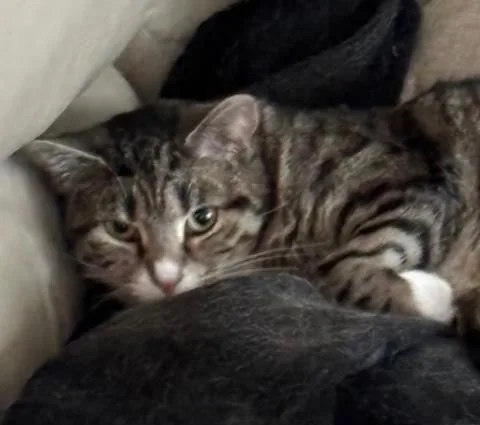
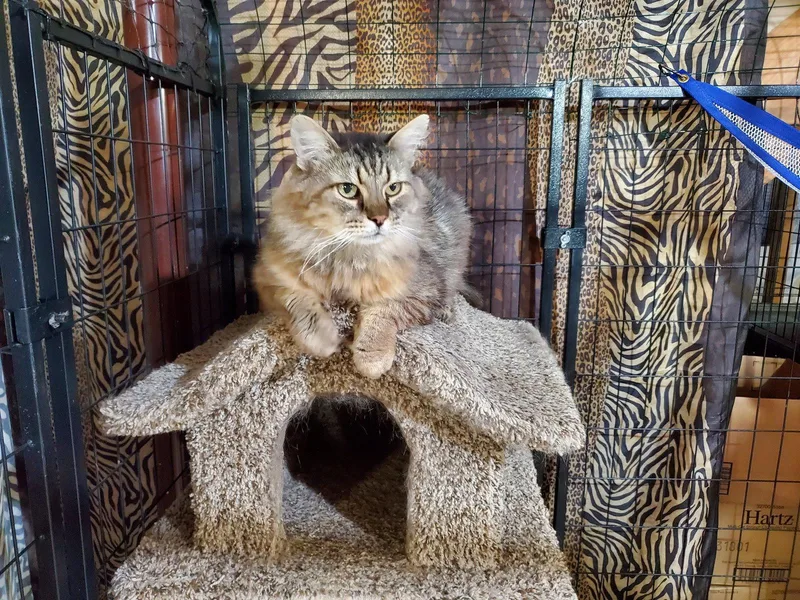
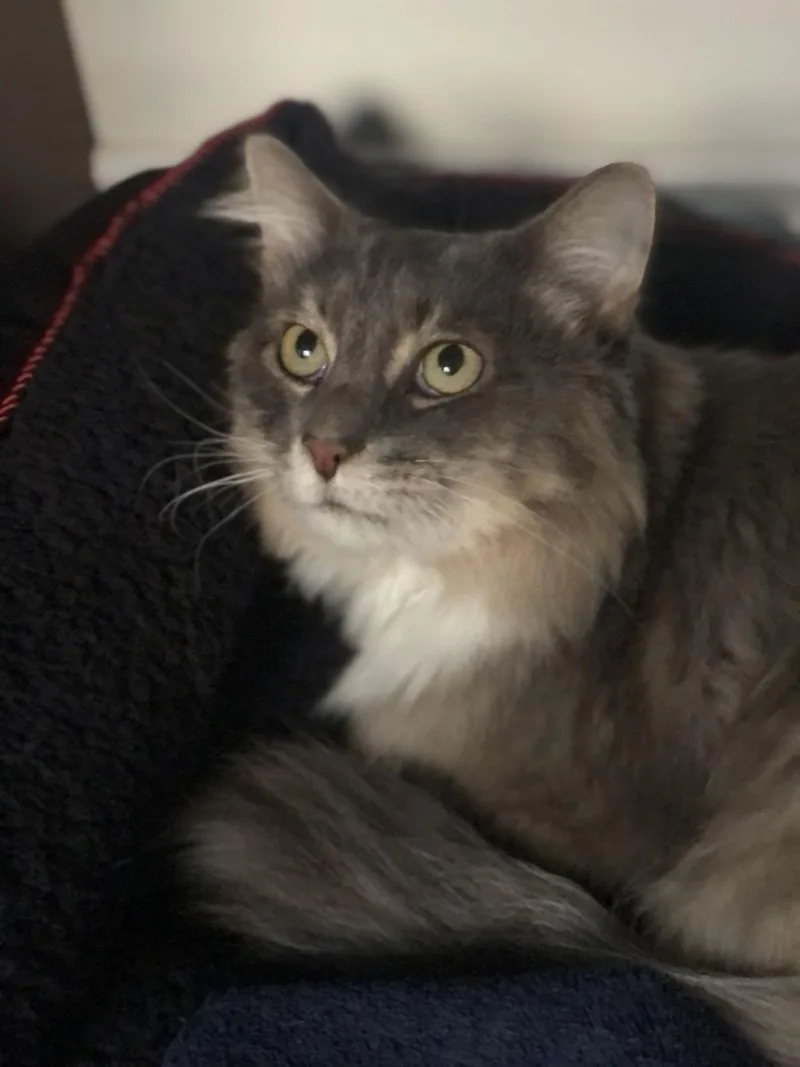
Tabbies Available for Adoption in Cincinnati

About the Tabby breed

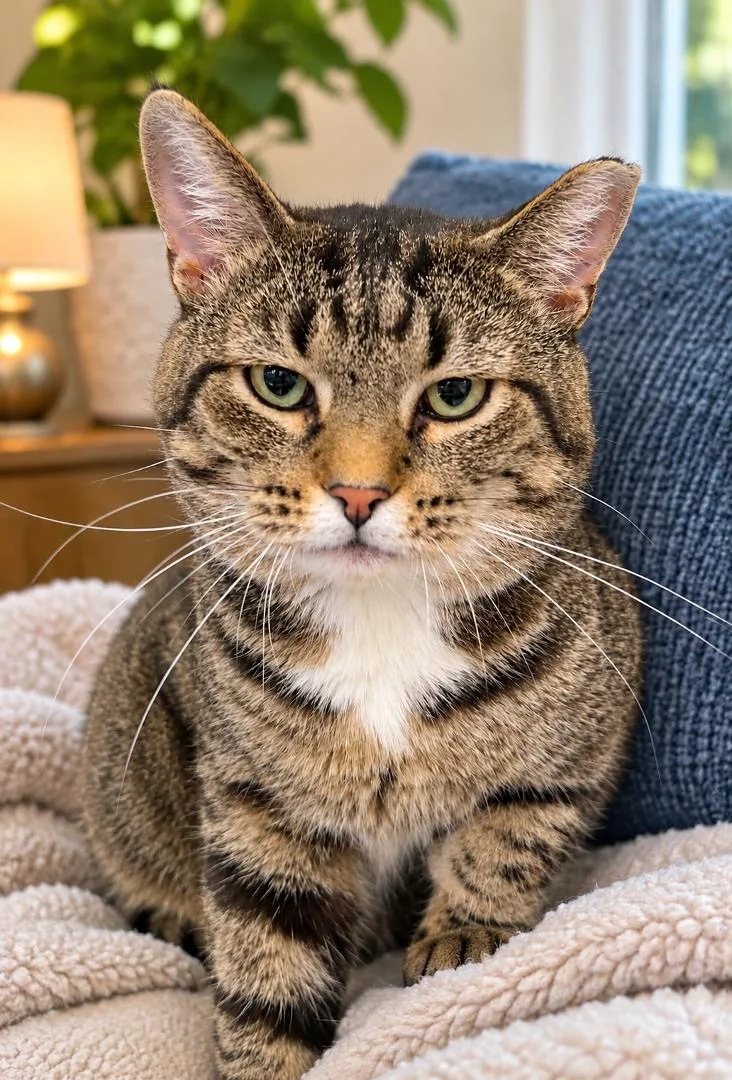
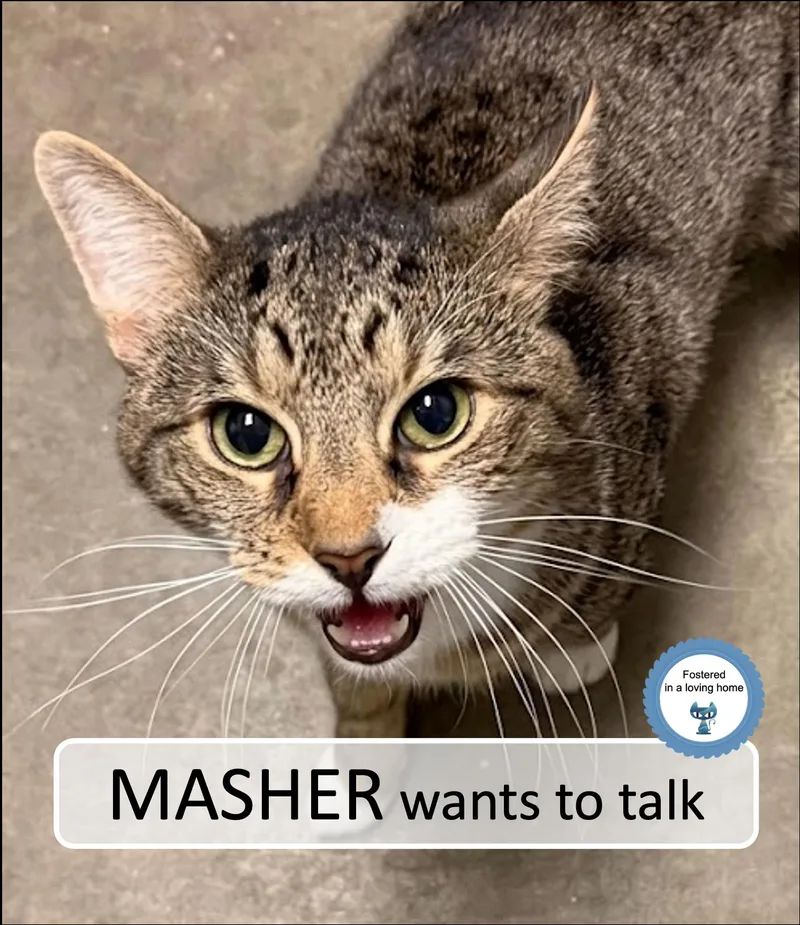
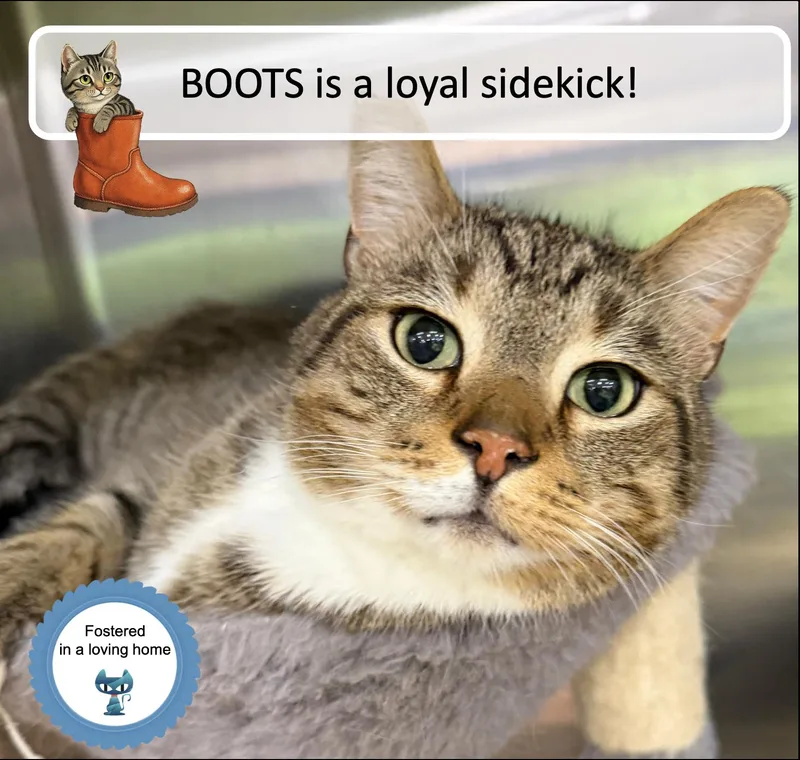
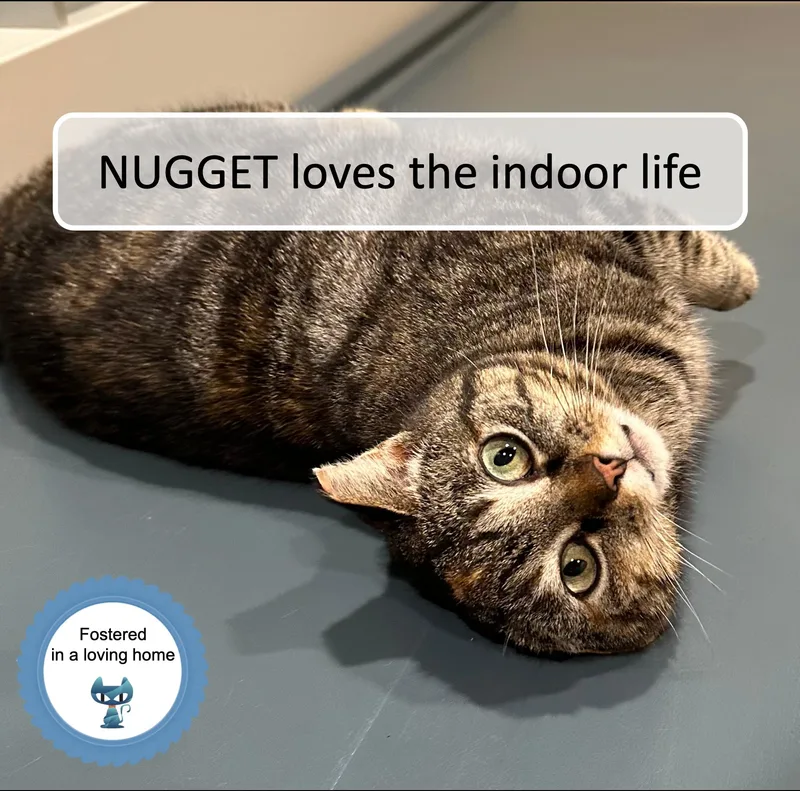
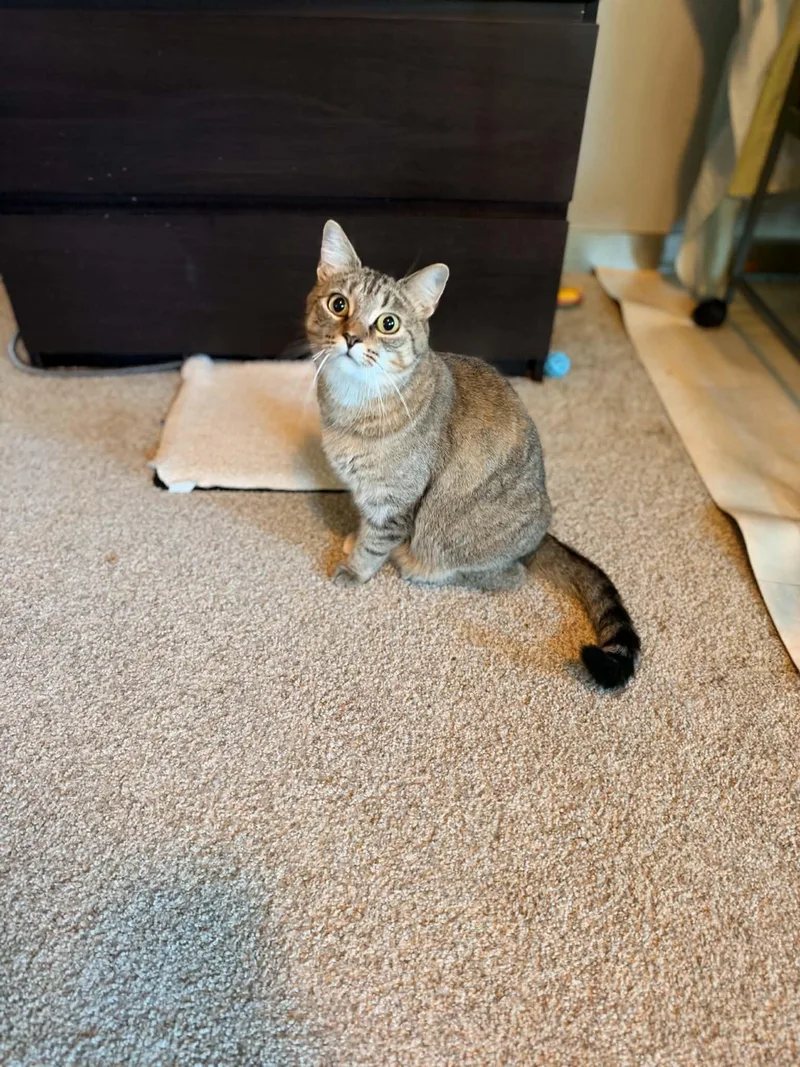
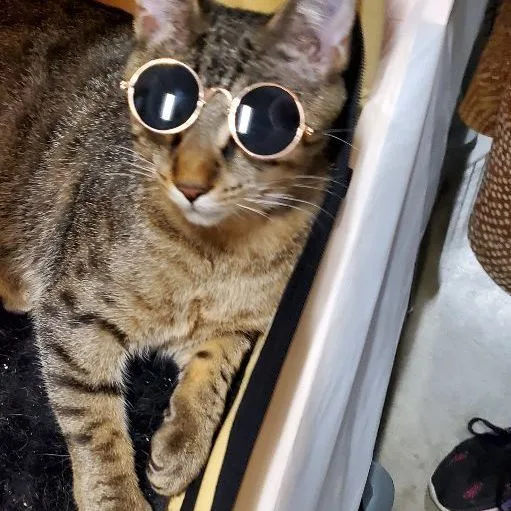
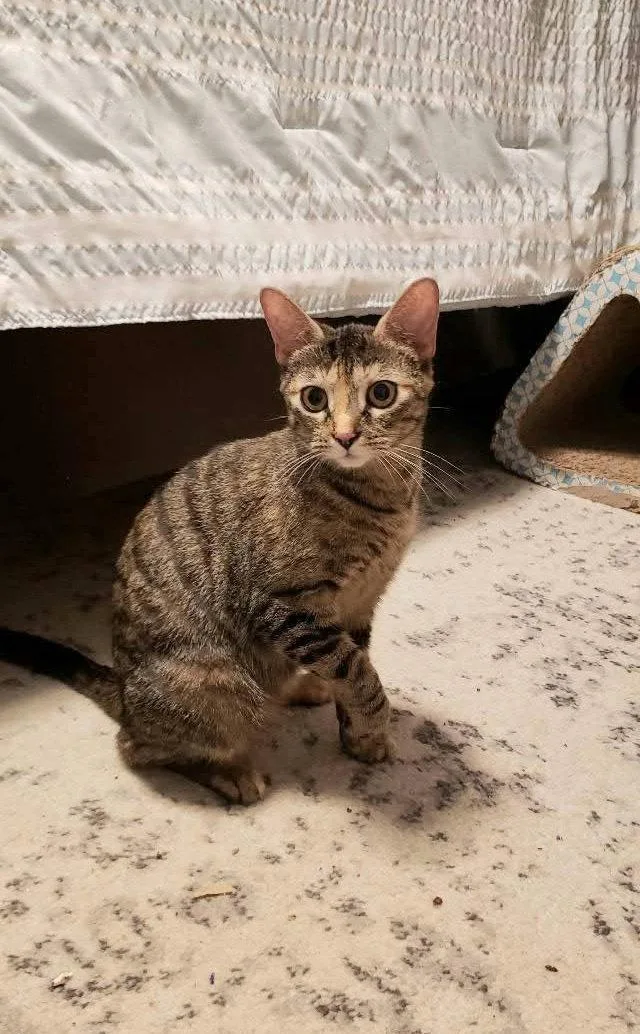
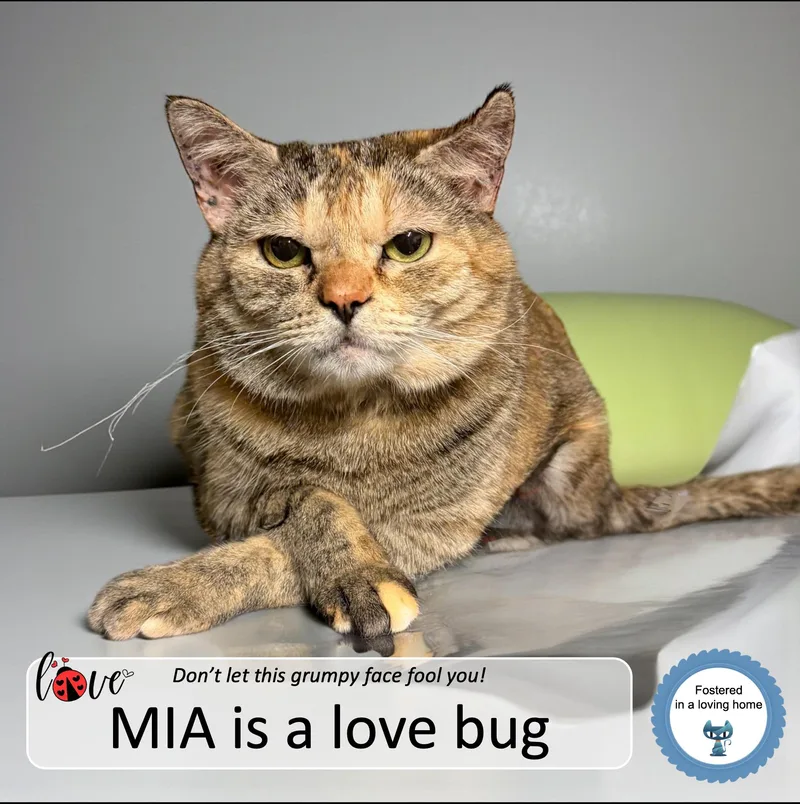
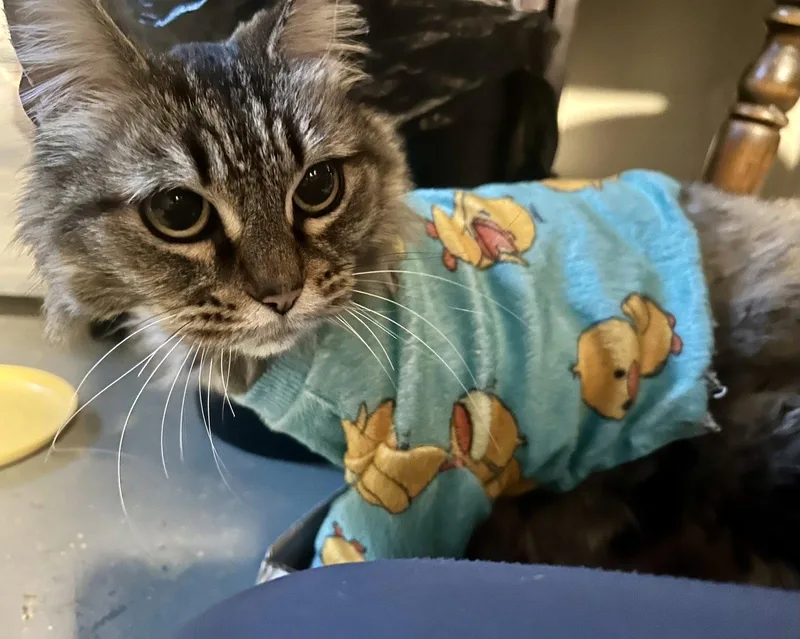
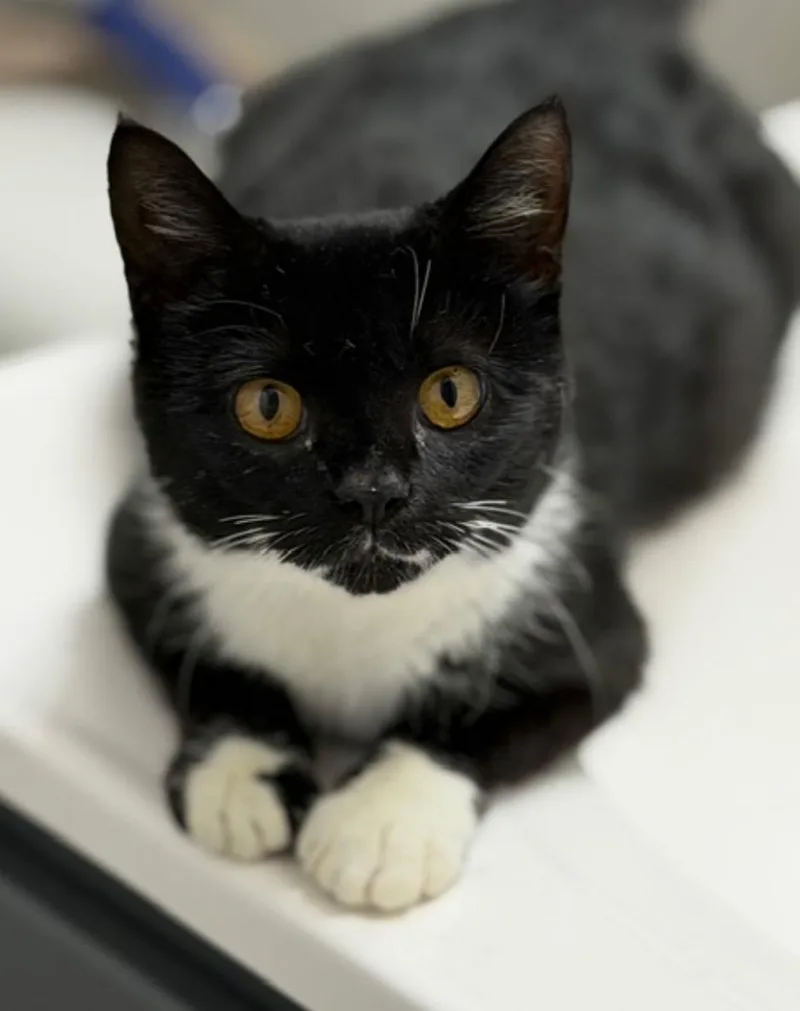
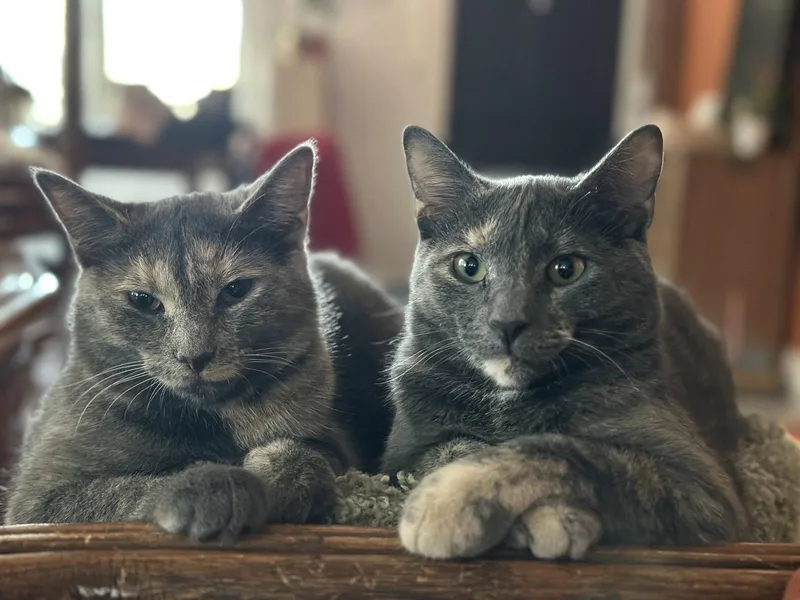
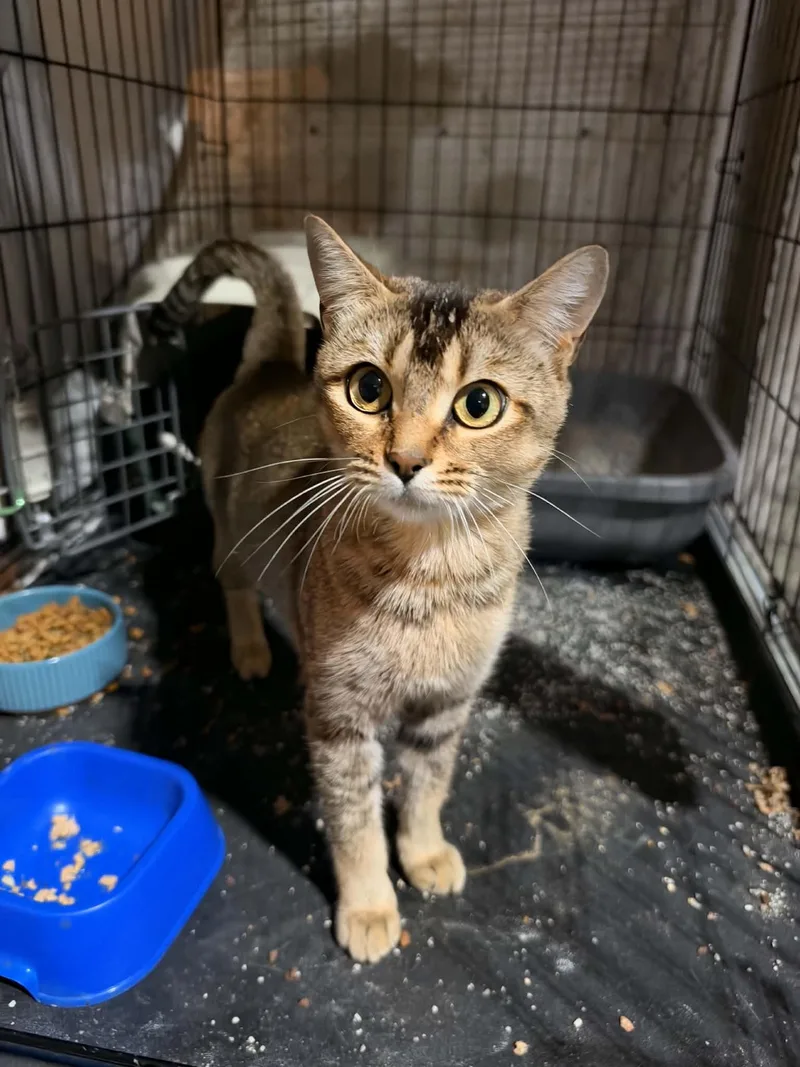
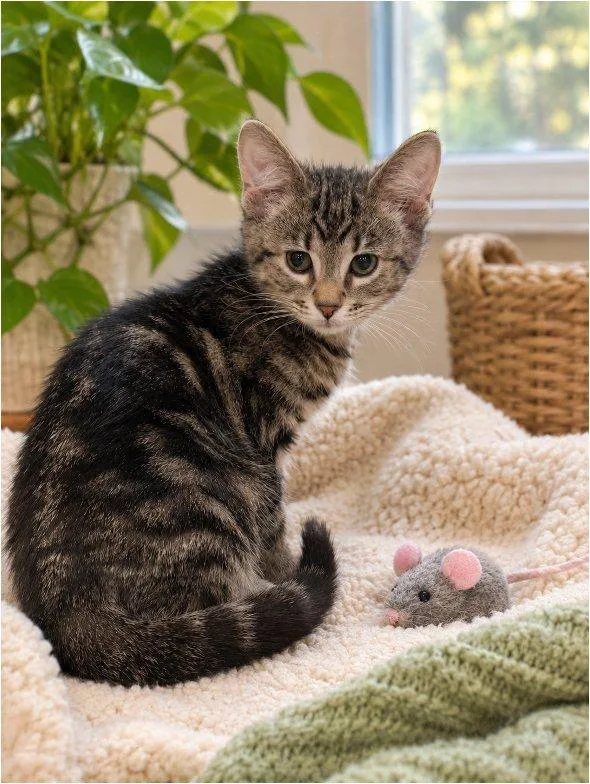
Tabby describes a marked coat, with stripes, swirls, spots or ticked hairs and an M on the forehead, rather than a breed. Most tabbies you'll meet in Cincinnati are medium-sized domestic shorthairs weighing roughly 6 to 14 pounds, though a tabby can also be long-haired or a mix with a recognized breed. Colors run from brown and orange to gray, silver and cream.

What that means for adopters is simple: judge the cat, not the pattern. Personality, energy and coat length vary widely, so spend time with the cat and think honestly about your own routine. A healthy indoor tabby can live 12 to 18 years, a long commitment that will take in apartment moves, vet visits and a lot of Ohio winters.

Weight
6–14 lbs
Height
8–10 in
Lifespan
12–18 yrs
Temperament
Curious, Adaptable, Affectionate
Shedding
Moderate

Owning a Tabby in Cincinnati

Having a Tabby in Cincinnati

Tabby cats share a coat pattern, not a personality, so the traits below describe typical domestic cats rather than promises. In Cincinnati, a steady indoor routine, winter play and a cat-friendly rental matter far more than stripes.

Temperament

Tabbies run the full range, from outgoing lap cats to shy, independent ones, and stripes don't predict which. Curious and adaptable is common in shelter tabbies. In a busy Cincinnati apartment, watch how a cat handles noise, visitors and handling, and choose one whose comfort level matches your household.

Exercise Needs

Plan on daily play that mimics hunting: wand toys, pouncing games and several short sessions rather than one long one. Cincinnati winters keep cats inside watching birds, so climbing shelves, a cat tree by a window and puzzle feeders help. Kittens and young adults want more activity, while seniors prefer gentler games.

Health Considerations

Coat pattern doesn't affect health; risks follow age, weight, lifestyle and the cat's mix. Obesity, dental disease and urinary problems are common, and older cats may develop kidney disease or hyperthyroidism. Fresh water, measured meals and yearly exams help, and a veterinarian can check a newly adopted cat from nose to tail.

Living Space

Tabbies generally adapt well to apartments and houses alike, which suits Cincinnati's mix of brick apartment buildings and hillside homes. Give the cat vertical space, a window perch, scratching posts, a quiet retreat and a litter box away from the noise. A long-haired tabby needs extra room and time for grooming.

What it costs to own a Tabby in Cincinnati

ExpenseTypical costPer year
Adoption fee$50 to $200, one time$50 to $200 in year one
Food$25 to $50 per month$300 to $600
Pet insurance$20 to $45 per month$240 to $540
Routine vet care$150 to $350 per year$150 to $350
Other*$450 to $1,150 per year$450 to $1,150
Estimated yearly total (after year one)$1,140 to $2,640
First-year total (with adoption fee)$1,190 to $2,840

Adoption fee is the range of fees on Tabby listings in Cincinnati on GetBuddy today. Other costs are estimates and vary with size, age and health.

* Litter, flea and tick prevention, a yearly dental cleaning allowance, toys, scratchers and bedding, and occasional grooming.

Adopt a Tabby in Cincinnati.

Now that you know more, let’s find you a new best friend. These rescues and shelters below currently have Tabbies available.

Frequently Asked Questions

Yes, but only in a carrier. Metro buses allow pets in a pet carrier, and the Connector streetcar allows pets only in a secured pet carrier, with service animals the exception. Most Tabbies fit a standard carrier. Line it with a towel, keep it on your lap or the floor, and practice at home first so the cat stays calm.

Yes, as indoor cats. Cincinnati winters are cold and snowy enough that a Tabby belongs inside, where a short or long coat is no problem. Provide warm beds away from drafts, a sunny window perch and daily play. Deep cold snaps, like the one in January 2025, are no time for outdoor access.

Yes. Cincinnati has had no breed-specific rules since 2012, and since tabby is only a coat pattern, none would apply to cats anyway. Beyond a lease that allows pets, the practical steps are rabies and routine vaccinations, a microchip and a vet visit soon after adoption, so any health needs are caught early.

Yes, most do well. A Tabby mainly needs vertical room, a window to watch, scratching posts and a litter box away from noisy appliances. Older brick buildings in neighborhoods like Over-the-Rhine or Clifton often have tall windows and wide sills. Secure screens on any open window, since cats can fall from upper floors.

Often, yes, depending on the cat. Cincinnati's mix of apartments and houses suits an indoor cat, and the hills, rivers and winters make a home-based routine work better than outdoor roaming. Look for a cat whose energy, sociability and tolerance for alone time match your schedule, and plan daily play to fill gray winter days.

Usually little. A short-haired Tabby needs about a weekly brushing, with extra sessions in spring and fall when Cincinnati's seasonal swings bring heavier shedding. A long-haired Tabby needs brushing several times a week to prevent mats. Most cats groom themselves, so any professional grooming is occasional and part of the yearly other costs of $450 to $1,150.

A tabby cat is any cat with a tabby coat pattern, meaning stripes, swirls, spots or ticked hairs plus a distinctive M-shaped marking on the forehead. Tabby is not a breed. The pattern appears in domestic shorthairs and longhairs as well as many pedigreed breeds, such as the American Shorthair, Maine Coon and Abyssinian, and it is one of the most common cat patterns.

A tabby cat isn't any one breed, because tabby is a coat pattern. Cats with the pattern include shelter domestic shorthairs and longhairs as well as breeds such as the American Shorthair, Maine Coon, Bengal and Abyssinian. Most tabbies available for adoption are mixed-breed domestic cats, so browse the cats listed here and look at each one's age and personality.

We have 5 rescues with Tabbies available, including Purrfect Friends, Crazy Cats Animal Rescue and Peppermint Pig Animal Rescue and Peppermint Pig Thrift & Gift. You can see every rescue with Tabbies available in the list above these questions, or scroll to the top to see the Tabbies in Cincinnati.

Expect about $25 to $50 a month for food, $20 to $45 for optional insurance, $150 to $350 a year for routine vet care and $450 to $1,150 a year for everything else, including litter. Together that's roughly $1,140 to $2,640 a year. Illness and emergencies are extra, so a small savings cushion helps.