Torbie Cats for Adoption in Newark, NJ

Your guide to finding and caring for a Torbie in Newark

A torbie suits Newark's two- and three-family houses well, since a sunny window and a cat tree cover most of what she needs. In Clinton Hill or Vailsburg, a torbie can claim a front-room windowsill and watch the block all afternoon. Torbie is a coat pattern, not a breed, so these cats vary: some are shy, others chatty. Expect a lively cat who likes wand-toy games, and put a screen on every window you open.

328 Torbies available in Newark and nationwide

Fall for a Torbie

Torbies Available for Adoption Near Newark

About the Torbie breed

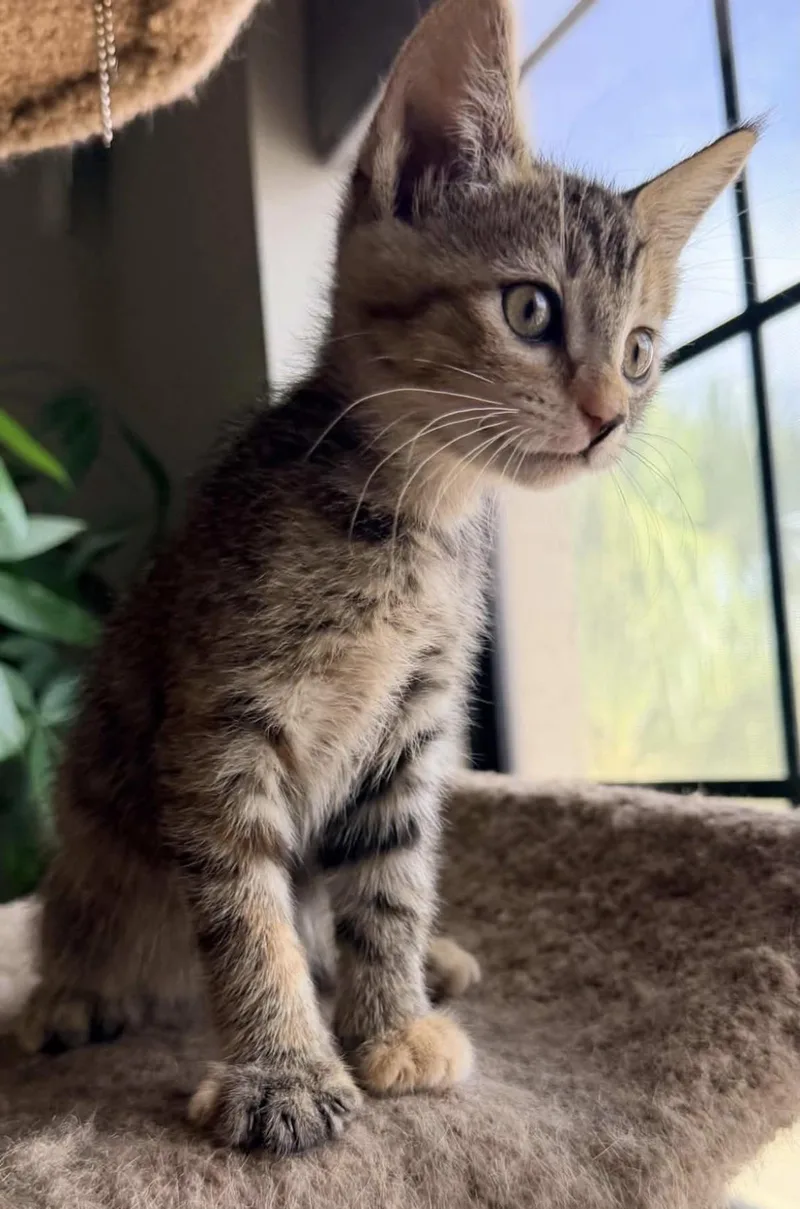
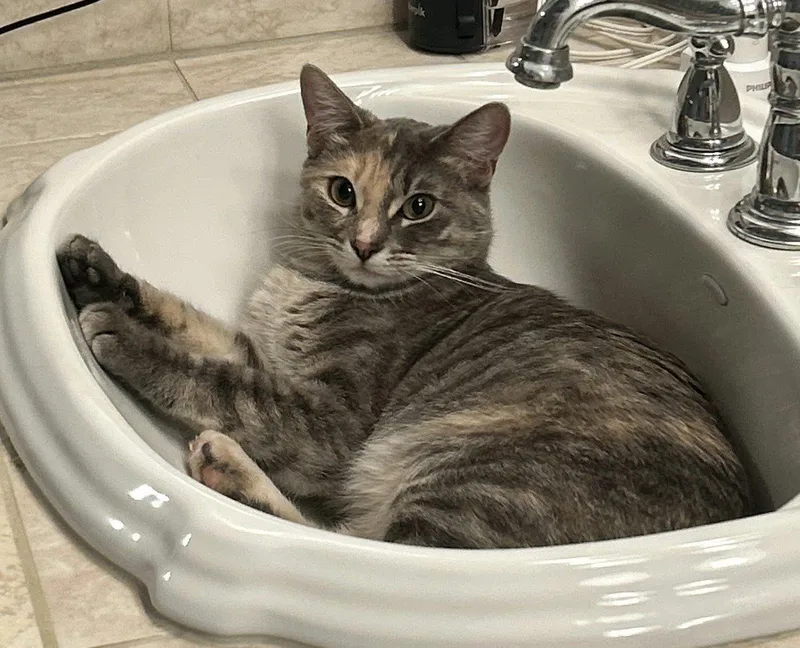
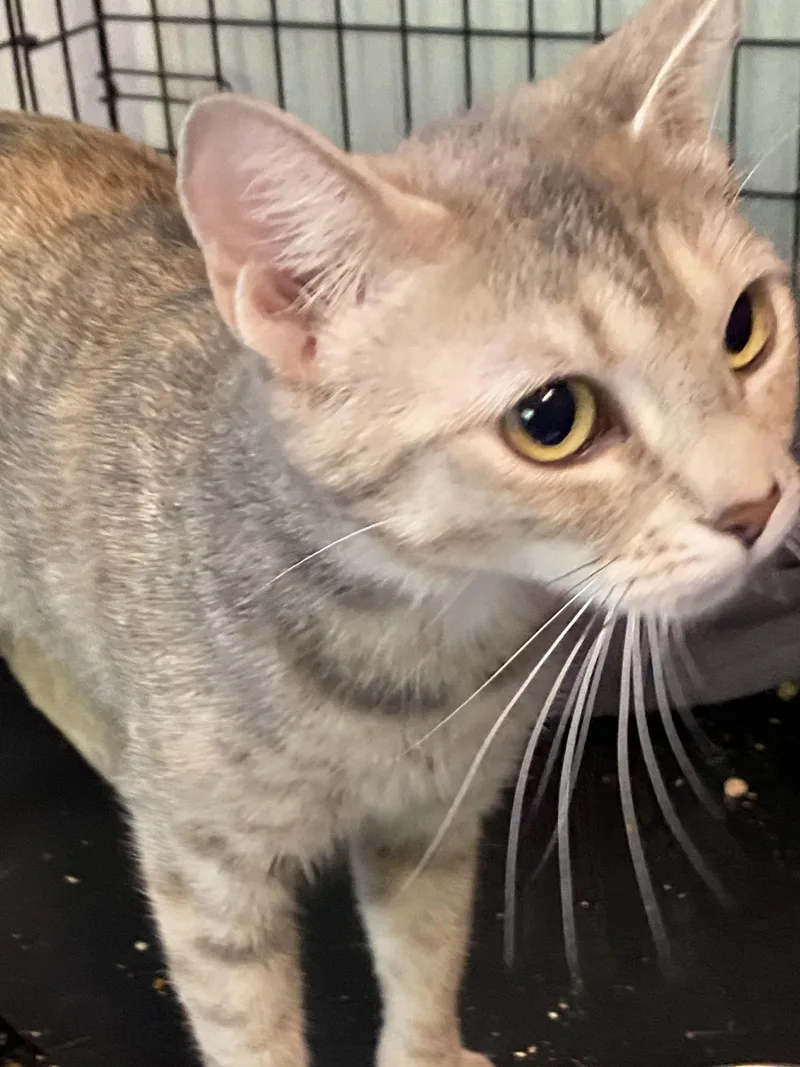
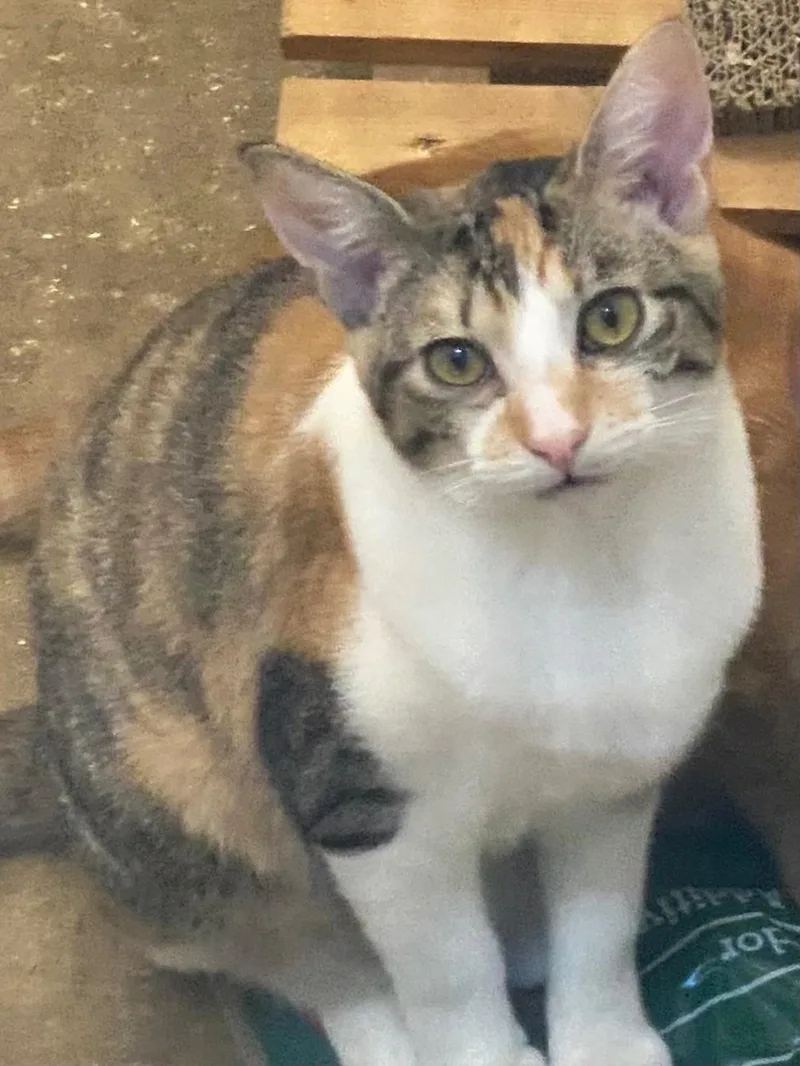
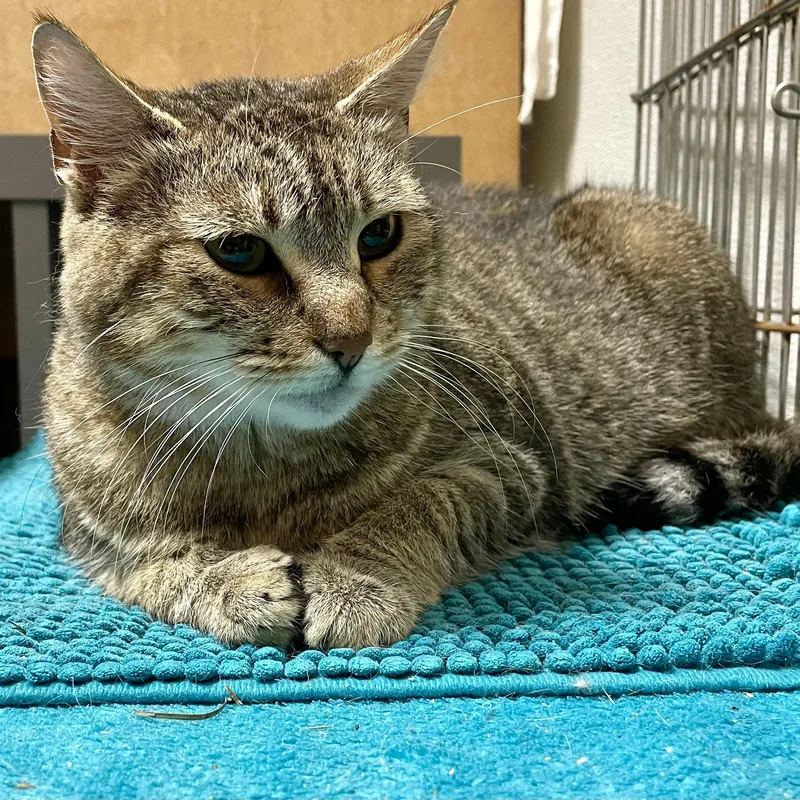
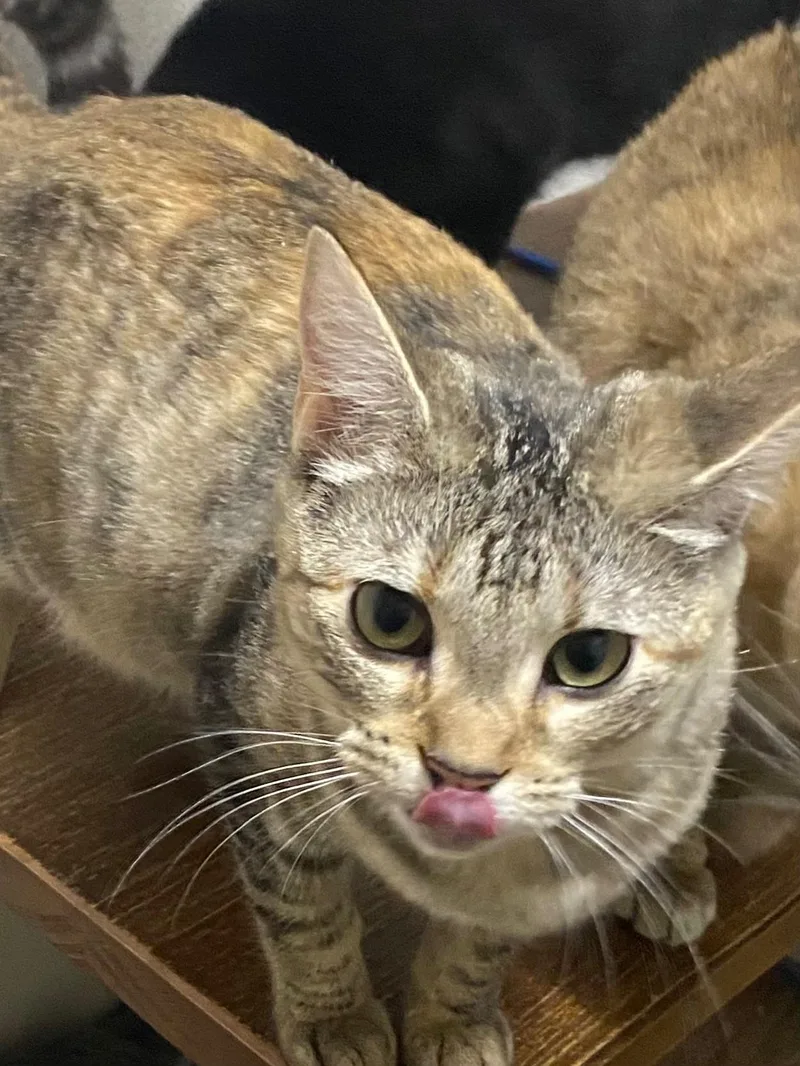
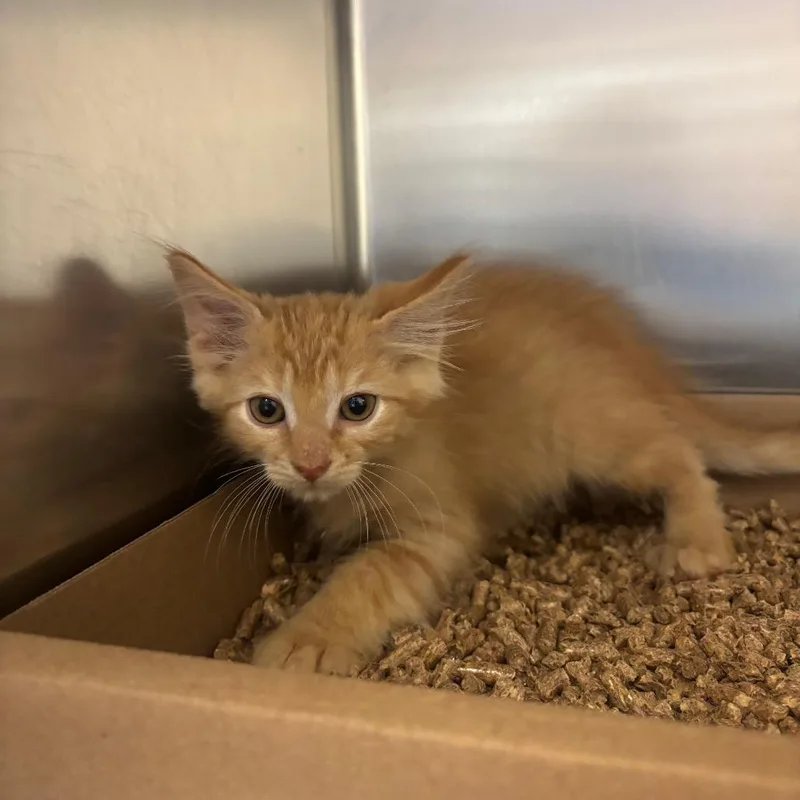
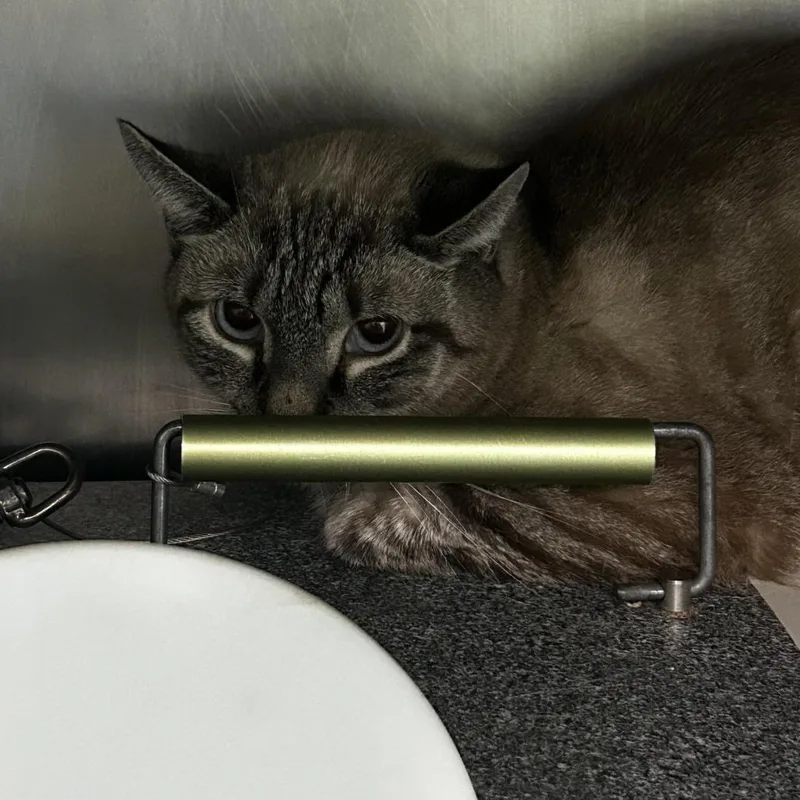
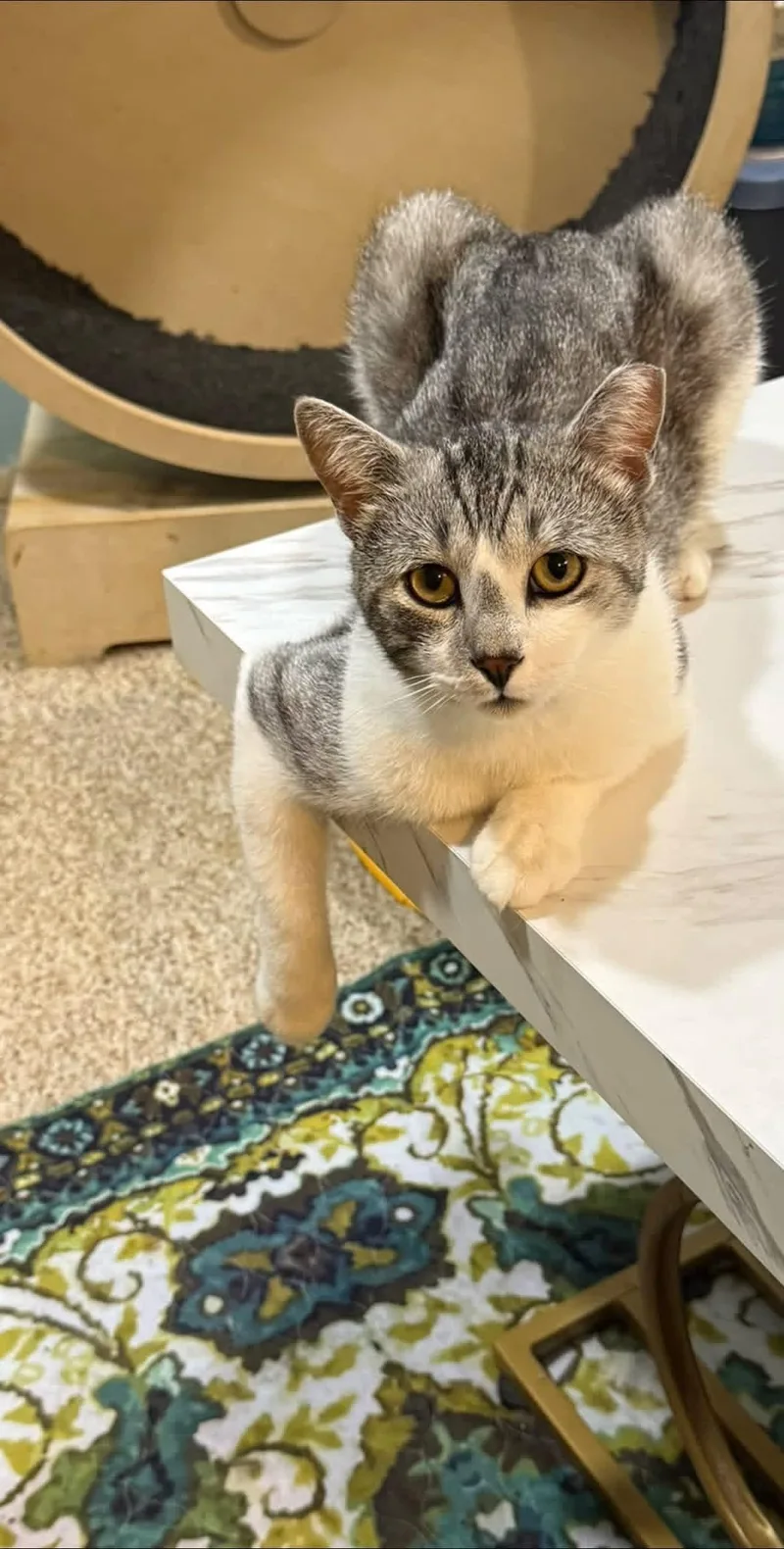
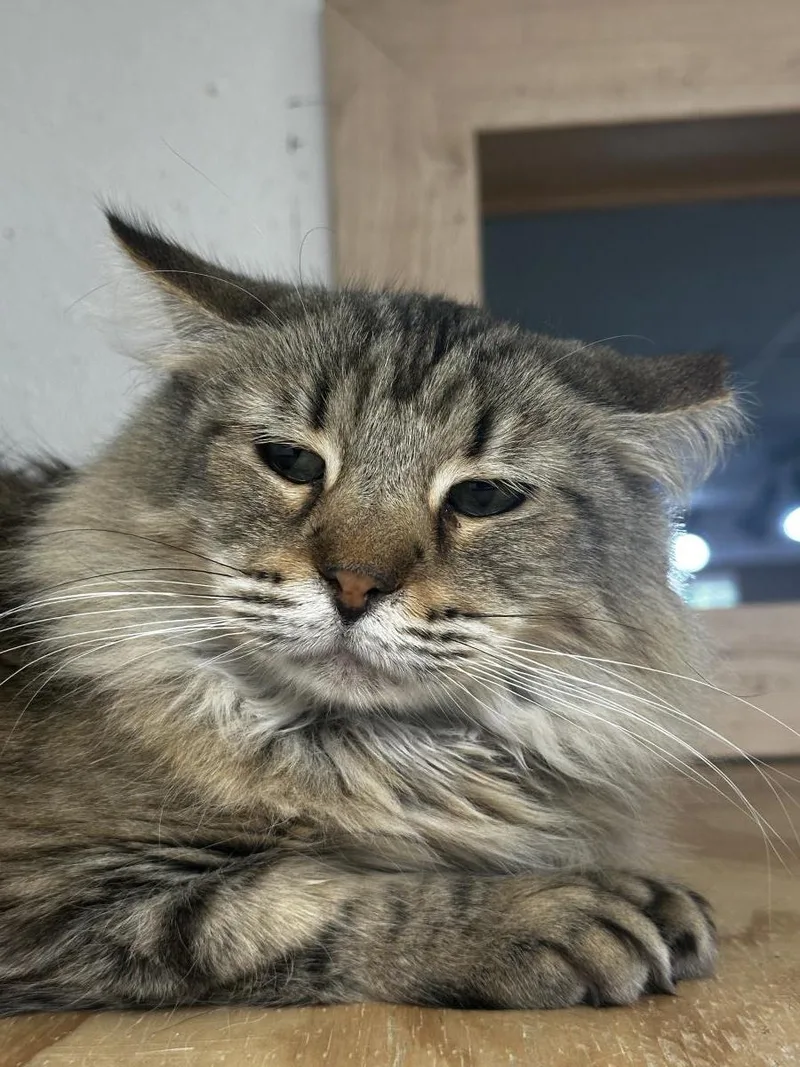
Torbie is the name for a coat that blends tortoiseshell and tabby: patches of black-based and orange-based color with stripes, swirls or spots running through them, often with the tabby M on the forehead. Silver, dilute blue-and-cream and white-heavy versions exist. Nearly all torbies are female, and most are domestic shorthairs or longhairs of mixed ancestry.

Coat color doesn't predict personality, so the torbies you meet can be shy, bold, talkative or mellow. Most need daily play, a litter box kept clean, weekly brushing and regular veterinary care, with shedding that's moderate. In a Newark apartment, the cat's age, history and comfort with noise will tell you more than the pattern does.

Weight
6–14 lbs
Height
8–10 in
Lifespan
12–18 yrs
Temperament
Playful, Affectionate, Curious
Shedding
Moderate

Owning a Torbie in Newark

Having a Torbie in Newark

Torbie describes a coat, not a breed, so these cards cover what's typical of domestic cats with this pattern. In Newark, the bigger questions are indoor space, window safety and seasonal comfort rather than coat color.

Temperament

Torbies are often called spirited and affectionate, but that's owner lore, and coat color hasn't been shown to predict behavior. Some are shy, others chatty. In Newark's busy buildings, with hallway noise and street sounds, a confident cat may thrive while a shy one wants a quiet room and a hiding spot.

Exercise Needs

Daily wand-toy play, puzzle feeders and a tall cat tree give an indoor torbie plenty of exercise. Young cats may want several short sessions a day, while seniors prefer gentler play. A window perch overlooking the street adds entertainment, which helps in a walk-up apartment without much floor space.

Health Considerations

A torbie's health depends on age and background, not the pattern. Yearly vet exams, rabies and core vaccines, dental care and a healthy weight matter most. Newark's warm months bring fleas and ticks, so ask a veterinarian about year-round parasite prevention, and make sure the cat is microchipped.

Living Space

Torbies do well in Newark's apartments and two- or three-family houses if there's vertical space: a cat tree, a window perch and a scratching post. Install sturdy screens, since cats fall from unscreened windows in summer, and keep fire-escape and balcony doors closed.

What it costs to own a Torbie in Newark

ExpenseTypical costPer year
Food$25 to $50 per month$300 to $600
Pet insurance$20 to $45 per month$240 to $540
Routine vet care$150 to $350 per year$150 to $350
Other*$450 to $1,150 per year$450 to $1,150
Estimated yearly total (after year one)$1,140 to $2,640

Other costs are estimates and vary with size, age and health.

* Litter, flea and tick prevention, a dental cleaning allowance, toys and supplies, and home grooming.

Adopt a Torbie in Newark.

Now that you know more, let’s find you a new best friend. These rescues and shelters below currently have Torbies available.

Rescues in Newark with Torbies Available

Newark's shelters and rescues list cats of every color and pattern, so torbies may appear alongside other adoptable cats. Here are the rescues & shelters in the Newark area where you can find Torbies and other cats available for adoption.

Frequently Asked Questions

Yes, a torbie can live happily in a Newark apartment, since a cat's space needs depend on its age and energy rather than its coat. Provide a cat tree, a window perch and daily play. Shy cats settle best in quieter buildings, and every open window needs a secure screen, especially on upper floors.

Yes. Newark's code names no breed, and New Jersey's dangerous-dog law is behavior-based, so a torbie faces no special restrictions. Torbie is a coat pattern anyway. Plan for a rabies vaccination, ID such as a microchip or collar tag, and a lease that allows cats if you rent.

Only in a carrier. NJ Transit, which runs Newark's trains, buses and the Newark Light Rail, allows service animals and small pets in carry-on travel cages. Bring a sturdy, well-ventilated carrier with a secure latch and a towel for comfort, and practice carrier time at home first so vet trips stay calm.

Yes, as indoor cats they handle Newark winters well. The city sees about 80 freezing nights and roughly 31 inches of snow a year, so keep a torbie inside, away from drafty windows, with a warm bed. Stock food, litter and medications before a blizzard in case of power outages.

Very little. Most torbies need a weekly brushing at home, more often for longhaired cats or during seasonal shedding. Newark's dry winter heat and humid summers don't change that much. Professional grooming is rarely necessary, so home grooming adds little to the Other costs in the cost table, mainly a brush and the occasional nail trim.

Often, yes, especially for people in apartments or two- and three-family homes who can offer daily play and a safe, screened space. A torbie's fit depends on the cat's own age and temperament, not its coat. A confident cat handles city noise best, while a shy cat does better in a quiet unit.

No. New Jersey's food code doesn't allow pets inside retail food establishments, and it has no outdoor-dining exception for pet dogs or cats. Only service animals are permitted. A torbie is more comfortable at home anyway, so plan outings around places that don't serve food and don't count on patio access.

A torbie cat is a cat whose coat combines tortoiseshell and tabby patterns, with patches of black-based and orange-based color plus tabby stripes, swirls or spots. It is a coat pattern, not a breed, and appears mostly in domestic shorthairs and longhairs. Torbies are also called tortie-tabbies or patched tabbies, and nearly all are female.

We have 1 rescue with Torbies available: Brick City Kitties Rescue. You can see every rescue with Torbies available in the list above these questions, or scroll to the top to see the Torbies near Newark.

Plan on roughly $1,140 to $2,640 a year for a torbie in Newark. Food runs $25 to $50 a month and pet insurance $20 to $45 a month. Routine vet care is about $150 to $350 a year, and other costs like litter, parasite prevention, dental care and supplies add $450 to $1,150.