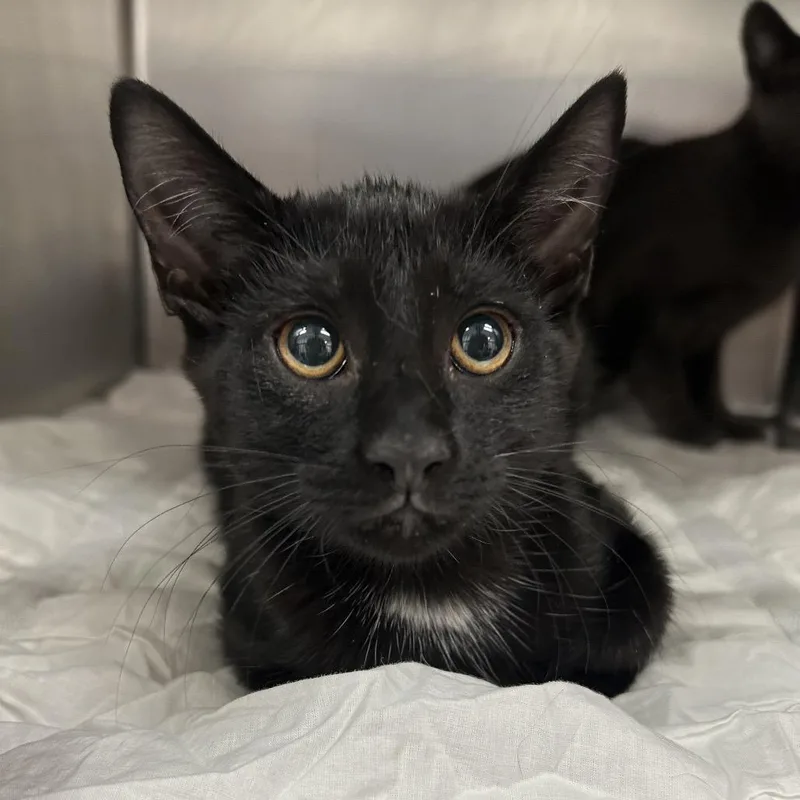
Havana Cats for Adoption in Newark, NJ

Your guide to finding and caring for a Havana in Newark

A Havana fits Newark's two- and three-family houses and walk-ups well, because it cares more about company than square footage. In a University Heights brownstone or a Roseville row house, a sunny window perch and a wand toy go a long way. Havanas are curious, softly chatty and happiest when someone's home part of the day. The breed is rare, so you may meet brown shorthairs and Havana mixes more often than a registered Havana.

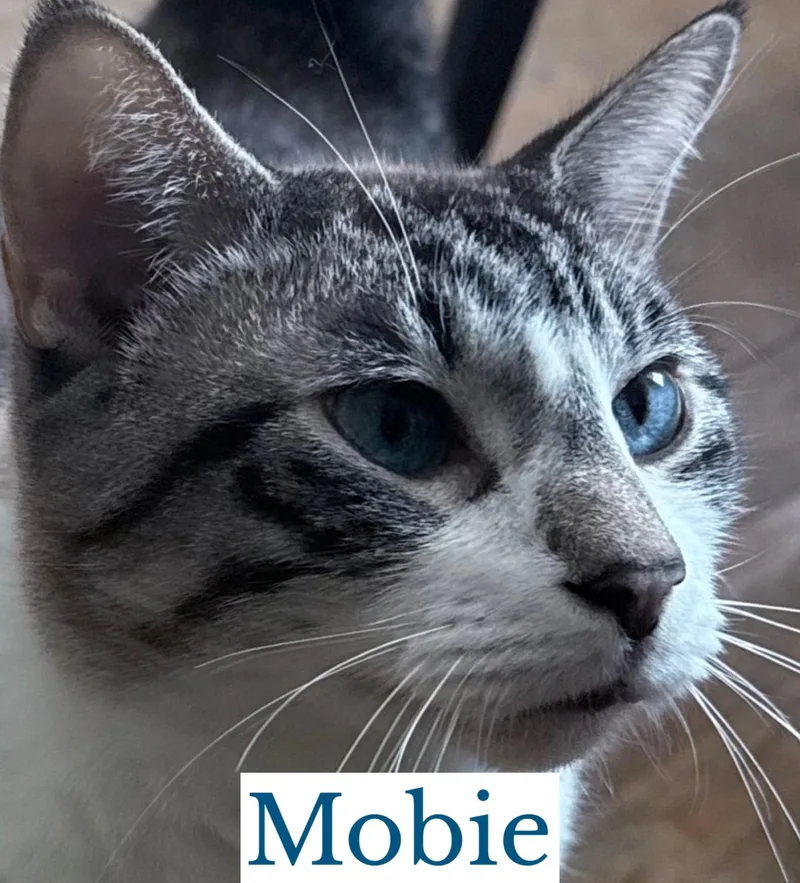
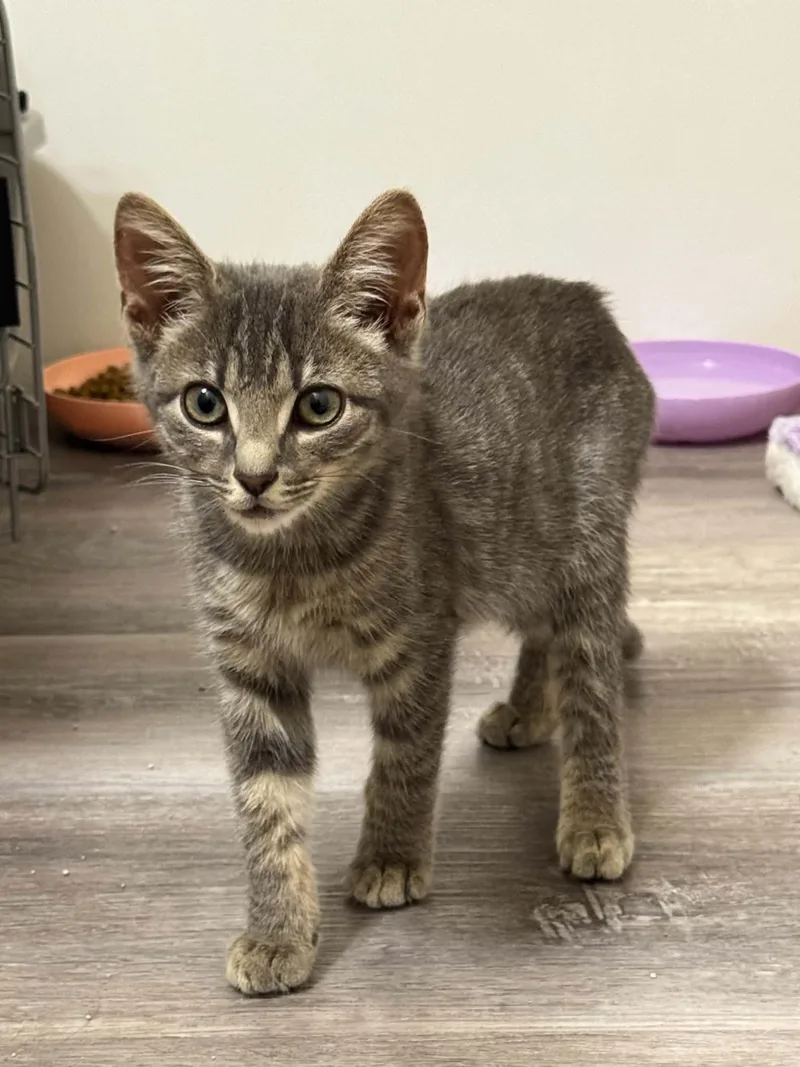
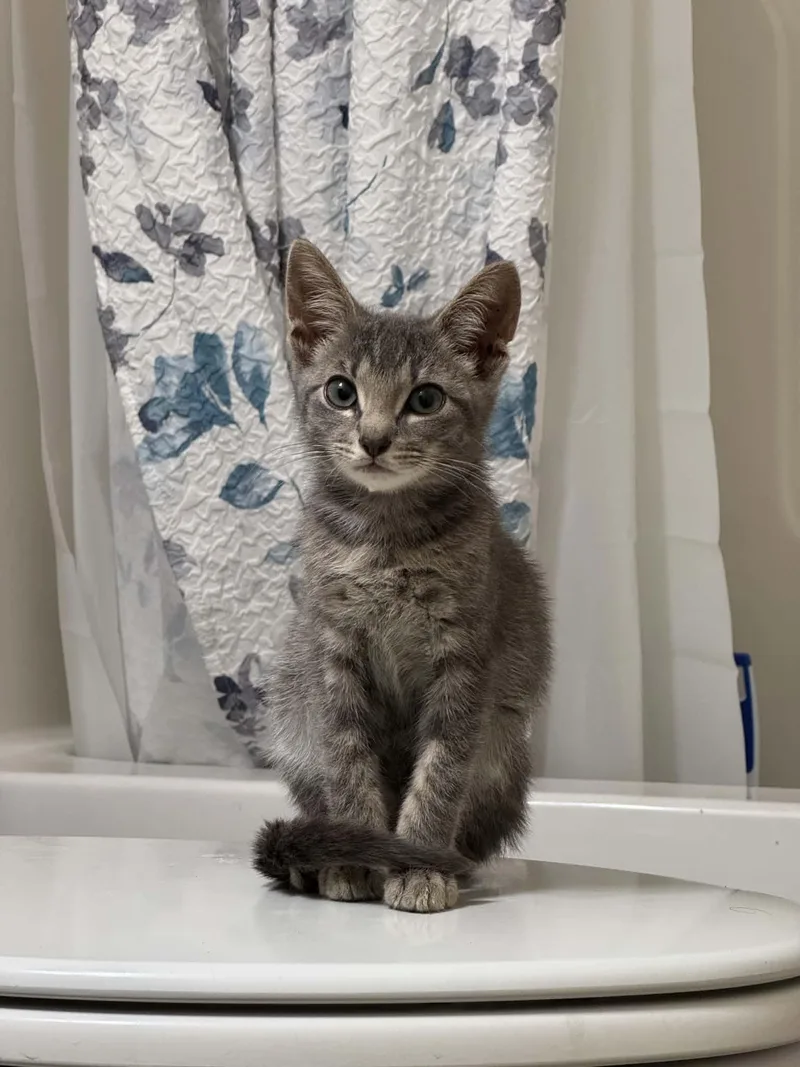
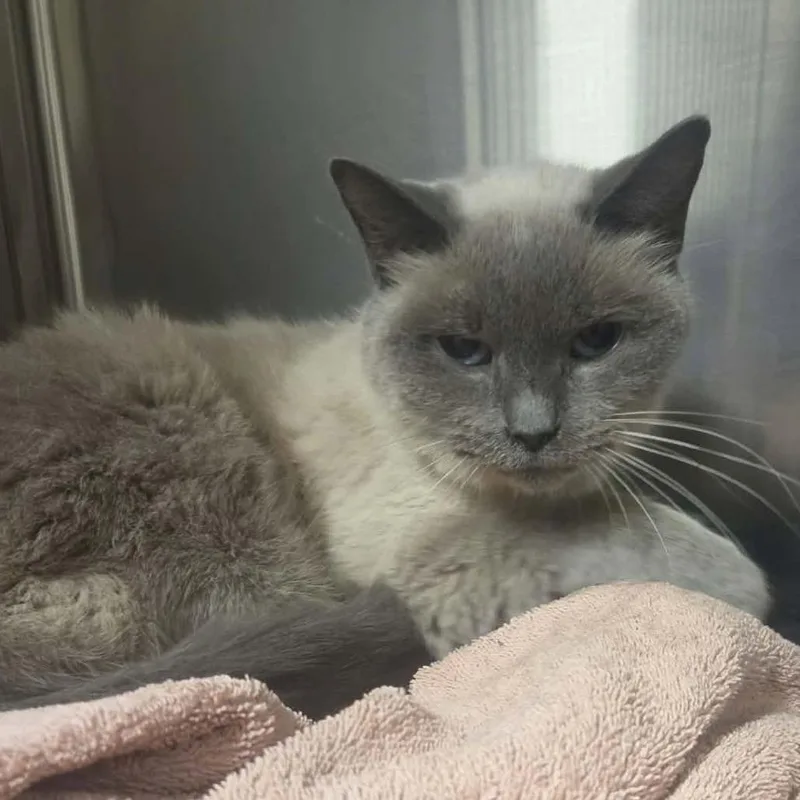
2798 cats similar to Havana available in Newark and nationwide

Give a Havana Brown a home

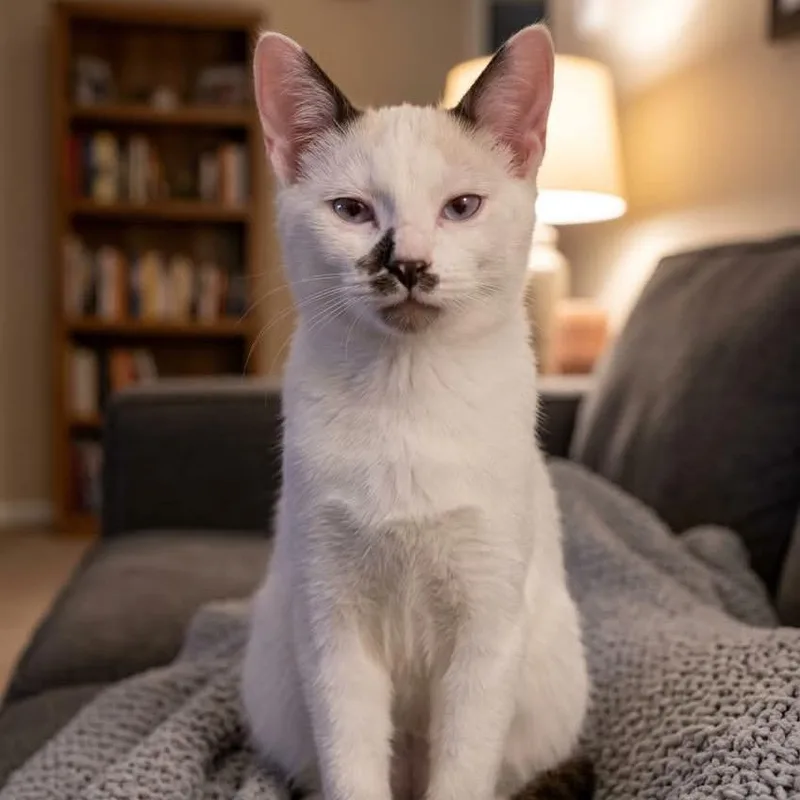
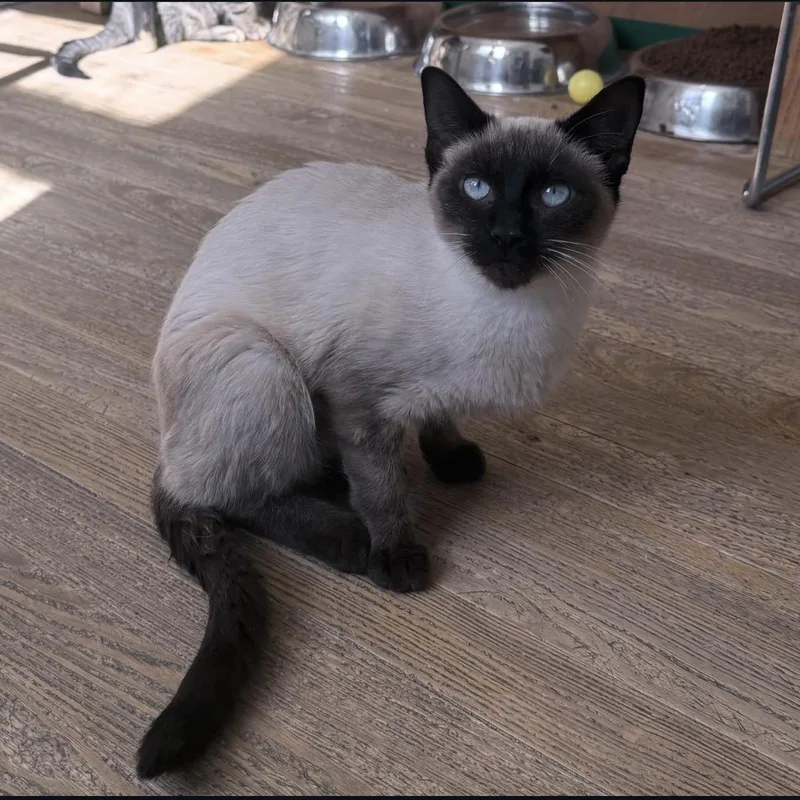
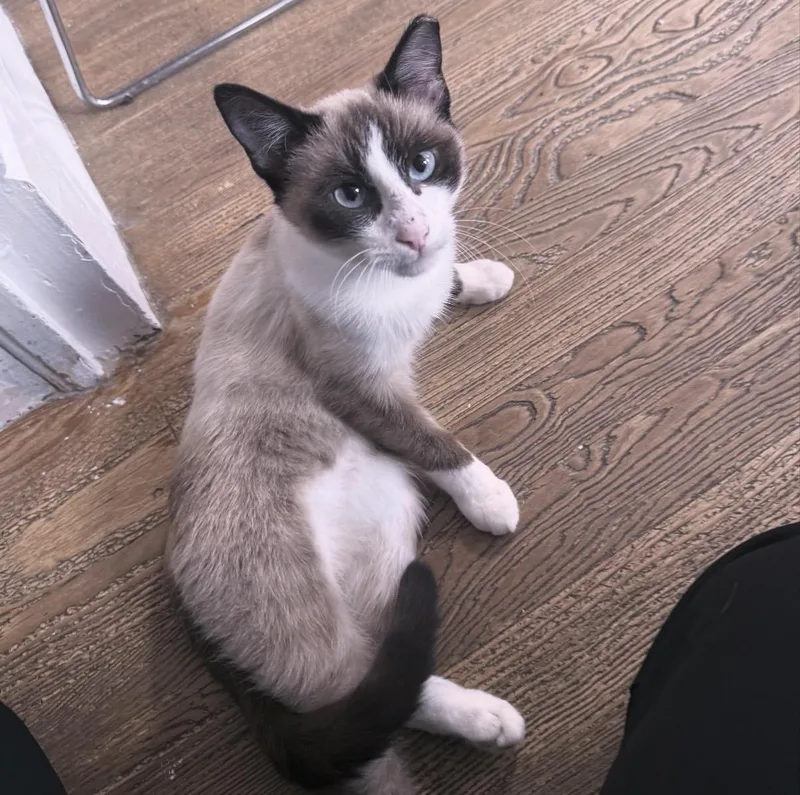
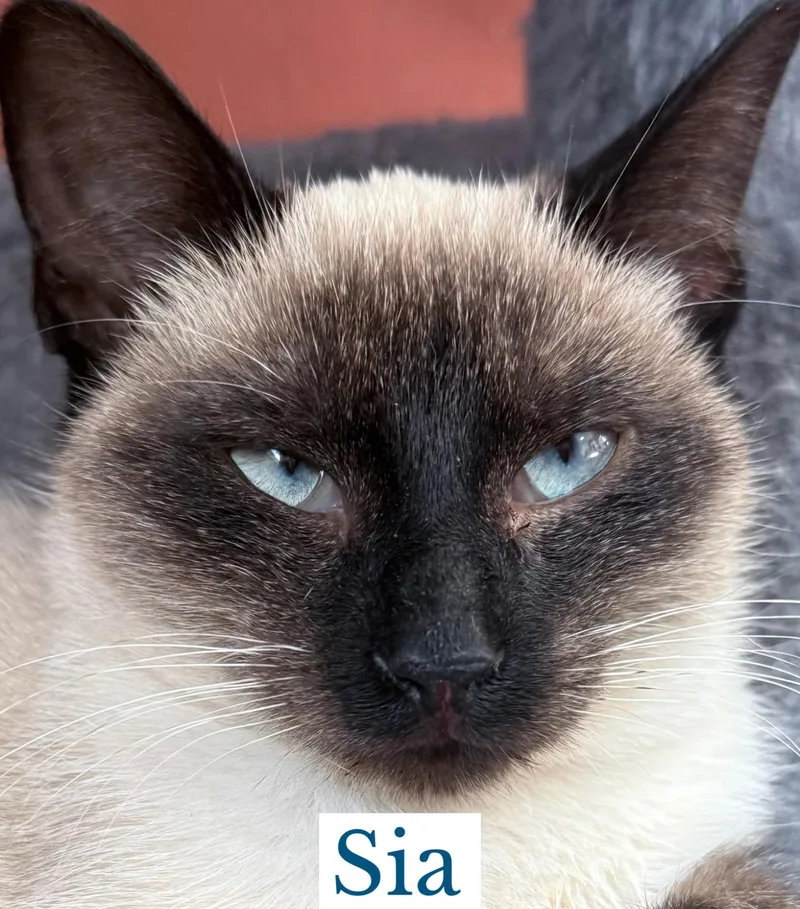
Havanas and Similar Breeds Available for Adoption Near Newark

About the Havana breed

The Havana, called the Havana Brown by some registries, was developed in Britain in the 1950s by pairing chocolate-carrying Siamese cats with black domestic shorthairs. The result is a glossy, warm chocolate coat, brown whiskers, vivid green eyes, large forward-tilted ears and a squared-off muzzle on a moderate, muscular body that usually weighs 6 to 10 pounds.

Havanas are people-focused cats that like to investigate with a paw and join whatever the household is doing. Many talk in a softer voice than a Siamese, which helps in Newark buildings with shared walls. The breed is genuinely rare, so most adopters will meet brown shorthaired cats or Havana mixes. Personalities vary, so spend time getting to know the cat in front of you rather than relying on the label.

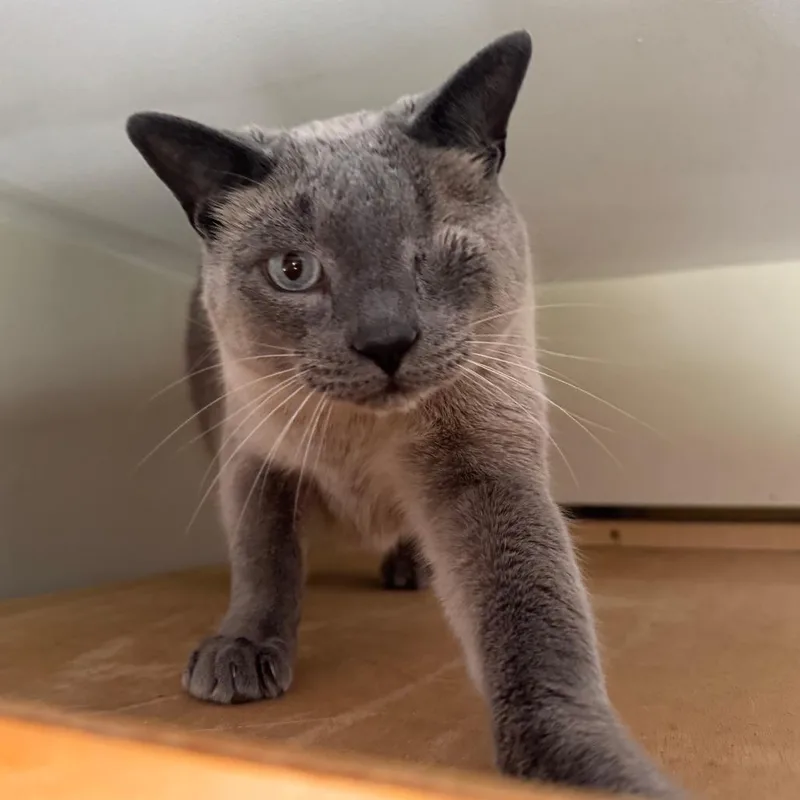
Weight
6–10 lbs
Height
9–11 in
Lifespan
10–15 yrs
Temperament
Social, Curious, Affectionate, Playful
Shedding
Low

Owning a Havana in Newark

Having a Havana in Newark

A Havana usually pairs a sleek, low-shedding coat with a strong wish to be involved. In Newark, that mix works well in smaller homes where someone is around, as long as the cat gets daily play and something interesting to watch.

Temperament

Havanas are often affectionate and interactive, following people from room to room and greeting visitors with interest. Many get along with considerate children and calm dogs. Because they're so people-oriented, some get lonely during long workdays. Cats differ, so notice how the cat you meet responds to handling, noise and new people.

Exercise Needs

Most Havanas are moderately active. Two or three short play sessions a day with wand toys, balls and puzzle feeders usually satisfy them better than one long one. In Newark, a tall cat tree beside a window gives a curious cat plenty of street life to watch, and all the exercise can happen safely indoors.

Health Considerations

The Havana has no well-documented breed-specific genetic disease, but gum inflammation may be somewhat more common, and the small gene pool means records are limited. Plan on regular dental care and yearly checkups. A veterinarian can check teeth, weight and general health soon after adoption and advise on screening.

Living Space

A Havana adapts well to Newark's typical housing, from walk-ups and two- or three-family houses to high-rise apartments. Companionship and enrichment matter more than square footage. Window perches, a cat tree and a few hiding spots help with hallway noise. Cats left alone most of the day can get bored, so a friendly second pet may help.

What it costs to own a Havana in Newark

ExpenseTypical costPer year
Food$25 to $50 per month$300 to $600
Pet insurance$25 to $50 per month$300 to $600
Routine vet care$150 to $350 per year$150 to $350
Other*$450 to $1,150 per year$450 to $1,150
Estimated yearly total (after year one)$1,200 to $2,700

Other costs are estimates and vary with size, age and health.

* Litter, flea prevention, a dental cleaning allowance, toys, scratchers and other supplies, and minimal home grooming for the short coat.

Adopt a Havana in Newark.

Now that you know more, let’s find you a new best friend. These rescues and shelters below have cats available in and near Newark.

Rescues and Shelters in or near Newark

Newark's shelters and rescues work to match cats with homes, and their listings change often. Here are the rescues & shelters in the Newark area with cats available for adoption, worth asking whether a Havana is coming in.

Frequently Asked Questions

Yes, for most households where someone is home part of the day. A Havana is social, curious and content in the walk-ups and two- and three-family houses common in Newark, as long as it gets daily play and a window to watch. Some Havanas get lonely or bored during long workdays alone, so consider your schedule honestly.

Yes. Havanas are medium cats of about 6 to 10 pounds that care more about company than space, so an apartment works well. Add a cat tree, window perch and scratchers, and screen every window. Before applying, read the lease for pet deposits and fees; a refundable deposit counts toward New Jersey's 1.5-month security-deposit cap.

Yes. There's no known breed-specific rule for cats in Newark. The bigger challenge is rarity: a registered Havana is uncommon, and brown shorthairs and Havana mixes turn up more often. Watch the listings on this page, save a search to hear about new cats, and browse similar breeds or nearby cities.

Only in a carrier. NJ Transit says its trains, buses and the Newark Light Rail allow service animals, police dogs and small pets in carry-on travel cages. Bring a secure, ventilated carrier for vet visits and keep your Havana inside it for the whole trip. Check current fares and PATH carrier rules before you travel.

Almost certainly not. New Jersey's food code bars live animals from retail food establishments, with exceptions for service animals, and it has no outdoor-dining exception for pets. Plan to leave your Havana at home, where a window perch and a wand toy will likely keep it happier than a patio table anyway.

Yes, for an indoor Havana. Newark sees about 80 freezing nights and roughly 31 inches of snow a year, plus about 28 days at 90°F with humid heat spikes. A short-coated cat needs a warm bed in winter, and in summer a cool room, fresh water and secure window screens. Never leave a cat in a parked car.

Very little. The short, glossy coat sheds lightly and needs only an occasional brush or rub with a rubber mitt to remove loose hair. Nail trims and dental care matter more, and indoor winter air or summer humidity won't change that much. Those small supplies fit within the yearly $450 to $1,150 in other costs.

A Havana cat, also called the Havana Brown, is a rare shorthaired breed developed in Britain in the 1950s from Siamese and black domestic cats. It is recognized by its rich chocolate-brown coat, brown whiskers, green eyes and distinctive muzzle. Havanas tend to be social, curious and people-focused, and few are available, so brown shorthaired mixes are more common in shelters.

Expect roughly $1,200 to $2,700 a year for a Havana in Newark. Food runs $25 to $50 a month and insurance $25 to $50 a month. Routine vet care is about $150 to $350 a year, and other costs add $450 to $1,150 a year. Actual totals depend on the cat's age, health and diet.