Bombay Cats for Adoption in Newark, NJ

Your guide to finding and caring for a Bombay in Newark

Bombays fit well into Newark's walk-ups and two-family houses, because they care more about company than square footage. In a Roseville row house or a Lower Broadway apartment, a cat tree by a front window gives a Bombay plenty to watch. They're playful, so a few rounds of wand-toy chase each day matter. They also tend to follow their person from room to room, which suits people who work from home or keep a steady evening routine.

589 Bombays available in Newark and nationwide

Open your home to a Bombay

Bombays Available for Adoption Near Newark

About the Bombay breed

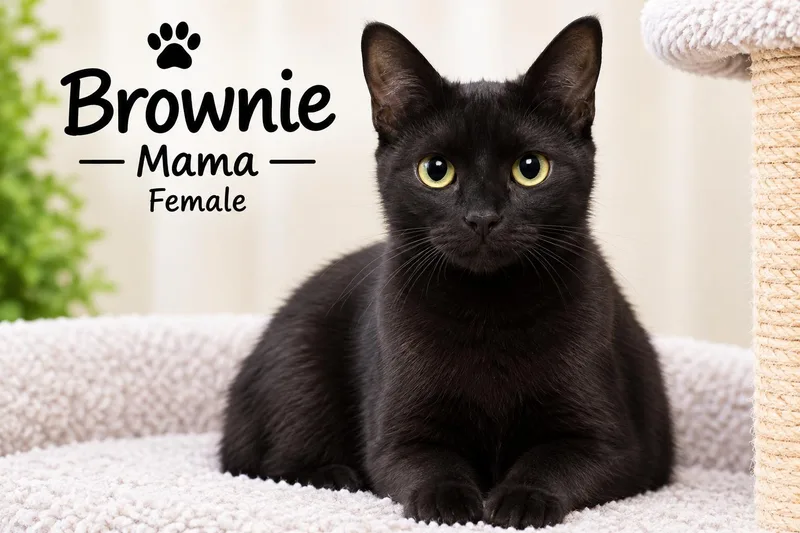
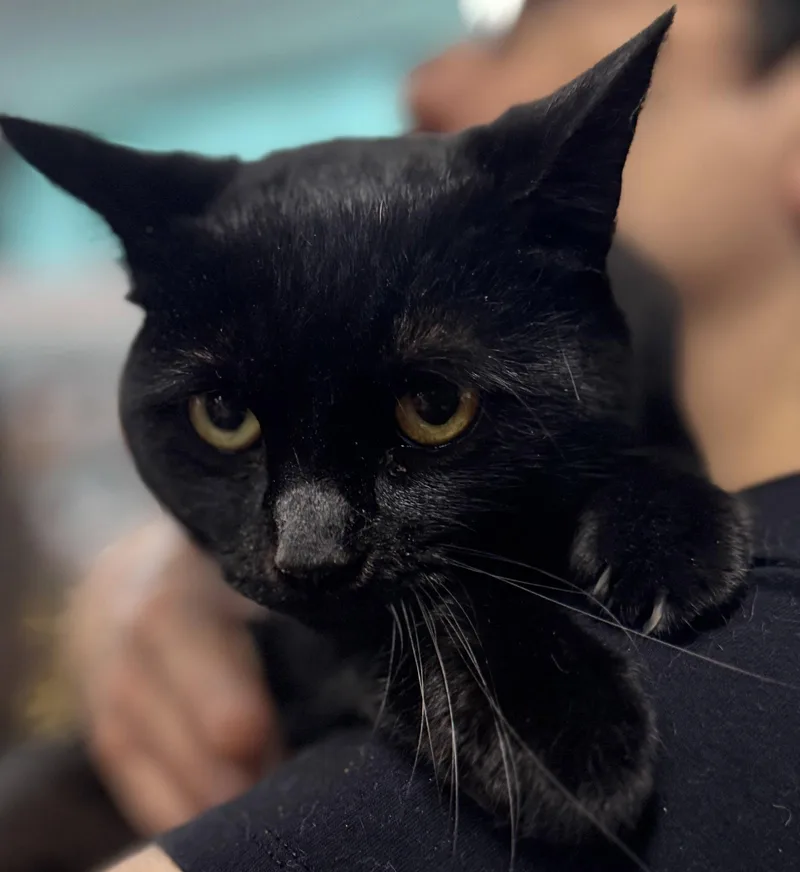
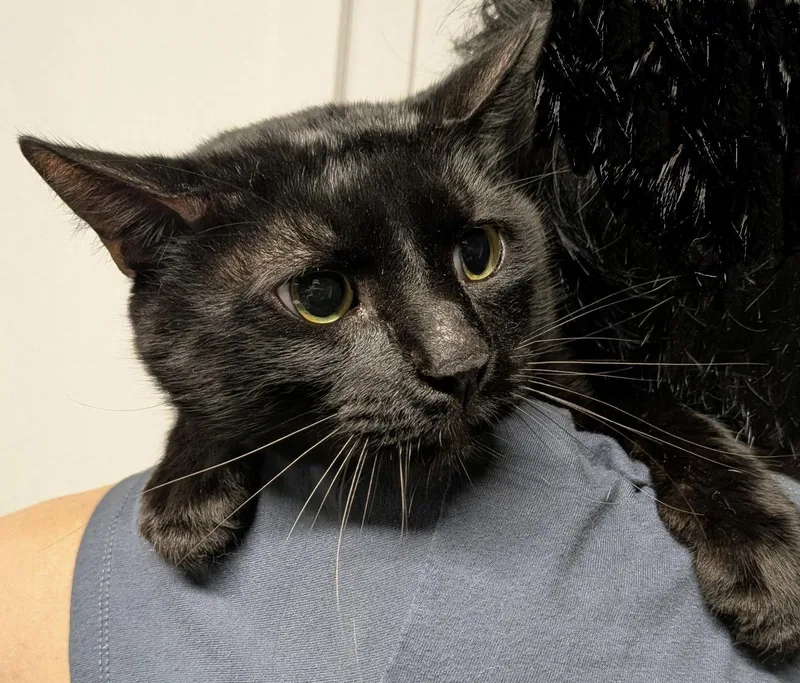
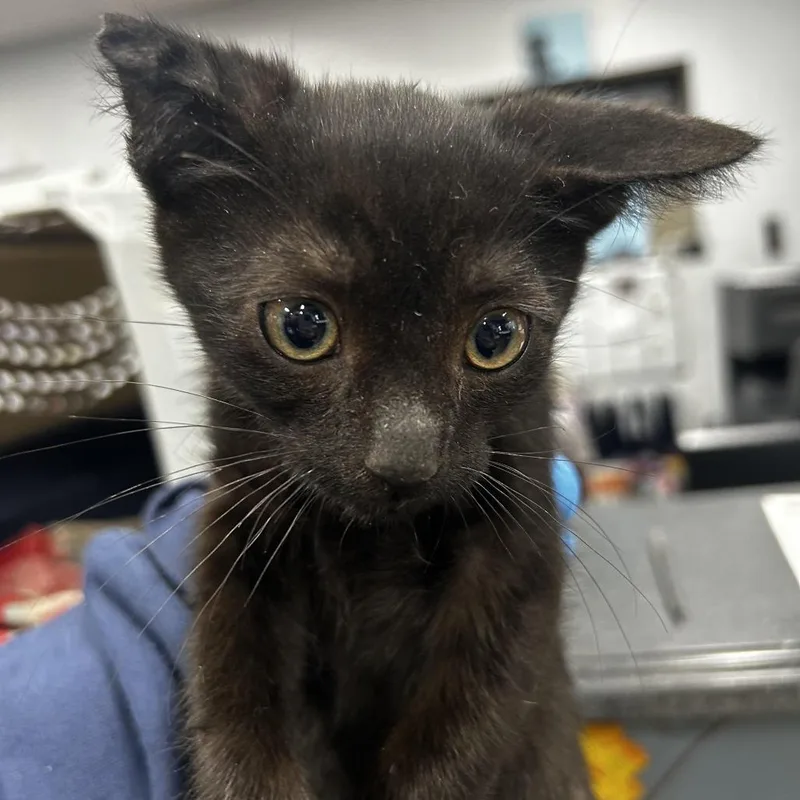
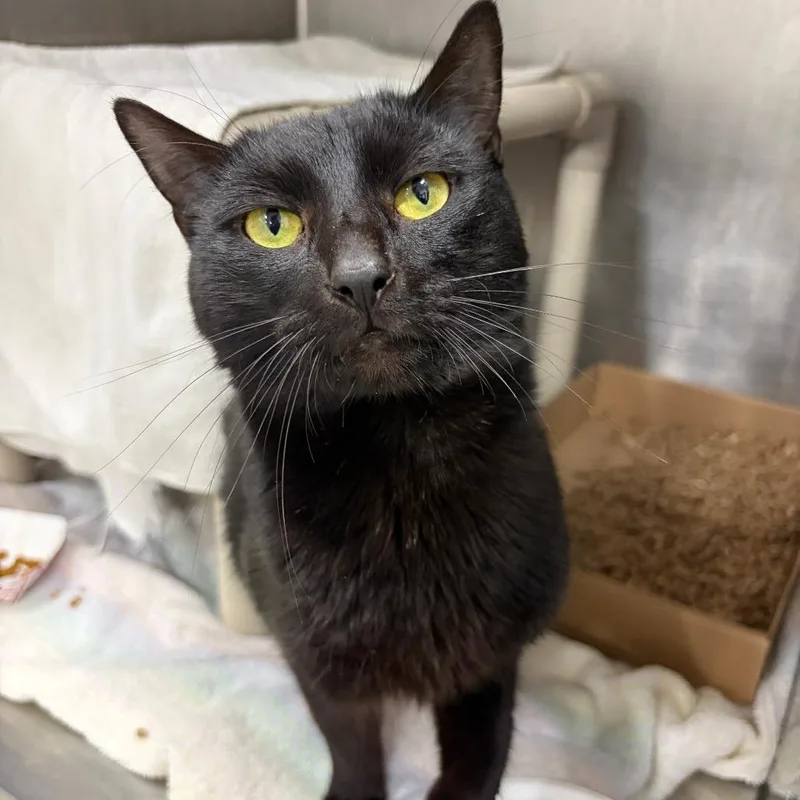
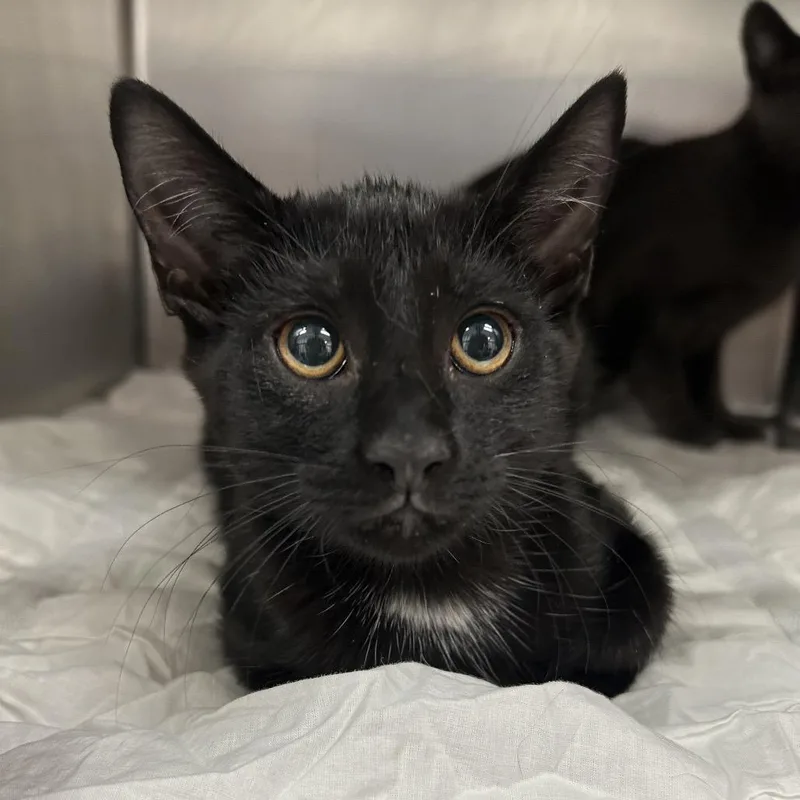
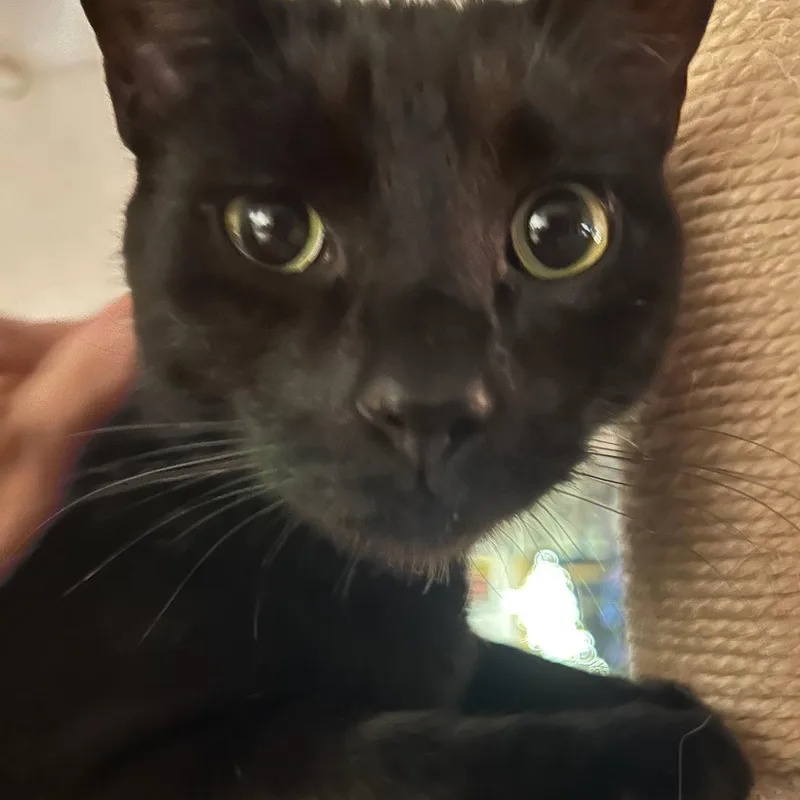
Bombays were developed in the United States starting in the 1950s, when Nikki Horner of Kentucky crossed sable Burmese with black American Shorthairs, hoping for a miniature black panther. The result is a medium-sized, muscular cat, usually 6 to 12 pounds, with a short satiny coat that's black to the roots, black paw pads and round gold-to-copper eyes.

Many Bombays are affectionate, playful and curious, and often follow their people around the house. In a city apartment that attachment is a plus, though some dislike long days alone. Pedigreed Bombays are uncommon, and a cat listed as a Bombay is often a sleek black domestic shorthair with a similar look, so each cat's personality matters more than the label.

Weight
6–12 lbs
Height
8–10 in
Lifespan
12–15 yrs
Temperament
Affectionate, Social, Playful
Shedding
Low

Owning a Bombay in Newark

Having a Bombay in Newark

Bombays are low-maintenance when it comes to grooming, but they want company and play. For Newark adopters, the main questions are how much time someone is home, whether there's a sunny window to perch at, and how steady a daily play routine can be.

Temperament

Bombays tend to be affectionate, outgoing and eager to join in, and many greet visitors instead of hiding. In a busy Newark building, that can mean a cat who enjoys the footsteps and activity around the home, though some stay shy. History and socialization shape behavior, so give any new cat time to settle.

Exercise Needs

Plan on daily interactive play: wand toys, chase games, fetch and food puzzles. Small Newark apartments work fine with a tall cat tree and a window perch. Some Bombays learn harness walking, which takes patient training and a quiet start indoors. Regular play also helps keep their sturdy build at a healthy weight.

Health Considerations

Hypertrophic cardiomyopathy has been reported in Bombays, some have watery eyes, and many gain weight easily. A veterinarian can listen to the heart, check the eyes and set up a feeding plan. In Newark, keep window screens secure in summer, since cats can fall from unscreened windows, and keep flea prevention current.

Living Space

Bombays suit Newark's typical housing, from walk-ups to two- and three-family houses, because climbing space matters more than floor area. Add a cat tree, window perch and scratching post. A home where someone is around for part of the day helps. Keep a Bombay indoors, with screens on every window.

What it costs to own a Bombay in Newark

ExpenseTypical costPer year
Food$25 to $50 per month$300 to $600
Pet insurance$30 to $60 per month$360 to $720
Routine vet care$150 to $350 per year$150 to $350
Other*$450 to $1,150 per year$450 to $1,150
Estimated yearly total (after year one)$1,260 to $2,820

Other costs are estimates and vary with size, age and health.

* Litter, flea prevention, a dental cleaning allowance, toys, scratchers and other supplies, and minimal home grooming for the short coat.

Adopt a Bombay in Newark.

Now that you know more, let’s find you a new best friend. These rescues and shelters below currently have Bombays available.

Rescues in Newark with Bombays Available

Newark-area shelters and rescues work with many cats, and a Bombay look-alike may turn up among the listings below. Here are the rescues & shelters in the Newark area where you can find Bombays and other cats available for adoption.

Frequently Asked Questions

Yes, in a carrier. NJ Transit trains, buses and the Newark Light Rail allow small pets in carry-on travel cages, and a 6 to 12 pound Bombay usually fits in a standard cat carrier. Keep the cat inside it for the whole trip. Carrier size limits aren't published, so choose a compact, ventilated one.

Yes, as indoor cats. Newark has about 80 freezing nights and roughly 31 inches of snow a year, and a Bombay's short coat gives little insulation. Keep the cat inside, provide a warm bed away from drafty windows, and stock extra food and litter before big storms in case of outages.

Yes. Newark's code names no breed, and New Jersey's dangerous-dog law is behavior-based. Cats are not covered by the dog license, and cat licensing should be confirmed with the city. Many Bombay-type cats are black domestic shorthairs, so focus on the cat's personality. Get your landlord's pet terms in writing.

Yes, a Bombay usually adapts well to apartments, since climbing space and company matter more than floor area. A cat tree, window perch and daily play help in a walk-up or high-rise. Bombays can be vocal and active, so schedule play sessions earlier in the evening if neighbors share walls.

It can be, if someone is home for part of the day and can commit to daily play. Bombays tend to be social and dislike long stretches alone, so a household with steady routines suits them better than one with frequent late nights. Cats vary, so spend time with the cat before deciding.

Very little. A weekly brushing or a rub with a soft cloth keeps the short, satiny coat shiny, and shedding is low. Dry heated air in winter can add a little dander, and humid summers need nothing special. Grooming costs are minimal and fall within the yearly Other costs listed above.

We have 1 rescue with Bombays available: Brick City Kitties Rescue. You can see every rescue with Bombays available in the list above these questions, or scroll to the top to see the Bombays near Newark.

A Bombay typically costs about $1,260 to $2,820 a year. That includes food at $300 to $600, insurance at $360 to $720, routine vet care at $150 to $350, and other costs at $450 to $1,150, including litter. Illness, emergencies and conditions such as heart disease would add to that.