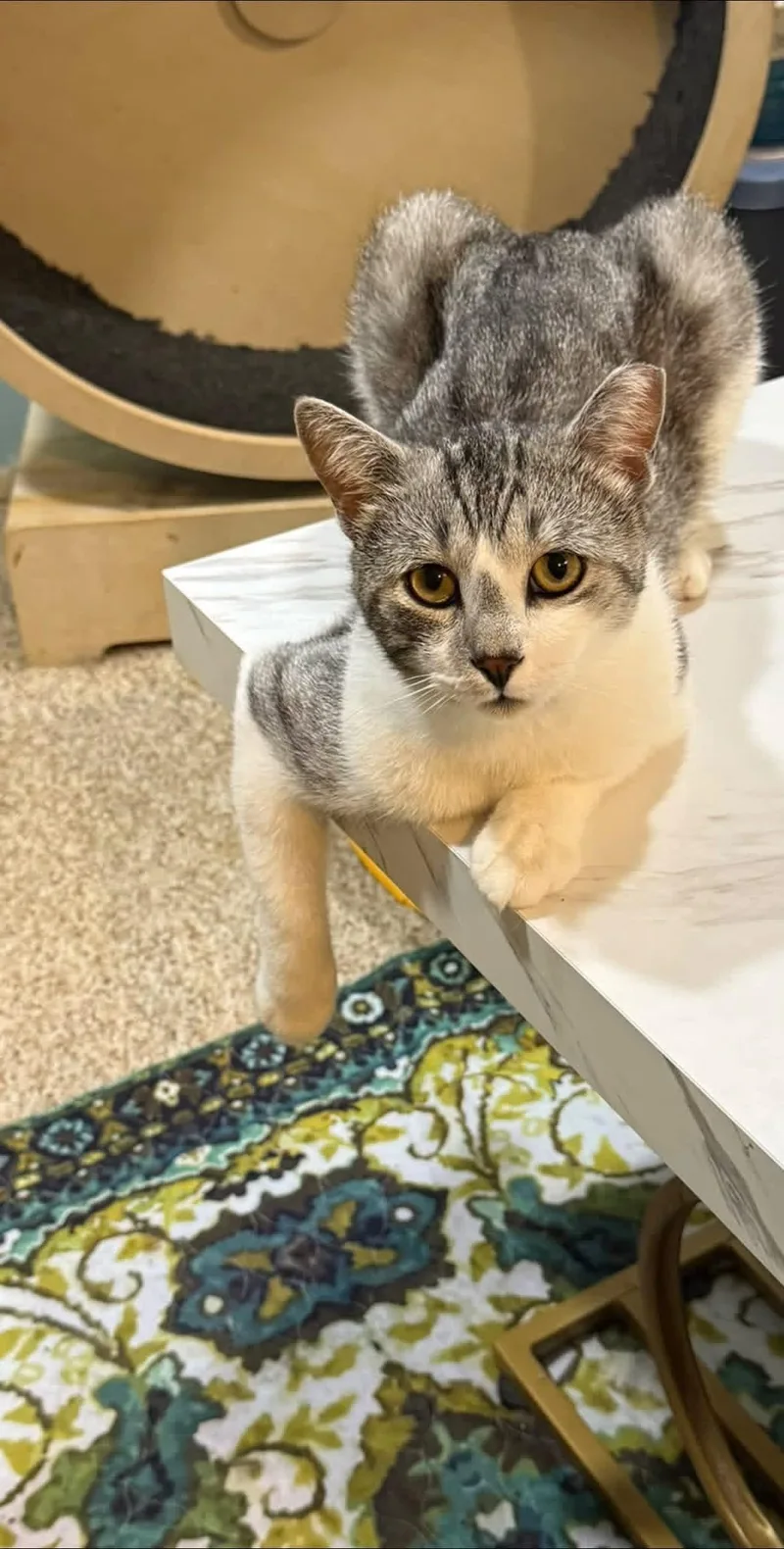
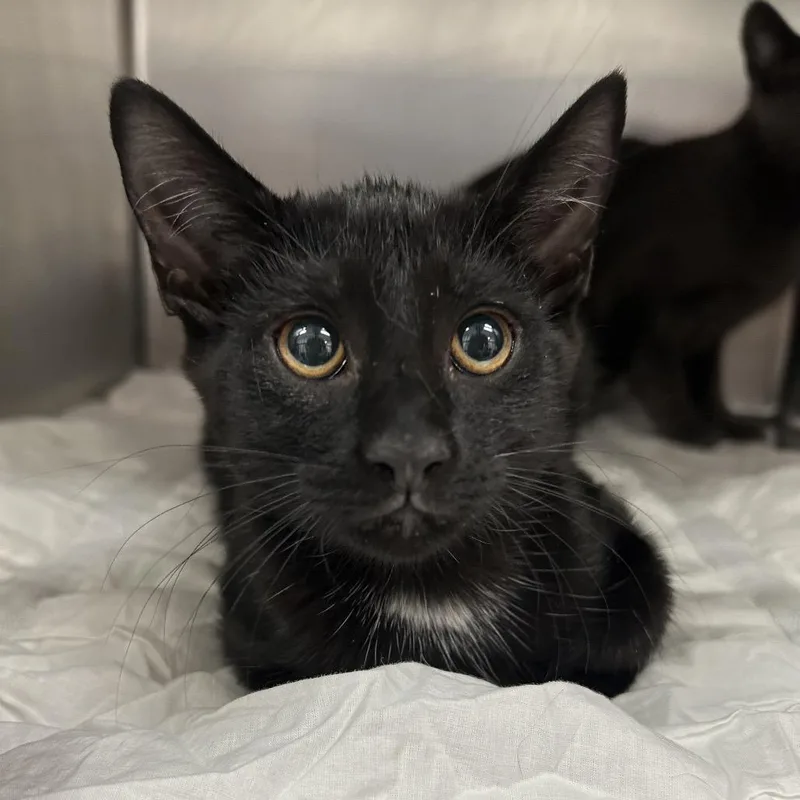
Birman Cats for Adoption in Newark, NJ

Your guide to finding and caring for a Birman in Newark

A Birman suits Newark's walk-ups and high-rises well, since it wants a quiet perch and company more than space. In a Weequahic tower facing the park or a pre-war house in Forest Hill, a Birman is happy with a window seat, a cat tree and someone who's home in the evening. They're soft-voiced and sociable, so thin walls and shared hallways tend not to be a problem. Birmans do like company, though, so they fit best with people who aren't away all day.

2279 cats similar to Birman available in Newark and nationwide

Find your forever Birman

Birmen and Similar Breeds Available for Adoption Near Newark

About the Birman breed

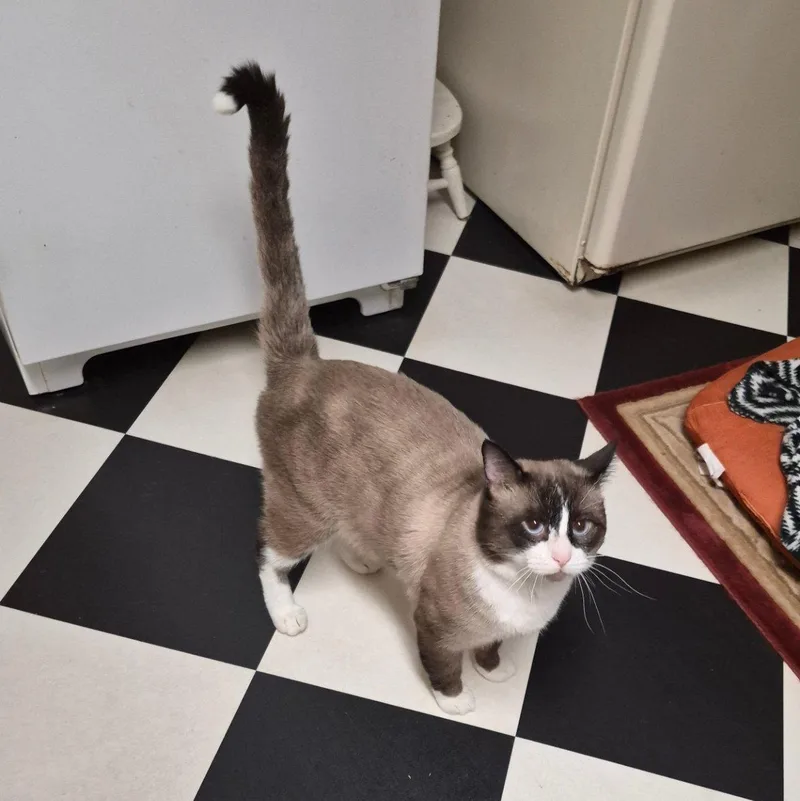
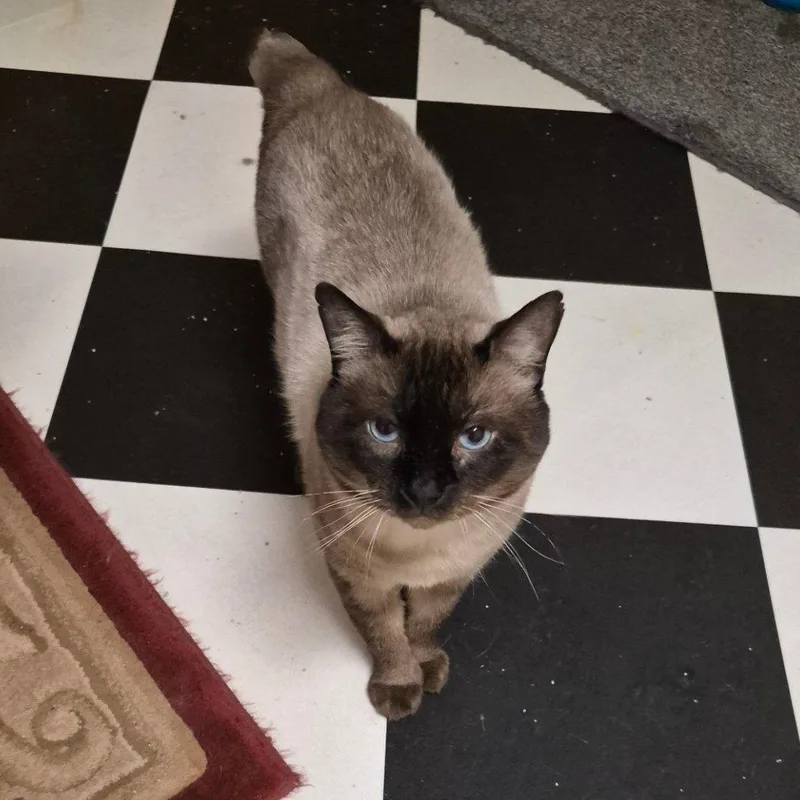
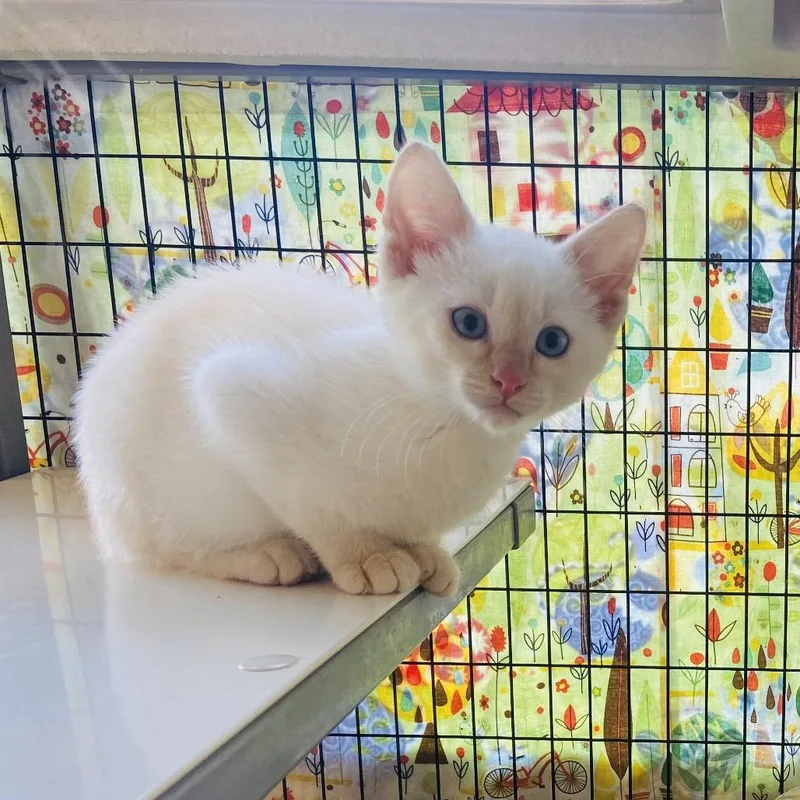
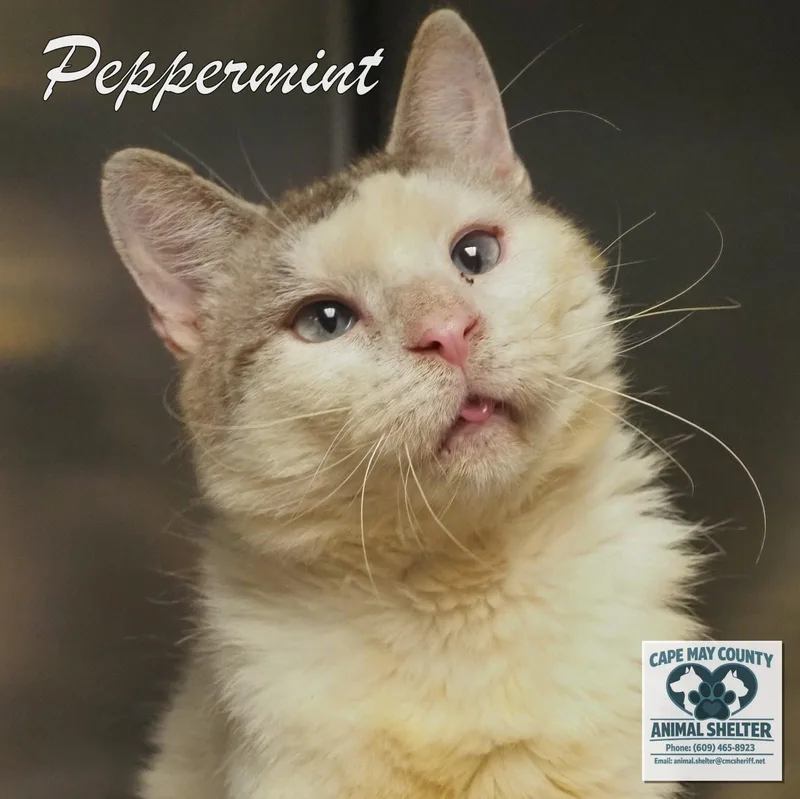
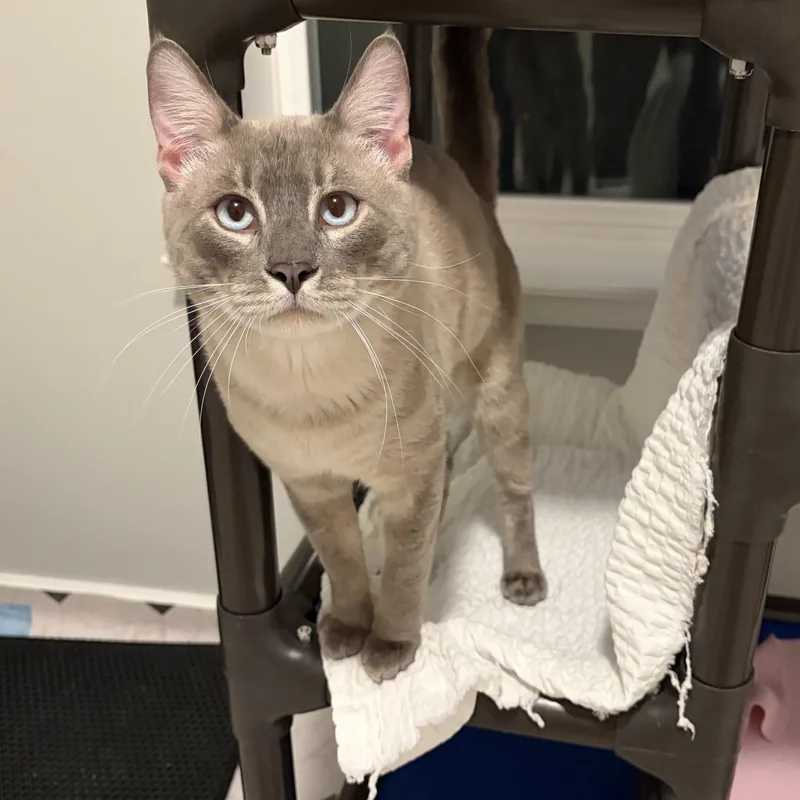
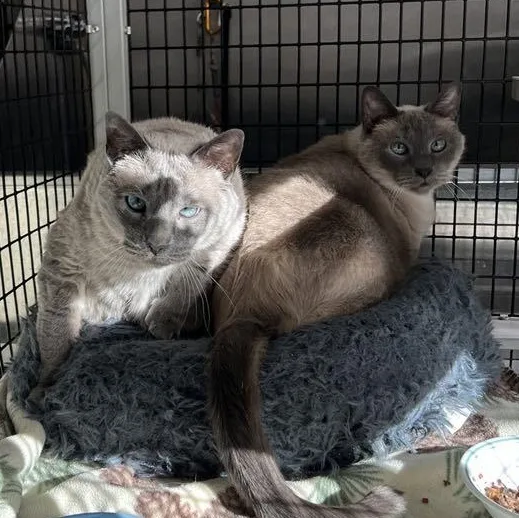
Birmans are colorpointed, semi-longhaired cats with deep blue eyes and white front paws known as gloves. The breed was developed in France after a pair of cats arrived from Burma around 1919, and the temple-cat story is legend rather than documented history. Points come in seal, blue, chocolate, lilac and other colors, and kittens are born pale, with their colors deepening over time.

Most Birmans are gentle and affectionate, with soft voices and a habit of following their people from room to room. The silky coat has little undercoat, so it mats less than many longhaired coats, though weekly combing still pays off, especially when heated apartments dry the air in winter. Birmans take about three years to mature fully, and they gain weight easily, so measured meals matter.

Weight
7–14 lbs
Height
8–10 in
Lifespan
12–16 yrs
Temperament
Gentle, Affectionate, Social
Shedding
Moderate

Owning a Birman in Newark

Having a Birman in Newark

Birmans are easygoing, people-focused cats with a manageable coat and a few health risks worth knowing about. In Newark's apartments and small multifamily buildings, those traits shape how smoothly a Birman settles in and what daily care looks like.

Temperament

Birmans are usually gentle, sociable cats that like being near their people without demanding constant attention. Many are patient with respectful children and with other pets after slow introductions. Their soft voices suit shared walls in Newark buildings. Temperament varies from cat to cat, and some Birmans start out shy, so watch how the cat behaves day to day.

Exercise Needs

Expect moderate energy: two or three short play sessions a day with wand toys, balls or puzzle feeders are usually enough. Where indoor space is limited, as in many Newark apartments, a tall cat tree and a window perch add vertical room to climb. Steady play also helps Birmans stay trim, since they gain weight easily.

Health Considerations

Hypertrophic cardiomyopathy shows up in a notable share of screened Birmans, and polycystic kidney disease appears occasionally, so a veterinarian can advise on heart screening. Weight gain is a common concern for indoor Birmans. Routine exams, dental care, parasite prevention and measured meals all help keep an adult Birman healthy.

Living Space

A Birman does well in a small apartment as long as it has perches, scratching posts and company. Newark's walk-ups and small multifamily buildings suit a calm cat, since stairs and shared hallways matter more than yard size. Because many Birmans dislike long days alone, a home where someone is around often suits them best.

What it costs to own a Birman in Newark

ExpenseTypical costPer year
Food$25 to $50 per month$300 to $600
Pet insurance$25 to $50 per month$300 to $600
Routine vet care$150 to $350 per year$150 to $350
Other*$500 to $1,250 per year$500 to $1,250
Estimated yearly total (after year one)$1,250 to $2,800

Other costs are estimates and vary with size, age and health.

* Litter, flea and parasite prevention, a dental cleaning allowance, toys and supplies, and combing tools for the semi-long coat.

Adopt a Birman in Newark.

Now that you know more, let’s find you a new best friend. These rescues and shelters below have cats available in and near Newark.

Rescues and Shelters in or near Newark

Newark's shelter and rescue community cares for many cats, and the groups listed below are the ones serving the area. Here are the rescues & shelters in the Newark area with cats available for adoption, worth asking whether a Birman is coming in.

Frequently Asked Questions

Yes. No known Newark rule restricts Birmans or any other cat breed, so the main limits come from your lease. Review the landlord's pet policy and deposit terms before you apply. Availability changes often, so watch the listings on this page, browse similar breeds and nearby cities, and save a search to hear about new cats.

Yes, a Birman usually does well in a Newark apartment because it values company and perches more than floor space. A cat tree by a window and a few daily play sessions cover most needs, and the soft voice helps in shared buildings. On upper floors, secure screens matter. Many Birmans dislike long days alone, so consider your schedule.

Mostly yes, because a Birman lives indoors and Newark homes are heated in winter and can be cooled in summer. The semi-long coat makes hot, humid stretches the bigger concern, so run a fan or air conditioning and keep water available. Winter is manageable with a warm perch away from drafts and weekly combing.

Yes, if the Birman travels in a carrier. NJ Transit, which runs Newark's trains, buses and light rail, allows service animals and small pets in carry-on travel cages. Pick a sturdy carrier your Birman can turn around in, and keep the cat inside it for the whole ride, on PATH as well.

Often, yes, for someone who wants a calm, affectionate indoor cat and is home a fair amount. Birmans handle apartment living and shared-wall noise well. They fit less comfortably with households that are away all day or that want a very independent cat. Each Birman differs, so judge the cat's own personality rather than the breed alone.

Comb a Birman about once a week, and a few times a week during heavier spring shedding. The silky coat resists matting, but dry heated air in winter can add static and tangles under the legs and belly. Home combing costs little, and any occasional professional grooming fits within the yearly Other budget of about $500 to $1,250.

A Birman is a medium-sized, semi-longhaired cat with a colorpoint pattern, deep blue eyes and distinctive white paws. The breed was developed in France from cats said to come from Burma, which is why it is sometimes called the Sacred Cat of Burma. Many Birmans are gentle, sociable and soft-spoken companions who enjoy being near their people.

No, Birman cats are not hypoallergenic. Like all cats, they produce the Fel d 1 allergen in saliva and skin, and grooming spreads it onto their fur and around the home. Their coat sheds less heavily than some longhaired breeds, but that does not remove allergens. Anyone with allergies should spend time with the specific cat before adopting.

Yes, Birman cats shed, usually at a moderate level. Their silky coat has little undercoat, so they drop less hair and form fewer mats than breeds like Persians or Maine Coons, but loose fur still appears on furniture and clothing. Combing once or twice a week, and more during spring and fall, keeps shedding manageable and the coat tangle-free.

Expect about $25 to $50 a month for food and $25 to $50 a month for insurance, plus $150 to $350 a year for routine vet care. Other yearly costs, including litter, parasite prevention, dental care, supplies and coat care, run about $500 to $1,250. A carrier and cat tree add to the first year.