Bengal Cats for Adoption in Newark, NJ

Your guide to finding and caring for a Bengal in Newark

A Bengal suits Newark's small multifamily buildings, as long as the apartment has something tall to climb. In a walk-up in Roseville or a three-family house in the Ironbound, a Bengal will have neighbors close by and a staircase to patrol. Cat trees, wall shelves and a window perch matter more than square footage. These are busy, talkative cats that want real play every day, so they fit people who are home in the evenings.

211 Bengals available in Newark and nationwide

A Bengal is ready for you

Bengals Available for Adoption Near Newark

About the Bengal breed

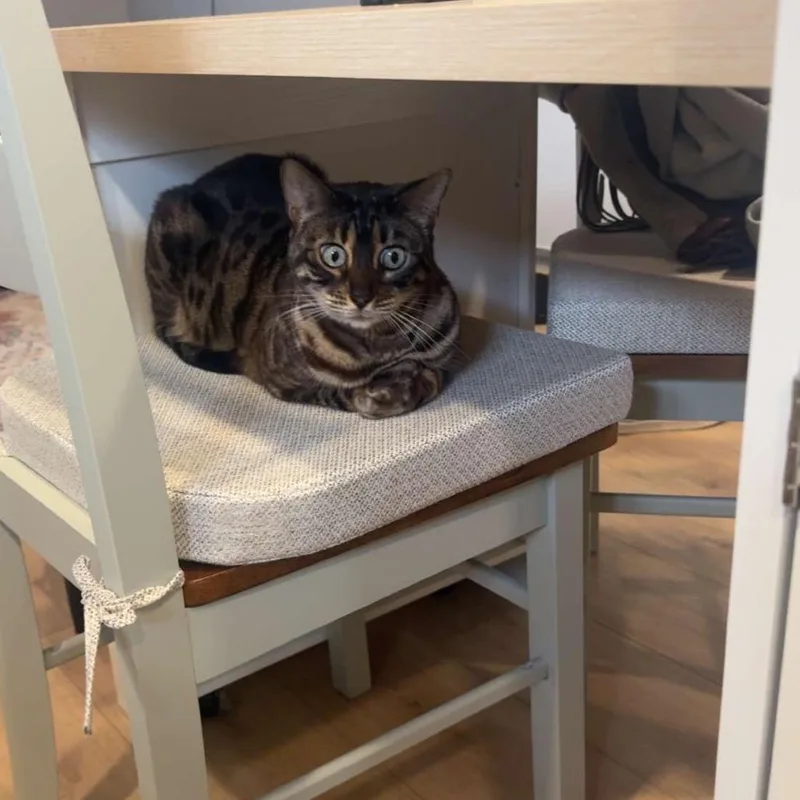
A Bengal looks like a small wild cat, with a muscular body, a spotted, rosetted or marbled coat and, in many cats, a glittery sheen on the fur. The breed began in California in the 1960s with crosses between domestic cats and Asian leopard cats, but pet Bengals today are many generations removed and fully domestic. Most weigh 8 to 15 pounds, and the short, close-lying coat sheds low to moderately.

Bengals are smart, curious and athletic. Many learn to fetch, walk on a harness, open cupboards and play with running water, and they stay kittenish well into adulthood. That's rewarding if you want an interactive cat and frustrating if you're hoping for a quiet lap cat. Bengals vary, so some are more cuddly and some are more demanding than others.

Weight
8–15 lbs
Height
9–11 in
Lifespan
10–15 yrs
Temperament
Energetic, Curious, Intelligent
Shedding
Low to Moderate

Owning a Bengal in Newark

Having a Bengal in Newark

Bengals pair a wild-looking coat with a quick mind and an athletic body. Daily play, climbing room and a few inherited health risks are what decide whether one fits a Newark household, far more than the coat does.

Temperament

Bengals tend to be confident, curious and closely tied to their people, often following them from room to room. Many are vocal and get mischievous when bored, which neighbors in a shared building may notice. They can get along with cat-savvy dogs and playful cats, though personalities vary from one Bengal to the next.

Exercise Needs

Plan on several active play sessions a day: wand toys, fetch and chase games, plus tall trees and wall shelves to climb. Food puzzles, clicker training and harness practice add mental work. In Newark, an indoor routine does the heavy lifting, with a secure window perch for watching the street.

Health Considerations

Bengals can inherit hypertrophic cardiomyopathy, a heart condition, as well as progressive retinal atrophy, which causes early blindness, and pyruvate kinase deficiency, a form of anemia. Genetic tests exist for some of these. Regular veterinary checkups, including heart screening if your veterinarian recommends it, help catch problems early.

Living Space

Bengals do well in Newark's apartments and multifamily houses when they have vertical territory and daily interaction. Stimulation matters more than square footage. Put screens on every window, keep cords out of reach, and consider a second playful cat for company. Keep a Bengal indoors or in a secure enclosed patio.

What it costs to own a Bengal in Newark

ExpenseTypical costPer year
Food$25 to $50 per month$300 to $600
Pet insurance$30 to $60 per month$360 to $720
Routine vet care$150 to $350 per year$150 to $350
Other*$500 to $1,350 per year$500 to $1,350
Estimated yearly total (after year one)$1,310 to $3,020

Other costs are estimates and vary with size, age and health.

* Litter, flea prevention, a dental cleaning allowance, toys and bedding, light brushing, and extra climbing and puzzle enrichment for a very active cat.

Adopt a Bengal in Newark.

Now that you know more, let’s find you a new best friend. These rescues and shelters below have cats available in and near Newark.

Rescues and Shelters in or near Newark

The rescues and shelters below list cats for adoption around Newark, and the selection changes as new cats arrive. Here are the rescues & shelters in the Newark area with cats available for adoption, worth asking whether a Bengal is coming in.

Frequently Asked Questions

Yes, you can. No known Newark rule restricts Bengals, and the state's dangerous-dog law covers dogs and is based on behavior, not breed. Bengals are fully domestic cats, so they're treated like any other pet cat. The bigger practical hurdle is your lease, since most Newark homes are rentals and landlords set their own pet policies.

Yes, a Bengal can live happily in a Newark apartment if it gets vertical space and daily play. Walk-ups and converted two- and three-family houses work well with a tall cat tree and a window perch. Bengals are chatty and energetic, so expect some noise and sprints down the hall, and keep a snug screen on every window.

A Bengal fits Newark best when someone is home for several play sessions a day. Small multifamily buildings suit an indoor cat, and many Newark households get around without a car, so vet trips by bus or train work with a good carrier. Long days alone leave a Bengal bored, so a second playful cat can help.

Mostly yes, because a Bengal lives indoors and Newark's climate is manageable with a few precautions. Snowy winters mean more indoor play to burn off energy, while hot, humid summers call for a cool room, fresh water and secure screens. Pack a carrier and supplies for the occasional blizzard or storm.

Yes, as long as the Bengal is in a carry-on travel cage. NJ Transit trains, buses and the Newark Light Rail allow only service animals, police dogs and small pets in carriers, so a Bengal can't roam free. Choose a roomy, secure carrier, since adult Bengals can reach 15 pounds, and keep it closed on board.

Weequahic Park's 2.2-mile lake loop and Branch Brook Park are Newark's largest open spaces, but a Bengal is happiest on a secure harness during quiet hours. Avoid the off-leash dog areas, and don't let a cat roam: dogs and coyotes, which live across Essex County, are real risks outdoors.

No, pet cats can't go inside Newark restaurants. New Jersey's food code bars live animals from retail food establishments, with exceptions such as service animals, and it doesn't carve out an exception for pets. A Bengal is usually happier at home with a puzzle feeder and a window perch anyway.

A Bengal needs very little grooming. A weekly brush with a soft brush or rubber mitt handles the short, close-lying coat, and shedding may rise a bit in spring. Add nail trims every few weeks and occasional ear checks. Home brushing costs little and falls within the Other costs shown on this page.

A Bengal is a domestic cat breed developed from crosses between house cats and the small Asian leopard cat, then bred for generations with domestic cats. Bengals have short, sleek coats with spots, rosettes or marbling, muscular builds and lively, curious personalities. Pet Bengals are domestic cats, though their energy and intelligence often feel a little wilder.

Expect roughly $1,300 to $3,000 a year for a Bengal: food runs $25 to $50 a month, insurance $30 to $60 a month, routine vet care $150 to $350 a year, and other costs $500 to $1,350. One-time costs include a carrier, litter box and sturdy cat tree. Adoption fees appear on each listing.