Abyssinian cat

Abyssinian Cats for Adoption in Newark, NJ

Your guide to finding and caring for an Abyssinian in Newark

An Abyssinian suits a Newark walk-up better than you might expect, because these cats care more about height than floor space. In a Roseville brownstone or a Lower Broadway two-family, a tall cat tree beside a screened window gives an Aby a lookout over the street, and that's where it'll probably spend its day. They're busy, social cats that follow you from room to room, so they do best with someone home often and a few play sessions a day.

173 Abyssinians available in Newark and nationwide

Find your forever Abyssinian

While we don't have enough cats near Newark, keep in mind that many rescues may offer transport.

Abyssinians Available for Adoption Near Newark

About the Abyssinian breed

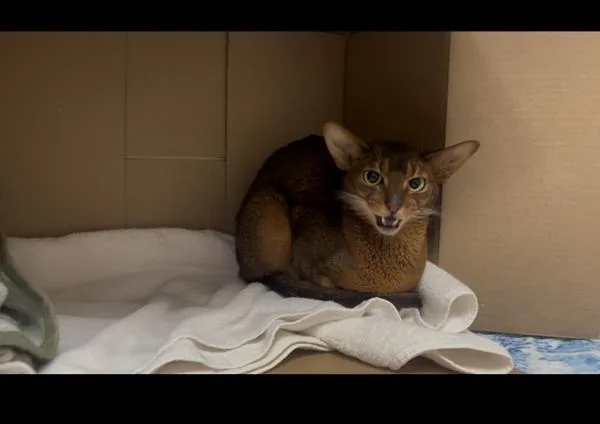
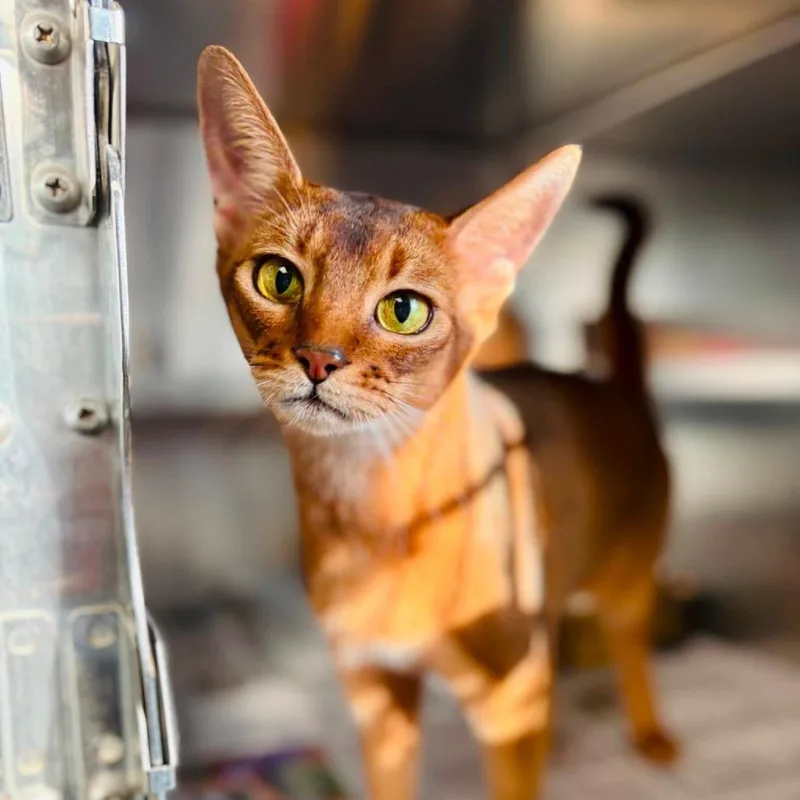
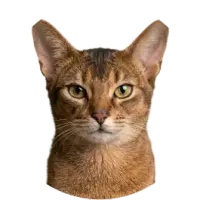
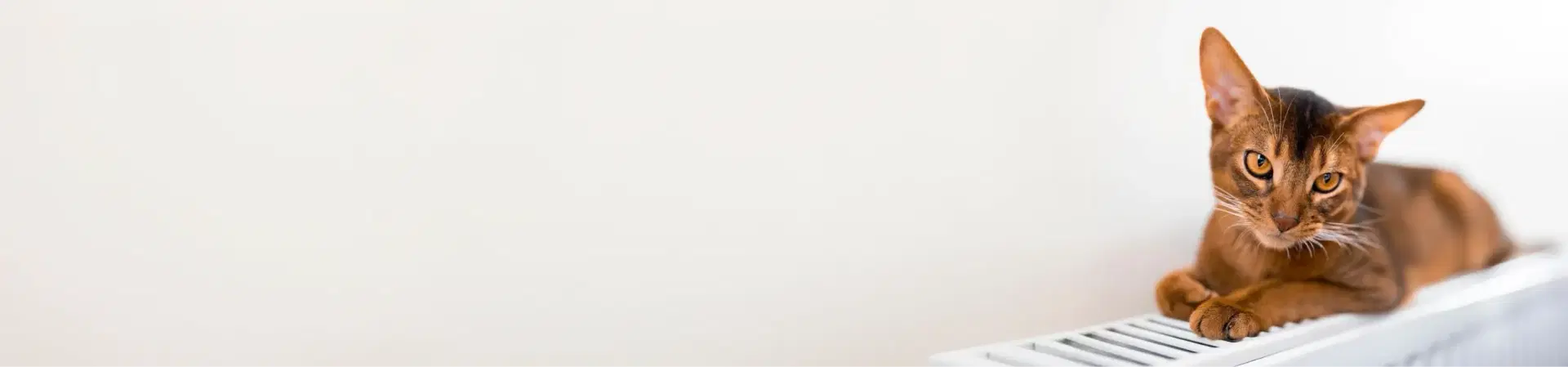
The Abyssinian is a lithe, muscular, medium-sized cat, usually 6 to 12 pounds, with a short ticked coat in which each hair carries several bands of color. Large cupped ears and almond eyes give it an alert, wildcat look. The name points to Abyssinia, now Ethiopia, though genetic research suggests ancestors from the Indian Ocean coast and Southeast Asia, and it's among the oldest recognized breeds.

Abys are athletic and curious, and they tend to investigate everything from the top of the refrigerator down. Many are affectionate without being lap cats, and the short coat sheds lightly and needs little brushing. Expect a lifespan of roughly 9 to 15 years. In Newark's apartments and multi-unit houses, vertical space and daily play matter far more than square footage, and each cat's personality still varies.

Weight
6–12 lbs
Height
8–10 in
Lifespan
9–15 yrs
Temperament
Active, Curious, Playful, Social
Shedding
Low to Moderate

Owning an Abyssinian in Newark

Having an Abyssinian in Newark

Abyssinians pair high energy with a strong need for company and an easy-care coat. For Newark adopters, the questions are whether your home has room to climb, whether someone is around to play, and how comfortable you are with some inherited health risks.

Temperament

Abyssinians are inquisitive, social and playful, often shadowing their people from room to room. Many are affectionate on their own terms rather than lap cats, and some are shy with strangers at first. In a busy Newark building with neighbors and street noise, a confident cat usually adapts, but personalities vary, so meet the cat before deciding.

Exercise Needs

Plan on daily interactive play, such as wand toys, fetch and chase games, plus puzzle feeders to keep their minds busy. Tall trees and wall shelves let them climb indoors. Some Abys learn to walk on a harness, but most of their exercise will happen at home, so rotate toys and schedule play morning and evening.

Health Considerations

Abyssinians can inherit pyruvate kinase deficiency, a cause of anemia, and progressive retinal atrophy, which leads to vision loss; DNA tests exist for both. Kidney amyloidosis, kneecap luxation and gum disease also appear in the breed. Regular dental care and routine checkups help, and a veterinarian can advise on screening and what to watch for.

Living Space

An Abyssinian adapts well to the small multi-unit buildings and walk-ups common in Newark, provided it has vertical space. Cat trees, window perches and wall shelves matter more than floor area. Keep it indoors or in a secure catio, and use sturdy window screens so a curious climber can't fall.

What it costs to own an Abyssinian in Newark

ExpenseTypical costPer year
Food$25 to $50 per month$300 to $600
Pet insurance$30 to $60 per month$360 to $720
Routine vet care$150 to $350 per year$150 to $350
Other*$450 to $1,150 per year$450 to $1,150
Estimated yearly total (after year one)$1,260 to $2,820

Other costs are estimates and vary with size, age and health.

* Flea prevention, a dental cleaning allowance, litter, toys, scratchers and cat trees, and occasional brushing for a short coat.

Abyssinian cat

Adopt an Abyssinian in Newark.

Now that you know more, let’s find you a new best friend. These rescues and shelters below have cats available in and near Newark.

Rescues and Shelters in or near Newark

These Newark-area shelters and rescues list cats looking for homes, and the listings change as new arrivals come in. Here are the rescues & shelters in the Newark area with cats available for adoption, worth asking whether an Abyssinian is coming in.

Frequently Asked Questions

Yes, an Abyssinian can do well in a Newark apartment as long as it has climbing space and daily play. Most homes here are small multi-unit buildings, so lean on cat trees, window perches and removable wall shelves rather than floor space. Because Abys are social, a household where someone is home often, or a second cat, helps.

Yes. No known Newark rule restricts Abyssinians or any other cat breed, so the main hurdles are your lease and your readiness for a busy, social cat. Abys are popular, but adoptable ones come and go, so browse the listings on this page and save a search to hear about new arrivals.

Only in a carrier. NJ Transit allows small pets in carry-on travel cages on its trains, buses and the Newark Light Rail, alongside service animals. Choose a compact, well-ventilated carrier and get your Aby used to it at home first, so vet trips by train or bus go smoothly.

Yes, as indoor cats. Newark winters bring about 80 freezing nights and 31 inches of snow, and an Abyssinian's thin, close-lying coat offers little insulation. Keep your cat inside with warm perches away from drafts, and use snowy days for extra play sessions so its considerable energy has somewhere to go.

It can be, if you have time for daily play and a home with vertical space. Newark's small multi-unit buildings suit a climbing cat well, while long days away suit it poorly because Abys crave company. If you're often out, consider a pair of cats. Hot summers and snowy winters are easy to manage indoors.

Very little. The short, close-lying coat needs a weekly brush at most, plus regular nail trims and tooth brushing, since gum disease appears in the breed. Newark's humid summers and snowy winters don't change that routine much. Professional grooming is rarely needed, so it stays a small part of the Other line in the cost table.

Abyssinian is pronounced ab-ih-SIN-ee-un, with the stress on the third syllable, SIN. The name refers to Abyssinia, the historical name for Ethiopia. Many owners simply shorten it to Aby, pronounced AB-ee. You may also hear the breed's ticked coat colors called ruddy, cinnamon or sorrel, blue and fawn.

An Abyssinian is a medium-sized shorthaired cat breed known for its ticked coat, in which each hair has bands of color that create a warm, glowing look. It has large ears, almond-shaped eyes and a lean, muscular body. Developed in Britain in the 1800s, it is one of the oldest recognized breeds and is famous for being active and curious.

Yes, Abyssinian cats shed, but usually only lightly to moderately because of their short, close-lying coat. Shedding may increase seasonally. Combing or brushing a few times a month controls loose hair, and a damp cloth or chamois rubbed over the coat adds shine. Sudden heavy shedding or bald patches should be checked by a veterinarian.

Expect roughly $1,260 to $2,820 a year for an Abyssinian in Newark: food at $25 to $50 a month, insurance at $30 to $60 a month, routine vet care at $150 to $350 a year, and $450 to $1,150 a year for other costs such as litter and dental care. Pricing insurance early makes sense given the breed's inherited conditions.