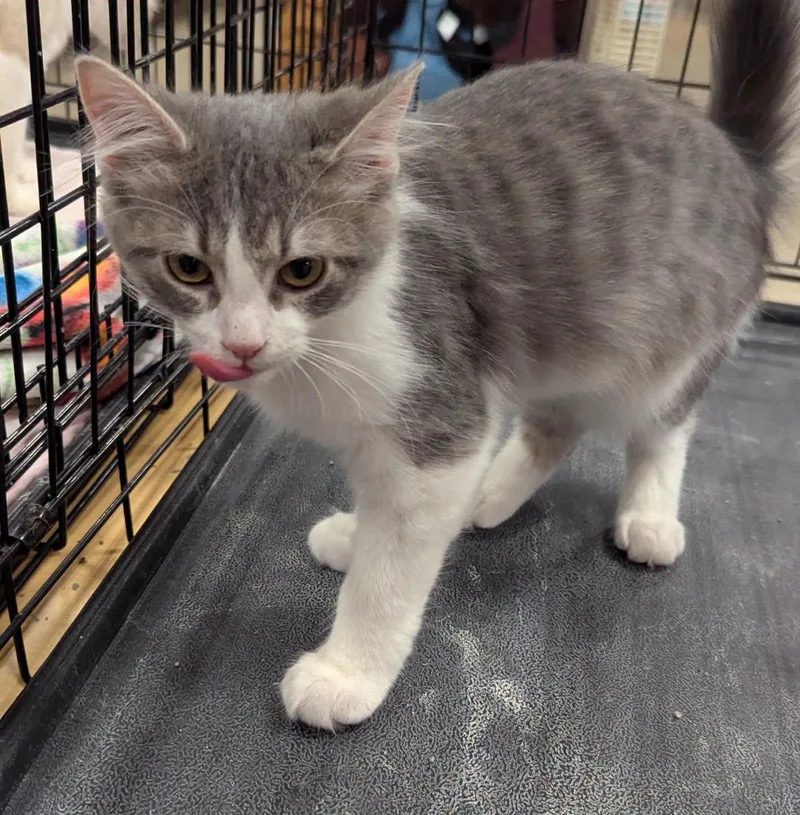
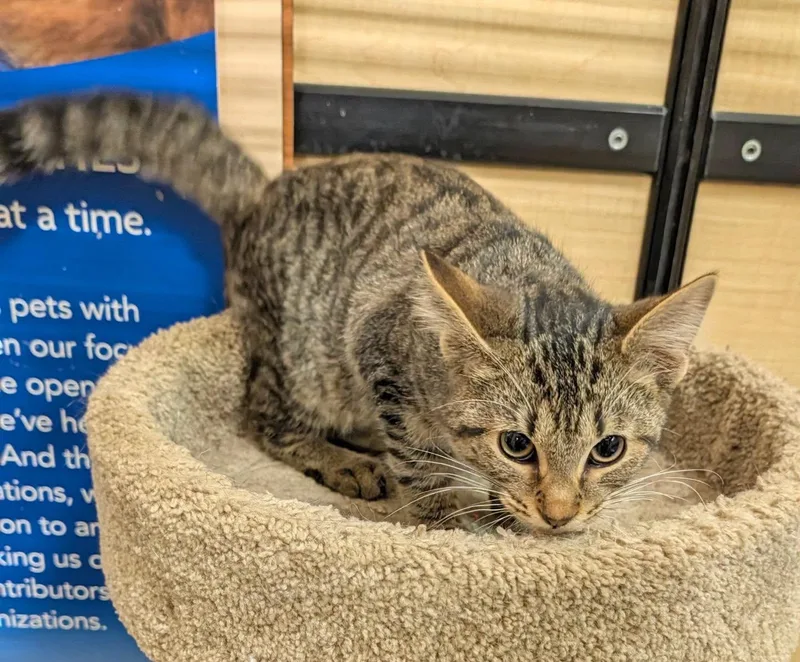
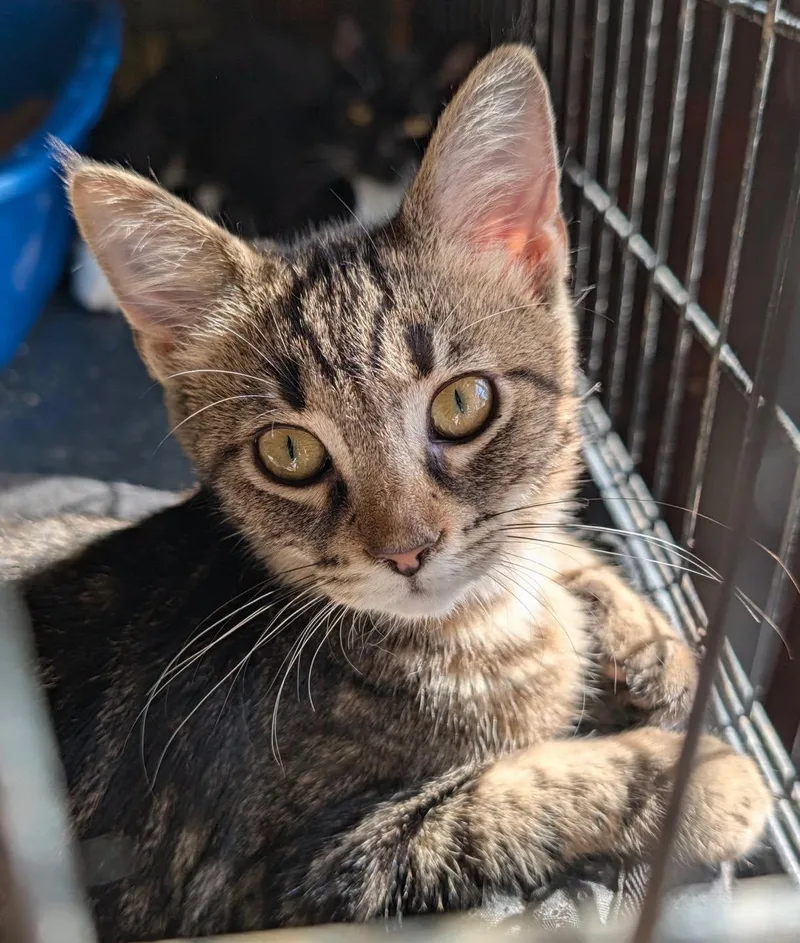
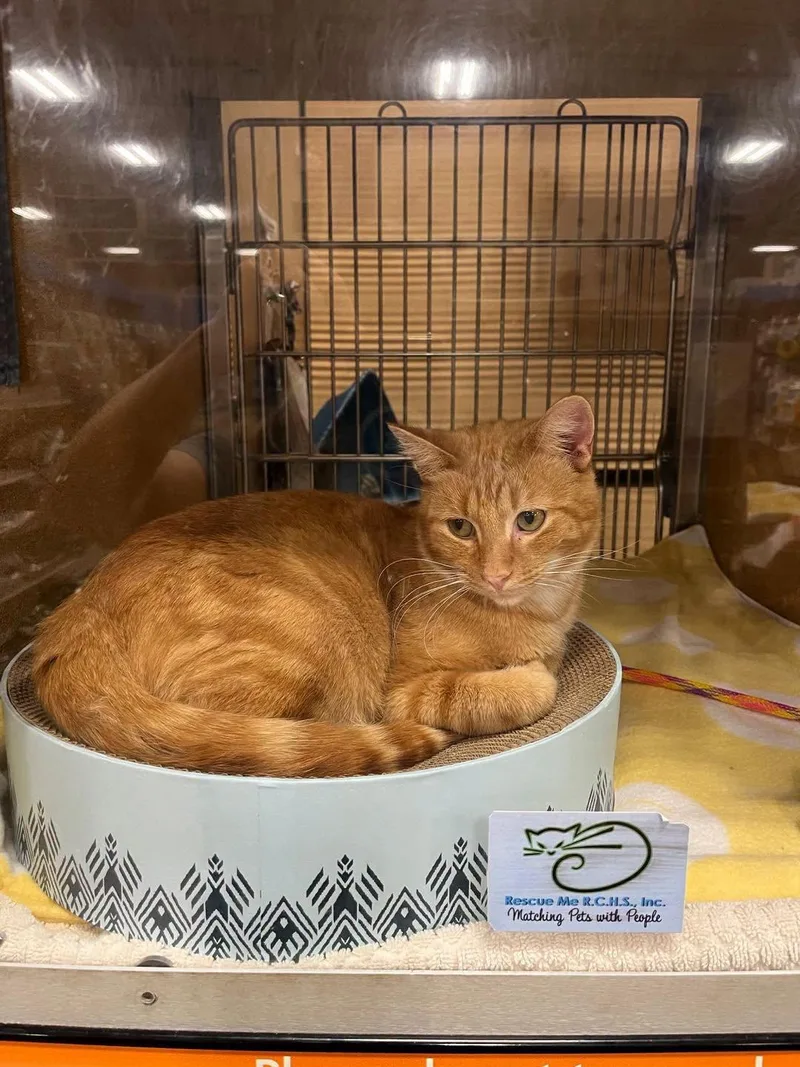
Tabby Cats for Adoption in Indianapolis, IN

Your guide to finding and caring for a Tabby in Indy

Tabbies suit Indianapolis homes of nearly any size, from a Mapleton-Fall Creek duplex to a Castleton apartment. Tabby is a coat pattern rather than a breed, so these cats vary in size, energy and coat length. Most adoptable ones are medium-sized shorthairs that are happy with a window perch and a few play sessions a day. That's handy when January snow keeps everyone inside, and a wand toy in the living room beats a cold walk.

8103 Tabbies available in Indianapolis and nationwide

Find your Tabby

Tabbies Available for Adoption Near Indianapolis

About the Tabby breed

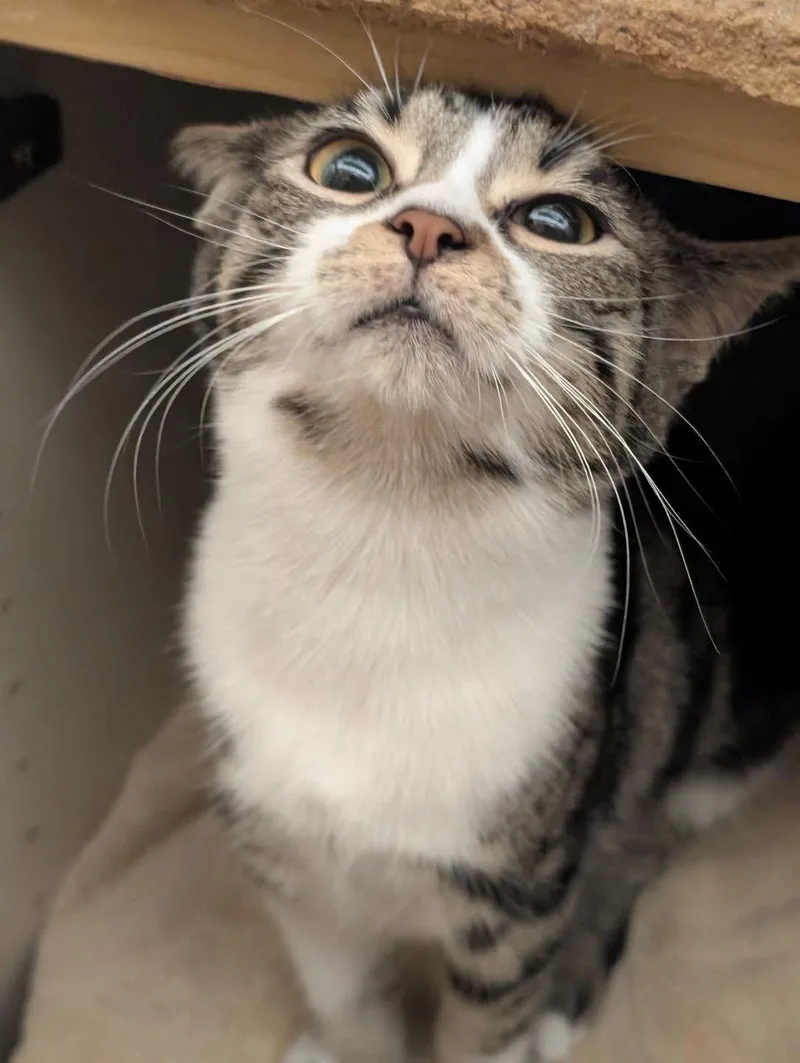
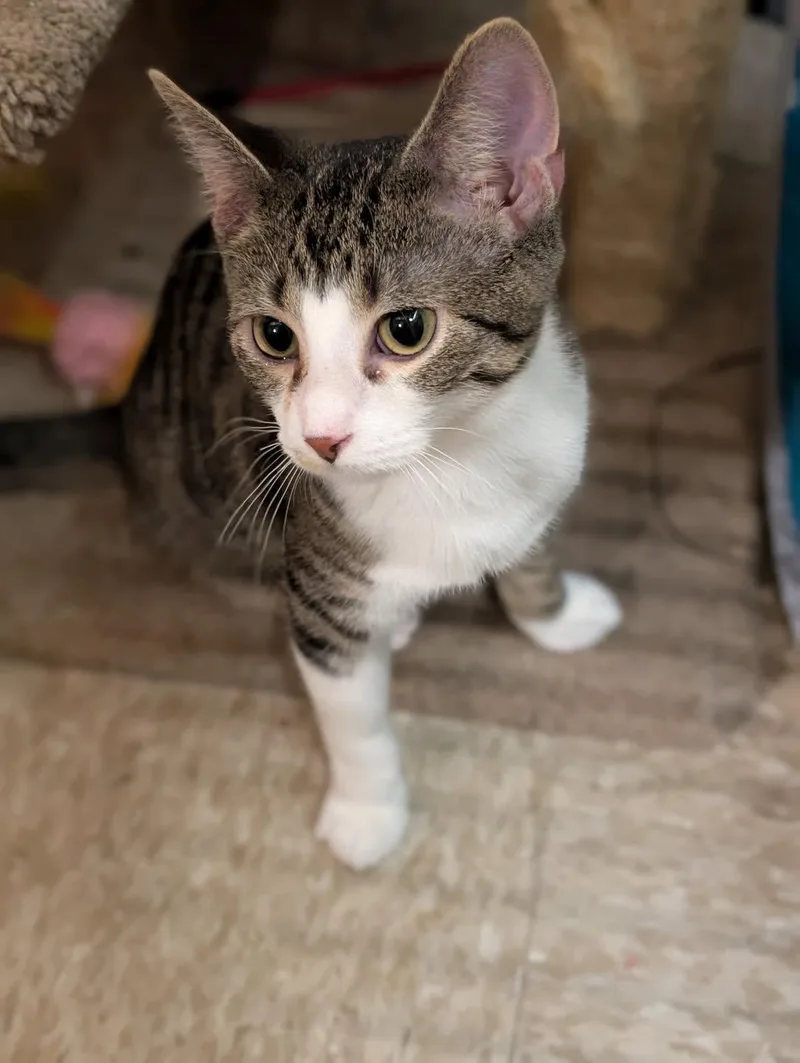
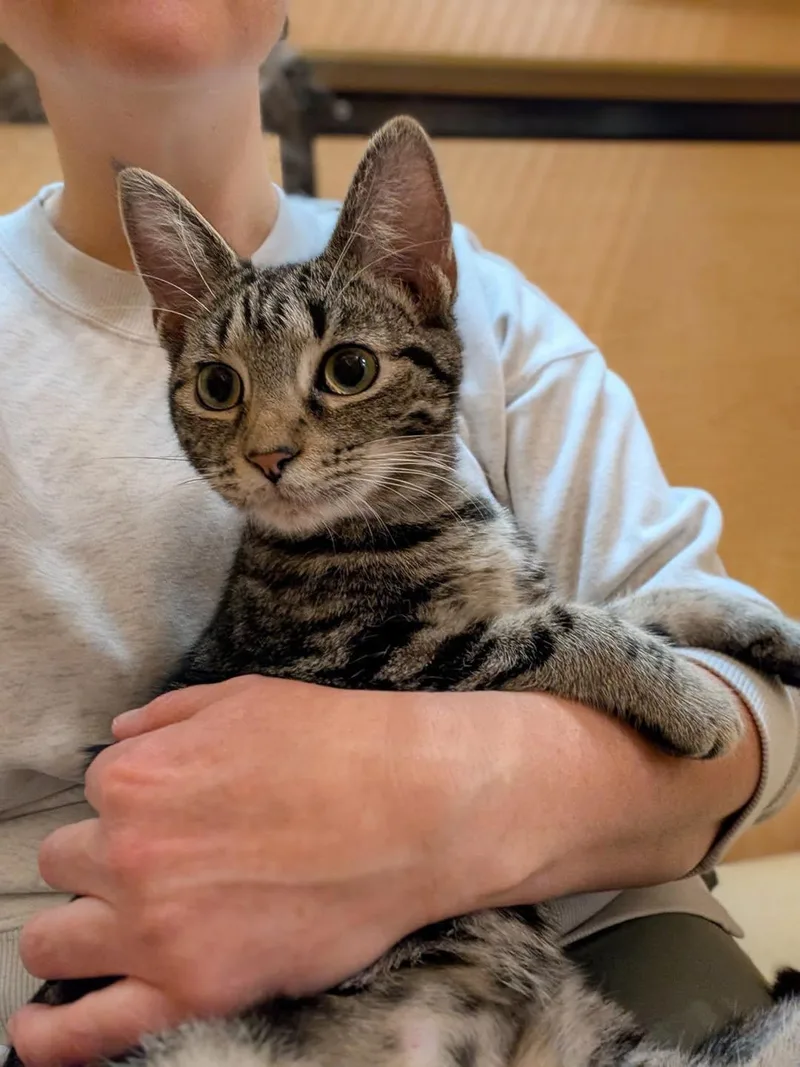
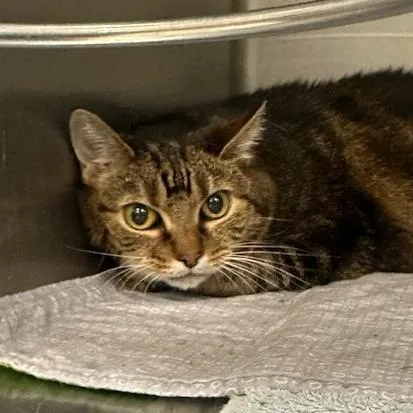
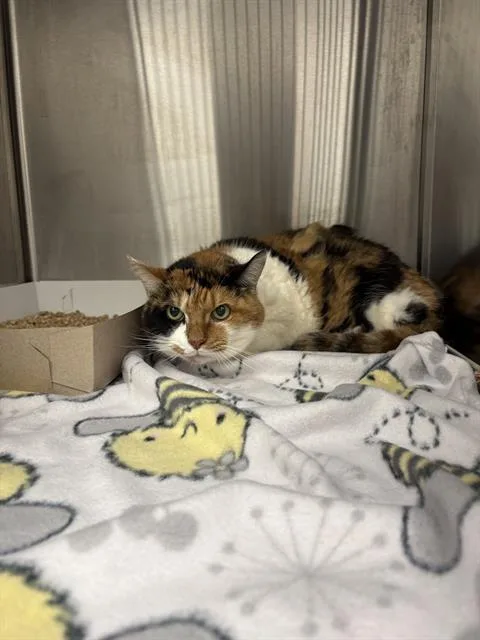
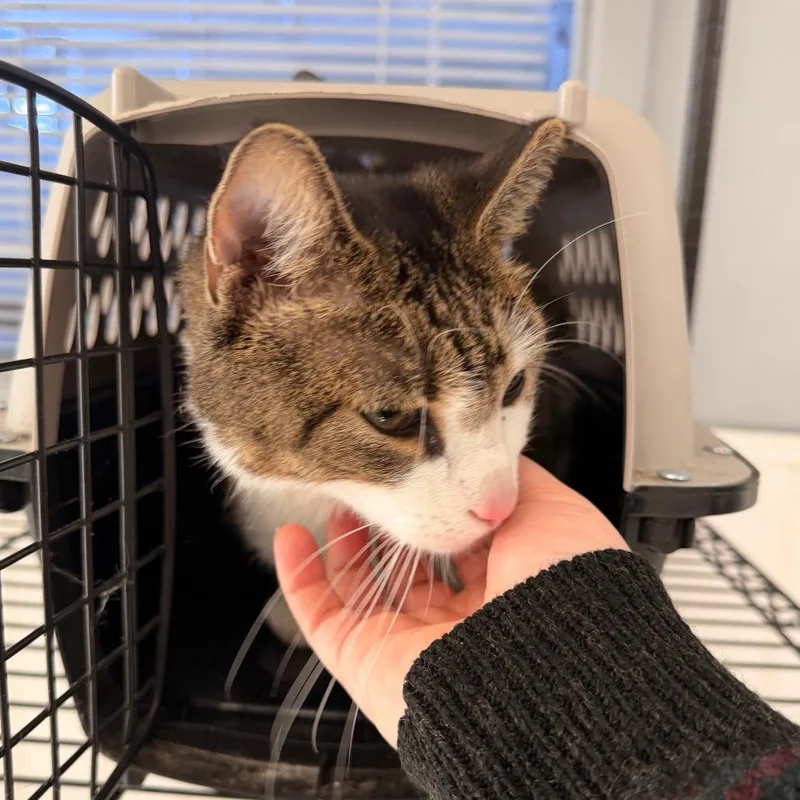
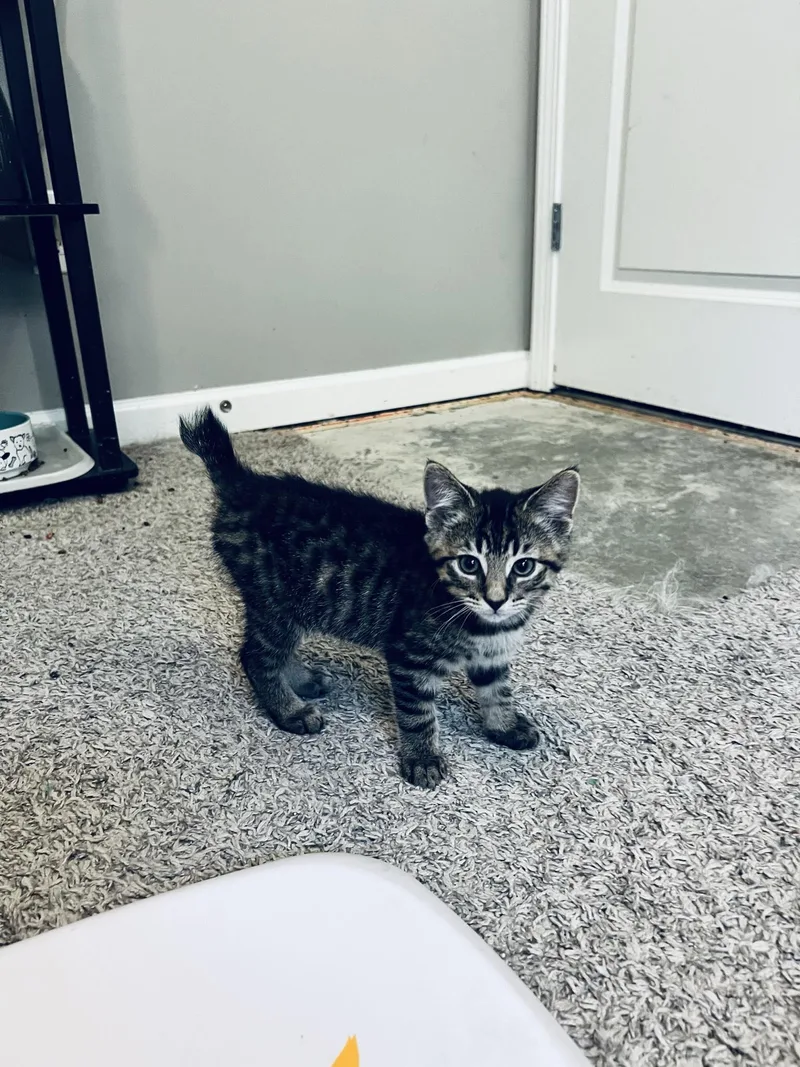
Tabby describes a coat pattern, not a breed. A cat with stripes, swirls, spots or ticked hairs and the M-shaped mark on its forehead counts, whether it's a domestic shorthair, a Maine Coon mix or an American Shorthair. The four main patterns are mackerel, classic, spotted and ticked, in colors from brown and orange to gray, silver and cream.

Because the pattern shows up in so many cats, there's no single tabby personality. Most are medium-sized shorthairs weighing roughly 6 to 14 pounds, and temperament comes from genetics, upbringing and past experience. Adopters in Indianapolis range from renters near the Monon Trail to families in Franklin Township subdivisions, and meeting the cat in person tells you far more than its stripes. Most live 12 to 18 years, so think long term.

Weight
6–14 lbs
Height
8–10 in
Lifespan
12–18 yrs
Temperament
Curious, Adaptable, Affectionate
Shedding
Moderate

Owning a Tabby in Indianapolis

Having a Tabby in Indy

Tabby is a pattern found across many breeds and mixes, so each cat's traits come from its own background. Temperament, energy, age, health history and coat length say far more about daily life in Indianapolis than the stripes do.

Temperament

Nothing suggests the tabby pattern shapes personality, so expect the full feline range, from lap-seekers to shy, independent cats. The idea that orange tabbies are extra outgoing partly reflects that most orange cats are male. In an Indy apartment, a curious, adaptable cat often settles in fast, but calmer cats can do just as well.

Exercise Needs

Plan on daily play that mimics hunting: wand toys, chasing and pouncing, in several short sessions for kittens and young adults. Climbing trees, scratchers and window perches add activity indoors. Indianapolis winters limit outdoor time, so indoor play matters even more, and gentler games keep older cats moving.

Health Considerations

Coat pattern has no known effect on health; risks follow the cat's breed or mix, age and lifestyle. Common issues include obesity, dental disease and urinary problems, plus kidney disease, hyperthyroidism and diabetes in older cats. Indiana requires rabies vaccination from three months of age, and a veterinarian can set up wellness exams, dental care and a weight plan.

Living Space

Tabbies generally adapt to apartments and houses alike when they have places to climb, scratch, hide and watch the outdoors. In a busy Indy building, vertical space and a quiet retreat help. Indiana DNR says coyotes live in urban areas and may kill house cats, so indoor living is the safer choice.

What it costs to own a Tabby in Indianapolis

ExpenseTypical costPer year
Adoption fee$75 to $100, one time$75 to $100 in year one
Food$25 to $50 per month$300 to $600
Pet insurance$20 to $45 per month$240 to $540
Routine vet care$150 to $350 per year$150 to $350
Other*$450 to $1,150 per year$450 to $1,150
Estimated yearly total (after year one)$1,140 to $2,640
First-year total (with adoption fee)$1,215 to $2,740

Adoption fee is the range of fees on Tabby listings in Indianapolis on GetBuddy today. Other costs are estimates and vary with size, age and health.

* Litter, flea prevention, a dental cleaning allowance, toys, scratchers and bedding, and occasional grooming.

Adopt a Tabby in Indianapolis.

Now that you know more, let’s find you a new best friend. These rescues and shelters below currently have Tabbies available.

Frequently Asked Questions

Yes, Indianapolis has no breed restrictions, and tabby is a coat pattern rather than a breed. The city requires permanent identification such as a microchip, and Indiana requires rabies vaccination for cats three months and older. There's no general cat license, so the main steps are vaccination, ID and a lease that allows pets if you rent.

Yes, most Tabbies adapt well to apartments as long as they have things to climb, scratch and watch. A cat tree by a window, a few play sessions a day and a quiet retreat go a long way. Since Indianapolis has many renters, read the lease for pet fees and limits before you adopt.

Yes, indoor Tabbies handle Indianapolis winters easily. Cats mostly want a warm bed away from drafts and a sunny window to watch the snow. Short coats feel the cold more than long ones, so offer extra blankets. Winter also means more time indoors, so daily wand-toy play helps prevent weight gain and boredom.

It can be, if you want an indoor companion and have time to play daily. Indy's mix of rentals and houses, and winters that keep people home, suit most cats. Because tabby is only a pattern, fit depends on the cat's age, energy and temperament, so spend time with a cat before you decide.

Most shorthair Tabbies need a quick weekly brushing, with extra sessions in spring and fall when they shed more. Long-haired Tabbies need brushing several times a week to prevent mats. Professional grooming is rarely necessary, and the occasional grooming in the Other cost line covers it. Indy's humid summers and dry winters don't change the routine much.

Yes, in a carrier. IndyGo buses, including the Red and Purple Line rapid-transit routes, allow pets in a carrying case. Choose a closed, ventilated, leak-proof carrier small enough to stay on your lap or at your feet. Indianapolis has no subway, and a cat that won't settle in a carrier may do better with a car ride to the vet.

A tabby cat is any cat with a tabby coat pattern, meaning stripes, swirls, spots or ticked hairs plus a distinctive M-shaped marking on the forehead. Tabby is not a breed. The pattern appears in domestic shorthairs and longhairs as well as many pedigreed breeds, such as the American Shorthair, Maine Coon and Abyssinian, and it is one of the most common cat patterns.

A tabby cat isn't any one breed, because tabby is a coat pattern. Cats with the pattern include shelter domestic shorthairs and longhairs as well as breeds such as the American Shorthair, Maine Coon, Bengal and Abyssinian. Most tabbies available for adoption are mixed-breed domestic cats, so browse the cats listed here and look at each one's age and personality.

We have 1 rescue with Tabbies available: Pepper's Pals Cat Rescue. You can see every rescue with Tabbies available in the list above these questions, or scroll to the top to see the Tabbies near Indianapolis.

A Tabby in Indianapolis typically costs about $25 to $50 a month for food and $20 to $45 a month for optional insurance. Routine vet care runs about $150 to $350 a year, and other costs such as litter, flea prevention and dental care add $450 to $1,150. That's roughly $1,140 to $2,640 a year.